Attractions and Places To See around Vadocondes - Top 20
Best attractions and places to see around Vadocondes, a village in the Ribera del Duero region of Burgos, Spain, offers a blend of historical and natural sites. Declared a "Conjunto Histórico" (Historic-Artistic Site), the area is rich in cultural landmarks and traditional architecture. The Duero River, which flows through the region, provides a natural focal point for various activities. This area presents diverse points of interest for visitors exploring its heritage and landscapes.
Best attractions and places to see around…
Last updated: June 29, 2026
Aranda Bridge
Highlight • Bridge
It is a symbol of the city and its heritage, …
Translated by Google •
Tip by

Church of Santa María la Real of Aranda de Duero
Highlight • Religious Site
Translated by Google •
Tip by
Sign up now to discover places like this
Get recommendations on the best single tracks, peaks, & plenty of other exciting outdoor places.
Sign up for free
Castillejo de Robledo
Highlight • Castle
Translated by Google •
Tip by

Monastery of Santa María de la Vid
Highlight • Religious Site
Translated by Google •
Tip by

Peñaranda de Duero
Highlight • Settlement
Translated by Google •
Tip by
Sign up for free to discover even more attractions around Vadocondes.
Sign up for free
Already have an account?
Start today with a free account
Your next adventure awaits.
Login or Signup
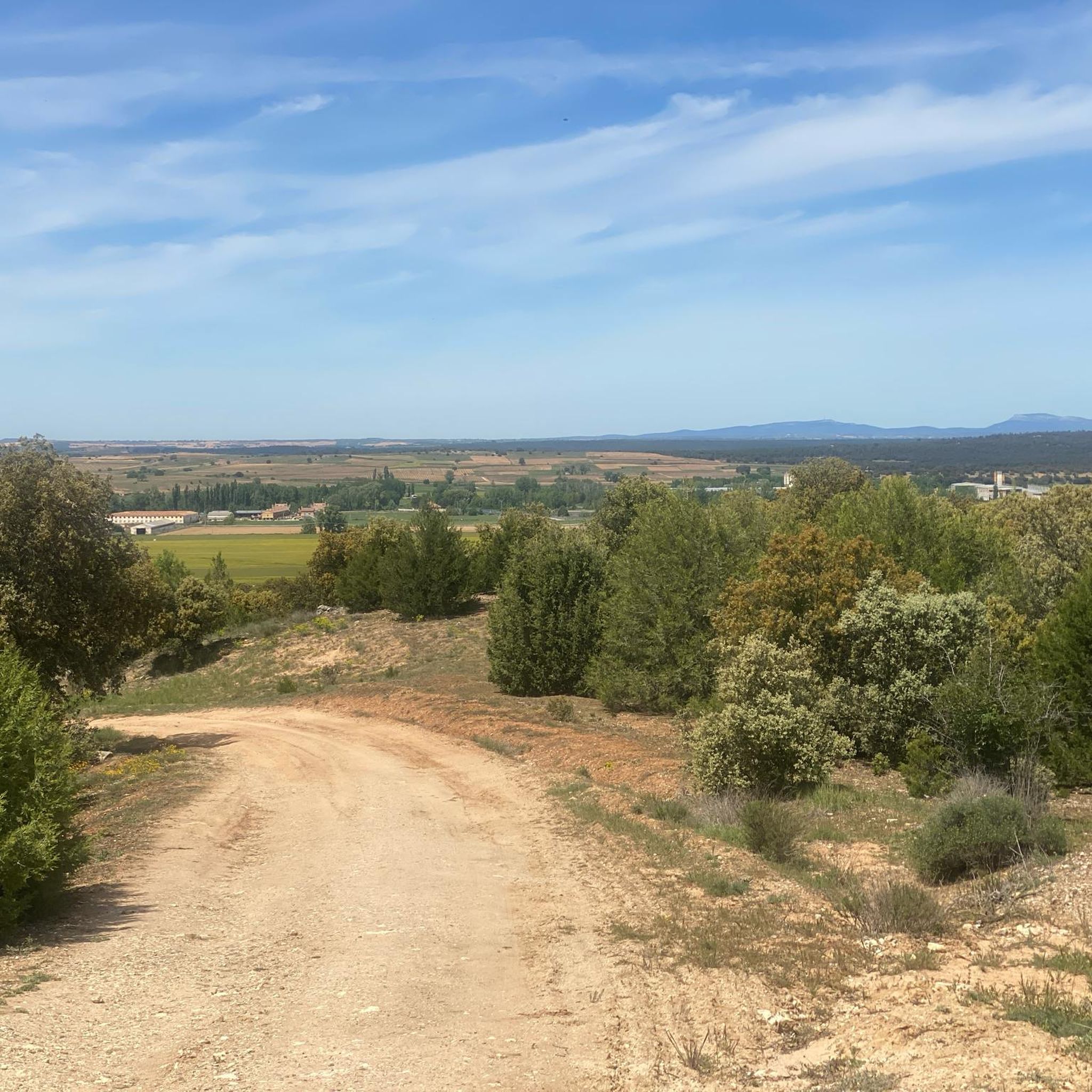
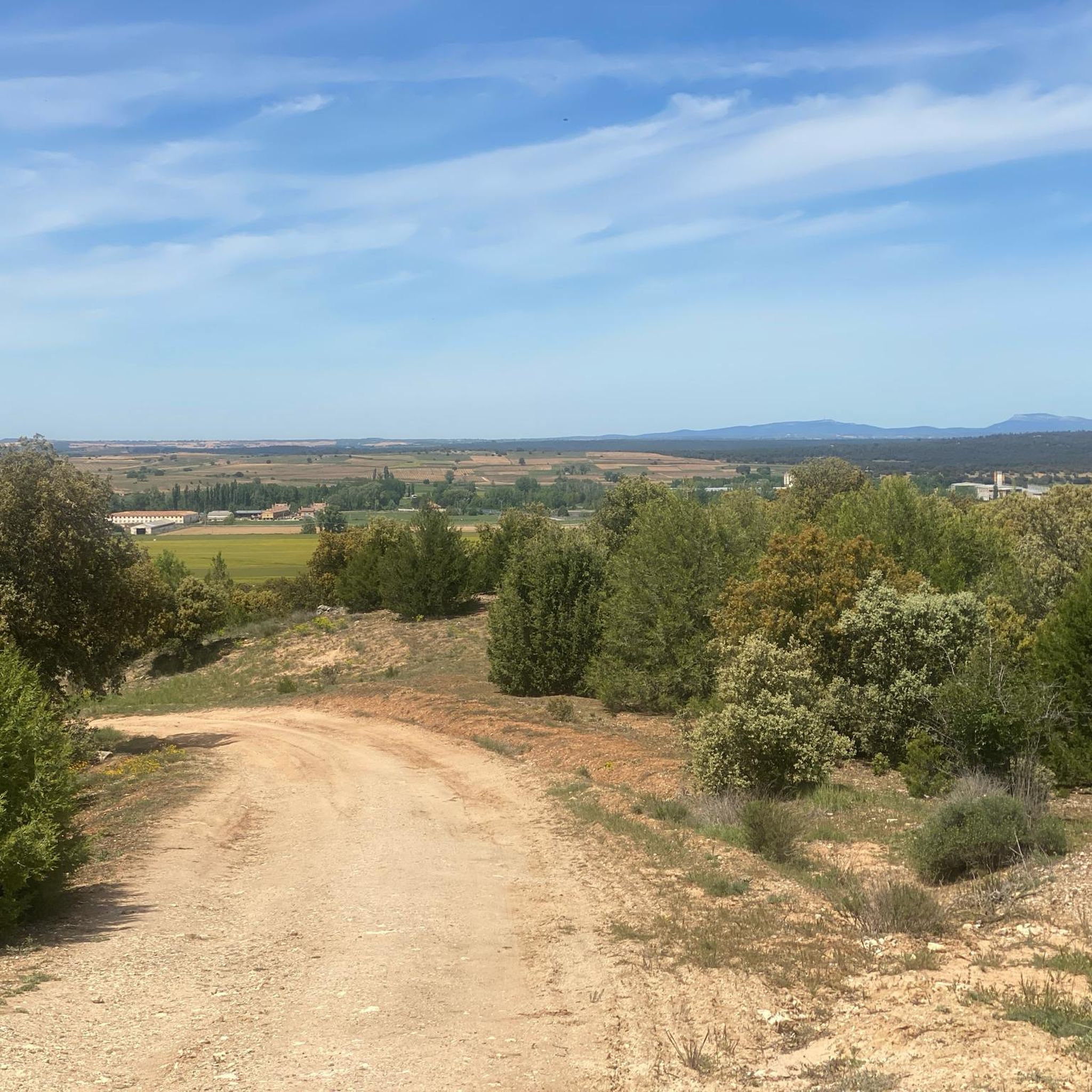



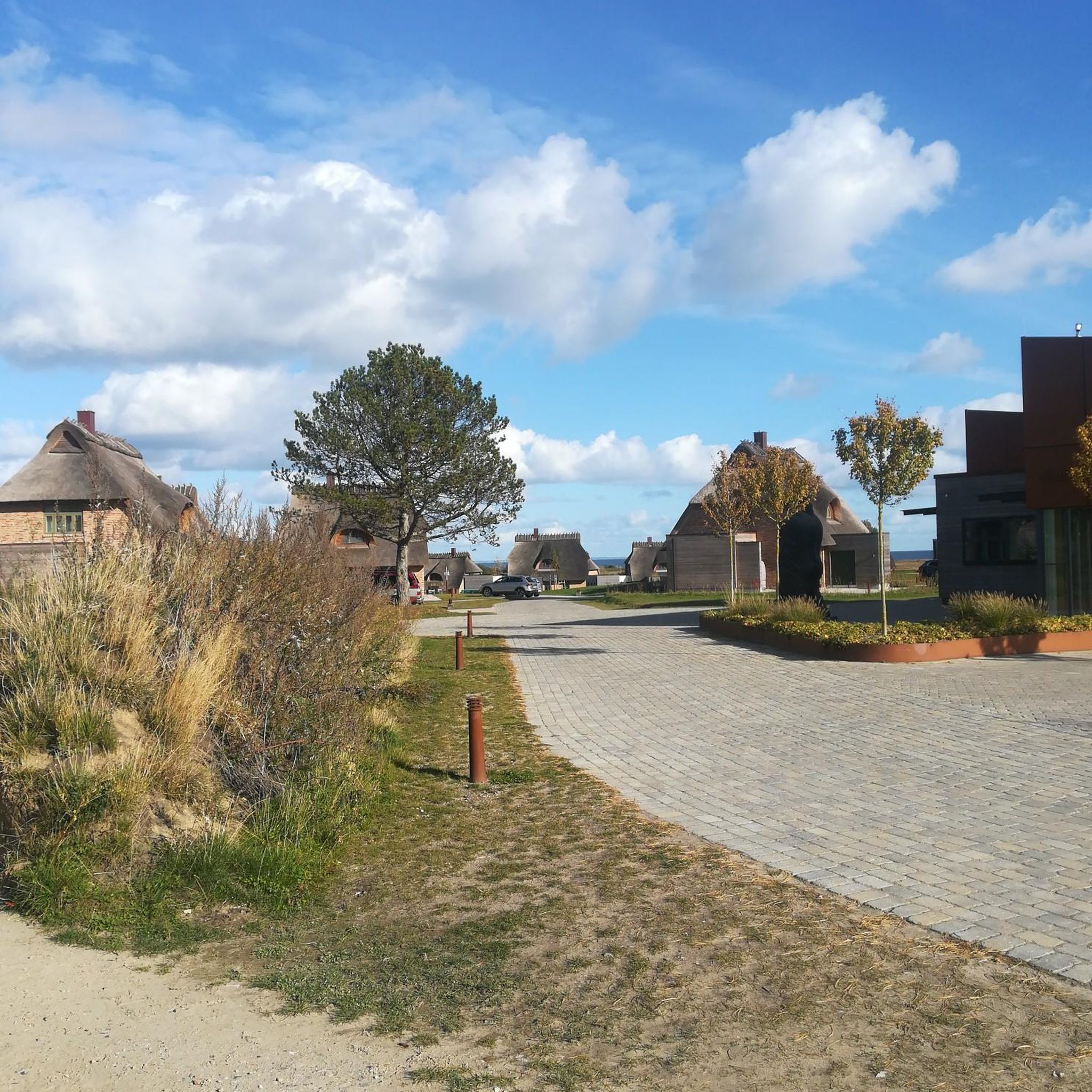
Tips from the Community

The bridge is built of stone and is characterized by its semicircular arches; it originally had four, although today it retains three due to later renovations. Over the centuries it has undergone numerous restorations, especially due to the floods of the Duero, one of the most important being the expansion and widening in the 19th century. In addition to its architectural value, it has been a strategic point for the passage of people, goods and herds, and today it is a symbol of the city and a very pleasant place to walk and enjoy the views of the river and Aranda de Duero. [iglesiaslocales.com], [edadesdelh...ogspot.com]
2
0
The Aranda de Duero Bridge, also known as Puente Mayor, is one of the city's most important historical elements, as it crosses the Duero River and has been key to its development. Although often called "Roman", it is actually a bridge of medieval origin, with references from the 12th-14th centuries, when it served as a fundamental crossing point on trade routes and the old Royal Road that connected the center and north of Spain.
2
0

Peñaranda de Duero is a municipality in Burgos, in the Ribera del Duero region, known for its rich historical heritage. Its old town, declared a Historic Site, is notable for the Peñaranda de Duero Castle, the Palace of the Counts of Miranda, its arcaded Plaza Mayor, and its provincial roll. In addition to its architecture, the town is part of the Ribera del Duero Designation of Origin and has a strong winemaking tradition.
4
0
The Aranda de Duero Bridge, also known as the Puente Mayor, is a medieval stone bridge over the Duero River. It is a symbol of the city and its heritage, connecting the old town with the modern areas. Although it has been renovated over time, it retains its historic essence.
4
1
The Church of Santa María la Real is a prominent Gothic monument in Aranda de Duero, Spain. Its most notable feature is its main façade, a masterpiece of the 15th-century Isabelline Gothic style, richly decorated with detailed sculptures. It is a cultural and architectural landmark in the city.
4
0


The most used bridge to connect both areas of the river.
1
1

Castillejo de Robledo is crowned by the ruins of its Templar castle. In the town there is also the Romanesque church of the Assumption of Our Lady, dated between the 11th and 12th centuries. The beauty of its cover stands out, which preserves part of the original painting.
0
0
Frequently Asked Questions
What historical landmarks can I explore in Vadocondes?
Vadocondes is rich in history, featuring remnants of its medieval past. You can visit the ancient Puerta Nueva and Puerta de Burgos, which were part of the 15th-century town wall. The village also boasts the 16th-century Gothic Rollo de la Justicia in the Plaza Mayor, and the architecturally significant 18th-century Bridge over the Duero. Don't miss the medieval Puente Seco and the impressive Iron Bridge, designed by an associate of Gustave Eiffel.
Are there any significant religious sites in or near Vadocondes?
Yes, the most significant religious building in Vadocondes is the Church of Our Lady of the Assumption, with origins dating back to the 15th century and showcasing various architectural styles. Nearby, you can also visit the medieval Hermitage of San Cosme and San Damián and the 17th-century Ermita del Humilladero. Further afield, consider visiting the impressive Church of Santa María la Real of Aranda de Duero, known for its detailed Gothic façade, or the grand Monastery of Santa María de la Vid, an Augustinian monastery founded in the 12th century.
What natural attractions are there around Vadocondes?
The Duero River is a central natural feature, offering opportunities for canoeing, cycling, and hiking along its banks, including sections of the Senda del Duero GR-14. A recreational area is located next to the Puente Seco fountain, perfect for enjoying the native flora and fauna. You can also visit the Linares Reservoir Dam, which offers spectacular views amidst huge rock walls.
What outdoor activities can I do near Vadocondes?
The area around Vadocondes is excellent for outdoor enthusiasts. You can explore various hiking trails, including moderate routes like the 'Sendero de las Viñas (PRC-BU 71)' or more challenging ones like the 'Senda del Suero'. For cycling, there are numerous MTB trails and gravel biking routes that follow the Duero River and explore the surrounding landscapes.
Are there any family-friendly attractions in the area?
Yes, the Monastery of Santa María de la Vid is considered family-friendly. Additionally, the recreational area by the Duero River near Puente Seco provides a pleasant setting for families. The Old Cellar District, while no longer producing wine, is often used for family gatherings and offers a unique glimpse into the region's winemaking heritage.
What is the Old Cellar District in Vadocondes?
The Old Cellar District is a unique area on the 'Cuesta de San Millán' hill, featuring 78 subterranean wineries and 116 wine presses. These cellars, mostly built in the 18th century, reflect Vadocondes' long winemaking tradition dating back to the 13th century. While no longer used for commercial wine production, many are now cherished spaces for family gatherings.
Can I find examples of traditional architecture in Vadocondes?
Absolutely. Wandering through the village of Vadocondes reveals beautiful examples of traditional popular architecture. You'll also find several well-preserved 18th-century palatial houses, which stand as a testament to the town's historical prosperity and architectural heritage.
What is the best time to visit Vadocondes for outdoor activities?
While specific seasonal details are not provided, generally, the Ribera del Duero region experiences pleasant weather for outdoor activities during spring and autumn. These seasons offer milder temperatures, ideal for hiking, cycling, and exploring the historical sites without the intense heat of summer or the chill of winter.
Are there any castles or ancient ruins to visit nearby?
Yes, a notable historical site is Castillejo de Robledo. Here, you can explore the ruins of its Templar castle, including the preserved keep and vestiges of an entrance, alongside the Romanesque church of Nuestra Señora de la Asunción.
Is there an accessible attraction in the area?
Yes, the Aranda Bridge, a medieval stone bridge over the Duero River, is noted as being wheelchair accessible. It's a significant symbol of the city's heritage, connecting old and modern areas of Aranda de Duero.
What do visitors enjoy most about the attractions around Vadocondes?
Visitors particularly appreciate the rich historical and architectural heritage, from the intricate Gothic façade of the Church of Santa María la Real to the ancient ruins of Castillejo de Robledo. The scenic beauty of the Duero River and its associated activities, along with the unique cultural insight offered by the Old Cellar District, also receive high praise.
Most popular routes around Vadocondes
Most popular attractions around Vadocondes

Get inspired with the komoot mobile app


Explore more
Still not found the Highlight you’re looking for? See guides of the top attractions in other regions:
