Attractions and Places To See around Lucena - Top 20
Best attractions and places to see around Lucena include a mix of natural wonders and historical sites. This region is characterized by its unique karst landscapes, featuring geological formations like poljés and natural springs. It also offers extensive greenways, providing opportunities for cycling and exploring the countryside. The area combines natural beauty with cultural heritage, making it suitable for outdoor enthusiasts and those interested in historical architecture.
Best attractions and places to see around Lucena
- The most popular attractions is Poljé of the Nava de Cabra, a natural monument that is a large, flat valley-shaped depression in karst rock. This geological formation is notable for its seasonal water stagnation and drainage features.
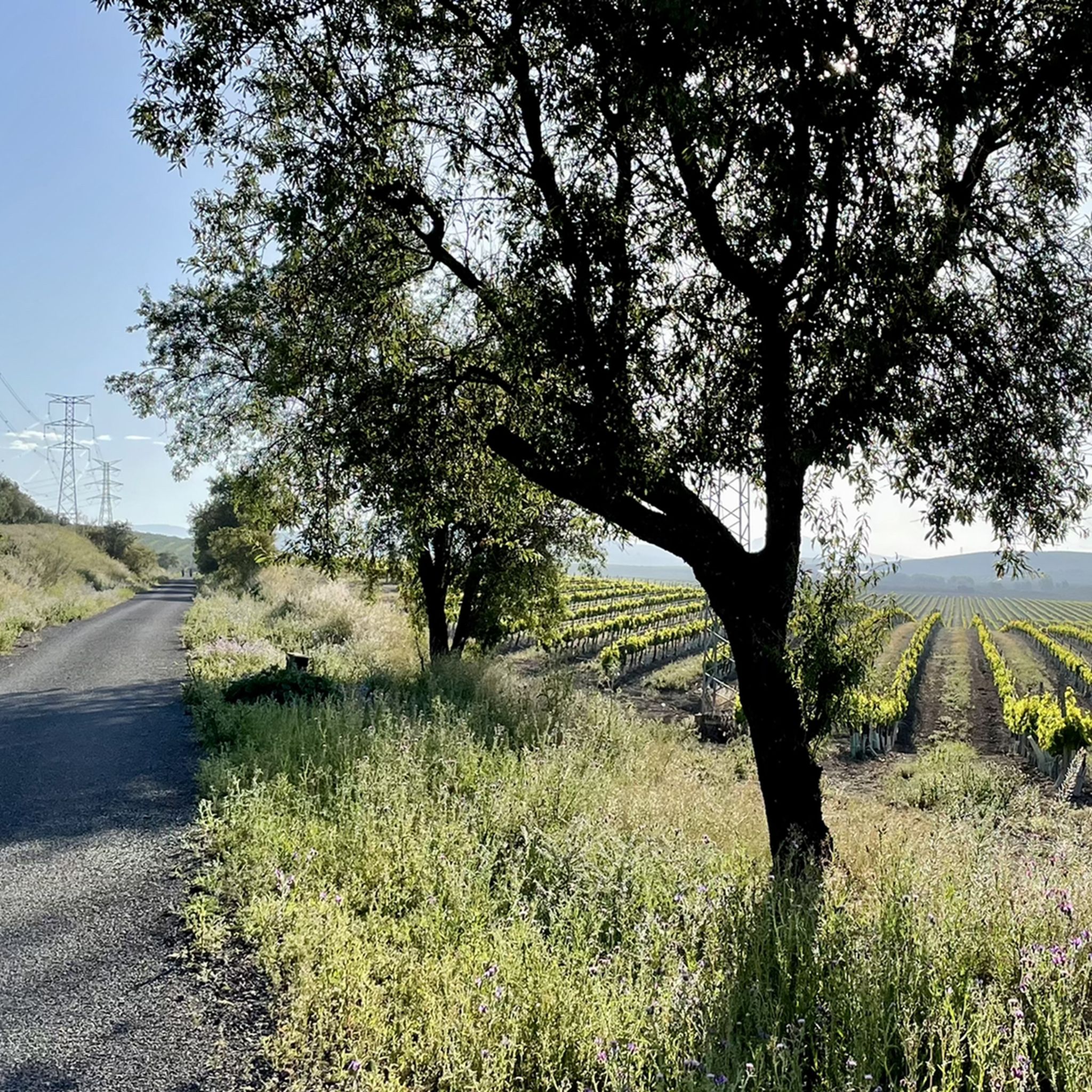
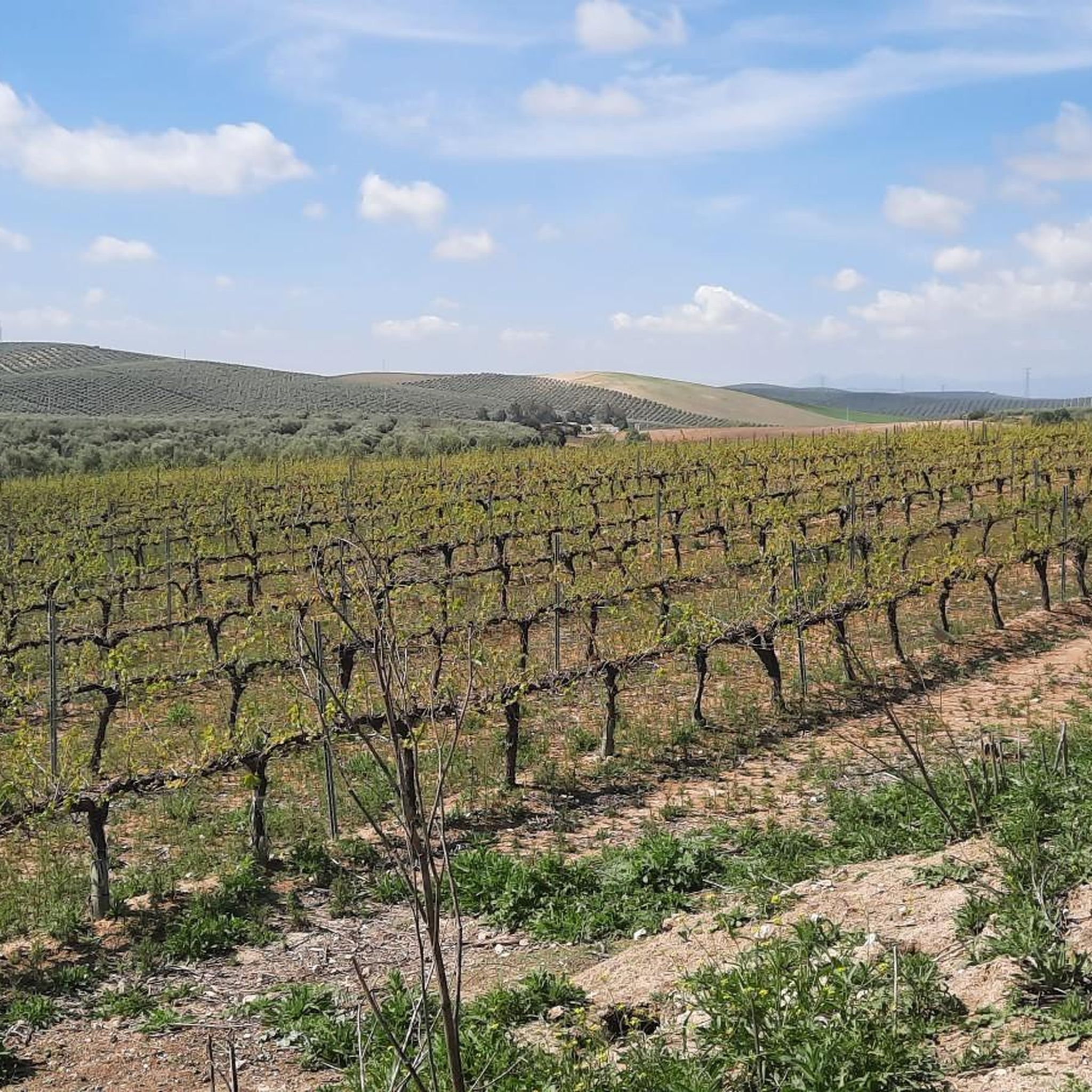
- Another must-see spot is Jauja – Subbética Greenway Natural Trail, a cycle way that runs through the southern part of the province. Visitors can expect a well-maintained route suitable for cycling, marked by olive groves and vineyards.
- Visitors also love Fuente del Río, a natural monument considered the origin of the Río Cabra. This picturesque natural park combines a karst spring with landscaped gardens and recreational areas.
- Lucena is known for its natural monuments, extensive cycle ways, and historical religious buildings. The region offers a variety of attractions to see and explore, from geological formations to cultural sites.
- The attractions around Lucena are appreciated by the komoot community, with more than 40 upvotes and 9 photos shared by visitors.
Last updated: October 9, 2026
Fuente del Río
Highlight • Natural Monument
The Fuente del Río is part of the “Ruta del Agua” in the Subbética Cordobesa and offers a harmonious interplay of nature and human design. The park is a popular place for locals and visitors who want to enjoy the tranquility and beauty of this unique place.
A visit to the Fuente del Río offers the opportunity to experience the natural beauty of the region and explore the origins of the Río Cabra.
Translated by Google •
Tip by

End of the Vía Verde del Aceite
Highlight • Cycleway
If, on the other hand, you are going to start traveling along the old railway route from here, it will be the starting point and you will have 120 fantastic kilometers ahead to enjoy.
Translated by Google •
Tip by

Sign up now to discover places like this
Get recommendations on the best single tracks, peaks, & plenty of other exciting outdoor places.
Church of Santo Domingo
Highlight • Religious Site
Construction began in 1498 at the instigation and patronage of Diego Fernández de Córdoba, 1st Marquis of Comares, on the site of the old main synagogue of Lucena, based on a design by the architect Hernán Ruiz I. The temple was completed in 1544, as the Inscription on a portal reveals, although some later elements have been found (translated from Wikipedia).
Translated by Google •
Tip by

Jauja – Subbética Greenway Natural Trail
Highlight • Cycleway
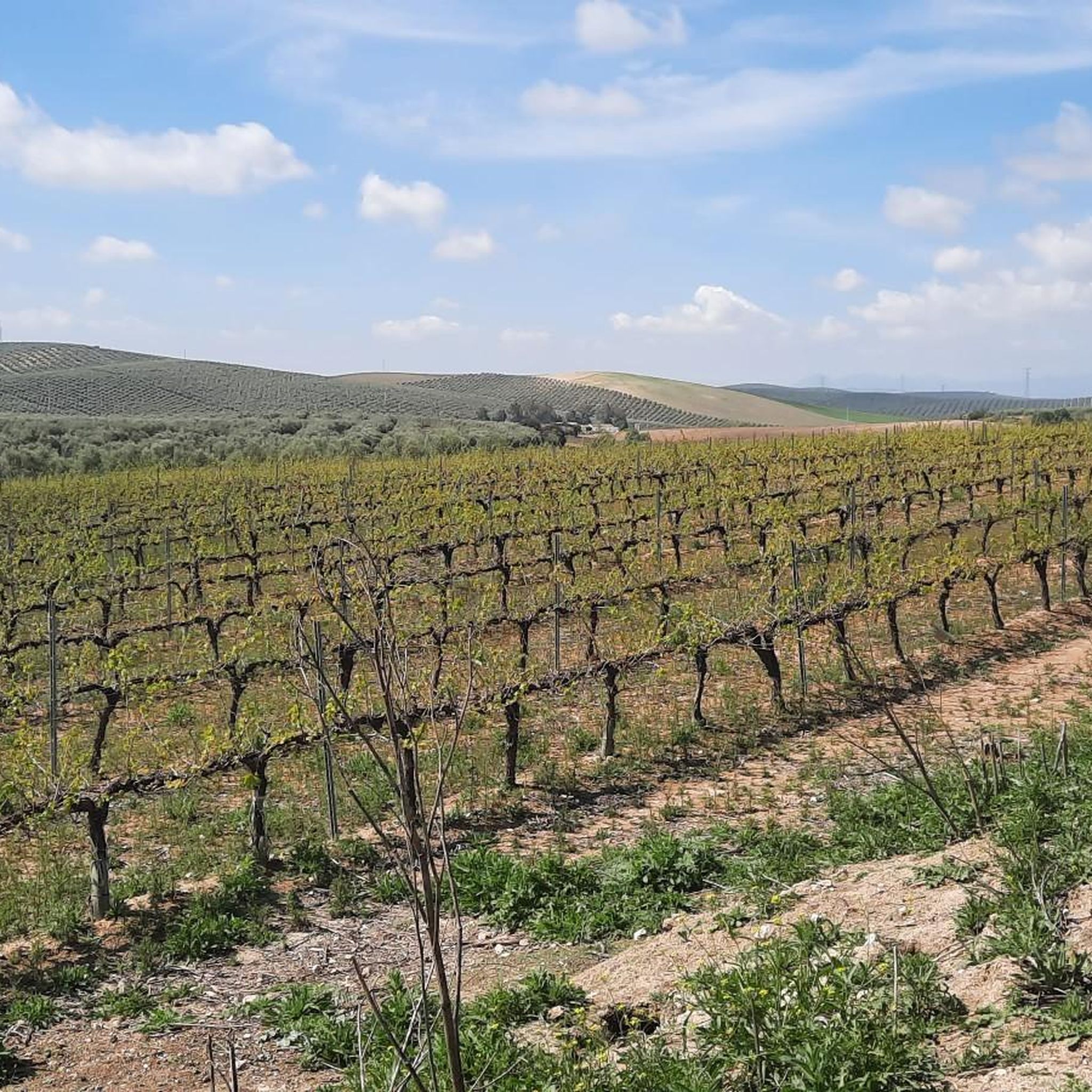
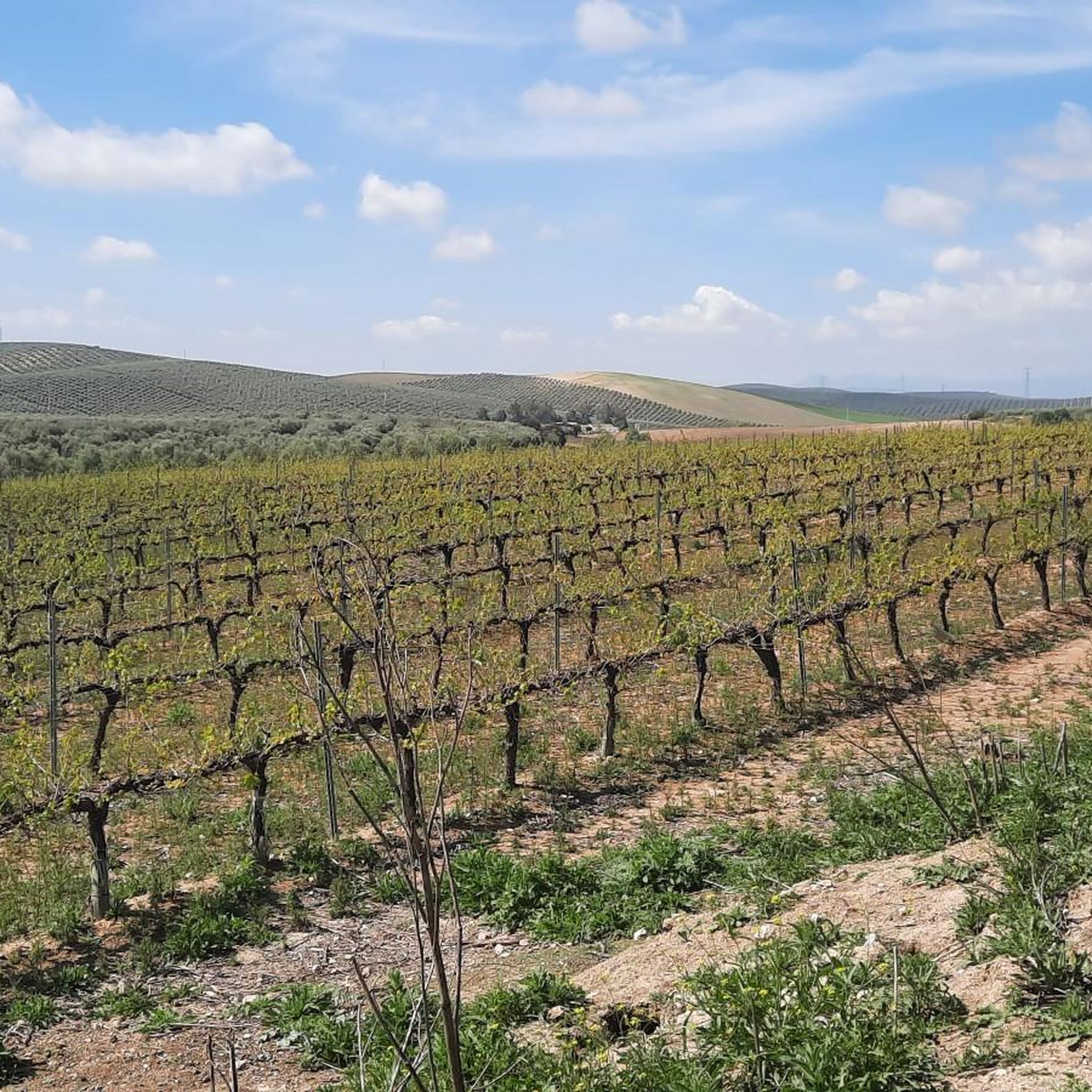
The environment is marked by olive groves and vineyards. It has old stations enabled as restaurants.
Without a doubt, a beautiful place to enjoy cycling.
Translated by Google •
Tip by

Cabra Station
Highlight • Historical Site
Translated by Google •
Tip by
Sign up for free to discover even more attractions around Lucena.
Already have an account?
Start today with a free account
Your next adventure awaits.

Tips from the Community

An easy tour through the olive groves. We headed north, a total of 40 km round trip. We were traveling in a motorhome and parked at a motorhome parking lot in Cabra.
1
0

Very beautifully designed train station
1
0

The Fuente del Río in Cabra, is a picturesque natural park considered the origin of the Río Cabra. The park combines the natural beauty of a karst spring with landscaped gardens and a diverse tree landscape. It was declared a “Sitio de Interés Natural” in 1929 and today offers recreational areas and picnic areas for visitors. The spring rises at the foot of the Sierra de Cabra, an area with high rainfall and calcareous rock that leads to the formation of such karst springs. The water flows through a series of waterfalls and artificial springs and supplies the entire municipality. The Fuente del Río is part of the “Ruta del Agua” in the Subbética Cordobesa and offers a harmonious interplay of nature and human design. The park is a popular place for locals and visitors who want to enjoy the tranquility and beauty of this unique place. A visit to the Fuente del Río offers the opportunity to experience the natural beauty of the region and explore the origins of the Río Cabra.
3
0
Today, the restaurant "El Tren" is located in the former Cabra train station. There is a hostel attached, offering shared rooms with bunk beds at reasonable prices. Cabra train station was inaugurated in 1893 as part of the narrow-gauge railway line that connected Puente Genil with Linares. Even then, the station was an important meeting point for the community. Over time, the introduction of new means of transport and the modernization of the railway infrastructure led to the closure of the line in 1965. The station building remains a symbol of Cabra's history to this day.
6
0

A natural area where the Cabra River is born. A natural spring surrounded by vegetation that transmits peace and tranquility. Highly recommended for a break on the route.
1
0

Cabra station still has what used to be an old steam locomotive that was used in the past, where the greenway is currently located.
0
0

If you have started the greenway in Jaén, this point will be the end of the route. If, on the other hand, you are going to start traveling along the old railway route from here, it will be the starting point and you will have 120 fantastic kilometers ahead to enjoy.
2
2

The Church of San Mateo is a Catholic church located in Plaza Nueva in Lucena. It is the largest and best preserved of the churches built in the Córdoba countryside at the beginning of the 16th century. In the 18th century, the Sagrario Chapel was added to the building, one of the most important architectural works of this type of Andalusian Baroque style. Construction began in 1498 at the instigation and patronage of Diego Fernández de Córdoba, 1st Marquis of Comares, on the site of the old main synagogue of Lucena, based on a design by the architect Hernán Ruiz I. The temple was completed in 1544, as the Inscription on a portal reveals, although some later elements have been found (translated from Wikipedia).
1
1
Frequently Asked Questions
What natural features can I explore around Lucena?
Lucena is known for its unique karst landscapes. You can visit the Poljé of the Nava de Cabra, a large, flat valley-shaped depression in karst rock, notable for its seasonal water stagnation. Another must-see is Fuente del Río, a picturesque natural park considered the origin of the Río Cabra, featuring a karst spring, landscaped gardens, and recreational areas.
Are there cycling routes or greenways near Lucena?
Yes, the region offers extensive greenways. The Jauja – Subbética Greenway Natural Trail is a well-maintained cycle way running through the southern part of the province, marked by olive groves and vineyards. You can also find the End of the Vía Verde del Aceite, which is part of a 128 km long route developed along an old railway line, perfect for cycling through a beautiful hilly landscape.
What historical or religious sites can I visit in Lucena?
Lucena features historical religious buildings. The Church of Santo Domingo (also known as the Church of San Mateo) is a significant Catholic church in Lucena, notable for its 16th-century construction and the 18th-century Sagrario Chapel, an important example of Andalusian Baroque style.
What do visitors enjoy most about the attractions around Lucena?
Visitors appreciate the harmonious interplay of nature and human design at places like Fuente del Río, enjoying its tranquility and beauty. The greenways, such as the Jauja – Subbética Greenway Natural Trail, are highly valued for their perfect condition for cycling and the scenic environment of olive groves and vineyards.
Are there family-friendly attractions in the Lucena area?
Many attractions around Lucena are suitable for families. Fuente del Río offers recreational and picnic areas within a beautiful natural park. The greenways, including the Jauja – Subbética Greenway Natural Trail and the Vía Verde del Aceite, are well-maintained and suitable for all ages to enjoy cycling.
What outdoor activities can I do near these attractions?
Beyond exploring the attractions themselves, you can enjoy various outdoor activities. For hiking, consider routes like the 'Church of San Mateo, Lucena – Castillo del Moral loop from Lucena' or 'El Mortero Geodetic Vertex – Old Lucena Station loop from Lucena'. Cyclists can explore routes such as the 'Sierras Subbéticas Loop from Lucena' or the 'Vía Verde del Aceite – Alamedal Viaduct loop from Lucena'. Find more details on these activities in the Hiking around Lucena and Cycling around Lucena guides.
Are there hiking trails available around Lucena?
Yes, there are several hiking trails around Lucena. You can find easy routes like the 'Church of San Mateo, Lucena – Castillo del Moral loop from Lucena' (6.1 km) or more moderate options such as the 'Hiking loop from Lucena' (13.8 km). For more detailed information and additional routes, refer to the Hiking around Lucena guide.
What is a 'poljé' and where can I see one near Lucena?
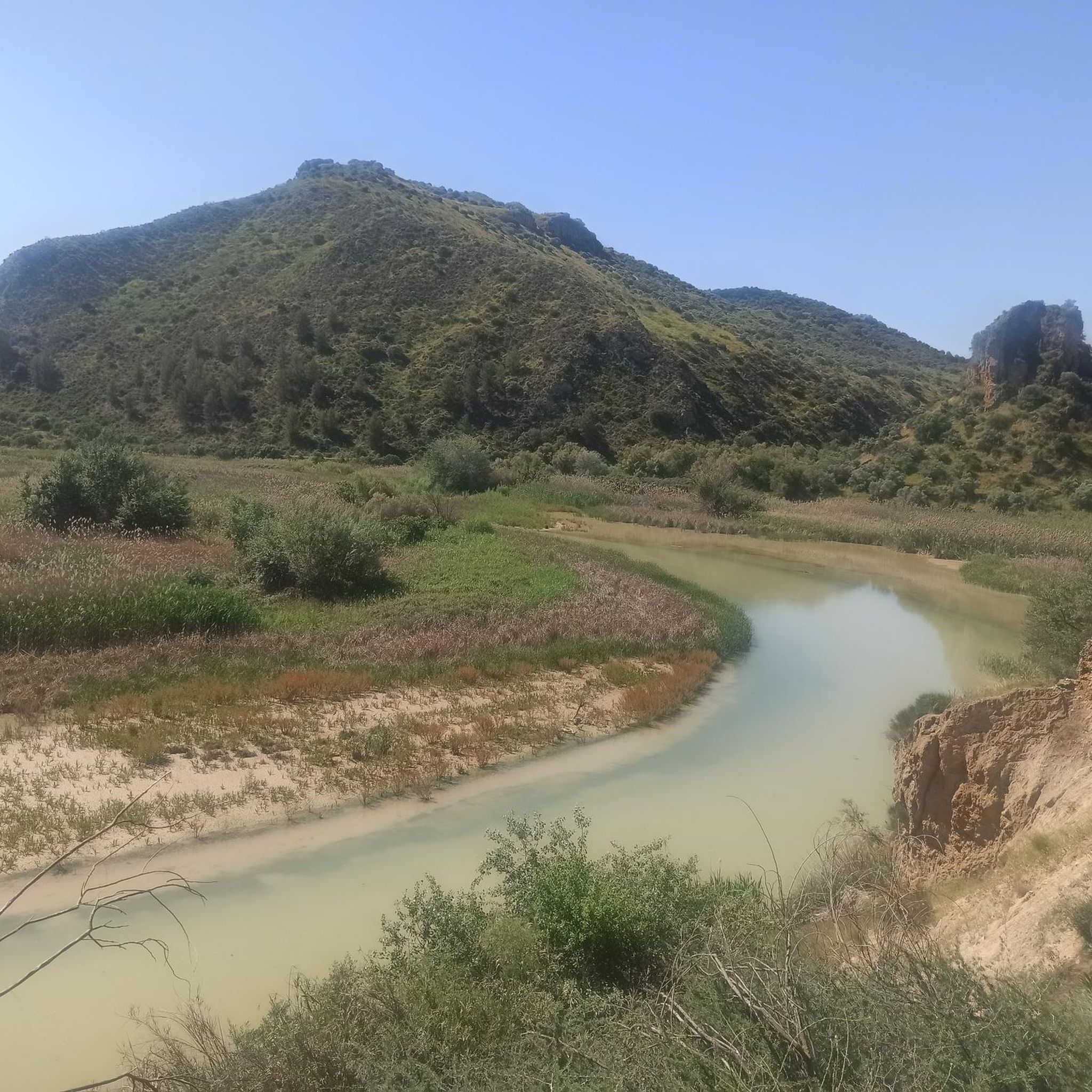
A 'poljé' is a large, elongated, flat valley-shaped depression found in karst rock areas, formed by land subsidence where water often stagnates seasonally. Near Lucena, you can visit the Poljé of the Nava de Cabra, a natural monument where the Bailón river has created a drainage system, and a pónor (sinkhole) also contributes to its drainage.
Can I find places to relax and have a picnic near Lucena's natural attractions?
Absolutely. Fuente del Río is a natural park that offers dedicated recreational and picnic areas, providing a peaceful oasis with lush vegetation and the serene sound of the Cabra River's origin.
What is the Vía Verde del Aceite and where does it end near Lucena?
The Vía Verde del Aceite is a 128 km long greenway developed along the route of the former 'oil train' between Puente Genil and Jaén. It leads through a beautiful hilly landscape full of olive trees. Near Lucena, you can find the End of the Vía Verde del Aceite, which serves as either the starting or finishing point for this extensive cycling route.
Are there running trails around Lucena?
Yes, there are running trails available. You can find routes like 'Lucena and Sanctuary of Our Lady of Araceli' (13.2 km, difficult) or 'Sierrezuela-El Mortero Trail' (13.9 km, moderate). For more running options, check the Running Trails around Lucena guide.
Most popular attractions around Lucena

Get inspired with the komoot mobile app


Explore more
Still not found the Highlight you’re looking for? See guides of the top attractions in other regions:
