The 18 Most Amazing Peaks around Campins
Mountain peaks around Campins, a municipality in Catalonia, Spain, are situated within the Montseny Massif, a protected natural park and UNESCO Biosphere Reserve. The area is characterized by diverse ecosystems and prominent mountain peaks. These peaks offer rewarding experiences for hikers and nature enthusiasts, providing extensive views of the surrounding landscape. The region is known for its natural beauty and varied terrain.
Best mountain peaks around Campins
- The most popular mountain peaks is Turó de l'Home (Man's Hill), a…
Last updated: June 23, 2026
Corredor Sanctuary
Highlight • Religious Site
Translated by Google •
Tip by

Turó de l'Home (Man's Hill)
Highlight • Summit
its spectacular views will fill your senses with an indescribable magic.
Translated by Google •
Tip by
Sign up now to discover places like this
Get recommendations on the best single tracks, peaks, & plenty of other exciting outdoor places.
Sign up for free
Les Agudes
Highlight • Summit
Translated by Google •
Tip by

Montsoriu Castle
Highlight • Castle
Tip by

Fire Watchtower on Turó Gros
Highlight • Monument
The watchtower raises you about 20 meters higher and from the top you have views of 4 bands:
Translated by Google •
Tip by

Sign up for free to discover even more peaks around Campins.
Sign up for free
Already have an account?
Start today with a free account
Your next adventure awaits.
Login or Signup

Tips from the Community

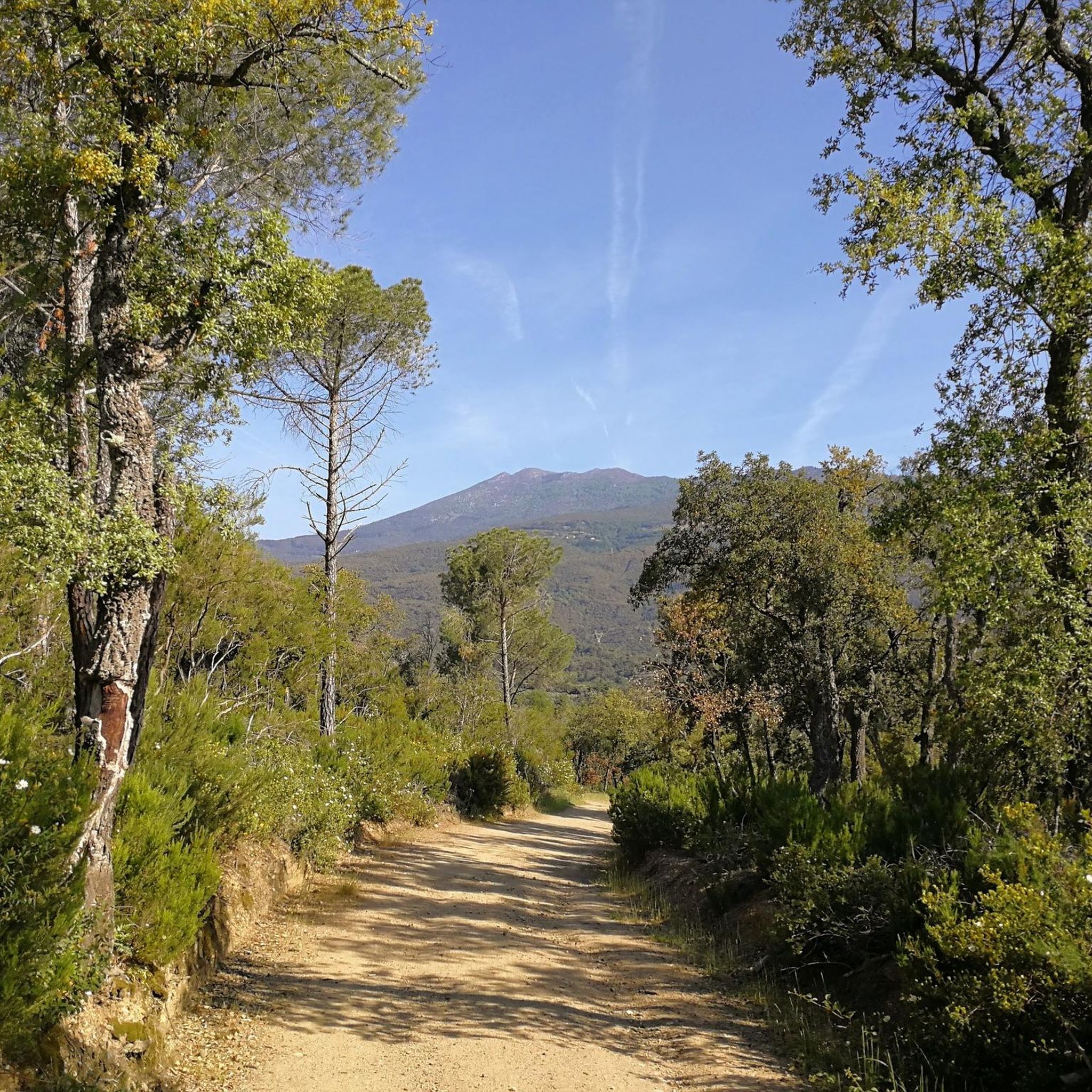
En Salvi Arenes i en Bosch, pagesos i propietaris dels boscos del Corredor, van promoure al 1523 la construcció d’una petita capella, dedicada a la Mare de Déu dels Socors, tot interpretant uns suggeridors senyals celestials. Se’n feu càrrec l’ermità Bernat Penitència. Al 1583, el frare Lleonard Claus va construir l’actual temple, d’estil gòtic tardà. S’hi celebren tres aplecs a l’any: dilluns de Pasqua (general), sant Marc (gent de Dosrius) i primer de maig (vot de poble de Canyamars). Font: XPN
0
0

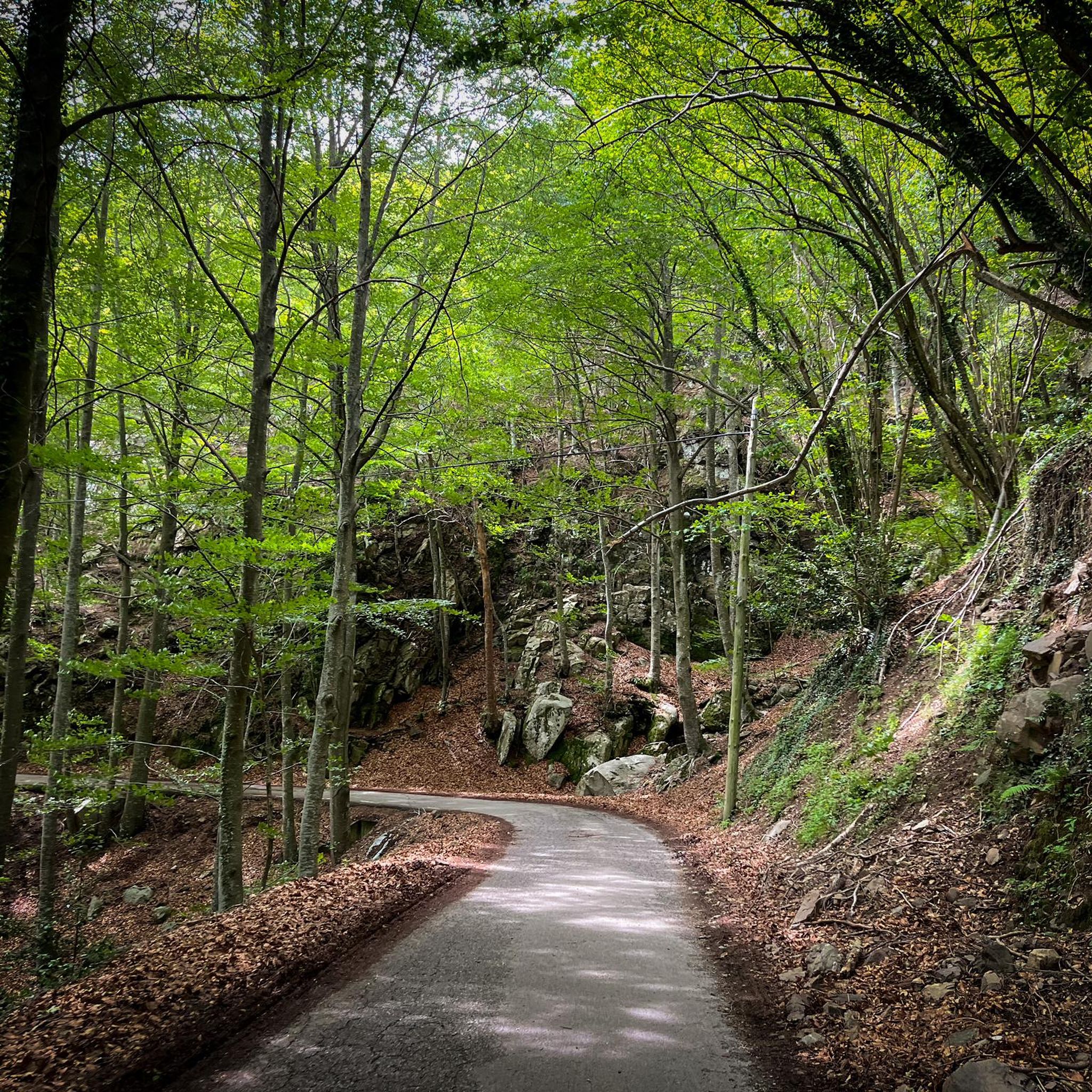
Long before the current metal structure, this spot was already being used in the 19th century as a signal post, where forest rangers gave visual warnings from a wooden platform. It wasn't chosen solely for its height, but also because it's a place where the wind changes abruptly, which helps detect smoke from a great distance. In the 1970s, a rotating fiberglass cabin for continuous surveillance was tested there, but it was discarded because the wind moved it too much. An unassuming spot, but with a hidden history behind its forestry function.
1
0
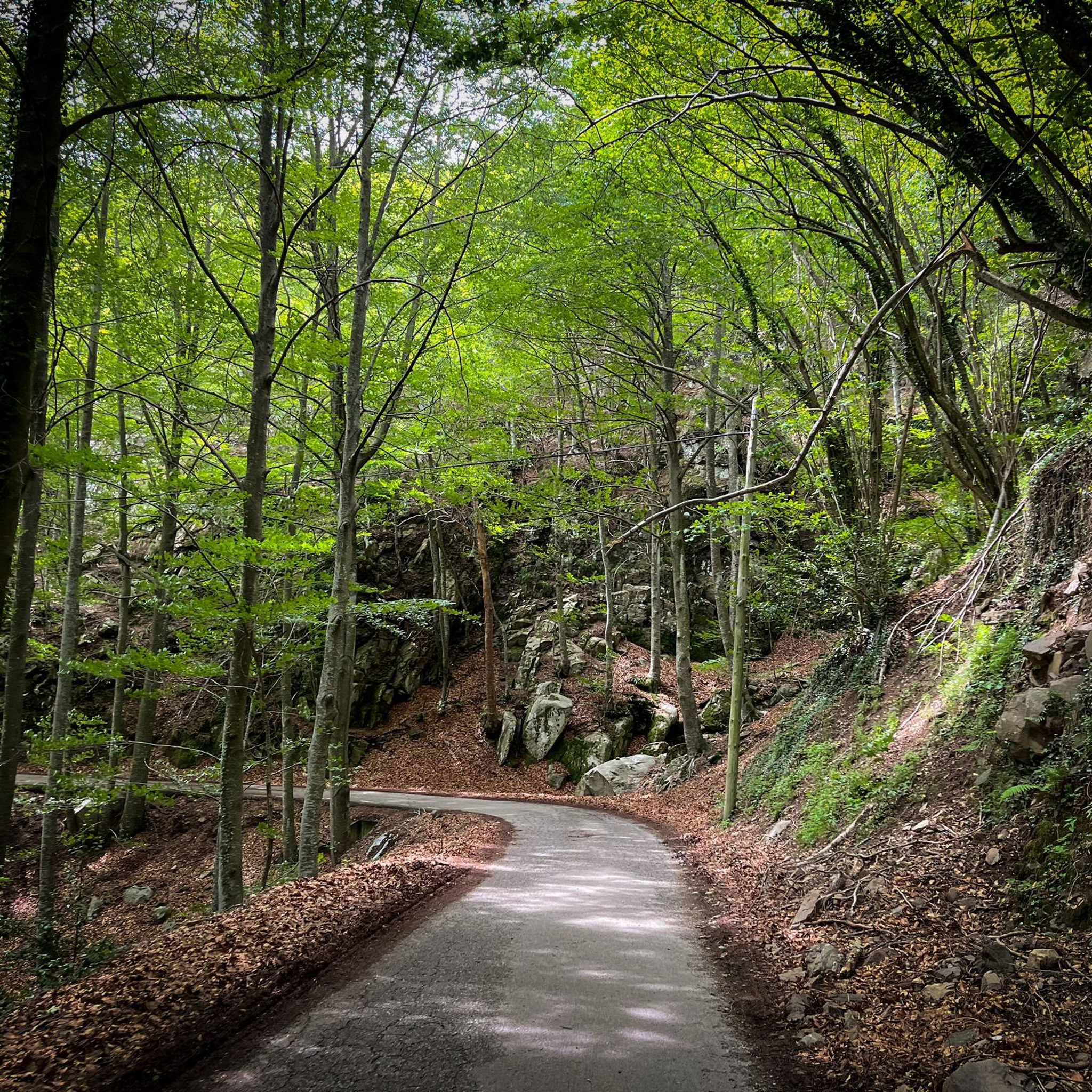
Considered one of the most powerful in medieval Catalonia, but there is a little-known detail: on the hill there was a system of cisterns and underground channels that collected rainwater and brought it to the inner courtyard, which was essential because there is no fountain at the top. Remains of ceramic kilns used during the expansion works in the 14th century have also been found, indicating that some of the material was manufactured directly on the mountain to avoid endless climbs with pack animals. All of this fits with its function as a control center for Montseny, visible from many points, with the Repiaix stream rising on its slopes and the geodesic vertex crowning it. A truly strategic peak.
3
0

You will find all the necessary information at the Arbúcies museum
2
0

great easy route and great panoramic views great guided view with nice explanation
0
0


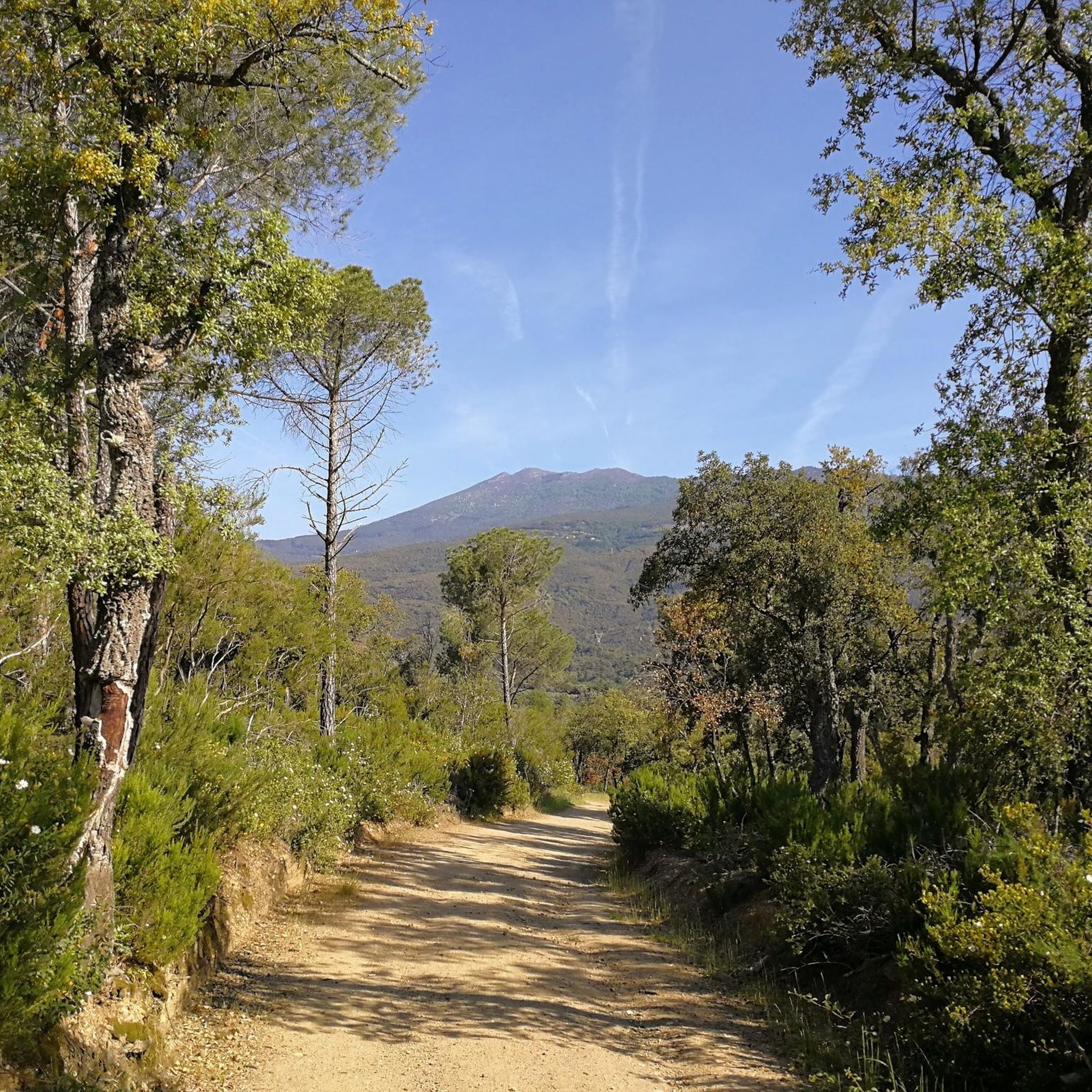
Quite a quiet place to visit by bike or on foot. In my case I went up from Pineda de Mar passing through Hortsavinya. At the top of Turó Gros there is a watchtower with views of the entire area, if you go up on a cloudless day, it is more than worth going. The tower is abandoned and without a padlock. Quite a recommendable place! I will surely go up there again.
2
0

One of my favorites 😍 Highly visible and attractive, when you look at it it always invites you to come up...!!⛰️🤩😂
1
0
Frequently Asked Questions
What are the most prominent mountain peaks in the Campins area?
The Montseny Massif, a UNESCO Biosphere Reserve near Campins, features several notable peaks. The highest is Turó de l'Home (Man's Hill), offering expansive panoramic views. Other significant peaks include Matagalls, known for its iconic iron cross and 360-degree vistas, and Les Agudes, which provides comparable views and a more pristine visual experience for some.
What kind of panoramic views can I expect from the mountain peaks around Campins?
From peaks like Turó de l'Home, you can enjoy breathtaking panoramic views that, on clear days, extend to the Mediterranean coastline and parts of Barcelona. Matagalls offers exceptional 360-degree views, potentially including the Pyrenees and even Mallorca. Les Agudes also provides stunning vistas of the surrounding Catalan landscape.
Are there any historical or cultural sites among the peaks near Campins?
Yes, the area combines natural beauty with historical significance. Turó de l'Home hosts a historic meteorological observatory. Matagalls is marked by a famous iron cross with historical and religious significance. Additionally, the Corredor Sanctuary is a late Gothic religious building nestled in a spectacular natural setting, and Montsoriu Castle, considered one of the great Gothic fortresses of the Mediterranean, offers stunning views and guided visits.
How challenging are the hikes to the mountain peaks in Montseny Massif?
The Montseny Massif offers a range of hiking experiences. While some routes are intermediate, peaks like Turó de l'Home and Les Agudes involve challenging sections, especially the final steep and stony ascents. The classic ascent to Matagalls from Collformic is a moderate trek, typically taking three hours to half a day. During winter, snow and ice can make the terrain more challenging, requiring specialized equipment.
Are there family-friendly options for exploring the peaks near Campins?
While many peaks offer challenging routes, some areas provide more accessible experiences. The paved road leading almost to the summit of Turó de l'Home allows for easier access to incredible views, with the final 1,500 meters open to cyclists and hikers. Corredor Sanctuary and Montsoriu Castle are also considered family-friendly destinations, offering cultural exploration amidst nature.
What is the best time of year to visit the mountain peaks around Campins?
The Montseny Massif is beautiful year-round, but the best time depends on your activity. Spring and autumn offer pleasant temperatures for hiking and cycling, with vibrant foliage or blooming flora. Summer is also popular, though it can be warmer. During winter, snow and ice can make the terrain challenging, especially on higher peaks like Turó de l'Home, requiring appropriate gear.
What other outdoor activities can I do near the mountain peaks in Campins?
Beyond hiking, the Montseny Massif and surrounding areas offer diverse outdoor activities. You can explore various cycling routes, including touring bicycle trails and gravel biking adventures. For mountain biking enthusiasts, there are numerous MTB trails ranging from moderate to difficult, allowing you to traverse diverse environments from dense forests to open ridges.
Are there any unique viewpoints or natural features to discover?
Absolutely. The region is rich in natural beauty. The peaks themselves, such as Turó de l'Home, Matagalls, and Les Agudes, are significant natural monuments offering spectacular vistas. The Fire Watchtower on Turó Gros provides exceptional 360-degree views of the coast, sea, and surrounding mountain ranges, including Montseny and Montserrat.
Can I find places to eat or stay near the mountain peaks?
Yes, the area offers options for refreshments and accommodation. The Corredor Sanctuary has a restaurant with a grill serving typical Catalan food, with indoor and outdoor seating. While specific accommodation directly on the highest peaks is limited, nearby villages and towns in the Montseny Natural Park and around Campins offer various cafes, pubs, and accommodation options.
What makes the Montseny Massif peaks worth visiting?
These peaks are worth visiting for their spectacular panoramic views of the Catalan landscape, including the Mediterranean Sea and the Pyrenees. They offer diverse hiking experiences for various fitness levels, from moderate ascents to challenging routes through beautiful forests. The journey provides a deep connection with nature, tranquility, and the chance to experience the rich ecosystems of a UNESCO Biosphere Reserve.
Is it possible to cycle to the summit of Turó de l'Home?
Yes, a paved road leads almost to the peak of Turó de l'Home, with the final 1,500 meters restricted to motorized vehicles but open to cyclists. This makes it a rewarding destination for those who enjoy cycling with a significant elevation gain, culminating in breathtaking views from near the summit.
What is the significance of the iron cross on Matagalls?
The large iron cross on the summit of Matagalls is an iconic landmark for hikers and holds significant historical and religious importance. It serves as a symbol for the peak and is often associated with legendary resistance marches, making it a culturally resonant feature of the Montseny Natural Park.
Most popular routes around Campins
Most popular attractions around Campins

Get inspired with the komoot mobile app


Explore more
See even more amazing summits around Campins with these guides:
