Attractions and Places To See around Villanueva De Las Peras - Top 10
Attractions and places to see around Villanueva De Las Peras offer a blend of historical, natural, and cultural experiences in the province of Zamora, Spain. Situated along the Castrón stream and traversed by the Camino Sanabrés, the area features a landscape of holm oaks and traditional dehesa pastureland. Visitors can explore significant landmarks and natural areas, making it a destination for those interested in history and the outdoors. The region provides a tranquil escape with various points of interest.
Best…
Last updated: July 8, 2026
Tábara
Highlight • Settlement
Translated by Google •
Tip by

Church of Santa Marta de Tera
Highlight • Religious Site
Translated by Google •
Tip by

Sign up now to discover places like this
Get recommendations on the best single tracks, peaks, & plenty of other exciting outdoor places.
Sign up for free
Picnic Area by the River
Highlight • Rest Area
Translated by Google •
Tip by

Casa Anita Tourist Hostel
Highlight • Mountain Hut
Translated by Google •
Tip by

Camarzana de Tera
Highlight • Settlement
Translated by Google •
Tip by
Sign up for free to discover even more attractions around Villanueva De Las Peras.
Sign up for free
Already have an account?
Start today with a free account
Your next adventure awaits.
Login or Signup
Popular around Villanueva De Las Peras
Tips from the Community

Tábara is a Spanish municipality of about 830-950 inhabitants located in the province of Zamora, within the autonomous community of Castile and León. This small village stands at an altitude of 749 meters and is the capital of the Tierra de Tábara comarca. It represents a center of great historical-cultural importance, as well as being a fundamental stop for pilgrims traveling the Camino Sanabrésl
1
0

Tábara, located in the northwest of the province of Zamora (Castilla y León), is a town with a rich medieval history, a stunning natural setting, and a significant cultural heritage. Origins: These date back to the Bronze Age and Roman period. Middle Ages: It was an important monastic center with the Monastery of San Salvador de Tábara, founded by Saint Froilán in the 9th century at the behest of Alfonso III.
10
0

It is not far from this hotel to the restaurant. If you continue to Santa Marta you should stock up here first. As of November 24th there is absolutely nothing in Santa Marta.
1
0

Monastery of Santa Marta de Tera, the oldest Romanesque church in Zamora and also one of the oldest in Spain. On the left side, hangs the oldest sculptural representation of St. James the Apostle in a pilgrim pose.
0
0

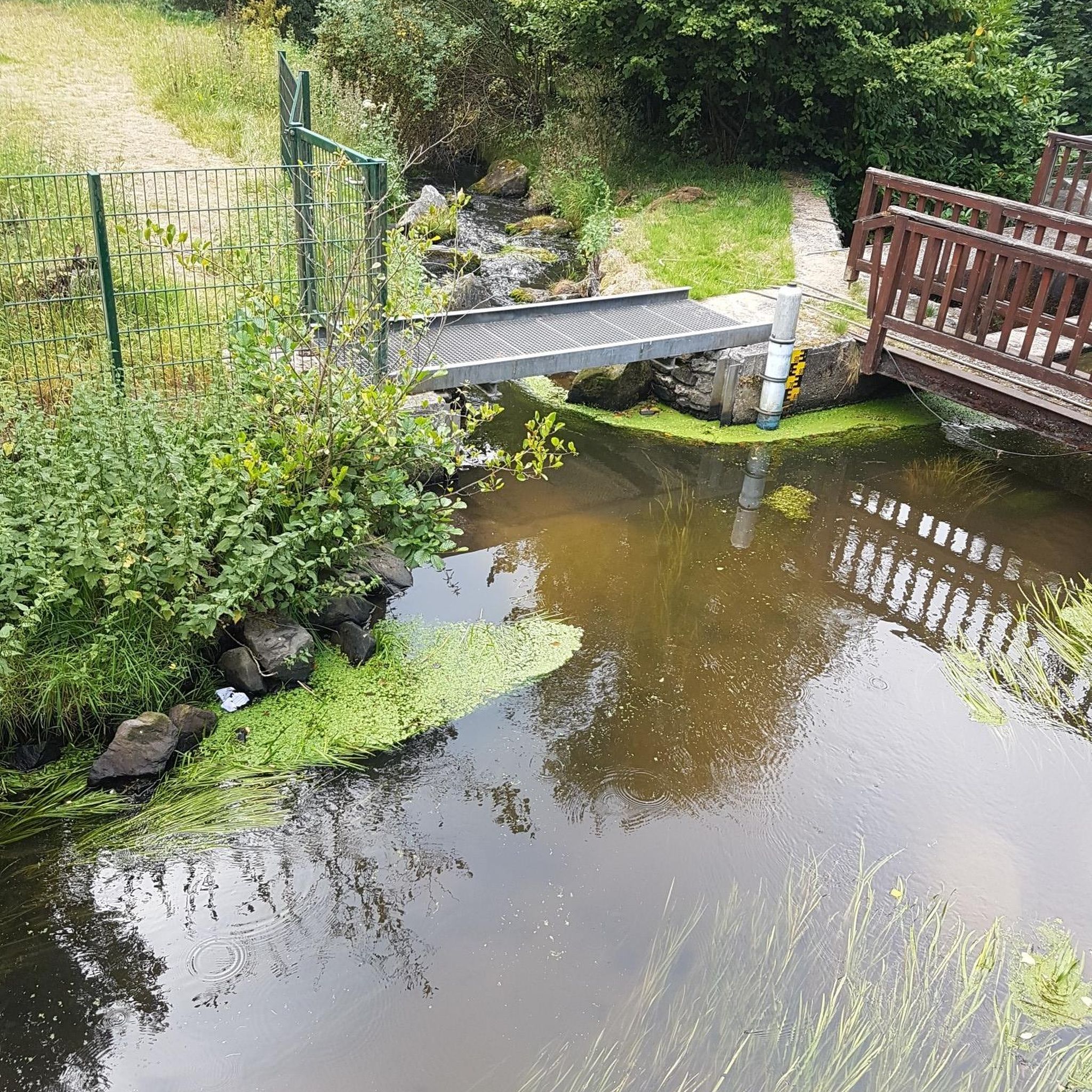
This is a lovely place to have a picnic while doing the Camino de Santiago. It is right next to the Tera River and is shady.
0
0
In this small town you can find a bit of the history left by the Romans. Next to the Tera River, the area is very fertile and is used mainly for agriculture. This means plenty of nice trails and dirt roads for mountain biking.
0
0

The church of Santa Marta de Tera is located on the Jacobean route Camino Sanabrés to Santiago, a branch of the Vía de la Plata. During the spring and autumn equinoxes, the chapel is illuminated by sunlight that enters through the oculus of the main pediment, an event that attracts many tourists.
1
0
A small town next to the Tera river valley, fertile lands that were occupied from the Celts. There is a beautiful Roman villa in the village with a mosaic floor.
1
0
Frequently Asked Questions
What historical sites can I explore in and around Villanueva de las Peras?
The region offers several historical points of interest. In Villanueva de las Peras itself, you can visit the monumental Church of Nuestra Señora de la Asunción, known for its prominent belfry and neoclassical altarpiece. Nearby, you'll find Tábara, a town with a rich medieval history and the site of the former Monastery of San Salvador de Tábara. Another significant historical spot is Camarzana de Tera, which features a beautiful Roman villa with a mosaic floor.
What is the significance of the Camino Sanabrés in this region?
The Camino Sanabrés, a branch of the Vía de la Plata pilgrim route, traverses through Villanueva de las Peras, making it a key point for pilgrims. Along this route, you can visit the Church of Santa Marta de Tera, famous for its illumination by sunlight through an oculus during the spring and autumn equinoxes, an event that draws many visitors.
Are there any unique cultural traditions or sites in Villanueva de las Peras?
Villanueva de las Peras has a unique cultural heritage tied to winemaking. Historically, every house had its own winery, and today, about 50 private wineries are still preserved, reflecting a deep-rooted tradition. The village also hosts a pilgrim's hostel, which includes the only restaurant in town, serving typical local cuisine like charcoal-grilled regional meat.
Where can I find natural beauty spots or outdoor areas near Villanueva de las Peras?
The village is situated along the Arroyo Castrón, with the surrounding area featuring holm oaks and oaks, and a popular picnic spot, especially in spring. The Canal de Riego in the upper part of the village offers views of the dehesa pastureland where cows and bulls graze. Just 15 kilometers away, the Sierra de la Culebra is a natural area renowned for the 'berrea' (deer rut) in September, attracting wildlife enthusiasts.
Are there opportunities for hiking or cycling around Villanueva de las Peras?
Yes, the area around Villanueva de las Peras is well-suited for outdoor activities. You can find various routes for mountain biking, road cycling, and touring. For example, there are moderate MTB trails like the 'Camino Sanabrés and Agavanzal Reservoir Loop' or road cycling routes such as 'Tábara – tour around Mózar – Manganeses de la Polvorosa – Benavente'. You can explore more options on the dedicated komoot guides for MTB Trails, Road Cycling Routes, and Cycling around Villanueva de las Peras.
What kind of wildlife can I expect to see in the natural areas?
In the natural areas surrounding Villanueva de las Peras, particularly in the Sierra de la Culebra, you can expect to see deer, especially during the 'berrea' (rutting season) in September. The dehesa pasturelands near the Canal de Riego are also home to cows and bulls.
Are there family-friendly attractions or activities suitable for children?
Many of the attractions are family-friendly. The Picnic Area by the River offers a lovely, shady spot next to the Tera River, perfect for families. Exploring historical sites like Tábara or Camarzana de Tera can also be an educational and engaging experience for children, especially with the Roman villa's mosaic floor in Camarzana.
When is the best time of year to visit Villanueva de las Peras for outdoor activities?
Spring is an excellent time to visit, especially for enjoying the picnic spots along the Arroyo Castrón. September is also notable for the 'berrea' (deer rut) in the Sierra de la Culebra, attracting nature enthusiasts. The equinoxes (spring and autumn) are special for witnessing the unique light phenomenon at the Church of Santa Marta de Tera.
What do visitors enjoy most about the attractions around Villanueva de las Peras?
Visitors particularly appreciate the blend of historical and natural experiences. The unique illumination at the Church of Santa Marta de Tera during the equinoxes is a major draw. The rich medieval history of Tábara and the Roman villa in Camarzana de Tera are also highly valued for their cultural significance. The tranquil natural settings, like the picnic area by the Tera River, are enjoyed for relaxation and outdoor activities.
Are there any accommodations or dining options available in Villanueva de las Peras?
Yes, Villanueva de las Peras has a pilgrim's hostel, which also houses the only restaurant in town. This restaurant offers typical local cuisine, including charcoal-grilled meat from the region. For other accommodation options, you might find more choices in nearby towns, especially along the Camino Sanabrés.
Can I find places to eat or drink near the trails?
The pilgrim's hostel in Villanueva de las Peras has the only restaurant in town, offering local cuisine. If you are on the Camino Sanabrés, it's advisable to stock up on supplies there, as options might be limited in smaller villages like Santa Marta de Tera. The Picnic Area by the River is a great spot for a packed lunch.

Get inspired with the komoot mobile app


Explore more
Still not found the Highlight you’re looking for? See guides of the top attractions in other regions:
