The best walks and hikes around San Cebrián De Mazote
5.0
(5)
74
hikers
11
hikes
Hiking around San Cebrián De Mazote offers exploration within a rural setting characterized by the Montes Torozos and Tierra de Campos regions. The landscape features rolling hills, agricultural plains, and the river Bajoz traversing the municipality. This area provides varied terrain suitable for outdoor activities, including dedicated hiking trails. The region's natural features are complemented by historical landmarks, offering diverse points of interest for hikers.
Best hiking trails around San Cebrián De Mazote
- The most popular hiking route is Embalse…
Last updated: June 28, 2026
5.0
(2)
30
hikers
Moderate hike. Good fitness required. Easily-accessible paths. Suitable for all skill levels.
5
hikers
15.6km
04:05
110m
110m
Hike the 9.7-mile Lavender and Fountains Route from Tiedra, a moderate circular trail featuring fragrant lavender fields and historical foun

Sign up for free
1
hikers
5.93km
01:43
150m
150m
Hike the moderate 3.7-mile Sendero de Valdefuentes circular route from Urueña, offering historic views and varied terrain.
1.32km
00:21
10m
10m
Easy hike. Great for any fitness level. Easily-accessible paths. Suitable for all skill levels.
5.0
(1)
17
hikers
Moderate hike. Good fitness required. Easily-accessible paths. Suitable for all skill levels.
Get access to more routes and recommendations from other explorers.
Sign up for free
Already have an account?
Our route recommendations are based on thousands of hikes, rides, and runs completed by other people on komoot.
Start today with a free account
Your next adventure awaits.
Login or Signup
Popular around San Cebrián De Mazote

Tips from the Community

High on a hill near Urueña stands this Romanesque hermitage of Mozarabic origin, one of the most unique in Castile and León. What few know is that beneath its floor were found Visigothic pottery fragments and a small well used to collect rainwater, considered blessed. Local shepherds said that this water cured eyesight if applied at dawn. Today, the well remains, covered by a slab, and the hermitage continues to hold its air of mystery among the golden stones of the moor.
0
0

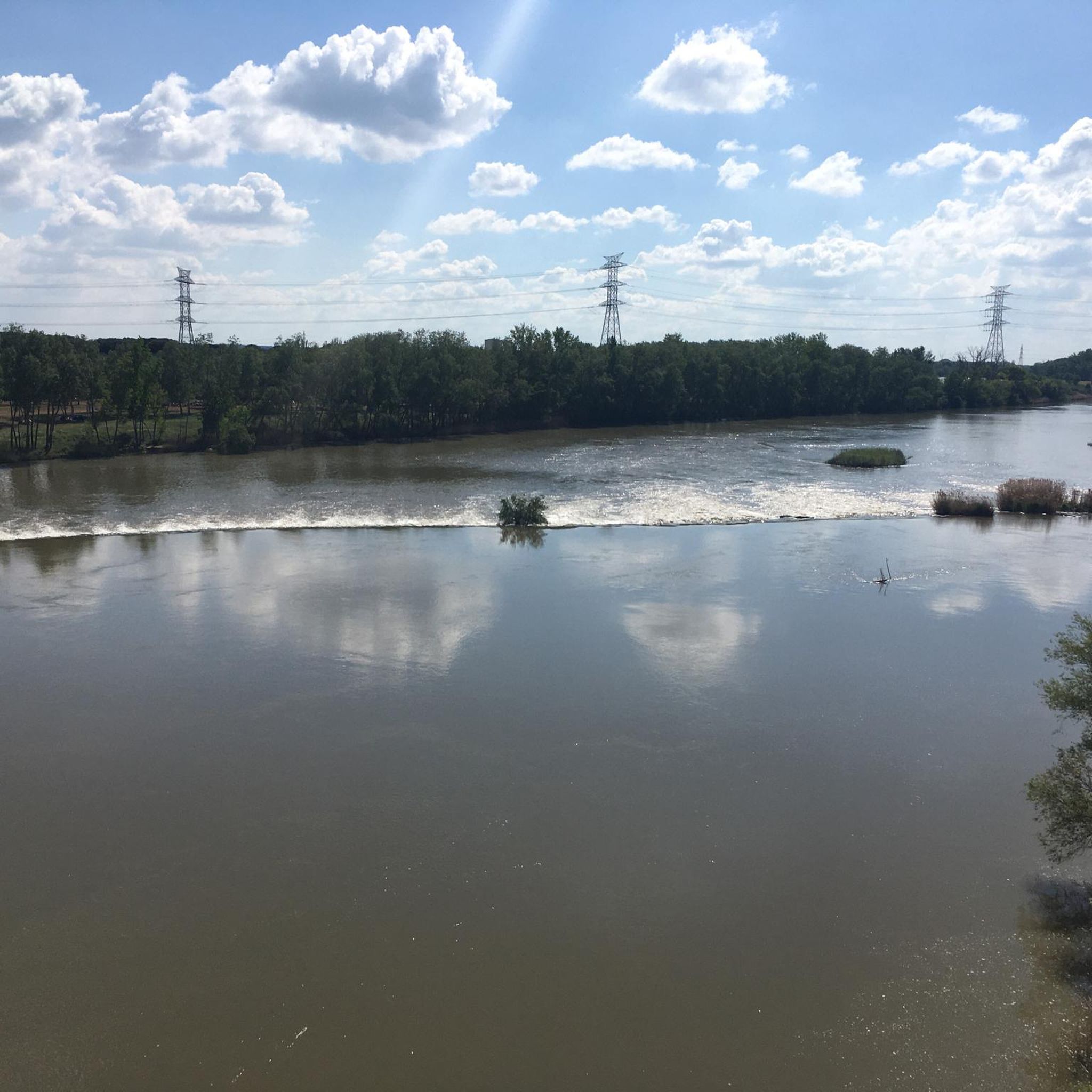
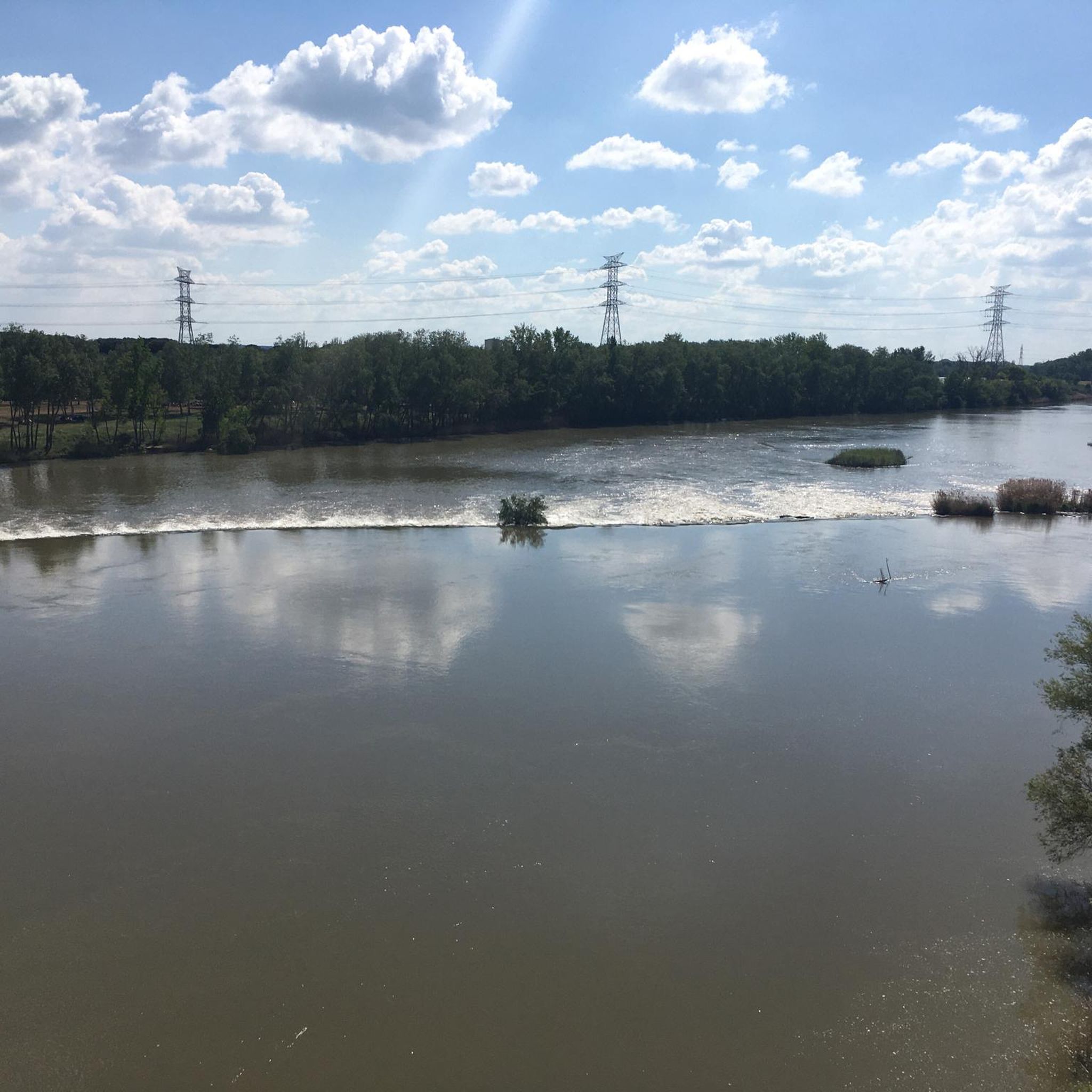
The Santa Espina Reservoir, also known as the Bajoz River Reservoir or Castromonte Swamp, is a small but interesting hydraulic structure located in the province of Valladolid. There are trails such as the "Senda del Pantano I," which starts from the nearby Monastery of Santa María de la Santa Espina.
3
0

Well-preserved castle, interesting visit, and beautiful views of the Castilian countryside, especially in spring. Good trails for mountain biking.
1
0
The Hermitage of Our Lady of the Annunciation is located in Urueña, in the province of Valladolid and is an outstanding example of Romanesque-Lombard art in Spain. Built in the 12th century by order of the Infanta Sancha Raimúndez, on the site of a previous Mozarabic church. It is the only complete example of Romanesque-Lombard art in Castile and León. The hermitage is located in a small valley a few kilometres from the town of Urueña, offering a magnificent view of the wall that surrounds the town.
4
0
Tiedra Castle is a medieval fortress located in the town of Tiedra, in the province of Valladolid. Built in the 13th century, the castle has belonged to illustrious figures such as Berenguela de Castilla and the Téllez de Meneses family. It was an important strategic point on the border between the kingdoms of León and Castile. The castle has a keep, walls and a moat surrounding it on two sides. It has been recently restored and now houses a museum inside.
3
0
Today, only the outer walls remain, and the various rooms that it may have had in the past have completely disappeared. It was built around the year 1060 by the Castilian monarch Ferdinand I the Great on the remains of an ancient Roman fortification.
5
0
Urueña Castle is an impressive fortress located in the municipality of Urueña, in the province of Valladolid, Spain. This medieval castle dates back to the 11th century and is one of the best preserved in the region. Originally built in the 11th century, the castle has witnessed numerous historical events and has undergone several renovations over the centuries.
7
0
The current castle is a cube that survived the demolition of the original wall. It is protected by the moat on two of its sides and by two sections of later-built wall. Since 2011, a restoration process has been carried out. The interior of the keep houses a museum and offers a spectacular view due to its strategic location. Tiedra Castle is a living testimony of the history and architecture in this region. 🏰🌟
2
0
Frequently Asked Questions
How many hiking trails are available around San Cebrián De Mazote?
There are 9 hiking trails around San Cebrián De Mazote, offering a variety of options for different preferences and skill levels.
What kind of terrain can I expect when hiking in San Cebrián De Mazote?
The terrain around San Cebrián De Mazote is characterized by the Montes Torozos and Tierra de Campos regions. You'll find a landscape of rolling hills, agricultural plains, and the river Bajoz traversing the municipality, offering varied and scenic paths.
What do other hikers say about the trails in San Cebrián De Mazote?
The routes in San Cebrián De Mazote are highly rated by the komoot community, with an average score of 5.0 stars from 5 reviews. Over 85 hikers have used komoot to explore the area, often praising the varied rural terrain and scenic views.
Are there easy hiking options for beginners or casual walkers?
Yes, there are 4 easy hiking routes available. An example is the Torrelobatón — circular through the city, which is a shorter, less strenuous option suitable for a relaxed walk.
Are there any circular hiking routes in the area?
Yes, several routes are circular. For instance, the Lavender and Fountains Route — circular from Tiedra is a moderate 9.7-mile path that brings you back to your starting point.
What historical landmarks or attractions can I see while hiking?
The region is rich in history. You can explore the Mozarabic Church of San Cipriano in the town itself. Nearby, you might encounter historical sites like Urueña Castle or the Monastery of La Santa Espina, which is a starting point for some trails.
Are the hiking trails around San Cebrián De Mazote suitable for families with children?
Many of the trails, especially the easier ones, are suitable for families. The varied rural terrain and historical points of interest can make for an engaging outing for all ages. Consider shorter, less elevated routes for younger children.
Can I bring my dog on the hiking trails?
Generally, dogs are welcome on hiking trails in rural areas like San Cebrián De Mazote. However, it's always advisable to keep them on a leash, especially near livestock or in protected natural areas, and to clean up after them.
Are there any routes that pass by water features?
Yes, the region features the river Bajoz, and some routes incorporate water elements. The Embalse de la Espina — circular desde el Monasterio de la Santa Espina, for example, offers gentle elevation changes around a reservoir.
Where can I find parking for the hiking trails?
Parking is typically available near the starting points of trails, especially in or near villages like San Cebrián De Mazote or other towns mentioned as trailheads. Look for designated parking areas or roadside spots where permitted.
What is the best time of year to go hiking in San Cebrián De Mazote?
The best time to hike in San Cebrián De Mazote is generally during spring and autumn when the weather is milder and the natural landscape is vibrant. Summers can be hot, and winters can be chilly, though hiking is possible year-round with appropriate preparation.
Are there any cafes or restaurants near the hiking routes?
San Cebrián De Mazote and nearby villages offer local establishments where you can find refreshments and meals. It's a good idea to check local opening times, especially in smaller rural communities, and plan your route accordingly.
Most popular routes around San Cebrián De Mazote
Most popular attractions around San Cebrián De Mazote

Get inspired with the komoot mobile app


Explore more
Browse the best Hikes in other regions.
