The best cycling routes around Aljaraque
4.3
(81)
954
riders
55
rides
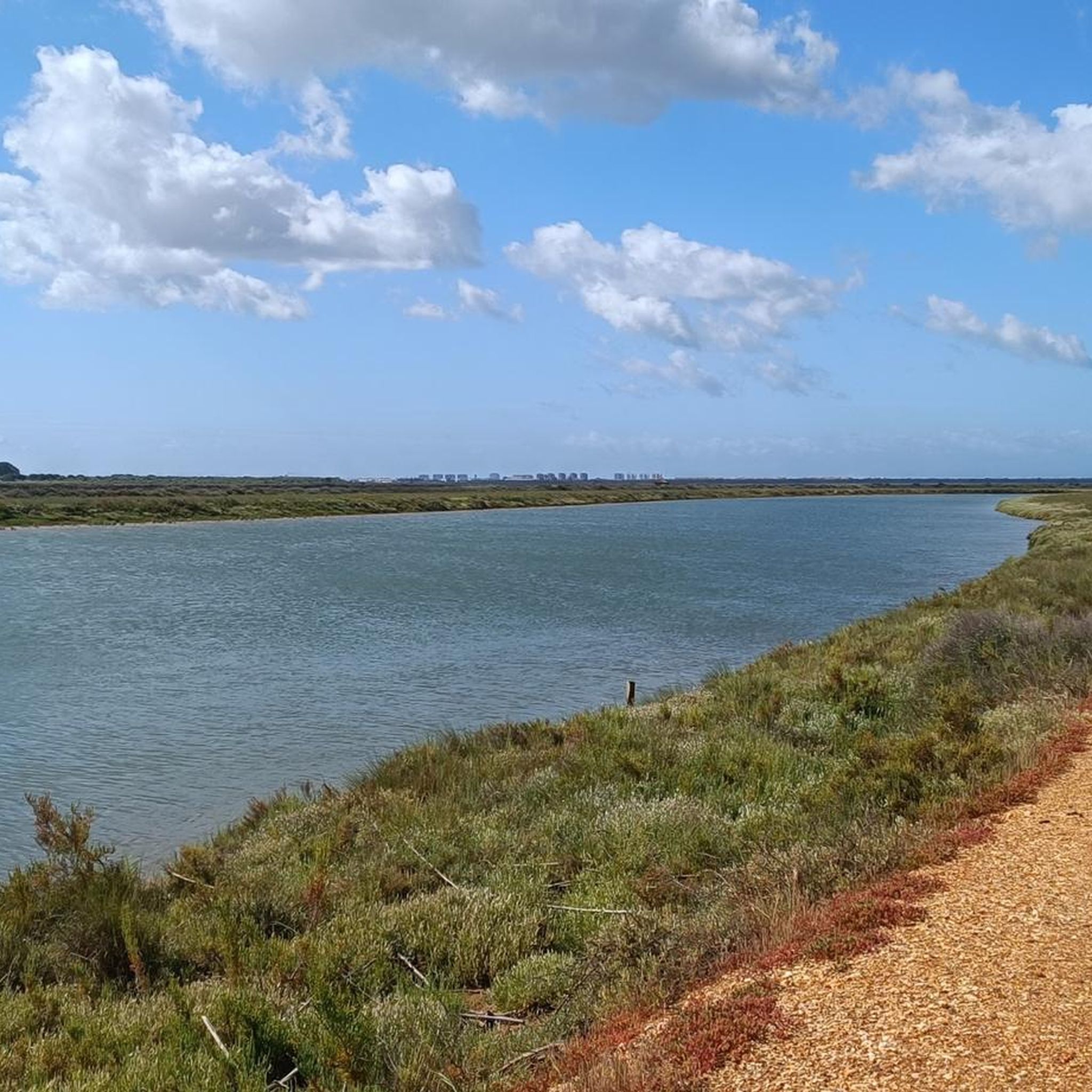
Touring cycling routes around Aljaraque traverse a diverse landscape in the province of Huelva, Spain. The region features the Marismas del Odiel Natural Park, a UNESCO Biosphere Reserve with extensive tidal marshes and river estuaries. Cyclists will also find a green belt of Mediterranean pine forests and the unique scenery of the Río Tinto. The terrain includes flat sections through cereal fields and olive orchards, alongside dedicated bike lanes and a network of paths.
Best touring cycling routes around Aljaraque
…Last updated: October 7, 2026
4.1
(13)
109
riders
Hard bike ride. Very good fitness required. You may need to push your bike for some segments of this route.
4.2
(20)
129
riders
49.1km
03:15
100m
100m
Hard bike ride. Good fitness required. You may need to push your bike for some segments of this route.

4.6
(10)
90
riders
Moderate bike ride. Good fitness required. Mostly paved surfaces. Suitable for all skill levels.
5.0
(11)
62
riders
53.0km
03:11
280m
280m
Moderate bike ride. Good fitness required. Mostly paved surfaces. Suitable for all skill levels.
4.0
(2)
40
riders
50.1km
04:23
290m
290m
Moderate bike ride. Good fitness required. Mostly paved surfaces. Suitable for all skill levels.
Get access to more routes and recommendations from other explorers.
Already have an account?
Our route recommendations are based on thousands of hikes, rides, and runs completed by other people on komoot.
Start today with a free account
Your next adventure awaits.
Tips from the Community

The Estuary Promenade in Huelva is one of the city's most iconic and modern spaces, ideal for enjoying nature, sports, and sunset views.
8
0
The Paseo Maritimo de la Ría in Huelva is a beautiful promenade that runs along the Odiel River. Opened in 2016, this promenade has become a modern symbol of the city. It offers a perfect place to walk, cycle or simply enjoy the panoramic views of the river and the city.
8
0

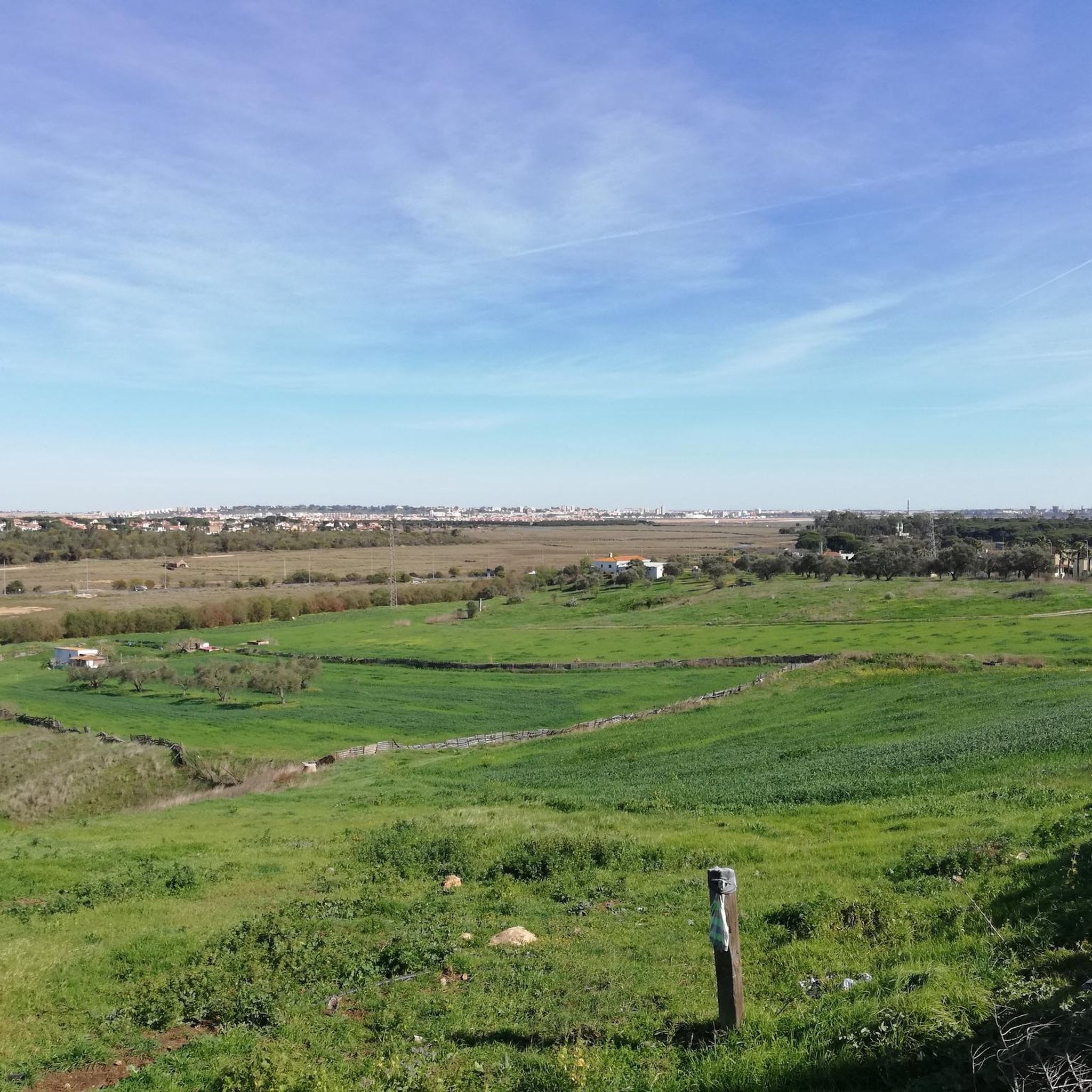
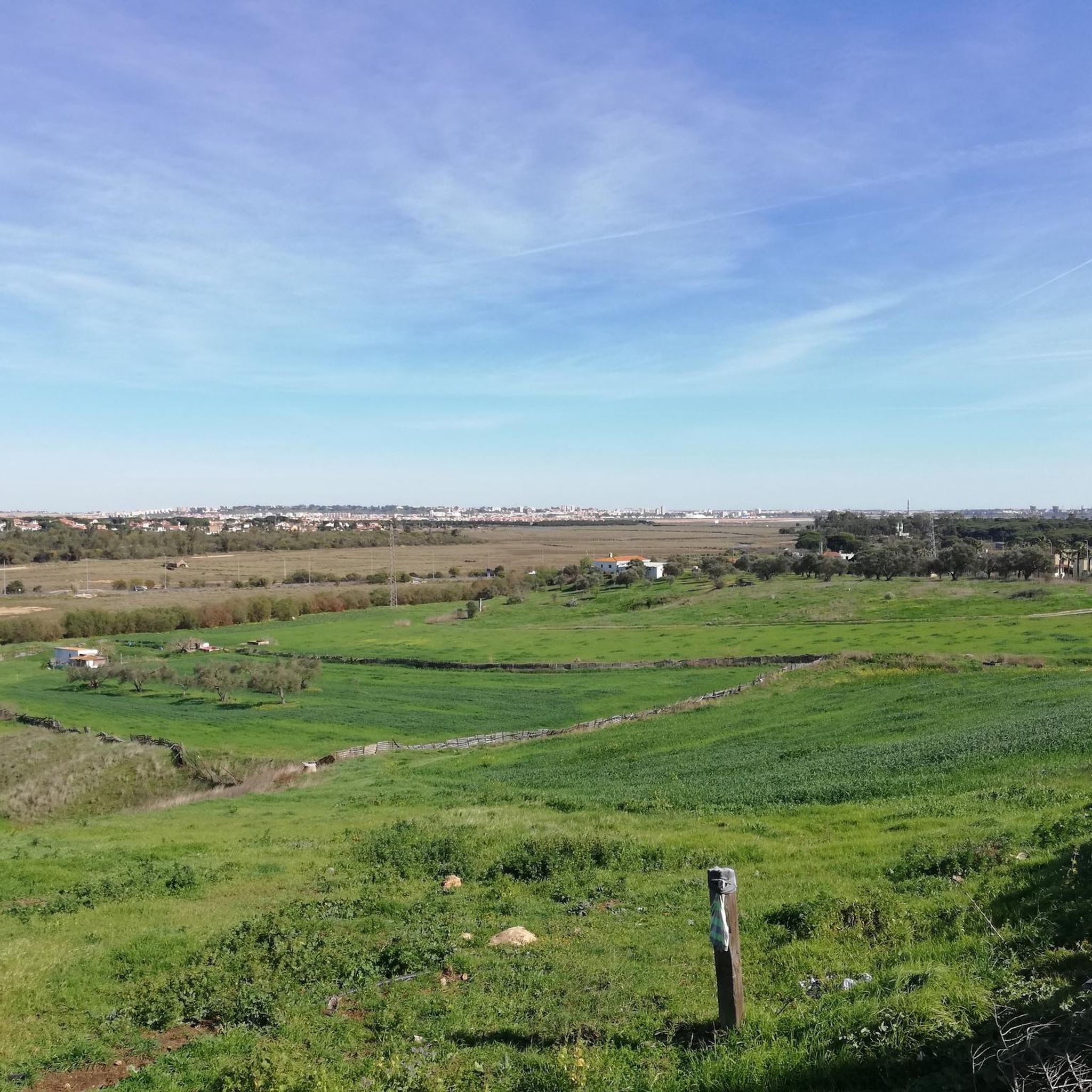
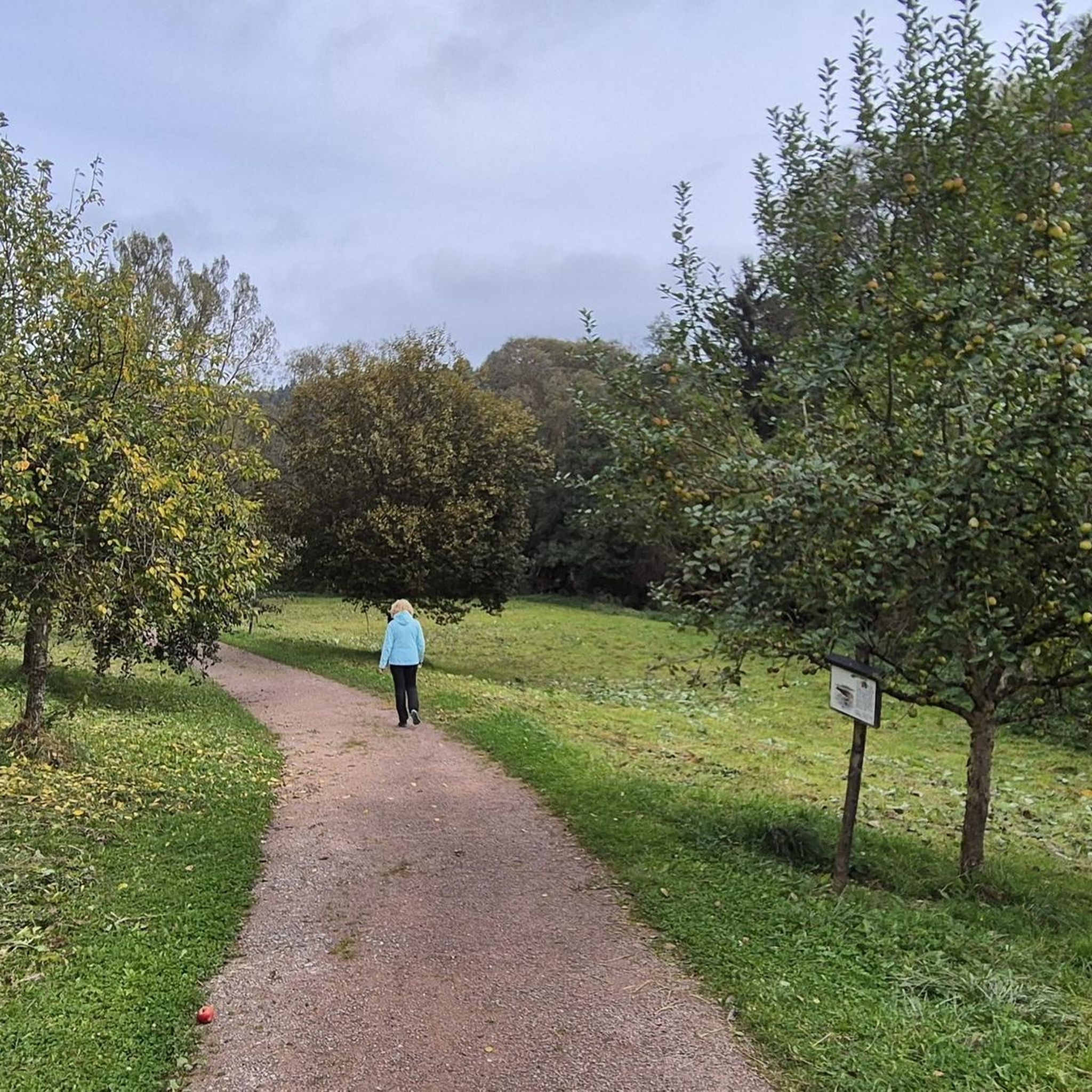
The small, steep mountain is definitely worth it. Here you drive through a very beautiful natural Acacia forest on a largely solid nature path.
0
0
Note the street names in this area, very simple but concise
0
0
The mill is part of a small park ( Belen Viviente Aljaraque ) that no longer appears to be in use.
0
0

The dense forest plantation, mostly pines, is criss-crossed by a great network of mostly smooth gravel trails, to both sides of the paved carretera forestal
3
0

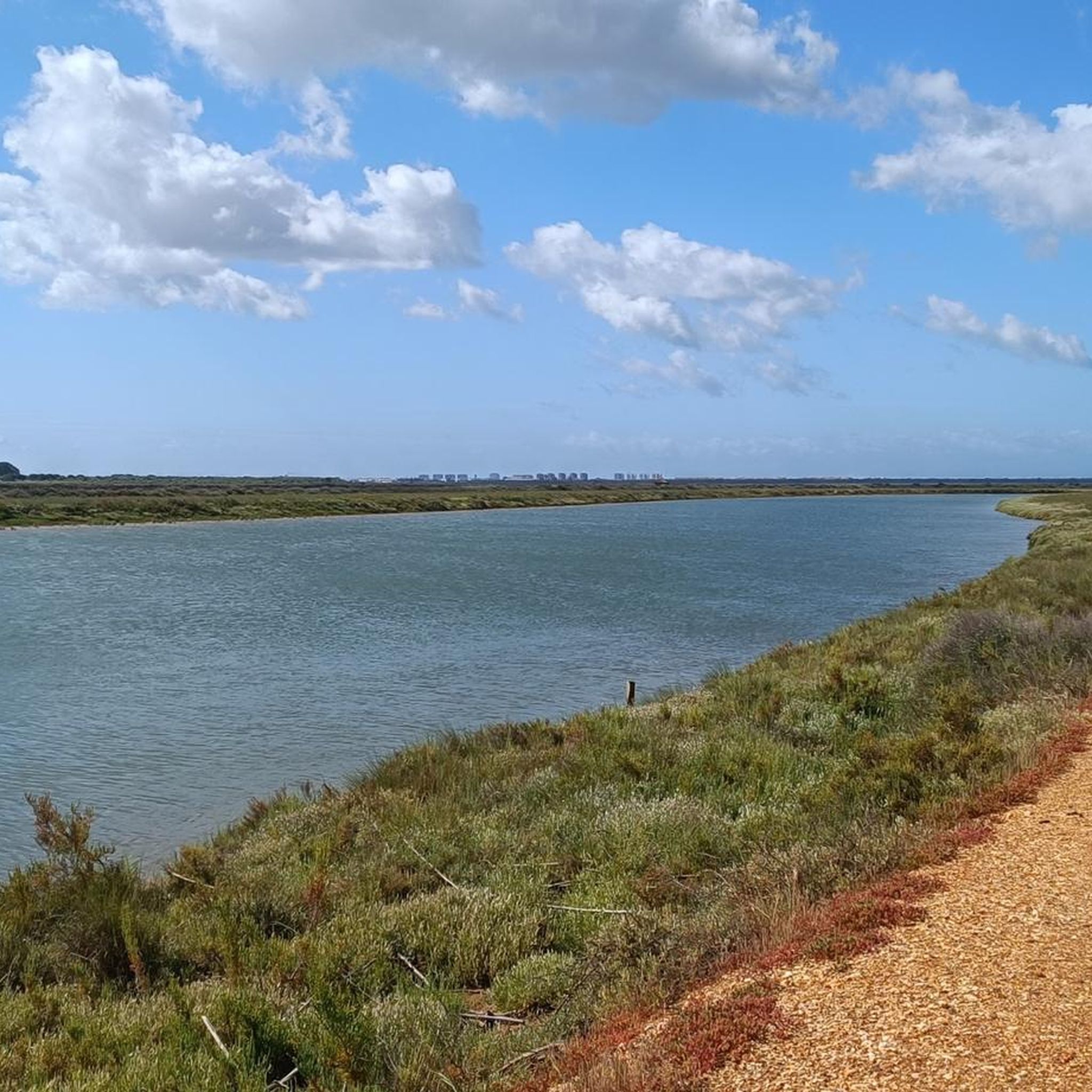
Storks, herons of various species, sandpipers, seagulls and flamingos in abundance
9
0
Further on in the swamp area is a huge colony of flamingos.
4
2
Frequently Asked Questions
What kind of terrain can I expect when touring cycling around Aljaraque?
Aljaraque offers a diverse landscape for touring cyclists. You'll find routes traversing the unique tidal marshes of the Marismas del Odiel Natural Site, extensive Mediterranean pine forests, and the distinctive scenery along the Río Tinto. The region also features flatter sections through cereal fields and olive orchards, providing a varied cycling experience.
How many touring cycling routes are available in Aljaraque?
There are over 40 touring cycling routes around Aljaraque documented on komoot, catering to various skill levels. This includes 15 easy routes, 19 moderate routes, and 9 difficult options.
Are there any easy touring cycling routes suitable for beginners or families?
Yes, Aljaraque has 15 easy touring cycling routes. A good option for a relaxed ride is the Molino de Viento de Aljaraque – Cine Corrales loop from Bellavista. This route is 22.9 km long and features minimal elevation gain, making it ideal for those seeking a less strenuous experience.
What are some notable natural features or landmarks I can see along the routes?
Aljaraque's routes often pass through or near significant natural and historical sites. You can explore the rich birdlife of the Odiel Marshes, visit the El Portil Lagoon, or discover the Old Astur Saltworks. For a blend of nature and history, the José Celestino Mutis Botanical Garden is also nearby.
Are there any routes that offer coastal views or pass near beaches?
Yes, some routes incorporate coastal elements. The Bike Path – La Bota Beach loop from Campo Municipal de fútbol San Andrés is a moderate 55.3 km trail that leads through coastal areas and utilizes dedicated bike paths, offering pleasant views.
What do other touring cyclists say about the routes in Aljaraque?
The touring cycling routes in Aljaraque are highly rated by the komoot community, with an average score of 4.3 stars from over 50 reviews. Cyclists often praise the diverse landscapes, from the tranquil marshes to the refreshing pine forests, and the well-maintained paths.
Are there any circular touring cycling routes in the area?
Many of the touring cycling routes around Aljaraque are designed as loops, allowing you to start and finish at the same point. For example, the Acacia Grove loop from Campo Municipal de fútbol San Andrés is a moderate 49.6 km circular route that takes you through varied scenery.
Can I find routes that feature historical sites or interesting man-made structures?
Absolutely. The region has routes that pass by historical points of interest. The Gibraleón Iron Bridge – Gibraleón Bridge loop from Campo Municipal de fútbol San Andrés is a difficult 43.7 km route that features the historic Gibraleón Iron Bridge and scenic riverine views. You can also find highlights like the Muelle de Río Tinto and the Castillo de los Zúñiga.
What is the best time of year to go touring cycling in Aljaraque?
Aljaraque benefits from a Mediterranean climate. Spring and autumn generally offer the most pleasant temperatures for cycling, with less heat than summer and milder conditions than winter. These seasons are ideal for enjoying the natural beauty without extreme weather.
Are there any long-distance touring cycling options for experienced cyclists?
Yes, Aljaraque offers several longer and more challenging routes. The The marshes are rich in birdlife. – Mojón de Cartaya loop from Campo Municipal de fútbol San Andrés is a difficult 88.7 km trail that explores the extensive Marismas del Odiel, providing a substantial ride for experienced touring cyclists.
Is there a dedicated cycling infrastructure in Aljaraque?
Yes, Aljaraque has a modern bike lane network and a comprehensive system of paths and trails connecting its various population centers. The Multimodal Vía "Marismas de Aljaraque" is particularly well-suited for touring cycling, offering a conditioned lane through marsh landscapes and pine forests.
Most popular routes around Aljaraque
Most popular attractions around Aljaraque

Get inspired with the komoot mobile app


Explore more
Browse the best Cycling routes in other regions.
