The best cycling routes around La Pueblanueva
4.1
(61)
951
riders
109
rides
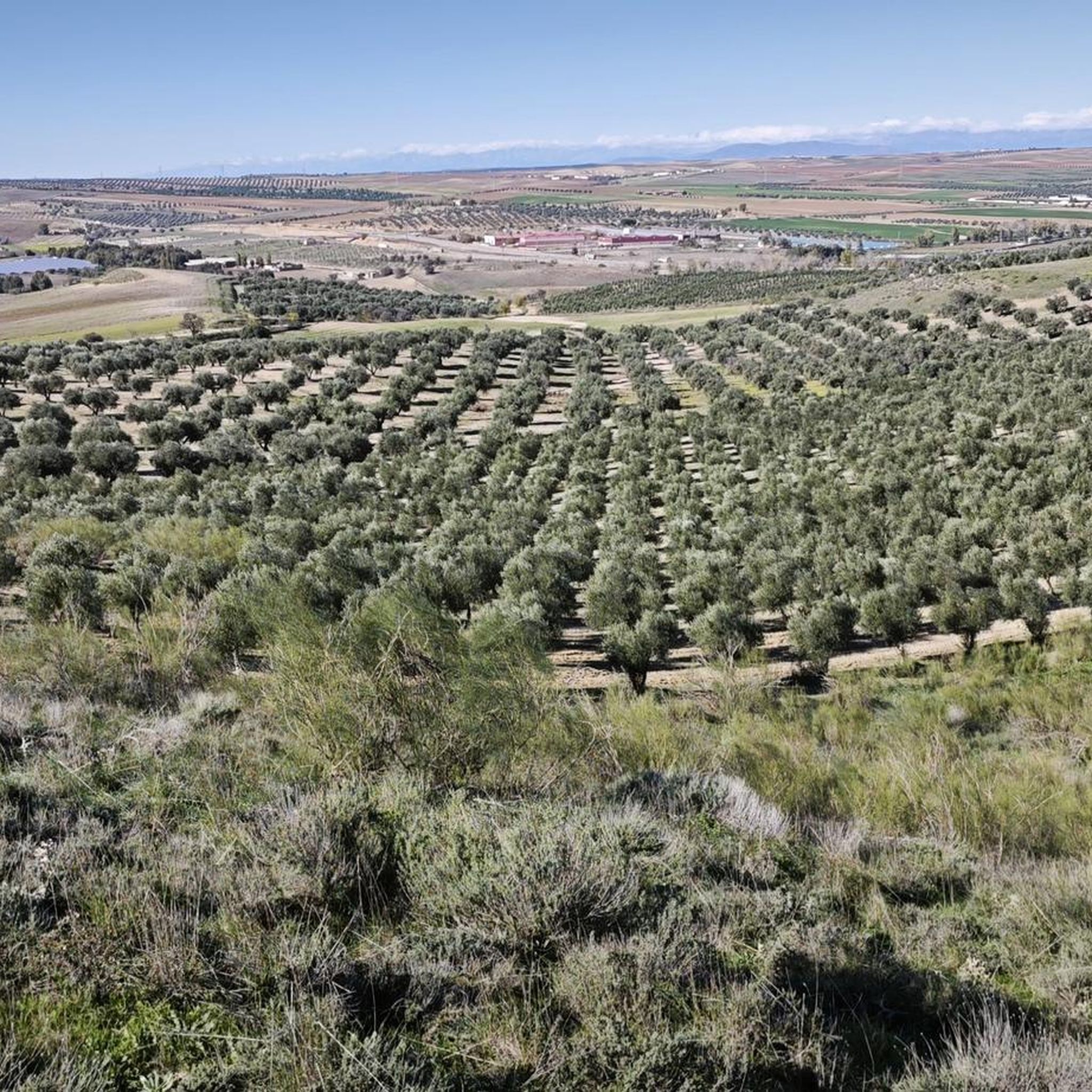
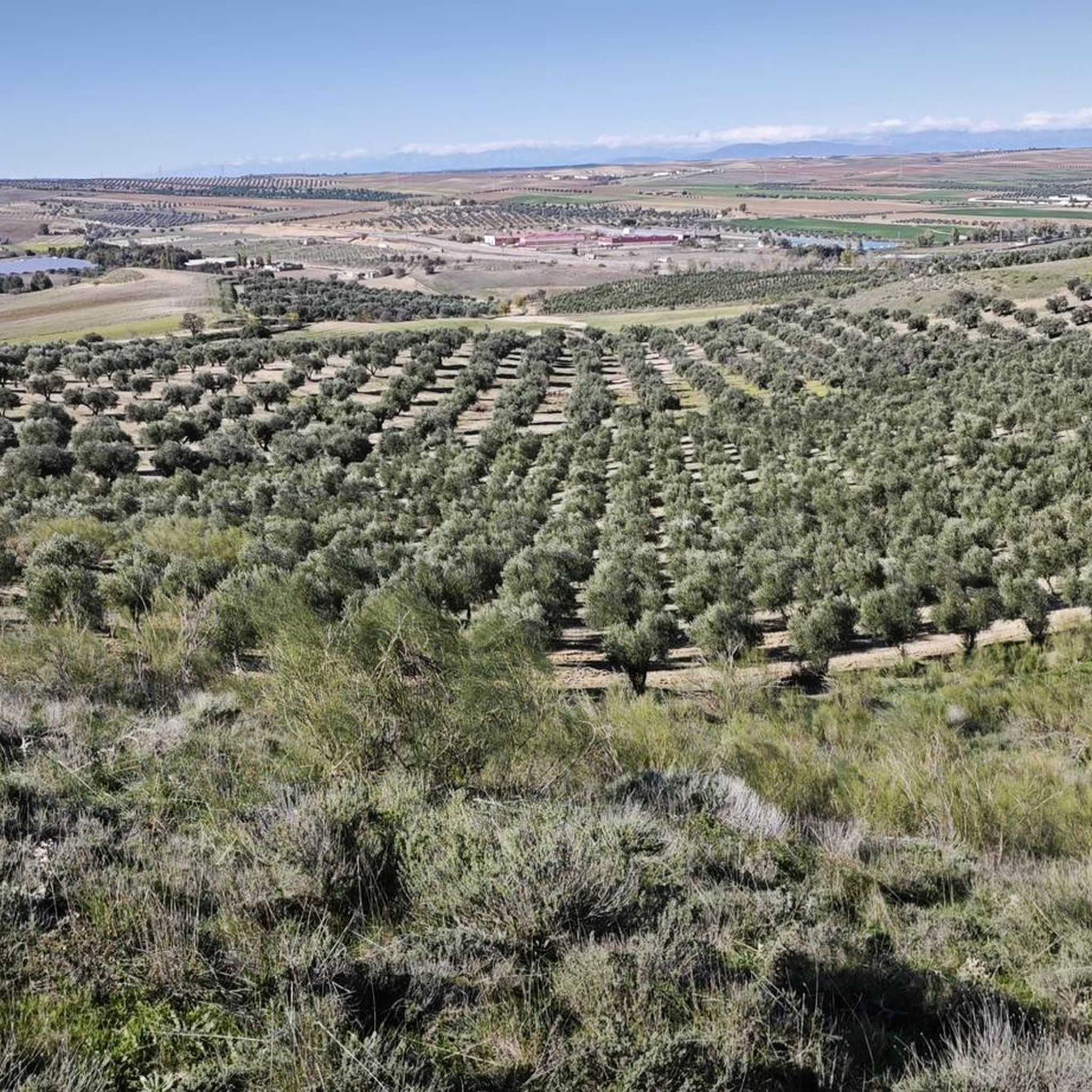
Best cycling routes around La Pueblanueva Spain traverse a diverse landscape within the Castilla-La Mancha region. The area features gentle river valleys, such as the Sangrera River Valley, and extensive La Mancha plains. Cyclists can also encounter varied terrain including hills like those found in the Montes de Toledo. This region offers a mix of agricultural landscapes and natural features suitable for touring cycling.
Best touring cycling routes around La Pueblanueva
- The most popular touring cycling route is Talavera de…
Last updated: July 11, 2026
30.6km
01:49
80m
80m
Easy bike ride. Great for any fitness level. Mostly paved surfaces. Suitable for all skill levels.
1
riders
51.1km
03:04
370m
370m
This 31.8-mile touring bicycle route from Montearagón explores the areas of Onion, Illán de Vacas, and Domingo Pérez, rated moderate.

Sign up for free
10
riders
108km
06:43
840m
840m
Hard bike ride. Very good fitness required. Mostly paved surfaces. Suitable for all skill levels.
5
riders
Easy bike ride. Great for any fitness level. Mostly paved surfaces. Suitable for all skill levels.
4.0
(2)
5
riders
Easy bike ride. Great for any fitness level. Mostly paved surfaces. Suitable for all skill levels.
Get access to more routes and recommendations from other explorers.
Sign up for free
Already have an account?
Our route recommendations are based on thousands of hikes, rides, and runs completed by other people on komoot.
Start today with a free account
Your next adventure awaits.
Login or Signup



Tips from the Community

The new Talavera de la Reina cable-stayed bridge is an engineering prodigy, it is a world record in the type of cable-stayed bridges with a single mast in high-resistance prestressed concrete, with the highest inclined pylon in Europe. Its 152 stays and 192 meters make it the second highest cable-stayed bridge in Spain and the second in Europe. It is a display of national and international architecture.
3
0
It extends along the eastern bank of the Tagus River and is the second most populated municipality in the province and the fourth in Castilla-La Mancha. Among its monuments are the Basilica of Our Lady of the Prado, which houses what is today the patron saint of the city. It was called Queen of the Hermitages by Philip II, it is also called the Sistine Chapel of ceramics, because this colorful art shows here all its splendor from the 16th century to the present day. The style of its construction is a combination of Renaissance and Baroque, although it has undergone various restorations over the centuries. It was elevated to the dignity of Basilica in 1989 by Pope John Paul II. In the Church of Santa María La Mayor (La Colegial) you can admire its pure Gothic cloister, which was built around the year 1469. Its floor plan is rectangular, made up of three longitudinal naves and without a transept. In the years 1704 and 1705 the two upper sections of the Tower were added.
9
0
It extends along the eastern bank of the Tagus River and is the second most populated municipality in the province and the fourth in Castilla-La Mancha. Among its monuments are the Basilica of Our Lady of the Prado, which houses what is today the patron saint of the city. It was called Queen of the Hermitages by Philip II, it is also called the Sistine Chapel of ceramics, because this colorful art shows here all its splendor from the 16th century to the present day. The style of its construction is a combination of Renaissance and Baroque, although it has undergone various restorations over the centuries. It was elevated to the dignity of Basilica in 1989 by Pope John Paul II. In the Church of Santa María La Mayor (La Colegial) you can admire its pure Gothic cloister, which was built around the year 1469. Its floor plan is rectangular, made up of three longitudinal naves and without a transept. In the years 1704 and 1705 the two upper sections of the Tower were added.
10
0

Beautiful city located on a river terrace of the Tagus River. Known as the City of Ceramics, due to the quality, variety and richness of ceramic production, whose history dates back to the 15th century, and we can see its examples in the Prado Gardens.
2
0

This beautiful hermitage from the 16th century is built in masonry and has a masonry doorway. It was restored in 1986. For centuries it has hosted rural and traditional pilgrimages.
1
0
In 1982, a small plot of land was expanded and added to the perimeter of the Jardines del Prado, La Alameda, a garden built in the English style, with a central lake and two bridges completely covered with traditional Talavera ceramics.
17
0

With three inhabitants according to the 2021 census, it is the municipality with the smallest number of inhabitants in Spain.
1
0
This cable-stayed bridge that rises over the Tagus River is undoubtedly the icon of the city. It measures 192 m, which makes it the highest bridge in Spain and the second highest in Europe.
2
0
Frequently Asked Questions
How many touring cycling routes are available around La Pueblanueva?
There are over 100 touring cycling routes available around La Pueblanueva, offering a wide variety of options for different skill levels and preferences. The komoot community has explored 109 tours in the area.
What are the general difficulty levels of touring cycling routes in La Pueblanueva?
The routes around La Pueblanueva cater to various abilities. You'll find 21 easy routes, 38 moderate routes, and 50 more challenging routes, ensuring there's something for every touring cyclist.
When is the best time of year for touring cycling in La Pueblanueva?
Spring and autumn are generally the most favorable seasons for touring cycling in La Pueblanueva. During these times, temperatures are more moderate, making for a comfortable ride. Summer months can be excessively hot, which might be less enjoyable for longer tours.
What kind of landscapes can I expect to see while cycling in La Pueblanueva?
Touring cyclists in La Pueblanueva can experience a rich variety of landscapes. You'll find gentle river valleys, such as those along the Sangrera River, extensive La Mancha plains, and rolling hills like those in the Montes de Toledo. The region also features agricultural areas, vineyards, and sometimes even the iconic hill-top whitewashed windmills.
Are there any easy, family-friendly touring cycling routes?
Yes, there are several easy routes suitable for families. For instance, the Talavera de la Reina on bike lane – circular route is an easy 30.6 km path that utilizes a dedicated bike lane, offering a smooth and safe ride. Another accessible option is the End of Canal G – Castilla-La Mancha Bridge loop from El Parque, which is a shorter 11.8 km route.
Are there any longer or more challenging touring cycling routes for experienced cyclists?
For experienced cyclists seeking a challenge, routes like the Old Alberche Bridge – Talavera de la Reina loop from Montearagón offer a substantial 107.5 km journey through river valleys and plains. Another demanding option is the Cazalegas Reservoir – Puerto del Piélago loop from Cazalegas, which covers nearly 60 km with significant elevation changes.
What landmarks or natural features can I explore along the touring cycling routes?
Along the routes, you can encounter various points of interest. The Castilla-La Mancha Bridge is a notable landmark, and the city of Talavera de la Reina offers cultural sights. The region's natural beauty includes the Tagus River and areas like the Montes de Toledo, which are part of the Mediterranean ecosystem. The Via Verde de la Jara, though not directly listed as a route here, is a famous greenway nearby with viaducts and tunnels.
Are there circular touring cycling routes available?
Yes, many touring cycling routes in La Pueblanueva are designed as loops. Examples include the Talavera de la Reina on bike lane – circular route, the Old Alberche Bridge – Talavera de la Reina loop from Montearagón, and the End of Canal G – Castilla-La Mancha Bridge loop from El Parque. These circular paths allow you to start and end your ride in the same location.
What do other touring cyclists say about the routes in La Pueblanueva?
The touring cycling routes in La Pueblanueva are highly regarded by the komoot community, with an average rating of 4.1 stars from over 50 reviews. Cyclists often praise the diverse terrain, from quiet river valleys to agricultural landscapes, and the options available for different skill levels.
Are the touring cycling routes suitable for dogs?
While many rural paths in the region are generally accessible, specific rules regarding dogs on cycling routes can vary. It's always advisable to keep dogs on a leash, especially near roads or in areas with livestock, and to check local regulations for any specific trails or protected natural areas you plan to visit.
Is public transport available to access touring cycling routes in La Pueblanueva?
Public transport options to access specific trailheads directly from La Pueblanueva might be limited. However, larger nearby towns like Talavera de la Reina, which is a starting point for some routes, typically have better public transport connections. It's recommended to check local bus schedules or train services for routes that allow bicycles.
Where can I find parking for touring cycling routes?
Parking is generally available in the towns and villages that serve as starting points for many routes, such as Talavera de la Reina or Montearagón. For more rural trailheads, roadside parking might be an option, but it's always best to plan ahead and look for designated parking areas to ensure safety and convenience.
Most popular routes around La Pueblanueva
Most popular attractions around La Pueblanueva

Get inspired with the komoot mobile app


Explore more
Browse the best Cycling routes in other regions.
