The best road cycling routes around Cózar
29
riders
5
rides
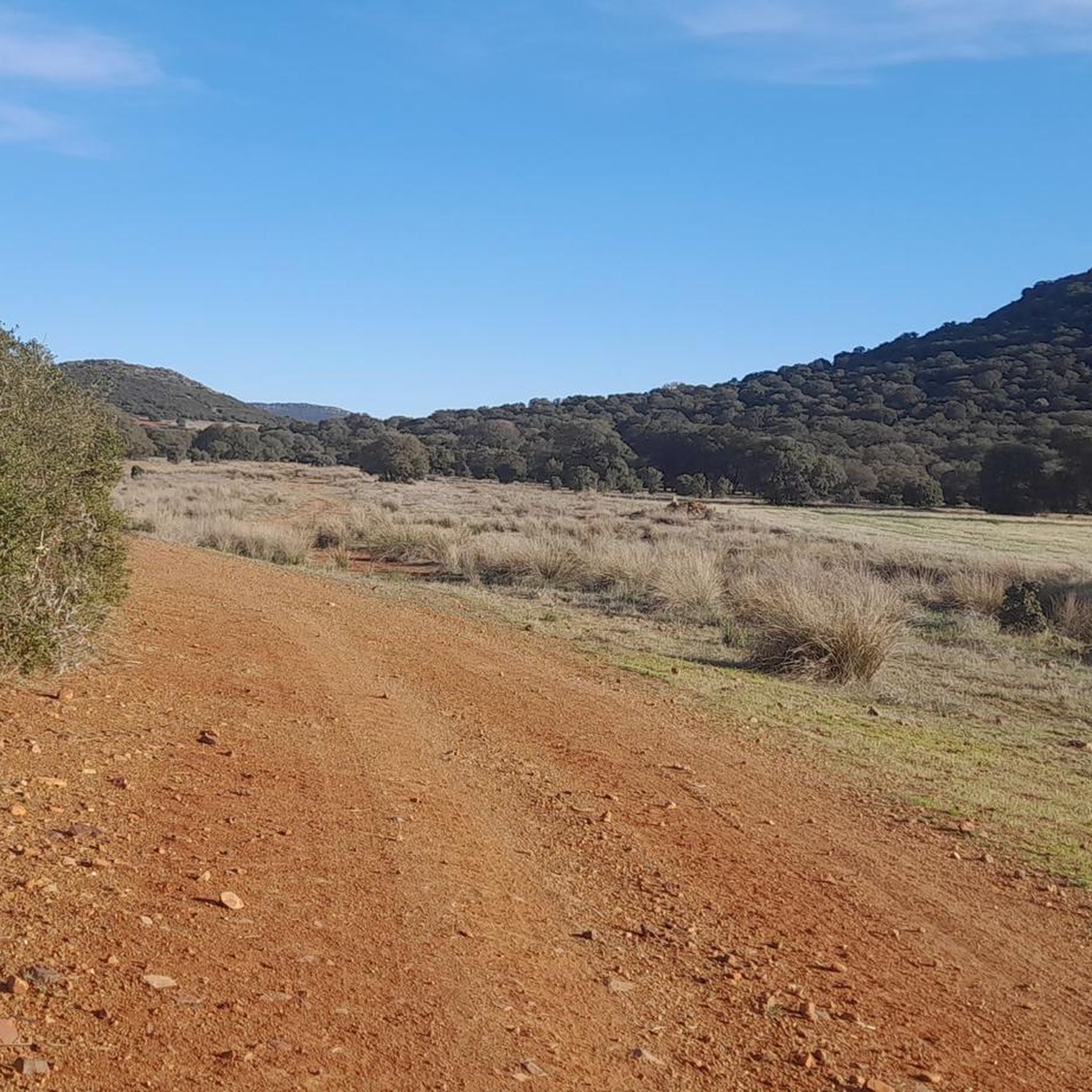
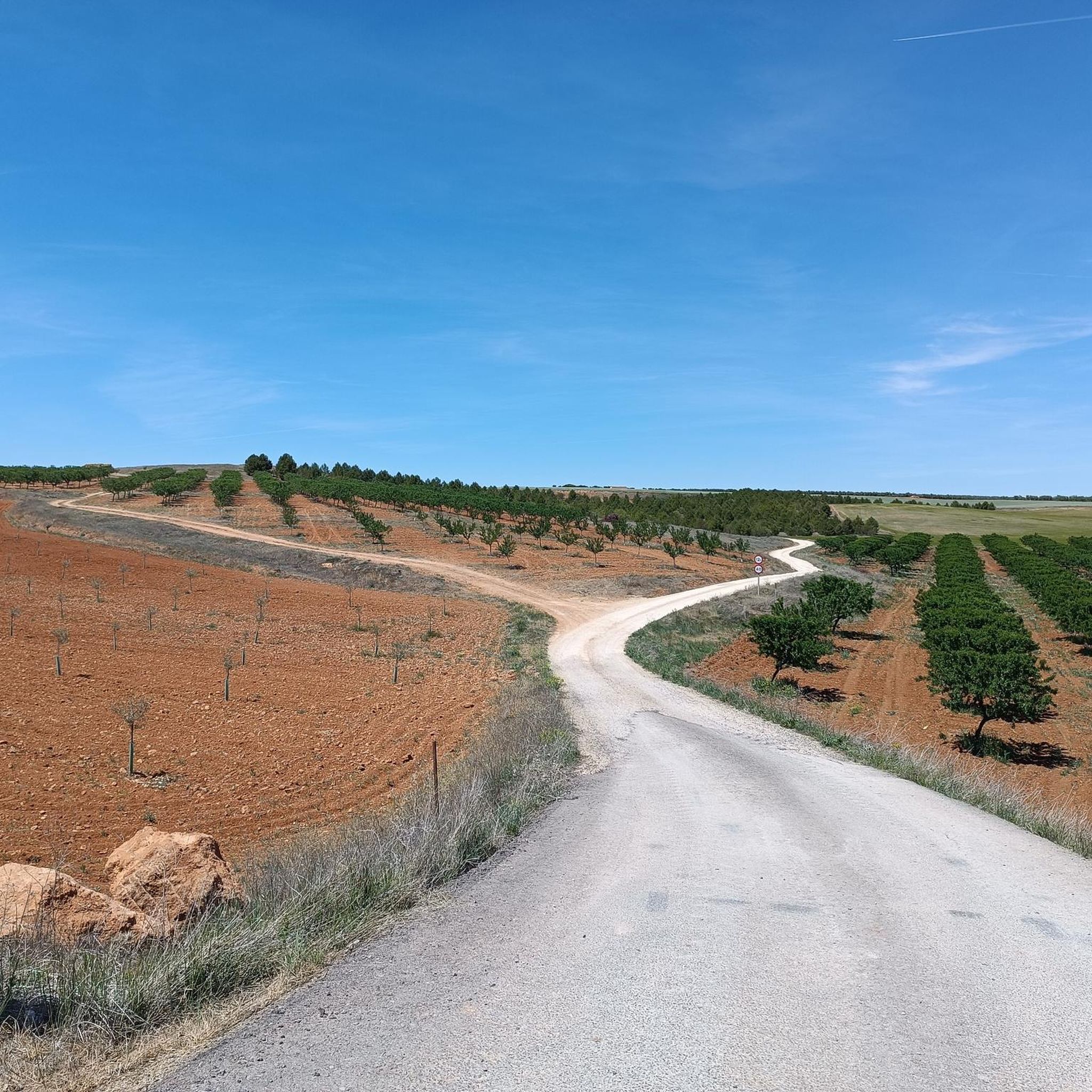
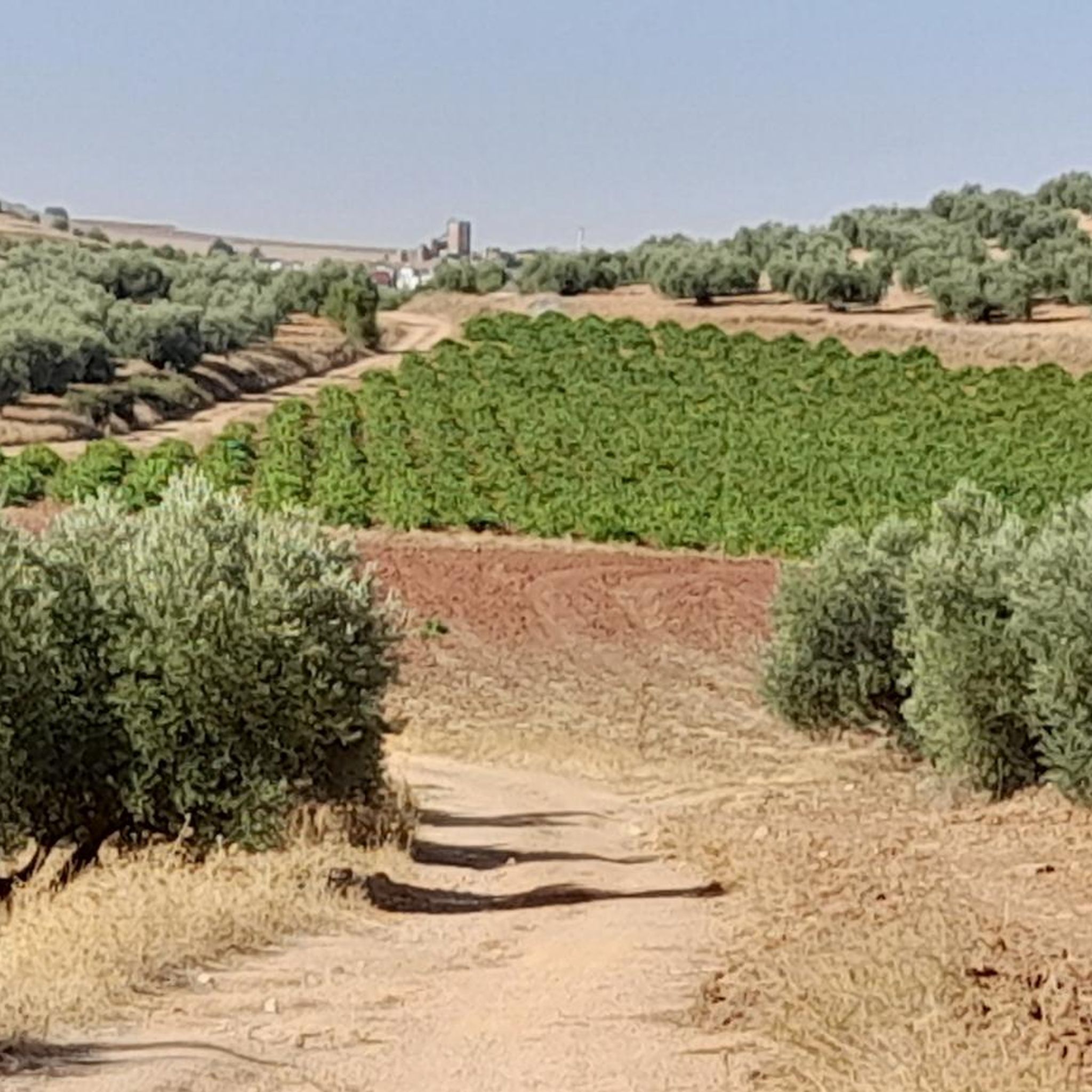
Road cycling routes around Cózar are situated in the southeastern part of the Campo de Montiel region, characterized by a predominantly flat landscape with gentle undulations. The area features expansive plains, mild hills, vineyards, and olive groves, providing a serene backdrop for cycling. This region of Castilla-La Mancha offers quiet roads through agricultural lands. The terrain is generally suitable for outdoor activities, with no significant challenging climbs.
Best road cycling routes around Cózar
- The most popular road cycling route is Albaladejo and Montiel Castles Loop, a 45.5 miles (73.3 km) moderate trail that takes 3 hours 7 minutes to complete, passing by historical castles.
- Another top favourite among local road cyclists is Carrizosa from Villanueva de los Infantes – circular via Santa Cruz de los Cáñamos and Castillo de Montiel, a moderate 43.9 miles (70.7 km) path that winds through agricultural landscapes and small towns.
- Local road cyclists also love the Campo de Montiel Castles Loop, a 43.8 miles (70.6 km) trail leading through the plains and mild hills of the Campo de Montiel, often completed in about 3 hours 0 minutes.
- Road cycling around Cózar is defined by agricultural lands, vineyards, and olive groves. The network offers options for different ability levels, primarily moderate routes.
- More than 29 road cyclists have used komoot to explore Cózar's varied terrain.
Last updated: July 10, 2026
13
riders
73.3km
03:08
570m
570m
Moderate road ride. Good fitness required. Mostly well-paved surfaces and easy to ride.
8
riders
Moderate road ride. Good fitness required. Mostly well-paved surfaces and easy to ride.

Sign up for free
2
riders
70.6km
03:01
570m
570m
Moderate road ride. Good fitness required. Mostly well-paved surfaces and easy to ride.
91.4km
03:54
550m
550m
Moderate road ride. Good fitness required. Mostly well-paved surfaces and easy to ride.
6
riders
45.2km
01:59
330m
330m
Moderate road ride. Good fitness required. Mostly well-paved surfaces and easy to ride.
Our route recommendations are based on thousands of hikes, rides, and runs completed by other people on komoot.
Start today with a free account
Your next adventure awaits.
Login or Signup
Popular around Cózar
Tips from the Community

Plaza de España and the Parish Church of Santiago el Mayor: the historical and monumental heart of Torrenueva (Ciudad Real). The Church of Santiago el Mayor is the most prominent monument in Torrenueva and one of the architectural gems of the Campo de Montiel region. It is located in Plaza de España, the town's urban and social center. Its construction began around 1450 and was completed around 1550. It belongs to the Isabelline Gothic style, although it also features Renaissance elements in its ornamentation.
18
0

After the walk, what better way to end the visit to Villanueva de los Infantes than with some Coca-Colas, some cold beers and some tapas in a typical local bar right in the Plaza Mayor, as its name suggests.
1
0
On one side is the Church of Santo Domingo, built in the 17th century following the principles of the Counter-Reformation. Highlights include the main altar with its Baroque altarpiece featuring Solomonic columns. Above it are interesting frescoes depicting Saint Dominic. Among the side chapels, the Chapel of Souls, founded by the Ballesteros family, the Chapel of Ecce Homo, commissioned by the Duke of San Fernando, and the Chapel of Our Lady of the Rosary, commissioned by the Bustos family, are particularly noteworthy. However, the most visited site is the convent, or rather, the cell where Francisco de Quevedo died in 1645. Quevedo's cell, open to the public, is the exact spot where the writer passed away shortly after arriving in Villanueva, already very ill. Following the confiscation of church property in 1844, the convent was closed, and today part of the building houses cultural events and a hotel. The opening hours and admission prices are as follows: Opening Hours: Monday from 11:00 AM to 2:00 PM. Closed Tuesdays. Wednesday to Sunday from 11:00 a.m. to 2:00 p.m. and from 5:00 p.m. to 8:00 p.m. Admission: €2 (Reduced: €1).
1
0
The Plaza Mayor is Neoclassical in style and a key element of the urban design, housing the main political and religious institutions. The Church of San Andrés is notable for its Neoclassical façade, featuring a deep semicircular arch, an image of Saint Andrew, and the coat of arms of the Habsburgs. Inside, the Chapel of the Busts is preserved, in whose crypt Francisco de Quevedo was buried. Visiting hours and prices are: Hours: Sunday from 11:00 a.m. to 12:00 p.m. Admission: General €2 (Reduced €1).
1
0
The Parish Church of Our Lady of the Elms, in Torre de Juan Abad (Ciudad Real), is one of the most emblematic churches in Campo de Montiel, with great historical and artistic value. It was built on the site of a small existing chapel in 1243, a work of the Order of Santiago, whose cross-sword can still be seen in the pediments. Declared a Site of Cultural Interest (BIC) in 2005.
4
0
Santa Cruz de los Cáñamos is a small town in Campo de Montiel (Ciudad Real), ideal for those seeking history, nature, and tranquility. Its roots date back to the Middle Ages, with Roman and early Christian remains on the Torrejones hill (Monte Santo). The name comes from the historical cultivation of hemp, which was very important to the local economy. Parish Church of San Bartolomé: Built in the 15th century with materials from the old castle. Its unique nave, coffered vault, and altarpiece of the Most Holy Christ of Inspiration are notable.
4
0
Montiel Castle, also known as the Star Castle, is one of the most important historical sites in Castile-La Mancha. Built by the Arabs in the 9th century, under the name of Munt-Yil, it was part of the defense of the Islamic territory against the Christian advance. It was conquered by the Christians in 1227, after a long siege, and passed into the hands of the Order of Santiago, who made it the center of the Commandery of Campo de Montiel. The Tragedy of Montiel (1369) occurred here, where King Peter I of Castile was assassinated by his brother Henry of Trastámara, with Bertrand Duguesclin famously saying: "I neither remove nor appoint a king, but I help my lord." It is currently in a state of partial ruin, but excavations and guided tours are taking place.
4
0
It is located in La Carrasca, about 14 km north of Villahermosa. According to tradition, the Virgin Mary appeared to a shepherd named Juan Cortés on top of an oak tree, from which the name of the sanctuary comes. A hermitage was built on the site of the apparition, which over time became the current sanctuary.
6
0
Frequently Asked Questions
What is the typical terrain like for road cycling near Cózar?
The terrain around Cózar, located in the Campo de Montiel region, is predominantly flat with gentle undulations. You'll find expansive plains, vineyards, and olive groves, offering a serene backdrop for cycling. There are no significant challenging climbs, making it suitable for tranquil rides through agricultural lands.
How many road cycling routes are available around Cózar?
There are 5 road cycling routes available around Cózar, all of which are classified as moderate difficulty. These routes offer a variety of distances and experiences through the region's characteristic landscapes.
What is the general difficulty level of road cycling routes around Cózar?
All the road cycling routes around Cózar are rated as moderate. They are designed to be accessible without significant challenging climbs, making them enjoyable for cyclists looking for steady rides through the gentle undulations of the Campo de Montiel.
Are there any long-distance road cycling routes near Cózar?
Yes, for those looking for longer rides, routes like the Torrenueva from Cózar – circular via Almedina and Torre de Juan Abad cover over 91 kilometers. Other routes like the Albaladejo and Montiel Castles Loop and Carrizosa from Villanueva de los Infantes are also substantial, ranging from 70 to 73 kilometers.
What historical landmarks can I see while road cycling near Cózar?
Several routes pass by historical points of interest. For example, the Albaladejo and Montiel Castles Loop takes you past historical castles. You can also explore attractions like the Main Square and the Convent of Santo Domingo in nearby Villanueva de los Infantes, or the Jamila Statue.
Are there any circular road cycling routes around Cózar?
Yes, many of the routes are designed as loops, allowing you to start and end in the same location. Examples include the Albaladejo and Montiel Castles Loop, the Carrizosa from Villanueva de los Infantes – circular via Santa Cruz de los Cáñamos and Castillo de Montiel, and the Campo de Montiel Castles Loop.
What is the best time of year for road cycling in Cózar?
The best times for road cycling in Cózar are typically spring (April-May) and autumn (September-October). During these seasons, the weather is generally mild and pleasant, avoiding the intense heat of summer and the cooler temperatures of winter, making for more comfortable rides through the agricultural landscapes.
Are there cafes or places to stop for refreshments along the road cycling routes?
While specific cafes are not listed for every route, the routes often pass through small towns and villages in the Campo de Montiel region. These towns typically offer local establishments where you can find refreshments and take a break during your ride.
Is parking available for cyclists near the road cycling routes in Cózar?
Cózar and the surrounding towns are generally small, and you can usually find public parking areas within the villages to start your cycling routes. It's advisable to check local parking regulations upon arrival.
What kind of scenery can I expect on a road cycling trip around Cózar?
You can expect tranquil and expansive scenery dominated by agricultural lands, vast vineyards, and olive groves. The region offers a serene backdrop with mild hills and open plains, characteristic of the Manchegan landscape, and is also recognized as a Special Protection Area for Birds, offering opportunities for nature observation.
What do other road cyclists enjoy most about road cycling in Cózar?
Road cyclists using komoot often appreciate the tranquil nature of the routes and the serene backdrop of the agricultural landscapes, vineyards, and olive groves. The moderate difficulty of the routes also makes them enjoyable for steady rides without significant challenging climbs.
Most popular routes around Cózar
Most popular attractions around Cózar

Get inspired with the komoot mobile app


Explore more
Browse the best Road cycling routes in other regions.
