Attractions and Places To See around Santibáñez De Tera - Top 20
Best attractions and places to see around Santibáñez De Tera, a municipality in Zamora, Spain, offers a blend of natural landscapes and historical sites. The area is defined by the Tera River, providing serene environments and opportunities for outdoor activities. Visitors can explore traditional architecture, ancient structures, and cultural insights rooted in rural life. The region features a variety of landmarks and natural features, making it a destination for those interested in history and the outdoors.
Best attractions and places…
Last updated: June 29, 2026
Church of Santa Marta de Tera
Highlight • Religious Site
Translated by Google •
Tip by

Picnic Area by the River
Highlight • Rest Area
Translated by Google •
Tip by

Sign up now to discover places like this
Get recommendations on the best single tracks, peaks, & plenty of other exciting outdoor places.
Sign up for free
Casa Anita Tourist Hostel
Highlight • Mountain Hut
Translated by Google •
Tip by

Basilia's Balcony
Highlight • Viewpoint
Translated by Google •
Tip by

Granucillo Castle
Highlight • Castle
Translated by Google •
Tip by
Sign up for free to discover even more attractions around Santibáñez De Tera.
Sign up for free
Already have an account?
Start today with a free account
Your next adventure awaits.
Login or Signup

Tips from the Community

The Balcón de Basilia is a viewpoint located in Morales de Rey, in the region of Benavente and Los Valles, in the province of Zamora. This spot is known for offering one of the best panoramic views of Morales de Rey and its surroundings. Traditionally, the town's young people used to gather here every April 25th to celebrate the Tortillero, a local festival. The Balcón de Basilia is a popular destination for hiking enthusiasts, with several trails that allow you to enjoy the landscape and nature of the area. One of the recommended trails is the one that runs from Morales de Rey to the summit of Coto, passing through the Balcón de Basilia.
2
0

It is not far from this hotel to the restaurant. If you continue to Santa Marta you should stock up here first. As of November 24th there is absolutely nothing in Santa Marta.
1
0

Monastery of Santa Marta de Tera, the oldest Romanesque church in Zamora and also one of the oldest in Spain. On the left side, hangs the oldest sculptural representation of St. James the Apostle in a pilgrim pose.
0
0

This 15th century castle is visible from the road. It is currently abandoned and mostly ruins, but the outer walls are preserved.
0
0
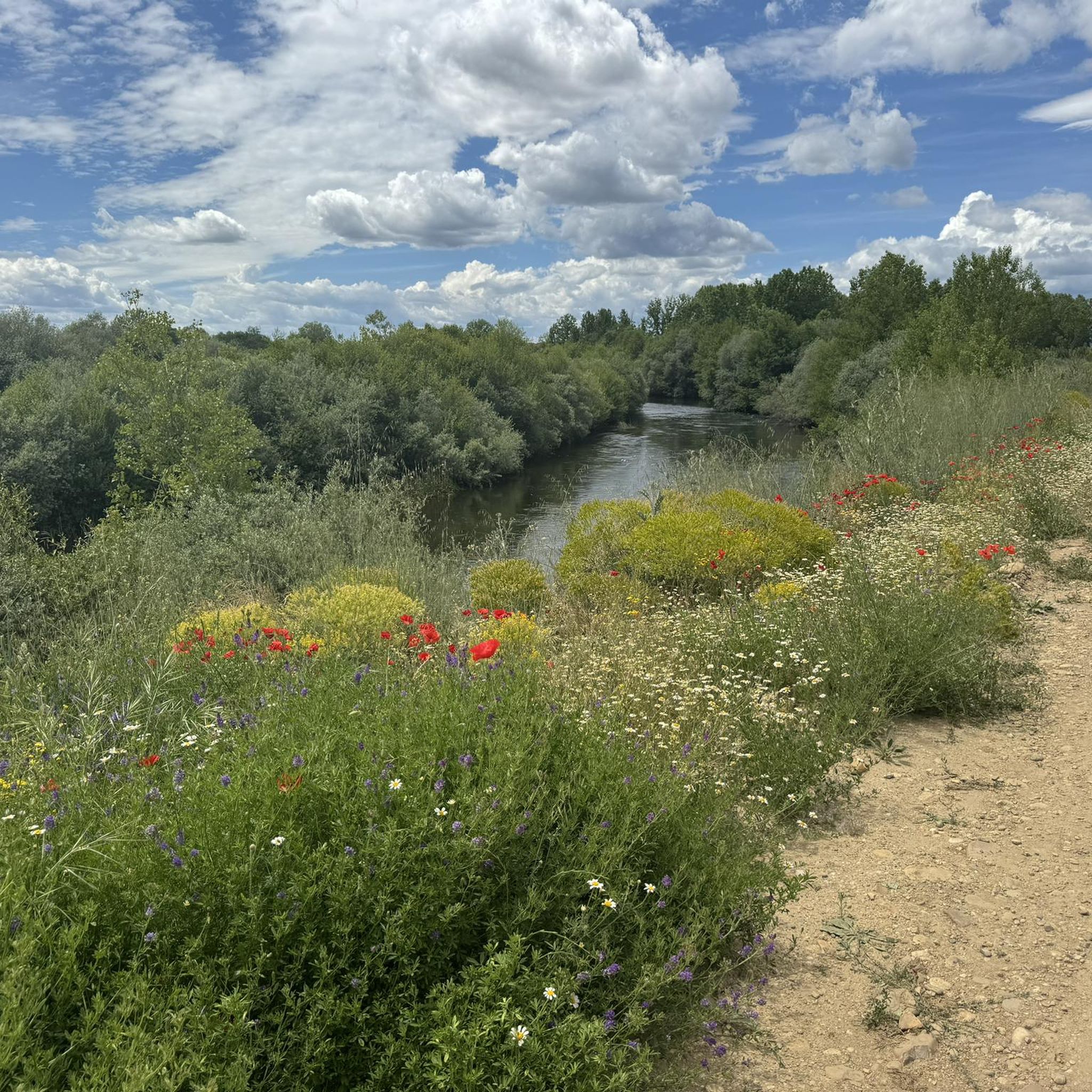
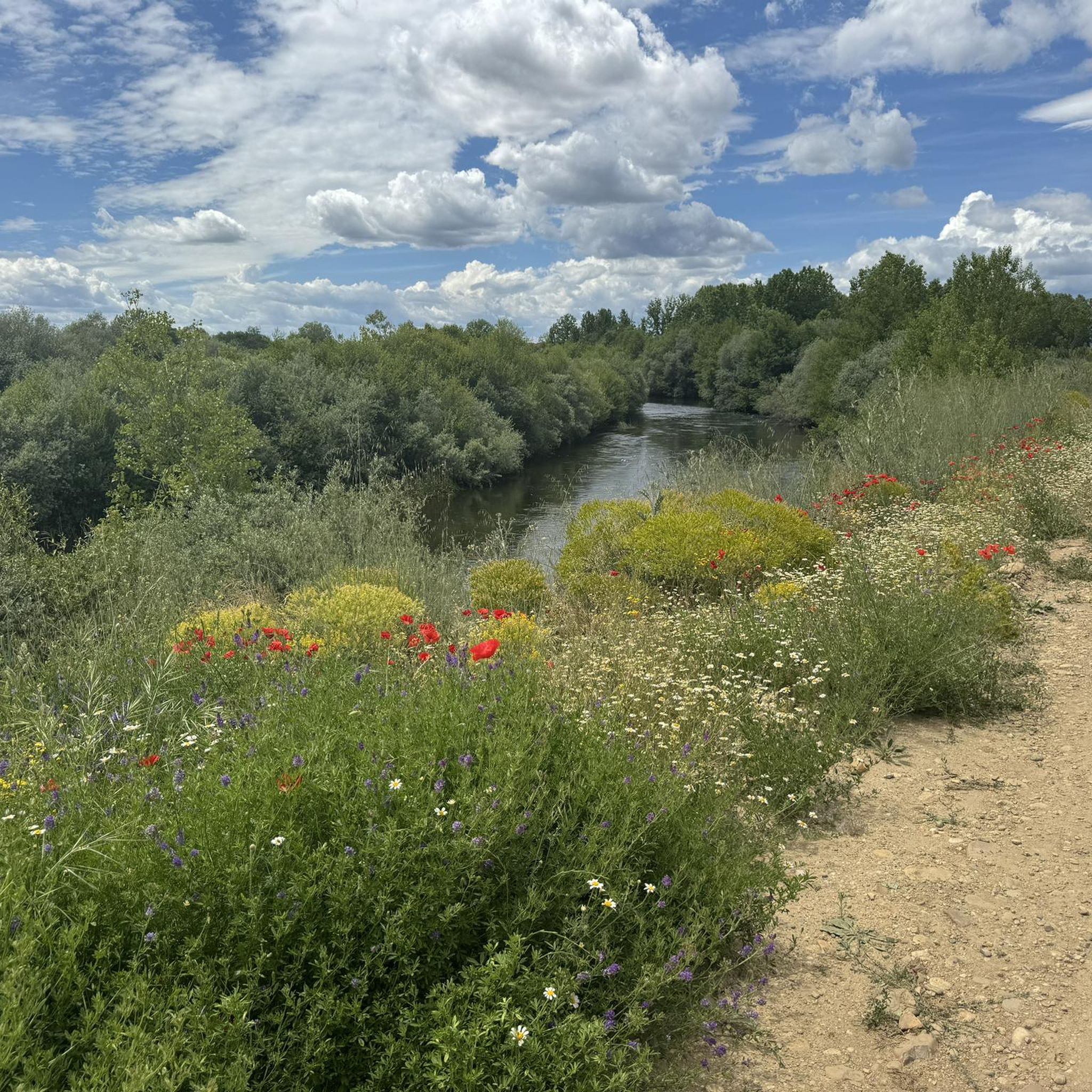
This is a lovely place to have a picnic while doing the Camino de Santiago. It is right next to the Tera River and is shady.
0
0

Ruins of a 15th century palace and castle built by members of the Escobar family, who were the lords of the town. Of the Palace, currently in a state of abandonment, the outer masonry walls have been preserved. The castle is visible from the road.
1
0
The church of Santa Marta de Tera is located on the Jacobean route Camino Sanabrés to Santiago, a branch of the Vía de la Plata. During the spring and autumn equinoxes, the chapel is illuminated by sunlight that enters through the oculus of the main pediment, an event that attracts many tourists.
1
0
Ruins of a palace and castle built in the 15th century by members of the Escobar family, who were the lords of the town. Of the Palace, now in a state of abandonment, the outer masonry walls have been preserved. The castle is visible from the road.
1
0
Frequently Asked Questions
What historical landmarks can I explore in Santibáñez de Tera?
Santibáñez de Tera offers several historical sites. You can visit the Parish Church of San Juan Bautista with its distinctive triangular bell tower and Baroque altarpiece. The ancient Roman Bridge over the Tera River provides picturesque views. Further afield, don't miss the ruins of Granucillo Castle, a 15th-century structure, or the significant Church of Santa Marta de Tera, known for its unique equinox illumination.
Are there any significant religious sites in the area?
Yes, the region is rich in religious heritage. Besides the Parish Church of San Juan Bautista, you can find the small Hermitage of the Virgen del Carmen on the village outskirts. In the nearby hamlet of Sitrama de Tera, the Church of Sitrama de Tera features a beautiful semi-circular arch doorway and a remarkable coffered ceiling. The Church of Santa Marta de Tera is also a notable religious building on the Camino Sanabrés.
What natural attractions can I find along the Tera River?
The Tera River is central to the region's natural beauty. You can enjoy the tranquil landscapes and lush fields along its banks. The 'La Playa' Recreational Area (La Tablada) is a popular spot for bathing and fishing. For a more immersive experience, follow the Hiking Trail of the Tera River, which leads through areas like the 'La Isla' Area with its poplar reforestations, and the unique Enchanted Forest (Bosque Encantado) where poetry is displayed on trees.
Are there good hiking opportunities around Santibáñez de Tera?
Absolutely. The Hiking Trail of the Tera River is an excellent way to experience the fluvial landscape. You can also explore the scenic Ruta Santibañesa del Tera, which includes the Enchanted Forest. For panoramic views, consider hiking to Basilia's Balcony. Many other trails are available, such as the 'Mózar — circular by the Iglesia and the río Tera' for an easy walk, or the 'Route of the Dolmens and Castles of Granucillo' for a moderate challenge. Find more options on the Hiking around Santibáñez De Tera guide.
What outdoor sports can I do in the region?
Beyond hiking, the area around Santibáñez de Tera is great for cycling. You can find various routes for road cycling and touring bicycles. Explore the 'Vidriales Valley Roman Sites Loop' or the 'Tera Valley Loop' for scenic rides. For more detailed routes and options, check out the Road Cycling Routes around Santibáñez De Tera and Cycling around Santibáñez De Tera guides.
Are there family-friendly attractions around Santibáñez de Tera?
Yes, several spots are suitable for families. The 'La Playa' Recreational Area (La Tablada) by the Tera River is ideal for outdoor fun, including bathing and fishing. The Picnic Area by the River offers a shady spot for a family meal. Scenic viewpoints like Basilia's Balcony provide easy access to beautiful landscapes. Additionally, the Granja Escuela 'La Guarida del Lobo', a farm school nearby, could be an engaging experience for children.
What cultural insights can I gain from visiting Santibáñez de Tera?
Santibáñez de Tera offers a glimpse into authentic rural life and traditional architecture. The village itself showcases buildings reflecting past generations. You can also experience local traditions through its festivities, such as the Fiestas de San Tirso in August and San Juan on June 24th. The nearby hamlet of Sitrama de Tera celebrates the Octava and Fiestas de San Miguel.
Where can I find scenic viewpoints in the area?
For breathtaking vistas, head to Basilia's Balcony in Morales de Rey, which offers panoramic views of the town and its surroundings. The ancient Roman Bridge over the Tera River also provides picturesque scenes of the river and landscape.
Does the Camino Sanabrés pass through Santibáñez de Tera?
While the Camino Sanabrés, a branch of the Vía de la Plata, passes through the general area, the significant point of interest directly on the route is the Church of Santa Marta de Tera, located in the nearby village of Santa Marta de Tera. This church is famous for its unique illumination during the spring and autumn equinoxes.
Are there any ancient wineries to see in Santibáñez de Tera?
Yes, Santibáñez de Tera is home to several ancient, though currently disused, wineries. These traditional 'bodegas' are considered among the largest in the region and offer a glimpse into the area's historical winemaking heritage.
What archaeological sites are near Santibáñez de Tera?
Beyond the village, you can explore several archaeological sites. These include the historical buildings of Villa Romana De Orpheus (approximately 8.6 km away) and the Roman Camp Petavonium (about 12.6 km away). The Interpretation Center of Roman Camps and Archaeological Museum (11.9 km away) provides further context and exhibits on the region's Roman past.

Get inspired with the komoot mobile app


Explore more
Still not found the Highlight you’re looking for? See guides of the top attractions in other regions:
