Top 14 Caves around Alcalalí
Best caves around Alcalalí are found within the surrounding Marina Alta and Costa Blanca regions, offering diverse geological formations. Alcalalí itself is known for its rural charm and hiking opportunities, serving as a base for exploring nearby natural wonders. The area features a variety of cave systems, from natural tunnels traversing mountains to impressive limestone caverns. These sites provide insights into geological history and offer unique outdoor experiences.
Best caves around Alcalalí
- The most popular caves is Forat de Bèrnia, a natural tunnel that traverses the Bèrnia mountain range. This natural tunnel is approximately 80 meters long and requires traversing in a low, inclined position.
- Another must-see spot is Forat de la Juvea, a natural hole conditioned to sneak the path through the mountain. It provides a spectacular entrance to the interior of the valley.
- Visitors also love Dark Cave, a cave of great geological importance. It is a site for caving and abseiling, offering very beautiful views from its entrance.
- Alcalalí is known for natural tunnels, limestone caves, and historical sites. The variety of caves to see and explore includes formations with stalagmites and stalactites, as well as those with historical significance.
- The caves around Alcalalí are appreciated by the komoot community, with more than 330 upvotes and over 290 photos shared by users.
Last updated: June 29, 2026
Forat de Bèrnia
Highlight • Cave
Translated by Google •
Tip by

Dark Cave
Highlight • Cave
Translated by Google •
Tip by

Sign up now to discover places like this
Get recommendations on the best single tracks, peaks, & plenty of other exciting outdoor places.
Sign up for free
Forat de la Juvea
Highlight • Cave
Translated by Google •
Tip by

Ascent to the Forat de Bèrnia via the North Side
Highlight • Cave
If you decide to do this route, I recommend avoiding weekends and holidays to avoid the crowds and preserve the natural environment. I hope you enjoy this natural wonder! 😊🏞️
Translated by Google •
Tip by

Cave of the Skulls
Highlight • Cave
It is one of the oldest caves in the entire Valencian Community. This cavity of more than 400 meters in length allows the visitor to take a trip back in time and learn how our ancestors lived long ago.
Translated by Google •
Tip by
Sign up for free to discover even more caves around Alcalalí.
Sign up for free
Already have an account?
Start today with a free account
Your next adventure awaits.
Login or Signup
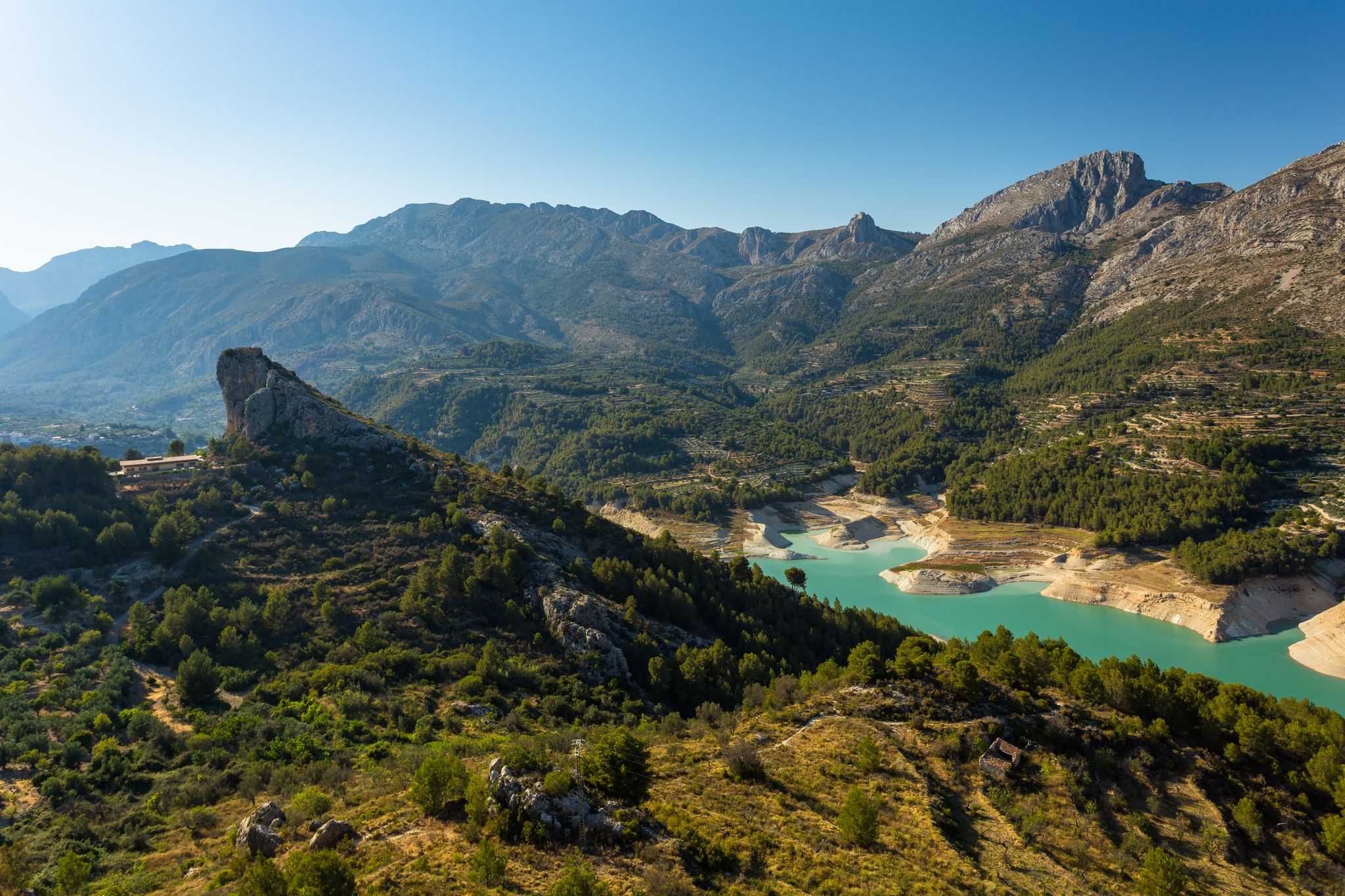
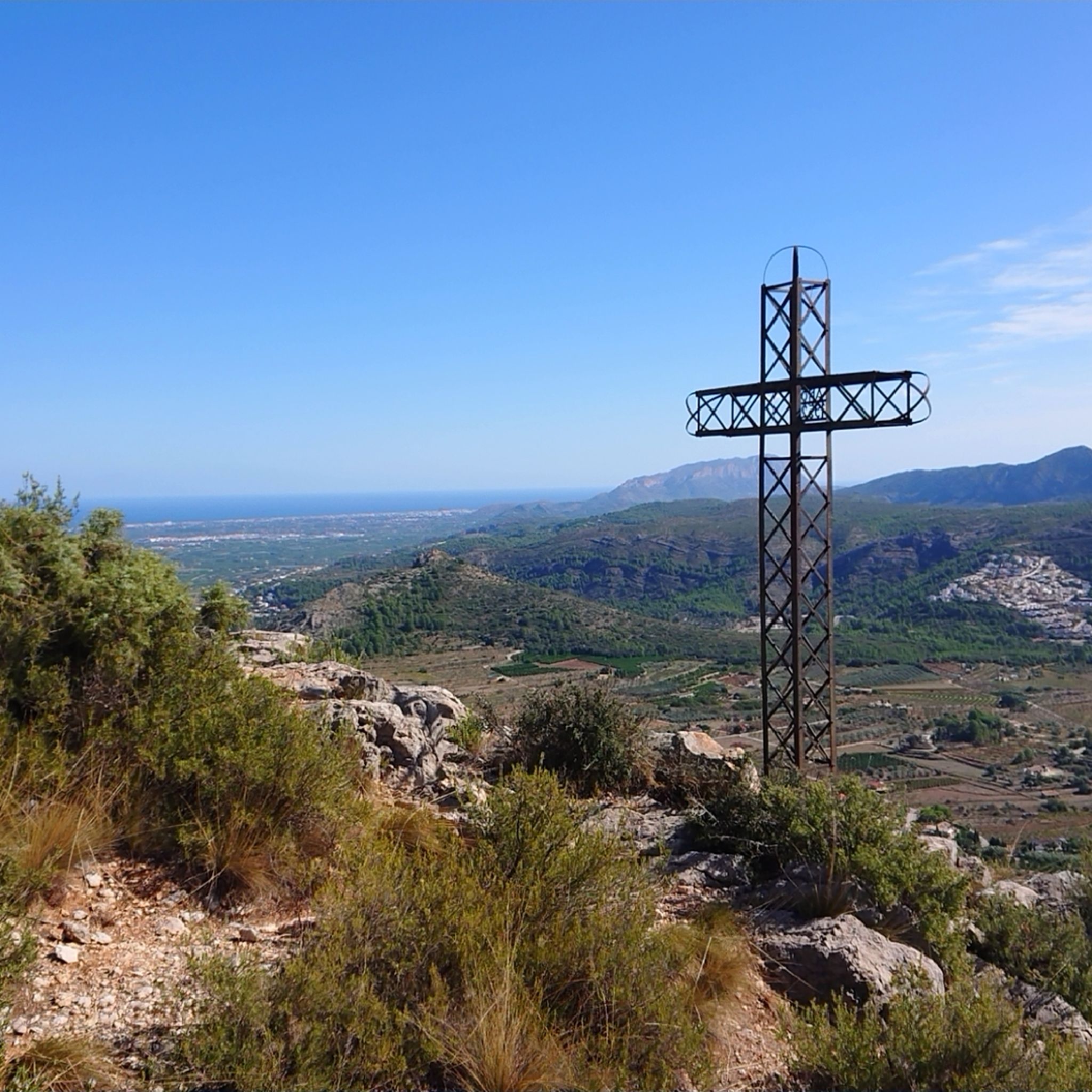
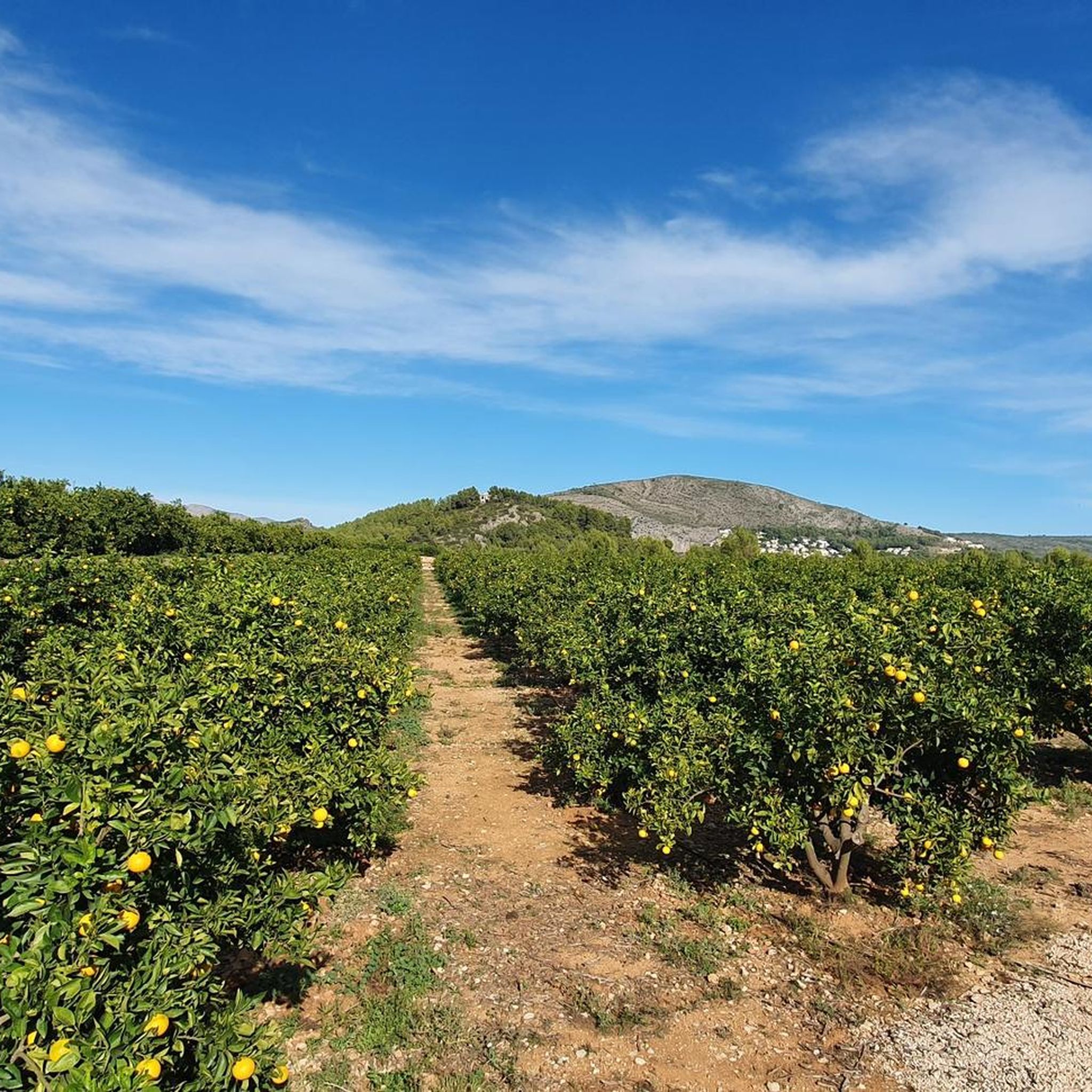
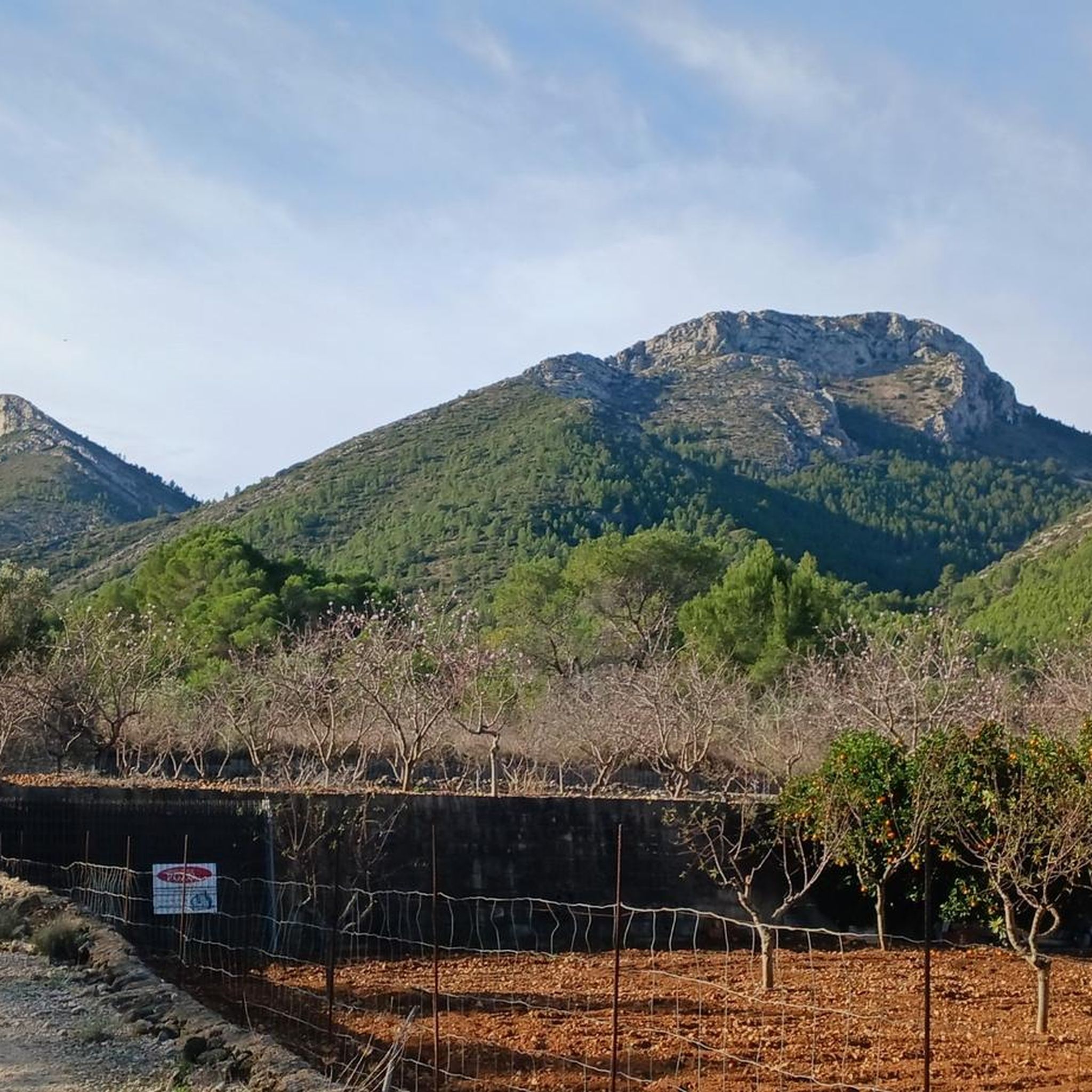

Other adventures around Alcalalí

Tips from the Community

An approximately 1 km long area within the Sierra Segaria, which contains various caves - the Cova Fosca is of course the largest, most famous, and most spectacular!
1
0

The start of the climb is demanding and gradually becomes easier. A rocky climb with ruts. A slight descent on stones, an accessible path and a descent on a well-paved road.
1
0

The Forat de Bèrnia is an impressive place in the Sierra de Bèrnia, located in the Valencian Community, Spain. This natural tunnel, about 15 to 20 meters long, crosses the mountain range from north to south. At its widest entrance, it offers panoramic views of Altea, the Serra Gelada and the Mediterranean. The Forat de Bèrnia is presented as a spacious natural shelter that becomes a magnificent viewpoint of the Costa Blanca. The route begins on the north side of the mountain range, which is greener and wetter. As you cross the Forat, you move to the south face, with spectacular views of Altea, Benidorm and Puig Campana. In addition to the Forat, you can also explore the remains of the Bèrnia Fort and enjoy the varied landscapes that the mountains offer. If you decide to do this route, I recommend avoiding weekends and holidays to avoid the crowds and preserve the natural environment. I hope you enjoy this natural wonder! 😊🏞️
3
0
The Forat de Bèrnia is an impressive place in the Sierra de Bèrnia, located in the Valencian Community, Spain. This natural tunnel, about 15 to 20 meters long, crosses the mountain range from north to south. At its widest entrance, it offers panoramic views of Altea, the Serra Gelada and the Mediterranean. The Forat de Bèrnia is presented as a spacious natural shelter that becomes a magnificent viewpoint of the Costa Blanca. If you decide to do this route, I recommend avoiding weekends and holidays to avoid the crowds and preserve the natural environment. I hope you enjoy this natural wonder! 😊🏞️
4
0

Short video about my hikes around this area could be found under the following links: https://www.youtube.com/watch?v=O44Xq6hudm8 https://www.youtube.com/watch?v=GWr6CrRNXL8 https://www.youtube.com/watch?v=v44NMToT9tA
1
0
Short video about sunrise taken from COVA FOSCA could be found under the following link:https://www.youtube.com/watch?v=GWr6CrRNXL8
1
0

Medium difficulty is an understatement! We are in good shape and really fit, but this tour was difficult. Partly there were no paths, it was more of a climbing tour on the mountainside. Good shoes and a head for heights are a must!
3
1

Frequently Asked Questions
What are some of the most notable caves to visit near Alcalalí?
The region around Alcalalí offers several impressive cave systems. These include the Cave of the Skulls (Cueva de las Calaveras) known for its geological formations and historical significance, the Forat de Bèrnia, a unique natural tunnel, and the Cueva del Rull, famous for its stalactites and stalagmites. Other notable sites are the coastal Cova Tallada and the underwater Cueva del Moraig.
What makes the <a href="https://www.komoot.com/highlight/149038" target="_blank" rel="noopener">Forat de Bèrnia</a> a unique natural feature?
The Forat de Bèrnia is a natural tunnel, approximately 80 meters long, that traverses the Bèrnia mountain range. It allows hikers to pass from the south side to the north, offering a distinctive outdoor adventure and access to spectacular views of the Costa Blanca. Traversing it requires moving in a low, inclined position due to its roughly carved walls.
Are there family-friendly caves to explore near Alcalalí?
Yes, the Cave of the Skulls (Cueva de las Calaveras) is considered family-friendly. It features well-lit paths and safe walkways, making it suitable for visitors of all ages. The constant temperature of around 17°C inside also makes it a comfortable escape, especially during warmer months.
What kind of geological features can I expect to see in the caves near Alcalalí?
The caves in the region showcase diverse geological formations. For instance, the Cave of the Skulls features impressive stalagmites and stalactites, large domes, and even an underground lake. The Cueva del Rull is also renowned for its captivating stalactite and stalagmite formations, characteristic of karst activity.
What is the historical significance of the <a href="https://www.komoot.com/highlight/276237" target="_blank" rel="noopener">Cave of the Skulls</a>?
The Cave of the Skulls (Cueva de las Calaveras) is estimated to have formed 135 million years ago. Paleontological remains of ancient animals like hyenas and rhinoceros have been found here. Its name originates from the discovery of human skulls within its interior in 1768, hinting at its long history of human presence.
Are there any caves near Alcalalí that are suitable for caving or abseiling?
Yes, the Dark Cave (Cova Fosca) is a site of great geological importance and is popular for caving and abseiling. It is recommended that for any risky activity, visitors reach it with guides who have all the necessary safety equipment.
What outdoor activities can I do near these caves?
Beyond exploring the caves, the area offers numerous outdoor activities. You can find various hiking trails around Alcalalí, including routes like the 'Almond Blossom in Vall de Pop' or 'Riu Xaló Crossing'. There are also mountain hikes and running trails available, such as the 'Penyes del Portitxol – Bèrnia loop'.
What is the best time to visit the caves near Alcalalí?
Any time of year is generally good for visiting the caves. However, during the warmer summer months, caves like the Cave of the Skulls are particularly appealing as they maintain a constant cool temperature of around 17°C, offering a refreshing escape from the heat.
How long does it typically take to explore a cave like the <a href="https://www.komoot.com/highlight/276237" target="_blank" rel="noopener">Cave of the Skulls</a>?
You can typically visit the Cave of the Skulls comfortably within about an hour. This allows enough time to appreciate its formations and learn about its history.
Is there a cave near Alcalalí that involves both hiking and marine exploration?
Yes, the Cova Tallada, located in the Montgó Natural Park, combines historical interest with outdoor activity. It can be accessed by land via a hiking route from Les Rotes in Dénia or by sea via kayak from Jávea, offering spectacular views and a unique marine environment.
What is the <a href="https://www.komoot.com/highlight/4042839" target="_blank" rel="noopener">Forat de la Juvea</a>?
The Forat de la Juvea is a natural hole that has been conditioned to allow a path to sneak through the mountain, providing a spectacular entrance into the interior of the valley. During the rainy season, a thirty-meter waterfall forms in the nearby ravine.
Are there any underwater caves for diving near Alcalalí?
Yes, the Cueva del Moraig in Benitatxell is particularly notable for its impressive underwater cave system. Its entrance is submerged, making it a popular and challenging diving destination with crystal-clear waters and unique underwater formations for those interested in exploring the marine world.
Most popular attractions around Alcalalí

Get inspired with the komoot mobile app


Explore more
Extend your search for the best caves by checking out these guides of the top ones around Alcalalí:
