Top 8 Castles around Pasaia
Best castles around Pasaia are primarily defensive fortifications, reflecting the region's strategic coastal location and vital port. Pasaia, a coastal town in the Basque Country, is known for its historical military structures designed to protect its harbor. These historical sites offer insights into centuries of maritime defense and regional conflicts.
Best castles around Pasaia
- The most popular castles is View of San Sebastián Bay from Batería de Santiago, a viewpoint that offers views of the bay of San Sebastián.…
Last updated: June 29, 2026
Fort of Nuestra Señora de Guadalupe
Highlight • Historical Site
Translated by Google •
Tip by

View of San Sebastián Bay from Batería de Santiago
Highlight • Viewpoint
Tip by

Sign up now to discover places like this
Get recommendations on the best single tracks, peaks, & plenty of other exciting outdoor places.
Sign up for free
Ruins of Kutarro Castle
Highlight • Castle
There is now an area with picnic tables, ideal for stopping for lunch.
If …
Translated by Google •
Tip by

San Telmo Castle
Highlight • Castle
Translated by Google •
Tip by
Abbadia Castle and Observatory
Highlight • Castle
Translated by Google •
Tip by

Sign up for free to discover even more castles around Pasaia.
Sign up for free
Already have an account?
Start today with a free account
Your next adventure awaits.
Login or Signup


Other adventures around Pasaia

Tips from the Community

Beautiful views of the port and part of Donosti
2
0

Although now only a few ruins remain of what once was, a castle once stood here. There is now an area with picnic tables, ideal for stopping for lunch. If you get here by one of the trails that arrive, a little before you will also pass by a small pond.
1
0
The castle of San Telmo, also known as the pirates' castle or the castle of Higuer (because of the cape on which it is located) is a fortified enclosure that was built in 1598 for defensive purposes. If you want more information or visit it, you can find more information at: https://www.hondarribia.eus/es/santelmo
1
0

Magnificent fortress built in the 16th century. With its high stone walls and ancient cannons, this fortress is a testament to the region's military history. From its walls you can appreciate impressive views of the coastal landscape and the city of Hondarribia.
1
0

This is the peak of a small mountain below the castle of San Markos and where the castle of Kutarro once stood. Now the castle is in ruins, but there are picnic tables and it is a good area to visit.
0
0

The fort of Guadalupe is one of the finest defensive constructions in Hondarribia. It is located near Mount Jaizkibel. Its construction began in 1890 and lasted ten years. The fort served as a military barracks until the late 1980s.
2
0

The Château d'Abbadia is characterized by its neo-Gothic architecture inspired by the fortified castles of the Middle Ages. It is classified as a historic monument and Maison des Illustres.
2
0

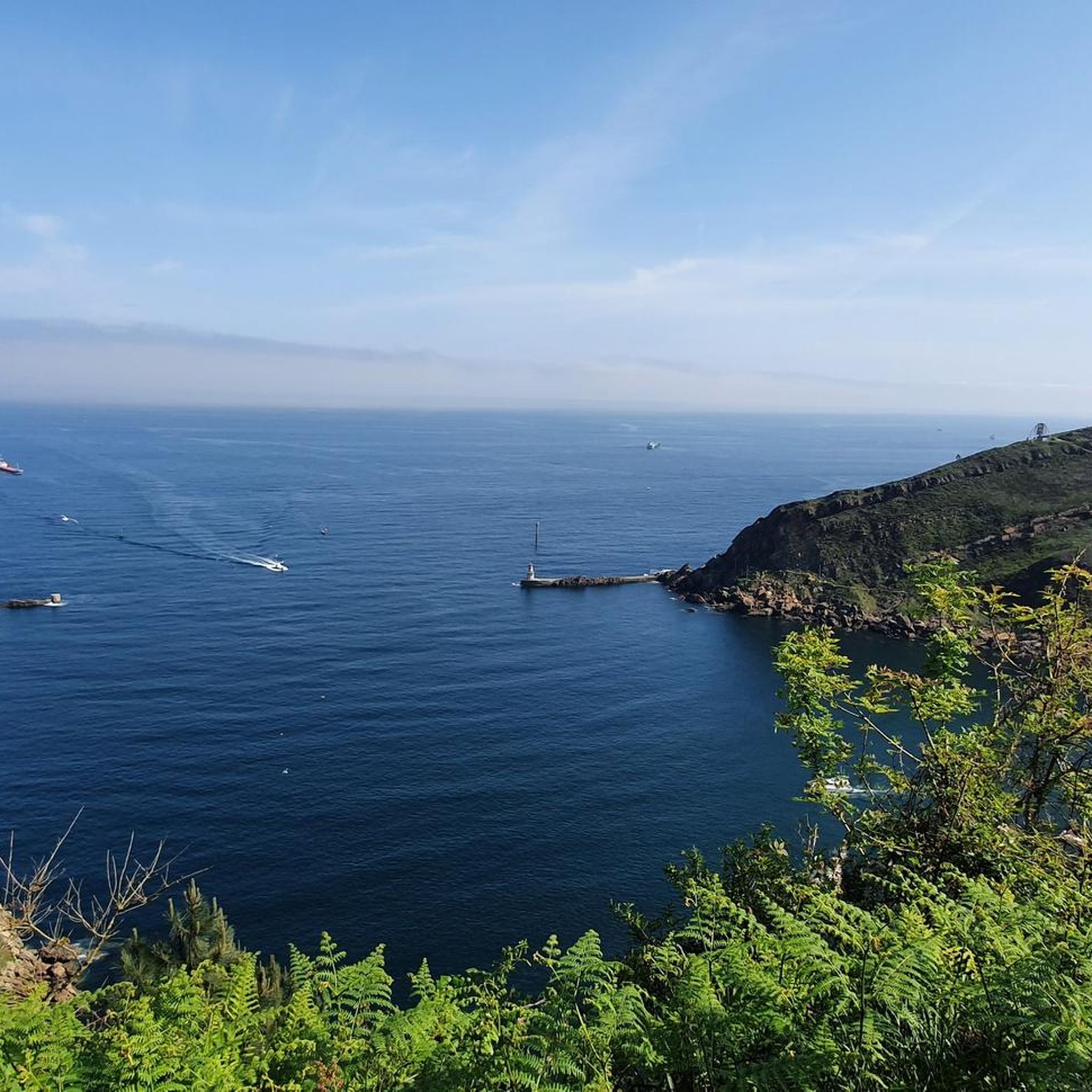
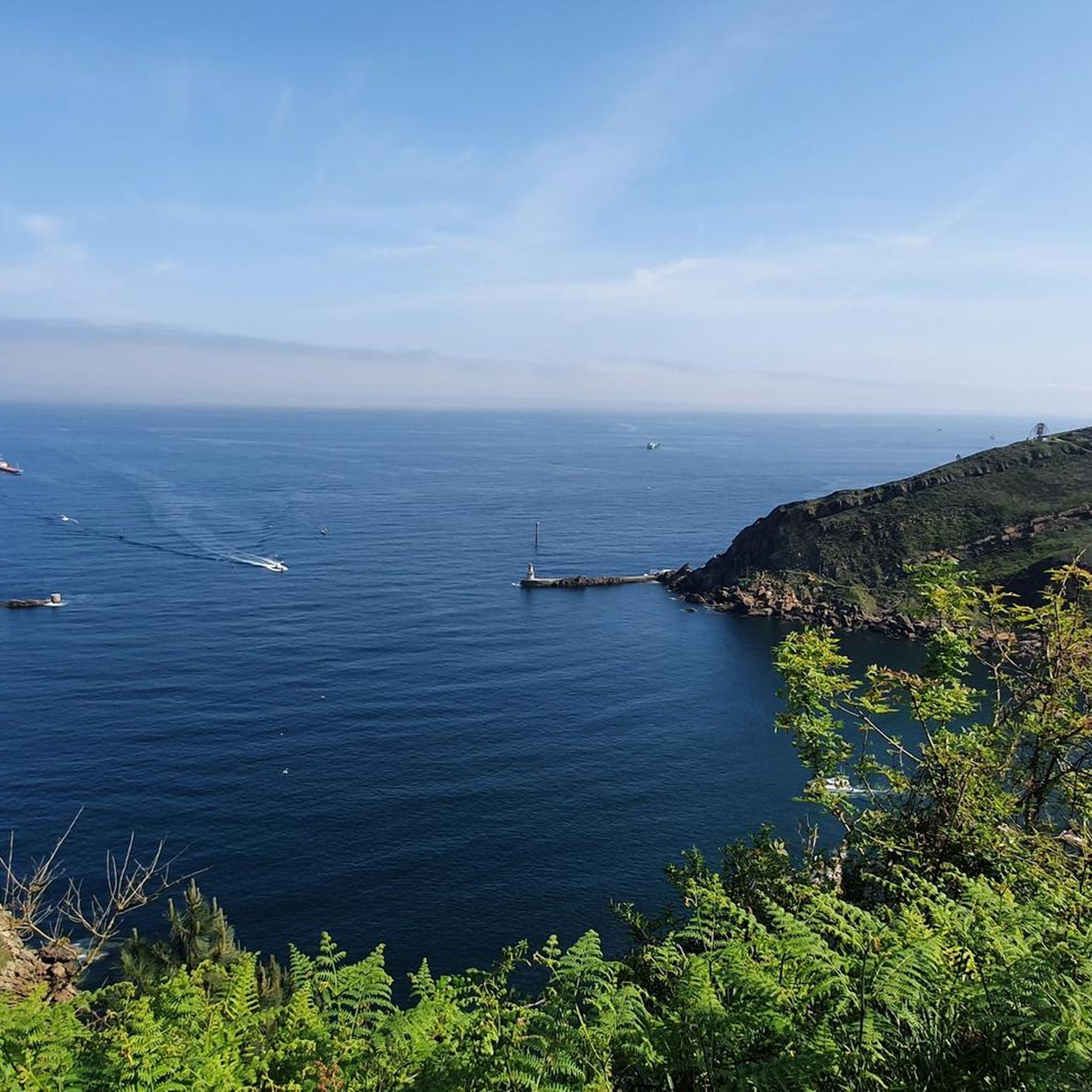
The Puerto de San Sebastián was formerly defended by the Batería de Santiago and the Batería de las Damas. Source: http://www.sansebastian1813.es/426644439
5
0
Frequently Asked Questions
What kind of castles can I expect to find around Pasaia?
The Pasaia region is primarily known for its defensive fortifications and historical military structures rather than grand medieval castles. These sites, like the historical Fort of Nuestra Señora de Guadalupe or the remnants of Santa Isabel Castle, reflect the area's strategic coastal location and its vital port. They offer insights into centuries of maritime defense and regional conflicts.
Which historical fortifications are most significant in Pasaia?
The most significant historical fortification is Santa Isabel Castle (St. Elizabeth's Castle) in Pasai Donibane. Built in 1621, it was crucial for safeguarding Pasaia's port. While its principal artillery platform was destroyed, visitors can still see its solid sandstone walls and an isolated tower, offering commanding views of the bay. Other notable sites include the San Telmo Castle, built in 1598 for defensive purposes.
Are there any castles or historical sites suitable for families?
Yes, the Ruins of Kutarro Castle are considered family-friendly. Although only ruins remain, the site features picnic tables, making it an ideal spot for a family lunch. A small pond nearby adds to the natural appeal. Additionally, Abbadia Castle and Observatory is also noted as family-friendly.
What are the best viewpoints near Pasaia's castles?
For stunning views, visit the View of San Sebastián Bay from Batería de Santiago. This historical site offers panoramic views of the bay and includes a small park with benches. Santa Isabel Castle also provides commanding views of the Pasaia bay, highlighting its strategic importance.
Can I combine a castle visit with outdoor activities like hiking?
Absolutely. Many of the fortifications are located in scenic areas perfect for hiking. For instance, the Fort of Nuestra Señora de Guadalupe is near Mount Jaizkibel, an area with numerous trails. You can find various hiking routes around Pasaia, including the 'Talaia Route and Mitxintxola Loop' or the 'Ascent to Mintxintxola — circular route along the cliffs'. For more details on hiking options, explore the Hiking around Pasaia guide.
Are there cycling routes near the castles and fortifications?
Yes, the region offers several cycling opportunities. You can find road cycling routes like the 'Jaizkibel – Ermita de Guadalupe loop' or touring bicycle routes such as the 'Scenic Pathway loop from Pasaia'. These routes often pass by or offer views of the historical sites. For detailed cycling options, refer to the Road Cycling Routes around Pasaia and Cycling around Pasaia guides.
What is the best time of year to visit the castles and fortifications around Pasaia?
The Basque Country generally experiences mild weather. Spring (April-June) and early autumn (September-October) are often ideal, offering pleasant temperatures for exploring historical sites and engaging in outdoor activities without the peak summer crowds. Winter visits are possible, but some facilities or access might be limited, and the weather can be cooler and wetter.
How long should I plan for a visit to these historical sites?
The duration of your visit depends on the site. For places like the View of San Sebastián Bay from Batería de Santiago, you might spend an hour or two enjoying the views and the small park. Larger sites like the Fort of Nuestra Señora de Guadalupe or Abbadia Castle and Observatory could warrant a half-day, especially if you combine it with nearby walks or a picnic at the Ruins of Kutarro Castle.
Are there any cafes or facilities near the castles?
Yes, some locations offer amenities. For example, near the View of San Sebastián Bay from Batería de Santiago, there is a small cafe offering refreshments. The Ruins of Kutarro Castle provide picnic tables, perfect for a packed lunch. In the towns themselves, such as Pasai Donibane, you'll find various cafes and restaurants.
What is the historical significance of Pasaia's fortifications?
Pasaia's fortifications, including Santa Isabel Castle, are a testament to the town's crucial role as a strategic port. They were built to defend against foreign warships and pirates, reflecting centuries of efforts to protect maritime trade and the Basque coast from various conflicts. These structures offer a tangible connection to the region's military past and its importance in naval activities.
Are there any other notable historical structures besides castles?
Beyond the main castles and forts, historical records mention other defensive structures. For instance, a circular tower was erected on the west bank of the Pasaia channel in the 16th century to control access to the inlet, though it was later demolished. The existence of forts like Fuerte de Lord John Hay also highlights the area's ongoing military importance through different conflicts.
Most popular routes around Pasaia
Most popular attractions around Pasaia

Get inspired with the komoot mobile app


Explore more
Looking for the best castles somewhere else? Discover other guides around Pasaia:
