Attractions and Places To See around Santa Cruz De Bezana - Top 20
Best attractions and places to see around Santa Cruz De Bezana offer a diverse range of natural beauty and cultural heritage in Cantabria, Spain. The region is characterized by its stunning coastal landscapes, including dramatic cliffs and extensive beaches, situated between Santander and Liencres. Visitors can explore unique geological formations and historical sites that reflect centuries of local history. Santa Cruz De Bezana provides access to both serene natural environments and significant architectural landmarks.
Best attractions and places to see around Santa Cruz De Bezana
- The most popular attractions is Cabo Mayor Lighthouse, a man-made monument that was first lit in 1839. It now houses exhibitions about lighthouses and offers scenic views.
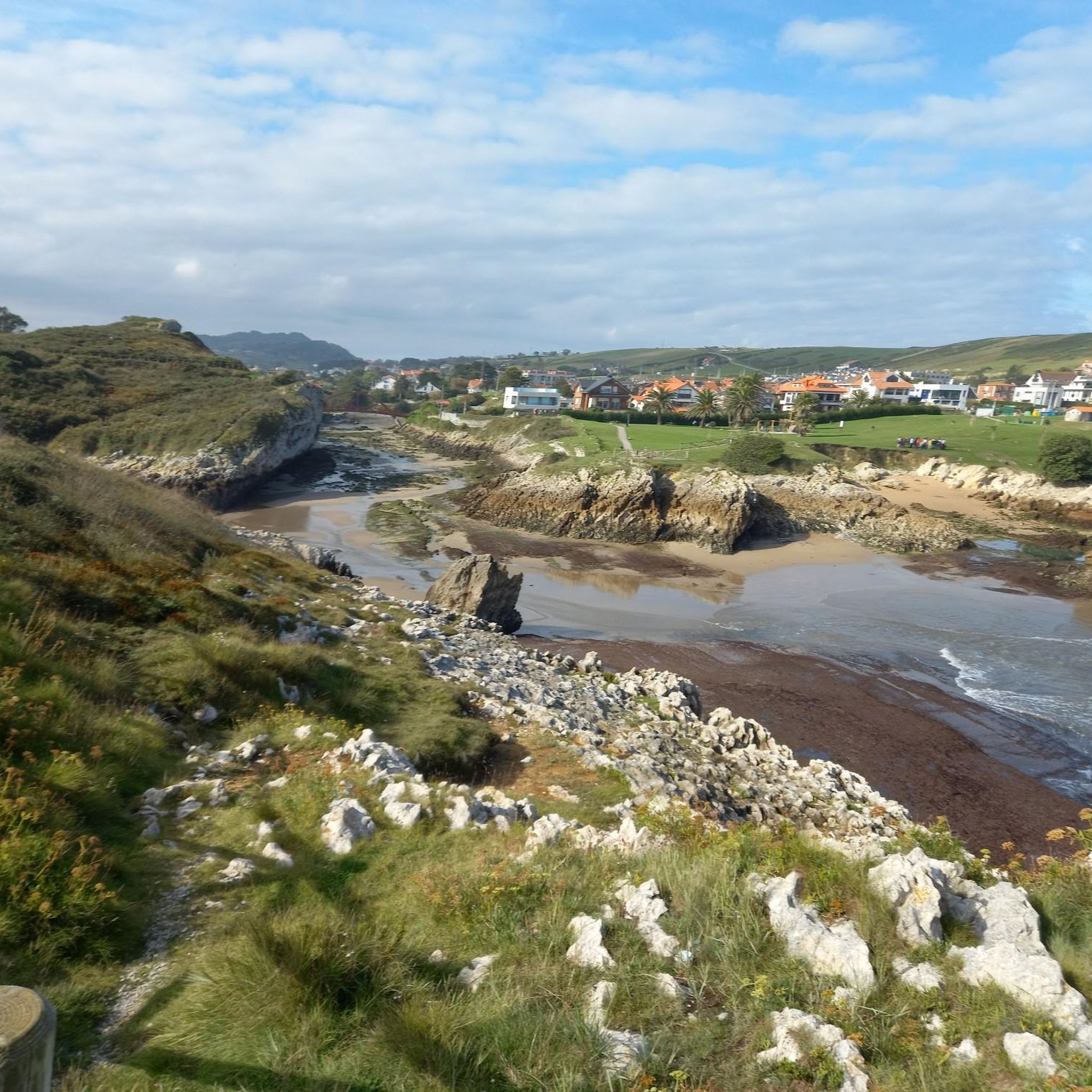
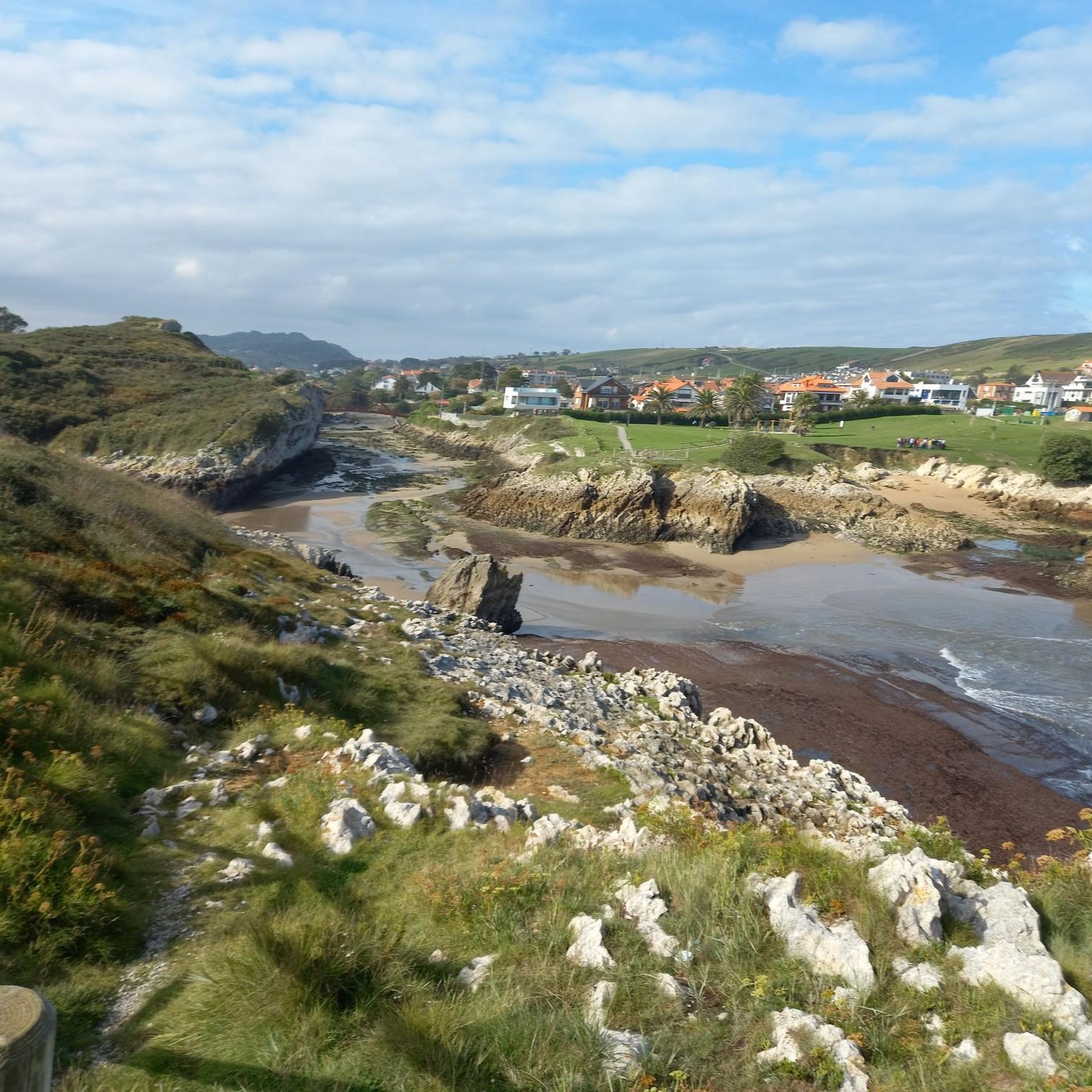
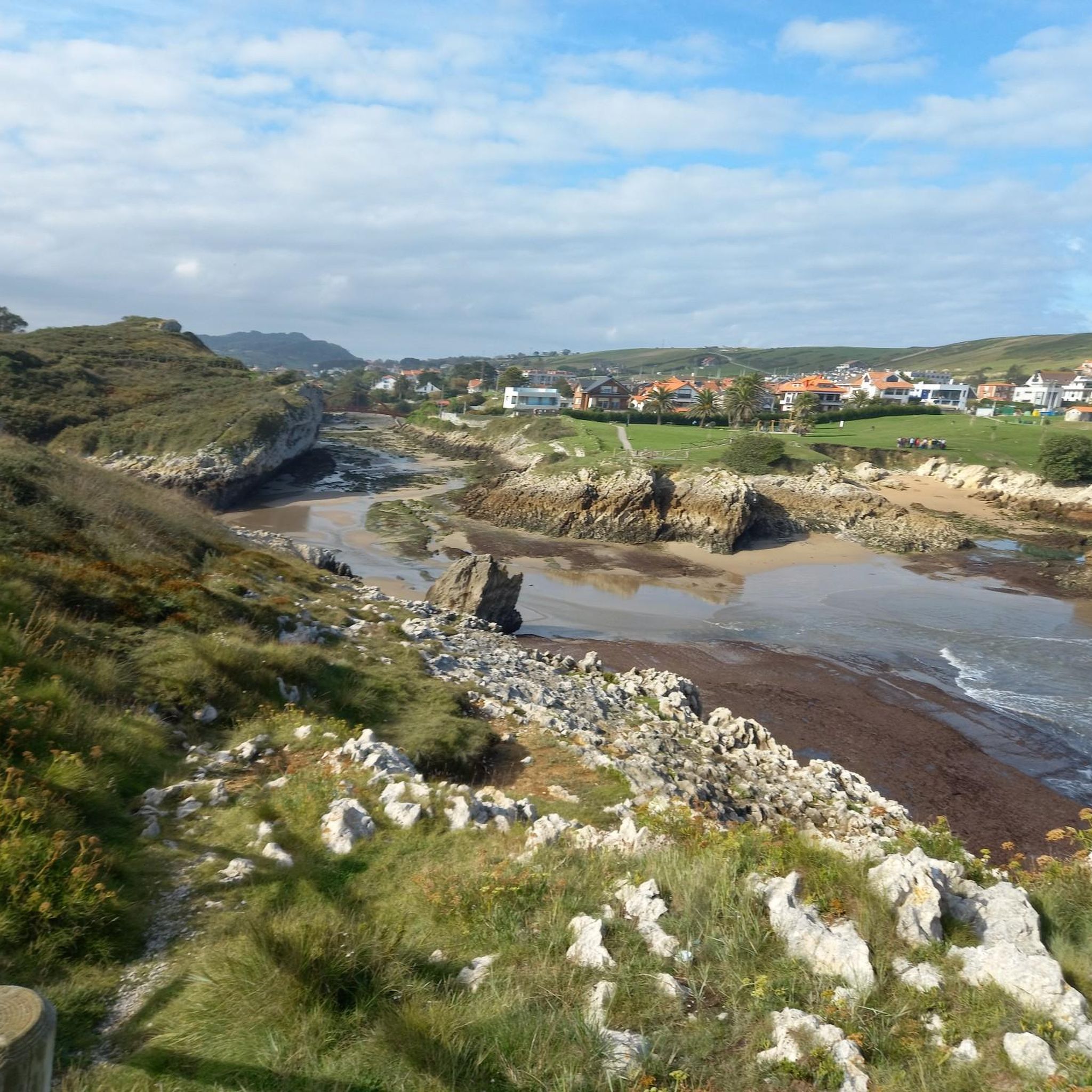
- Another must-see spot is Canallave Beach, a beach known for its scenic beauty and being part of the Natural Park of the Dunes of Liencres. It features a footpath along the cliff with coastal views.
- Visitors also love Magdalena Palace, a historical site built in the early 1900s. This emblematic building in Santander offers views and is used for congresses and meetings.
- Santa Cruz De Bezana is known for its historical sites, natural beaches, and significant architectural landmarks. The area offers a variety of attractions to see and explore, from coastal viewpoints to cultural buildings.
- The attractions around Santa Cruz De Bezana are appreciated by the komoot community, with 145 upvotes and 114 photos shared by visitors.
Last updated: October 9, 2026
Cathedral of Our Lady of the Assumption (Santander)
Highlight • Religious Site
The history of the cathedral dates back to the times when Santander was granted the status of jurisdiction in 1187, under the tutelage of the abbot of its church, this meant a great economic boost for the town with which the cathedral could be built and the castle, which was later called Puebla Vieja, as well as walls that defended the busy port and its inhabitants.
The current building of the Cathedral of Santander is made up of 2 overlapping Gothic-style churches. The lower one was built in the first third of the s. XIII is the parish of Christ and the upper one was built during that century and has had to be rebuilt and enlarged, in 1941 Santander suffered a fire that affected this part of the Cathedral.
Translated by Google •
Tip by

Cabo Mayor Lighthouse
Highlight • Monument
Nearby there is a restaurant that is very popular among Santander residents for midday meals.
Translated by Google •
Tip by

Sign up now to discover places like this
Get recommendations on the best single tracks, peaks, & plenty of other exciting outdoor places.
Monument to the Raqueros
Highlight • Monument
Translated by Google •
Tip by

Canallave Beach
Highlight • Beach
Translated by Google •
Tip by
Magdalena Palace
Highlight • Historical Site
Translated by Google •
Tip by

Sign up for free to discover even more attractions around Santa Cruz De Bezana.
Already have an account?
Start today with a free account
Your next adventure awaits.

Tips from the Community

For some, the term "raquero" comes from the verb "raquear," which in turn comes from the Latin "rapio, -is ," meaning to take what belongs to another against their will. For others, it comes from the English " wrecker ," which translates to ship thief or plunderer of shipwrecks. The Royal Spanish Academy (RAE) combines the two meanings and defines a "raquero" as a "thief who steals in ports and along coasts." In the past, the term was attributed to children who, in the late 19th and early 20th centuries, roamed among the machinery at Puerto Chico, waiting for an idle crew member or a wealthy tourist to throw a coin into the water that they could retrieve by diving. Today, it survives as a derogatory and contemptuous expression. Saiz Viadero points out that this is not a character exclusive to Santander, but has existed in other places such as Cartagena (where he is called icue ), in La Caleta in Cádiz, in Lisbon and, in general, in all the populous places of the coast, "his presence represents not only the misery in which the existence of a sector of the child and youth population of those cities that had a great traffic in their ports developed, but it is also representative of the large number of children from orphanages, with no other option than loitering to make a living mainly as friends of other people's property." Hence, the historian emphasizes the importance of keeping their memory alive.
0
0

We gladly visit this simply furnished cathedral again today, just like in 2019 on our first Camino. You can get the pilgrim stamp downstairs in the lower church (parish stamp) and all the way down to the left in the pilgrim office (cathedral stamp).
0
0

I like it much more on the inside than on the outside.
0
0
In a privileged place in the port.
0
0
Whenever I walk through Santander I stop by here.
2
0

Be careful with the slope leading to the palace if you go up from Bikini Beach, it is short but very steep.
0
0

Be sure to visit Faro de Cabo Mayor, it is very beautiful to look at and you can take a lovely walk from here.
0
0
Frequently Asked Questions
What natural attractions can I explore in Santa Cruz de Bezana?
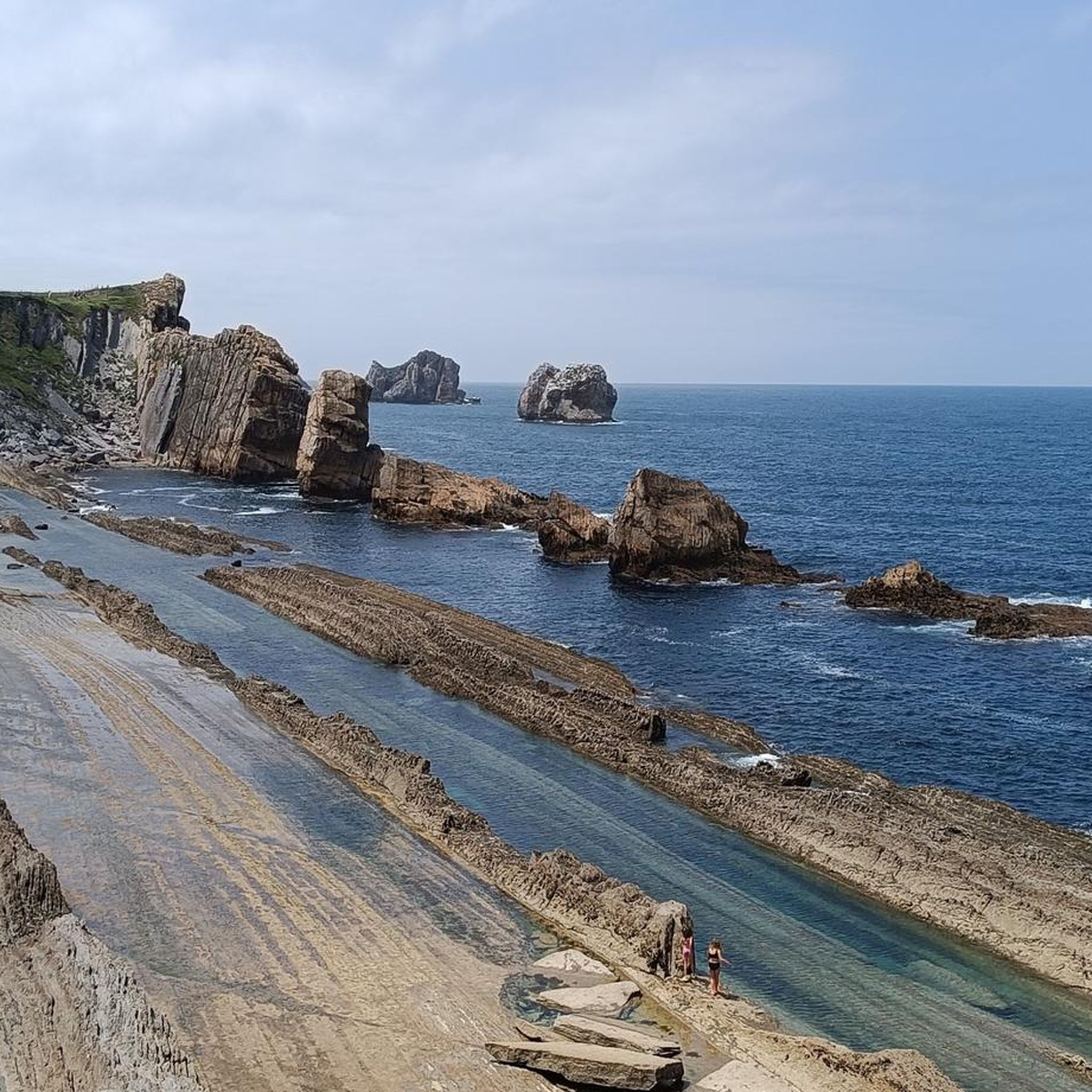
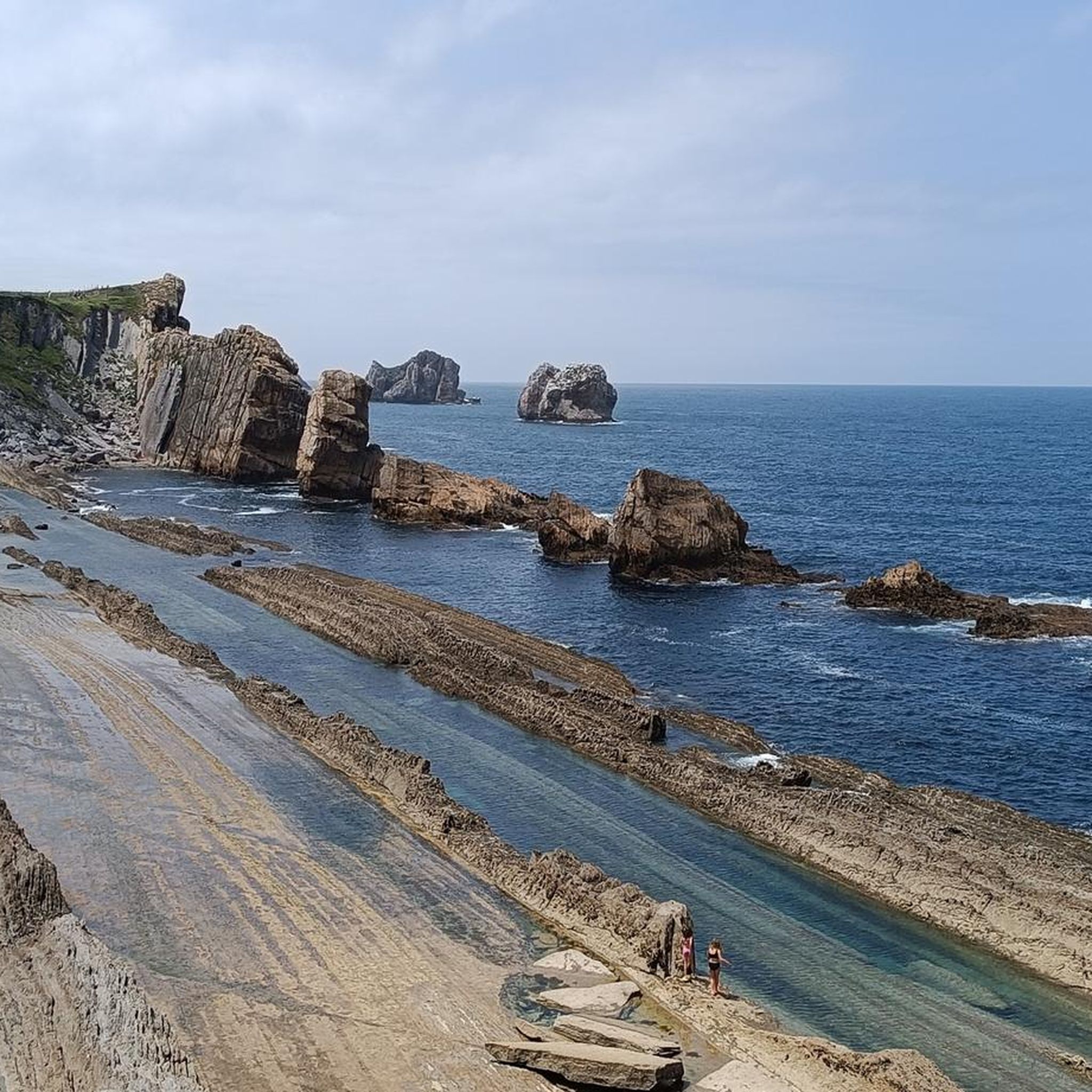
The region boasts stunning natural beauty, including the Canallave Beach, known for its scenic beauty and being part of the Natural Park of the Dunes of Liencres. You can also visit the Geoparque Costa Quebrada, a 'broken coast' geopark with dramatic cliffs and unique rock formations, or the Dunes of Liencres Natural Park itself, a refuge for many bird species. For tranquil views, consider La Picota, a small mountain offering magical sunsets.
Are there historical or cultural sites to visit in the area?
Yes, Santa Cruz de Bezana and its surroundings are rich in history. You can explore the Cathedral of Our Lady of the Assumption (Santander), a Gothic-style church with a 12th-century crypt. The Magdalena Palace, a historical site built in the early 1900s, is another emblematic building nearby. Within Santa Cruz de Bezana, you'll find the Iglesia de Santa Cruz de Bezana with its neo-Gothic altarpiece, and the Casona Solariega de La Canal, a prominent example of 17th and 18th-century mountain architecture.
What beaches are recommended for families or relaxation?
For families and relaxation, Canallave Beach is a scenic choice within the Natural Park of the Dunes of Liencres. Playa de San Juan de la Canal is another tranquil beach ideal for families, known for its calm waters and golden sand. Playa de Covachos offers natural beauty and tranquility, with a unique islet accessible at low tide.
Where can I find scenic viewpoints in Santa Cruz de Bezana?
Several spots offer stunning views. The Cabo Mayor Lighthouse provides scenic coastal vistas. From Magdalena Palace, you can enjoy wonderful views of Santander Bay. La Picota, a small mountain, is particularly noted for its magical sunsets and sunrises, offering panoramic tranquility.
What outdoor activities or trails are available near these attractions?
The area around Santa Cruz de Bezana is excellent for outdoor enthusiasts. You can find various routes for different sports. For mountain biking, explore trails like the 'Parque Natural de las Dunas de Liencres y playa de La Arnía – circular por los acantilados' or the 'View from Monte Picota – Canallave Beach loop from Soto de la Marina'. Runners can enjoy the 'Costa Quebrada Coastal Trail' or the 'Urros of Liencres – Covachos Tombolo loop'. For more options, check out the MTB Trails around Santa Cruz De Bezana or Running Trails around Santa Cruz De Bezana guides.
Are there any family-friendly activities beyond beaches?
Absolutely. The Cabo Mayor Lighthouse, with its exhibitions about lighthouses, is a family-friendly attraction. The Magdalena Palace and its surrounding park offer pleasant walks and views. Additionally, the nearby Cabárceno Nature Park, approximately 11.1 km away, is a major attraction for animal lovers, allowing observation of a wide variety of species in a semi-natural environment.
What kind of local architecture is prominent in the region?
The region showcases a blend of architectural styles. You'll find characteristic Romanesque churches like the Iglesia de San Salvador de Vivero in Soto de la Marina. The area also features baroque parishes such as Iglesias de Mompía and Prezanes, often with interesting sundials. Furthermore, the municipality is known for its stately homes, or 'Casonas,' belonging to old local lineages, many of whom made their fortunes through trade with the Indies, like the Casona de los Molleda in Maoño.
Is Santa Cruz de Bezana part of any long-distance walking routes?
Yes, Santa Cruz de Bezana is a stopping point on the Camino del Norte (Northern Way) route of the Camino de Santiago, offering services for pilgrims.
Are there any attractions suitable for visitors with mobility needs?
The Monument to the Raqueros, a sculpture located on Paseo de Pereda in Santander, is noted as wheelchair accessible. While specific accessible trails are not detailed, many urban areas and promenades may offer easier access.
What do visitors particularly enjoy about the attractions here?
Visitors appreciate the diverse offerings, from the dramatic coastal views along the 'broken coast' to the historical depth of sites like the Cathedral of Our Lady of the Assumption (Santander). The natural beauty of beaches like Canallave Beach and the tranquility of places like La Picota are frequently highlighted. The blend of cultural heritage and stunning landscapes makes for a memorable experience.
Can I find places for birdwatching or nature photography?
Absolutely. The Dunes of Liencres Natural Park is a significant refuge for many bird species, making it an excellent spot for birdwatching. The Geoparque Costa Quebrada, with its unique rock formations and dramatic cliffs, provides spectacular backdrops for nature photography.
What are some notable churches or religious buildings in the area?
Beyond the impressive Cathedral of Our Lady of the Assumption (Santander), you can visit the Iglesia de San Salvador de Vivero in Soto de la Marina, which exhibits a characteristic Romanesque style. The Iglesia de Santa Cruz de Bezana, built between 1905 and 1917, features a neo-Gothic altarpiece and beautiful stained glass windows. The baroque parishes of Mompía and Prezanes also offer valuable historical and architectural insights.
Most popular routes around Santa Cruz De Bezana
Most popular attractions around Santa Cruz De Bezana

Get inspired with the komoot mobile app


Explore more
Still not found the Highlight you’re looking for? See guides of the top attractions in other regions:
