The best cycling routes around Burela
4.8
(21)
165
riders
20
rides
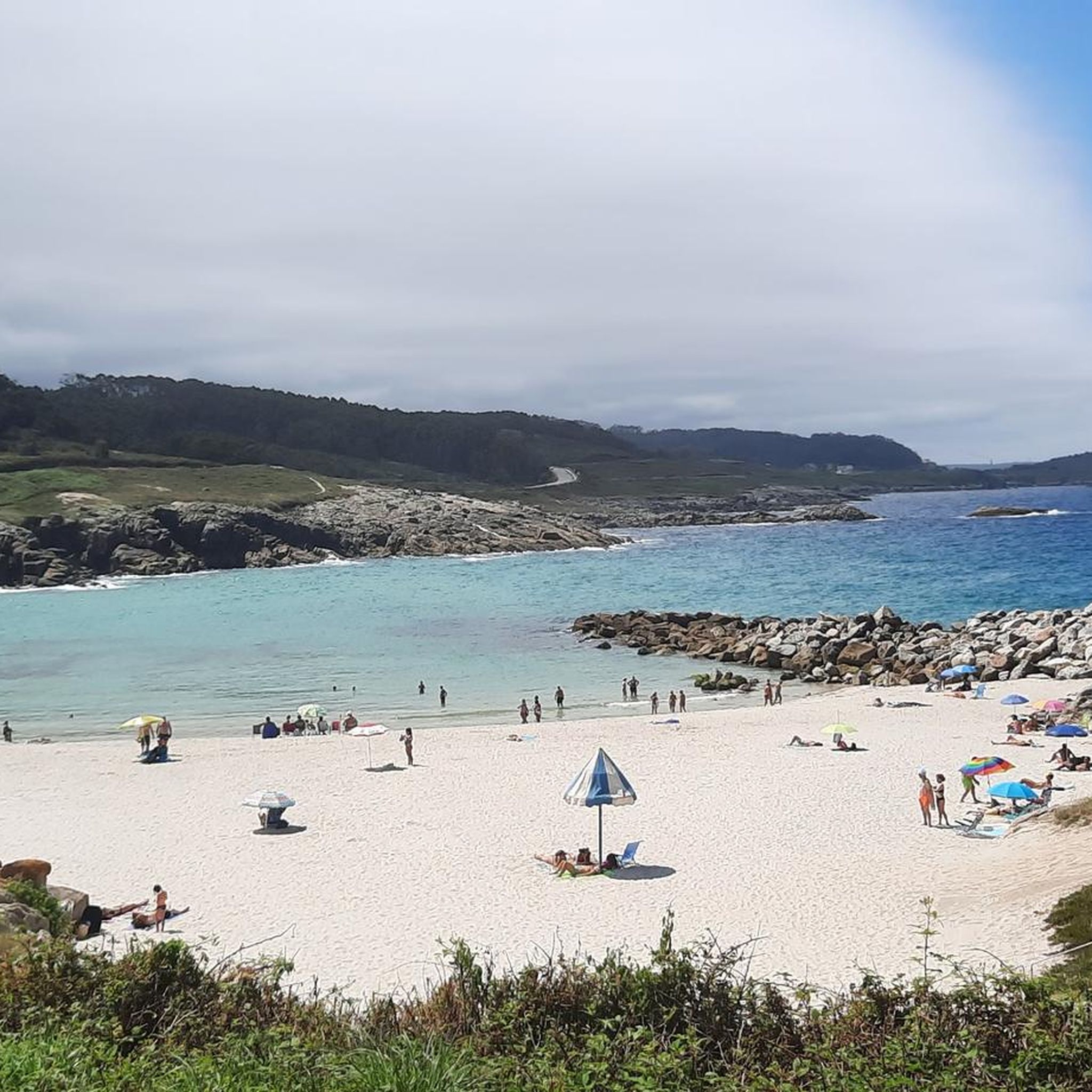
Touring cycling around Burela offers diverse landscapes along the scenic Cantabrian coast, characterized by dramatic geological formations and pristine beaches. The region features established routes that integrate seafront promenades and river paths, such as those along the Covo river. Cyclists can also ascend to the Monte Castelo viewpoint, which provides panoramic vistas of the coastline.
Best touring cycling routes around Burela
- The most popular touring cycling route is Burela - loop via Covo river and Marosa Beach, a 19.1…
Last updated: August 23, 2026
1
riders
30.8km
02:15
550m
550m
Hard bike ride. Very good fitness required. Mostly paved surfaces. Suitable for all skill levels.
5.0
(6)
23
riders
22.2km
01:25
230m
230m
Moderate bike ride. Good fitness required. Mostly paved surfaces. Suitable for all skill levels.

Sign up for free
4.7
(3)
19
riders
50.7km
03:12
510m
510m
Hard bike ride. Very good fitness required. Mostly paved surfaces. Suitable for all skill levels.
5.0
(1)
14
riders
72.6km
04:51
1,130m
1,130m
Hard bike ride. Very good fitness required. Mostly paved surfaces. Suitable for all skill levels.
5.0
(1)
13
riders
44.1km
02:53
520m
510m
Hard bike ride. Very good fitness required. Mostly paved surfaces. Suitable for all skill levels.
Get access to more routes and recommendations from other explorers.
Sign up for free
Already have an account?
Our route recommendations are based on thousands of hikes, rides, and runs completed by other people on komoot.
Start today with a free account
Your next adventure awaits.
Login or Signup
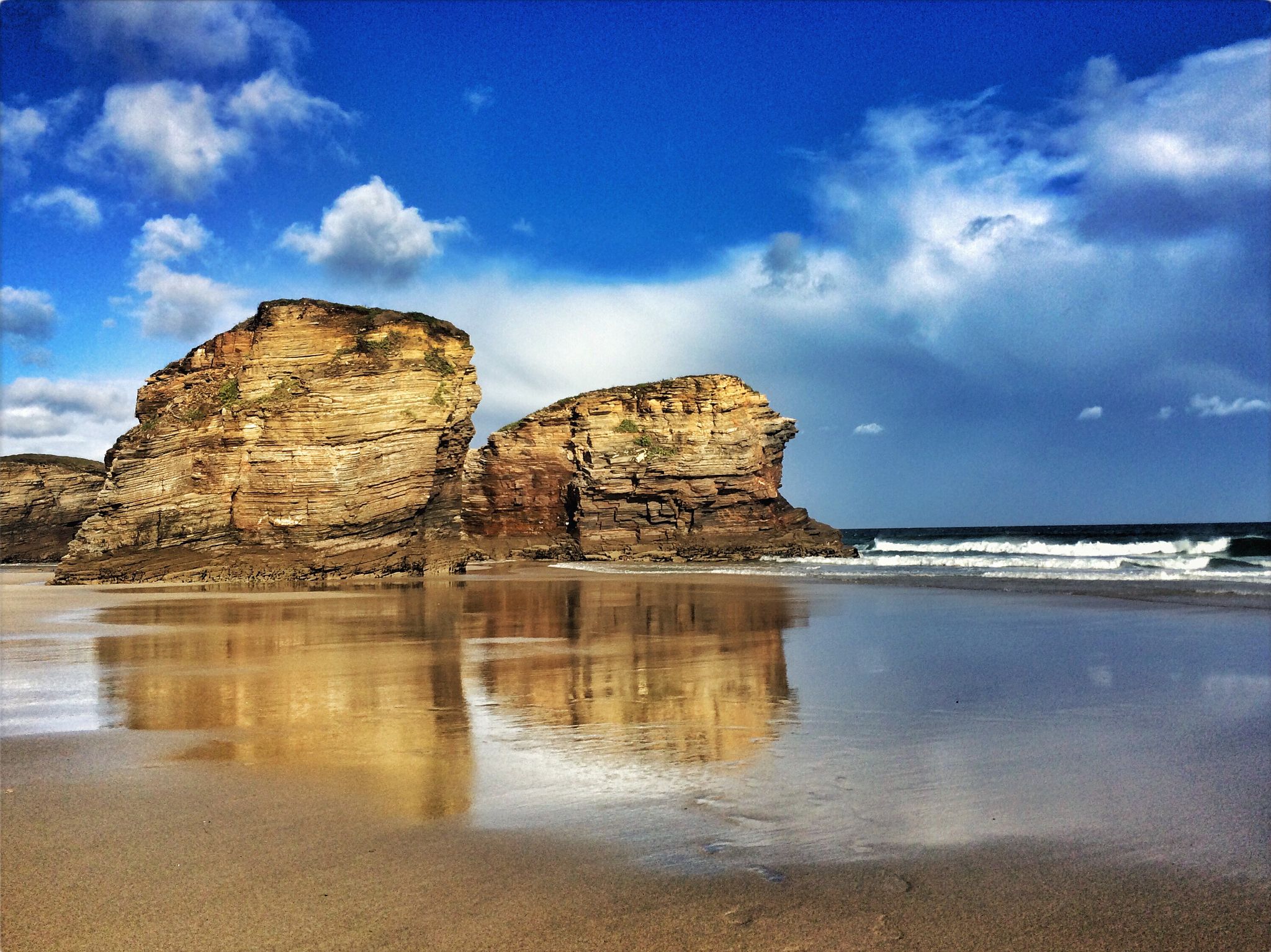
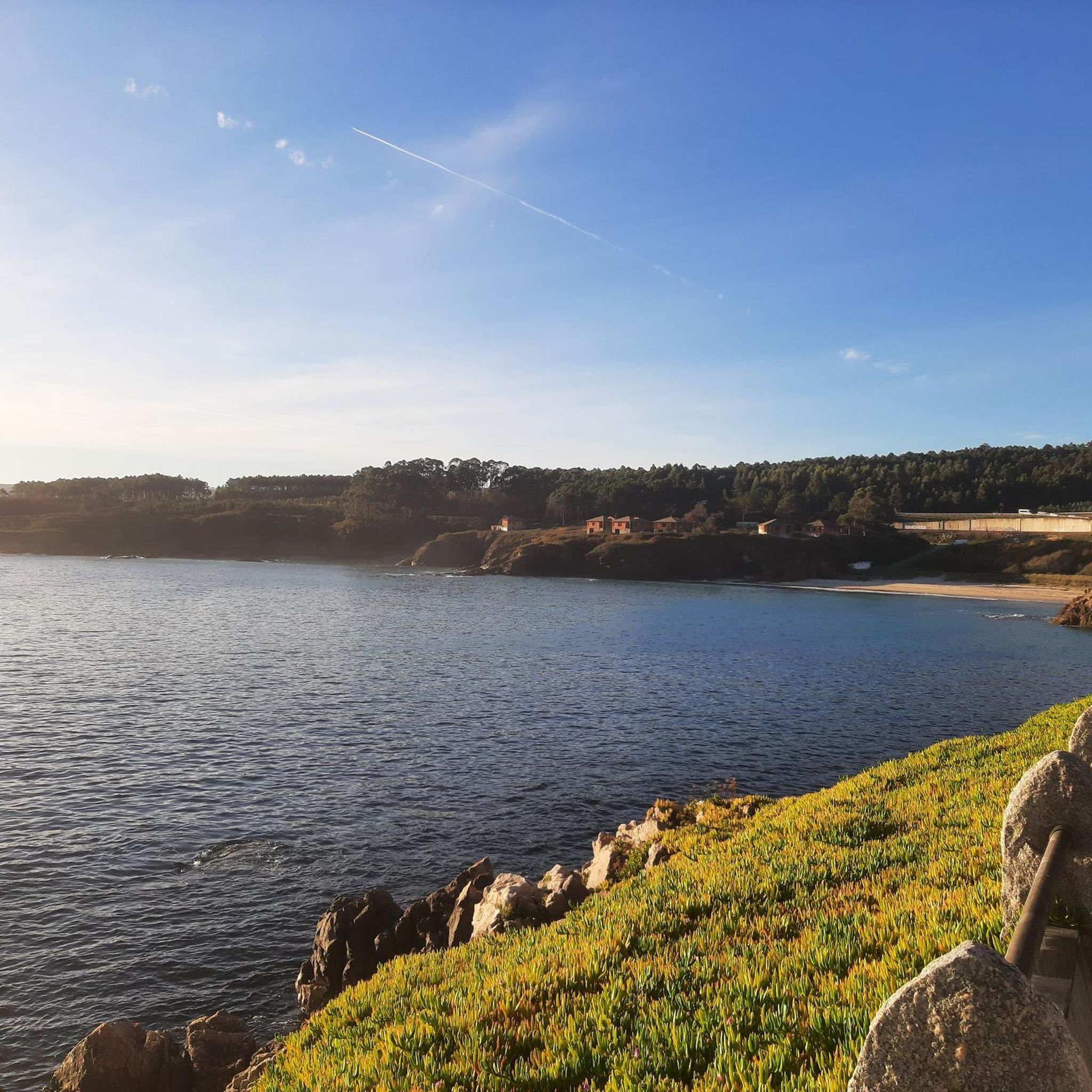
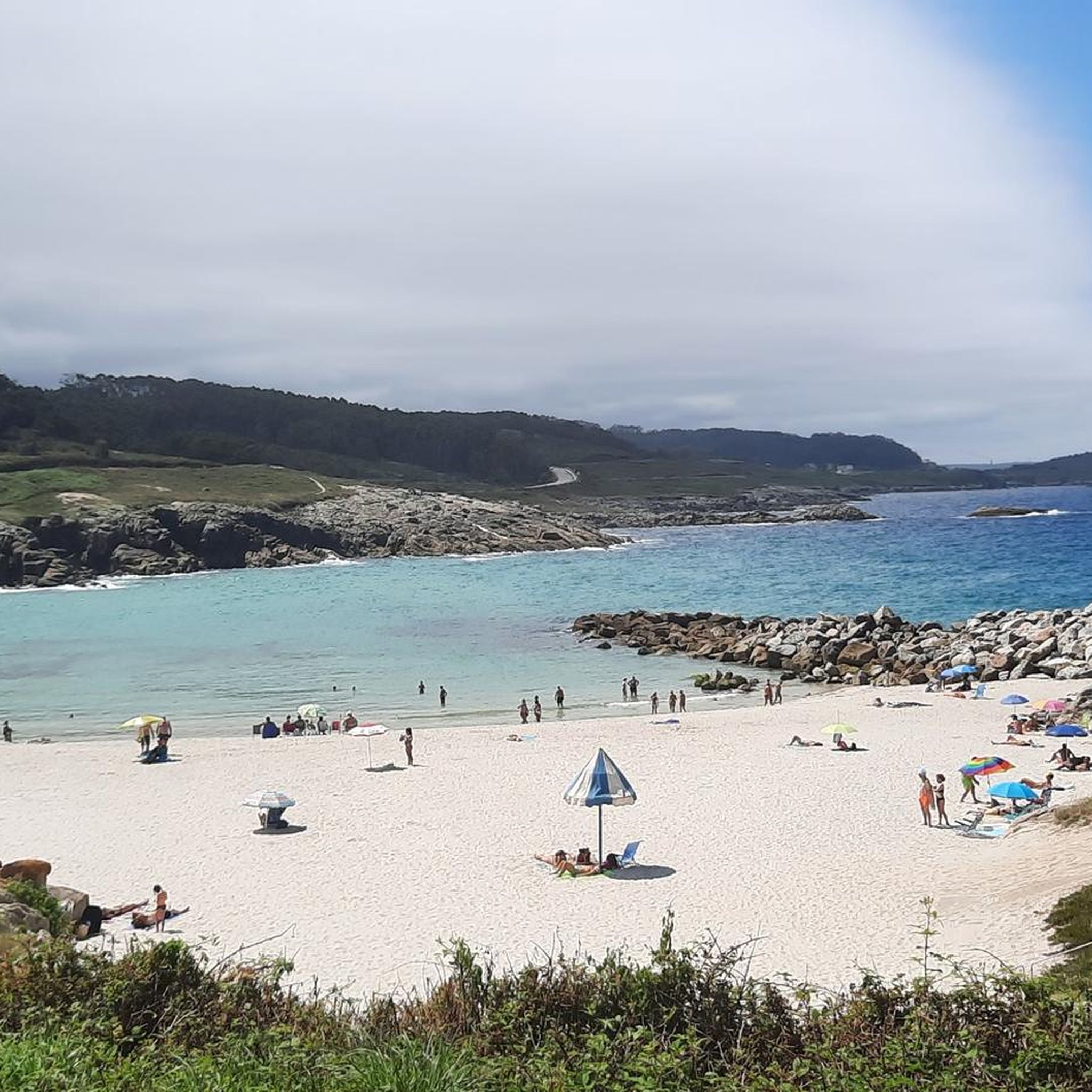
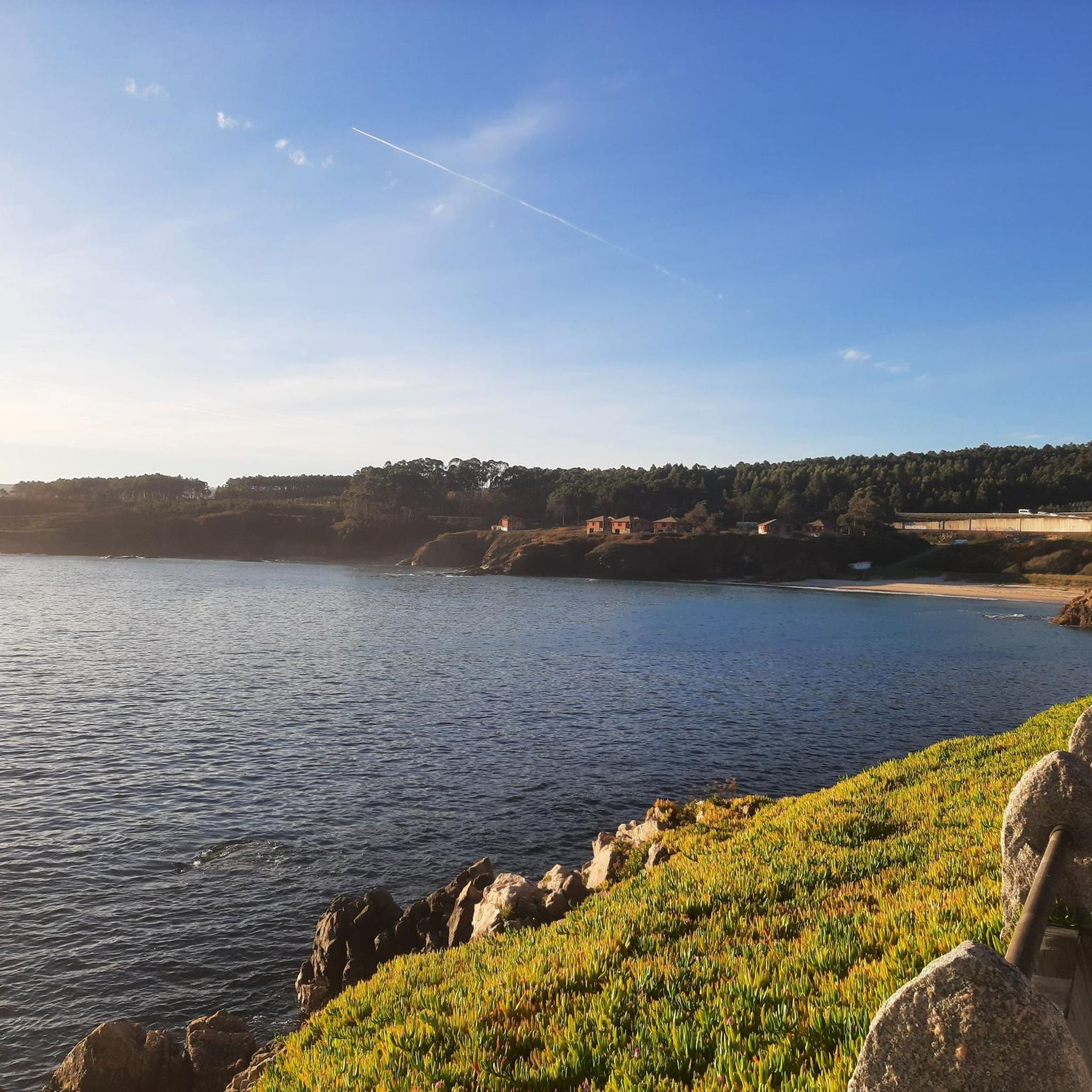
Other adventures around Burela

Tips from the Community

Stage 2. Burela/Viveiro 128 kilometers. 2,660 positive meters. The spectacular Cabo de Burela bike path makes it easy to get out of the town by bicycle along the coastal cliffs and the little beaches of Reliño and Marosa, then comes the crossing near the Cervo business park and again the charms of the coastal towns in San Cibrao, a beautiful fishing port formed by two neighborhoods that were created when the coastal sediments joined the coastal point with the islet where the Punta da Atalaia lighthouse is now located. The Nature Trail draws a curious perimeter route through the town that culminates in views of the coast from the spectacular overhanging balcony of the Miradoiro da Atalaia and descends through O Pedregal. The landmarks of the route move away from the coast to surround the industrial complex of an immense aluminum factory and return again to coastal fantasies in the port of Morás, an important whaling port during the Middle Ages. The entrance to the port and the surrounding area are decorated with hundreds of idols, which are the remains of the concrete pieces that were made to build the docks of the current industrial port of San Cibrao. The coastal landscape changes its atmosphere, the first serious slopes arrive. Near the famous Paper Cliffs, a fun stretch along mountain trails begins on the cliffs of Morás and the viewpoints of Monte Castelo, in Punta Roncadoira, accumulating a good positive gradient before descending again to the shore of the Cantabrian Sea and passing through Viveiro. and Covas for the first time. The stage ends in Viveiro although there is still the fabulous final stretch to the Ortigueira estuary and the return. In Covas there is a bicycle shop, it is next to a giant specimen of Monterrey cypress, 32 meters high, planted in 1880. The Natural Trail leaves the urban environment of the Viveiro estuary through Mount O Facho and the surprising viewpoint of the Cruz de San Román, between the beaches of San Román and Area Grande. The route is a constant see-saw through eucalyptus and pine forests between beaches, estuaries and small coves that seem inaccessible from the edge of the cliffs. The crossing of the Barqueiro estuary is another environmental fantasy, on the eastern shore is the port of O Vicedo and on the western shore the fishing streets of O Porto do Barqueiro, staggered on the slope of the mouth of the Sor river, the gateway to the Estaca de Bares, the northernmost point of the Iberian Peninsula.
0
0

Founded by the Franciscans in 1219, this church is just outside the old Roman wall and has a well-preserved Romanesque portal and Gothic apse (renovated in 1965!). A visit to the cloister is worthwhile.
1
0

Burela is a small, but very active, fishing port. In its surroundings you will find the typical green landscape of the Galician coast facing the Bay of Biscay and its dream beaches.
2
0

This is an arched stone gate to the old city. Travelers who crossed the estuary via the Mayor or La Misericordia bridges reached the entrance to the old town.
3
0
The Paseo Marítimo de Foz is a public space for recreation and promenade with incredible views of the Galician north Atlantic coast.
3
0
Foz, a small fishing village and former whaling port at the mouth of the Foz estuary. The area is a unique natural habitat of salt marshes for one of the largest seabird colonies in northwestern Spain.
1
0

The castro of Fazouro is an old fortified settlement dating between the 1st and 3rd centuries AD. Rectangular buildings, benches attached to the stone walls and remains of homes are preserved. It is the only fort on the Galician Cantabrian coast that is preserved as a museum.
1
2
The strategic position of Cape Burela is possibly the reason why an important fort was built right next to it. Although few vestiges of this pre-Roman fortified town remain today, valuable objects such as the famous Burela torc were found here.
1
0
Frequently Asked Questions
How many touring cycling routes are available in Burela?
There are over 25 touring cycling routes around Burela, offering diverse options for exploring the region's coastal and river landscapes. These routes are highly rated by the komoot community, with an average score of 4.9 stars.
Are there any easy touring cycling routes in Burela?
While many routes in Burela are classified as moderate to difficult due to elevation gains, the region's Ruta Circular de Burela is noted for having sections accessible for wheelchairs and strollers, suggesting a relatively well-maintained and paved surface suitable for less strenuous touring. However, komoot data indicates that most routes are moderate to difficult.
What are some challenging touring cycling routes in Burela?
For experienced touring cyclists, routes like the Marosa Beach – Covo River Bridge loop from Burela offer a significant challenge, covering 71.8 km with substantial elevation gains. Another demanding option is the Ría de Foz – A Rapadoira Beach loop from Cangas de Foz, which extends over 107 km through coastal rías and beaches.
Are there long-distance touring cycling options from Burela?
Yes, Burela is part of the broader Natural Route of the Cantabrian Path, a coastal strip extending over 150 kilometers. This allows for longer touring possibilities, connecting Burela with other towns and beaches in the region. Within the immediate area, routes like the Ría de Foz – A Rapadoira Beach loop from Cangas de Foz offer a substantial 107.5 km ride.
Can I find circular touring cycling routes in Burela?
Yes, many touring cycling routes in Burela are designed as loops. For example, the Burela - loop via Covo river and Marosa Beach is a popular circular option exploring coastal areas and river paths. The Marosa Beach – Covo River Bridge loop from Burela is another excellent circular route.
What kind of landscapes can I expect on touring cycling routes around Burela?
Touring cycling around Burela offers diverse landscapes along the scenic Cantabrian coast, characterized by dramatic geological formations and pristine beaches. You'll find routes integrating seafront promenades, river paths along the Covo river, and ascents to viewpoints like Monte Castelo, providing panoramic vistas of the coastline.
What attractions or landmarks can I see while cycling in Burela?
While cycling around Burela, you can encounter several interesting attractions. Routes often incorporate the Punta Atalaia Lighthouse, the charming San Cibrao Fishing Village, and historical sites like Castro de Fazouro. The Covo River Bridge is also a notable feature along some river-based routes.
What do other touring cyclists say about the routes in Burela?
The touring cycling routes in Burela are highly rated by the komoot community, with an average score of 4.9 stars from more than 10 reviews. Cyclists often praise the diverse coastal scenery, the integration of river paths, and the challenging yet rewarding elevation gains.
Are there routes that follow river paths in Burela?
Yes, the region offers routes that incorporate river paths, such as those along the Covo river. The Burela - loop via Covo river and Marosa Beach is a great example, allowing you to experience a different dimension of the cycling landscape.
Are there routes that incorporate historical elements in Burela?
Yes, some routes in the area combine natural beauty with historical elements. For instance, the Cape and castro of Burela – Marosa Beach loop from Cervo incorporates the Cape and Castro of Burela, offering a glimpse into the region's past alongside scenic coastal views.
What are some notable viewpoints along the touring cycling routes?
A prominent viewpoint often included in local cycling circuits is the Monte Castelo viewpoint. It offers panoramic vistas of the Cantabrian coastline, providing stunning photo opportunities and a rewarding stop during your ride.
Most popular attractions around Burela

Get inspired with the komoot mobile app


Explore more
Browse the best Cycling routes in other regions.
