Attractions and Places To See around Saucelle - Top 20
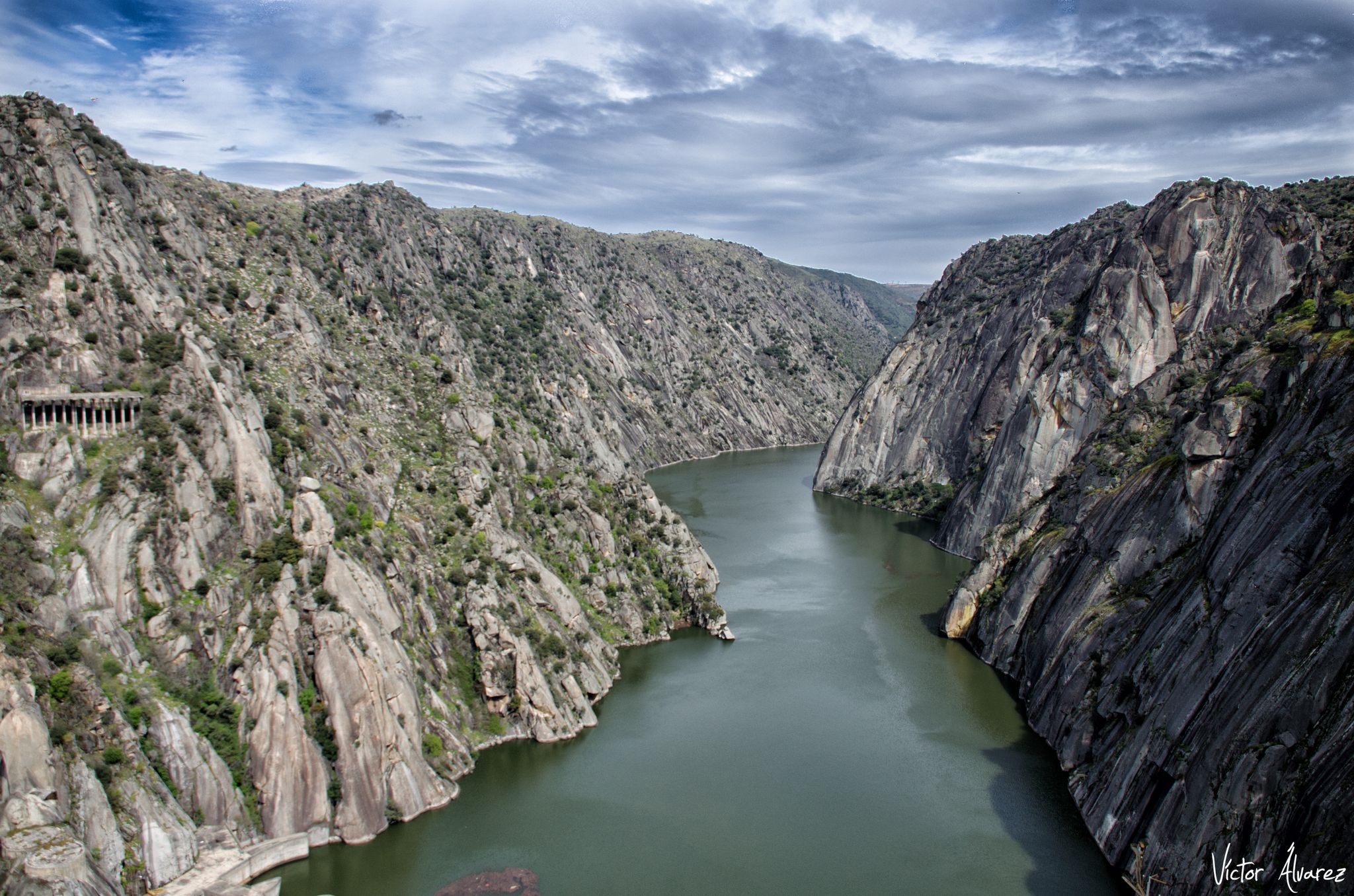
Best attractions and places to see around Saucelle include its location within the Arribes del Duero Natural Park, characterized by dramatic canyons carved by the Duero River. This municipality in Salamanca, Spain, borders Portugal and features a blend of natural landscapes and cultural heritage. The area offers impressive river valleys, historical sites, and traditional elements.
Best attractions and places to see around Saucelle
- The most popular attractions is Camino de Hierro, a trail that is a 17-kilometer pedestrian path along a renovated railway line. It features 19th-century civil engineering, including tunnels and viaducts.
- Another must-see spot is Calçada de Alpajares, a medieval trail and historical site. This ancient route linked the north to the Ribacôa region, descending towards the Douro River.
- Visitors also love Ponte de Santa over the Ribeira do Mosteiro, a bridge over the Ribeira do Mosteiro. The surrounding schist slopes feature impressive quartzite outcrops.
- Saucelle is known for its trails, historical sites, and viewpoints. The region offers a variety of attractions to see and explore, from ancient paths to natural monuments.
- The attractions around Saucelle are appreciated by the komoot community, with 19 upvotes and 14 photos shared by visitors.
Last updated: May 5, 2026
Camino de Hierro
Highlight • Trail
Translated by Google •
Tip by

Calçada de Alpajares
Highlight (Segment) • Trail
This ancient route linked the north, the lands of Miranda, to the south, the Ribacôa region. Its original course approached the Douro River, descending to Freixo de Espada à Cinta, before heading along the slopes of the Poiares mountain range towards the village that shares the same name.
Translated by Google •
Tip by

Sign up now to discover places like this
Get recommendations on the best single tracks, peaks, & plenty of other exciting outdoor places.
Sign up for free
Castro de São Paulo
Highlight • Historical Site
The ancient defensive walls of Castro de São Paulo, now almost gone, were worn down by time or transformed into terraces by the hands of farmers who, over the centuries, shaped the landscape to suit their needs.
Translated by Google •
Tip by
Hinojosa de Duero
Highlight • Settlement
Translated by Google •
Tip by
Ponte de Santa over the Ribeira do Mosteiro
Highlight • Bridge
The scenery around you is pure enchantment: the schist slopes are torn apart by impressive quartzite outcrops that burst from the earth, erected in almost sculptural forms, a geological spectacle that is as intriguing as it is beautiful.
Translated by Google •
Tip by
Sign up for free to discover even more attractions around Saucelle.
Sign up for free
Already have an account?
Start today with a free account
Your next adventure awaits.
Login or Signup
Other adventures around Saucelle

Tips from the Community

What to see in Hinojosa de Duero Church of San Pedro 16th century, Gothic style with later renovations. Its Baroque altarpieces are particularly noteworthy. Hermitage of Christ of Mercy Located on San Pedro hill, with a 13th-century Romanesque carving and spectacular views. Monument to the Sacred Heart of Jesus Erected during the Second Republic, in the upper part of the town, surrounded by crosses and a Calvary. El Corralito and Plaza de la Constitución Former town hall meeting place, now a local gathering spot. Ethnographic Museum Collections on traditional life and local culture. Natural viewpoints Peña La Vela, Mirador del Contrabando, Cachón del Camaces, and Cachón de la Diabla offer unique views of the Duero River and the Arribes del Duero Natural Park.
2
0
Hinojosa de Duero is a charming village in the El Abadengo region (Salamanca), located right on the border with Portugal and within the Arribes del Duero Natural Park, making it an ideal destination for rural tourism, nature and gastronomy.
3
0
What to see in Hinojosa de Duero Church of San Pedro 16th century, Gothic style with later renovations. Its Baroque altarpieces are particularly noteworthy. Hermitage of Christ of Mercy Located on San Pedro hill, with a 13th-century Romanesque carving and spectacular views. Monument to the Sacred Heart of Jesus Erected during the Second Republic, in the upper part of the town, surrounded by crosses and a Calvary. El Corralito and Plaza de la Constitución Former town hall meeting place, now a local gathering spot. Ethnographic Museum Collections on traditional life and local culture. Natural viewpoints Peña La Vela, Mirador del Contrabando, Cachón del Camaces, and Cachón de la Diabla offer unique views of the Duero River and the Arribes del Duero Natural Park.
0
0
Hinojosa de Duero is a charming village in the El Abadengo region (Salamanca), located right on the border with Portugal and within the Arribes del Duero Natural Park, making it an ideal destination for rural tourism, nature, and gastronomy. [turismocas...ayleon.com], [pte.es]
1
0

The Ponte de Santa bridge stretches over the Ribeira do Mosteiro. Beneath it, amidst the whispering water and the gentle warmth of the sun, you can rest on one of the large stone slabs that are spread out there, as if they were made to welcome travelers in need of rest. The scenery around you is pure enchantment: the schist slopes are torn apart by impressive quartzite outcrops that burst from the earth, erected in almost sculptural forms, a geological spectacle that is as intriguing as it is beautiful.
2
0
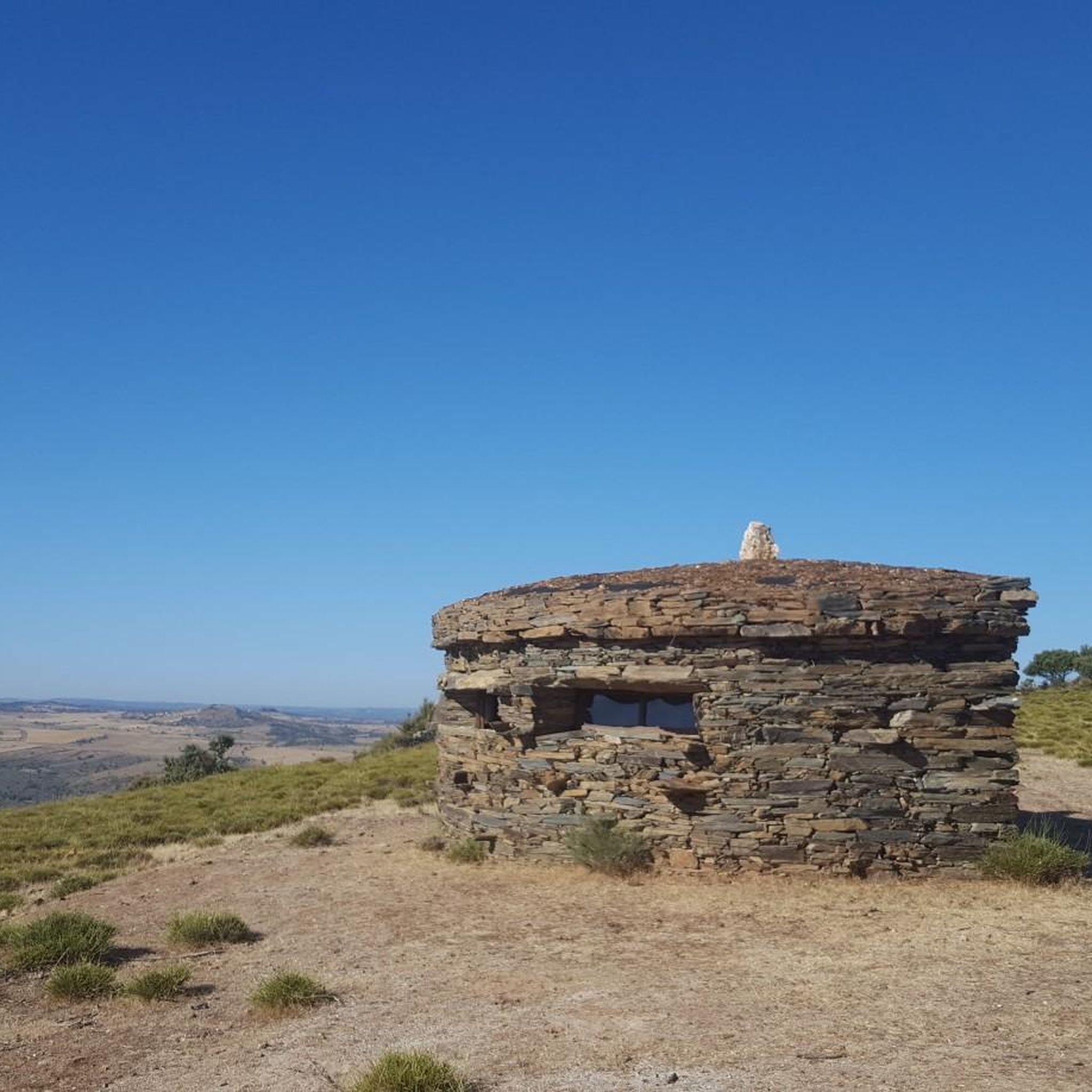
The Calçada de Alpajares winds through the landscape as a testament to times gone by: a medieval path, perhaps forged during the era of the first dynasty. For centuries, it was a very important route, especially until the beginning of the 20th century, before the Estado Novo roads redesigned the country's routes. This ancient route linked the north, the lands of Miranda, to the south, the Ribacôa region. Its original course approached the Douro River, descending to Freixo de Espada à Cinta, before heading along the slopes of the Poiares mountain range towards the village that shares the same name.
2
0
This place holds ancient memories, with remains dating back to the Bronze Age, with fragments of pottery that reveal human presence since ancient times. But the story did not end there: occupation extended into the Iron Age and continued during Roman rule. The ancient defensive walls of Castro de São Paulo, now almost gone, were worn down by time or transformed into terraces by the hands of farmers who, over the centuries, shaped the landscape to suit their needs.
3
0
Camino de Hierro is a 17-kilometer-long pedestrian path that runs along a section of a closed-to-traffic, renovated railway line. It combines the grandeur of the most representative civil engineering (tunnels and viaducts) of the 19th century with spectacular natural beauty.
10
1
Frequently Asked Questions
What natural features can I explore around Saucelle?
Saucelle is nestled within the stunning Arribes del Duero Natural Park, known for its dramatic canyons carved by the Duero River and its tributaries, the Huebra and Camaces rivers. You can experience breathtaking scenery with impressive almond and olive trees on the river slopes. The park is also a Special Protection Area for Birds, home to species like the griffon vulture and black stork. Don't miss the enchanting cascades such as the Cachón del Camaces and the Carranzo.
Where can I find the best panoramic views of the Duero River?
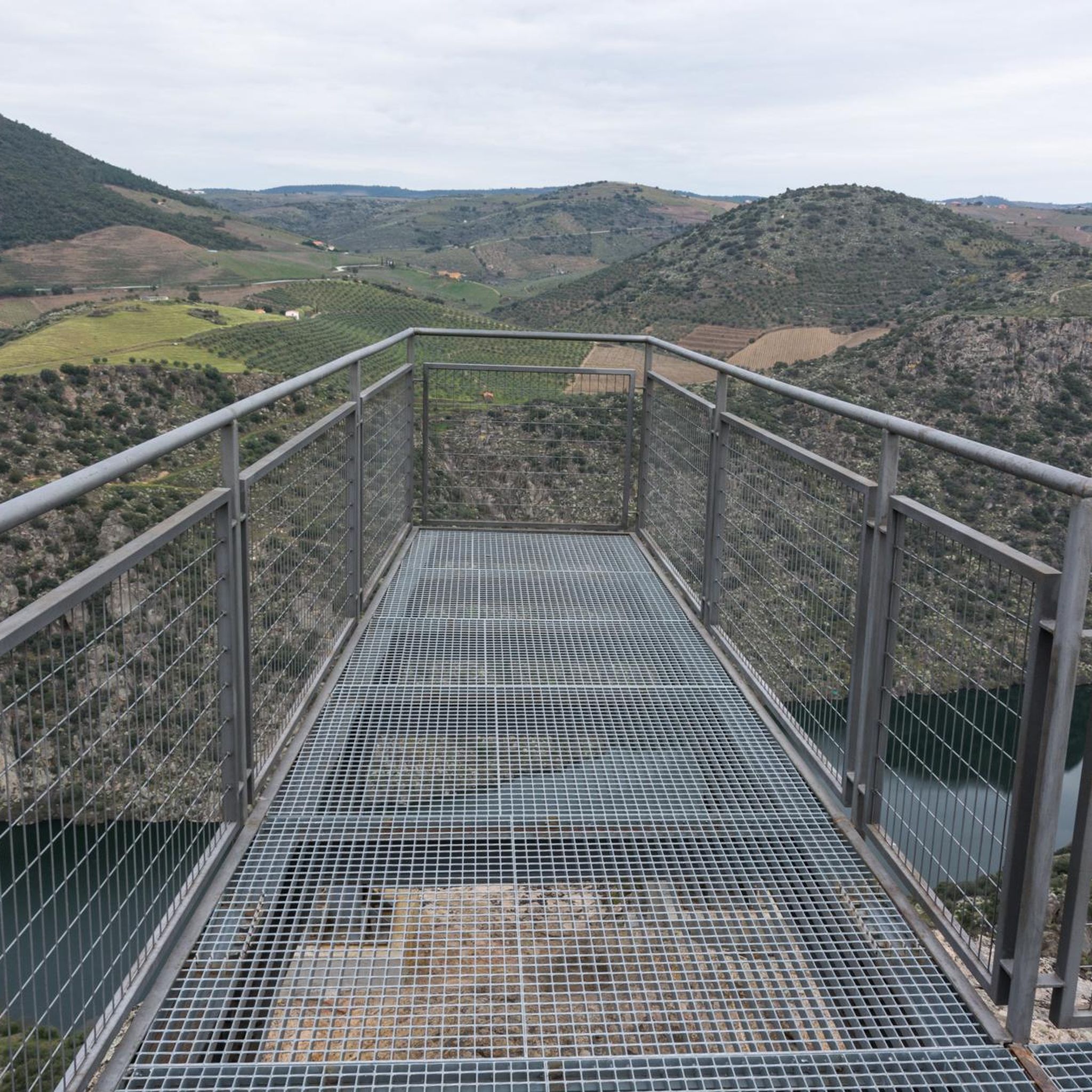
Saucelle is renowned for its spectacular viewpoints. The Mirador del Picón del Moro offers impressive 360º views stretching from the Saucelle Dam almost to Vega Terrón. Another excellent spot is the Mirador del Salto, located on the descent towards the Saucelle Dam, providing expansive vistas of the valley where the Huebra River meets the Duero, including the dam's power plants and even parts of Portugal.
Are there any historical or archaeological sites to visit?
Absolutely. You can explore the ancient Calçada de Alpajares, a medieval path that was once a crucial route linking the north to the Ribacôa region. Additionally, the Castro de São Paulo holds ancient memories with archaeological remains dating back to the Bronze Age, Iron Age, and Roman rule. The Saucelle Dam itself, built between 1950 and 1956, is a significant engineering feat with an associated settlement, the Poblado del Salto de Saucelle, built for its workers.
What unique trails can I experience near Saucelle?
One of the most unique experiences is the Camino de Hierro. This 17-kilometer pedestrian path follows a renovated railway line, showcasing 19th-century civil engineering marvels like tunnels and viaducts amidst spectacular natural beauty. Another historical route is the Calçada de Alpajares, an ancient medieval path.
What cultural attractions are there in Saucelle?
Saucelle offers a glimpse into local culture. You can visit the Parish Church of the Immaculate Conception, a Baroque-style church from the 17th and 18th centuries, which houses a round-relief image by Pedro de Mena. The Ermita de San Lorenzo also showcases architectural influences typical of Portuguese design. If you visit in early October, you might catch the Feria de la Almendra y Productos Artesanos, celebrating local traditions and products.
Are there any family-friendly activities or attractions?
The Castro de São Paulo is considered family-friendly, offering a chance to explore ancient archaeological remains. For a relaxing day, the Praia Fluvial Congida, a river beach just 4 km away in Freixo de Espada à Cinta (Portugal), provides calm waters and natural beauty near the Saucelle Dam, ideal for families.
What kind of hiking trails are available around Saucelle?
The region offers a variety of hiking trails within the Arribes del Duero Natural Park. You can find routes like the 'Vale da Ribeira do Mosteiro (PR 1)' or the 'Viewpoint Peña de la Vela – Natural Park of Las Arribes del Duero'. For more detailed information and routes, you can explore the Hiking around Saucelle guide.
Can I go cycling near Saucelle?
Yes, Saucelle and its surroundings offer excellent opportunities for road cycling and mountain biking. There are challenging routes like 'From Freixo de Espada à Cinta through Castelo Rodrigo and Rio Duero' for road cyclists, and 'Parque Natural de las Arribes del Duero – alternativa circular al Camino del Molino de la Luisa' for mountain bikers. Discover more routes in the Road Cycling Routes around Saucelle and MTB Trails around Saucelle guides.
What is Hinojosa de Duero and what does it offer?
Hinojosa de Duero is a charming village located within the Arribes del Duero Natural Park, making it an ideal destination for rural tourism, nature, and gastronomy. It features the 16th-century Church of San Pedro, the Hermitage of Christ of Mercy with spectacular views, and an Ethnographic Museum. The village is also surrounded by natural viewpoints like Peña La Vela and Mirador del Contrabando, offering unique views of the Duero River.
Is there a notable bridge or river crossing in the area?
Yes, the Ponte de Santa over the Ribeira do Mosteiro is a significant bridge. The scenery around it is enchanting, with schist slopes torn apart by impressive quartzite outcrops, creating a unique geological spectacle. It's a great spot to rest and appreciate the natural beauty of the river.
What is the best time of year to visit Saucelle?
The Arribes del Duero Natural Park, where Saucelle is located, is particularly beautiful in spring when the almond and olive trees on the river slopes are in bloom, and the weather is mild for outdoor activities. Autumn also offers pleasant temperatures and vibrant colors. Summers can be hot, while winters are generally mild but can be damp.
Most popular routes around Saucelle
Most popular attractions around Saucelle

Get inspired with the komoot mobile app


Explore more
Still not found the Highlight you’re looking for? See guides of the top attractions in other regions:
