Attractions and Places To See around Conesa - Top 20
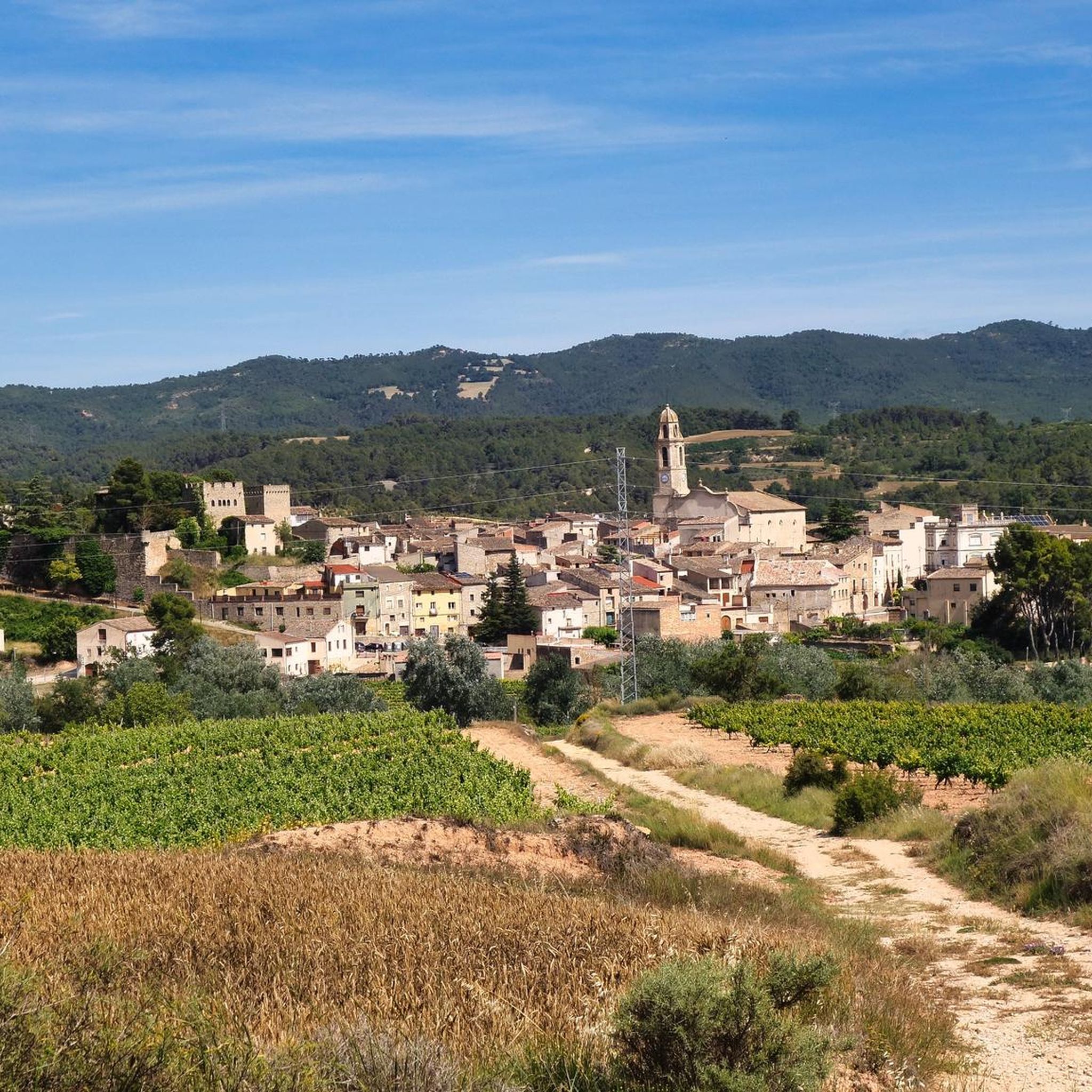
Attractions and places to see around Conesa are concentrated in a region known for its rich history and medieval charm in Tarragona, Catalonia. The area features a distinct medieval historic center with ancient walls and gates. Surrounded by an agricultural landscape of wheat, barley, and almond trees, Conesa offers a blend of cultural heritage and scenic rural views.
Best attractions and places to see around Conesa
- The most popular attractions is Guimerà, a settlement known for its medieval charm.…
Last updated: August 16, 2026
Santuario del Tallat
Highlight • Religious Site
Translated by Google •
Tip by

Views of Albió
Highlight • Viewpoint
Translated by Google •
Tip by

Sign up now to discover places like this
Get recommendations on the best single tracks, peaks, & plenty of other exciting outdoor places.
Sign up for free
Guimerà
Highlight • Settlement
Translated by Google •
Tip by

Belltall
Highlight • Settlement
Of its heritage, the church of Sant Pere (19th century) stands …
Translated by Google •
Tip by

Forès Wall
Highlight (Segment) • Climb
Translated by Google •
Tip by

Sign up for free to discover even more attractions around Conesa.
Sign up for free
Already have an account?
Start today with a free account
Your next adventure awaits.
Login or Signup

Tips from the Community

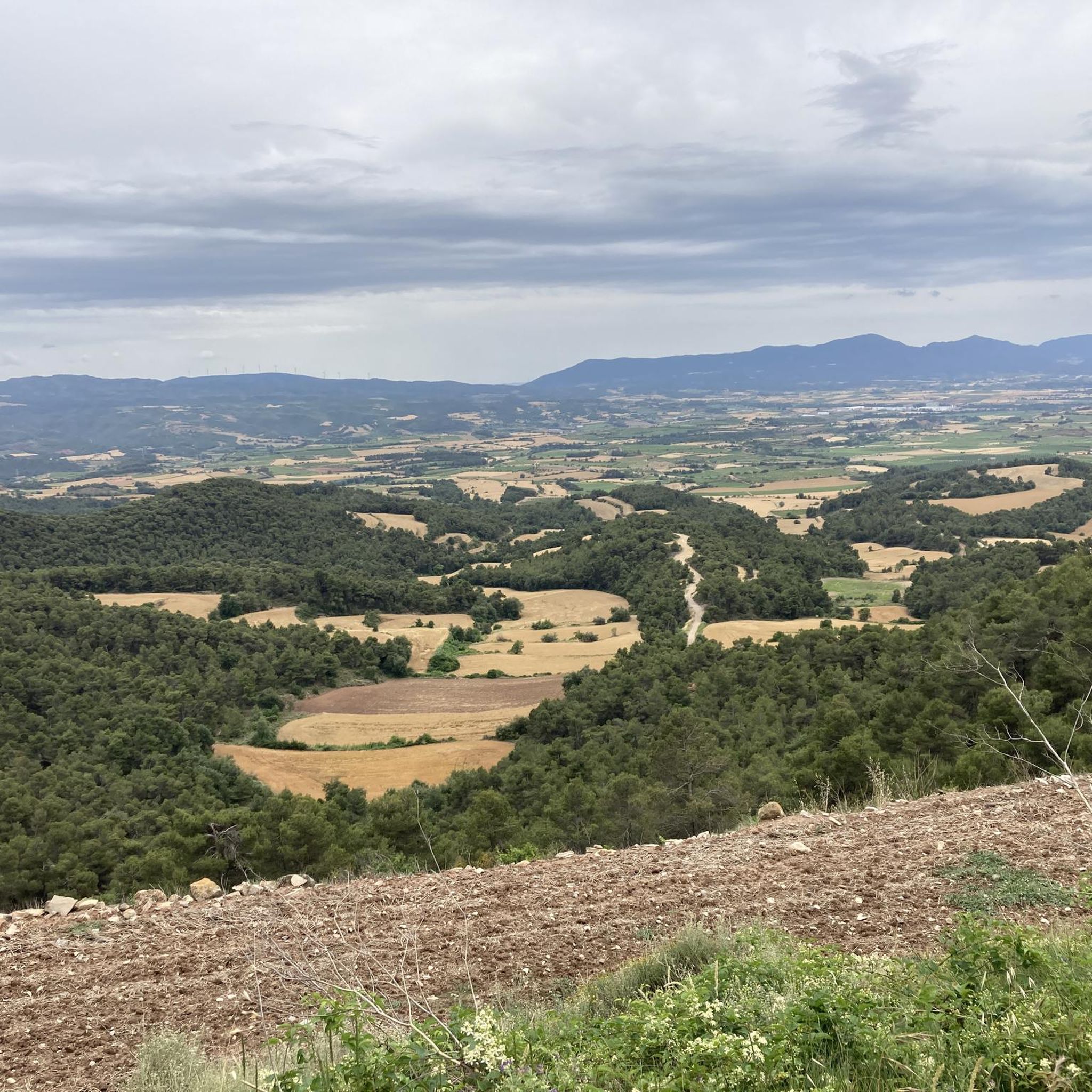
In addition to the views of the hilltop village of Albio, the views from Albio itself are also very beautiful.
0
0

town with medieval charm to reach or from which to depart on the multiple routes, around "la Vall del Corb". Climatic refuge between L'Urgell and La Segarra and from there you can connect with Conca de Barberá
0
0

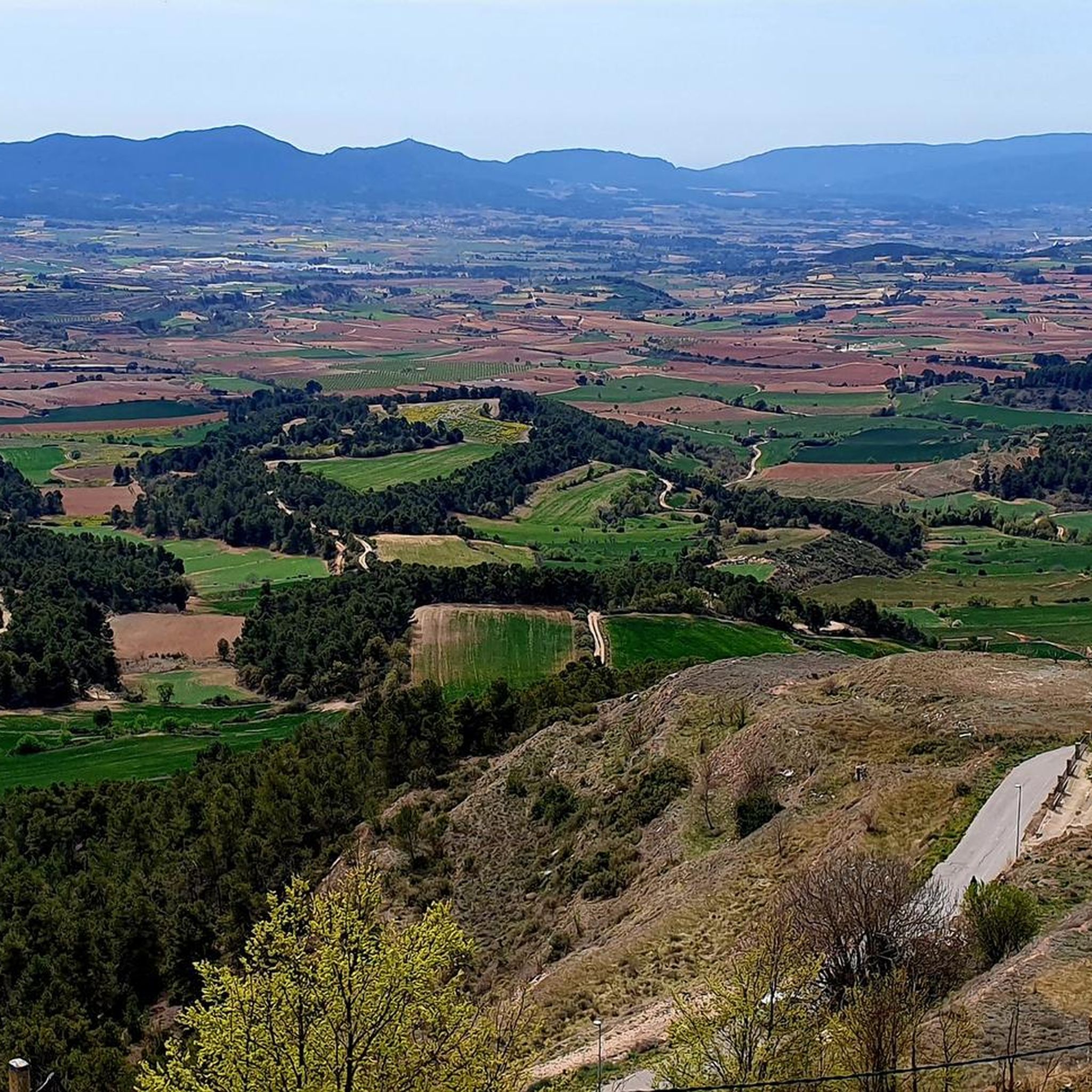
Through the Camí de la Serra you reach the town of Forès, with one of the well-known classical walls. The prize is the spectacular view you'll have from above of the entire Conca de Barberà, a panorama you'll never forget.
0
0
It is the quintessential wall of the Segarra region. It's simply spectacular. It has beauty and above all toughness. It is 850 meters long with a maximum slope of 20.5%, which is at the end of the wall when you reach the town. The beauty of the wall lies in the fact that you can see the town of Forés in the background and you know that you have to climb to the top in a short space... and above all in the views from the town. Forés is one of the most beautiful places in Catalonia without a doubt. For more details, visit the website of the "Clásica dels Murs de Cervera" -- classicadelsmurs.cat
0
0
Albiò, crossing point in La Segarra. Visit between March and May, beyond that the atmosphere will be very dry.
0
0

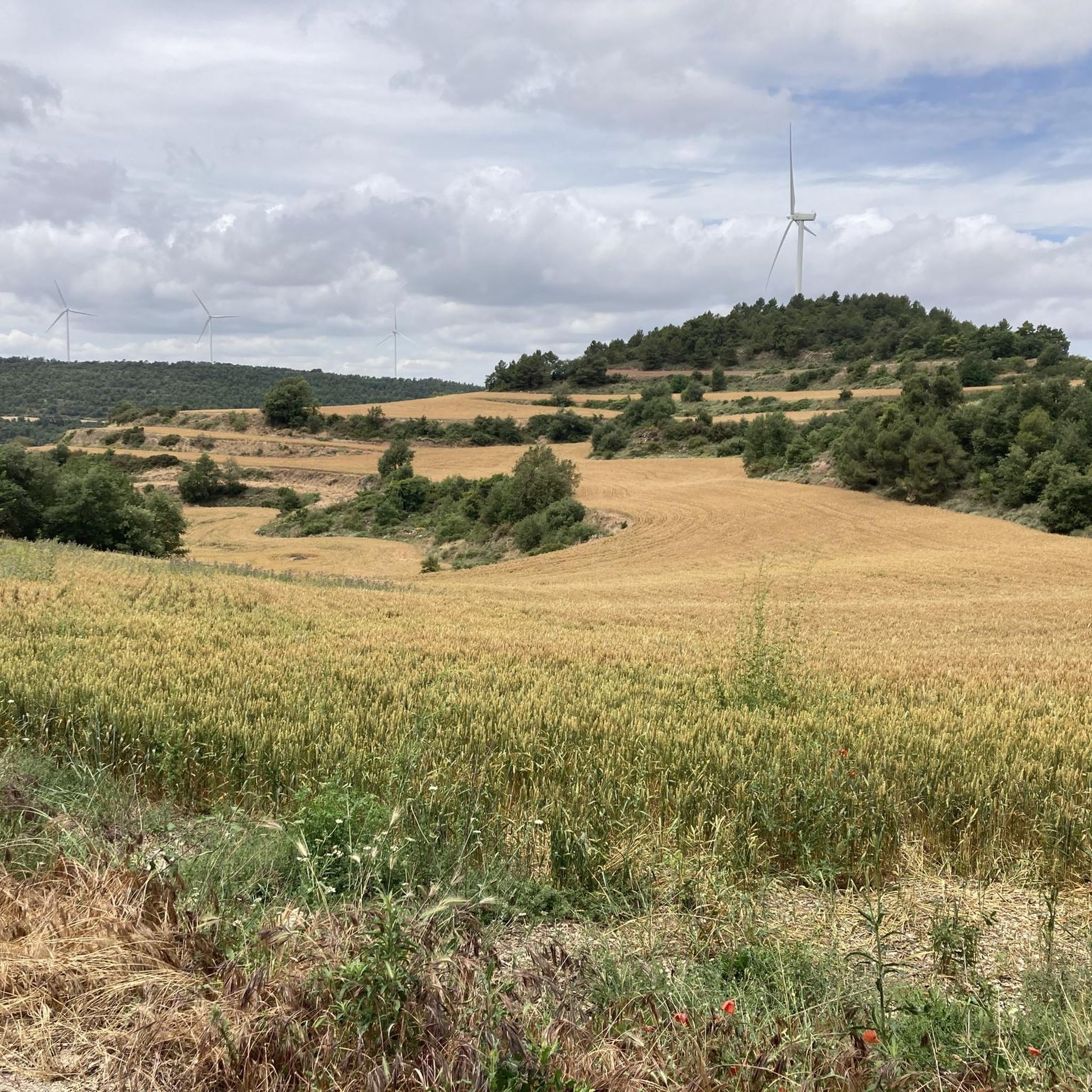
Belltall is a nucleus of the municipality of Passanant i Belltall, in the region of Conca de Barberà (Tarragona). Of its heritage, the church of Sant Pere (19th century) stands out, with its neoclassical bell tower. As is usual in the area, some of its streets have vaulted sections. Belltall is known for having its own variety of garlic, the Belltall garlic, with a rounded shape, smaller than conventional garlic and flat at the bottom.
0
0
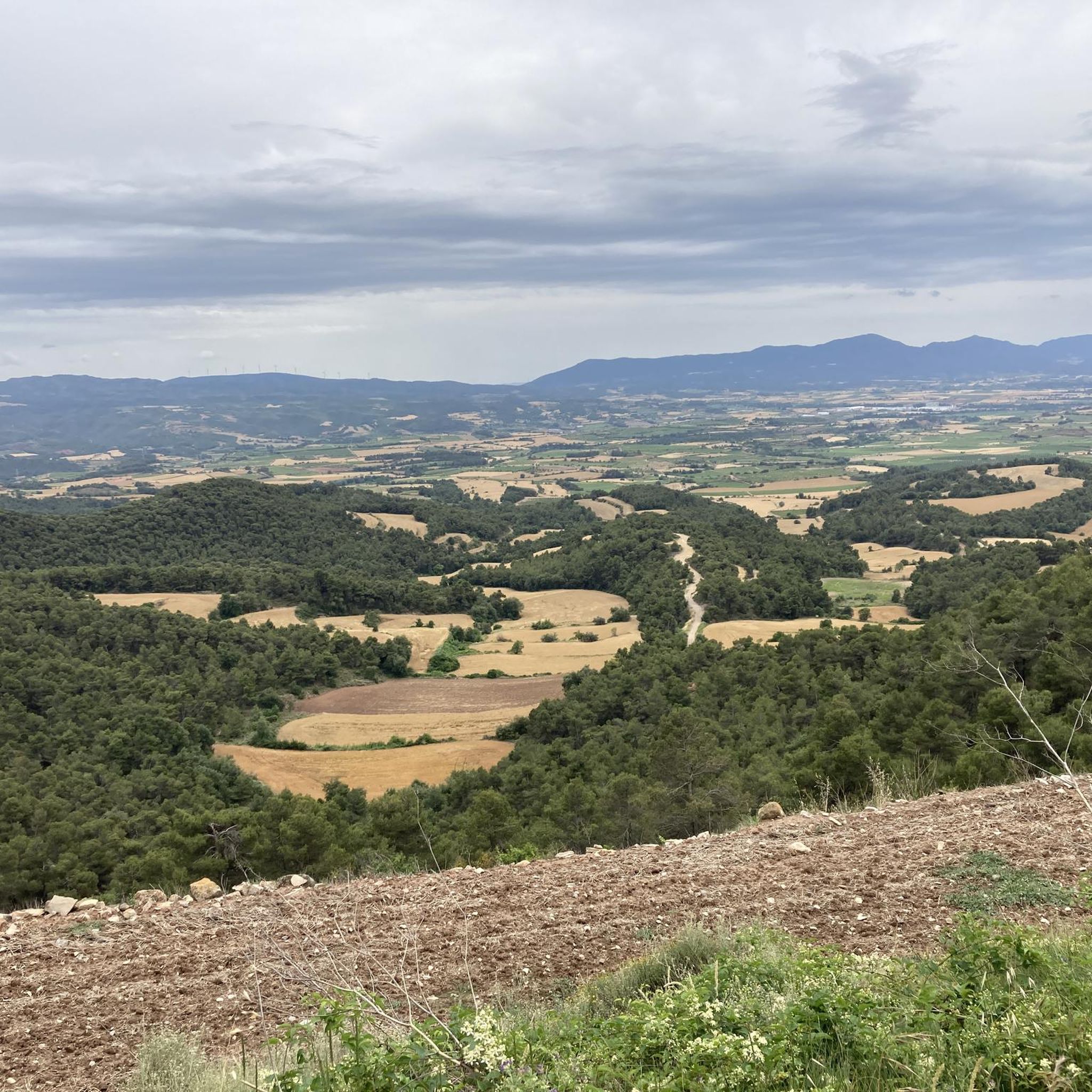
The Tallat sanctuary appears in records as early as the 11th century, where a defense tower was located that took advantage of the magnificent views over the l'Urgell, Sagarra and Conca de Barberà regions. In the middle of the 14th century, a church was established as a result of the popular initiative of the residents of Rocallaura, and in 1475 it is said that a wooden carving of a Virgin Mary appeared to a shepherd. Legend has it that despite repeated attempts to move the carving, it returned to the place where the sanctuary is now, so they decided to leave it here. Then began a period of splendor for the sanctuary, with numerous reforms during the 15th and 16th centuries, some promoted by Fernando el Católico himself, who is said to have spent the night with Queen Isabella la Católica in 1493. By order of the king, it became in the priory of nearby Poblet, and a group of monks from the Cistercian order settled there. With the confiscation of Mendizabal in the first half of the 19th century, the monks abandoned the priory, and after the subsequent looting and destruction of the enclosure, the sanctuary remained abandoned until 1970 when a private association acquired the remains and took charge of their restoration and custody.
1
0

Albió is a population center located at the westernmost end of the term of Llorac, in the Conca de Barberà. It is located on a small hill and bordered by the Corb river.
0
0
Frequently Asked Questions
What historical sites can I explore around Conesa?
Conesa itself is known for its rich history and medieval charm, featuring a distinct historic center with ancient walls and gates. Nearby, you can visit Guimerà, a picturesque medieval village with narrow streets. Another significant historical site is the Santuario del Tallat, a Gothic religious building dating back to the 13th century, which also played a role in the Civil War.
Are there any natural features or scenic viewpoints to enjoy near Conesa?
Yes, the region around Conesa offers scenic rural landscapes with fields of wheat, barley, and almond trees. For breathtaking views, head to the Santuario del Tallat, located on a 788-meter-high hill, offering panoramic vistas over the l'Urgell, Sagarra, and Conca de Barberà regions. You can also find beautiful Views of Albió, a population center situated on a small hill bordered by the Corb river.
What outdoor activities can I do near Conesa?
The area around Conesa is excellent for outdoor activities, especially cycling and hiking. You can find various road cycling routes, such as the 'Santa Coloma de Queralt – Plaça Major loop' or the 'Vallbona de les Monges – Gaià River Valley loop'. For hiking, explore routes like the 'Valle del Río Corb — circular por Albió, Segura y Vallfogona del Riu Corb'. Discover more options on the dedicated guides for Road Cycling Routes around Conesa, Hiking around Conesa, and Cycling around Conesa.
Are there family-friendly attractions or activities in the Conesa area?
Yes, the Hotel Balneari de Vallfogona de Riucorb is a family-friendly facility that utilizes local thermal waters, offering a relaxing experience for all ages. The charming medieval villages like Guimerà also provide an engaging historical exploration for families.
What is the best time to visit Conesa for outdoor activities?
For hiking and enjoying the natural landscapes, visiting between March and May is often recommended, as the atmosphere beyond this period can become very dry. This spring window offers pleasant weather for exploring the trails and historical sites.
Can I find challenging climbs or routes for experienced cyclists near Conesa?
Absolutely. The Forès Wall is a renowned challenging climb in the Segarra region, featuring an 850-meter ascent with a maximum slope of 20.5%. It offers spectacular views from the town of Forés at the top. For cycling routes, options like the 'Vallbona de les Monges – Gaià River Valley loop' and 'Collet de la Serra – Coll de la Torreta loop' are rated as difficult.
Are there any unique local experiences or facilities in the region?
The Hotel Balneari de Vallfogona de Riucorb offers a unique experience, built in 1901 to harness the area's thermal waters, making it one of several spas in the region. This provides a chance to relax and rejuvenate amidst the natural surroundings.
What kind of views can I expect from the viewpoints around Conesa?
From the Santuario del Tallat, you can expect magnificent views over the l'Urgell, Sagarra, and Conca de Barberà regions. The Forès Wall also provides spectacular panoramic views of the entire Conca de Barberà from the town of Forés.
Are there any easy walking routes suitable for beginners around Conesa?
While specific 'easy' routes are not detailed, the general agricultural landscape around Conesa, with its fields of wheat, barley, and almond trees, offers pleasant and relatively flat terrain for leisurely walks. Exploring the medieval village of Guimerà also involves walking through charming narrow streets, which can be enjoyed at a relaxed pace.
What is the significance of the medieval walls in Conesa?
Conesa's historic center was declared a Cultural Asset of National Interest, largely due to its well-preserved medieval appearance. The town was walled in the 14th century, and remains of these walls, including two original gates like the Portal Reial (Sant Antoni) and the Portal de Santa Maria, are still standing, offering a glimpse into its rich past.
Can I find dog-friendly trails or areas near Conesa?
While specific dog-friendly trails are not explicitly listed, the rural and natural landscapes surrounding Conesa, including the agricultural fields and general hiking routes, are generally suitable for walks with dogs. Always ensure to follow local regulations regarding leashes and waste disposal.
Most popular attractions around Conesa

Get inspired with the komoot mobile app


Explore more
Still not found the Highlight you’re looking for? See guides of the top attractions in other regions:
