The best walks and hikes around Betancuria
4.5
(2451)
10,981
hikers
67
hikes
Hiking around Betancuria offers diverse landscapes within Fuerteventura's heart, characterized by soft mountains, extensive valleys, and dramatic geological formations. The region is dominated by the Betancuria Rural Park, featuring ancient goat trails and volcanic terrain. Hikers can explore deep ravines like Barranco de las Peñitas, which presents distinctive reddish cliffs and unique vegetation. The area provides routes through varied environments, from arid hills to historical village surroundings.
Best hiking trails in Betancuria
- The most popular hiking route is Arco de las Peñitas from Vega de Río Palmas — round trip through the Barranco de las Peñitas (SL FV 6), a 3.2 miles (5.2 km) trail that takes 1 hour 36 minutes to complete. This route explores the unique geological features of Barranco de las Peñitas.
- Another top favourite among local hikers is Morro del Cortijo from Betancuria — circular by GR 131, a moderate 6.2 miles (10.0 km) path. This circular route follows part of the GR 131, offering expansive views of the surrounding valleys and mountains.
- Local hikers also love the Fuerteventura Nature Trail: Betancuria - Antigua Loop, a 5.0 miles (8.1 km) trail leading through varied natural landscapes, often completed in about 2 hours 35 minutes.
- Hiking around Betancuria is defined by soft mountains, endless valleys, and dramatic geological formations. The network offers options for different ability levels, from easy walks to more challenging ascents.
- The routes in Betancuria are highly rated by the komoot community with an average score of 4.5 stars from over 1800 reviews. More than 8000 hikers have used komoot to explore Betancuria's varied terrain.
Last updated: October 10, 2026
4.7
(496)
2,084
hikers
Hard hike. Great for any fitness level. Sure-footedness, sturdy shoes and alpine experience required.
4.6
(89)
338
hikers
10.0km
03:01
300m
310m
Moderate hike. Good fitness required. Easily-accessible paths. Suitable for all skill levels.

4.6
(66)
210
hikers
8.08km
02:36
350m
350m
Moderate hike. Good fitness required. Mostly accessible paths. Sure-footedness required.
4.8
(34)
151
hikers
16.7km
05:29
730m
730m
Hard hike. Very good fitness required. Easily-accessible paths. Suitable for all skill levels.
4.8
(24)
106
hikers
12.6km
04:12
520m
520m
Hard hike. Good fitness required. Sure-footedness, sturdy shoes and alpine experience required.
Get access to more routes and recommendations from other explorers.
Already have an account?
Our route recommendations are based on thousands of hikes, rides, and runs completed by other people on komoot.
Start today with a free account
Your next adventure awaits.
Popular around Betancuria
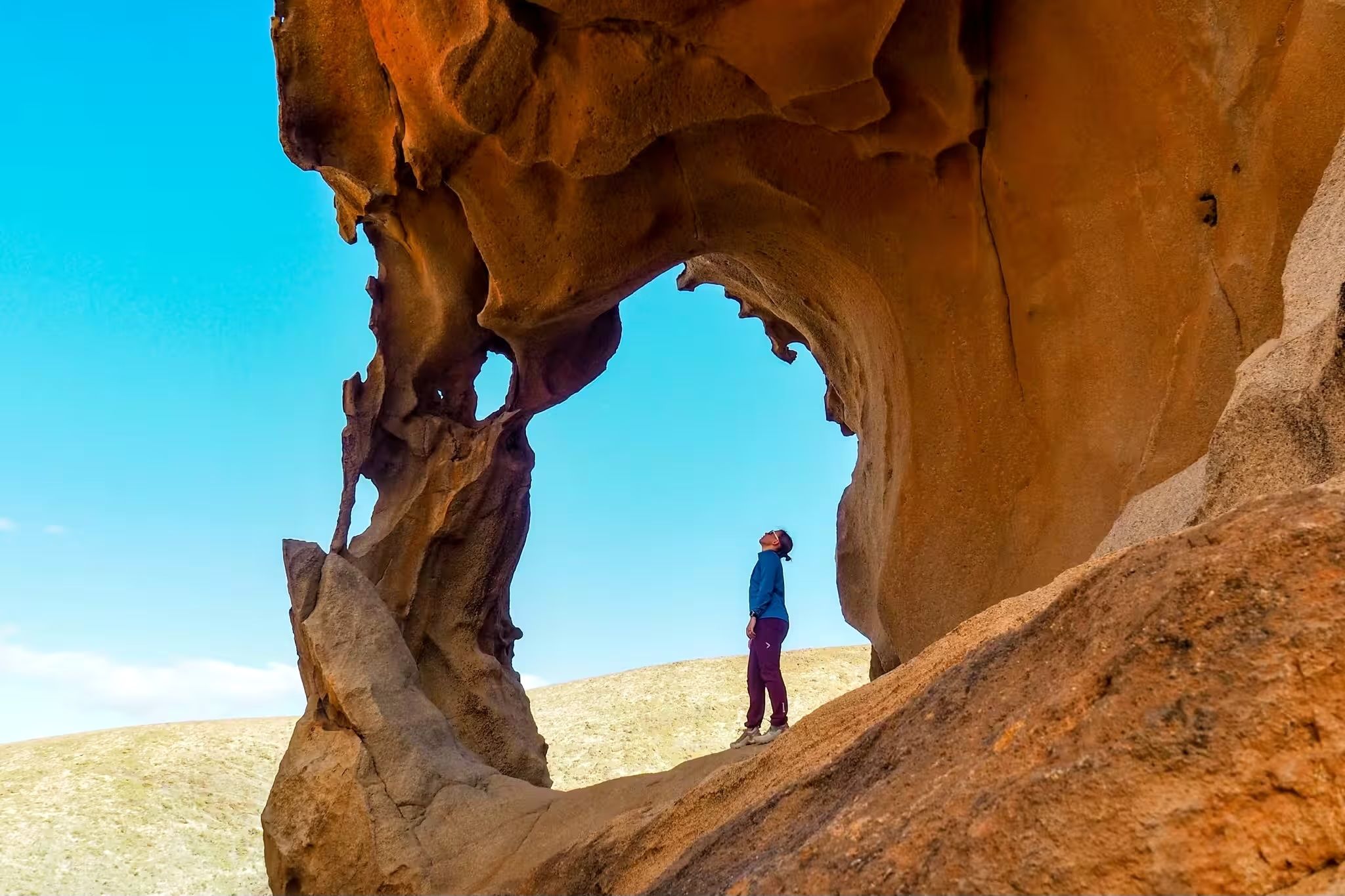
Canary Islands at a slow pace – six hikes immersed in nature
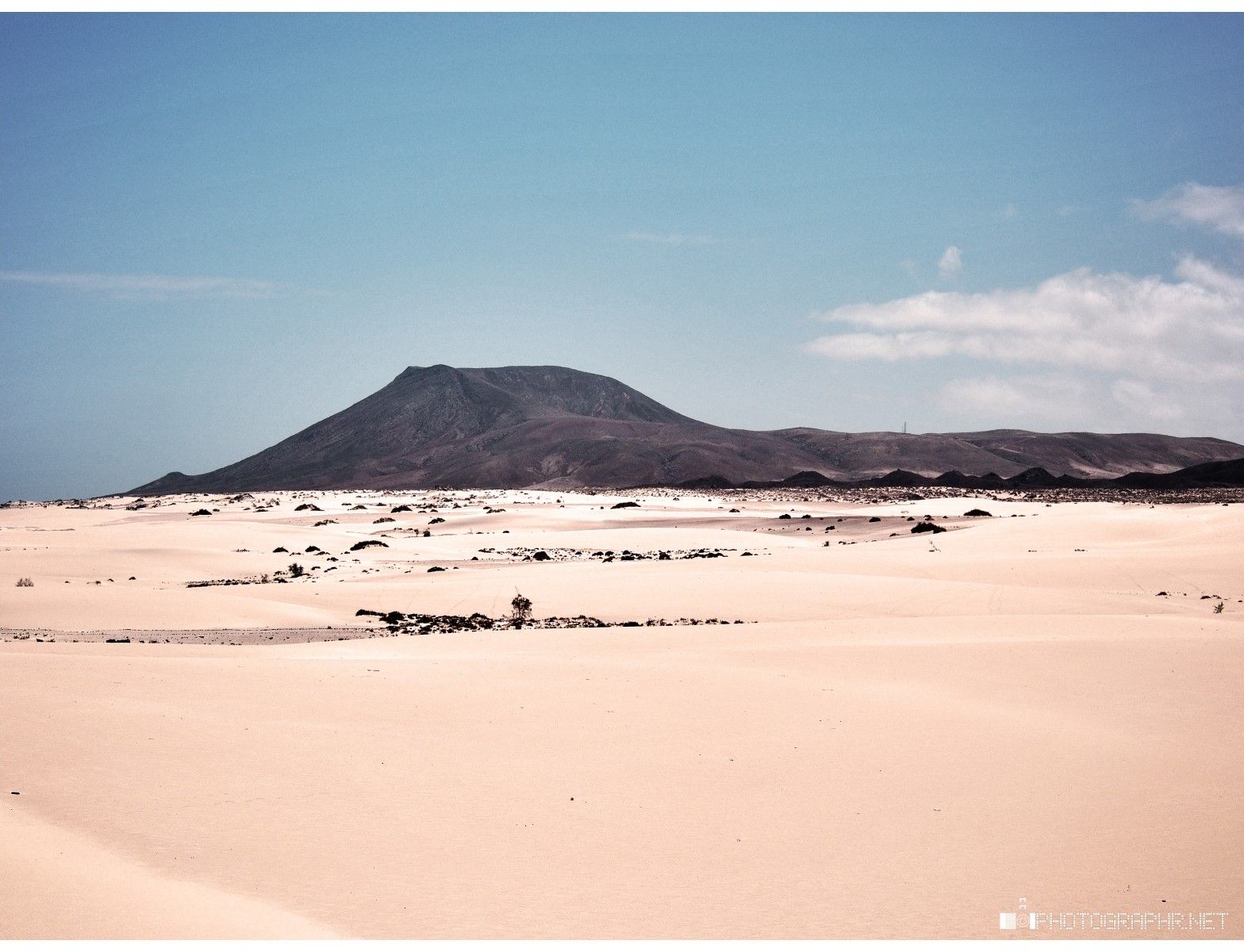
Land of sand and sea – Fuerteventura Nature Trail (GR 131)
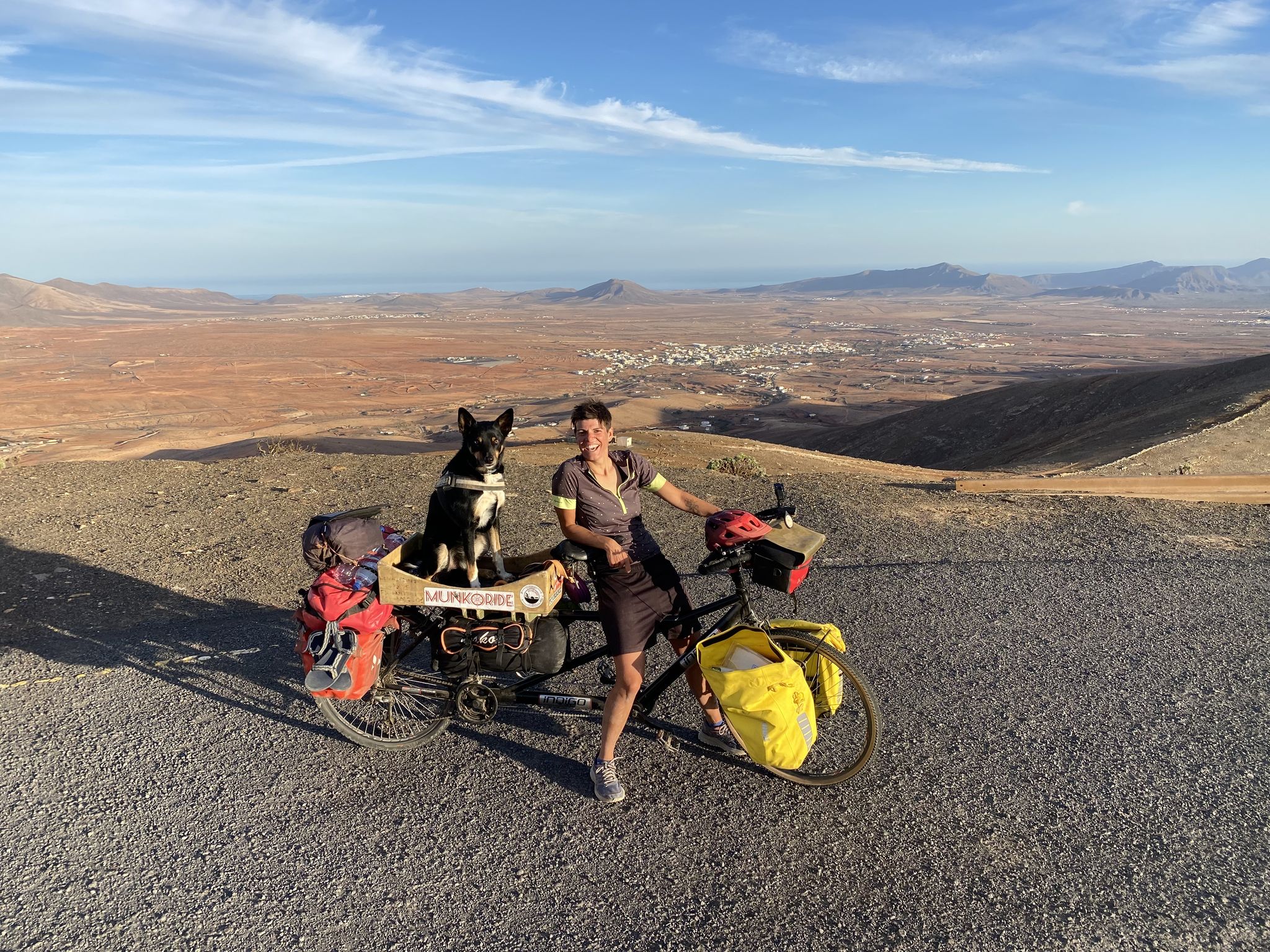
A lunar expedition – Fuerteventura on wheels
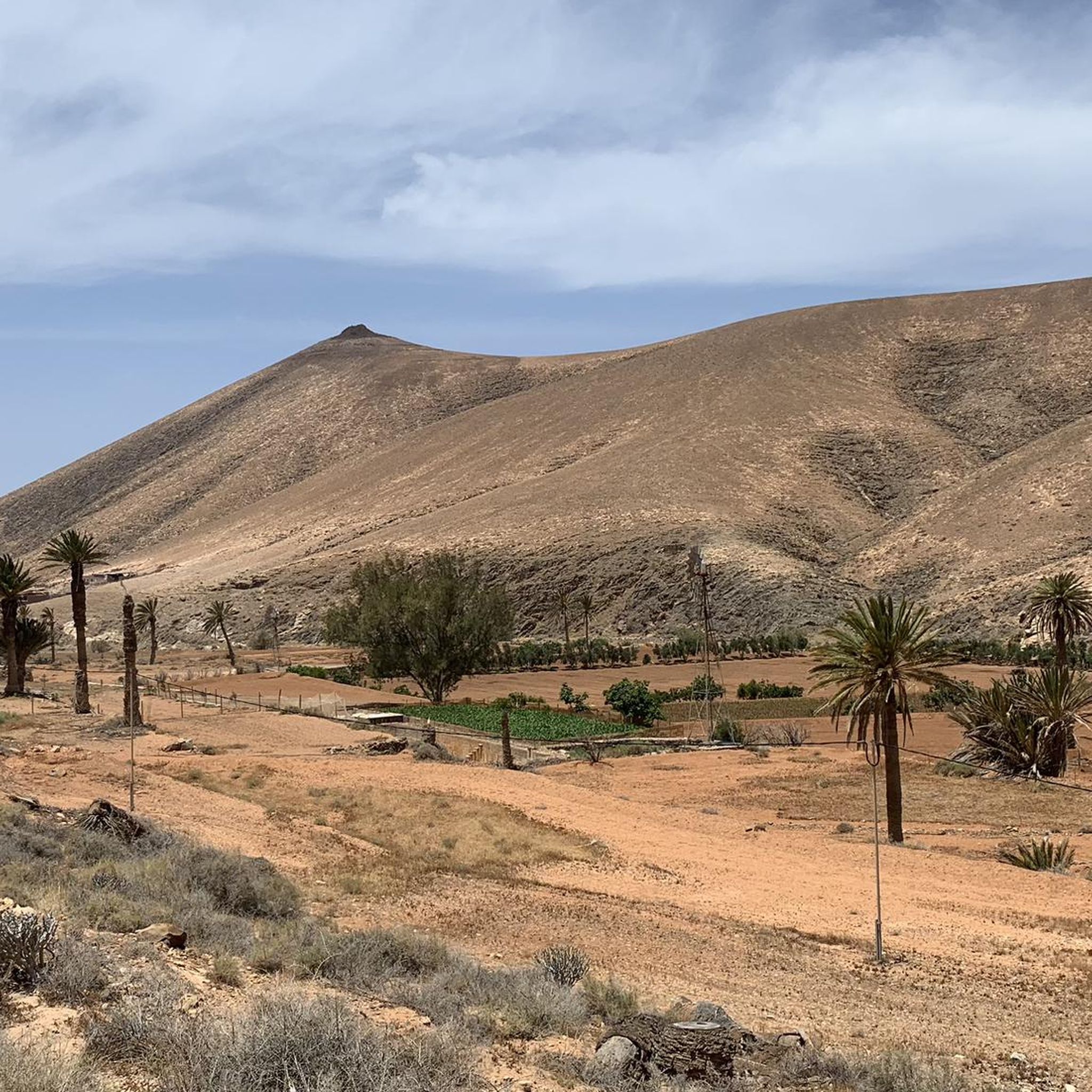
Cycling around Betancuria
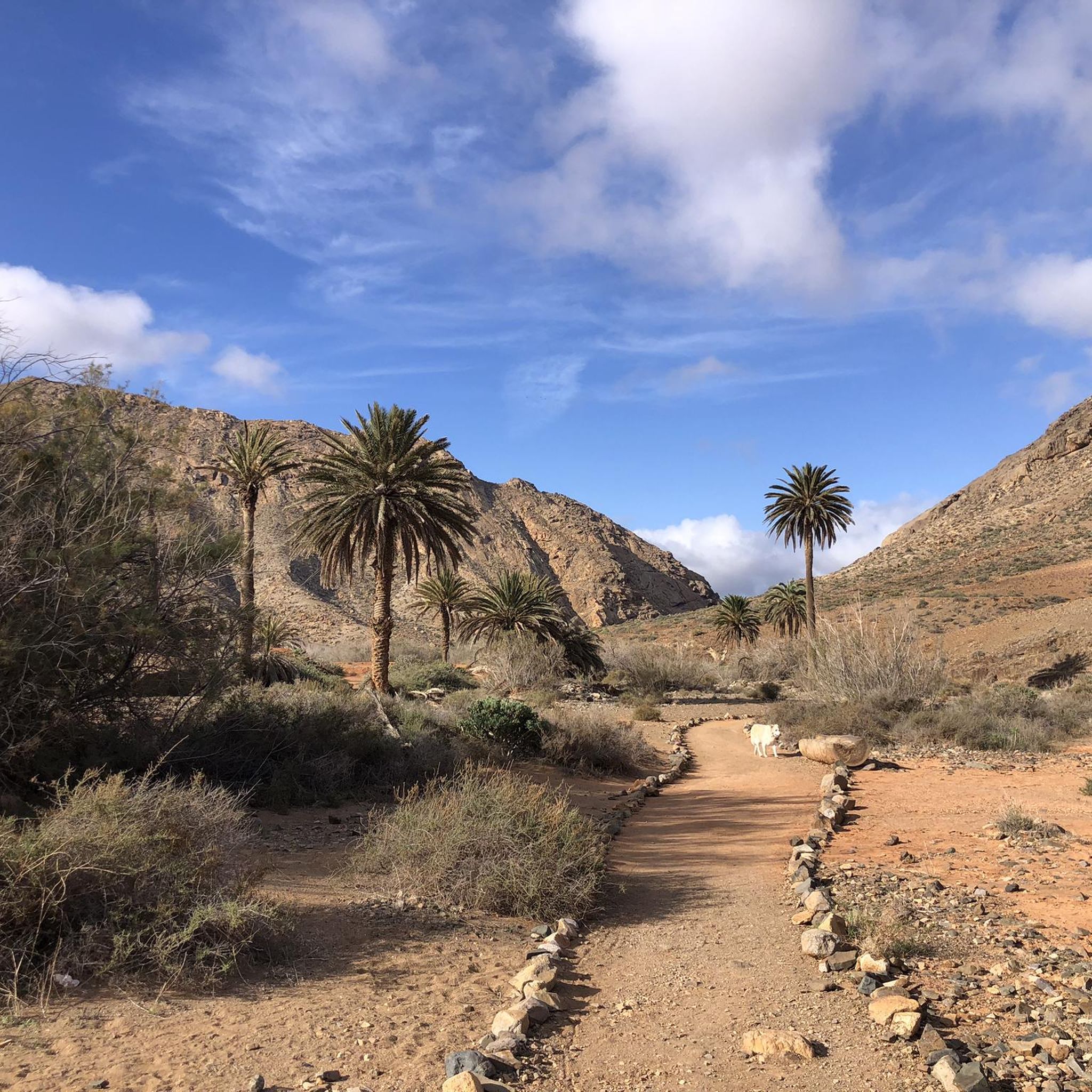
Road Cycling Routes around Betancuria
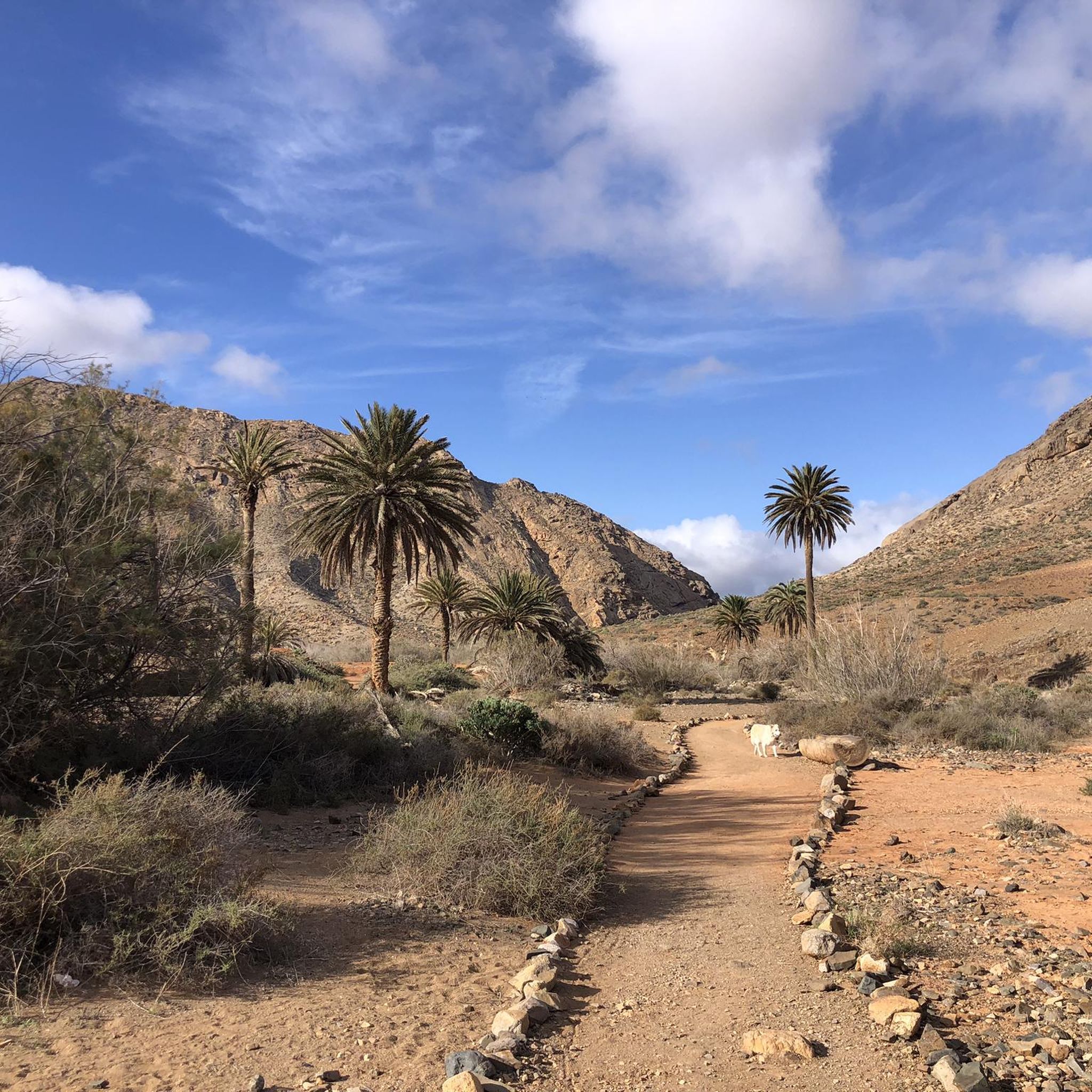
Running Trails around Betancuria
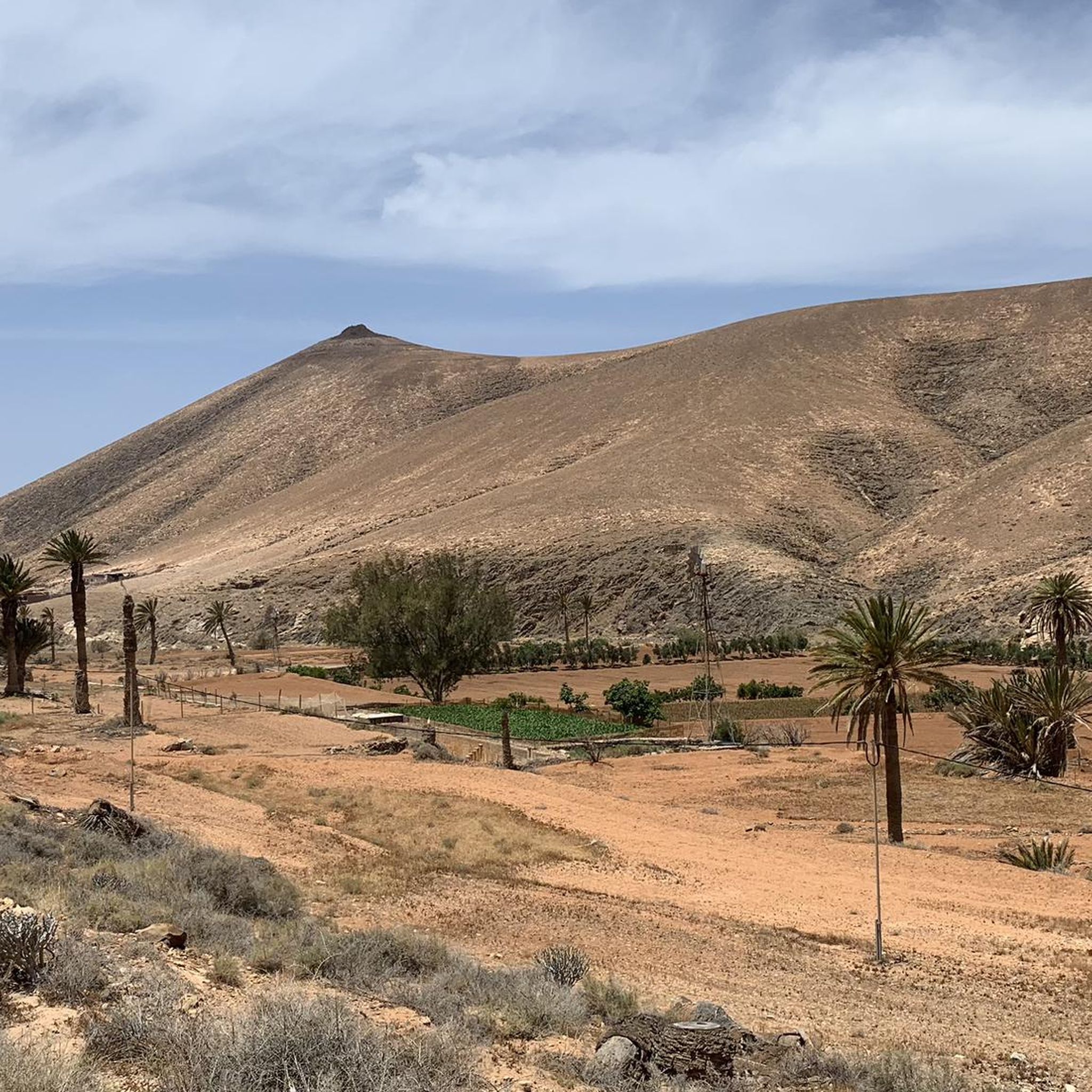
MTB Trails around Betancuria
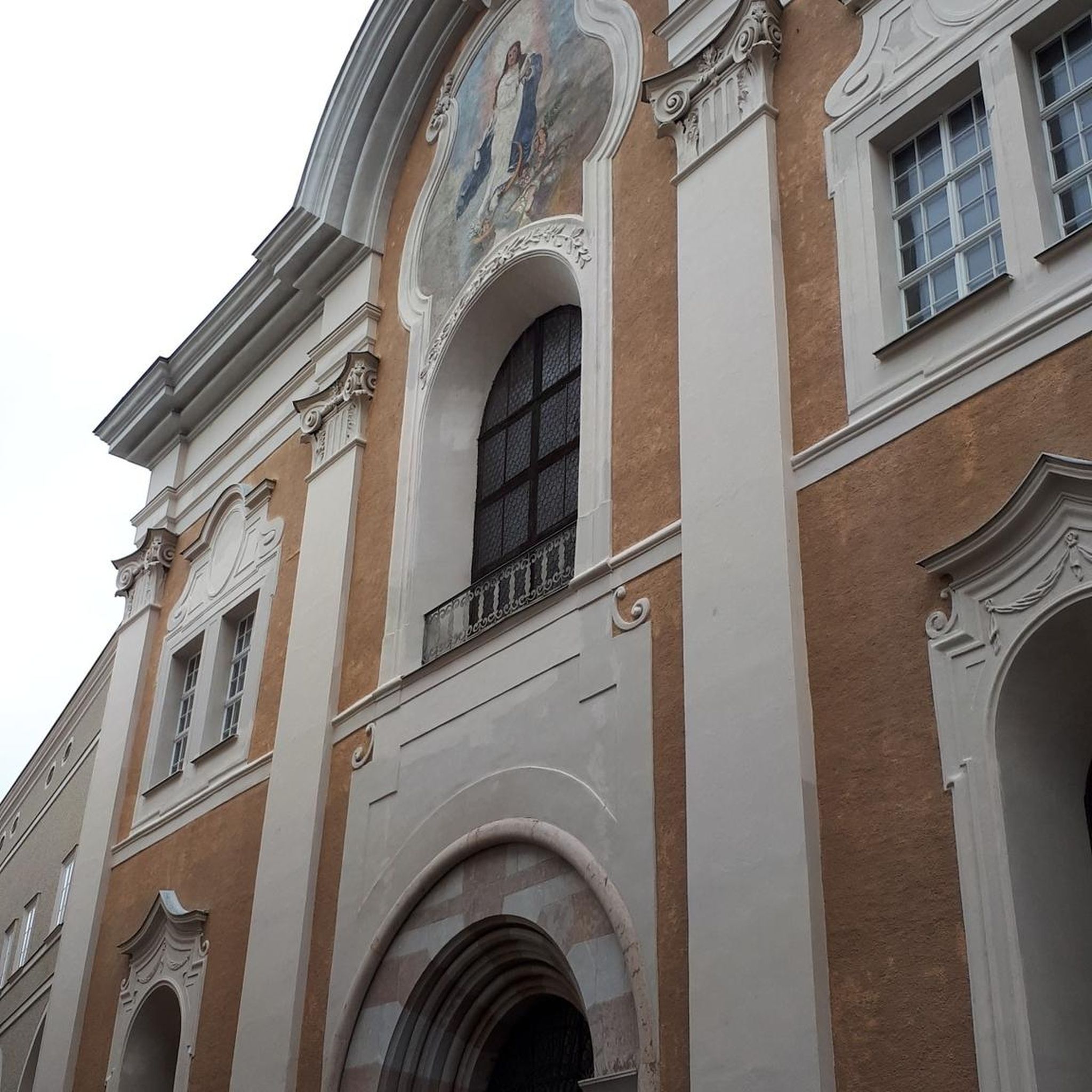
Gravel biking around Betancuria
Other adventures around Betancuria


Tips from the Community

Given the sacred wayside shrine encountered on Morro de la Cruz, the mountain hiker might feel the urge to pause for a moment before this cross. As perhaps helpful thoughts, I would like to offer a few sentences from Christiane Völkel: + “Only when I make room for heaven, when I entrust myself to it, can I also feel that it is working. This doesn't always go in the direction I wish for, but it fills me with a sense of security and relaxation to feel that I am in God, that I am protected, or at least not alone. Sometimes the certainty arises within me that heaven is reaching out its hand to me. Not just to hold me, but so that I can place my despair and helplessness in its hands.”
0
0

The church was built in 1410. The Iglesia de Santa María de Betancuria is often mistakenly considered the cathedral and thus the first bishopric in the Canary Islands. Antipope Benedict XIII was so impressed by a small chapel near Playa de los Papagayos on Lanzarote that he promptly declared it a cathedral, or bishopric, in 1404. Santa Maria de Bethancuria was burned down in 1593. It was not rebuilt until 1691, and it has survived in this form to this day.
8
0
The Mirador de Guise y Ayose viewpoint offers a magnificent view of the Betancuria Rural Park. The two approximately 4-meter-high bronze statues depict the last kings of the indigenous people, Guise and Ayose. They symbolize the island's two ancient kingdoms. The northern part of Maxorata was ruled by Guise, while Jandia in the south was ruled by Ayose.
8
0
Betancuria was founded in 1404 and served as the island's capital from then until 1834. Surrounded by mountains, this picturesque town lies in a valley in the interior of Fuerteventura, along the wonderful FV-30 mountain road. Beautiful white houses, several great restaurants and bars, and the Church of Santa Maria de Betancuria invite you to a pleasant stay. It's an absolute must-see when visiting the island.
8
0


Pure rocky landscape. The smooth, polished rock faces are fascinating
0
0
Great viewpoint over the vastness of Fuerteventura
0
0

A very beautiful little church.
1
0
Frequently Asked Questions
How many hiking trails are available in Betancuria?
Betancuria offers a diverse network of nearly 60 hiking trails. These routes cater to various fitness levels, with 18 easy, 31 moderate, and 9 difficult options, ensuring there's a suitable path for almost every hiker.
What kind of terrain can I expect on Betancuria's hiking trails?
The terrain in Betancuria is incredibly varied, characterized by soft mountains, extensive valleys, and dramatic geological formations. You'll encounter ancient goat trails, volcanic landscapes, and deep ravines like the Barranco de las Peñitas, known for its distinctive reddish cliffs. Some routes even feature rare pine forests and green meadows.
Are there any circular hiking routes in Betancuria?
Yes, Betancuria has several excellent circular routes. A popular choice is Morro del Cortijo from Betancuria — circular by GR 131, which offers expansive views. Another great option is the Fuerteventura Nature Trail: Betancuria - Antigua Loop, leading through varied natural landscapes.
What natural landmarks or viewpoints can I see while hiking in Betancuria?
Hiking in Betancuria offers access to stunning natural landmarks and viewpoints. You can explore the unique geological features of the Barranco de las Peñitas, including the Arco de las Peñitas. Don't miss the panoramic views from Mirador de Guise y Ayose, featuring statues of ancient kings, or the breathtaking vistas from Mirador de Morro Velosa, which also provides insights into the local geology.
Are there any historical sites or cultural attractions along the trails?
Absolutely. Many trails either start or pass through the historic Betancuria village, the first Castilian capital of the Canary Islands, with its charming cobblestone streets and the Iglesia de Santa María. Within the Barranco de las Peñitas, you can find the unique Ermita de la Peña, a hermitage built into the mountainside.
What is the best time of year to hike in Betancuria?
Betancuria enjoys a mild climate year-round, making it suitable for hiking in any season. However, the cooler months from October to May are generally preferred for longer hikes, as the summer heat can be intense. Always check local weather forecasts before heading out.
Are there any challenging hikes for experienced trekkers?
Yes, for experienced trekkers, Betancuria offers challenging routes. The Tiscamanita and Agua de Bueyes Loop is a difficult 16.7 km trail with significant elevation gain. Another demanding option is Pico Lima y Gran Montaña — circular desde Vega del Río Palmas, a 12.6 km route also rated as difficult.
What do other hikers enjoy most about the trails in Betancuria?
The trails in Betancuria are highly rated by the komoot community, with an average score of 4.5 stars from over 1800 reviews. Hikers frequently praise the unique geological formations, the breathtaking panoramic views from the various miradores, and the sense of untouched wilderness within the Betancuria Rural Park.
Are there options for shorter, easier walks suitable for families?
Yes, there are several easier routes. A good option for a shorter walk exploring unique geological features is Arco de las Peñitas from Vega de Río Palmas — round trip through the Barranco de las Peñitas (SL FV 6), which is 5.2 km and takes about 1 hour 36 minutes.
Is there parking available near the trailheads in Betancuria?
Yes, parking is generally available in and around the village of Betancuria, which serves as a common starting point for many trails. For routes beginning outside the village, such as those near Vega de Río Palmas, you can usually find designated parking areas or roadside spots close to the trailheads.
Can I reach the hiking trails using public transport?
While public transport options in Betancuria are limited, there are bus services that connect Betancuria village with other towns on Fuerteventura. However, reaching specific trailheads outside the main village might require a taxi or personal vehicle. It's advisable to check current bus schedules if planning to rely on public transport.
Most popular attractions around Betancuria

Get inspired with the komoot mobile app


Explore more
Browse the best Hikes in other regions.
