The best road cycling routes around Robledillo De Gata
69
riders
4
rides
Road cycling around Robledillo De Gata is characterized by the mountainous landscape of the Sierra de Gata, offering challenging climbs and rewarding descents. The region features paved mountain passes, such as the Puerto de Esperabán, which includes sections with an average gradient of 8%. Cyclists can expect routes winding through valleys, olive groves, vineyards, and oak groves, providing varied terrain.
Best road cycling routes around Robledillo De Gata
- The most popular road cycling route is Sierra de Gata: Puerto Nuevo…
Last updated: July 10, 2026
9
riders
52.4km
02:37
860m
860m
This moderate 32.5-mile road cycling route from El Sahugo explores the challenging Puerto Nuevo and Puerto Viejo climbs through scenic Sierr
27
riders
93.4km
04:37
1,380m
1,380m
Hard road ride. Very good fitness required. Some segments of this route may be unpaved and difficult to ride.

Sign up for free
10
riders
83.8km
04:01
910m
910m
Hard road ride. Very good fitness required. Some segments of this route may be unpaved and difficult to ride.
9
riders
46.8km
02:14
650m
650m
Moderate road ride. Good fitness required. Mostly well-paved surfaces and easy to ride.
5
riders
65.4km
03:33
1,330m
1,330m
Hard road ride. Very good fitness required. Mostly well-paved surfaces and easy to ride.
Our route recommendations are based on thousands of hikes, rides, and runs completed by other people on komoot.
Start today with a free account
Your next adventure awaits.
Login or Signup
Popular around Robledillo De Gata
Tips from the Community

The Alcázar Gate in Ciudad Rodrigo is one of the historic entrances to the city walls and has great heritage and scenic value. It was opened in 1507 by Antonio del Águila, warden of the Alcázar, when he built the defensive barrier in that area. It is located next to the Castle of Henry II of Trastámara, in the section of the wall facing the Águeda River, known as the Battery, due to the cannons that were once installed there.
4
0
The Plaza Mayor of Ciudad Rodrigo is the historical and social heart of the city, with a rich history that reflects its importance as an urban center: Since the Middle Ages, the Plaza Mayor has been the hub of public life: markets, proclamations, and council meetings were held there in the cloister of the former Church of San Juan. In the 16th century, public butcher shops were built, and it became a consolidated space for commercial and festive activities. Until then, the square was home to the Three Roman Columns, a vestige of the ancient Miróbriga, which had been a symbol of the city since the 13th century. In 1580, the square was expanded, incorporating the space that once housed the old prison and the Audiencia (Courthouse). It even had corridors for watching bullfights, a tradition that continues during carnivals.
7
0
Ciudad Rodrigo's Town Hall is located in the Plaza Mayor and is one of the city's most emblematic buildings. Its history is linked to the urban and political development of Ciudad Rodrigo since the Middle Ages. Medieval Origins: Ciudad Rodrigo was founded in Roman times, but its consolidation as a fortified urban center occurred in the Middle Ages. Municipal government was organized around the council, which initially met in council houses until the current building was built.
1
0
The Puerta del Alcázar is one of the ancient access gates to the walled enclosure of Ciudad Rodrigo. This gate, along with others such as the Puerta del Sol and the Puerta de Santiago, was part of the city's defensive system.
4
0
The Cathedral of Santa María is an imposing testimony of faith and art. It began to be built in the 12th century and stood as a grandiose temple in the heart of the city. Its history is intertwined with the presence and return of Christianity after Muslim domination. A visit to the cathedral includes exploring its museum and cloister, allowing you to immerse yourself in its rich history and architectural beauty.
10
0

Pinofranqueado is a municipality in the Las Hurdes region, in the province of Cáceres, Community of Extremadura. It is famous for a festival called La Enramá, in which young men and women from the town temporarily pair up to facilitate future courtships. Pinofraqueado is made up of a main nucleus and ten farmhouses. The farmhouses arose from the houses built by the shepherds of the area.
1
0

Historical town from the Middle Ages with a city wall is well worth seeing. We spent one night right in the central square of the city. The square offers several opportunities to eat and sit outside. 👍
0
0

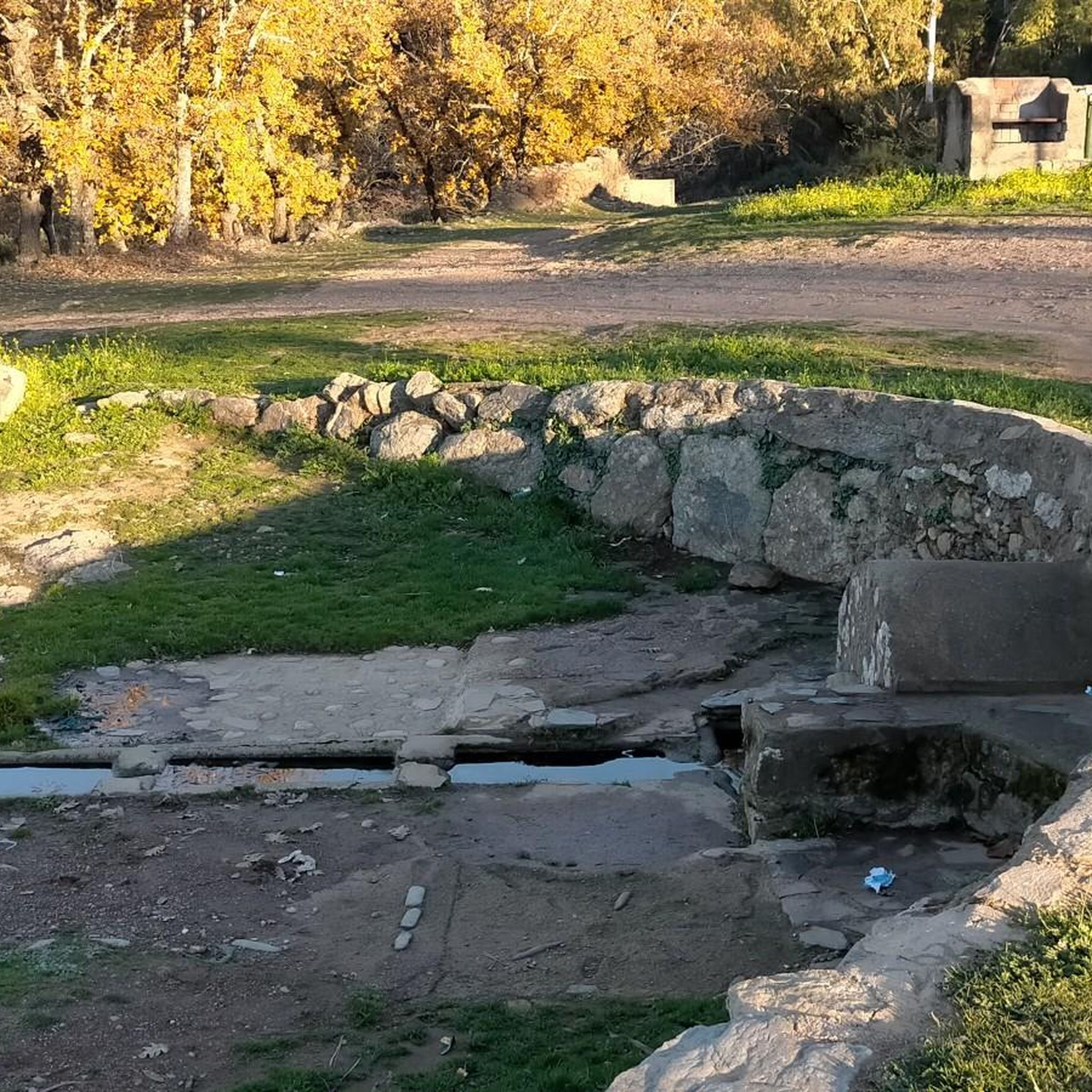
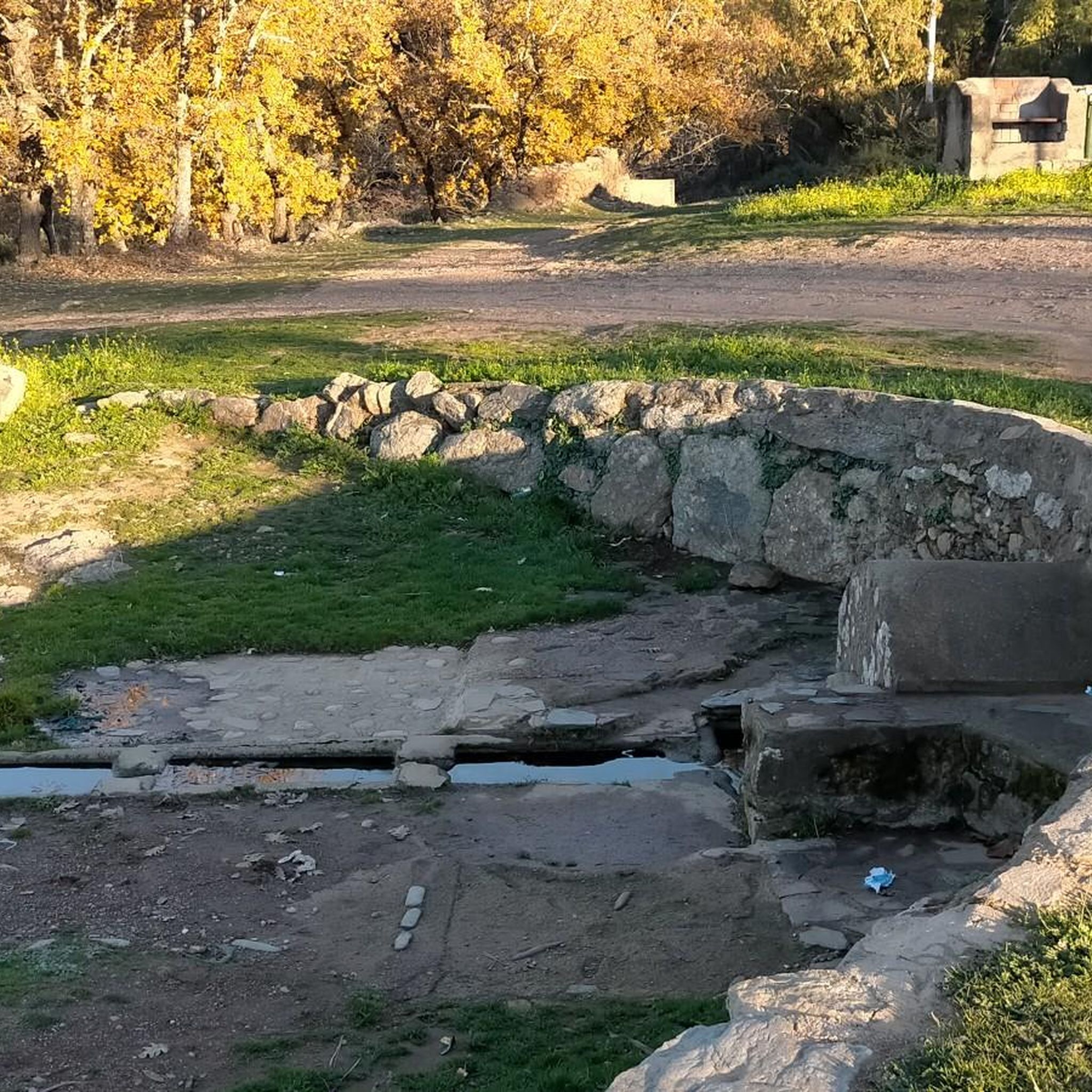
Views of the dam and the waters of the Águeda River. The river is the border between the municipalities of Zamarra (to the east) and Pastores (to the west).
1
0
Frequently Asked Questions
What kind of terrain can I expect when road cycling around Robledillo De Gata?
The region is characterized by the mountainous landscape of the Sierra de Gata, offering challenging climbs and rewarding descents. You'll find paved mountain passes, such as the Puerto de Esperabán, with sections reaching an average gradient of 8%. Routes often wind through valleys, olive groves, vineyards, and oak groves, providing varied and picturesque scenery.
Are there routes suitable for different fitness levels?
Yes, the road cycling network around Robledillo De Gata offers options for various ability levels. You can find moderate routes like the Sierra de Gata: Puerto Nuevo and Puerto Viejo Loop, which covers 52.4 km, as well as more challenging ascents such as the 93.9 km Robledillo de Gata – Cathedral of Santa María loop from Descargamaría.
What are some notable natural features or viewpoints I might encounter on a ride?
The region is rich in natural beauty. You might pass by impressive waterfalls like the Chorrituelo Waterfall or the dramatic Chorro de los Ángeles Viewpoint, which offers views of a 200-meter high cascade. The Esperabán Pass is another significant feature, known for its scenic asphalted road.
Are there any circular road cycling routes available?
Yes, several routes are designed as loops. For instance, the Sierra de Gata: Puerto Nuevo and Puerto Viejo Loop is a popular moderate option. Another challenging circular route is the Cathedral of Santa María – Plaza Mayor Ciudad Rodrigo loop from Robleda, which spans 83.5 km.
What historical or cultural landmarks can I explore near the cycling routes?
Robledillo de Gata itself is recognized as one of 'The Most Beautiful Villages in Spain' with its traditional architecture. You can visit the 16th-century Ermita del Humilladero, the Museo del Aceite (Olive Oil Museum), or the unique hexagonal Church of Nuestra Señora de la Asunción. The village's narrow, shaded streets are also a highlight.
What is the best time of year for road cycling in Robledillo De Gata?
The Sierra de Gata region offers splendid views year-round, with landscapes full of vineyards, oak groves, and olive trees. While specific seasonal tips depend on personal preference for heat and rainfall, spring and autumn generally provide milder temperatures ideal for cycling. Summers can be hot, and winters cooler, so checking local weather forecasts is always recommended.
Are there any natural pools or picnic areas along the routes for a break?
Yes, the area features natural pools, such as the one at El Cuadro. This spot includes a green area with tables and shade, providing a refreshing place to rest and enjoy nature during your ride.
How challenging are the climbs in the Sierra de Gata region?
The Sierra de Gata presents significant challenges for road cyclists. Passes like the Puerto de Esperabán feature sustained climbs, with the last 7 kilometers having an average gradient of 8%. Routes such as the Casar de Palomero – Pinofranqueado Bridge loop from Refugio de pescadores de Avellanar also involve substantial elevation gain, making them suitable for experienced riders seeking a workout.
What kind of wildlife might I see while cycling?
The Sierra de Gata is home to diverse wildlife. You might spot species such as Iberian lynx, gray wolf, wildcat, black storks, black vultures, and grey herons, particularly flying over the holm oak and oak landscapes. The varied vegetation, including pines, deciduous oaks, and junipers, supports this rich ecosystem.
Are there options for longer distance road biking in the area?
Yes, for those looking for longer rides, routes like the Robledillo de Gata – Cathedral of Santa María loop from Descargamaría span nearly 94 km, offering a substantial distance with significant elevation changes. Another option is the Cathedral of Santa María – Plaza Mayor Ciudad Rodrigo loop from Robleda, which is 83.5 km long.
Where can I find more information about the Sierra de Gata mountains and valleys?
For additional context and details about the broader Sierra de Gata region, including its landscapes and attractions, you can visit visit-western-spain.com. This resource provides further insights into the natural beauty and characteristics of the area.
Most popular routes around Robledillo De Gata
Most popular attractions around Robledillo De Gata

Get inspired with the komoot mobile app


Explore more
Browse the best Road cycling routes in other regions.
