Attractions and Places To See around Ibahernando - Top 20
Best attractions and places to see around Ibahernando, a municipality in Cáceres, Extremadura, offer a blend of historical, cultural, and natural features. Situated in the Trujillo region, near the Sierra de Montánchez, the area provides opportunities for outdoor activities and cultural exploration. The landscape is characterized by *dehesas* of holm oaks and rockroses, alongside significant archaeological sites. This region is known for its rich heritage, including Roman and Visigothic remains.
Best attractions and places to see around Ibahernando
- The most…
Last updated: June 23, 2026
Plaza Mayor of Trujillo
Highlight • Historical Site
Translated by Google •
Tip by

La Alberca
Highlight • Monument
The most important use it had, without excluding other uses such as watering, in basins …
Translated by Google •
Tip by
Sign up now to discover places like this
Get recommendations on the best single tracks, peaks, & plenty of other exciting outdoor places.
Sign up for free
Chaves Sotomayor Palace
Highlight • Historical Site
Translated by Google •
Tip by
San Andrés Gate
Highlight • Monument
Translated by Google •
Tip by
Orellana Pizarro Palace
Highlight • Historical Site
Translated by Google •
Tip by
Sign up for free to discover even more attractions around Ibahernando.
Sign up for free
Already have an account?
Start today with a free account
Your next adventure awaits.
Login or Signup

Tips from the Community

The Plaza Mayor in Trujillo is an iconic and historic place in Extremadura. This Renaissance square, dating back to the 16th century, is known for its impressive architecture and vibrant social and cultural life. In the centre of the square is the equestrian statue of Francisco Pizarro, the famous conquistador born in Trujillo. The square is surrounded by historic buildings, such as the Palace of the Marquises of the Conquest and the Church of San Martín de Tours. In addition, it is a place where numerous cultural events and festivals are held throughout the year.
13
0
The Arch of San Andrés, also known as the Puerta de San Andrés, is one of the emblematic monuments of Trujillo. This arch or gate is part of the seven entrances in the city wall and combines Gothic and Renaissance elements.
9
0
The Orellana Pizarro Palace, located in Trujillo, is a monument that combines Renaissance and Baroque elements. Its history dates back to the 16th century, when Juan Pizarro de Orellana, cousin of Francisco Pizarro and first Corregidor of Cuzco, decided to renovate an old military building in Trujillo, property of the Vargas family. He transformed this defensive construction into a stately Renaissance palace.
10
1
The equestrian statue of Francisco Pizarro is located in Trujillo, a city in the Extremadura region, Spain. This imposing statue pays tribute to one of the illustrious residents of Trujillo: the conquistador Francisco Pizarro. The statue was created by American sculptor Charles Cary Rumsey (1879-1922). It is located in the Plaza Mayor of Trujillo, on a granite pedestal. Although not its original location, this statue is an important symbol in the city where Pizarro was born.
12
0

Interesting statue for history buffs. The Pizarro family, all well-known sailors, originated in Trujillo. This unique statue was erected in the Plaza Mayor in memory of Francisco Pizarro.
4
0
Beautiful Renaissance palace renovated by Juan Pizarro, the explorer of Peru. On its facade you can see two rectangular towers from the 14th and 15th centuries and a large balcony with the individual coats of arms of the Pizarro and Orellana families.
3
0
The San Andrés Gate, reached after climbing the steep Cuesta de San Andrés, is one of the five remaining gates out of the original seven that were in the wall that protected the city of Trujillo.
3
0
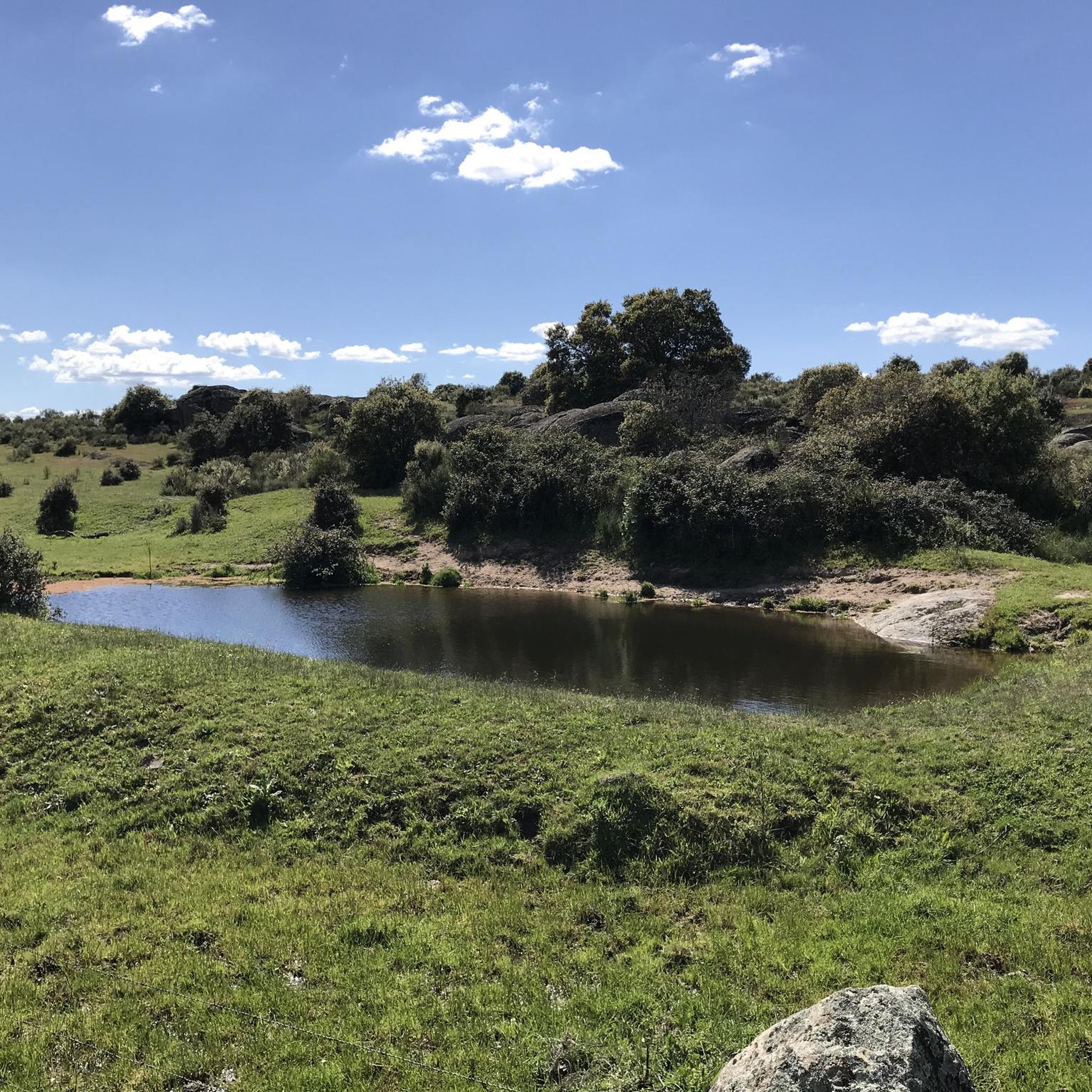
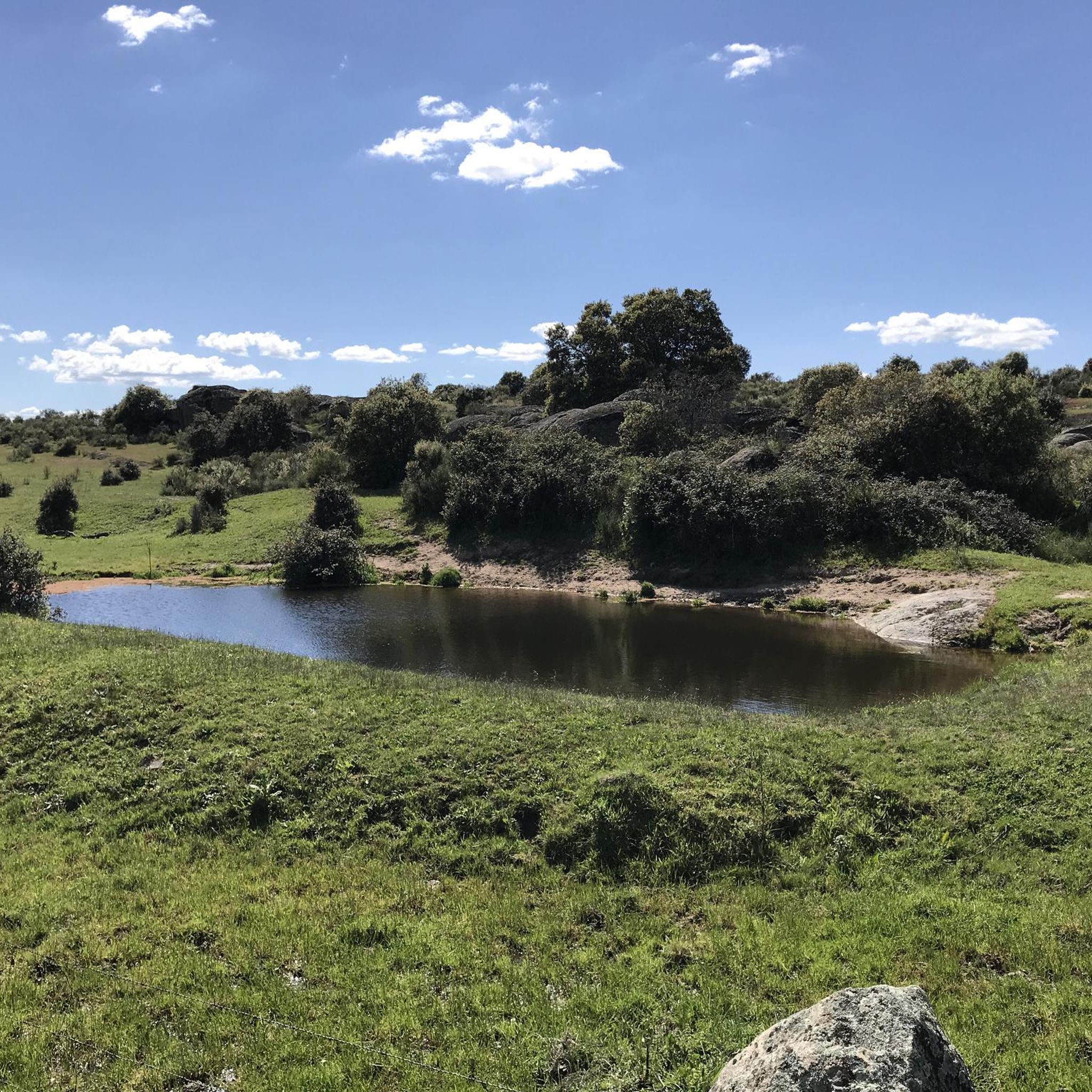
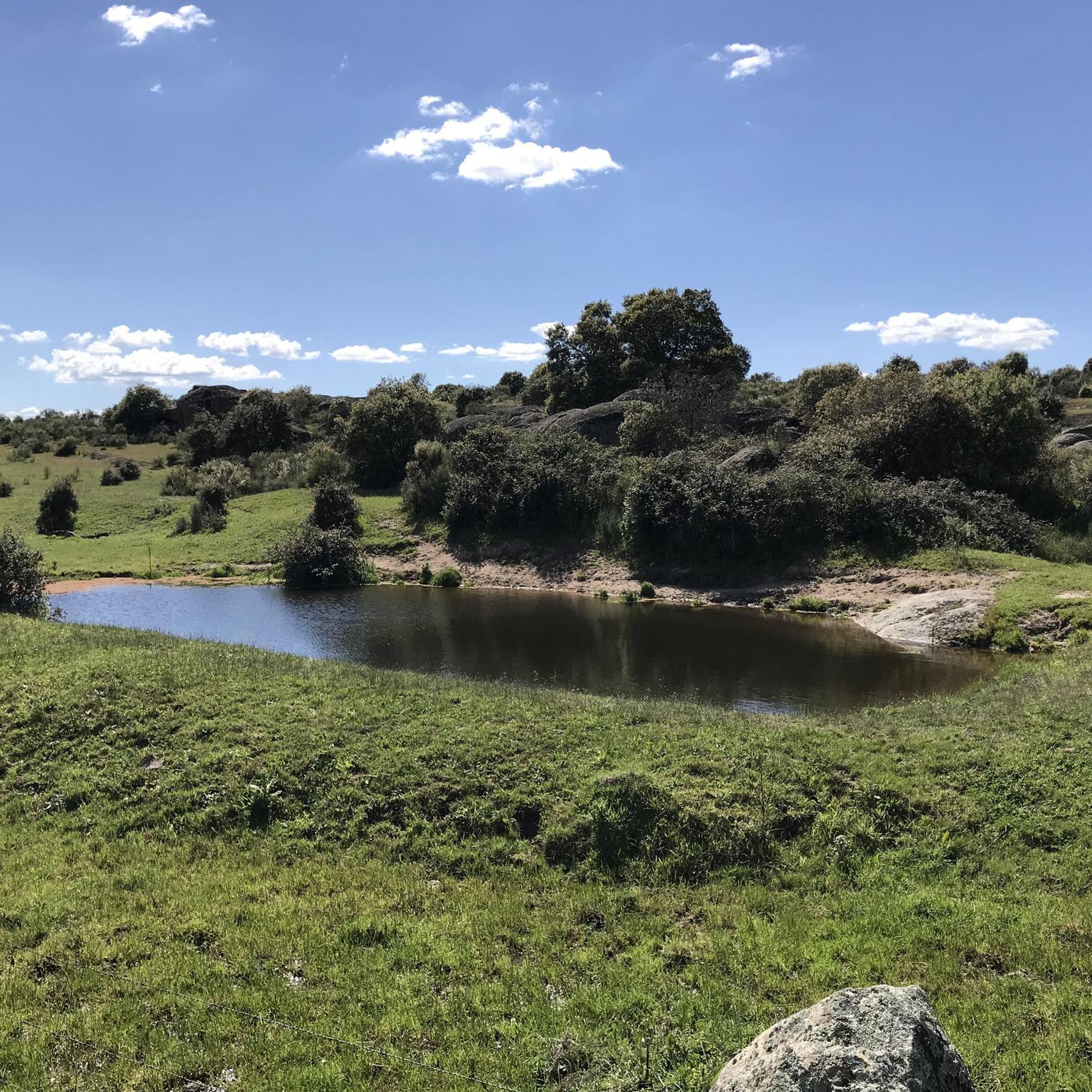
Old water tank used by the city. On the site you can see a granite tomb that the Arabs used as a watering place for horses.
2
0
Frequently Asked Questions
What historical sites can I explore around Ibahernando?
The region is rich in history. You can visit the Trujillo Main Square, an important urban complex showcasing different architectural periods. Other significant historical sites include the Chaves Sotomayor Palace, a 16th-century mansion, and the San Andrés Gate, part of Trujillo's ancient city wall. Within Ibahernando itself, explore the Parish Church of Degollación de San Juan Bautista, with origins possibly tracing back to Visigothic times, and the remains of the Visigothic Basilica of Santa María. The area also boasts numerous Roman archaeological sites, including over fifty Roman tombstones discovered locally.
Are there any religious landmarks to visit in Ibahernando?
Yes, Ibahernando has notable religious landmarks. The Parish Church of Degollación de San Juan Bautista is a prominent monument dating back to the late 15th and early 16th centuries. Additionally, the Hermitage of Nuestra Señora de la Jara, located about 500 meters from a believed Marian apparition site, is a significant religious destination. You can also visit the Church of Santa María la Mayor (Trujillo), a 13th-century church with Romanesque and Gothic elements.
What natural attractions are there near Ibahernando?
Ibahernando is situated on the northern slope of the Sierra de Montánchez, offering beautiful natural surroundings characterized by dehesas of holm oaks and rockroses. You can explore the Dehesa de Los Tesoritos, an area notable for a late-Roman necropolis, accessible via a trail from Calle Hernán Cortés. Along this trail, you'll find the charming Fuente de los Amores (Fountain of Love). The region is ideal for enjoying local flora and fauna.
What outdoor activities can I do near these attractions?
The area around Ibahernando offers various outdoor activities. For cycling enthusiasts, there are routes like the 'Trujillo and La Aldea del Obispo Historic Trail Loop' or the 'Encina Terrona loop from Ibahernando'. Runners can enjoy trails such as the 'Trujillo – Plaza Mayor of Trujillo loop'. Mountain biking options include the 'Vuelta por Trujillo y sus berrocales'. You can find more details on these and other routes in the cycling guide, running guide, and MTB guide for Ibahernando.
Are there family-friendly attractions around Ibahernando?
Yes, several attractions are suitable for families. The Trujillo Main Square is a great place to explore with its historical significance and vibrant atmosphere. Families might also enjoy visiting La Alberca, an old water tank with historical context. The natural areas, such as the Dehesa de Los Tesoritos and the Fuente de los Amores, offer pleasant walks for all ages.
What is the best time to visit Ibahernando for tourism?
Ibahernando can be enjoyed throughout the year, but for outdoor activities and cultural exploration, spring (late April/early May) and autumn are particularly pleasant due to milder temperatures. The local pilgrimage (romería) takes place on the last Saturday of April or first of May, offering a cultural experience. August 10th also features festivities in honor of San Lorenzo.
What unique historical structures can be found in Ibahernando?
Beyond the main church, Ibahernando features the Clock Tower, constructed in the late 19th century, which now houses the municipal library. The Palacio de los Carvajal, though abandoned, stands as a historical structure linked to a prominent Trujillo family. The area's rich archaeological heritage, including Roman tombstones and a warrior stele, also offers a glimpse into ancient times.
Where can I find archaeological remains in the Ibahernando area?
Ibahernando has a rich archaeological heritage, particularly from the Roman period. Over fifty Roman tombstones have been discovered in its vicinity, with many preserved in the Provincial Museum of Cáceres. The area of Las Mezquitas-Santa María de la Jara-Astorganos is especially rich in archaeological testimonies. Additionally, the Dehesa de Los Tesoritos is notable for the discovery of a small late-Roman necropolis.
What is the significance of La Alberca near Ibahernando?
La Alberca is an old water tank, whose name comes from the Arabic lexicon "Al birka" meaning water tank. It served as a crucial water source for the city, used for watering fields and for horses and cattle. On the site, you can still see a granite tomb that the Arabs repurposed as a watering place for animals, highlighting its historical utility.
What do visitors enjoy most about the attractions around Ibahernando?
Visitors appreciate the blend of historical and architectural heritage. The Trujillo Main Square is often highlighted for its significant urban complex and architectural diversity. The ancient city walls and gates, like the San Andrés Gate, are also popular for their Gothic and Renaissance elements. The overall authentic Spanish town feel and the views from historical sites are frequently mentioned as enjoyable aspects.
Are there any specific trails or walks I can take to explore the natural features?
Yes, you can take the 'Senda de los Tesoritos' trail, which leads from Calle Hernán Cortés to the Dehesa de Los Tesoritos, an area known for a late-Roman necropolis. Along this trail, you'll also encounter the charming Fuente de los Amores. This walk offers a good opportunity to experience the local flora and fauna of the dehesas.

Get inspired with the komoot mobile app


Explore more
Still not found the Highlight you’re looking for? See guides of the top attractions in other regions:
