Attractions and Places To See around Daimiel - Top 20
Best attractions and places to see around Daimiel include a blend of natural landscapes and historical sites in the province of Ciudad Real, Spain. The region is characterized by its unique wetland ecosystems, notably the Tablas de Daimiel National Park, an internationally recognized natural reserve. Visitors can explore ancient archaeological sites, significant religious architecture, and various cultural points of interest. This area provides opportunities to experience both ecological diversity and historical heritage.
Best attractions and places to see around Daimiel
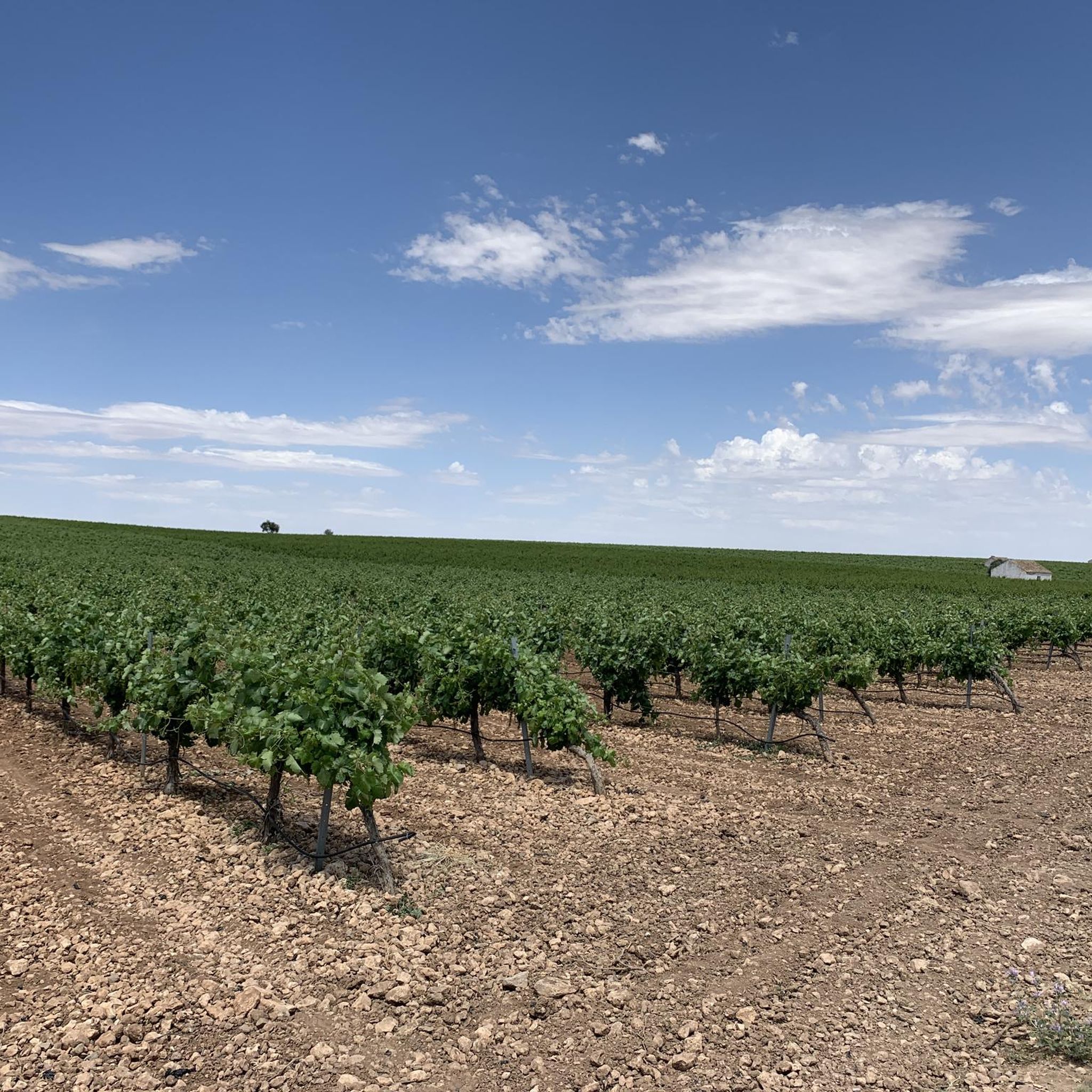
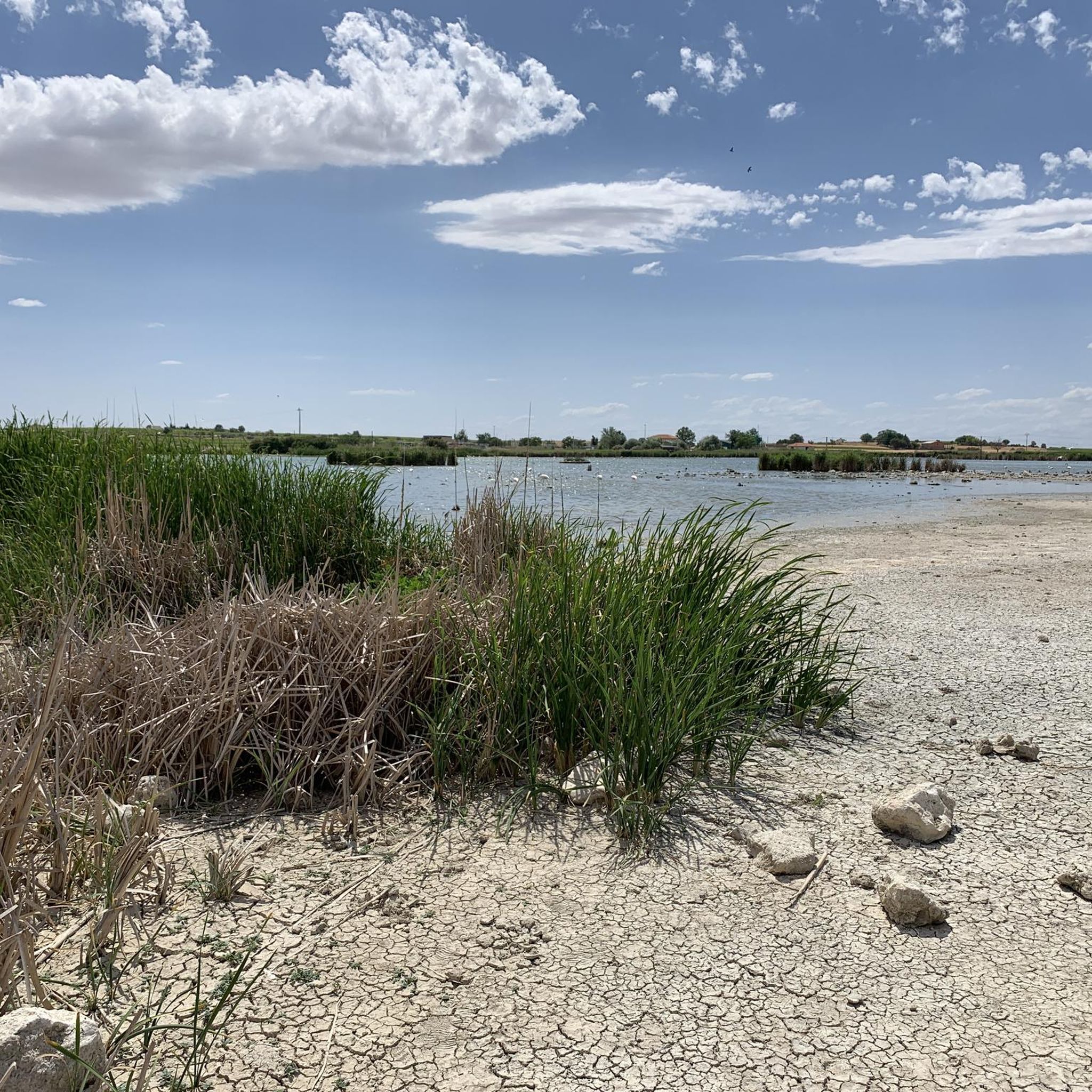
- The most popular attractions is Tablas de Daimiel National Park, a natural monument that is a unique wetland ecosystem formed by the overflow of the Guadiana and Gigüela rivers. It serves as a crucial stopover and breeding ground for numerous migratory birds.
- Another must-see spot is Malvecinos Bridge, a historical bridge that was once a prominent crossing of the Guadiana River and part of the Cañada Real de la Plata. This site holds historical interest despite its current state.
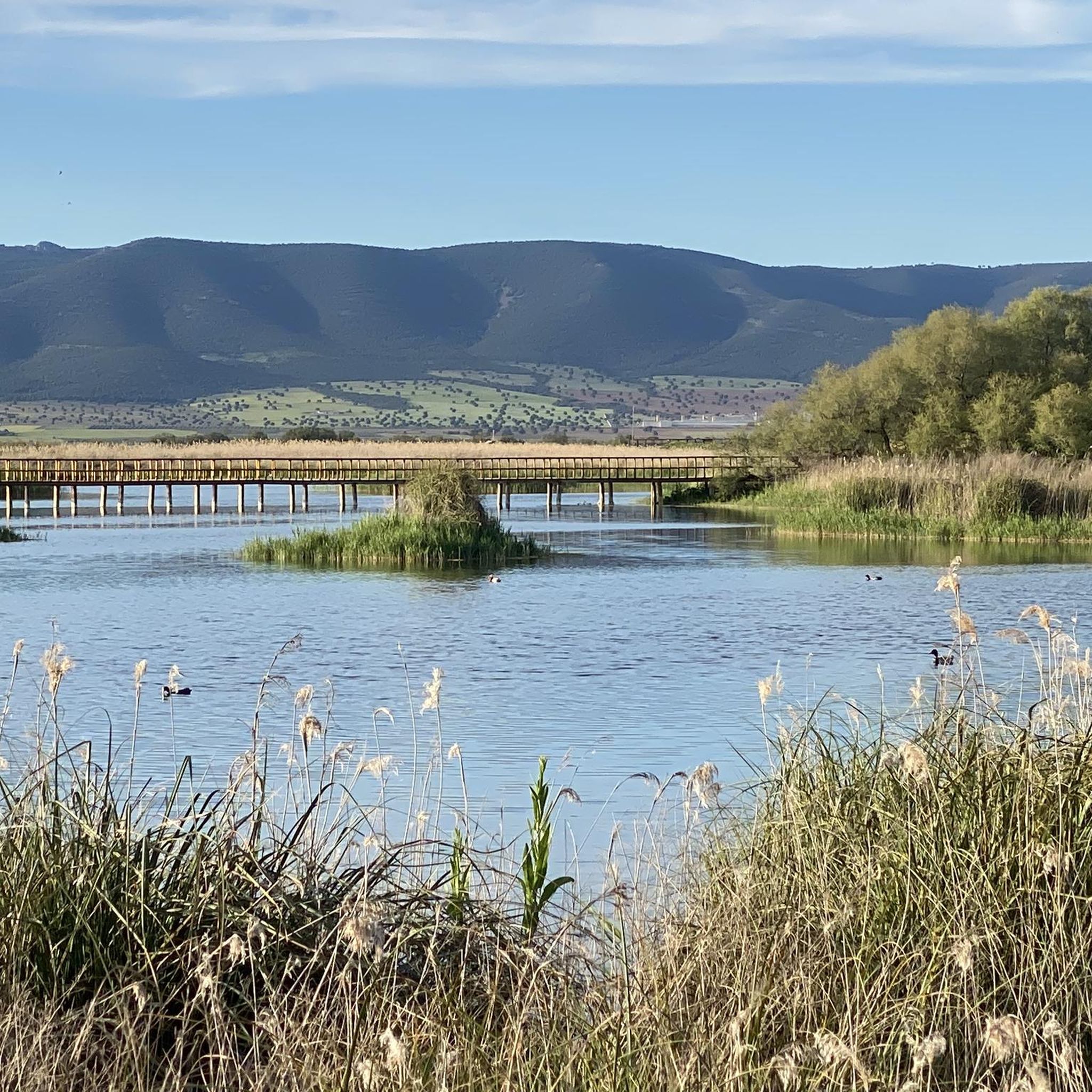
- Visitors also love Observation point, a viewpoint within Las Tablas de Daimiel National Park. It offers opportunities for bird and animal watching from various observatories and provides panoramic views of the wetland.
- Daimiel is known for its natural monuments, historical sites, and religious buildings. The area offers a variety of attractions to see and explore, from unique wetlands to ancient structures.
- The attractions around Daimiel are appreciated by the komoot community, with 23 upvotes and 40 photos shared by visitors.
Last updated: July 7, 2026
Tablas de Daimiel National Park
Highlight • Natural Monument
Translated by Google •
Tip by

Malvecinos Bridge
Highlight • Bridge
And this bridge, which was used to cross the Guadiana River, despite being next to the road, is difficult to detect because it is at the mercy of the undergrowth.
Translated by Google •
Tip by
Sign up now to discover places like this
Get recommendations on the best single tracks, peaks, & plenty of other exciting outdoor places.
Sign up for free
Observation point
Highlight • Viewpoint
Observatories at the Permanent Lagoon: This 800-meter linear trail takes you to a lagoon from whose observatories you can see various aquatic birds depending on the season.
Observatories on the Prado Ancho Tower Route: This 4-kilometer trail includes four wildlife observatories and ends at a two-story tower that offers impressive panoramic views of the wetland.
Observatories on the Bread Island Route: This 2.5-kilometer circular trail is the most popular in the park and has several observatories where you can see ducks and other aquatic birds.
Translated by Google •
Tip by
Hermitage of San Antón (Carrión)
Highlight • Religious Site
Translated by Google •
Tip by
Hermitage of the Virgin of the Encarnación
Highlight • Religious Site
Translated by Google •
Tip by
Sign up for free to discover even more attractions around Daimiel.
Sign up for free
Already have an account?
Start today with a free account
Your next adventure awaits.
Login or Signup


Tips from the Community

In Las Tablas de Daimiel National Park, there are several wildlife observatories where you can enjoy bird and animal watching. Observatories at the Permanent Lagoon: This 800-meter linear trail takes you to a lagoon from whose observatories you can see various aquatic birds depending on the season. Observatories on the Prado Ancho Tower Route: This 4-kilometer trail includes four wildlife observatories and ends at a two-story tower that offers impressive panoramic views of the wetland. Observatories on the Bread Island Route: This 2.5-kilometer circular trail is the most popular in the park and has several observatories where you can see ducks and other aquatic birds.
30
0
The Malvecinos bridge is located in the northwestern quadrant of the municipality of Carrión de Calatrava, at km 6,500 of the CR-211 provincial highway that goes from Carrión to Fernán Caballero. Since the Middle Ages, its dam-bridge was one of the most notable historical passages of the Guadiana River in this area, forming part of the route of the Cañada Real de la Plata. Unfortunately, its current state is critical due to the uncontrolled growth of vegetation, which has made urgent intervention necessary for its conservation and to avoid its ruin. The Tablas de Calatrava Naturalist Association has promoted a rehabilitation project in four phases to preserve this historical heritage. We hope that this unique enclave in Alto Guadiana can be protected and restored! 🌉🌿
19
0
During the Middle Ages, the Malvecinos dam-bridge was one of the most prominent crossings of the Guadiana River in this area. In addition, it was part of the route of the Cañada Real de la Plata. However, unfortunately, its current state is critical due to the uncontrolled growth of vegetation, which makes urgent intervention necessary for its conservation and to avoid its ruin. In an effort to preserve this unique enclave in Alto Guadiana, the Tablas de Calatrava Naturalist Association has promoted a rehabilitation project in four phases. The first phase, which consists of clearing and cleaning the bridge, is underway thanks to the collaboration of the Guadiana Hydrographic Confederation and other actors involved. The objective is to prevent the definitive collapse of this important historical heritage.
30
0

There are fantastic observation opportunities here. It is advisable to have a telephoto lens with you.
9
2
Very beautiful wooden walkways provide impressive insights into the flora and fauna of the wetland.
8
2

One of the numerous observatories found in the Tablas de Daimiel National Park, which through a series of wooden walkways allow you to jump from island to island. A paradise for bird watching lovers.
6
0

Incredible natural landscape, wetland area and Biosphere Reserve. Las Tablas de Daimiel is a great place to start your adventure. Easy access to parking.
5
0
Wetland practically unique in Europe and the last representative of the ecosystem called river tables, once characteristic of the central plain of our Peninsula.
32
0
Frequently Asked Questions
What unique natural attractions can I explore in Daimiel?
Daimiel is renowned for its wetlands. The most prominent is Tablas de Daimiel National Park, a unique ecosystem formed by the overflow of the Guadiana and Gigüela rivers. It's a crucial stopover and breeding ground for numerous migratory birds. Another vital refuge for fauna, especially for birdwatching, is the Laguna de Navaseca, located a few kilometers from the town center.
Are there any significant historical sites or ancient ruins to visit in Daimiel?
Yes, Daimiel offers several historical sites. You can explore Malvecinos Bridge, a historical crossing of the Guadiana River and part of the Cañada Real de la Plata. Additionally, the prehistoric settlement of La Motilla del Azuer, dating back to the Bronze Age, provides insight into ancient civilizations and their water management.
What family-friendly activities are available around Daimiel?
Many attractions in Daimiel are suitable for families. Tablas de Daimiel National Park offers easy trails and observation points perfect for bird and animal watching. The Observation point within the park provides excellent opportunities for children and adults to spot wildlife.
When is the best time of year to visit Daimiel, especially for nature observation?
The best time to visit Daimiel for nature observation, particularly birdwatching in the wetlands like Tablas de Daimiel National Park and Laguna de Navaseca, is during the migratory seasons. Spring and autumn offer the highest diversity of bird species. However, the wetlands are beautiful year-round, with different species present in each season.
What cultural sites can I visit to learn about Daimiel's heritage?
To delve into Daimiel's culture and history, you can visit the Museo Comarcal de Daimiel, which showcases the customs and history of the area. The Water Centre and Wetlands (CIDAHM) is also a fundamental starting point for understanding the Tablas de Daimiel National Park and the region's relationship with water, housed in a building designed by renowned architect Miguel Fisac.
Are there opportunities for outdoor activities like hiking or cycling near Daimiel's attractions?
Absolutely! Daimiel and its surrounding areas offer various routes for outdoor enthusiasts. You can find numerous running trails, cycling routes, and MTB trails that explore the natural landscapes, including paths around the Tablas de Daimiel National Park and Laguna de Navaseca.
Can I find religious buildings or sanctuaries in Daimiel?
Yes, Daimiel has several significant religious structures. The Santa María La Mayor Church, dating from the late 14th century, features Gothic and Renaissance elements. The San Pedro Apóstol Church, built in 1542, reflects the town's growth during that period. The Santuario de Nuestra Señora de las Cruces is dedicated to the patron saint of Daimiel and is a site for local pilgrimages.
What are the best places for birdwatching in Daimiel?
Daimiel is a paradise for birdwatchers. The primary location is Tablas de Daimiel National Park, with its numerous observatories and trails like the Bread Island Route and the Prado Ancho Tower Route. Laguna de Navaseca is also an exceptional wetland, known for hosting a wide variety of species, including the scarce White-headed duck and Common flamingo.
Is parking available at the main attractions, particularly Tablas de Daimiel National Park?
Yes, Tablas de Daimiel National Park has designated parking facilities for visitors. Laguna de Navaseca also offers parking, making these natural areas accessible by car.
What is the significance of the Olivo Milenario in Daimiel?
The Olivo Milenario, or Millenary Olive Tree, located in the Plaza de España, is a significant symbol of Daimiel's long history. It is believed to have been planted centuries ago, possibly during the Arab presence in the region, and stands as a living testament to the town's enduring heritage.
What do visitors enjoy most about the attractions around Daimiel?
Visitors particularly enjoy the unique wetland ecosystem of Tablas de Daimiel National Park, appreciating its role as a crucial stopover for migratory birds. The various observation points within the park are highly valued for wildlife viewing. The historical significance of sites like Malvecinos Bridge also captivates those interested in the region's past.
Are there any viewpoints offering panoramic views of the natural landscape?
Yes, within Tablas de Daimiel National Park, there are several excellent viewpoints. The Observation point and the two-story tower on the Prado Ancho Tower Route offer impressive panoramic views of the wetland, perfect for appreciating the vast natural beauty.
Most popular routes around Daimiel
Most popular attractions around Daimiel

Get inspired with the komoot mobile app


Explore more
Still not found the Highlight you’re looking for? See guides of the top attractions in other regions:
