Top 20 Lakes around Torralba De Calatrava
Best lakes around Torralba De Calatrava are found within the Campo de Calatrava region, an area known for its unique wetlands and volcanic lakes. This location offers access to diverse ecological and geological attractions. The region is characterized by its volcanic origins, featuring numerous maar lakes and pyroclastic cones. These natural water bodies provide opportunities for exploring unique geological formations and varied ecosystems.
Best lakes around Torralba de Calatrava
- The most popular lakes is Laguna del Prado, a lake that is a saline volcanic lagoon with seasonal waters. It is part of the Campo de Calatrava's significant maar lake system.
- Another must-see spot is Tablas de Daimiel National Park, a natural monument and unique wetland ecosystem. This complex ecosystem is an exceptional habitat for a vast array of flora and fauna, particularly famous for its rich birdlife.
- Visitors also love Gasset Reservoir Dam, a man-made monument where the dam is placed on the Becea River. It serves as an economic, tourist, and natural reference for the area.
- Torralba De Calatrava is known for its volcanic lakes, wetlands, and reservoirs. These areas offer unique geological formations and diverse ecosystems to see and explore.
- The lakes around Torralba De Calatrava are appreciated by the komoot community, with more than 20 upvotes and 25 photos.
Last updated: July 8, 2026
Tablas de Daimiel National Park
Highlight • Natural Monument
Translated by Google •
Tip by

Laguna del Prado
Highlight • Lake
Its origin is pseudokarstic, since it was caused by a phreatomagmatic explosion at a fracture junction located in a sedimentary basin. This has favored surface ponding like this semi-arid lagoon, with sulphated-magnesium-sodic chloride waters. Due to its salinity, the vegetation is relegated to the margins, mainly salt marshes and halonitrophilous plants. The contribution of rainwater from the town has altered that salinity, allowing the appearance of reeds, castanets and even white poplars.
During periods when it is flooded, you can see black-headed gulls, black-headed gulls, avocets, stilts and plovers, as well as pink flamingos.
Translated by Google •
Tip by

Sign up now to discover places like this
Get recommendations on the best single tracks, peaks, & plenty of other exciting outdoor places.
Sign up for free
Observation point
Highlight • Viewpoint
Observatories at the Permanent Lagoon: This 800-meter linear trail takes you to a lagoon from whose observatories you can see various aquatic birds depending on the season.
Observatories on the Prado Ancho Tower Route: This 4-kilometer trail includes four wildlife observatories and ends at a two-story tower that offers impressive panoramic views of the wetland.
Observatories on the Bread Island Route: This 2.5-kilometer circular trail is the most popular in the park and has several observatories where you can see ducks and other aquatic birds.
Translated by Google •
Tip by
Peralvillo
Highlight • Settlement
Translated by Google •
Tip by
Gasset Reservoir Dam
Highlight • Monument
Translated by Google •
Tip by
Sign up for free to discover even more lakes around Torralba De Calatrava.
Sign up for free
Already have an account?
Start today with a free account
Your next adventure awaits.
Login or Signup
Popular around Torralba De Calatrava
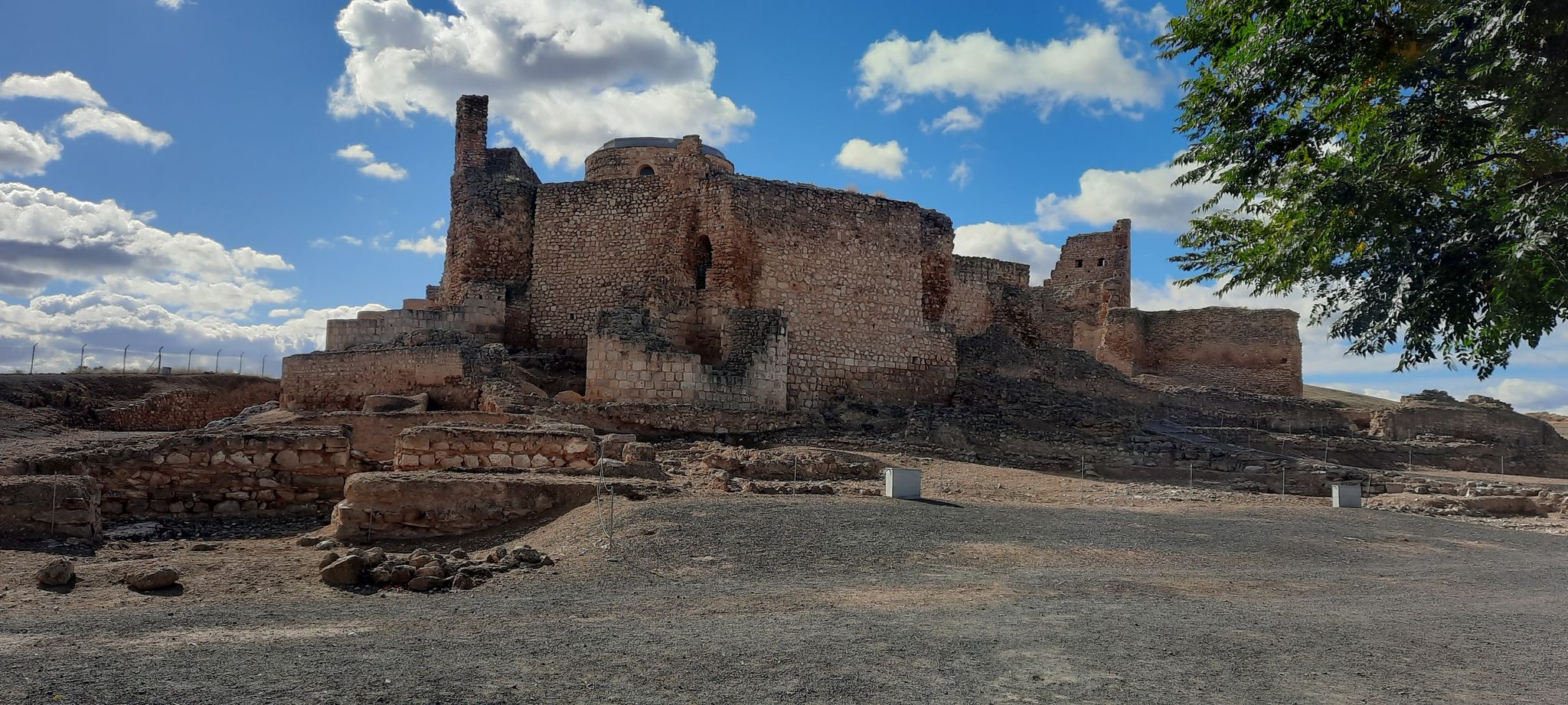
Old volcanoes and castles – bikepacking through Campo de Calatrava
Hiking around Torralba De Calatrava
Road Cycling Routes around Torralba De Calatrava
MTB Trails around Torralba De Calatrava
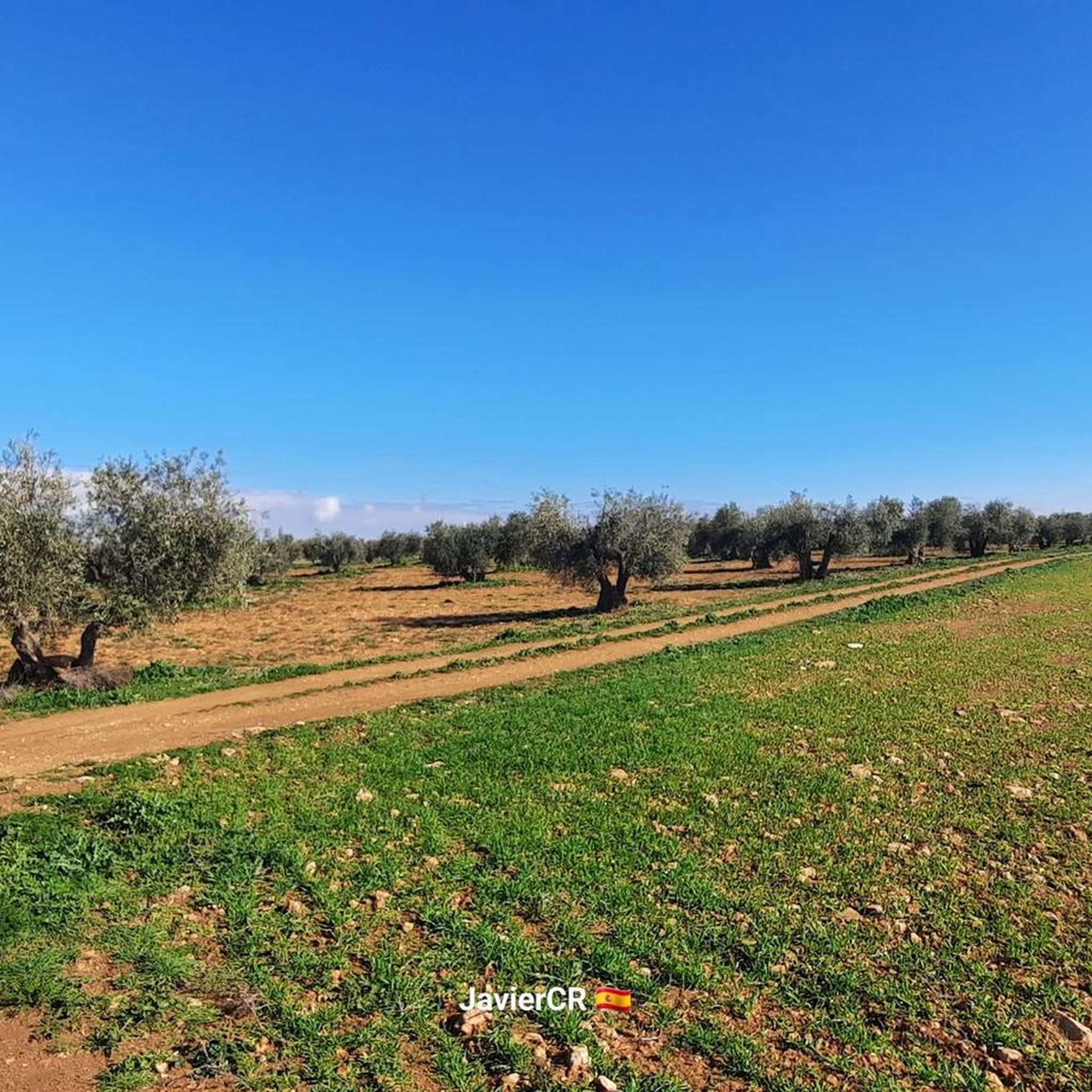
Cycling around Torralba De Calatrava
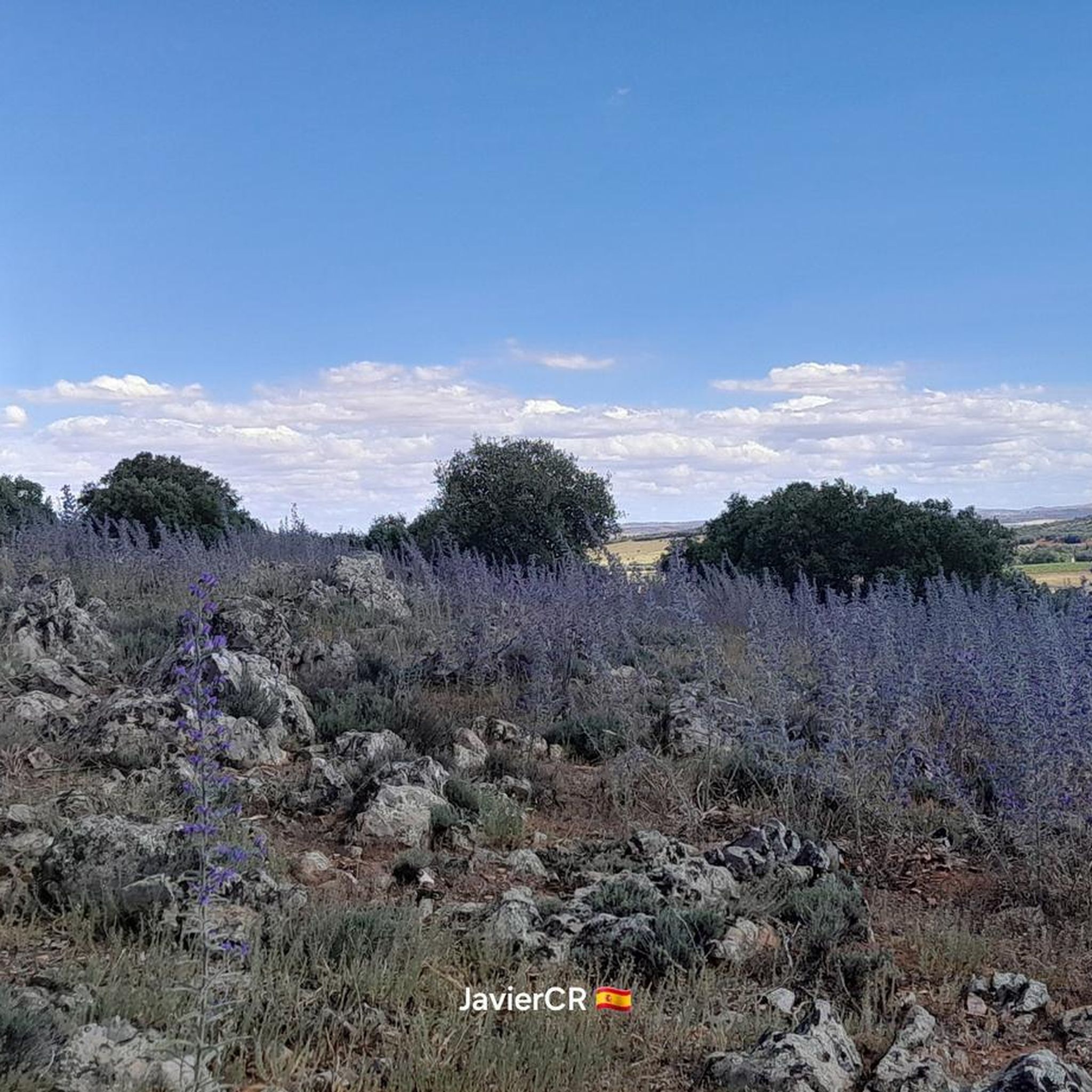
Running Trails around Torralba De Calatrava

Gravel biking around Torralba De Calatrava
Other adventures around Torralba De Calatrava

Tips from the Community

In Las Tablas de Daimiel National Park, there are several wildlife observatories where you can enjoy bird and animal watching. Observatories at the Permanent Lagoon: This 800-meter linear trail takes you to a lagoon from whose observatories you can see various aquatic birds depending on the season. Observatories on the Prado Ancho Tower Route: This 4-kilometer trail includes four wildlife observatories and ends at a two-story tower that offers impressive panoramic views of the wetland. Observatories on the Bread Island Route: This 2.5-kilometer circular trail is the most popular in the park and has several observatories where you can see ducks and other aquatic birds.
30
0
It is located next to the town centre of Pozuelo de Calatrava. It is popularly known as the unexpected lagoon. If you pass by, it is a unique opportunity to enjoy the flora and fauna of the saltiest lagoon in the area.
10
0

There are fantastic observation opportunities here. It is advisable to have a telephoto lens with you.
9
2
Very beautiful wooden walkways provide impressive insights into the flora and fauna of the wetland.
8
2

One of the numerous observatories found in the Tablas de Daimiel National Park, which through a series of wooden walkways allow you to jump from island to island. A paradise for bird watching lovers.
6
0

Incredible natural landscape, wetland area and Biosphere Reserve. Las Tablas de Daimiel is a great place to start your adventure. Easy access to parking.
5
0
A stop at Bar la Encantada, I recommend it. Small but cozy Café-Bar, good service and good prices, a good place to eat, or have a beer and recharge your batteries.
42
0
As shown in a photo, a good place for water sports.
27
0
Frequently Asked Questions
What makes the lakes around Torralba de Calatrava unique?
The lakes in the Campo de Calatrava region, near Torralba de Calatrava, are unique due to their volcanic origins. The area features numerous maar lakes and pyroclastic cones, formed by hydromagmatic explosions where magma interacted with groundwater. This geological history creates distinct natural beauty and diverse ecosystems, including saline lakes and significant wetlands.
Are there any National Parks or protected wetlands nearby?
Yes, the Tablas de Daimiel National Park is a unique wetland ecosystem and a highly protected natural area, located approximately 14.2 km from Torralba de Calatrava. It's considered the last representative of 'river tables,' a type of floodplain formed by the confluence of the Guadiana and Gigüela rivers.
Which lakes are best for birdwatching?
Both Tablas de Daimiel National Park and Laguna del Prado are excellent for birdwatching. Tablas de Daimiel hosts over 200 species, including various grebes, herons, and Iberian ducks, with abundant observation points. Laguna del Prado, a Wildlife Refuge and Special Protection Area for Birds (ZEPA), is known for avocets, black-winged stilts, Kentish plovers, and regular populations of flamingos.
Are there family-friendly options for visiting the lakes?
Yes, both Tablas de Daimiel National Park and Laguna del Prado are considered family-friendly. Tablas de Daimiel offers self-guided pedestrian routes and wooden walkways, making it easy for families to explore. Laguna del Prado also provides a unique natural experience with its birdlife and interpretation center.
What kind of wildlife can I expect to see around these lakes?
The wetlands and lakes are rich in birdlife. At Tablas de Daimiel National Park, you can observe great crested grebes, common grebes, black-necked grebes, herons, egrets, and various Iberian ducks. Laguna del Prado is home to avocets, black-winged stilts, Kentish plovers, little ringed plovers, common terns, and flamingos. The area also supports specialized halophilic vegetation.
What is the best time of year to visit the lakes?
The best time to visit for birdwatching at Tablas de Daimiel National Park is generally from April to June, when birdlife is particularly abundant. For Laguna del Prado, the water levels fluctuate seasonally; it's most impressive during the rainy season when it's flooded, supporting diverse bird populations, though flamingos can be seen in summer.
Are there hiking or walking trails near the lakes?
Yes, Tablas de Daimiel National Park offers three self-guided pedestrian routes, including trails with wooden walkways and observation points. For more extensive options, you can explore various running trails, such as the 'Las Tablas de Damiel — circular por el Parque Nacional' route, which is a moderate 7.8 km loop. You can find more running trails in the area on the Running Trails around Torralba De Calatrava guide.
Can I go cycling around the lakes?
Yes, the region offers several cycling routes. For road cycling, you can find routes like 'Tablas de Damiel — circular desde Torralba de Calatrava,' which is a moderate 77.9 km ride. Mountain biking enthusiasts can explore routes such as 'El Embalse de Gasset – circular desde Fernán Caballero,' an easy 20.2 km loop. More cycling options are available in the Road Cycling Routes around Torralba De Calatrava guide and the MTB Trails around Torralba De Calatrava guide.
Is there an interpretation center to learn more about the lakes?
Yes, Laguna del Prado has an interpretation center where you can learn more about its unique flora, fauna, and landscape. Tablas de Daimiel National Park also offers guided tours and information to enhance your understanding of its wetland ecosystem.
Are there any man-made water features or reservoirs in the area?
Yes, the Gasset Reservoir Dam is a notable man-made monument in the region. Located on the Becea River, it serves as an important economic, tourist, and natural reference for the area, offering a different kind of water-related attraction compared to the natural wetlands and volcanic lakes.
What are the geological features of the lakes in Campo de Calatrava?
The lakes in the Campo de Calatrava region are primarily of volcanic origin, specifically maar lakes. These are formed by phreatomagmatic explosions where magma interacts with groundwater, creating unique crater-like depressions that fill with water. Laguna del Prado is a prime example of such a saline volcanic lake.
Can I find places to eat or drink near the lakes?
While specific cafes directly at the lake shores are limited, the nearby settlement of Peralvillo, which is close to some of the natural areas, offers options like Bar la Encantada, known for good service and prices, where you can recharge.
Most popular routes around Torralba De Calatrava
Most popular attractions around Torralba De Calatrava

Get inspired with the komoot mobile app


Explore more
Still not found your perfect lake around Torralba De Calatrava? Check out the guides of these regions to see even more beautiful places.
