The best cycling routes around Sant Andreu De Llavaneres
4.4
(184)
6,484
riders
15
rides
Touring cycling around Sant Andreu de Llavaneres offers diverse landscapes, combining coastal scenery with forested mountains. The region is characterized by its Mediterranean coastline, featuring beaches and a port, and inland by the Montalt massif and coastal mountains with extensive pine and oak forests. Terrain varies from mostly paved surfaces along the coast to more challenging unpaved segments in the hills, providing a mix of experiences for touring cyclists.
Best touring cycling routes around Sant Andreu De Llavaneres
- The most…
Last updated: October 14, 2026
4.6
(7)
80
riders
32.8km
02:40
710m
710m
Hard bike ride. Very good fitness required. Mostly paved surfaces. Suitable for all skill levels.
4.0
(5)
156
riders
76.3km
04:40
440m
440m
Moderate bike ride. Good fitness required. Mostly paved surfaces. Suitable for all skill levels.

5.0
(3)
54
riders
43.5km
03:39
1,010m
1,010m
Hard bike ride. Very good fitness required. Mostly paved surfaces. Suitable for all skill levels.
4.3
(3)
46
riders
Hard bike ride. Very good fitness required. Mostly paved surfaces. Suitable for all skill levels.
39
riders
91.9km
06:58
1,920m
1,920m
Hard bike ride. Very good fitness required. Mostly paved surfaces. Suitable for all skill levels.
Get access to more routes and recommendations from other explorers.
Already have an account?
Our route recommendations are based on thousands of hikes, rides, and runs completed by other people on komoot.
Start today with a free account
Your next adventure awaits.
Tips from the Community

The parish of Sant Andreu is already documented in 1083, but this church is not that one: the current one began to be built in 1825 and was inaugurated in 1848 because the town had grown and the medieval temple had been left away from the center. The curious thing is inside: it preserves a 16th-century baptismal font, probably from the old church. And the image of Sant Andreu that currently presides over the altar is also not the original: it is from after the Civil War. So the building is about 200 years old, the font about 500, and the parish almost 1,000. One of those places that seem to have nothing special until you start to scratch a little.
0
0
Lost in Montnegre and surrounded by forest, this small hermitage has been here for almost a thousand years. It is already documented in 1079, but when they started excavating around it, they discovered that the history of the place was even older. Beneath your feet is a necropolis with burials dating from the Early Middle Ages to the 18th century, and remains were even found that suggest this corner was already occupied in Roman times. For centuries it was a place of worship and meeting for the scattered farmhouses in these mountains. One of the traditional gatherings of the area was held here until the Carlist wars, the abandonment of rural life, and the passage of time eventually left it practically forgotten. The image and the bell were eventually removed, and the building deteriorated until it fell into ruin. The curious thing is that it has returned from the dead. After years of excavations and volunteer work, the hermitage has been recovered and rebuilt, respecting the floor plan of the old medieval temple. So if you arrive here by bike, look carefully at the ground before thinking you have only found a small church in the middle of the forest: Romans, medieval inhabitants, hermits, and entire generations of people from Montnegre passed through this same small pass long before you.
0
0
Small and discreet, but with more than 500 years of history. It has been documented since 1508 and its origin is linked to a time when the plague struck these lands: Sant Sebastià was precisely one of the saints invoked for protection against epidemics. The hermitage was practically in ruins in the 19th century and it was, curiously, families of summer visitors from Llavaneres who helped to restore it. Even today, the traditional Aplec de Sant Sebastià is celebrated here. If you arrive by bike, it is worth a short stop. Five centuries ago, people climbed to this very spot seeking something much more important than good views: that the disease would pass them by.
0
0
This place has it all: 5,000 years of history, witches, and even a 19th-century reconstruction that nobody really knows how closely it resembles the original. For centuries, the legend said that the witches of the region used to meet here for their covens. What we do know is that in 1855, Josep Pradell decided to restore the dolmen and replaced the enormous top slab. It was, none other than, the first known restoration of a dolmen in Catalonia. So when you arrive by bike and see that kind of enormous stone table in the middle of the forest, stop for a moment. Prehistory, legends, and a good deal of mystery concentrated in a few meters. And if you arrive at dusk and see someone circling the stones... I wouldn't ask. I'd keep cycling.
1
0
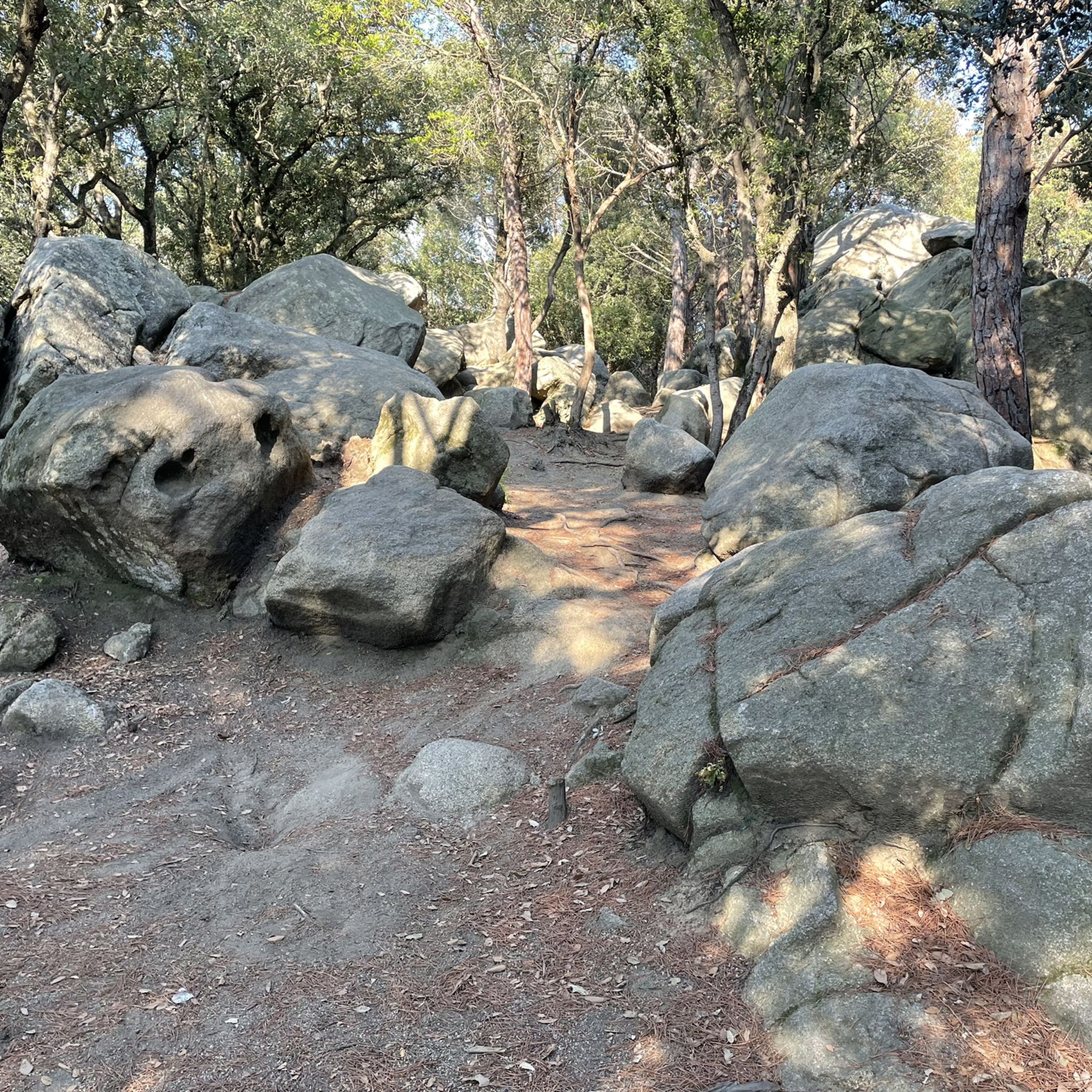
One of those places where it's worth slowing down a bit and looking around. Towering trees, dense forest, and a light that, when it filters through the canopy, makes this stretch spectacular. In summer, the shade is also greatly appreciated. And you're in Vallgorguina, land of forests, dolmens, and old witch stories. Very close by, in Pedra Gentil, tradition says that covens and witch gatherings were held. I don't know if any remain, but if you pass through here with this light, you perfectly understand why so many legends were born in these woods. A beautiful stretch to enjoy by bike without rushing.
0
0

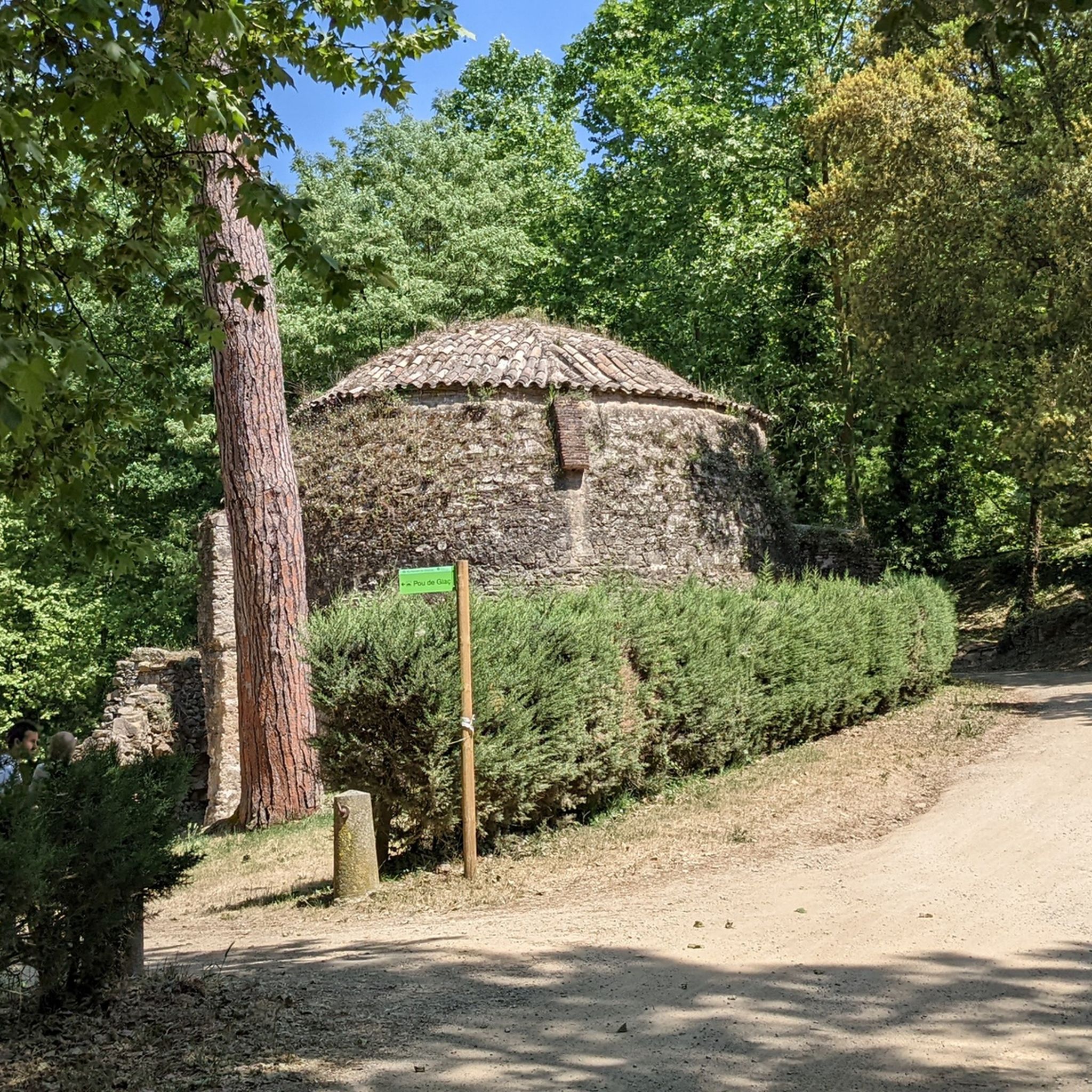
Del s.XVII. Construcció cilíndrica, limitada amb gruixuts murs de paredat que tenien la funció de mantenir la temperatura constant. Coberta amb volta de pedra de mitja taronja i teula àrab amb ràfec. Al costat nord hi ha tres contraforts de paredat i la boca de sortida del gel. Aquest es feia en un passadís-mina, que va desaparèixer en ser remodelat l’entorn i el camí. Font: Ajuntament de Dosrius
1
0


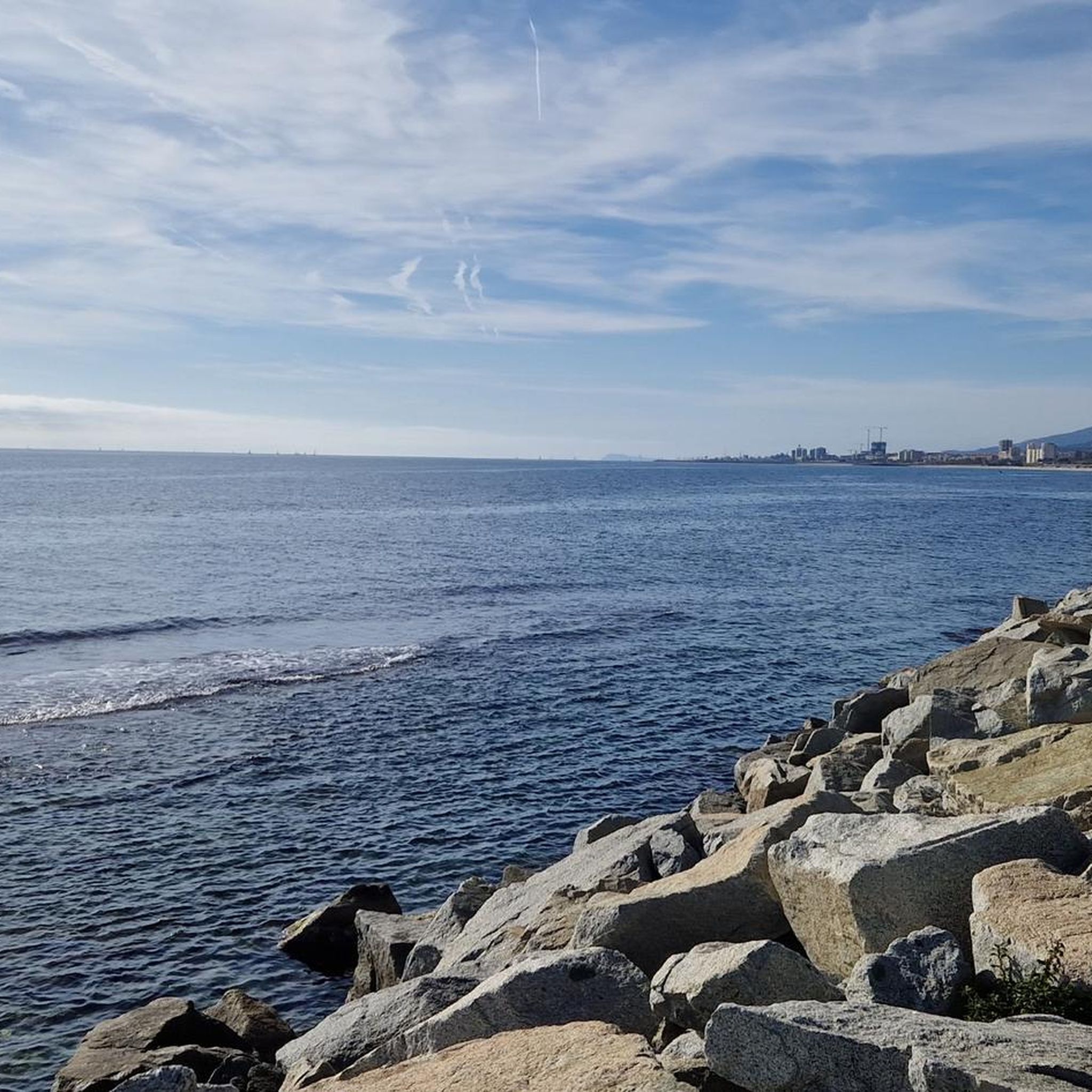
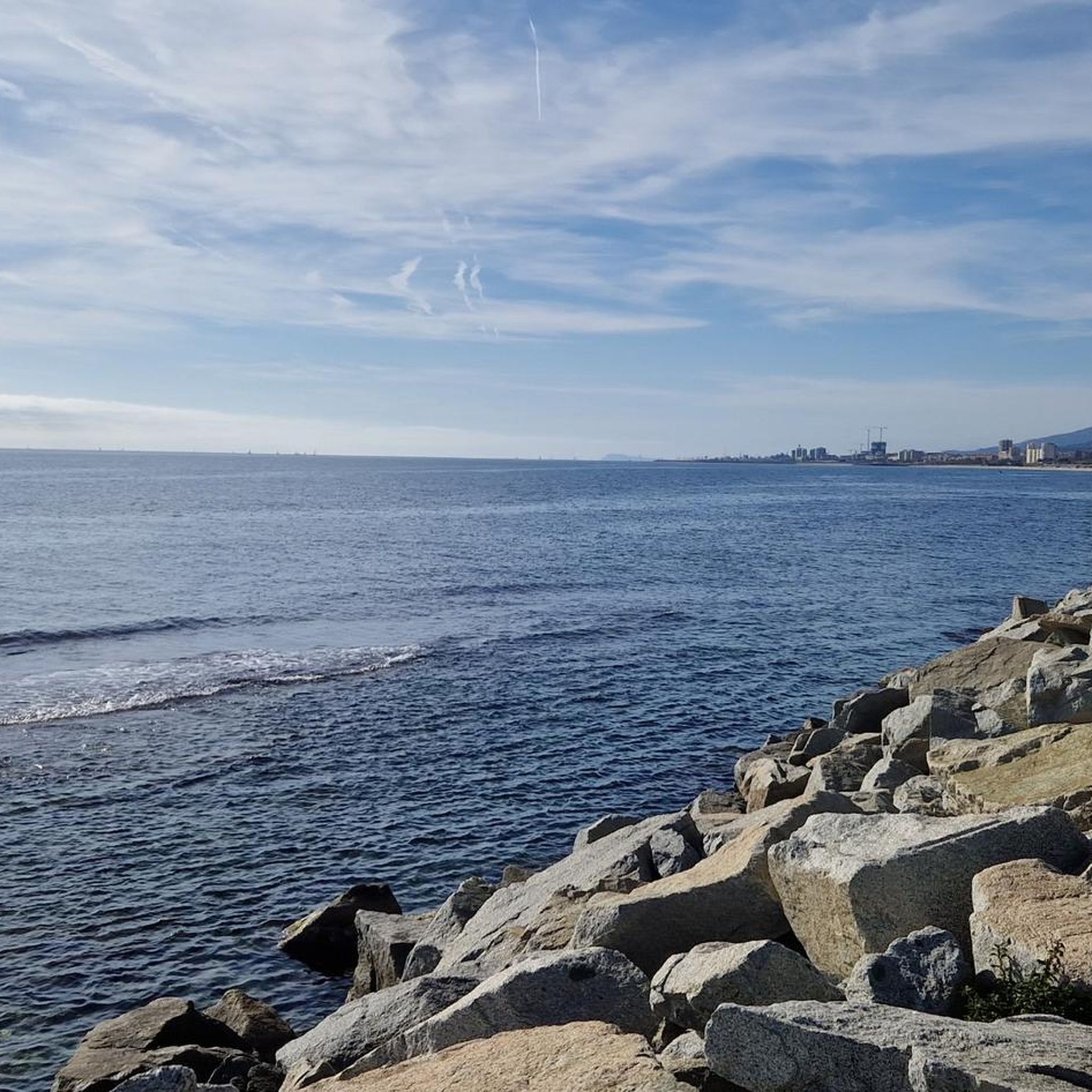
Great views over the hills towards Llavaneres and the coast.
0
0
Frequently Asked Questions
What kind of terrain can I expect on touring cycling routes around Sant Andreu de Llavaneres?
The region offers a diverse mix of terrain. You'll find mostly paved surfaces along the beautiful Mediterranean coastline, perfect for relaxed rides. Inland, routes ascend into the Montalt massif and coastal mountains, featuring extensive pine and oak forests, where you might encounter some unpaved and more challenging segments. This variety allows for different experiences depending on your fitness level and preference.
Are there any easy touring cycling routes suitable for beginners in Sant Andreu de Llavaneres?
Yes, there is at least one easy touring cycling route available. While many routes offer moderate to difficult challenges, you can find options that cater to beginners looking for a more relaxed ride. These routes often stick to the flatter coastal areas or less steep inland paths.
What are some notable landmarks or viewpoints I can see while cycling in the area?
The area is rich in natural and historical landmarks. You can cycle towards the Corredor Sanctuary, a significant point in the Montnegre i el Corredor Natural Park. Other notable spots include the Montalt Hill, offering rewarding views over the coast, and the ruins near Cerro de Llorita. The La Torrassa del Moro is another interesting historical site.
How many touring cycling routes are available in Sant Andreu de Llavaneres?
There are 10 touring cycling routes available around Sant Andreu de Llavaneres. These routes vary in difficulty, with 1 easy, 3 moderate, and 6 difficult options, ensuring there's something for every skill level.
What do other touring cyclists say about the routes in Sant Andreu de Llavaneres?
The touring cycling routes in Sant Andreu de Llavaneres are highly regarded by the komoot community, with an average rating of 4.3 stars from over 170 reviews. Cyclists often praise the stunning combination of coastal views and challenging mountain ascents through pine-scented forests, as well as the diverse terrain that keeps rides interesting.
Are there any long-distance touring cycling routes in Sant Andreu de Llavaneres?
Yes, for those seeking a longer challenge, the Balí Beach – Pla de Forn loop from Sant Andreu de Llavaneres is a significant option. This difficult route spans 92.4 km (57.4 miles) and typically takes around 7 hours to complete, leading through coastal areas and inland hills with substantial elevation gain.
Can I find circular touring cycling routes in the area?
Many of the touring cycling routes around Sant Andreu de Llavaneres are designed as loops, allowing you to start and finish in the same location. Examples include the Rupit Cross – Creu de Rupit loop and the Hermitage of Saint Sebastian loop, both offering scenic circular journeys.
What is the best time of year to go touring cycling in Sant Andreu de Llavaneres?
Sant Andreu de Llavaneres benefits from a Mediterranean climate. Spring and autumn generally offer the most pleasant conditions for touring cycling, with mild temperatures and less intense sun than summer. Winter can also be suitable, though cooler, while summer might be hot, especially for inland climbs, making early morning or late afternoon rides preferable.
Are there any bike rental services available in Sant Andreu de Llavaneres?
Yes, Sant Andreu de Llavaneres is well-equipped for cyclists. Services like bike rentals, repairs, and accessories are available at local establishments such as Can Sala Bikes, making it convenient for visitors who don't bring their own equipment.
What kind of elevation gain can I expect on the more challenging routes?
The more challenging routes in Sant Andreu de Llavaneres can feature significant elevation gains. For instance, the Corredor Sanctuary – Pla de Forn loop involves over 1000 meters (3280 feet) of ascent, while the Ice Well of Canyamars – Santuario del Corredor loop also presents a similar climb, offering a rewarding workout for advanced cyclists.
Are there options for family-friendly touring cycling in Sant Andreu de Llavaneres?
While specific family-friendly routes are not explicitly detailed, the presence of easy and moderate routes suggests options for families. The flatter coastal paths and less strenuous loops, such as the Hermitage of Saint Sebastian loop, which is moderate in difficulty and shorter in distance, could be suitable for families looking for a pleasant ride without extreme challenges.
Most popular routes around Sant Andreu De Llavaneres
Most popular attractions around Sant Andreu De Llavaneres

Get inspired with the komoot mobile app


Explore more
Browse the best Cycling routes in other regions.
