The best walks and hikes around Bournens
4.4
(482)
3,569
hikers
234
hikes
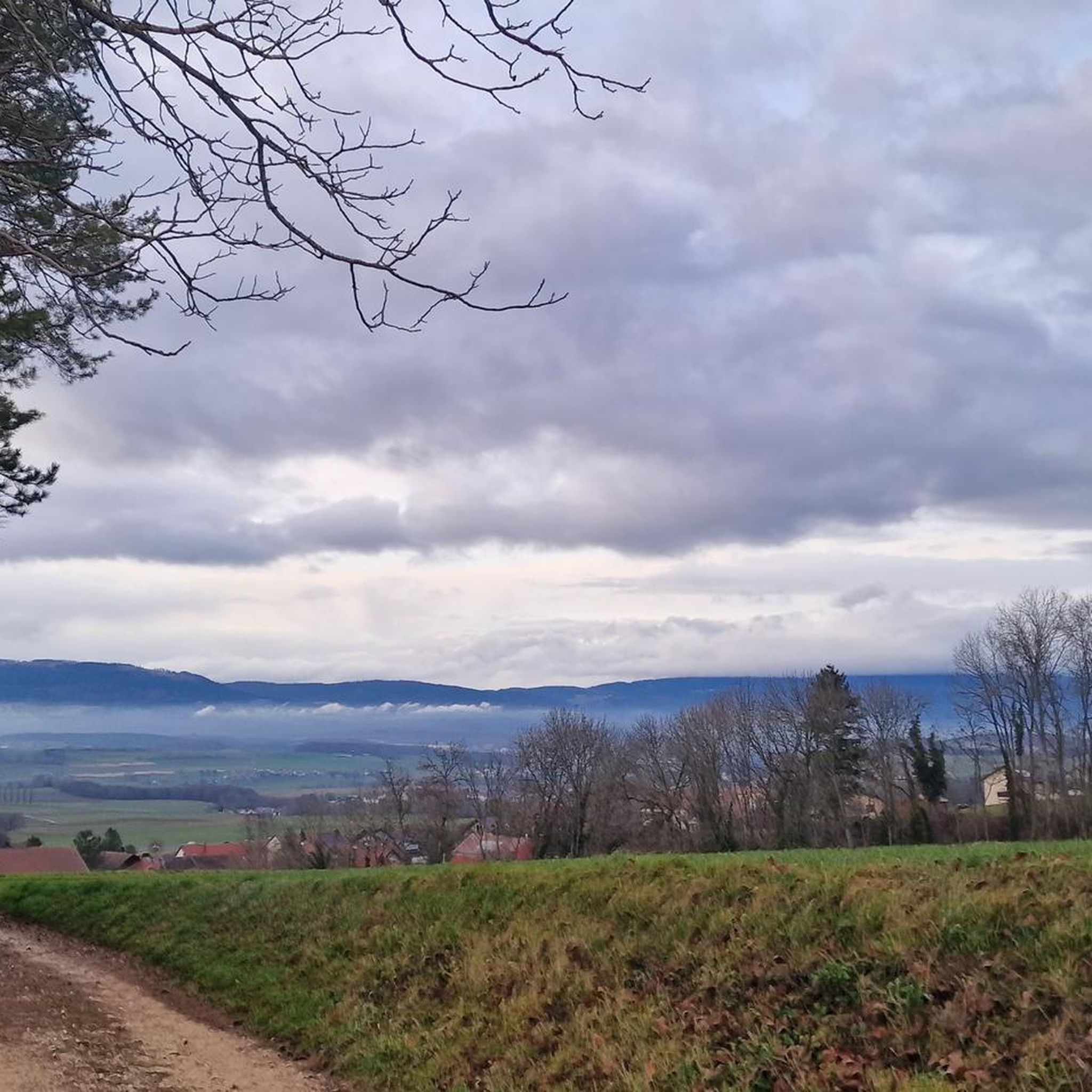
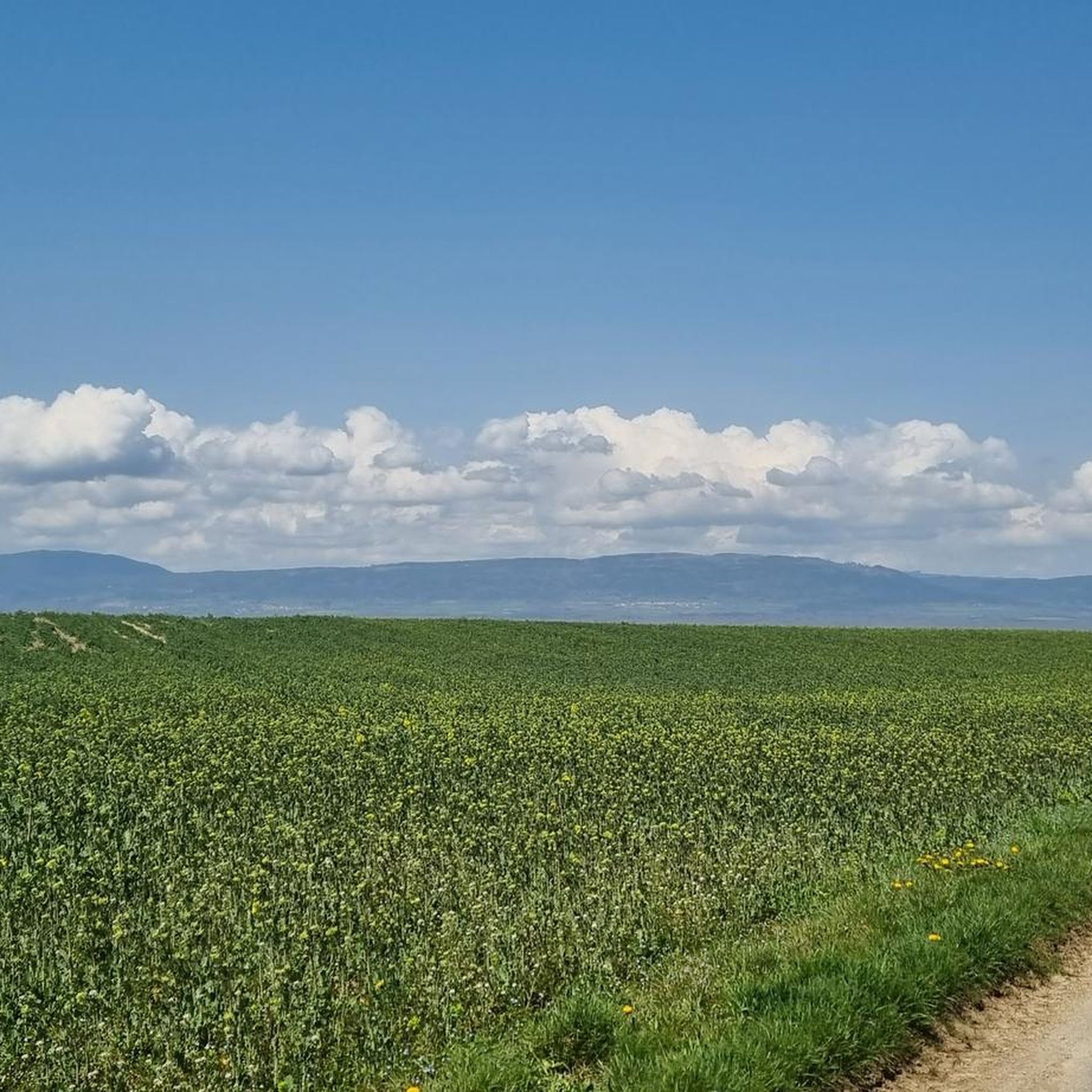
Hiking around Bournens offers access to the diverse landscapes of Switzerland's Gros-de-Vaud District. The region features a blend of wooded areas, pastoral scenes, and expansive vineyards, with views extending towards the Jura Mountains. Terrain varies from gentle paths through agricultural lands to more undulating routes in forested sections. This area provides a rich natural environment for outdoor activities.
Best hiking trails around Bournens
- The most popular hiking route is Countryside Road Near Vuarrens loop from Cossonay-Ville, a 4.0 miles…
Last updated: October 10, 2026
5.0
(1)
6
hikers
4.78km
01:15
40m
40m
Easy hike. Great for any fitness level. Easily-accessible paths. Suitable for all skill levels.
4.5
(2)
10
hikers
5.43km
01:26
50m
50m
Easy hike. Great for any fitness level. Easily-accessible paths. Suitable for all skill levels.

4.5
(2)
10
hikers
6.62km
01:47
80m
80m
Easy hike. Great for any fitness level. Easily-accessible paths. Suitable for all skill levels.
5.0
(1)
3
hikers
29.0km
07:45
330m
330m
Hard hike. Very good fitness required. Easily-accessible paths. Suitable for all skill levels.
4
hikers
8.80km
02:22
110m
110m
Moderate hike. Good fitness required. Easily-accessible paths. Suitable for all skill levels.
Get access to more routes and recommendations from other explorers.
Already have an account?
Our route recommendations are based on thousands of hikes, rides, and runs completed by other people on komoot.
Start today with a free account
Your next adventure awaits.

Tips from the Community

very interesting castle with a highly interesting history
0
0

Small and fine. The château has a cozy garden area, which offers a great view of the carrion towards the Alps at the back of the castle. At the entrance there is a restaurant, which has seating outside on the terrace when the weather is nice. The "Musée du Chaval" is housed in the neighboring barn of the castle. Danger. The premises of the château, as well as the respective exhibitions, are not always open. It is important to note the opening hours on the website. We were there on a Monday and couldn't visit the castle and museum.
2
0

The Cinémathèque is a cinema museum. It includes not only Swiss films, but everything that has to do with the art of film. 70,000 film copies are stored in the research and archiving center in Penthaz. That's over 600,000 reels of film or 160 million meters of photographic film - three times the circumference of the earth! The Cinémathèque suisse preserves digital and electronic media (computer files and video recordings) and photochemical images (on celluloid). As in many other film archives, the catalog of film holdings is not open to the public. The Cinémathèque suisse fulfills specific requests for screening or film distribution, but the catalog may only be consulted internally. All members of the International Association of Film Archives (FIAF) proceed in this way and comply with the confidentiality clauses and the legal requirements. Source: https://www.cinematheque.ch/d/bestaende/das-filmarchiv-der-cinematheque/
1
0
The castle may have been built as early as the 12th century by the Lords of Grandson. The Savoyard Lords of Montferrand-La Sarra achieved great prestige. In 1475, the Bernese destroyed the castle during the Burgundian Wars. Barthélemy of Montferrand-La Sarra was the last of his family to die and left La Sarraz to his nephew Michel Mangerot. During the conquest of Vaud by the Bernese, the fortress was destroyed again in 1536. In 1542, François de Gingins acquired the Lordship of La Sarraz. The Gingins family remained in possession of the castle until 1901. Hélène de Mandrot (1867–1948) organized the first congress for modern architecture in 1928 and the first congress for independent film in 1929. The castle experienced a heyday at the beginning of the 20th century. Personalities such as Eisenstein, Max Ernst, Alfred Roth and Le Corbusier were among the guests at the castle. After the death of Hélène de Mandrot-Revilliod, the castle and its important furnishings (furniture, crockery, weapons, library) became the property of the Société des amis du Château de La Sarraz. The Musée Romand was opened in 1922. In 1972, Switzerland was the last country in Europe to maintain mounted combat units. Despite the population's commitment to preserving Swiss cavalry, it was abolished in 1972. Shortly afterwards, the plan was made to establish a Swiss horse museum, which was implemented in 1978. In 1982, the Musée du cheval was opened in a former barn in the castle of La Sarraz. There is a permanent exhibition and a temporary exhibition as well as events such as the "Horse Festival", which takes place in August in the courtyard and in the castle park. In 1984, the museum was awarded Special Commendations by the European Museum Forum. Source: Wikipedia
2
0

let yourself be lulled by this little corner
2
0

Nice view of the Alps from a quiet path that goes to the Mormont
1
0
Nice castle with a museum, garden and concert in the garden in summer.
1
0
Frequently Asked Questions
How many hiking trails are available around Bournens?
The Bournens area offers a wide selection of routes, with over 240 hiking trails recorded on komoot. This includes a diverse range of options, from leisurely strolls to more challenging long-distance routes.
What kind of landscapes can I expect to see while hiking near Bournens?
Hiking around Bournens provides a varied landscape experience. You'll encounter a blend of agricultural fields, dense woodlands, and serene pastoral scenes. Many routes offer scenic views of the Jura Mountains and expansive vineyards, characteristic of the Gros-de-Vaud District.
Are there easy hiking trails suitable for beginners or families in the Bournens area?
Yes, Bournens is well-suited for beginners and families, with over 130 easy routes available. An excellent option for a peaceful walk is the Cheseaux Woods loop from Sullens, which leads through tranquil wooded areas.
Are there any longer or more challenging hiking routes around Bournens?
For those seeking a more challenging experience, there are several longer routes. One notable option is the View of Mont Blanc – Château de La Sarraz loop from Cossonay-Ville, a difficult 17.9-mile (28.8 km) trail that takes you through varied landscapes with distant mountain views.
What is the best time of year to go hiking in Bournens?
The natural surroundings around Bournens transform with the seasons, offering unique beauty throughout the year. Spring and summer bring vibrant green landscapes and blooming flowers, while autumn showcases striking fall foliage. The trails are generally accessible and well-maintained, making hiking enjoyable across multiple seasons.
What attractions or landmarks can I see along the hiking trails near Bournens?
The region around Bournens is rich in cultural and historical sites. Hikers can discover charming villages and historical landmarks. Notable attractions include the impressive La Sarraz Castle and the historic Château Saint-Maire. You might also encounter the Soldiers' Fountain.
Are there circular hiking routes available in the Bournens area?
Yes, many of the trails around Bournens are designed as circular routes, offering convenient starting and ending points. For example, the Hiking loop from Penthaz is an easy circular trail that allows you to explore the local scenery without retracing your steps.
Is public transport available to reach hiking trailheads near Bournens?
Yes, the trails within the Gros-de-Vaud District are generally well-marked and accessible, with many offering convenient connections to public transportation. This makes it easier for visitors to reach various trailheads without needing a car.
What do other hikers enjoy most about hiking in Bournens?
The area is highly rated by the komoot community, with an average score of 4.4 stars from over 400 reviews. Hikers often praise the blend of agricultural fields, dense woodlands, and scenic views of the Jura Mountains and vineyards, as well as the well-maintained and diverse network of paths.
Are there any shelters or places to rest along the hiking routes?
Yes, the region offers several shelters and huts that can provide a place to rest or take a break during your hike. Examples include the Bois de la Côte Shelter and the Refuge de la Créttaz (Dizy). Some even offer opportunities for a meal, like the Chalet-des-Enfants Inn.
Are the hiking trails around Bournens dog-friendly?
While specific regulations can vary, many trails in the Gros-de-Vaud District are generally suitable for dogs, especially those traversing wooded and pastoral landscapes. It's always recommended to keep dogs on a leash and respect local signage, particularly in agricultural areas or near livestock.
What is the typical terrain like on Bournens hiking trails?
The terrain around Bournens is quite diverse. You can expect a mix of gentle paths through agricultural lands, quiet roads, and more undulating routes in forested sections. This variety ensures options for different preferences and fitness levels.
Are there good viewpoints along the hiking trails near Bournens?
Yes, many routes in the region offer excellent viewpoints. Hikers can enjoy stunning vistas of the Jura Mountains and expansive vineyards. Longer routes, such as the View of Mont Blanc – Château de La Sarraz loop from Cossonay-Ville, are known for their distant mountain views.
Most popular attractions around Bournens

Get inspired with the komoot mobile app


Explore more
Browse the best Hikes in other regions.
