Attractions and Places To See around Deià - Top 20
Best attractions and places to see around Deià, a village situated in the Serra de Tramuntana mountains on Mallorca's northwest coast. This area is known for its natural beauty, cultural richness, and artistic heritage. Visitors can explore a variety of natural features, historical sites, and charming settlements. The region offers diverse experiences, from coastal coves to mountain trails.
Best attractions and places to see around Deià
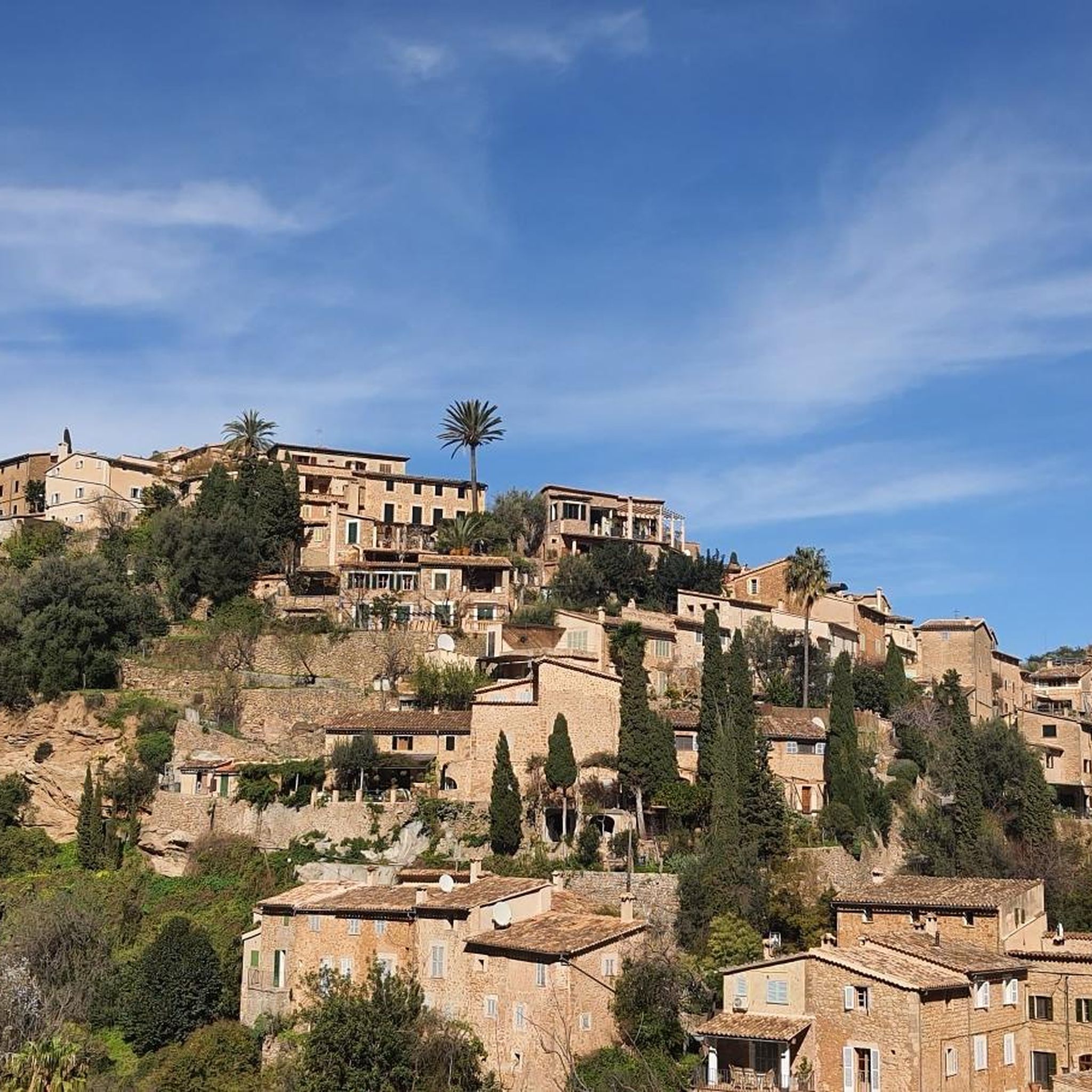
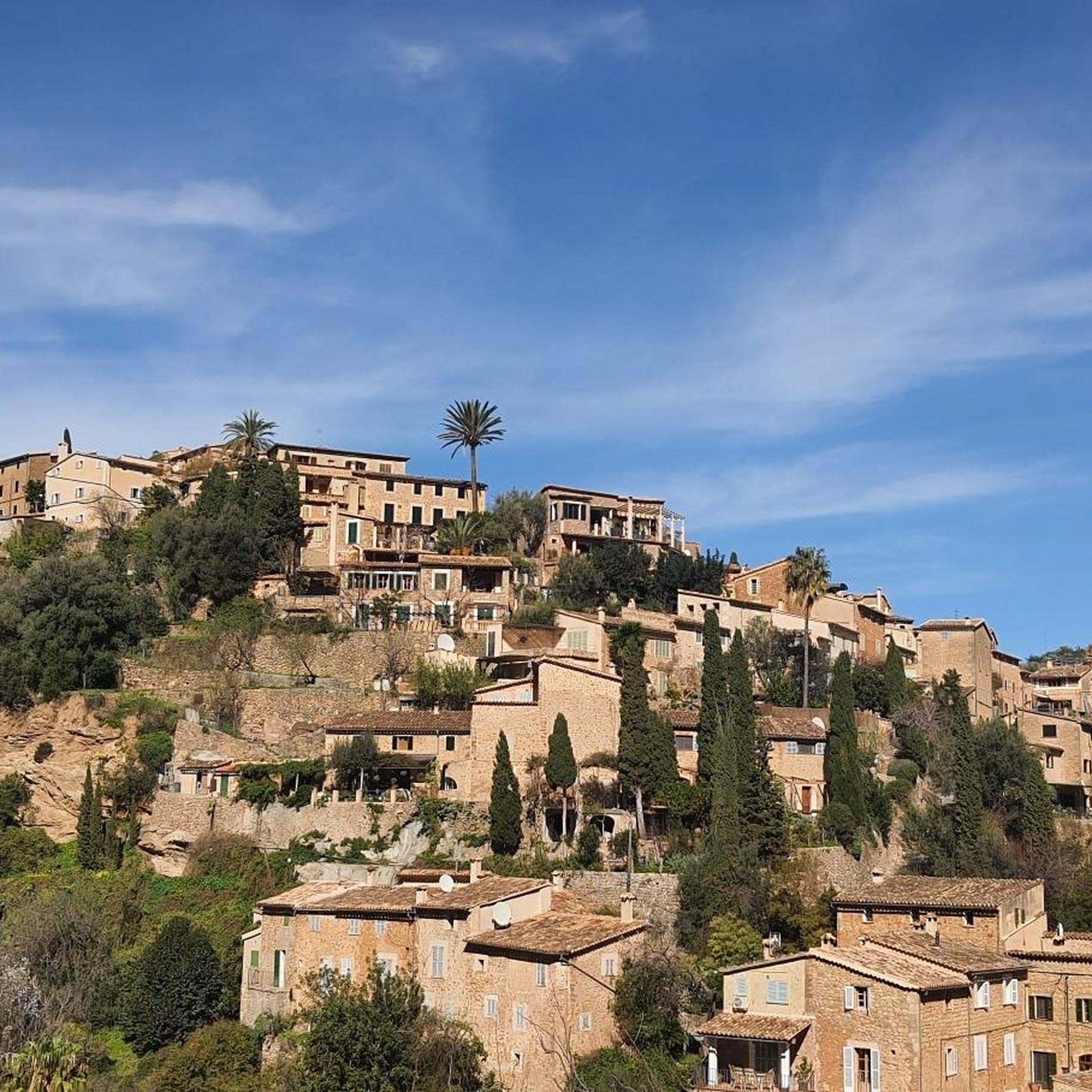
- The most popular attractions is Fornalutx Village, a settlement that has been recognized as one of the most beautiful villages in Mallorca. It offers views of the Tramuntana mountain landscape.
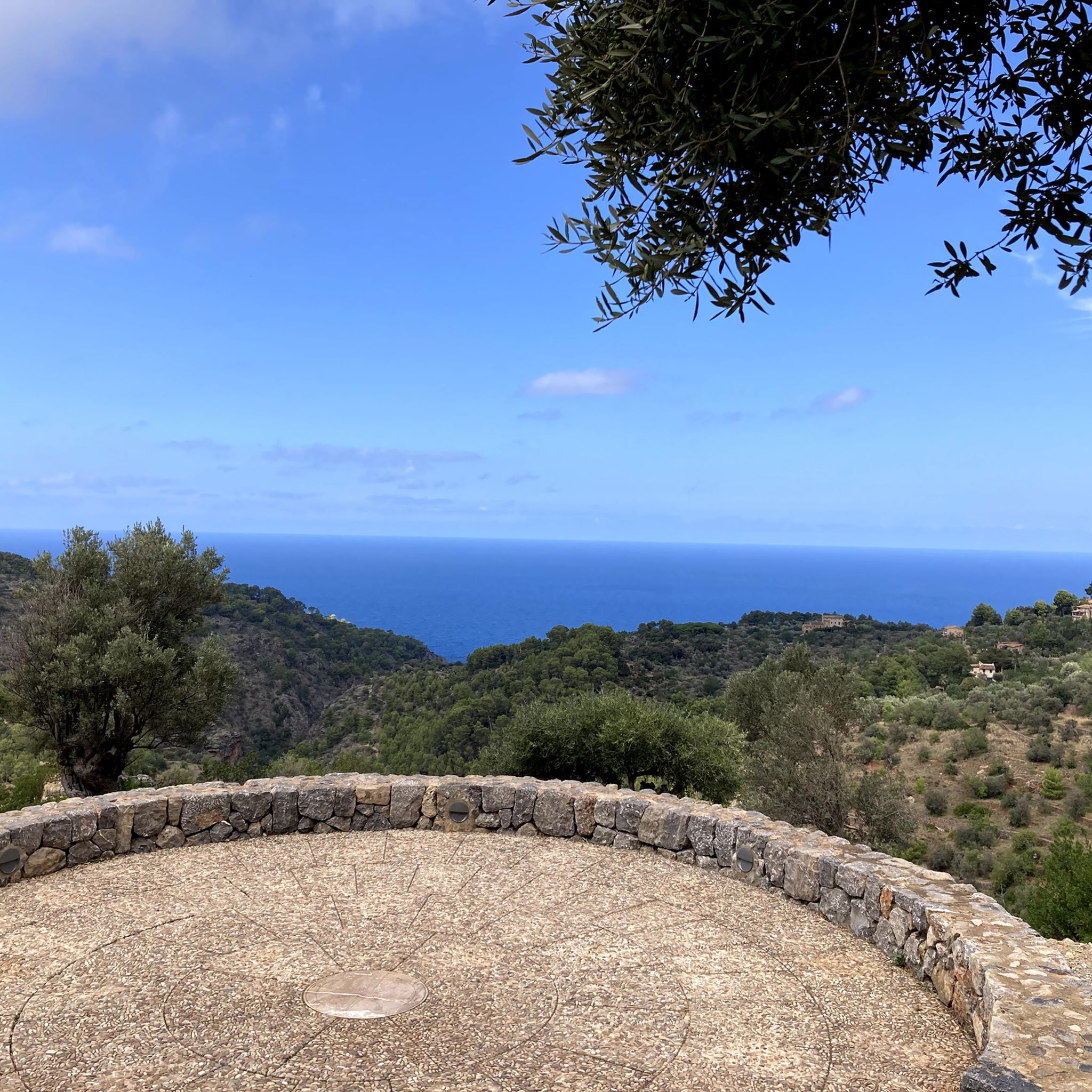
- Another must-see spot is View of Port de Sóller Bay and Lighthouse, a viewpoint. This location provides a view of the bay of Port de Sóller.
- Visitors also love Old Olive Tree, a natural monument. These centuries-old olive trees in the Tramuntana region are notable for their unique shapes and historical significance in the area.
- Deià is known for its settlements, natural monuments, and viewpoints. The area offers a variety of attractions to see and explore, including historical sites and trails.
- The attractions around Deià are appreciated by the komoot community, with more than 2500 upvotes and more than 1300 photos shared.
Last updated: June 22, 2026
Constitution Square and Sant Bartomeu Church, Sóller
Highlight • Settlement
The beautifully renovated modernist building Can Prunera in Sóller houses a beautiful permanent exhibition (including Kandinksy, Picasso, Warhol, as well as local artists Miquel Barceló and Francesca Martí), as well as temporary exhibitions. The Balearic Museum of Natural Sciences (Museu Balear de Ciències Naturals) and the Jardí Botànic, a garden with many different endemic plants, are just a few minutes' walk from the town center on the road towards the port.
Translated by Google •
Tip by

Fornalutx Village
Highlight • Settlement
Translated by Google •
Tip by

Sign up now to discover places like this
Get recommendations on the best single tracks, peaks, & plenty of other exciting outdoor places.
Sign up for free
View of Port de Sóller Bay and Lighthouse
Highlight • Viewpoint
Translated by Google •
Tip by

Old Olive Tree
Highlight • Natural Monument
Translated by Google •
Tip by

Biniaraix
Highlight • Settlement
Tourist not crowded, but there seems to be some cottages here. The rental cars in the driveways speak for it.
Translated by Google •
Tip by

Sign up for free to discover even more attractions around Deià.
Sign up for free
Already have an account?
Start today with a free account
Your next adventure awaits.
Login or Signup
Popular around Deià
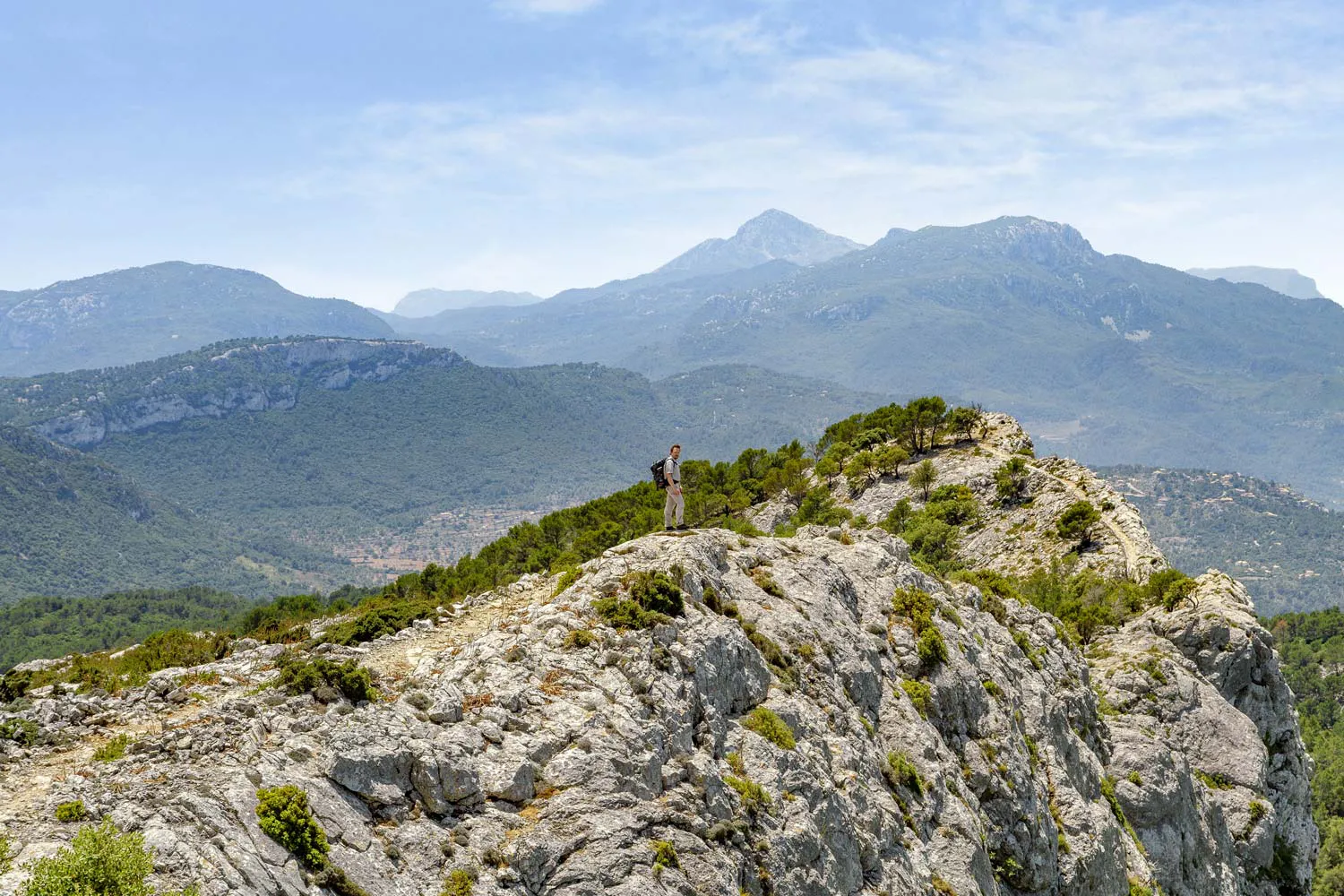
Stoney paths through the Tramuntana Mountains – Ruta de Pedra en Sec (GR221)
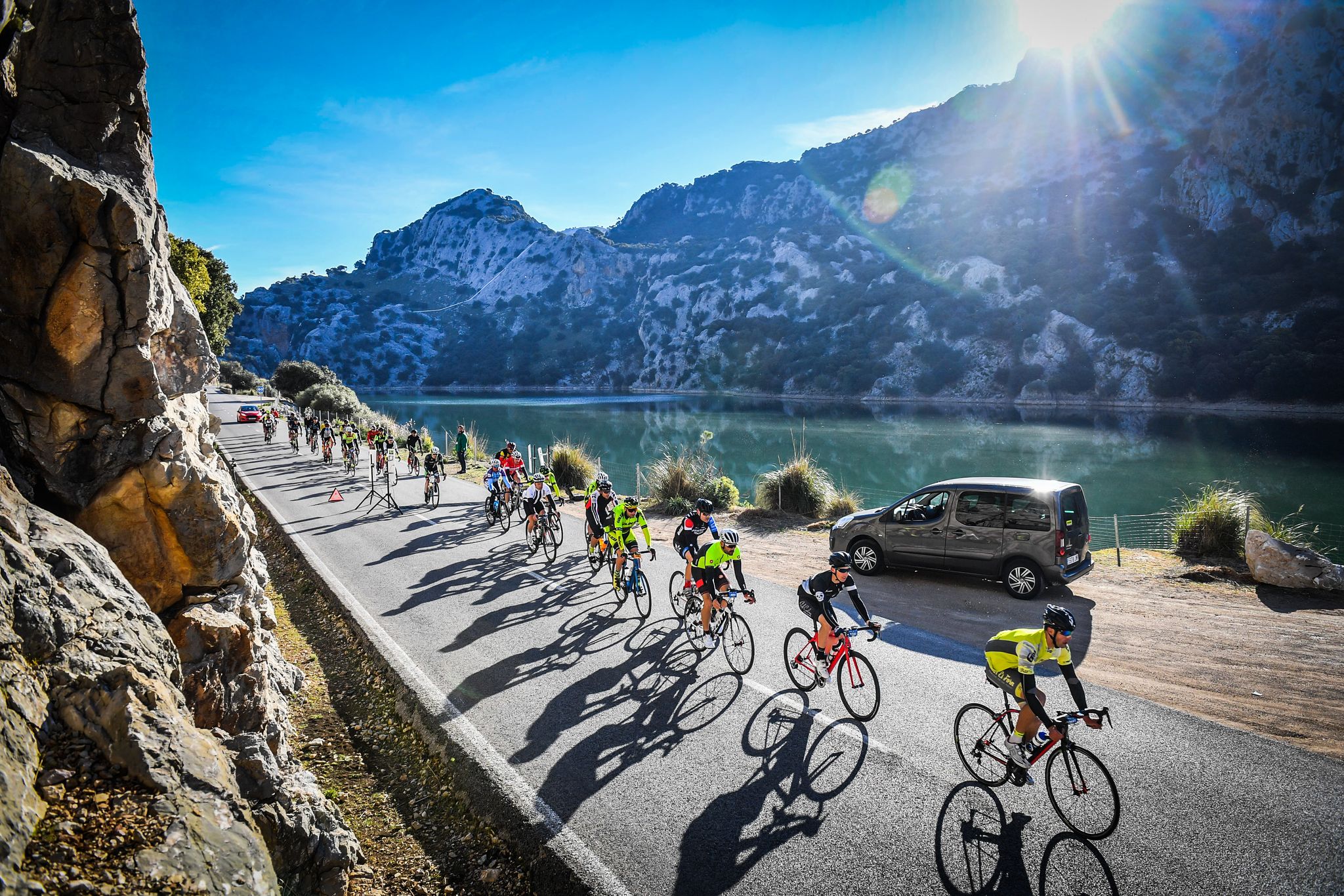
Road rides to beaches and summits – Mallorca 312
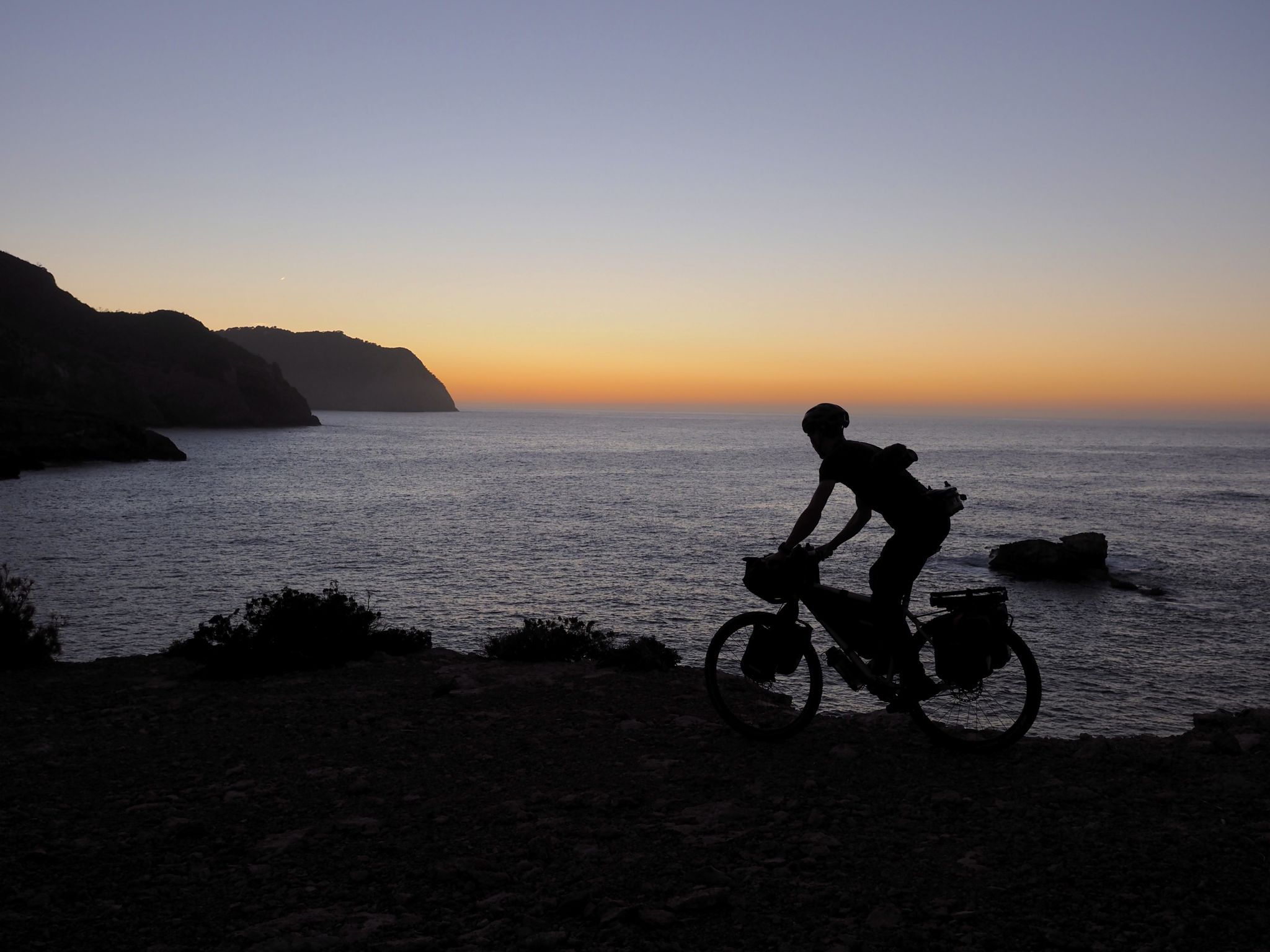
Island hopping in the Spanish Balearic Islands — the TransBaleares
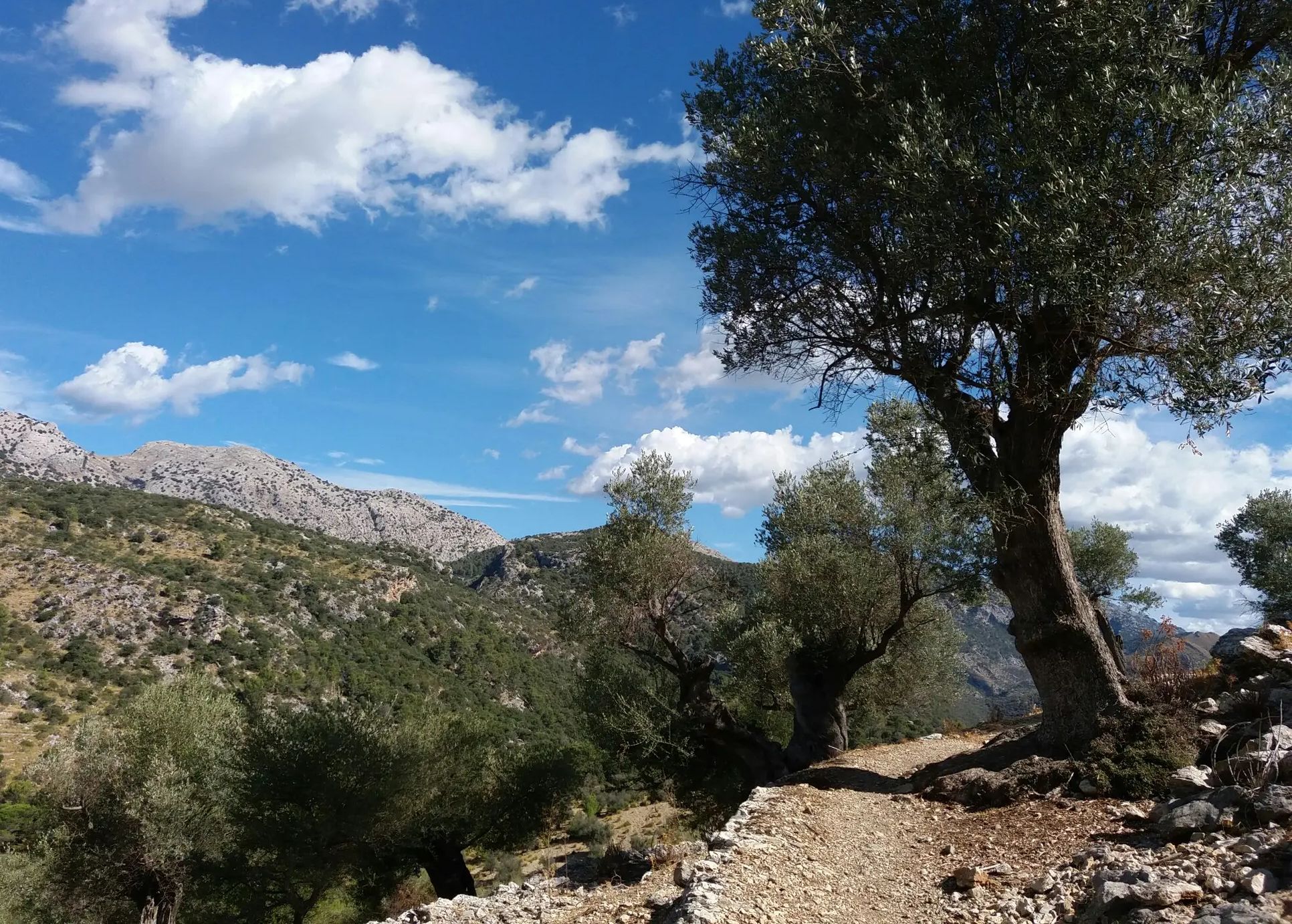
Mallorca with a difference — rocky peaks and lonely coastal paths
Hiking around Deià
Road Cycling Routes around Deià
Cycling around Deià
Running Trails around Deià
MTB Trails around Deià
Mountain Hikes around Deià
Other adventures around Deià


Tips from the Community

Biniaraix is a pretty Mallorcan village not far from Soller. Apart from the village square, there is not much to discover here. From here you can hike up the Barranc de Biniaraix gorge to the Cuber reservoir
2
0

The entrance fee is now €2 for the church or €3 for the church and the small museum. The entrance fee is worth it (and is really cheap compared to the cathedral in Palma), as the interior of the parish church is simply beautiful.
8
1

Biniaraix is a typical Mediterranean farming village. The town center and the church of Biniaraix are particularly worth seeing. Both have been declared cultural assets (Bien de Interés Cultural) in the category of historic building ensemble (Conjunto histórico). The town is not overrun by tourists and is considered a gem and one of the most tranquil places on Mallorca. If you go hiking, you will find places to stop for a bite to eat in the small town center. It is better not to go there on the weekend, because then there are a few tourists as well as locals and the restaurants can be full at lunchtime.
2
0

The Iglesia de Sant Bartomeu is a baroque masterpiece in the middle of the mountains. The delicately designed but huge façade of the parish church towers over the main square, Plaza de Constitució, with its small shops, restaurants and cafés. The current church was built in the baroque and late neo-Gothic style at the end of the 17th century over a previous church. The only evidence of the first building are the remains of the fortress walls with loopholes at the side entrance to the church, which were built around them to protect against Turkish pirates. Even today, the historic festival of Moros y Cristianos (Moors and Christians, also known as Es Firó de Sóller) is celebrated every May 11th to commemorate the defense against the pirates.
6
0

The current Church of Sóller is an impressive building with an interesting history, both architecturally and culturally important. The founder of the first church in Sóller was the provost of Tarragona, Ferrer de Sant Martí. Over the years, the church has been remodeled and expanded several times after being damaged by looting and attacks. Today the church presents itself as an imposing building that captivates visitors with its fascinating history.
14
0
The centuries-old olive trees in Mallorca, especially in the Tramuntana, were introduced by the Phoenicians a thousand years ago. The Romans expanded cultivation, and the Arabs later developed oil extraction. For a long time, the farmers in the Tramuntana lived off the "gold of the Sierra". Even the steepest slopes were terraced in order to use them for olive cultivation. The olive tree ensures its longevity through the bizarre shapes it assumes over time and is one of the longest-lived trees of all. Even at the age of several 100 years, it still bears fruit.
12
1
Sóller is a picturesque town in the northwest of Mallorca, known for its idyllic orange and lemon plantations, traditional architecture and beautiful surroundings. The town itself is surrounded by high mountains and lies in a fertile valley, valued for its lush vegetation and mild climate. The old town of Sóller is characterized by narrow streets, small squares and charming Art Nouveau buildings, which give the town a unique atmosphere. Particularly worth seeing are the Plaza de la Constitución, the central square of Sóller, and the church of Sant Bartomeu with its striking bell tower. One of the most famous sights in Sóller is the historic railway that connects the town with the capital Palma. The train ride takes you through breathtaking landscapes, past deep gorges, idyllic villages and majestic mountains and offers an unforgettable view of the beauty of Mallorca. Sóller is also an excellent base for outdoor activities such as hiking, cycling or climbing. The surrounding mountains and valleys are a paradise for nature lovers and adventurers who want to be enchanted by the beauty of the landscape. Overall, Sóller is a wonderful place for a relaxing holiday that has a lot to offer both culturally and scenically. The relaxed atmosphere, delicious cuisine and friendly residents make a visit to this charming town an unforgettable experience.
13
3

Frequently Asked Questions
What historical and cultural sites can I explore in Deià?
Deià offers a rich array of historical and cultural sites. You can visit the Constitution Square and Sant Bartomeu Church in Sóller, an impressive building with a long history. The former home of poet Robert Graves, now the Robert Graves House Museum, provides insight into his life and work. The 14th-century Church of Sant Joan Baptista, perched at the village's highest point, offers panoramic views and is next to one of Spain's most beautiful cemeteries. Additionally, the Son Marroig estate, once Archduke Ludwig Salvator's residence, houses a museum and offers breathtaking views from its marble temple.
Are there any notable natural features or viewpoints around Deià?
Absolutely. The region is renowned for its natural beauty. You can visit the Old Olive Tree, where centuries-old olive trees in the Tramuntana region display unique shapes and historical significance. The View of Port de Sóller Bay and Lighthouse offers a spectacular vista of the bay. Don't miss Sa Foradada, a picturesque peninsula known for its dramatic sunsets, especially from the Mirador de Sa Foradada restaurant. Various panoramic viewpoints throughout Deià also provide stunning perspectives of the village, olive groves, and mountains.
What are some charming villages to visit near Deià?
Beyond Deià itself, you can explore other picturesque settlements. Fornalutx Village has been recognized as one of the most beautiful villages in Mallorca, offering wonderful views of the Tramuntana mountain landscape. Another charming spot is Biniaraix, known for its narrow streets and as part of the famous GR 221 hiking trail.
Where can I find art and culture in Deià?
Deià is known as a 'village of artists.' You can stroll through its cobbled streets to discover small galleries and craft shops. Several art galleries, such as Sa Tafona, Gres Gallery, and Holló Manuella Andrada, showcase local artwork. Even the luxurious Belmond La Residencia hotel features over 750 works from local artists, and visitors can enjoy its ambiance at Café Miró or the bar.
Are there good hiking opportunities around Deià?
Yes, Deià is an excellent base for hiking, situated within the UNESCO World Heritage Serra de Tramuntana mountains. Trails lead through olive groves, terraced mountainsides, and citrus orchards, offering dramatic Mediterranean vistas. The GR 221 route, also known as the 'dry stone route,' passes through Deià. For more detailed routes, you can explore the Hiking around Deià guide, which includes moderate trails like the 'Rotlo Gros viewpoint – View of Sa Foradada loop' and the 'Deià Cove – Ancient Olive Grove loop'.
What kind of outdoor activities can I do near Deià, besides hiking?
Beyond hiking, Deià offers various outdoor activities. You can find numerous Road Cycling Routes around Deià, including challenging climbs to Puig Major or moderate loops like 'Deià – Coll d'en Claret Pass'. There are also several Running Trails around Deià, such as the 'View of Cala Deià – Torrent Major Trail loop'. For swimming, Cala Deià is a popular pebble cove, and Es Canyeret (Llucalcari Beach) is a lesser-known spot with natural mud.
Where can I go for swimming or enjoy the coast near Deià?
For coastal enjoyment, head to Cala Deià, a small, rugged pebble cove with azure waters, about a 30-minute walk from the village center. It's perfect for swimming and snorkeling, with waterside restaurants. Another option is Es Canyeret (Llucalcari Beach), a lesser-known cove about two miles away, accessible by foot or boat, featuring rocks, natural mud, and Mediterranean vegetation.
Are there any family-friendly attractions in the Deià area?
Yes, several attractions are suitable for families. Exploring the charming streets of Fornalutx Village is a delightful experience for all ages. The Constitution Square in Sóller, with its cafes and the tram passing through, is also a lively spot. The Robert Graves House Museum and the Deià Archaeological Museum offer educational insights into history and culture that can engage older children.
What do visitors enjoy most about the attractions around Deià?
Visitors particularly appreciate the stunning views, the historical significance of the sites, and the unique charm of the villages. For instance, Fornalutx Village is often cited as one of Mallorca's most beautiful places, offering wonderful views and a pleasant atmosphere. The centuries-old olive trees are noted for their strange shapes and historical value, while the view of Port de Sóller Bay is consistently described as spectacular.
Can I learn about the local history and archaeology in Deià?
Yes, the Deià Archaeological Museum and Research Centre, housed in a converted 17th-century flour mill, showcases the island's origins with items like flint tools and pottery. It also includes remains of the extinct *Myotragus balearicus*, offering a fascinating glimpse into the region's ancient past.
Is it possible to see the famous GR 221 hiking route near Deià?
Yes, Deià is located directly on the GR 221 route, also known as the 'dry stone route,' which traverses the Serra de Tramuntana mountains. Part of this well-known hiking trail leads through the visually impressive Barranc de Biniaraix, offering a challenging and scenic experience. You can find more information on routes in the Hiking around Deià guide.
Most popular routes around Deià
Most popular attractions around Deià

Get inspired with the komoot mobile app


Explore more
Still not found the Highlight you’re looking for? See guides of the top attractions in other regions:
