Top 14 Mountain Passes around Gistaín
Best mountain passes around Gistaín are found in the Chistau Valley, a region within the Aragonese Pyrenees. This area is characterized by high mountain landscapes, traditional villages, and numerous mountain lakes. The passes connect Gistaín with surrounding areas, offering routes for hiking and trekking. The valley's geography provides diverse terrain for exploration.
Best mountain passes around Gistaín
- The most popular mountain passes is Col de Val Louron-Azet, a mountain pass that connects the village of Loudenvielle and Azet. This…
Last updated: June 26, 2026
Col de Val Louron-Azet
Highlight • Mountain Pass
Translated by Google •
Tip by

Collado de Sahún
Highlight • Mountain Pass
Translated by Google •
Tip by

Sign up now to discover places like this
Get recommendations on the best single tracks, peaks, & plenty of other exciting outdoor places.
Sign up for free
Ascent of Col d'Azet / Val Louron from Génos
Highlight (Segment) • Climb
Translated by Google •
Tip by

Esquierry Pass
Highlight • Mountain Pass
Tour to the highlight: komoot.de/tour/340617536?ref=itd
Translated by Google •
Tip by

Chistau Pass
Highlight • Mountain Pass
Translated by Google •
Tip by

Sign up for free to discover even more mountain passes around Gistaín.
Sign up for free
Already have an account?
Start today with a free account
Your next adventure awaits.
Login or Signup
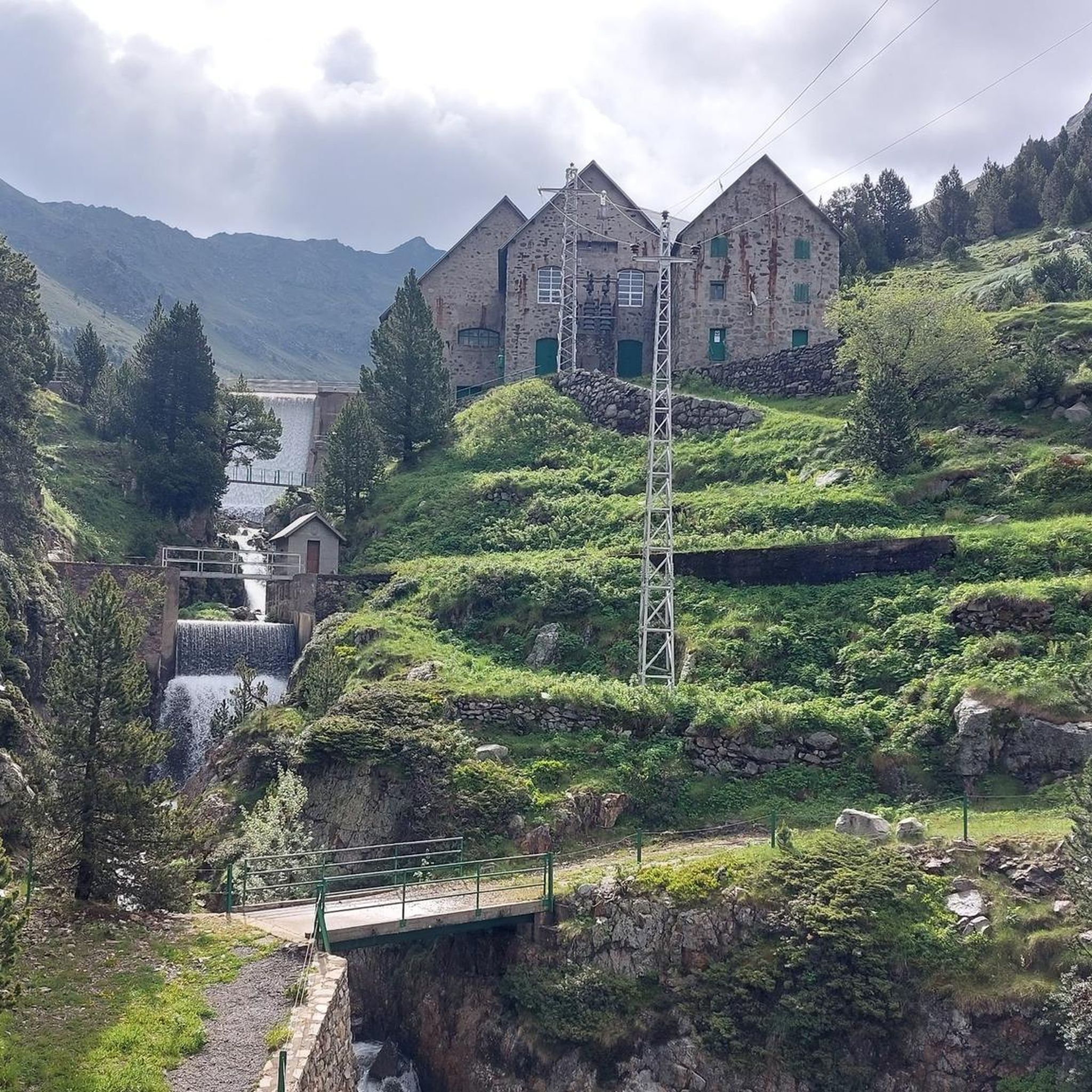
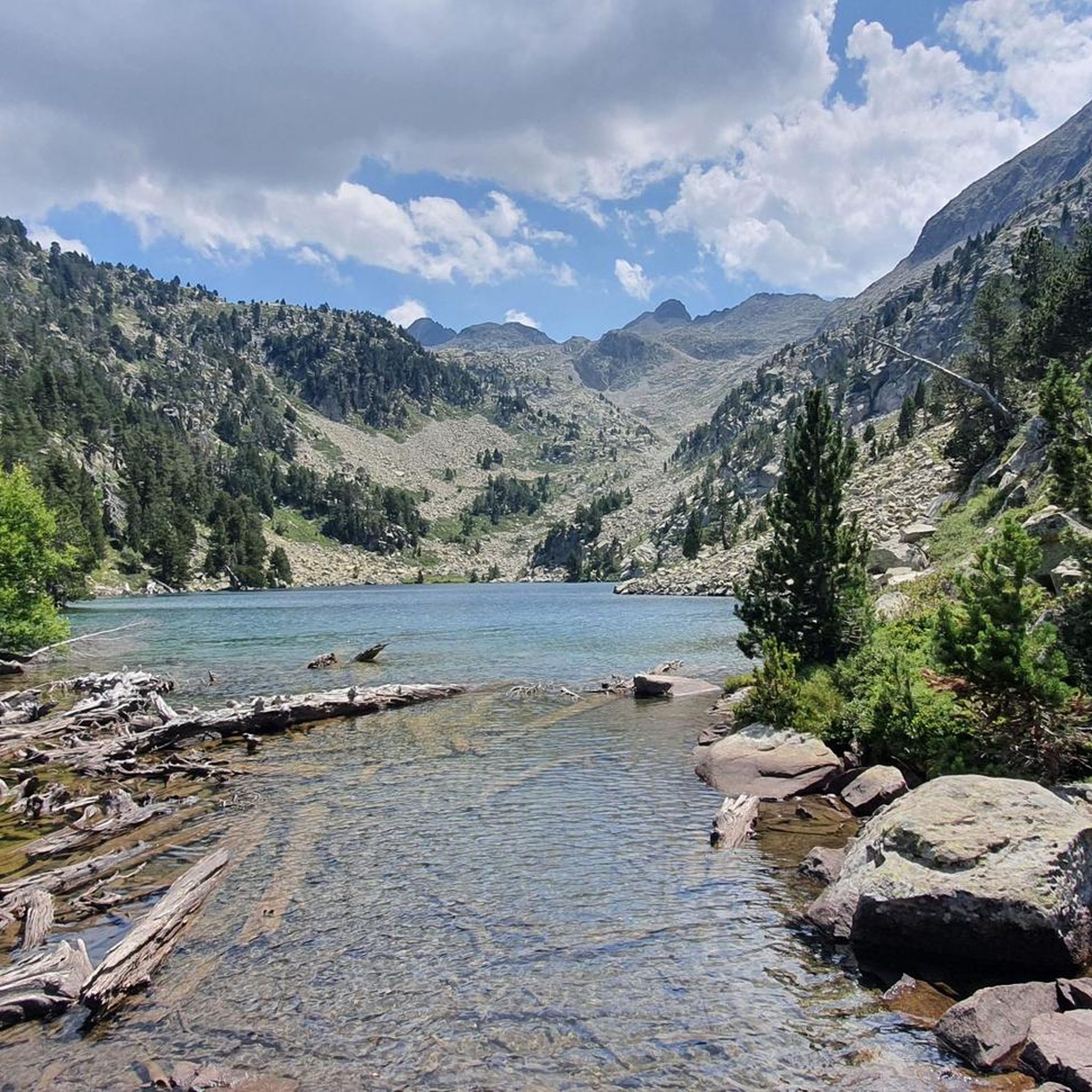
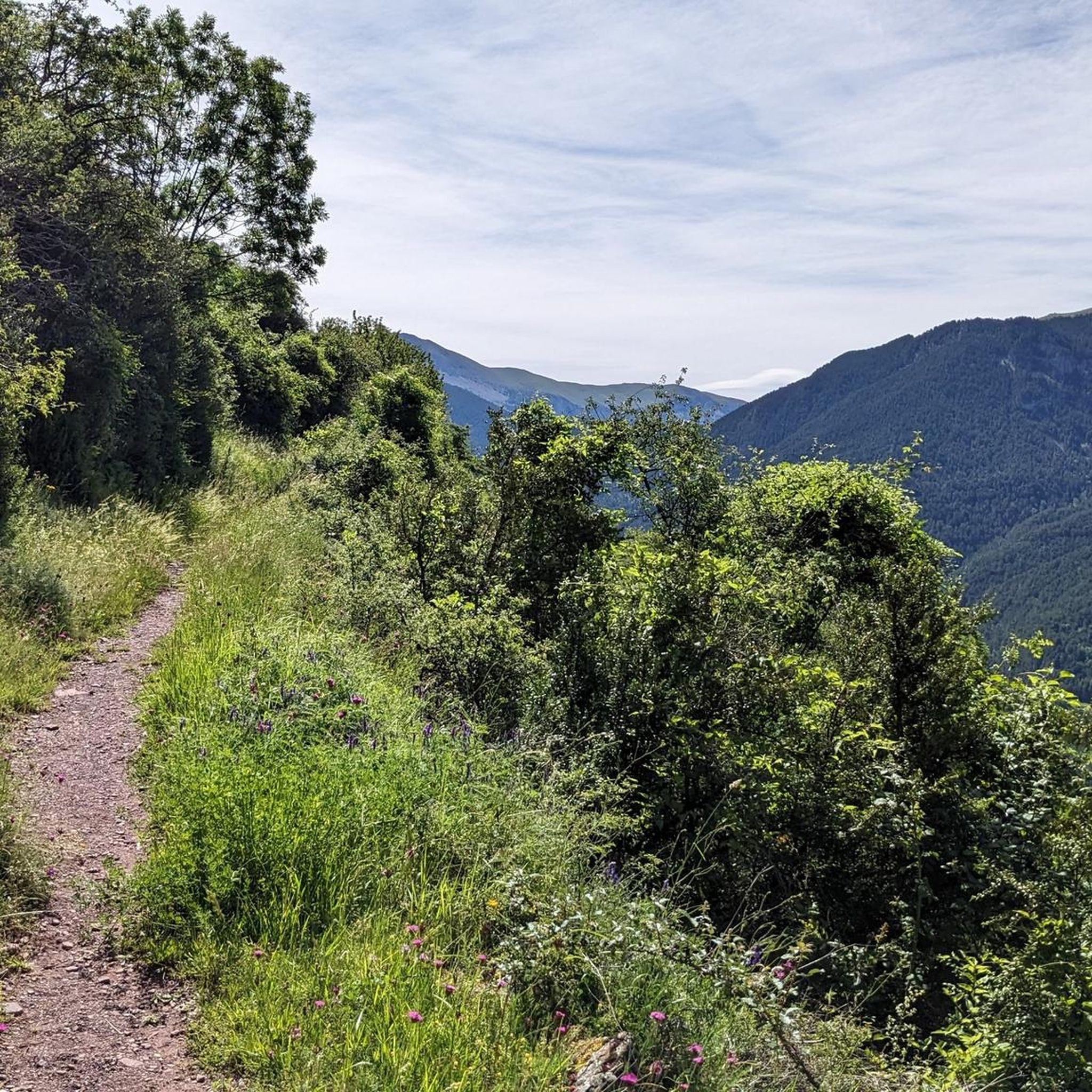



Tips from the Community

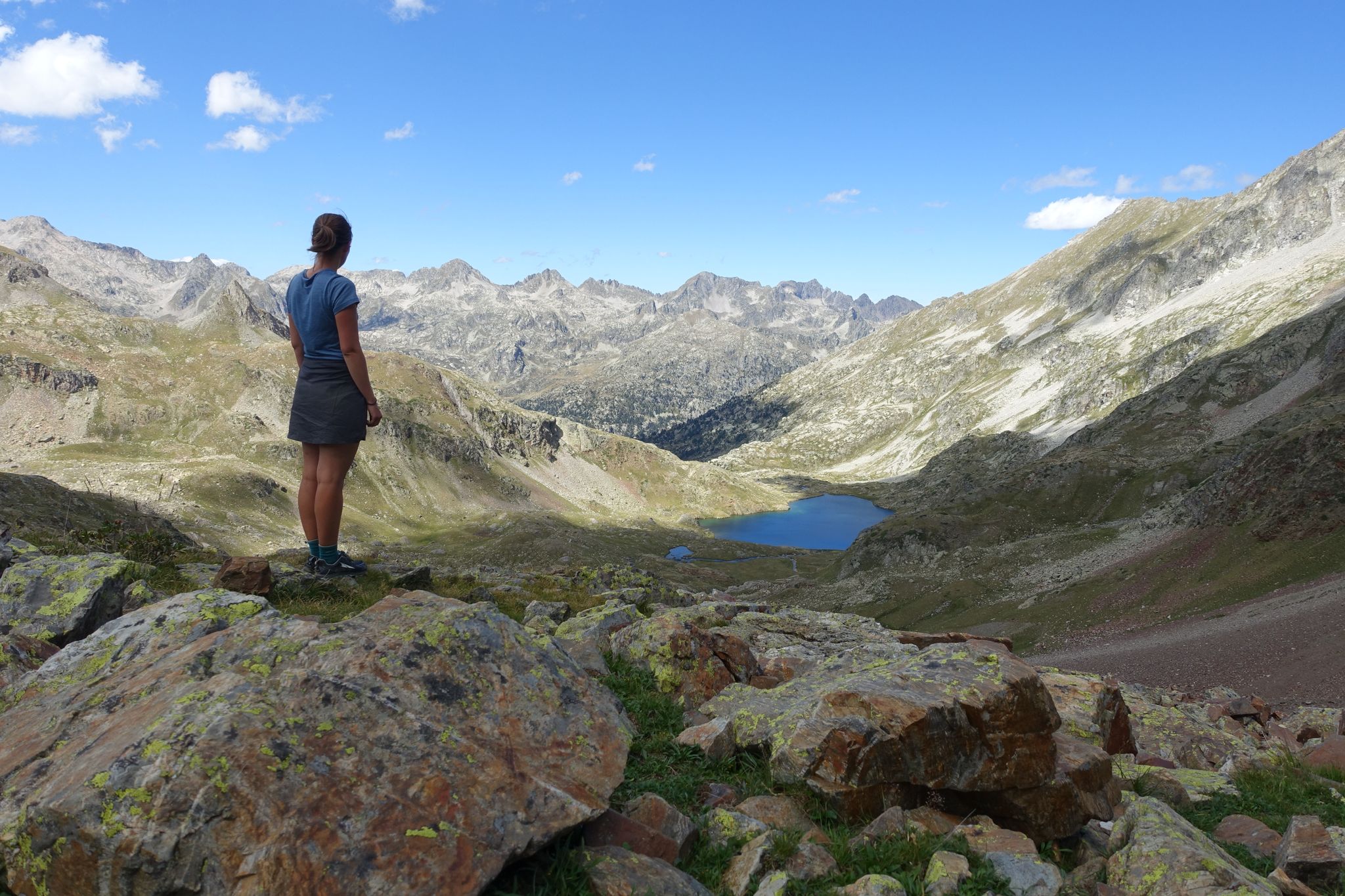
A legendary mountain pass in the Pyrenees. A crossing point between the Chistau and Benasque valleys, linking Sobrarbe and Ribagorza at an altitude of 2000m.
0
0


This pass allows you to enjoy a very beautiful descent towards Saint Lary Soulan and also to make a beautiful loop via Loudenvielle>Estansan>Camparan>Grailhen>Gouaux>Lançon>Bordère-Louron>Loudenvielle
0
0

The climb up the Col d'Azet from Génos is short but steep. 7.4 kilometers long, it has an average gradient of 8.3%, with little variation during the climb.
0
0

Passes reserved for cyclists 9-12 p.m. this Monday 07/15, happiness!
0
0

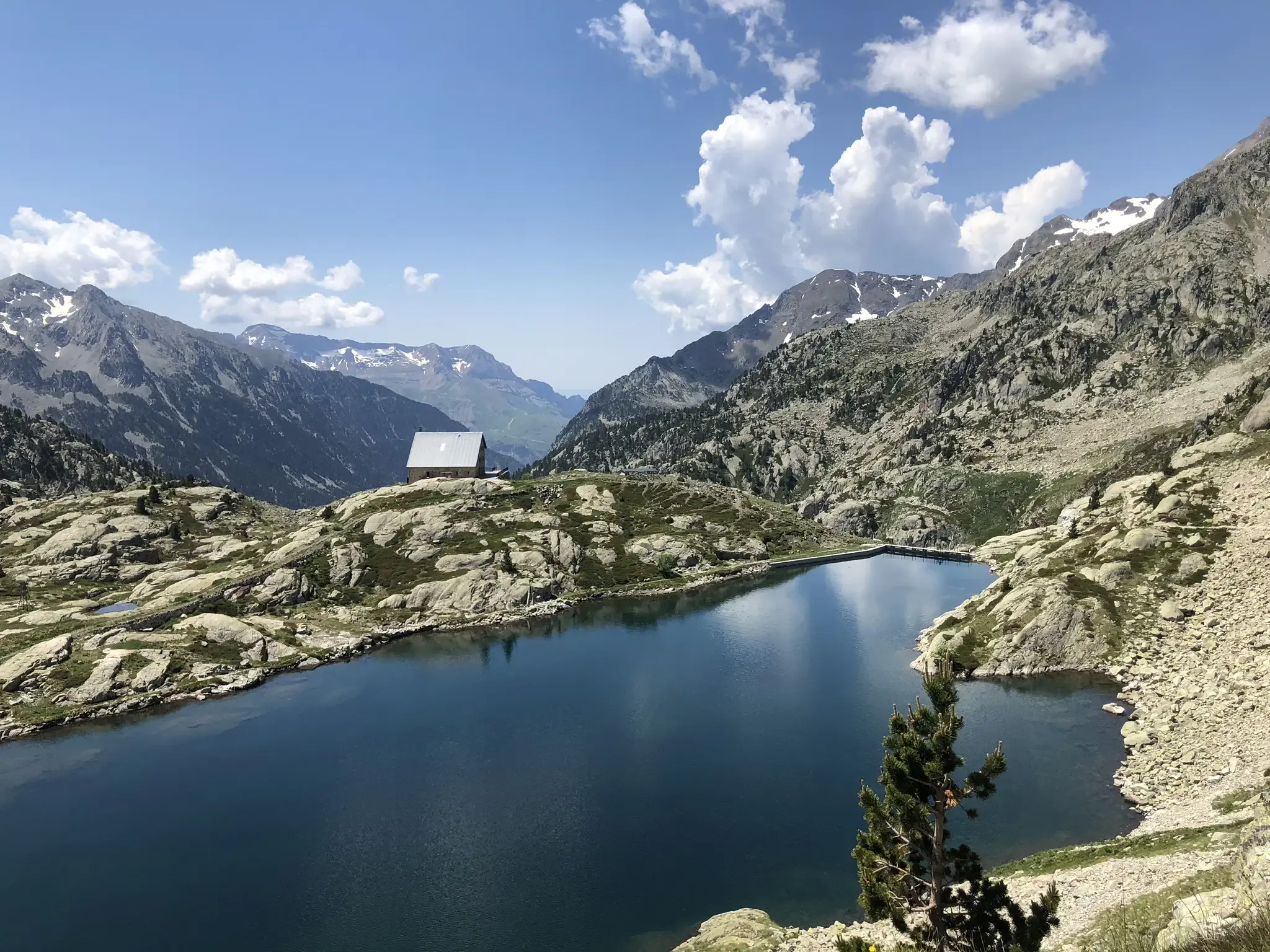
Access is via forest tracks in good condition. Obviously, to reach 2000m it takes a little time but the reward is worth it: the views are magnificent over the valleys and peaks at 360 degrees. A delight !
1
0

The Col d'Azet is a road mountain pass located at 1,585 meters above sea level. It allows you to go from the Aure valley to the Louron valley. It is one of the 34 passes connected by the famous pass road.
0
0

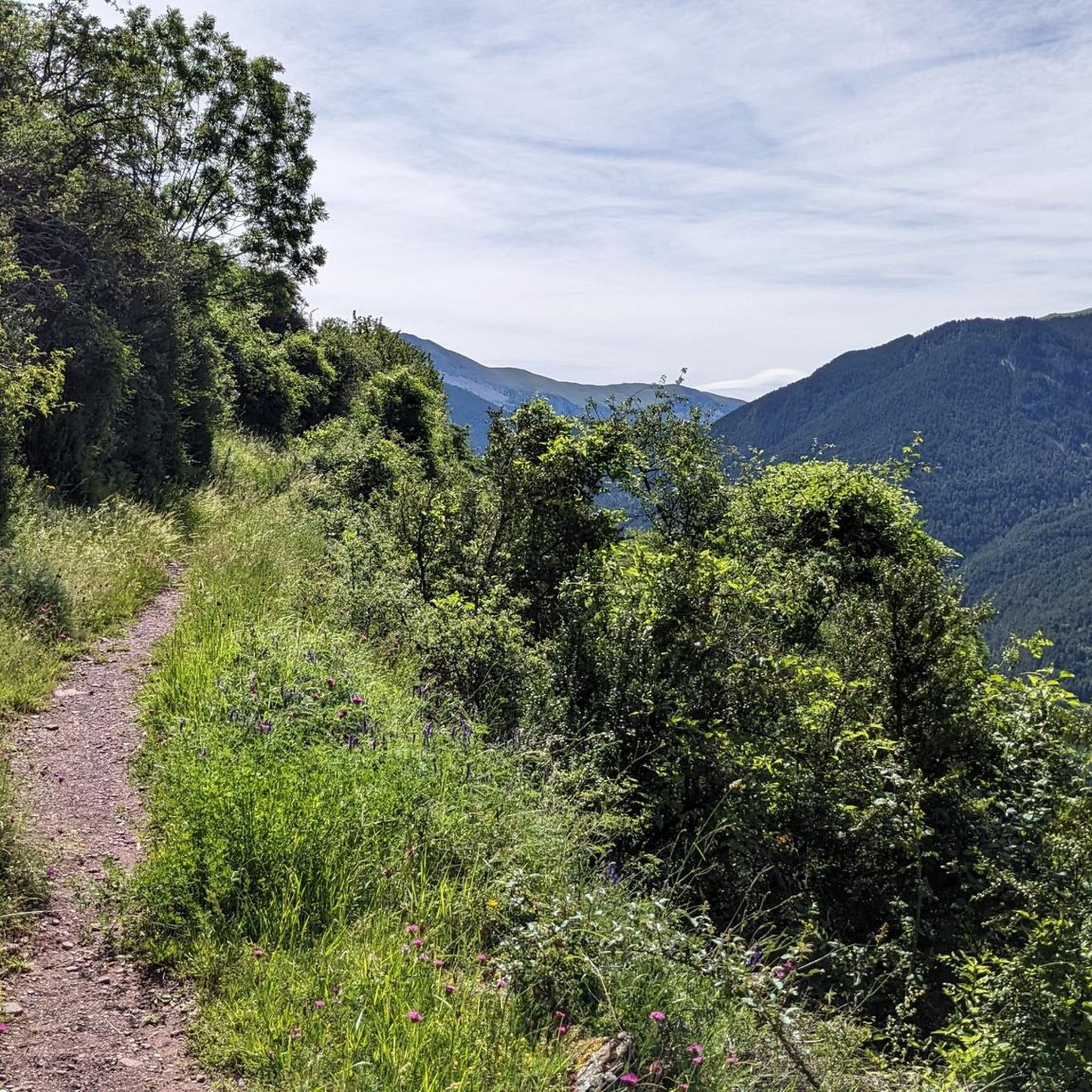
Located in the Louron valley, the Col d'Azet peaks at an altitude of 1,580 meters. This passage connects the village of Loudenvielle and that of Azet on the heights of Saint-Lary-Soulan. The ascent from Lake Génos is 7.5 kilometers for an average of 8.3% with some passages at 13%.
1
0
Frequently Asked Questions
What are some of the most notable mountain passes in the Gistaín Valley?
The Gistaín Valley, nestled in the Aragonese Pyrenees, features several significant mountain passes. Among them, Collado de Sahún (also known as Puerto de Sahún) is highly regarded for its panoramic views of peaks like Aneto, Posets, Robiñera, Monte Perdido, and Eristes. Another notable pass is Col de Val Louron-Azet, a road mountain pass connecting Loudenvielle and Azet, popular among cyclists. The Esquierry Pass, located on the GR 10 trail, offers magnificent panoramas at 2,131 meters above sea level.
What kind of views and natural features can I expect from the mountain passes in Gistaín?
The mountain passes in Gistaín offer spectacular scenery, with panoramic views of the Pyrenees. From passes like Collado de Sahún, you can see majestic peaks such as Aneto, Posets, and Monte Perdido. The region is characterized by dramatic high mountain landscapes, pristine *ibones* (mountain lakes) like Ibón de Plan (Basa de la Mora), glacial cirques, and lush environments. The Chistau Pass, at 2,592 meters, provides magnificent views of several 3,000-meter peaks and the Maladeta massif.
How challenging are the mountain passes around Gistaín?
The mountain passes around Gistaín offer a range of challenges. Many routes involve significant elevation gains and require good physical condition and sturdy footwear. For instance, the ascent to Collado de Sahún is described as quite demanding, especially for cyclists, due to its gravel track sections and over 1,100 meters of altitude difference. Passes like Puerto de la Pez and Puerto de Plan, which historically connected to France, are known for more remote and demanding routes, appealing to experienced mountaineers and trekkers.
What outdoor activities can I do near the Gistaín mountain passes?
The Gistaín Valley is a paradise for outdoor enthusiasts. You can enjoy extensive hiking and trekking opportunities, with trails ranging from moderate to difficult, often leading to high-altitude lakes. For those seeking more rigorous activities, the passes provide challenging climbs. Cycling is also popular, with routes like the one to Col de Val Louron-Azet offering long and challenging ascents. You can find more detailed routes for various sports in the Mountain Hikes around Gistaín, Cycling around Gistaín, and Road Cycling Routes around Gistaín guides.
Are there specific hiking trails associated with these mountain passes?
Yes, many mountain passes in Gistaín are integral parts of hiking and trekking routes. For example, the Esquierry Pass is located directly on the GR 10 trail. The region offers a diverse range of trails, from moderate walks to challenging multi-day treks, often leading to high-altitude lakes and providing opportunities to immerse oneself in the Pyrenean wilderness. You can explore specific routes and their difficulties in the Mountain Hikes around Gistaín guide.
Are there cycling routes that include the Gistaín mountain passes?
Absolutely. The Gistaín region is well-known for its challenging road mountain passes and scenic cycling routes. The Col de Val Louron-Azet is a popular road mountain pass for cyclists, offering a long and challenging ascent. While much of the route to Collado de Sahún is unpaved, it's still a demanding goal for touring bikes. For more cycling options, refer to the Cycling around Gistaín and Road Cycling Routes around Gistaín guides.
Do the Gistaín mountain passes have any historical or cultural significance?
Yes, the mountain passes in Gistaín hold significant historical and cultural value. They have historically served as vital communication and trade routes, connecting the Gistaín Valley with surrounding areas and even with France. Passes like Puerto de la Pez and Puerto de Plan were crucial for cross-border interactions and were historically used by smugglers. This historical isolation and the passes' role in connectivity have contributed to the unique cultural identity of the valley, including the preservation of the local Aragonese dialect, *chistabín*.
When is the best time to visit the mountain passes in Gistaín?
The best time to visit the mountain passes in Gistaín for hiking and trekking is typically during the warmer months, from late spring to early autumn (roughly June to September). During this period, the weather is generally more stable, and the trails are free of snow, making them safer and more accessible. However, conditions can vary, and it's always advisable to check local weather forecasts before planning your trip, especially for higher altitude passes.
Are there family-friendly options among the Gistaín mountain passes?
While many mountain passes in Gistaín present challenging climbs, the region also offers options that can be enjoyed by families, particularly those with some hiking experience. Passes that are accessible by car to a certain point, followed by a relatively short walk, can be good choices for scenic views without extreme exertion. It's recommended to research specific routes and their difficulty levels to find those suitable for all family members, focusing on trails with moderate elevation gains and well-maintained paths.
Can I find places to rest or find accommodation near the Gistaín mountain passes?
Yes, the Gistaín Valley and its surrounding areas offer options for rest and accommodation. For instance, there is a mountain refuge located near Puerto de Sahún, providing a welcome spot for visitors to rest and enjoy the scenery. The traditional villages within the Gistaín Valley also offer various accommodations, cafes, and pubs where you can find respite after exploring the passes.
Do any of the Gistaín mountain passes connect to other regions or countries?
Yes, several mountain passes in the Gistaín Valley serve as important connections to other regions and even across international borders. Puerto de Sahún connects the Gistaín Valley to the Benasque Valley to the east. To the west, Puerto de la Cruz de Guardia links Gistaín with Bielsa. Notably, Puerto de la Pez and Puerto de Plan (or Rioumajou) historically facilitated communication and trade between the Chistau Valley in Spain and the Louron Valley and Vallée d'Aure in France, respectively, offering opportunities for cross-border adventures.
Most popular attractions around Gistaín

Get inspired with the komoot mobile app


Explore more
See even more epic mountain passes by checking out these guides around Gistaín:
