The best road cycling routes around Renera
5.0
(4)
158
riders
13
rides
Road cycling around Renera features routes that traverse the rolling terrain of the Guadalajara province in Spain. The region is characterized by river valleys, such as the Tajuña River, and open countryside, offering varied gradients for road cyclists. Elevations range from gentle ascents to more challenging climbs, with routes often connecting historical villages and agricultural landscapes. The area provides a network of paved roads suitable for different road cycling preferences.
Best road cycling routes around Renera
- The most popular road…
Last updated: July 15, 2026
3
riders
Hard road ride. Very good fitness required. Some segments of this route may be unpaved and difficult to ride.
36
riders
55.9km
02:50
730m
730m
Moderate road ride. Good fitness required. Some segments of this route may be unpaved and difficult to ride.

Sign up for free
21
riders
88.1km
04:05
820m
820m
Moderate road ride. Good fitness required. Some segments of this route may be unpaved and difficult to ride.
14
riders
Moderate road ride. Good fitness required. Some segments of this route may be unpaved and difficult to ride.
24
riders
86.0km
03:48
780m
780m
Moderate road ride. Good fitness required. Mostly well-paved surfaces and easy to ride.
Get access to more routes and recommendations from other explorers.
Sign up for free
Already have an account?
Our route recommendations are based on thousands of hikes, rides, and runs completed by other people on komoot.
Start today with a free account
Your next adventure awaits.
Login or Signup

Tips from the Community


In restoration works, it presents a beautiful appearance
2
0

For a small town, Villar del Olmo has many interesting historical and scenic things to see. The town hall has an application that will help you find them.
0
0

On the Red List of Heritage for its "state of ruin and abandonment". The building, from the 16th century, was occupied until the 17th century. Exactly until the year 1767, the year in which Carlos III expelled the Society of Jesus, the Jesuits, from Spain.
3
0
In the main square, centered by a large fountain with four spouts that ends in a ball on which the date 1832 appears, the clock tower stands out, with several bodies, and the building of the parish church, dedicated to San Pedro Apóstol.
3
0
The church dedicated to San Pedro is from the 13th century but important reforms were carried out in it during the 15th century, the main nave was redone and two other lateral ones were added, for example. It preserves its original Romanesque head, the belfry and the presbytery. Inside, don't miss the Gothic ornaments, the Mudejar pair and knuckle armor; and the small ivory carving of the Virgen de los Llanos. It was declared B.I.C with the category of Monument in 1990.
3
0
Interesting work of the s. XV, which allows us to appreciate how a castle was arranged when the use of artillery had already been imposed: harquebuses and cannons. It is erected on a plain, and preserves both its interior and towers, as well as the outer enclosure and the moat. Free access to the outside. To visit the interior, contact the Pioz town hall, telephone 949.272.076.
3
0

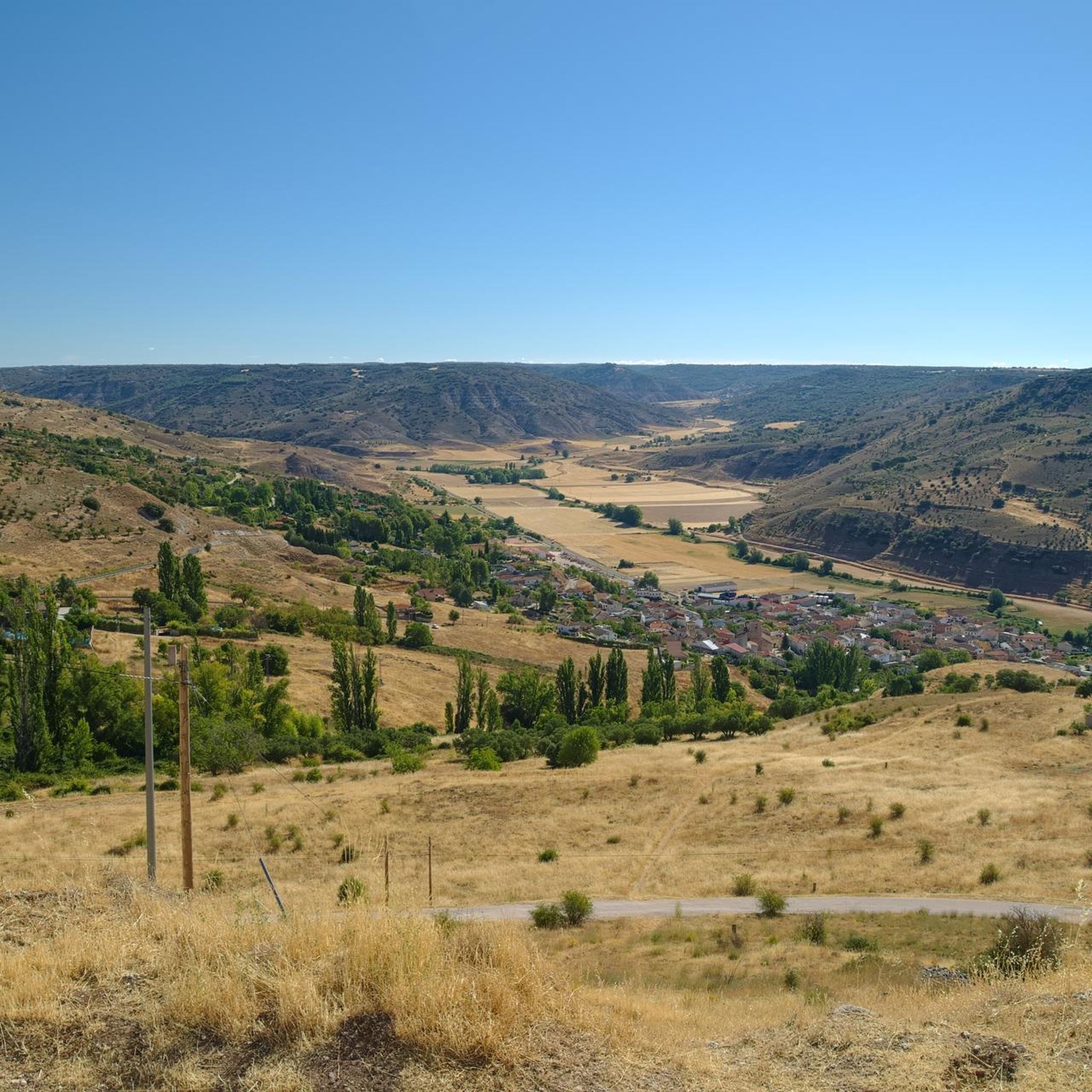
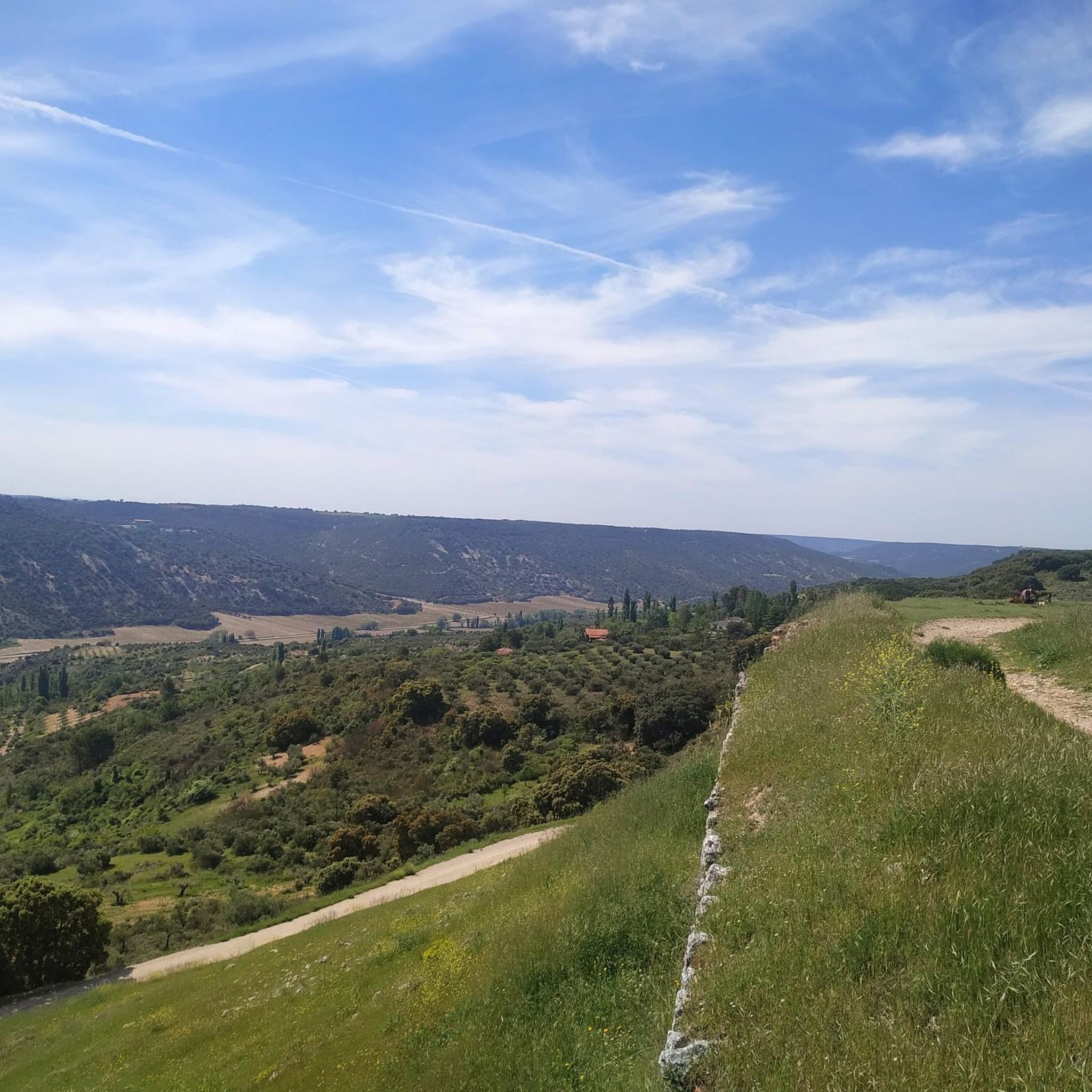
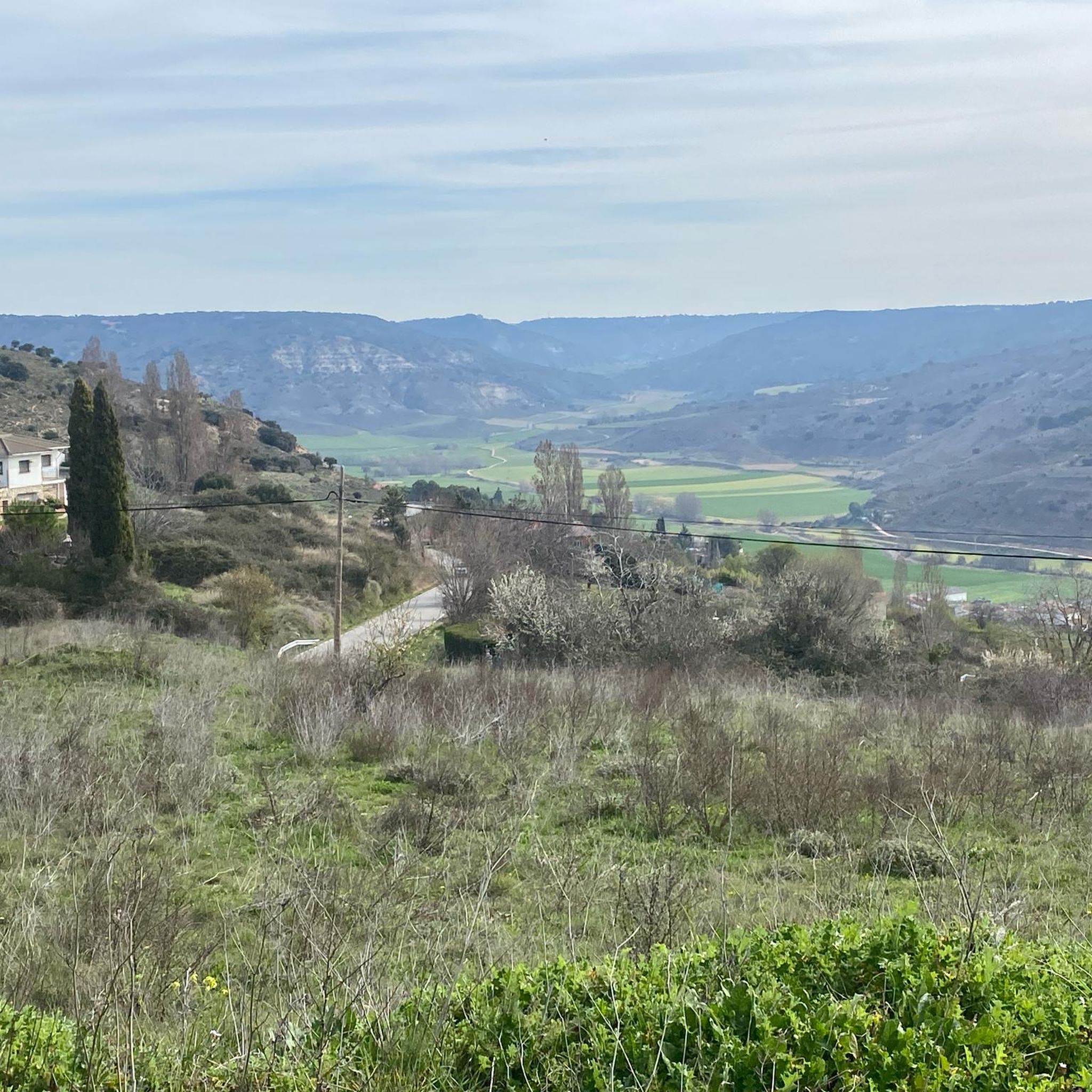
This beautiful stretch of road that runs next to the Tajuña riverbed is full of landscapes and surprises. Around here you can enjoy riding along the countryside, crossing beautiful bridges and getting to know some history.
0
0
Frequently Asked Questions
How many road cycling routes are available around Renera?
There are over 14 distinct road cycling routes around Renera, offering a variety of experiences for cyclists. These routes traverse the rolling terrain of the Guadalajara province, characterized by river valleys and open countryside.
Are there road cycling routes suitable for beginners in Renera?
While there are no routes specifically graded as 'easy' in the Renera area, several routes are considered 'moderate'. These routes offer a balanced ride through the local countryside. For example, the Roadbike loop from Fuentelviejo is a moderate 33.8-mile path.
What kind of terrain can I expect on road cycling routes around Renera?
Road cycling around Renera is defined by river valleys, rolling hills, and open agricultural landscapes. You'll find varied gradients, from gentle ascents to more challenging climbs, with routes often connecting historical villages and agricultural areas.
Are there any long-distance road cycling routes in the Renera region?
Yes, Renera offers several long-distance road cycling routes. The longest is Puente Pozo de Almoguera y el Monumento a los Ojos - by Mondéjar — circular from Hontoba, a challenging 68.2-mile (109.8 km) trail with significant elevation gain. Another substantial option is the Road Along the Tajuña River – Pioz Castle loop from Fuentelviejo, which spans 53.6 miles (86.3 km).
Can I find circular road cycling routes around Renera?
Yes, many of the road cycling routes in the Renera area are circular, allowing you to start and end at the same point. Examples include the popular Puente Pozo de Almoguera y el Monumento a los Ojos - by Mondéjar — circular from Hontoba and the Roadbike loop from Fuentelviejo.
What are some notable landmarks or attractions I might see along the road cycling routes?
The routes often connect historical villages and agricultural landscapes. While cycling, you might pass by significant sites such as the Collegiate Church (Pastrana), the Pastrana Village Center, or the Ruins of the Convento Jesús del Monte. The Road Along the Tajuña River – Pioz Castle loop from Fuentelviejo specifically leads past Pioz Castle.
What do other road cyclists enjoy most about road cycling in Renera?
The road cycling routes in Renera are highly rated by the komoot community, with an average score of 5.0 stars from more than 4 reviews. Cyclists often praise the varied terrain, the connection to historical villages, and the scenic beauty of the river valleys and open countryside.
Are there routes for advanced road cyclists seeking a challenge?
Yes, Renera offers challenging routes for advanced cyclists. For instance, the Puente Pozo de Almoguera y el Monumento a los Ojos - by Mondéjar — circular from Hontoba is graded as 'difficult' and includes significant elevation gain over its 68.2 miles. Another difficult option is the Ascent to Pastrana – Pastrana loop from Horche, which features substantial climbing.
What is the best season for road biking in Renera?
The Guadalajara province, where Renera is located, generally experiences hot, dry summers and mild winters. Spring and autumn typically offer the most pleasant temperatures for road cycling, with comfortable weather and beautiful landscapes. Always check local weather forecasts before heading out.
Are there road cycling routes that follow river valleys?
Yes, the region is characterized by river valleys, such as the Tajuña River. The Road Along the Tajuña River – Pioz Castle loop from Fuentelviejo and the Road Along the Tajuña River – Church of San Pedro (Hontoba) loop from Loranca de Tajuña are excellent examples of routes that lead through the scenic Tajuña River valley.
Are there cafes or places to stop for refreshments along the routes?
While specific cafes are not listed for each route, many routes connect historical villages. These villages often have local establishments where you can find refreshments. Planning your route to pass through these villages can provide convenient stopping points.
What should I wear for road biking in Renera?
Given the varied gradients and potential for changing weather, it's advisable to wear appropriate cycling attire. Layers are recommended, especially during spring and autumn, to adapt to temperature fluctuations. Always bring enough water, sun protection, and basic repair tools.
Most popular routes around Renera
Most popular attractions around Renera

Get inspired with the komoot mobile app


Explore more
Browse the best Road cycling routes in other regions.
