The best cycling routes around Burgui/Burgi
4.7
(8)
157
riders
13
rides
Touring cycling around Burgui/Burgi offers routes through the captivating natural landscapes of the Roncal Valley in Navarra, Spain. The area is characterized by dramatic limestone canyons, such as the Foz de Burgui Natural Reserve, carved by the Esca River. Cyclists encounter a blend of picturesque riverside rides and challenging mountain passes within the Pyrenean foothills. The terrain includes significant elevation changes, providing varied experiences for different cycling abilities.
Best touring cycling routes around Burgui/Burgi
- The most popular touring cycling route…
Last updated: July 3, 2026
21
riders
91.2km
06:08
1,480m
1,480m
Hard bike ride. Very good fitness required. Mostly paved surfaces. Suitable for all skill levels.
5.0
(1)
11
riders
72.7km
05:43
1,680m
1,680m
Hard bike ride. Very good fitness required. Mostly paved surfaces. Suitable for all skill levels.

Sign up for free
11
riders
121km
08:39
2,410m
2,400m
Hard bike ride. Very good fitness required. Mostly paved surfaces. Suitable for all skill levels.
5.0
(2)
8
riders
36.7km
02:18
410m
410m
Moderate bike ride. Good fitness required. Mostly paved surfaces. Suitable for all skill levels.
5
riders
70.5km
04:31
900m
900m
Hard bike ride. Very good fitness required. Mostly paved surfaces. Suitable for all skill levels.
Get access to more routes and recommendations from other explorers.
Sign up for free
Already have an account?
Our route recommendations are based on thousands of hikes, rides, and runs completed by other people on komoot.
Start today with a free account
Your next adventure awaits.
Login or Signup
Popular around Burgui/Burgi
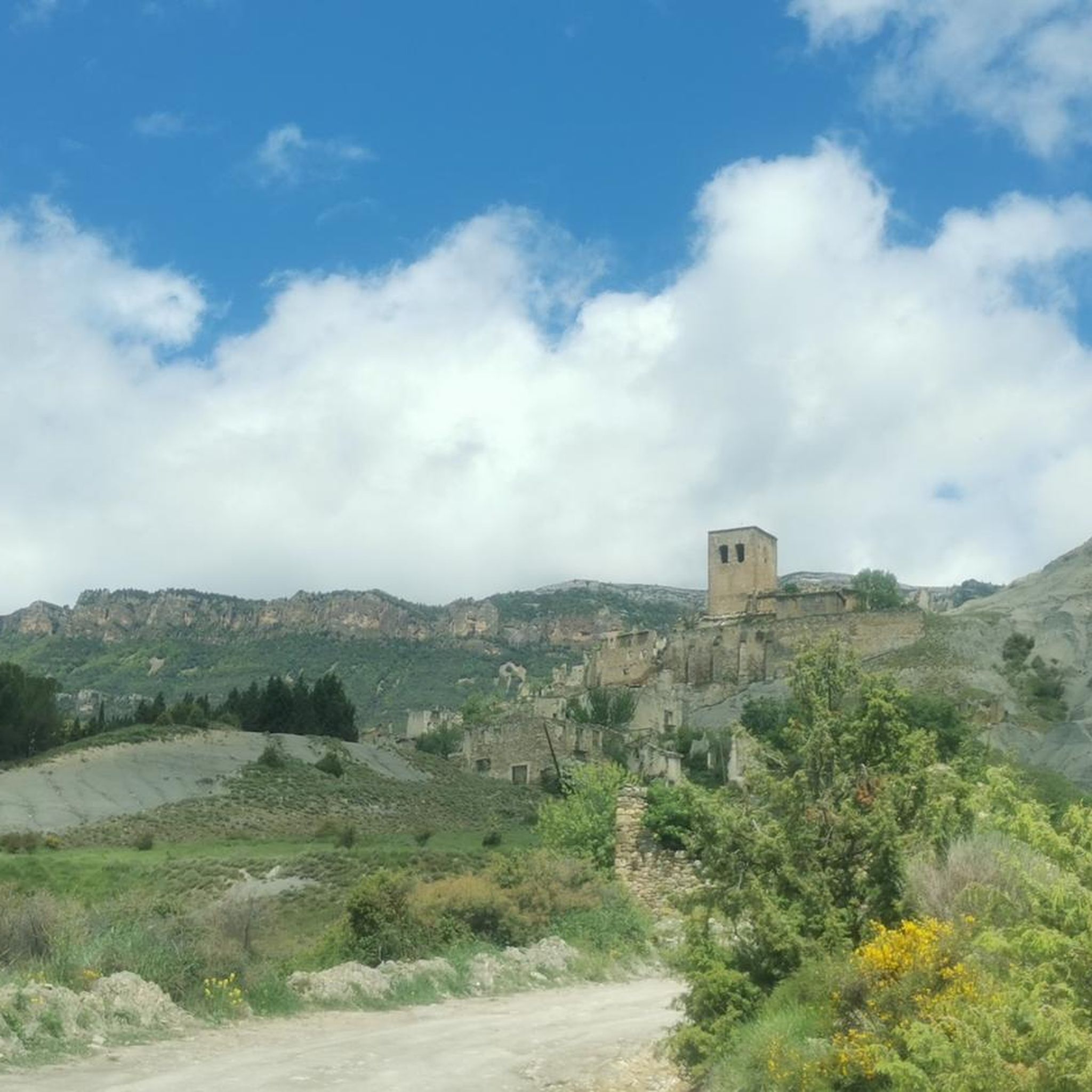
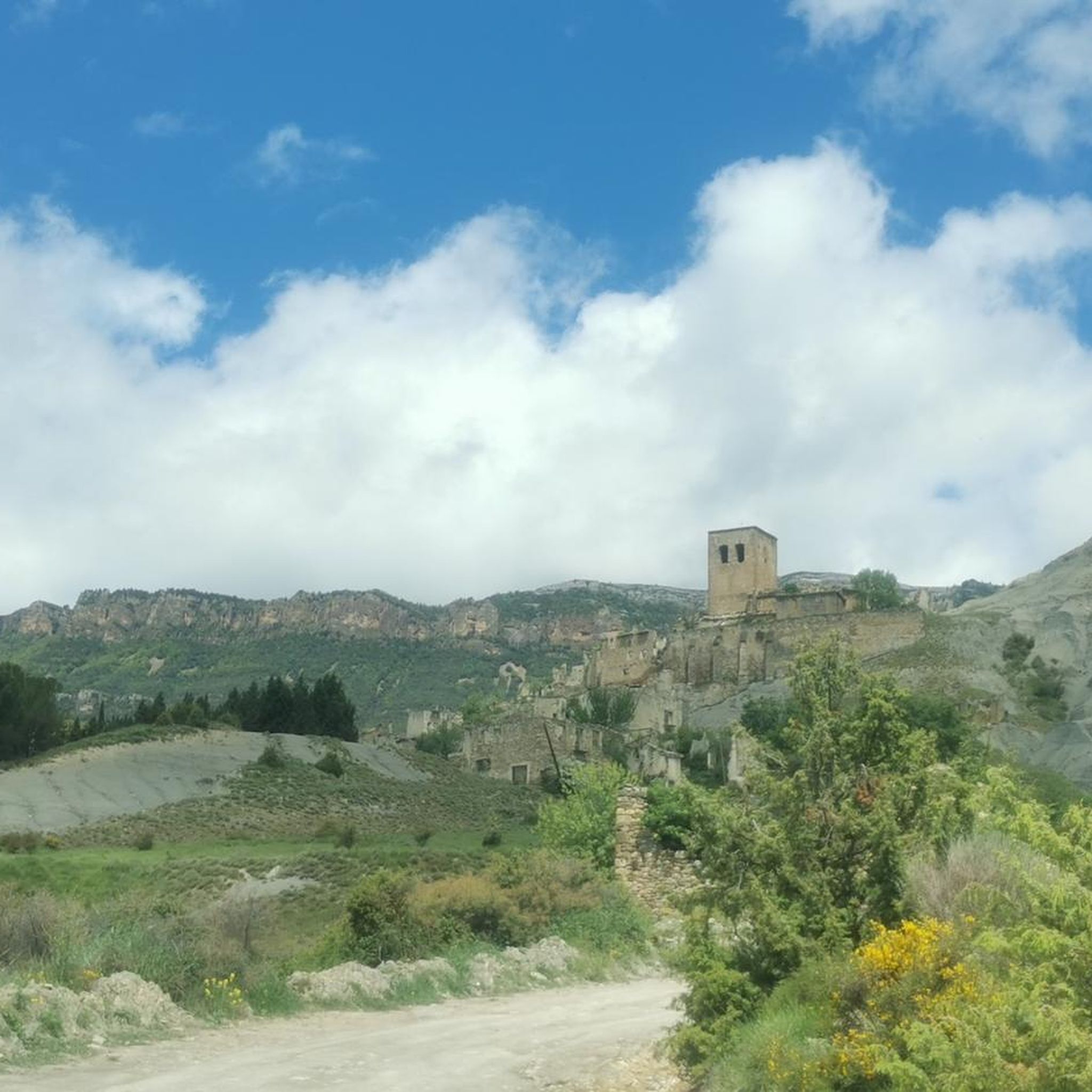
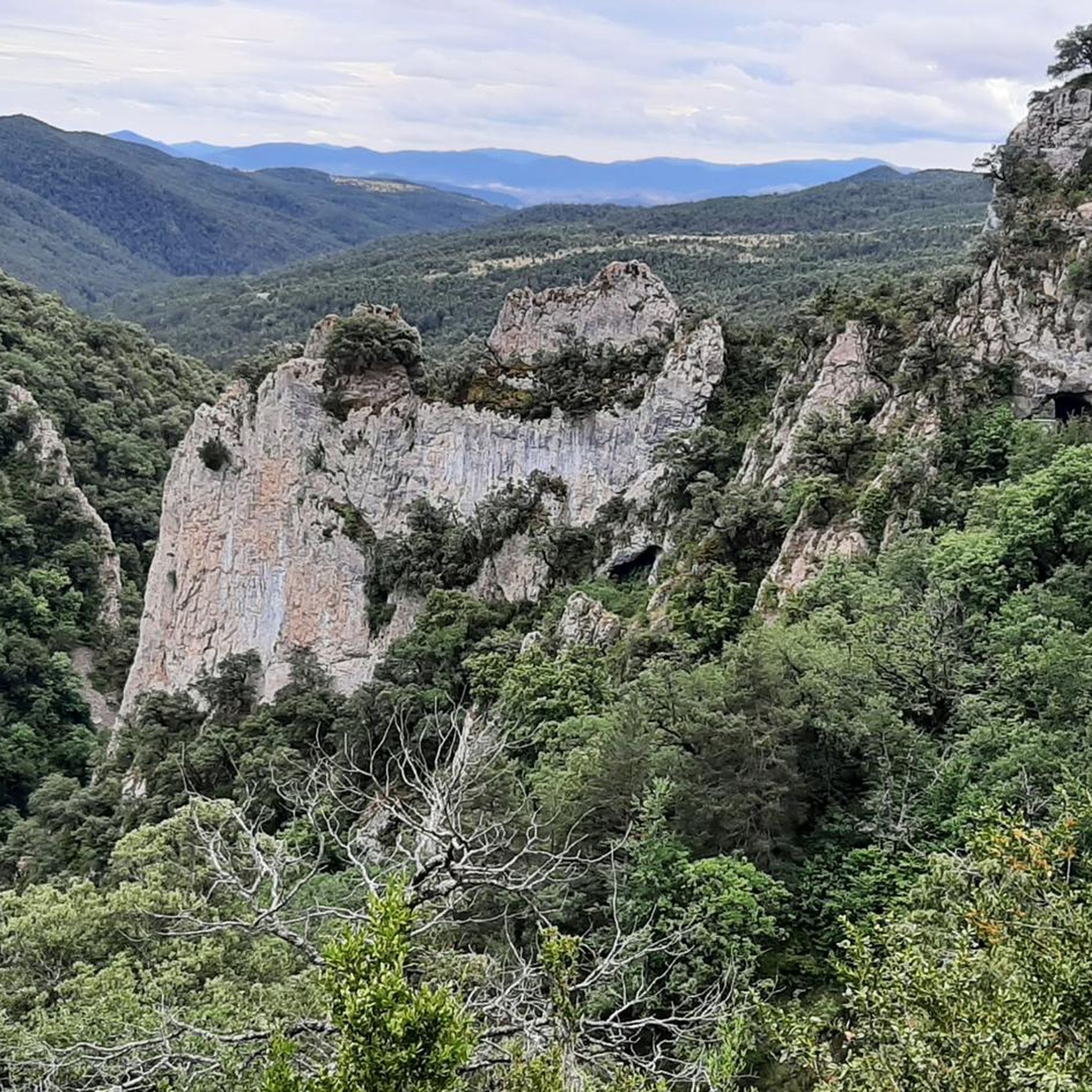
Tips from the Community

Burgui is the starting point in the lower or southern part of the Roncal Valley, which ends in Belagua, at the foot of the Piedra de San Martín. It is a very pretty and peaceful village, with all kinds of services for staying for a few days and using it as a starting point for the various cycling excursions in the area. It is also highly recommended to reach Burgui via the road from Salvatierra de Esca, following the course of the Esca River through the Esca Gorge.
0
0
Without a doubt, the Col de la Piedra de Saint Martin or Pierre Saint-Martin is one of the Top 10 in the whole of the Pyrenees. Without exceeding 2000 metres of altitude, it is a very long pass, with a lot of accumulated gradient (due to the innumerable French slopes, the gradient is 1,450 metres), with very hard slopes and several kilometres above 10%, with wonderful landscapes and panoramic views and with little traffic, except for the slopes crossed by the main road (D132 in France, the NA 137 in Spain). It is a pass with many slopes; in Europe there are few other passes that have as many slopes as this one (col de Turini, Passo delle Erbe, would be comparable in number of slopes approximately). I have only climbed it by 2 slopes: (i) my first time was from Lourdios Ichère, crossing the col de Labays and the col de Soudet. Simply spectacular; (ii) I have subsequently climbed the Spanish side on several occasions, which is unique, and which starts from Belagua and crosses the Belagua cross-country ski resort to reach the mountain pass. It is also very beautiful, with a landscape and views different from the north-east side. If I had to choose one of the two, I liked the north-west side better because it is more remote, harder and in my opinion more authentic. It is also a culturally special mountain pass because the Tribute of the 3 cows takes place on its summit every 13th of July, which is considered the oldest treaty in force in Europe. So... you know... you cannot miss the opportunity to come here and enjoy this wonderful jewel of the Pyrenees!!!!
1
0

Isaba, also known as Izaba in Basque, is a picturesque village located in the Roncal Valley in the Navarrese Pyrenees, northern Spain. This charming village is known for its rich history dating back to the Middle Ages, when it was a strategic outpost for the Kingdom of Navarre. Isaba offers breathtaking scenery with lush green meadows in spring, colorful autumn leaves and snow-capped mountains in winter.
1
0
The Puerto de Laza is a small and beautiful hill that joins the valleys of Roncal (starting from Isaba) and Salazar (starting from Ochagavía) in the Navarrese Pyrenees. Both sides are very similar: a very easy start on a winding road, in perfect condition but without a hard shoulder, passing through small towns and going up the course of the respective rivers Anduña (Salazar valley) and Urbi (Roncal valley); a final stretch of 2 - 3 kms that is harder without being too much so, although there are some slopes above 10%. The Salazar valley side becomes harder when leaving behind the detour to the Larrau port. From here to the port there are 3 km with an average gradient of 7%. On the other hand, the Roncal valley side becomes harder when overcoming a bridge over the river that has been with us since we left Isaba behind. From here it is barely 2 km with an average gradient of 7%. From a landscape perspective, it is a port that I love because you can enjoy the exuberance of the vegetation of the Pyrenees, crossing narrow valleys and only with panoramic views when you reach the top, where there is a viewing point that is worth looking out at. A port that I always recommend for enjoying cycle tourism. I leave you the profile of both sides produced by the website www.cyclingcols.com --> http://www.cyclingcols.com/col/Laza
0
1

Large beautifully designed fountain with fresh water. Right on the street.
1
0
Rest area with barbecue hut, drinking water, tables and benches, swimming in the Río Veral
0
0

The Col de Laza is located in Spain not far from the French border and the port of Larrau. Shorter than its neighbour, its ascent takes place in the middle of a beautiful forest which opens onto lovely views of the surrounding mountains.
1
0

Ansó is a municipality in La Jacetania that is crossed by the Veral river. It is very close to the border with Navarra and France, and has a little over 400 inhabitants. Thanks to its location, Ansó has become a very touristic town, which brings great economic benefits to the locals.
2
0
Frequently Asked Questions
What kind of terrain can I expect on touring cycling routes around Burgui/Burgi?
Touring cycling around Burgui/Burgi offers a diverse landscape. You'll encounter dramatic limestone canyons, such as the Foz de Burgui Natural Reserve, carved by the Esca River, and picturesque riverside paths. The region is also at the gateway to the Roncal Valley, featuring challenging mountain passes within the Pyrenean foothills. Expect significant elevation changes, providing varied experiences for different cycling abilities.
Are there routes suitable for experienced touring cyclists seeking a challenge?
Yes, Burgui/Burgi is well-suited for experienced touring cyclists looking for demanding rides. Many routes feature substantial elevation gains and traverse mountainous terrain. For example, the Ansó – Cueva del Ibón loop from Urzainqui / Urzainki is a difficult 75.1-mile (120.9 km) trail with over 2400 meters of ascent, leading through the Pyrenean foothills. Another challenging option is the Cueva del Ibón – Pierre Saint-Martin Pass loop from Burgui / Burgi, which covers 56.7 miles (91.2 km) with nearly 1500 meters of elevation gain.
Are there any easier touring cycling routes available?
While many routes in the area are categorized as difficult, there are options for those seeking a more moderate experience. For instance, the Yesa Reservoir – Yesa Dam loop from Sigüés is a moderate 22.8-mile (36.7 km) route with around 400 meters of elevation gain, offering a less strenuous ride. The region also features pleasant routes along the Esca River banks, which can be less demanding.
What natural features can I expect to see while cycling around Burgui/Burgi?
The region is rich in natural beauty. You'll likely cycle through or alongside the dramatic Foz de Burgui Natural Reserve, a limestone canyon carved by the Esca River, where you can observe griffon vultures and other birds of prey. The Esca River itself is a constant companion, offering scenic routes along its banks. The Roncal Valley provides a backdrop of mountainous terrain, and you might also encounter the Balsas de Sasi, important natural ponds within Burgui's municipality.
Are there any cultural or historical landmarks to visit along the routes?
Yes, Burgui/Burgi and its surroundings are steeped in history and culture. You can visit the iconic Burgui village itself, with its charming cobbled streets and a beautiful medieval bridge over the Esca River. The Senda de los Oficios (Path of Traditional Trades) is a circular route that showcases the area's heritage, featuring elements like a life-size raft and a medieval icehouse. The Almadía Museum in the town hall also pays homage to the traditional rafters of the Roncal Valley.
What do other touring cyclists enjoy the most about touring cycling in Burgui/Burgi?
The area is highly rated by the komoot community, with an average score of 4.7 stars from over 8 reviews. Touring cyclists often praise the captivating natural landscapes, the blend of challenging mountain passes and picturesque riverside rides, and the diverse terrain that caters to different abilities. The stunning gorge views, especially through the Foz de Burgui, are frequently highlighted as a memorable aspect of the rides.
Are there any specific viewpoints or scenic spots recommended for cyclists?
Absolutely. The Foz de Burgui Natural Reserve offers stunning gorge views, especially when cycling through or alongside it. The Col de la Piedra de Saint Martin, part of routes like the Cueva del Ibón – Pierre Saint-Martin Pass loop from Burgui / Burgi, is recognized as one of the top ten passes in the Pyrenees, featuring beautiful scenery during its climb. The Sierra de Illón also provides challenging climbs with
What is the best time of year for touring cycling in Burgui/Burgi?
While specific seasonal recommendations aren't detailed, the region's natural bathing areas along the Esca River suggest that summer can be a pleasant time for cycling, offering refreshing stops. However, given the mountainous terrain and challenging passes, spring and autumn might offer more comfortable temperatures for longer, more strenuous rides, avoiding the peak heat of summer or potential snow in winter at higher elevations.
Is Burgui/Burgi a good destination for family cycling trips?
Burgui/Burgi offers a mix of routes. While many touring cycling routes are categorized as difficult due to significant elevation changes, the region also has pleasant riverside paths along the Esca River that could be more suitable for families. The Senda de los Oficios (Path of Traditional Trades) is a comfortable 4-kilometer circular route that families can enjoy, offering cultural insights and a break from longer rides.
Are there options for parking near touring cycling routes in Burgui/Burgi?
Burgui itself is a recognized starting point for numerous excursions and serves as a convenient base for cyclists. While specific parking locations for each route aren't detailed, the village's role as a cycling hub suggests that parking facilities are available to accommodate visitors looking to explore the area by bike.
Can I reach Burgui/Burgi using public transport with my bike?
The provided information does not specify details about public transport options to Burgui/Burgi that accommodate bicycles. It's advisable to check local bus or train services directly for their policies regarding bike transport, as this can vary significantly by region and operator.
Are there any bike rental or repair services available in Burgui/Burgi?
The available information does not explicitly mention local bike shops for rentals or repairs in Burgui/Burgi. As a recognized starting point for excursions, it's possible that some services exist, but it would be best to check with local tourist information centers or accommodations upon arrival for current availability.
Most popular attractions around Burgui/Burgi

Get inspired with the komoot mobile app


Explore more
Browse the best Cycling routes in other regions.
