The best cycling routes around Navascués
4.8
(8)
205
riders
13
rides
Touring cycling routes around Navascués traverse a landscape characterized by mountain passes, deep valleys, and scenic countryside. The region features varied terrain, including significant elevation changes and views of natural landmarks like the Yesa Reservoir. This area offers routes that explore both natural and historical points of interest, providing diverse cycling experiences.
Best touring cycling routes around Navascués
- The most popular touring cycling route is Organbide Dolmen – Bagargui loop from Esparza de Salazar / Espartza Zaraitzu, a 80.6…
Last updated: August 13, 2026
16
riders
31.2km
02:36
510m
510m
Hard bike ride. Very good fitness required. Mostly paved surfaces. Suitable for all skill levels.
5
riders
53.6km
03:29
740m
740m
Hard bike ride. Very good fitness required. Mostly paved surfaces. Suitable for all skill levels.

Sign up for free
5.0
(3)
9
riders
37.2km
02:20
410m
410m
Moderate bike ride. Good fitness required. Mostly paved surfaces. Suitable for all skill levels.
6
riders
39.6km
04:09
880m
880m
Hard bike ride. Very good fitness required. Mostly paved surfaces. Suitable for all skill levels.
5.0
(1)
9
riders
55.3km
04:17
880m
880m
Hard bike ride. Very good fitness required. Mostly paved surfaces. Suitable for all skill levels.
Get access to more routes and recommendations from other explorers.
Sign up for free
Already have an account?
Our route recommendations are based on thousands of hikes, rides, and runs completed by other people on komoot.
Start today with a free account
Your next adventure awaits.
Login or Signup
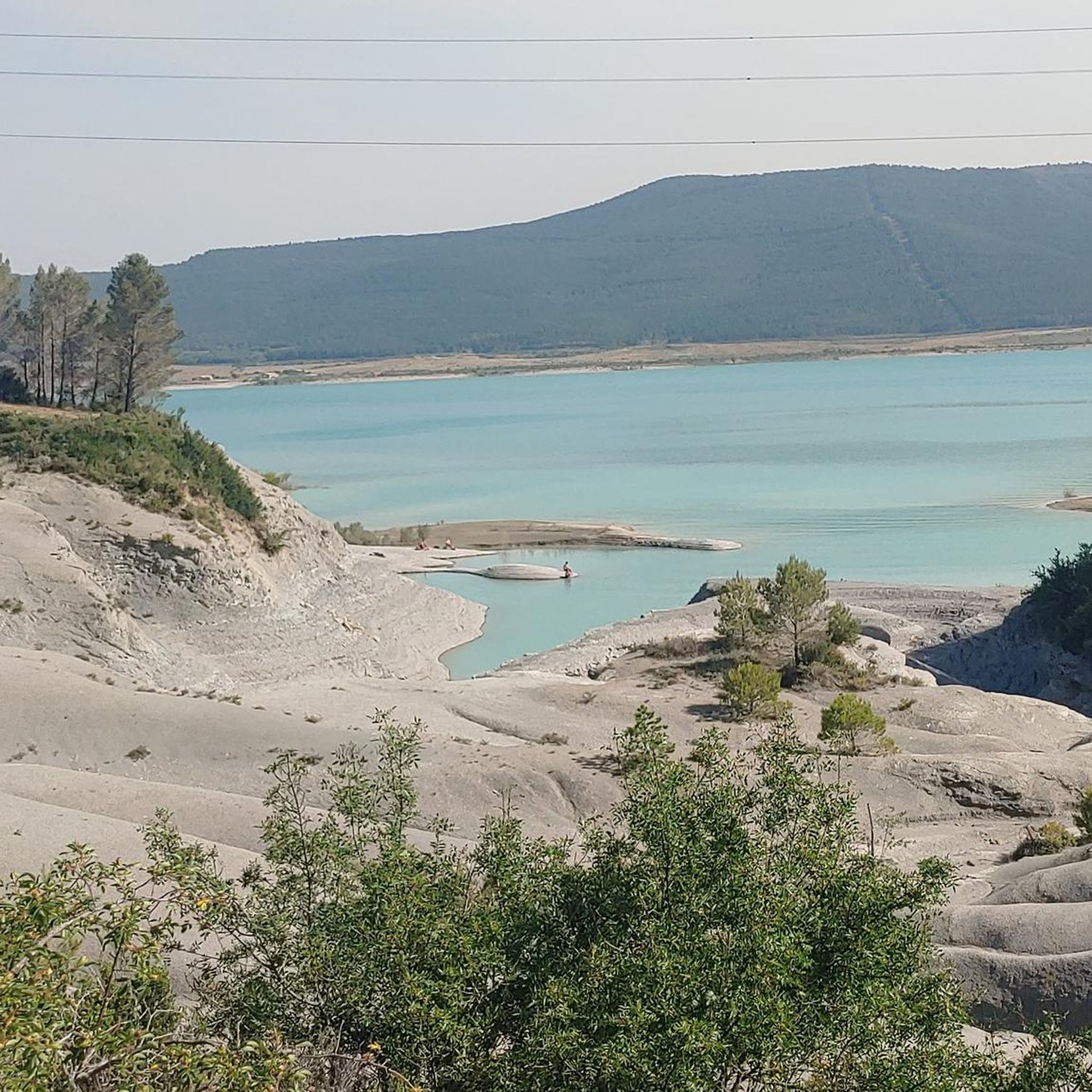
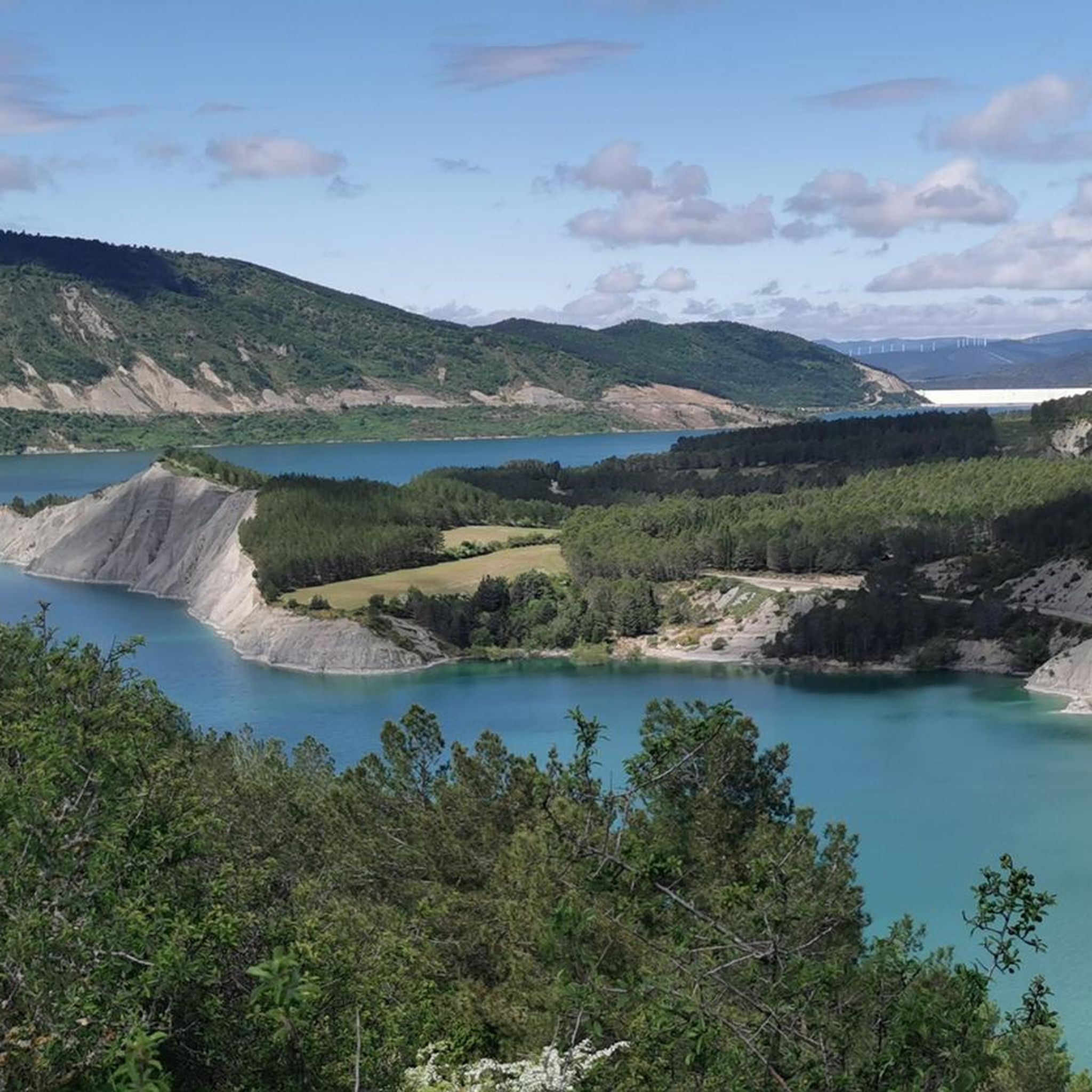
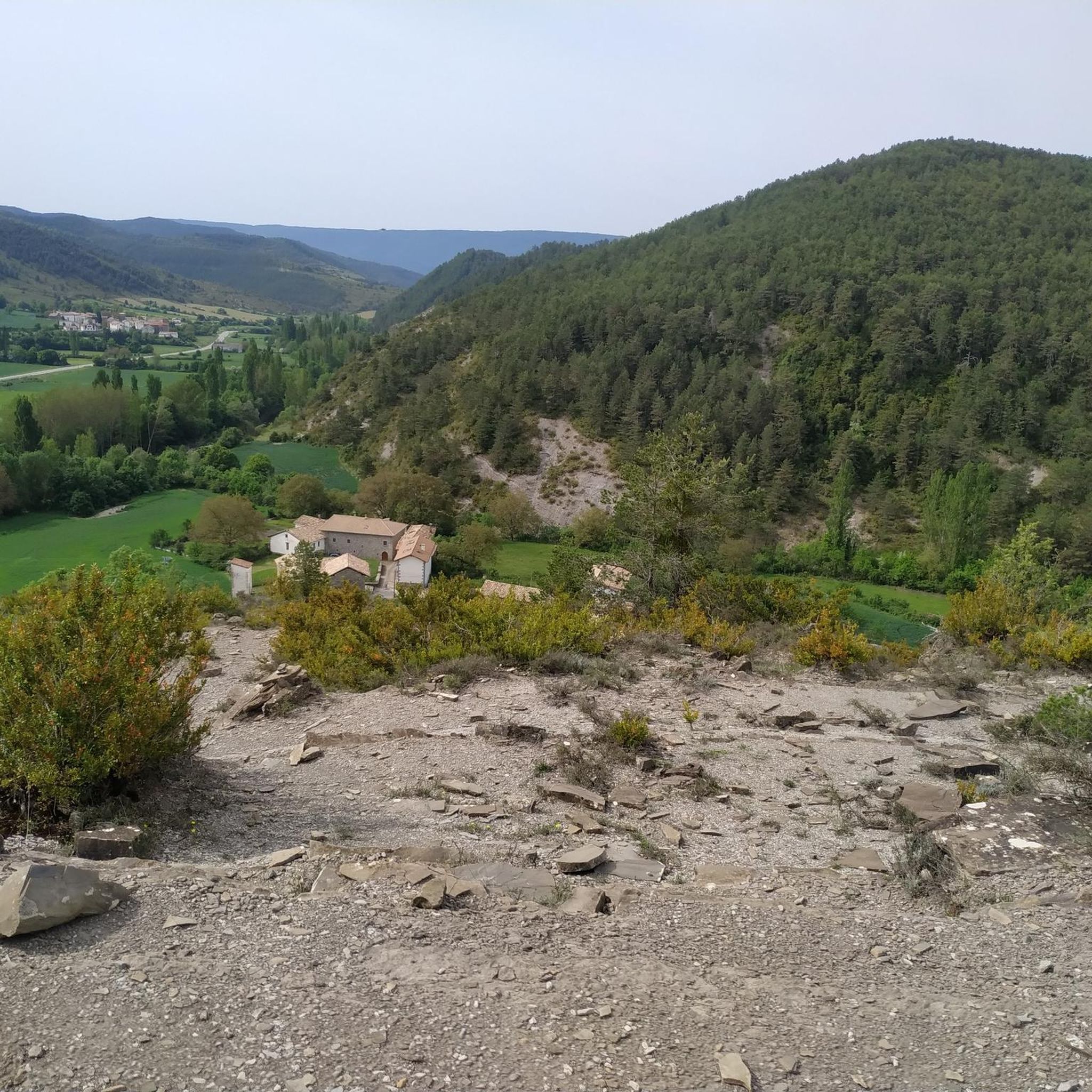
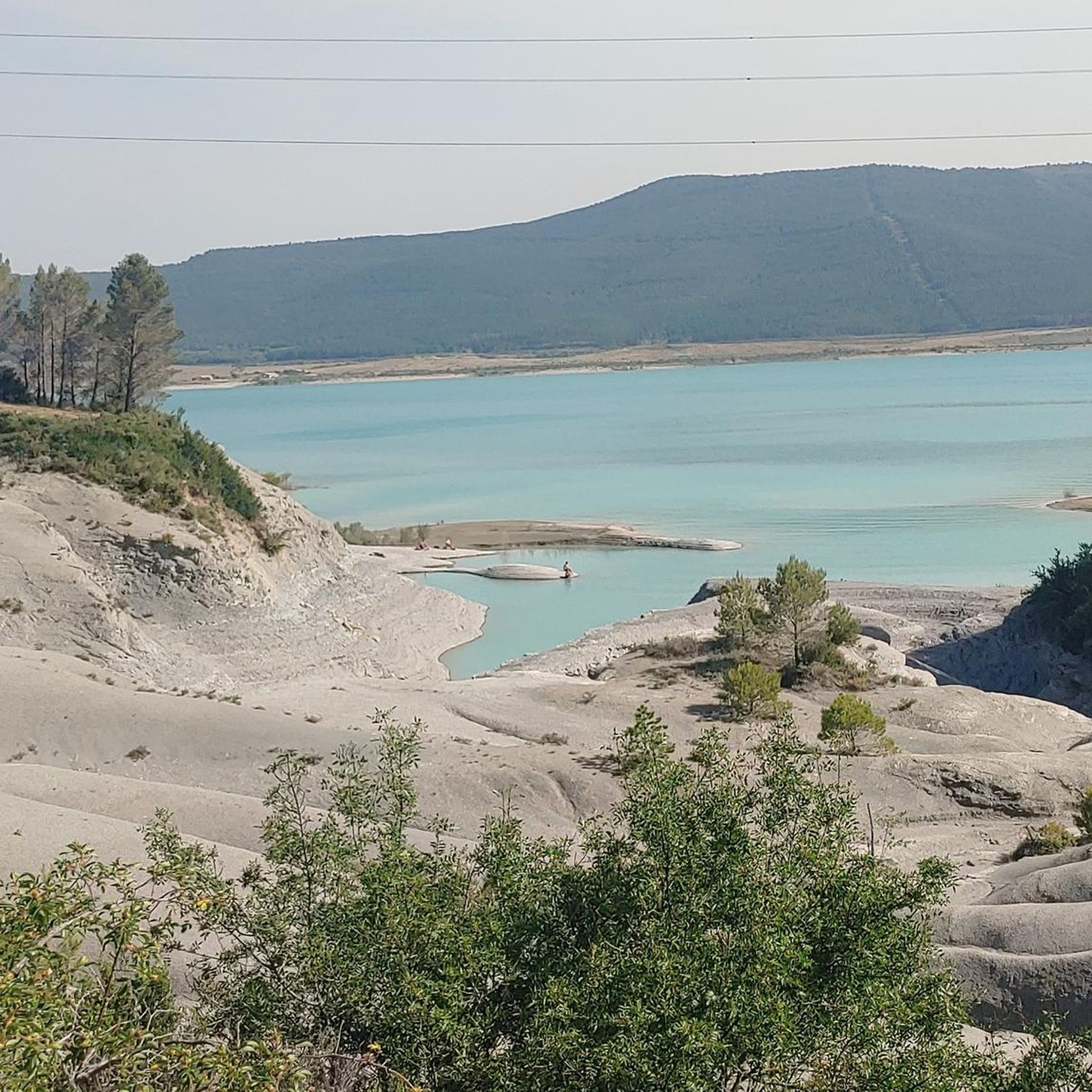
Tips from the Community

Roncal, in Basque Erronkari, is a beautiful Navarrese village of traditional stone houses in the spectacular Roncal Valley. Its location is ideal as a starting point or an ideal stopover for any outdoor route. Especially if you like cheese.
0
0

Just after leaving the parking lot, about 300 meters away, take the detour to the left and follow the path very easily and beautifully. If you have decent binoculars, you can see some chicks in the vulture colonies, depending on the time of year, and some adults all year round. Highly recommended, short and sweet.
0
0

It is recommended to start the hike correctly as recommended because the light on the rocks allows for beautiful photos
0
0

Burgui is the start in the lower or southern part of the Roncal Valley, which ends in Belagua, at the foot of Piedra de San Martín. It is a very beautiful and quiet town, with all kinds of services to stay for several days and use it as a starting point for the various bike tours in the area. It is also highly recommended to reach Burgui via the road coming from Salvatierra de Esca, following the course of the Esca river through the Foz de Esca.
0
0

Beautiful little greenway, very short, but worth enjoying!
1
0

Isaba, also known as Izaba in Basque, is a picturesque village located in the Roncal Valley in the Navarrese Pyrenees, northern Spain. This charming village is known for its rich history dating back to the Middle Ages, when it was a strategic outpost for the Kingdom of Navarre. Isaba offers breathtaking scenery with lush green meadows in spring, colorful autumn leaves and snow-capped mountains in winter.
1
0
The Puerto de Laza is a small and beautiful hill that joins the valleys of Roncal (starting from Isaba) and Salazar (starting from Ochagavía) in the Navarrese Pyrenees. Both sides are very similar: a very easy start on a winding road, in perfect condition but without a hard shoulder, passing through small towns and going up the course of the respective rivers Anduña (Salazar valley) and Urbi (Roncal valley); a final stretch of 2 - 3 kms that is harder without being too much so, although there are some slopes above 10%. The Salazar valley side becomes harder when leaving behind the detour to the Larrau port. From here to the port there are 3 km with an average gradient of 7%. On the other hand, the Roncal valley side becomes harder when overcoming a bridge over the river that has been with us since we left Isaba behind. From here it is barely 2 km with an average gradient of 7%. From a landscape perspective, it is a port that I love because you can enjoy the exuberance of the vegetation of the Pyrenees, crossing narrow valleys and only with panoramic views when you reach the top, where there is a viewing point that is worth looking out at. A port that I always recommend for enjoying cycle tourism. I leave you the profile of both sides produced by the website www.cyclingcols.com --> http://www.cyclingcols.com/col/Laza
0
1

There is very little shade on the entire circular route, only the last, short section in the gorge has shade. In summer it can get as hot as 40 degrees Celsius and then only the section in the gorge is recommended, not the circular hike.
1
1
Frequently Asked Questions
How many touring cycling routes are available around Navascués?
There are 8 touring cycling routes documented around Navascués, offering diverse experiences through mountain passes and valleys. These routes are generally suited for experienced cyclists due to significant elevation changes.
Are there any easy touring cycling routes in Navascués for beginners?
The touring cycling routes around Navascués are predominantly challenging, with 7 out of 8 routes rated as difficult. However, there is one moderate option: the Yesa Reservoir – Yesa Dam loop from Sigüés. This route covers 36.7 km with an elevation gain of around 409 meters, making it a more accessible choice.
What kind of terrain can I expect on touring cycling routes near Navascués?
The terrain around Navascués is characterized by mountain passes, deep valleys, and scenic countryside. Cyclists should be prepared for significant elevation changes, as many routes feature substantial climbs, such as the one found on the Cueva del Ibón – Pierre Saint-Martin Pass loop from Burgui / Burgi.
Are there any circular touring cycling routes in the Navascués area?
Yes, many of the touring cycling routes around Navascués are designed as loops. Examples include the popular Organbide Dolmen – Bagargui loop from Esparza de Salazar / Espartza Zaraitzu, the Burgui – View of the Countryside loop from Sarriés / Sartze, and the Yesa Reservoir – Yesa Dam loop from Sigüés.
What are some notable natural landmarks or attractions I can see while cycling around Navascués?
The region offers several natural and historical points of interest. You can cycle past the impressive Foz de Arbayun and Foz de Burgui gorges, or enjoy views of the Yesa Reservoir. The Paso del Oso Natural Rock Arch is another unique natural monument worth exploring.
What historical sites or settlements can I explore along the routes?
Cyclists can encounter charming settlements like Burgui, which is a starting point for several routes. The historic Leyre Monastery is also a significant landmark in the broader area, offering a glimpse into the region's past.
What is the best season for touring cycling in Navascués?
Given the mountainous terrain and potential for snow at higher elevations, late spring, summer, and early autumn are generally the best seasons for touring cycling in Navascués. These months offer more stable weather conditions and open passes, allowing for full enjoyment of the scenic routes.
Are there routes that offer expansive views?
Absolutely. Many routes in Navascués provide expansive views, especially those that ascend to higher elevations. For instance, the Cueva del Ibón – Pierre Saint-Martin Pass loop from Burgui / Burgi includes a significant climb to the Pierre Saint-Martin Pass, offering panoramic vistas of the surrounding landscape.
What do other touring cyclists say about the routes in Navascués?
The touring cycling routes around Navascués are highly regarded by the komoot community, with an average rating of 5.0 stars based on 4 reviews. Cyclists often praise the challenging yet rewarding nature of the routes, the stunning mountain scenery, and the sense of adventure found in this region.
How long do the touring cycling routes typically take to complete?
The duration varies significantly depending on the route's length and difficulty. For example, the Organbide Dolmen – Bagargui loop from Esparza de Salazar / Espartza Zaraitzu, at 129.7 km with substantial elevation, can take over 10 hours. Shorter routes like the Burgui – View of the Countryside loop from Sarriés / Sartze (53.6 km) can be completed in about 3.5 hours.
Is public transport available to reach the starting points of these cycling routes?
Public transport options directly to the more remote starting points in Navascués can be limited. It is advisable to check local bus schedules for connections to larger towns like Burgui or Esparza de Salazar, which serve as common starting points for several routes. Planning for car access or a combination of transport might be necessary for some routes.
Are there parking facilities at the trailheads?
While specific parking information for every trailhead isn't always detailed, many villages and towns that serve as starting points for these routes, such as Burgui, Esparza de Salazar, or Sigüés, typically offer public parking areas. It's recommended to arrive early, especially during peak season, to secure a spot.
Most popular attractions around Navascués

Get inspired with the komoot mobile app


Explore more
Browse the best Cycling routes in other regions.
