The best cycling routes around Arenales De San Gregorio
4.4
(7)
80
riders
Touring cycling routes around Arenales De San Gregorio traverse a landscape characterized by expansive vineyards and gently rolling terrain, typical of the La Mancha region. The area features significant pine forests, including El Pinar de la Habana and El Pinar de San Julián, offering shaded paths. The Záncara River flows through the municipality, providing routes alongside water features and traditional agricultural scenery. This environment offers accessible cycling experiences amidst a rich viticultural heritage.
Best touring cycling routes around Arenales De…
Last updated: July 13, 2026
56.8km
04:58
310m
310m
Hard bike ride. Good fitness required. You may need to push your bike for some segments of this route.
3.0
(1)
15
riders
57.3km
04:21
290m
290m
Moderate bike ride. Good fitness required. Mostly paved surfaces. Suitable for all skill levels.

Sign up for free
5.0
(1)
11
riders
Moderate bike ride. Good fitness required. Mostly paved surfaces. Suitable for all skill levels.
4.7
(3)
9
riders
Hard bike ride. Good fitness required. You may need to push your bike for some segments of this route.
6
riders
Hard bike ride. Good fitness required. You may need to push your bike for some segments of this route.
Our route recommendations are based on thousands of hikes, rides, and runs completed by other people on komoot.
Start today with a free account
Your next adventure awaits.
Login or Signup
Popular around Arenales De San Gregorio
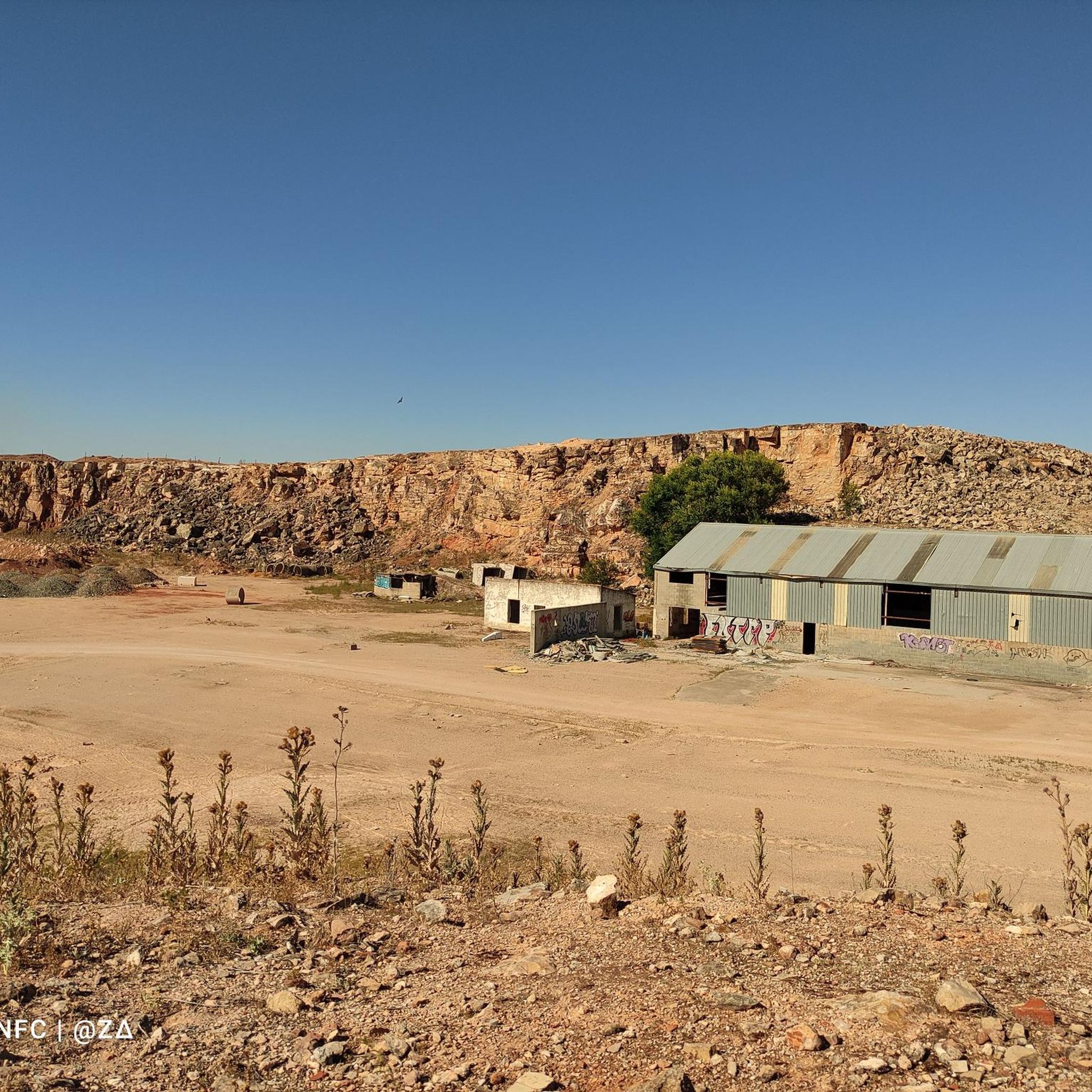

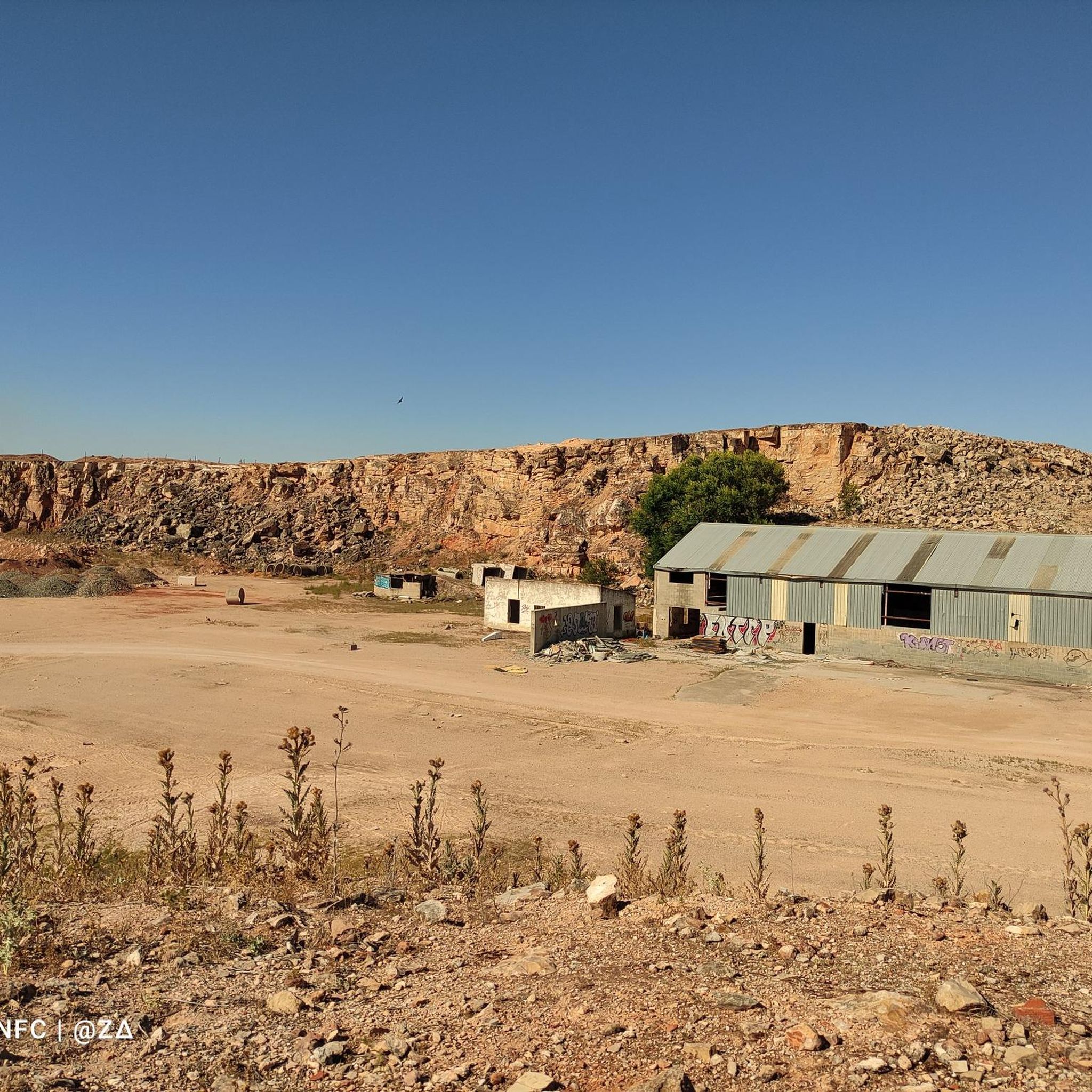
Tips from the Community

The ruins of the Ermita de Santa Ana in El Toboso (Toledo) are the remains of a 16th-century Renaissance temple. It is located outside the village, on a deserted hill.
1
0

Alcázar de San Juan is one of the most interesting destinations in the heart of La Mancha, with a blend of history, heritage, nature, and Cervantine traditions. Its name comes from the Military Order of Saint John, which dominated the area after the Reconquista. It claims to be the birthplace of Miguel de Cervantes, as the baptismal font where, according to some studies, the writer was baptized is preserved in the Collegiate Church of Santa María la Mayor. It was an important railway junction and economic center in the 19th and 20th centuries, which shaped its urban development.
2
0
The Hermitage or Sanctuary of the Holy Christ of Villajos is one of the most emblematic places in Campo de Criptana (Ciudad Real). It originated from the old village of Villajos, which was abandoned in the 14th century. The original church was dedicated to Our Lady of Villajos.
8
0
The Church of Santa Quiteria in Alcázar de San Juan (Ciudad Real) is one of the town's most important churches, boasting a rich history and significant architectural value. Origin: Construction began in the second half of the 16th century based on plans by Juan de Herrera, the architect of El Escorial. Execution: The work was directed by Agustín Argüello and completed by Bartolomé Elorriaga in 1604. Style: Renaissance with classical elements.
7
0
The Grand Prior's Tower is one of the most emblematic monuments of Alcázar de San Juan (Ciudad Real) and forms part of the Grand Prior's Palace Complex, linked to the Order of Saint John. Built in the 13th century on the remains of the old Muslim citadel, during the Almohad period. Reconquest: It became part of the palace of the Grand Priors of Castile and León of the Hospitaller Order of Saint John of Jerusalem. Expansions: In 1618, under Philip III, a floor was added with windows and plaster ribbed vaults.
8
0

Return to the town of Campo de Criptana
0
0
The Church of San Antonio Abad, built from 1525 onwards on an earlier church, is one of the main monuments of El Toboso and a prominent example of late Gothic architecture in La Mancha. Its hall plan features three naves of equal height covered by ribbed vaults supported by cylindrical columns. In the 17th century, side chapels and a transept were added, while the Renaissance-style doorways and the Plateresque tower complete its imposing façade. This church is thought to correspond to the one depicted in Don Quixote's famous phrase: "We have found the church, Sancho."
3
0
The statue of Don Quixote and Dulcinea in El Toboso is one of the town's most emblematic monuments, deeply linked to the Cervantes universe. It stands in the main square of El Toboso, dedicated to Juan Carlos I, in the heart of the town. The sculptures are made of sheet iron, not cast iron, giving them a handcrafted and robust appearance.
4
0
Frequently Asked Questions
What kind of landscapes can I expect to see while touring cycling around Arenales De San Gregorio?
Touring cyclists in Arenales De San Gregorio will primarily experience the expansive vineyards and gently rolling terrain characteristic of the La Mancha region. The area also features significant pine forests, such as El Pinar de la Habana and El Pinar de San Julián, offering shaded paths. Additionally, routes often follow the Záncara River, providing pleasant scenery alongside water features and traditional agricultural landscapes.
Are there any family-friendly touring cycling routes in the area?
The flat and gently rolling terrain around Arenales De San Gregorio makes many routes suitable for families. While specific 'easy' routes are not highlighted, the overall landscape, with its vineyard and riverside paths, offers accessible cycling experiences. For a moderate option, consider the Alcázar de San Juan – Church of Santa Quiteria loop from Campo de Criptana, which is 17.9 miles (28.9 km) long and leads through agricultural heartland.
What are some notable landmarks or natural features I can explore on a touring bike?
The region offers several points of interest. You can cycle through vast vineyards, explore the tranquil pine forests of El Pinar de la Habana and El Pinar de San Julián, or follow the Záncara River. For specific landmarks, the Ermita de San Antón – Río Záncara loop from Campo de Criptana offers views of the river and surrounding vineyards. You might also encounter traditional houses with indigo blue bases and market gardens with water wheels. The Bridge over the Záncara River is another notable feature.
Are there any circular touring cycling routes available?
Yes, several routes are designed as loops, allowing you to start and end in the same location. A popular option is El Toboso — circular from Campo de Criptana, a 35.3 miles (56.8 km) trail that navigates the rural landscape. Another is the Ermita de San Antón – Río Záncara loop from Campo de Criptana, which follows the Záncara River.
What is the best time of year to go touring cycling in Arenales De San Gregorio?
The region experiences a Mediterranean climate, making spring and autumn ideal for touring cycling. During these seasons, temperatures are milder, and the changing colors of the vineyards offer a picturesque backdrop. Summers can be very hot, and while winters are generally mild, they can be cooler and wetter. Checking local weather forecasts before your trip is always recommended.
What is the difficulty level of touring cycling routes in Arenales De San Gregorio?
The touring cycling routes around Arenales De San Gregorio offer a range of difficulty levels, from moderate to difficult. The terrain is generally flat with gently rolling sections, making it accessible. For example, the Ermita de San Antón – Río Záncara loop from Campo de Criptana is rated as moderate, while the Hermitage of Cristo de Villajos – Campo de Criptana Windmills loop from Campo de Criptana is considered difficult.
Are there any routes that pass by windmills or other iconic structures?
Yes, the region is known for its windmills. You can find routes that incorporate these iconic structures, such as the Hermitage of Cristo de Villajos – Campo de Criptana Windmills loop from Campo de Criptana. Another route, the Statue of Quixote and Dulcinea – Campo de Criptana Windmills loop from Campo de Criptana, also features windmills and cultural references.
What are the typical durations for touring cycling routes in this area?
The duration of touring cycling routes varies depending on their length and your pace. For instance, the El Toboso — circular from Campo de Criptana, which is 35.3 miles (56.8 km), typically takes around 4 hours and 58 minutes. A shorter option, the Alcázar de San Juan – Church of Santa Quiteria loop from Campo de Criptana (17.9 miles / 28.9 km), can be completed in about 2 hours and 11 minutes.
What do other touring cyclists say about the routes in Arenales De San Gregorio?
The touring cycling routes in Arenales De San Gregorio are highly rated by the komoot community, with an average score of 4.4 stars from 7 reviews. Cyclists often praise the immersive experience of riding through vast vineyards and the tranquil atmosphere of the pine forests and riverside paths.
Are there opportunities for wine tourism or local gastronomy along the cycling routes?
Absolutely. The region is deeply connected to its winemaking heritage. While cycling through the vineyards, you'll find opportunities for wine tourism, including guided tours of ecological wineries and wine tastings. The local gastronomy is also a highlight, with dishes like 'gachas de pitos,' 'migas,' and Manchego cheese, alongside the renowned local melon production. Many routes pass through or near towns where you can experience these local delights.
Is it possible to combine cycling with visits to natural parks nearby?
Arenales de San Gregorio is situated a short distance from the National Park of Las Tablas de Daimiel, one of Spain's most important natural wetlands. While direct cycling routes within the park might be restricted, its proximity offers opportunities for day trips to explore its unique ecosystem, extending the natural exploration possibilities for touring cyclists in the region.
Most popular routes around Arenales De San Gregorio
Most popular attractions around Arenales De San Gregorio

Get inspired with the komoot mobile app


Explore more
Browse the best Cycling routes in other regions.
