Attractions and Places To See around Vallfogona De Riucorb - Top 20
Best attractions and places to see around Vallfogona De Riucorb include a blend of historical sites, cultural experiences, and natural landscapes. This medieval village, situated in the Corb Valley, features a past influenced by Templar and Hospitaler presence. The area offers diverse points of interest, from ancient churches and castles to thermal waters and scenic routes. Visitors can explore a variety of landmarks and natural features within the municipality and its surroundings.
Best attractions and places to see around Vallfogona De Riucorb
- The most popular attractions is Guimerà, a settlement known for its medieval charm. This picturesque village is perched on a hillside overlooking the Riu Corb, featuring narrow streets.
- Another must-see spot is Corral del Monjo, a historical site. This complex, also known as Monk's Cabin, is currently in ruins and features arches, columns, a watchtower, and a small church.
- Visitors also love Santuario del Tallat, a religious building. This Gothic sanctuary dates from the 13th century and is located on top of a 788-meter-high hill, offering views over the l'Urgell, Sagarra, and Conca de Barberà regions.
- Vallfogona De Riucorb is known for its historical sites, medieval villages, and natural features. The region offers a variety of attractions to see and explore, including ancient churches, castles, and scenic viewpoints.
- The attractions around Vallfogona De Riucorb are appreciated by the komoot community, with 18 upvotes and 17 photos shared.
Last updated: July 7, 2026
Santuario del Tallat
Highlight • Religious Site
Translated by Google •
Tip by

Corral del Monjo
Highlight • Historical Site
Translated by Google •
Tip by
Sign up now to discover places like this
Get recommendations on the best single tracks, peaks, & plenty of other exciting outdoor places.
Sign up for free
Views of Albió
Highlight • Viewpoint
Translated by Google •
Tip by

Guimerà
Highlight • Settlement
Translated by Google •
Tip by

Belltall
Highlight • Settlement
Of its heritage, the church of Sant Pere (19th century) stands out, with its neoclassical bell tower. As is usual in the area, some of its streets have vaulted sections.
Belltall is known for having its own variety of garlic, the Belltall garlic, with a rounded shape, smaller than conventional garlic and flat at the bottom.
Translated by Google •
Tip by

Sign up for free to discover even more attractions around Vallfogona De Riucorb.
Sign up for free
Already have an account?
Start today with a free account
Your next adventure awaits.
Login or Signup


Tips from the Community

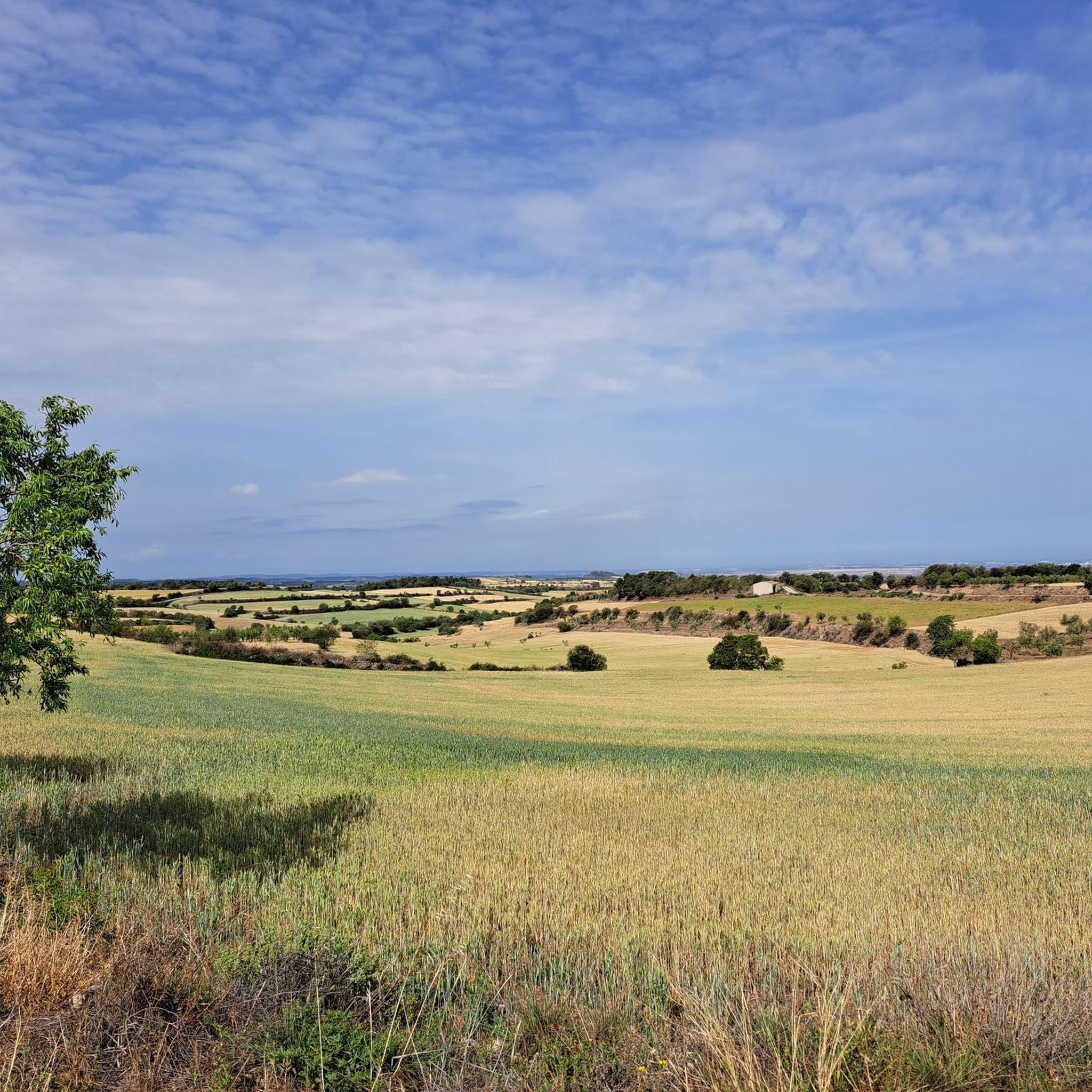
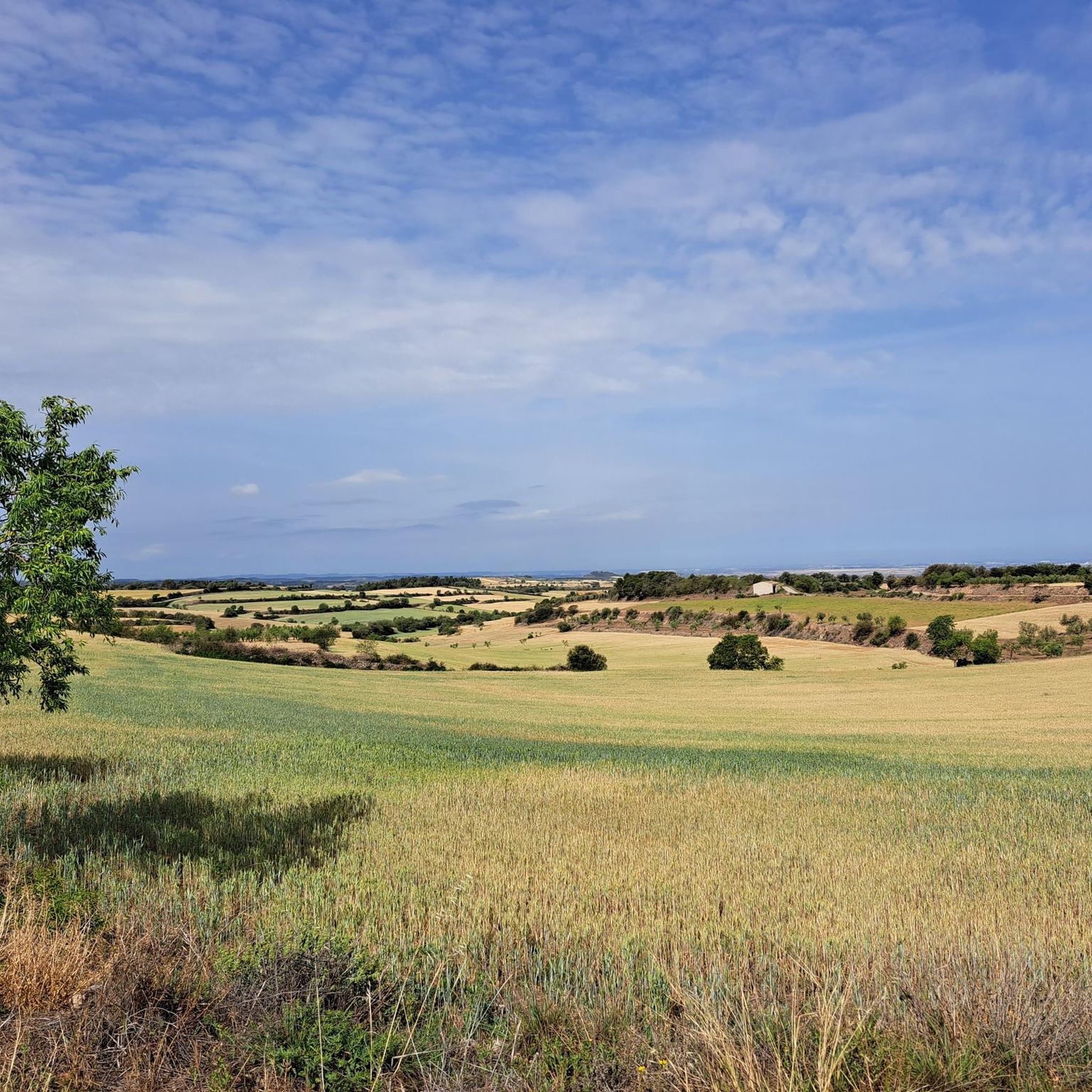
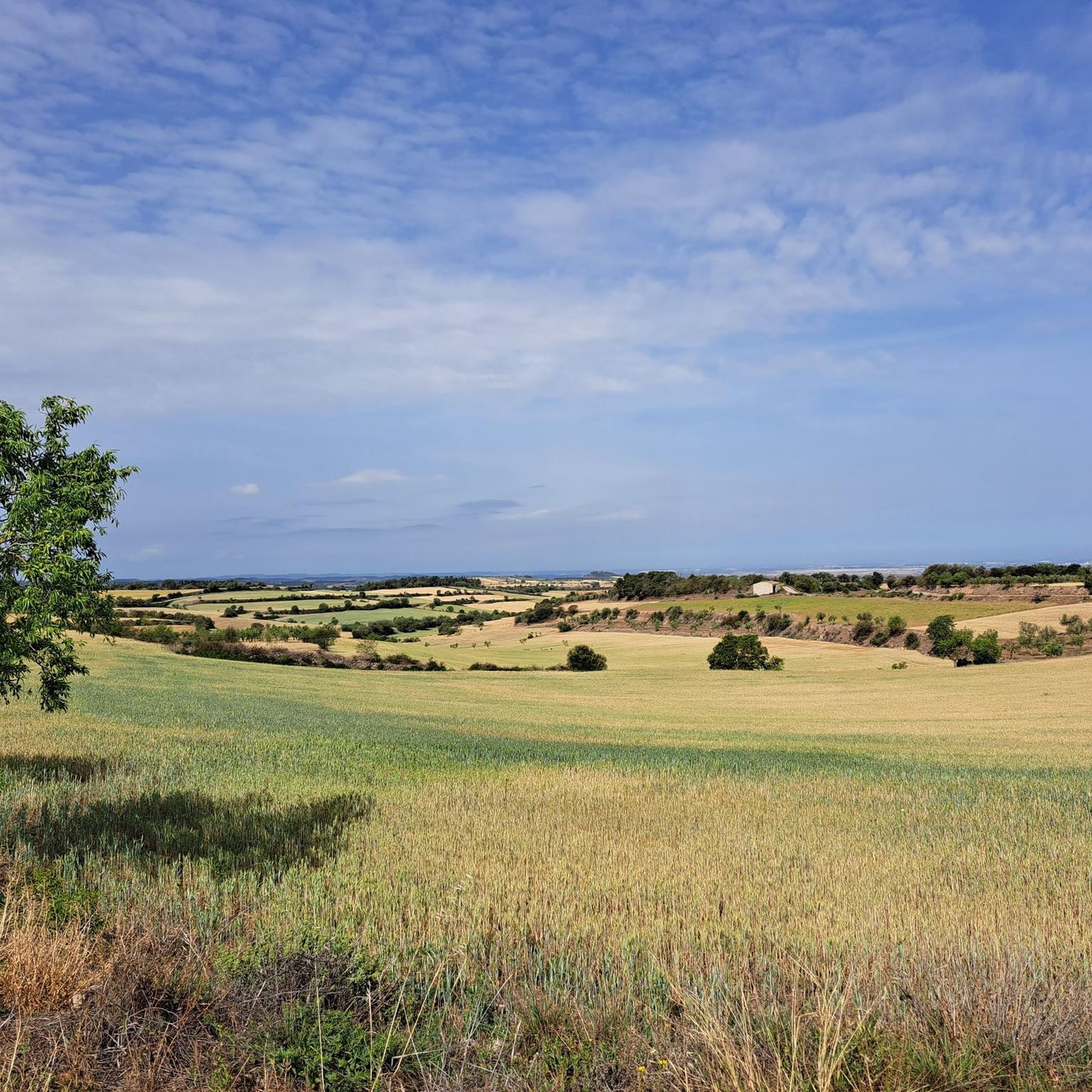
In addition to the views of the hilltop village of Albio, the views from Albio itself are also very beautiful.
0
0

town with medieval charm to reach or from which to depart on the multiple routes, around "la Vall del Corb". Climatic refuge between L'Urgell and La Segarra and from there you can connect with Conca de Barberá
0
0

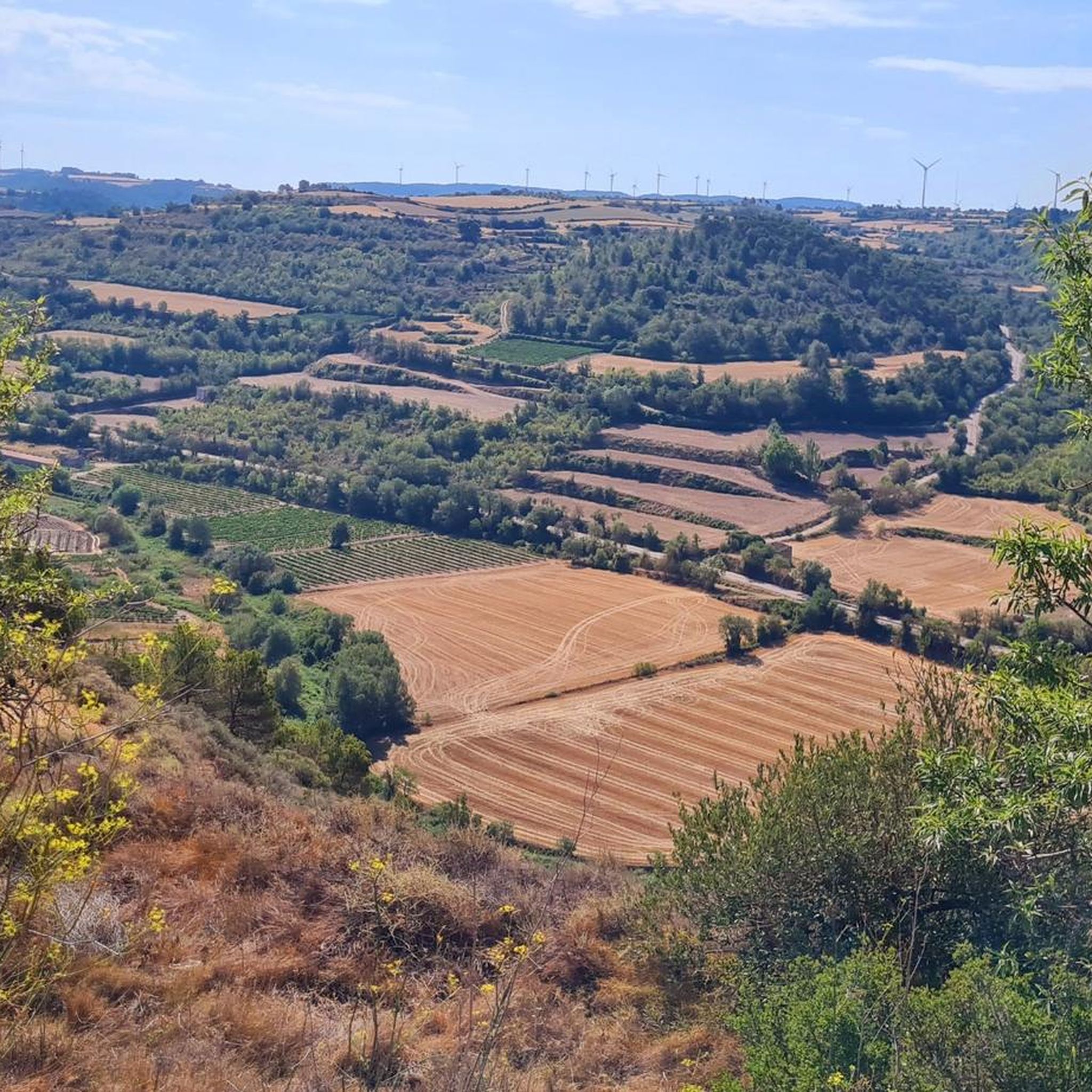
The monk's corral or monk's hut is a complex that is currently in ruins. The building is very particular, since it has some arches and columns, a watchtower and a small church. It is a magnificent example of the ancestral buildings that are spread along the Camino Real.
0
0

Albiò, crossing point in La Segarra. Visit between March and May, beyond that the atmosphere will be very dry.
0
0

Belltall is a nucleus of the municipality of Passanant i Belltall, in the region of Conca de Barberà (Tarragona). Of its heritage, the church of Sant Pere (19th century) stands out, with its neoclassical bell tower. As is usual in the area, some of its streets have vaulted sections. Belltall is known for having its own variety of garlic, the Belltall garlic, with a rounded shape, smaller than conventional garlic and flat at the bottom.
0
0
The Tallat sanctuary appears in records as early as the 11th century, where a defense tower was located that took advantage of the magnificent views over the l'Urgell, Sagarra and Conca de Barberà regions. In the middle of the 14th century, a church was established as a result of the popular initiative of the residents of Rocallaura, and in 1475 it is said that a wooden carving of a Virgin Mary appeared to a shepherd. Legend has it that despite repeated attempts to move the carving, it returned to the place where the sanctuary is now, so they decided to leave it here. Then began a period of splendor for the sanctuary, with numerous reforms during the 15th and 16th centuries, some promoted by Fernando el Católico himself, who is said to have spent the night with Queen Isabella la Católica in 1493. By order of the king, it became in the priory of nearby Poblet, and a group of monks from the Cistercian order settled there. With the confiscation of Mendizabal in the first half of the 19th century, the monks abandoned the priory, and after the subsequent looting and destruction of the enclosure, the sanctuary remained abandoned until 1970 when a private association acquired the remains and took charge of their restoration and custody.
1
0

Albió is a population center located at the westernmost end of the term of Llorac, in the Conca de Barberà. It is located on a small hill and bordered by the Corb river.
0
0
The Tallat sanctuary appears in records as early as the 11th century, where a defense tower was located that took advantage of the magnificent views over the l'Urgell, Sagarra and Conca de Barberà regions. In the middle of the 14th century, a church was established as a result of the popular initiative of the residents of Rocallaura, and in 1475 it is said that a wooden carving of a Virgin Mary appeared to a shepherd. Legend has it that despite repeated attempts to move the carving, it returned to the place where the sanctuary is now, so they decided to leave it here. Then began a period of splendor for the sanctuary, with numerous reforms during the 15th and 16th centuries, some promoted by Fernando el Católico himself, who is said to have spent the night with Queen Isabella la Católica in 1493. By order of the king, it became in the priory of nearby Poblet, and a group of monks from the Cistercian order settled there. With the confiscation of Mendizabal in the first half of the 19th century, the monks abandoned the priory, and after the subsequent looting and destruction of the enclosure, the sanctuary remained abandoned until 1970 when a private association acquired the remains and took charge of their restoration and custody.
0
0
Frequently Asked Questions
What historical sites can I explore in Vallfogona de Riucorb?
Vallfogona de Riucorb is rich in history. You can visit the Santuario del Tallat, a Gothic sanctuary dating from the 13th century, which also served as a defense tower. The village itself features the Santa Maria Church with Romanesque and Gothic elements, and remnants of the former Vallfogona Castle. Don't miss the Corral del Monjo, a complex of ruins with arches, columns, and a watchtower, offering a glimpse into ancestral buildings along the Camino Real.
Are there any notable natural features or viewpoints in the area?
Yes, the region offers several natural highlights and viewpoints. The village is nestled in the scenic Corb Valley, characterized by beautiful landscapes and Mediterranean forests. You can enjoy panoramic views from the Santuario del Tallat, which overlooks the l'Urgell, Sagarra, and Conca de Barberà regions. Another excellent viewpoint is Views of Albió, located on a small hill bordered by the Corb river, offering picturesque vistas.
What is the Balneari de Vallfogona, and what does it offer?
The Balneari de Vallfogona is a renowned spa hotel, founded in 1901, famous for its thermal waters. It's a significant health tourism destination where visitors can relax and enjoy the mineral-medicinal properties of the waters, which are channeled directly through the hotel.
What is there to see in the medieval village of Guimerà?
Guimerà is a picturesque medieval village perched on a hillside overlooking the Riu Corb. It's known for its charming narrow, winding streets that climb up the mountain, offering a unique historical atmosphere and beautiful views. It's a popular starting or ending point for routes in the Corb Valley.
What is the Forès Wall, and what views does it offer?
The Forès Wall is an impressive 850-meter-long landmark in the Segarra region. It's known for its challenging climb for cyclists, but the real reward is the spectacular view from the town of Forès at the top. From there, you can enjoy an unforgettable panorama of the entire Conca de Barberà.
What kind of outdoor activities can I do around Vallfogona de Riucorb?
The scenic landscape around Vallfogona de Riucorb, with its crops and vegetation, provides numerous opportunities for outdoor activities. You can find many routes for walking, hiking, gravel biking, cycling, and running. These trails often lead to points of interest like the Font d'en Ballart and Sant Pere dels Bigats. For detailed routes, explore the guides for cycling, gravel biking, and running in the area.
Are there any cycling routes suitable for different skill levels?
Yes, the area offers various cycling routes. For gravel biking, you can find routes like the 'Guimerà – Guimerà Historic Village loop' or the 'Ruins of Corral del Monjo – Corral del Monjo loop'. Road cyclists can explore routes such as the 'Conesa Medieval Walled Village loop' or the 'L'Ametlla de Segarra – Somsomnis Restaurant loop'. You can find more details and routes in the Cycling around Vallfogona De Riucorb guide and the Gravel biking around Vallfogona De Riucorb guide.
Where can I find running trails near Vallfogona de Riucorb?
There are several running trails available around Vallfogona de Riucorb, catering to different distances and difficulties. Options include the 'Segura loop from Vallfogona de Riucorb' and a 'Running loop from Vallfogona de Riucorb'. For shorter, moderate runs, consider routes like 'Castell de Ferran – barraca de pedra seca 5421 loop from Guimerà' or 'Verdú Castle – St. Mary of Verdú loop from Verdú'. An easy option is the 'Granyena de Segarra loop'. More information can be found in the Running Trails around Vallfogona De Riucorb guide.
Are there family-friendly attractions or activities in Vallfogona de Riucorb?
While specific 'family-friendly' categories aren't highlighted, many of the historical sites and natural areas can be enjoyed by families. Exploring the medieval streets of Guimerà or walking some of the easier trails in the Corb Valley can be pleasant family activities. The Balneari de Vallfogona also offers a relaxing environment that could be suitable for families looking for a calm retreat.
What is the best time of year to visit Vallfogona de Riucorb?
The best time to visit Vallfogona de Riucorb for exploring attractions and outdoor activities is generally during spring (March to May) and autumn. During these seasons, the weather is typically mild and pleasant for hiking and cycling. Spring brings lush landscapes, while autumn offers beautiful colors. Summer can be warm, especially for strenuous activities, and the atmosphere can be very dry, as noted for areas like Albió.
What do visitors enjoy most about the attractions around Vallfogona de Riucorb?
Visitors particularly appreciate the blend of historical charm and natural beauty. The medieval villages like Guimerà, with its narrow streets and scenic views, are highly rated. The historical significance and panoramic vistas from sites like the Santuario del Tallat are also a big draw. The area's tranquil atmosphere and opportunities for outdoor exploration in the Corb Valley are frequently mentioned as highlights.
Can I find any hidden gems or less-known spots in the region?
Beyond the main attractions, the region holds several hidden gems. The Corral del Monjo, a complex of ruins in the middle of crop fields, offers a unique historical discovery. Exploring the smaller paths and trails in the Espai Natural de les Obagues del Riu Corb can also lead to serene spots and local points of interest like the Font d'en Ballart, away from more frequented areas.
Most popular routes around Vallfogona De Riucorb
Most popular attractions around Vallfogona De Riucorb

Get inspired with the komoot mobile app


Explore more
Still not found the Highlight you’re looking for? See guides of the top attractions in other regions:
