Attractions and Places To See around Níjar - Top 20
Best attractions and places to see around Níjar include a diverse range of natural landscapes and cultural sites within the province of Almería, Spain. The region is known for its location on the edge of the Cabo de Gata-Níjar Natural Park, a protected area characterized by volcanic origins and unique ecosystems. Visitors can explore dramatic coastal scenery, unspoiled beaches, and historical landmarks. The area also features traditional villages with Moorish layouts and a rich craft heritage.
Best attractions and places…
Last updated: October 9, 2026
Los Genoveses Beach
Highlight • Beach
Translated by Google •
Tip by

San Miguel Tower, Cabo de Gata
Highlight • Monument
Translated by Google •
Tip by

Sign up now to discover places like this
Get recommendations on the best single tracks, peaks, & plenty of other exciting outdoor places.
Cabo de Gata Salt Pans
Highlight • Natural Monument
Translated by Google •
Tip by

Collado de la Vela Blanca
Highlight • Mountain Pass
Translated by Google •
Tip by

Mónsul Beach
Highlight • Beach
Translated by Google •
Tip by
Sign up for free to discover even more attractions around Níjar.
Already have an account?
Start today with a free account
Your next adventure awaits.
Popular around Níjar
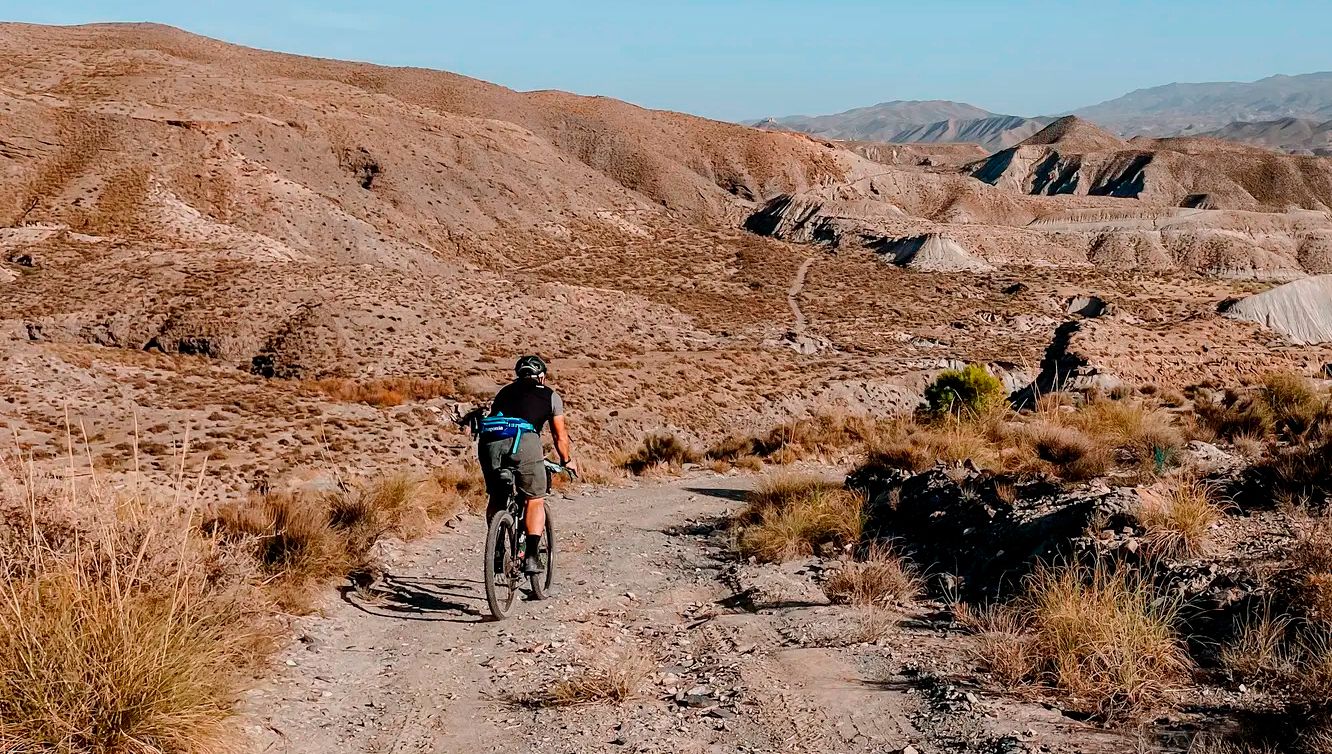
TransAlmería Gravel – Summits, dry riverbeds and deserts
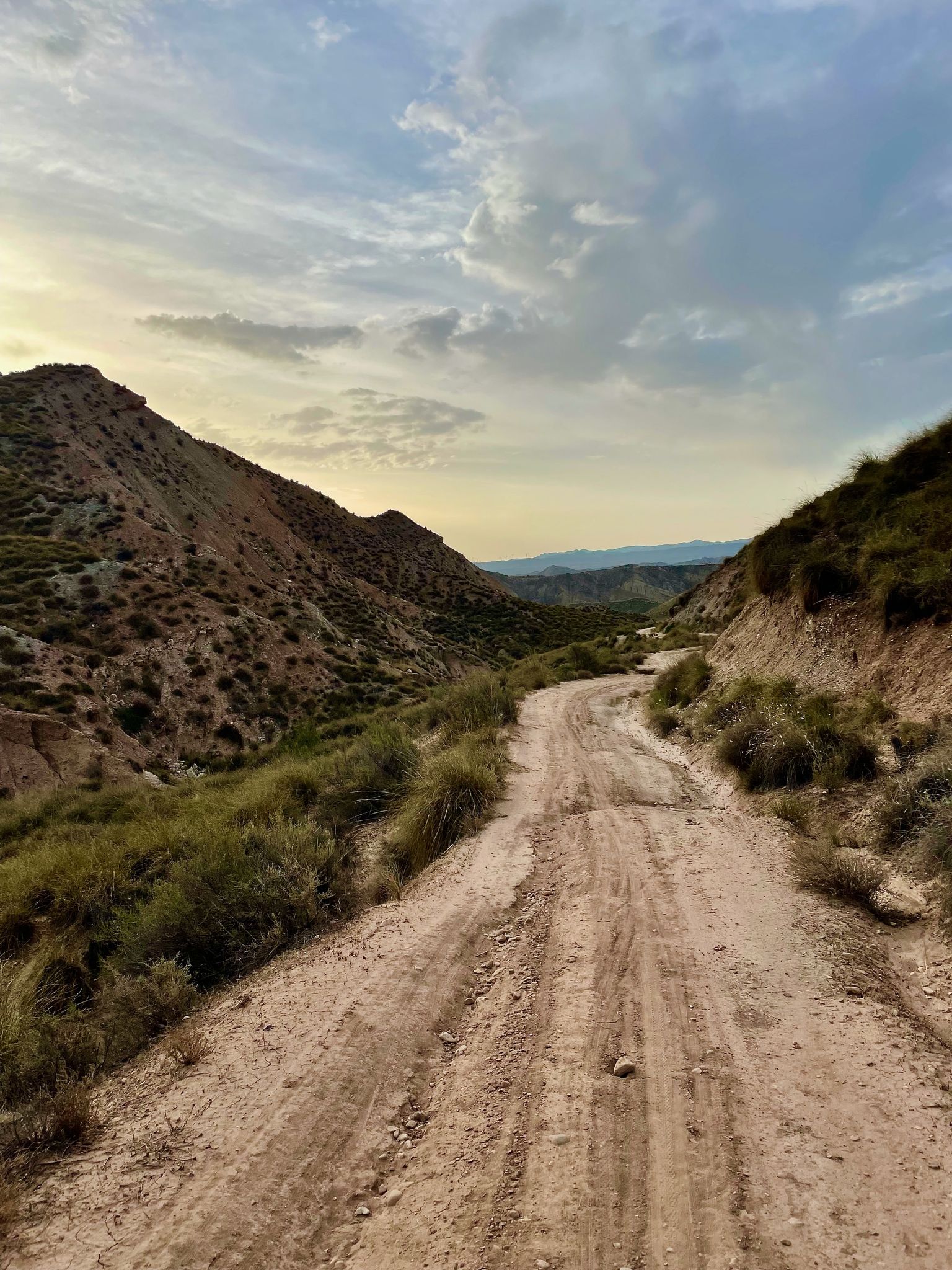
Badlands 2021 — 750km of gravel in the Spanish deserts
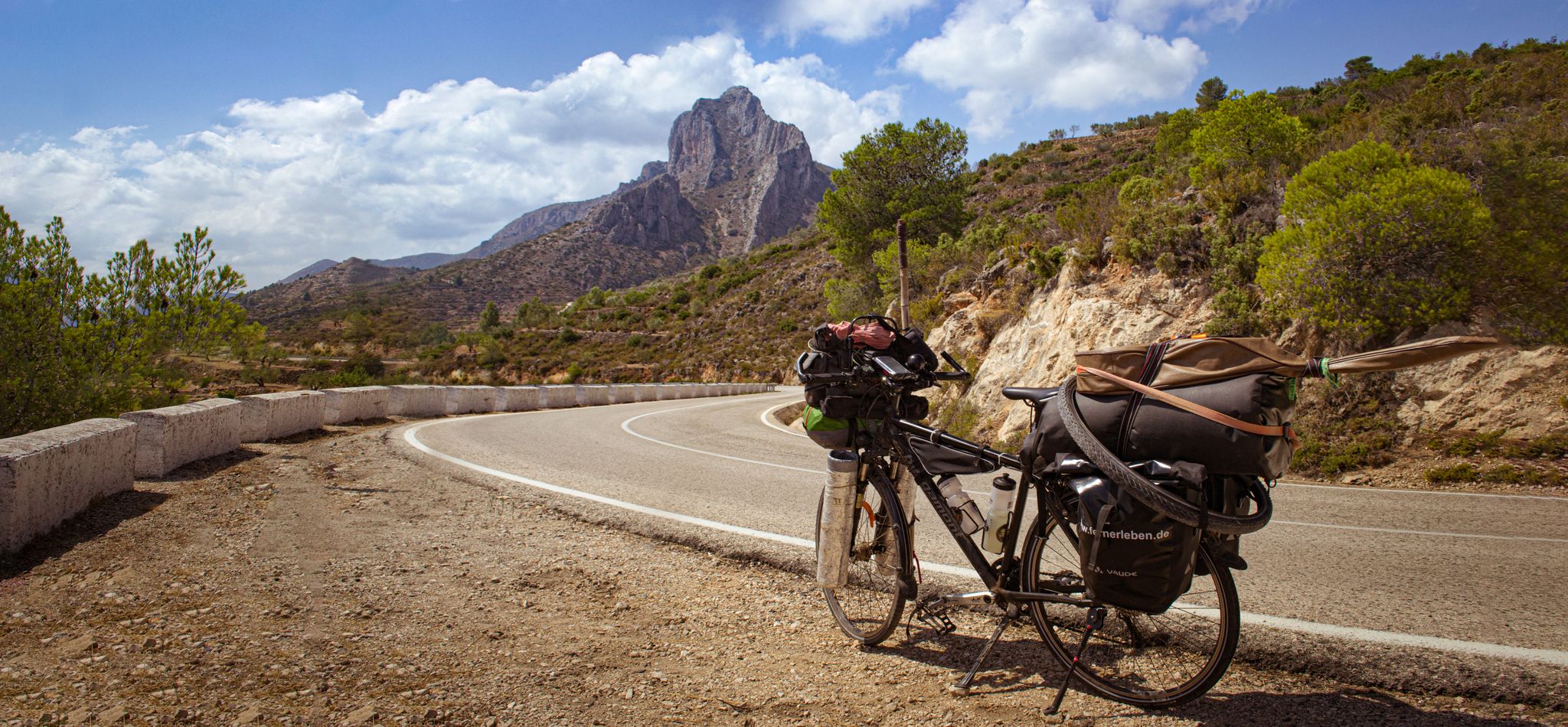
On the road to the sun — bikepacking to southeast Spain
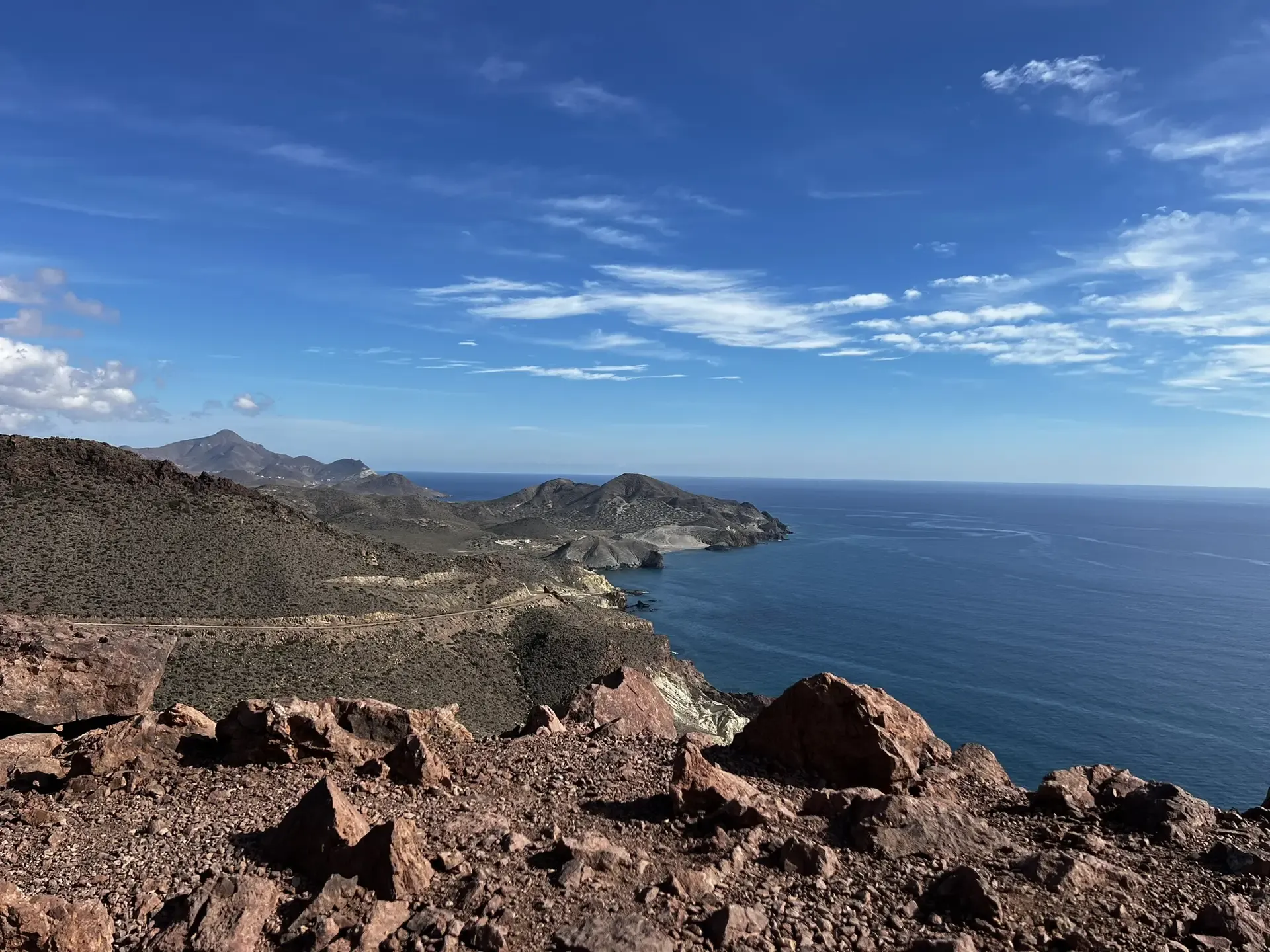
The Wild Side Of Almería — Transalmería By Mountain Bike
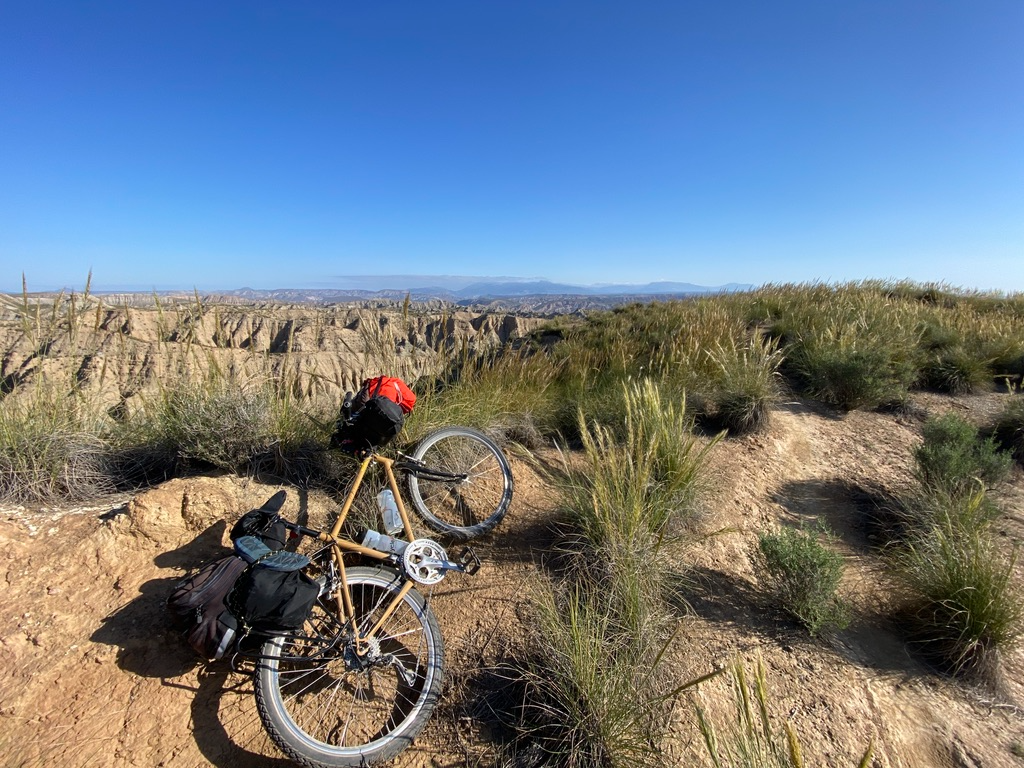
Mountain, Desert and Sea — Andalusian Trilogy
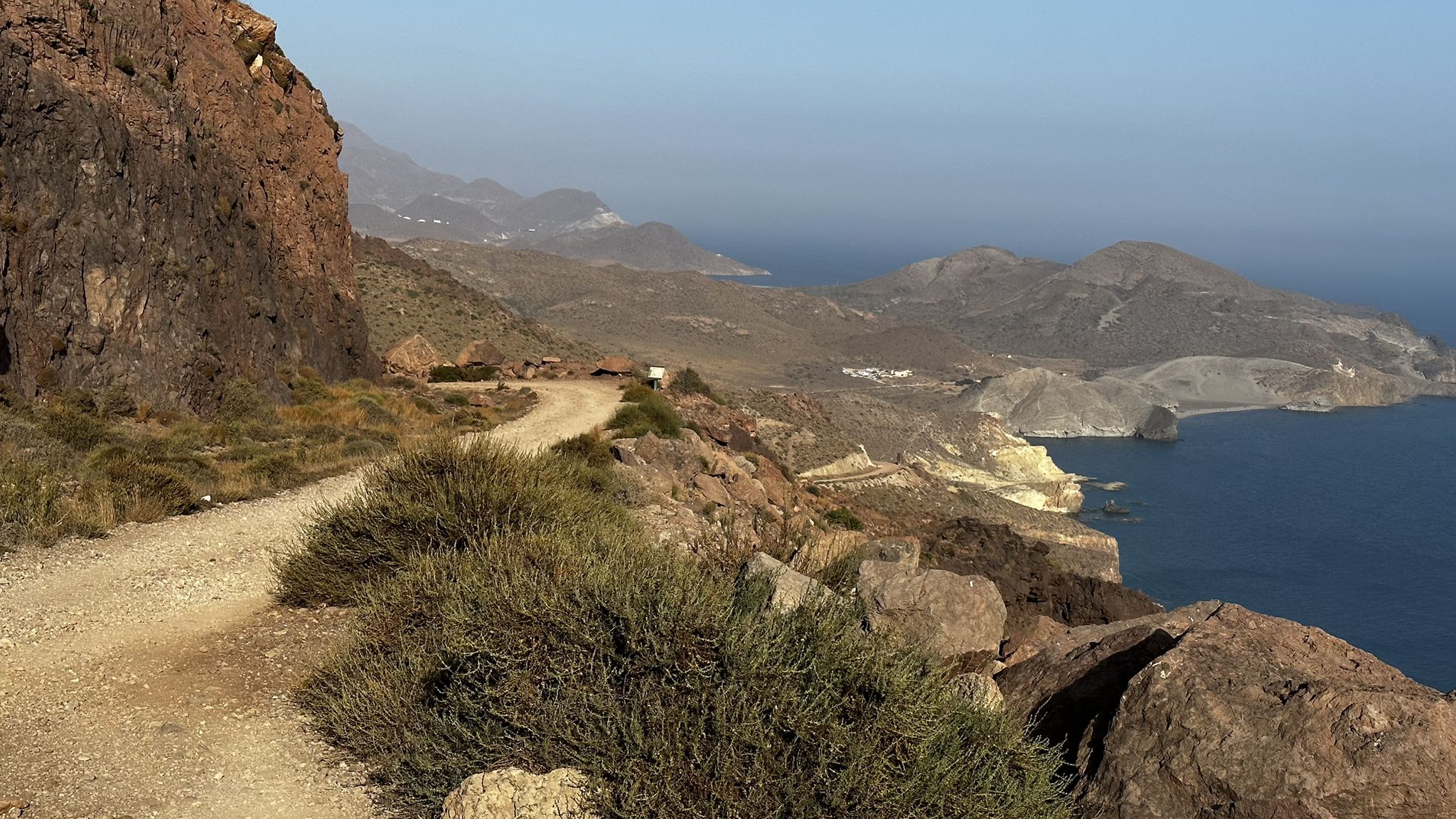
Beaches and desert – TransAlmería by MTB (El Levante)
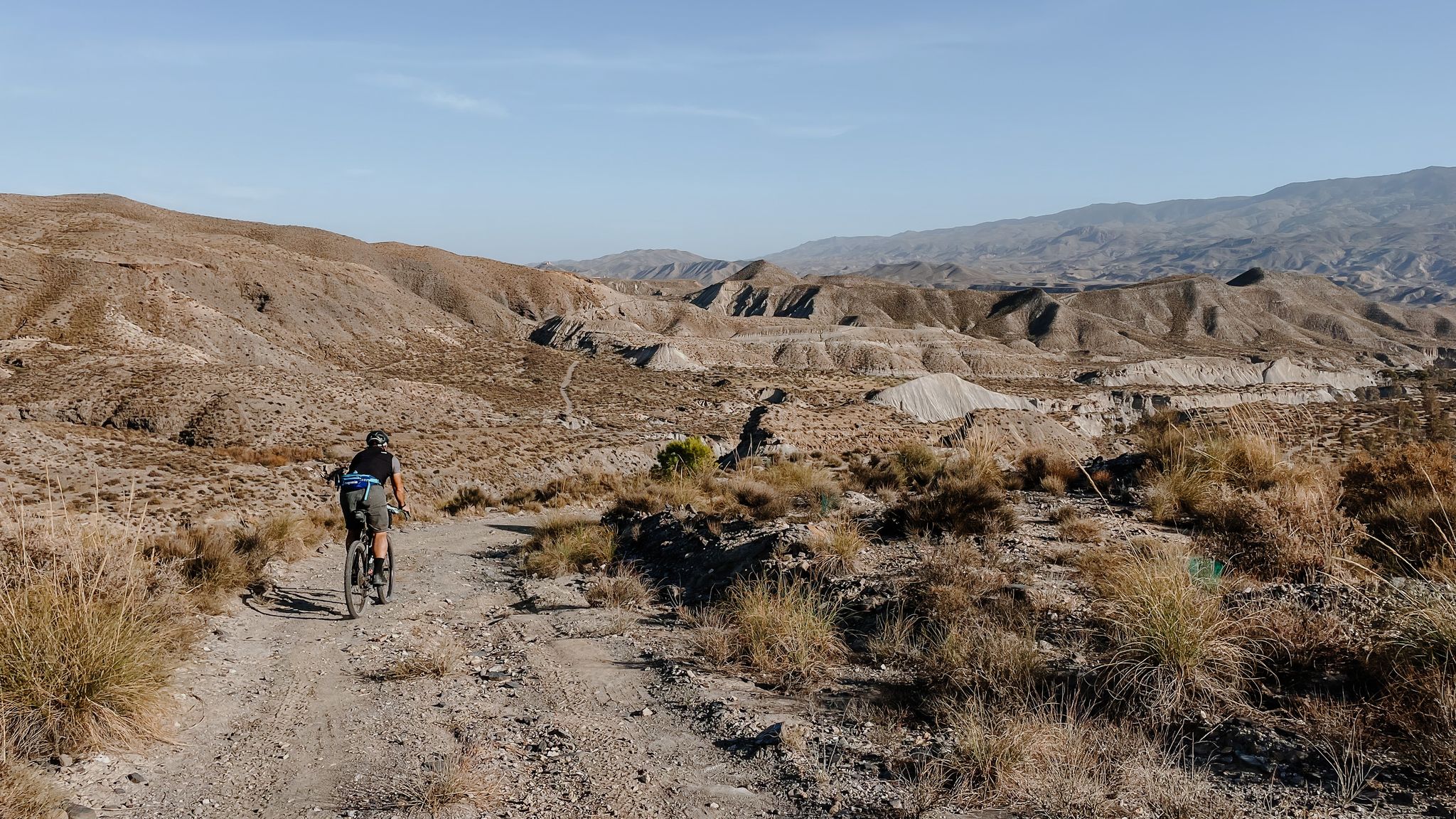
High mountains, desert and sea – an adventure of contrasts in Andalusia
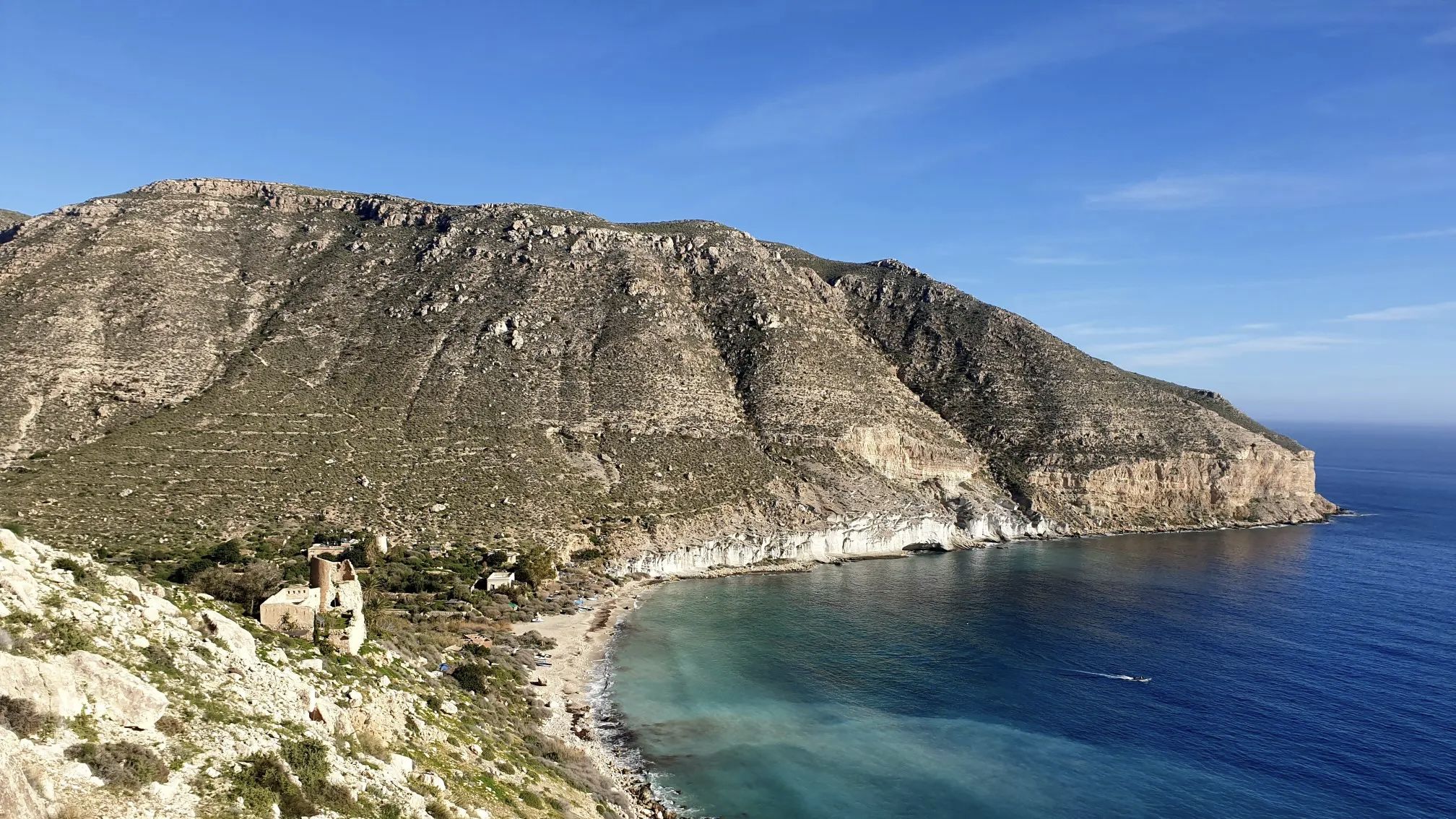
A bike ride that’s like a movie – Natural Park of Cabo de Gata-Níjar
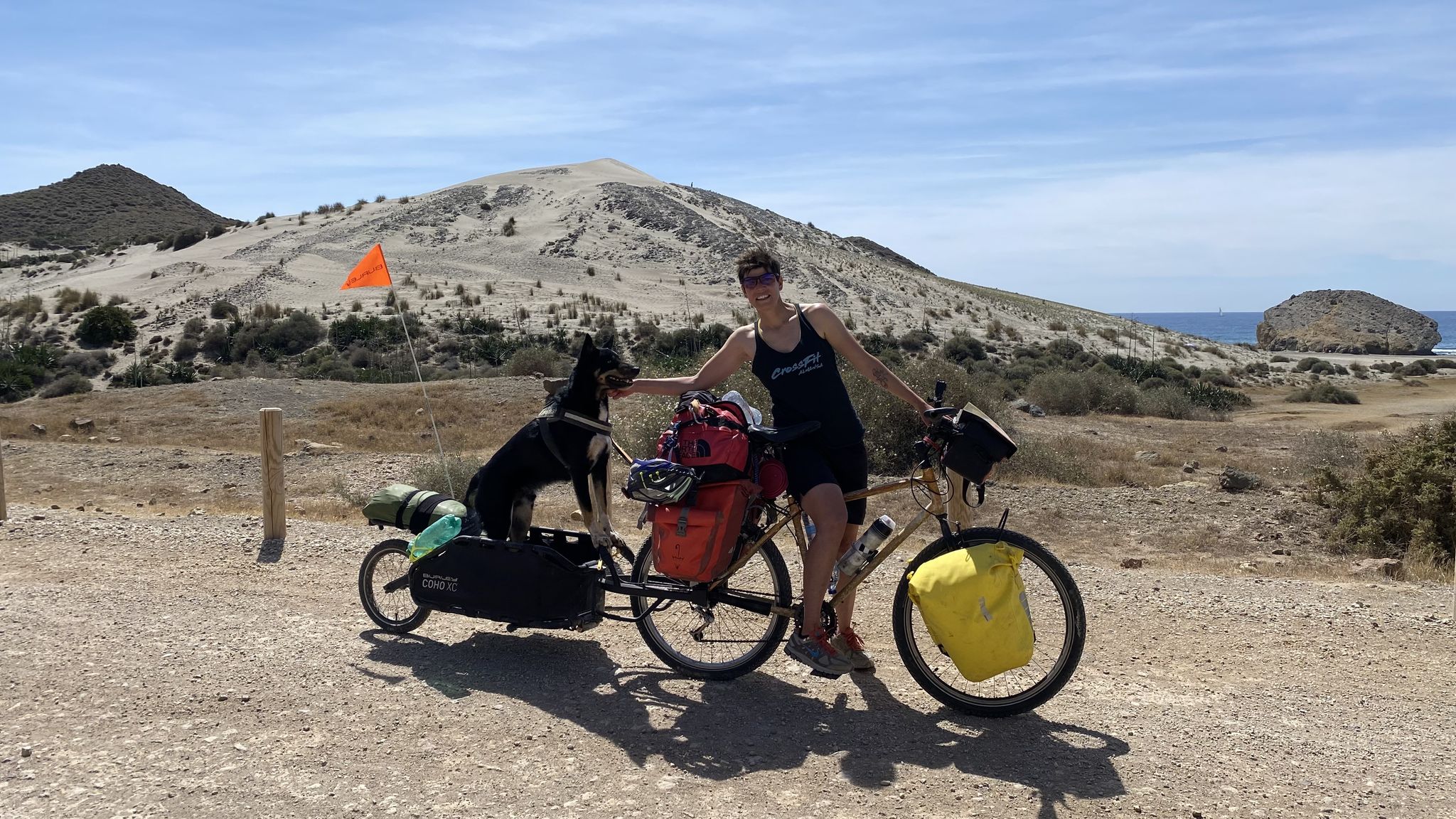
Let’s head south – cycle in Andalusia with me and my dog
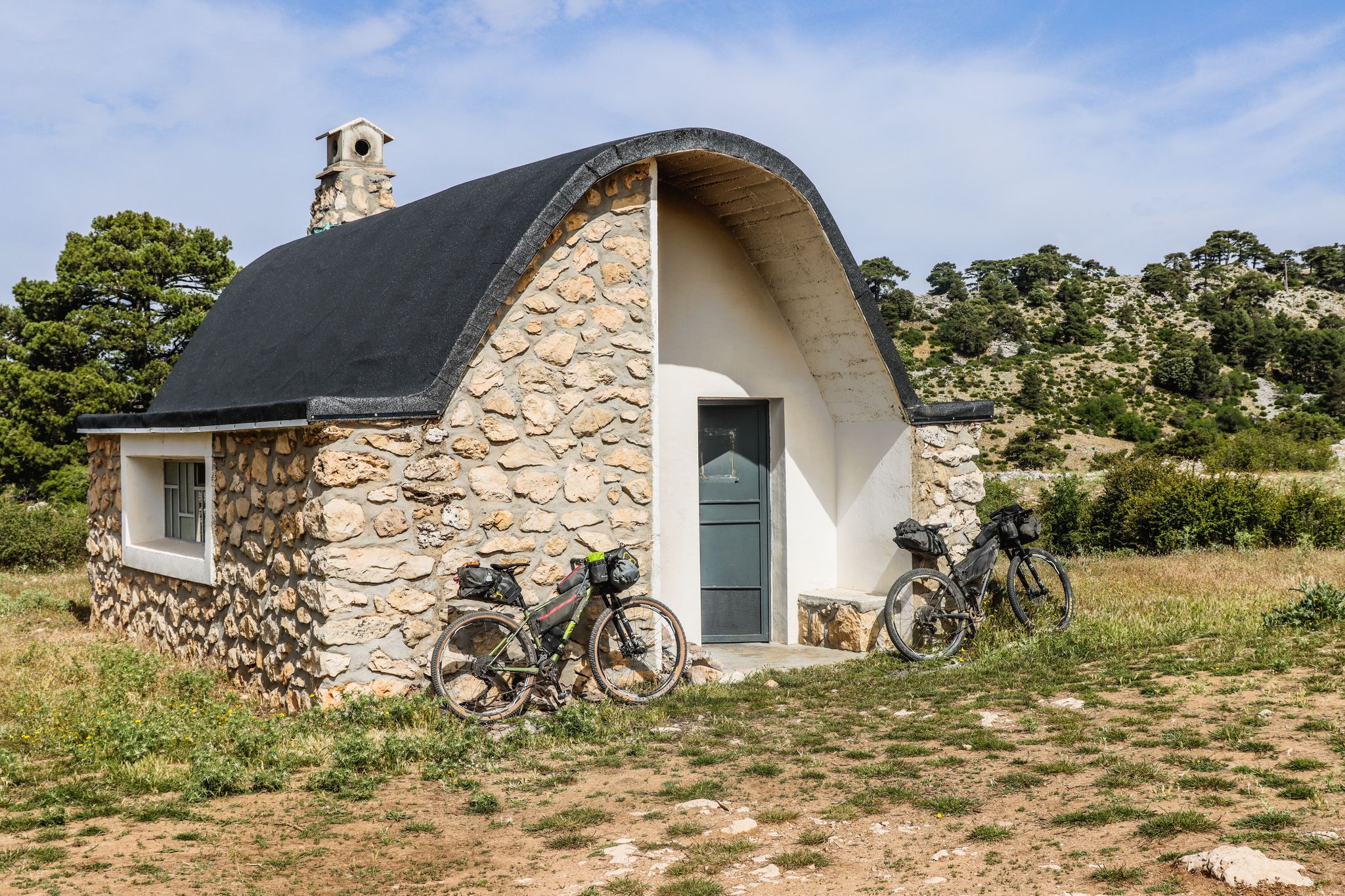
Wild and free Andalusia – Transandalus through the interior
Other adventures around Níjar


Tips from the Community

Tower of San Miguel (Cabo de Gata) Almeria
2
0

The Torreón de San Miguel, also known as the Torreón de Cabo de Gata, is an 18th-century military watchtower located in Cabo de Gata, Almería, Andalusia. It was built in 1756 by order of Ferdinand VI to protect the settlement of La Almadraba de Monteleva and its salt mines.
2
0
The Torreón de San Miguel, also known as the Torreón de Cabo de Gata, is an 18th-century military watchtower located in San Miguel de Cabo de Gata. It was built in 1756 by order of King Ferdinand VI to protect the settlement of La Almadraba de Monteleva and its salt mines, following the destruction of an earlier tower of Andalusian origin. Although it is currently abandoned, there is a municipal project for its restoration and possible use as a tourist office, as part of the Plan for Large Cities.
3
0

Beautiful sandy beach between the rock walls.
20
1
Great little beach with beautiful rock walls on both sides.
19
2

If you are not on a mountain bike, you will have to push the bike in places
4
0
The Playa de los Genoveses is generally considered the most beautiful in the Cabo de Gata Natural Park
4
0
The Cabo de Gata salt flats are a set of wetlands of natural origin but economically exploited as saltworks. They are part of the Cabo de Gata-Níjar Natural Park on the southeast coast of Spain. Declared a Ramsar Site of International Importance around 1990, this wetland is home to a great diversity of plant and animal species, many of them endemic or threatened with extinction, as well as a resting area for migratory birds. The ancient lagoon, on which the current salt mines are located, is separated from the Mediterranean Sea by a dune barrier 200 to 400 metres wide; there is also a rugged terrain that separates it from the surrounding mountains. It was formed by the flooding of a plain that was below sea level and allowed the infiltration of salt water by simple gravity and wind action. The water came from the boulevards on the western slope of the Cabo de Gata mountains, mainly from Higueras Boulevard and Sabinar Boulevard.
4
0
Frequently Asked Questions
What natural features can I explore in the Níjar region?
The Níjar region is primarily known for the stunning Cabo de Gata-Níjar Natural Park, a UNESCO Global Geopark. Here you can find unique volcanic landscapes, dramatic cliffs, and pristine beaches. Notable natural formations include the iconic Sirens' Reef (Arrecife de las Sirenas) and the colorful volcanic rocks at Collado de la Vela Blanca. The Las Salinas de Cabo de Gata are also significant for birdwatching.
Are there beautiful beaches to visit near Níjar?
Yes, the Cabo de Gata-Níjar Natural Park boasts some of Andalusia's most beautiful and unspoiled beaches. Among them are Los Genoveses Beach, known for its fine golden sand, and Mónsul Beach, famous for its unique volcanic rock formations. Other beautiful coves include Cala de Enmedio and Playa de San Pedro.
What historical sites can I visit in Níjar?
Níjar offers several historical sites. The village itself has a charming historic center with the 16th-century Church of Santa María de la Anunciación and the ancient watchtower La Atalaya. Outside the village, you can explore Cortijo del Fraile, a historic farmhouse with a rich past, and the San Miguel Tower, Cabo de Gata, an 18th-century military watchtower.
Can I experience local culture and crafts in Níjar?
Absolutely. The Níjar Pottery District is a great place to explore local craft heritage, with workshops and shops selling hand-painted ceramics and traditional 'jarapas' textiles. You can also visit the Museo Memoria del Agua, located in the old market building, which highlights the region's ingenious water management history.
Are there family-friendly attractions in the Níjar area?
Yes, Níjar offers attractions suitable for families. The beautiful beaches like Los Genoveses Beach are perfect for a day out. For a unique experience, the Mariposario de Níjar (Butterfly House/Farm) allows visitors to observe hundreds of different butterfly species. The Cactus Níjar botanical garden also provides an interesting and educational visit for all ages.
What outdoor activities are popular around Níjar?
The Níjar region, especially within the Cabo de Gata-Níjar Natural Park, is ideal for various outdoor activities. Hiking and cycling are popular, with numerous marked trails. The pristine waters are excellent for water sports such as snorkeling and diving, particularly around the Posidonia oceanica seagrass meadows. You can find many routes for gravel biking, road cycling, and running in the area.
Are there hiking trails near Níjar?
Yes, the area around Níjar, particularly within the Cabo de Gata-Níjar Natural Park, offers numerous hiking opportunities. You can find a variety of running and hiking trails, including routes like the 'Parque Natural de Cabo de Gata – trail running circular to Morrón de los Genoveses from San José' or the 'La Molata and Cerro de la Hortichuela Loop'. For more detailed information on routes, check out the Running Trails around Níjar guide.
Can I go cycling around Níjar?
The Níjar region is excellent for cycling, offering both gravel and road cycling routes. You can explore scenic loops such as the 'Cabo de Gata Lighthouse – Collado de la Vela Blanca loop' for gravel biking or the 'Amethyst Viewpoint – Agua Amarga Beach loop' for road cycling. Discover more options in the Gravel biking around Níjar guide and the Road Cycling Routes around Níjar guide.
What is the best time to visit Níjar for outdoor activities?
Given Níjar's hot desert climate, the best time to visit for outdoor activities like hiking, cycling, and exploring the natural park is typically during the spring (April-May) and autumn (September-October). During these months, temperatures are milder and more comfortable for extended outdoor adventures, avoiding the intense heat of summer.
Are there any hidden gems or less-known places to discover in Níjar?
Beyond the main attractions, Níjar holds several charming spots. The district of Huebro offers a peaceful escape with a natural spring. The Los Genoveses Mill, an ethnographic site near the famous beach, provides insight into the area's agricultural past. The Noria y Lavadero del Pozo de los Frailes, a restored waterwheel and washhouse, also offers a glimpse into traditional life.
What kind of wildlife can I spot in the Níjar region?
The Cabo de Gata-Níjar Natural Park is a haven for wildlife. The Las Salinas de Cabo de Gata are a crucial Ramsar site, attracting numerous migratory birds, including flamingos. The park's pristine underwater scenery, with its Posidonia oceanica seagrass meadows, supports a rich diversity of marine life, making it excellent for snorkeling and diving to observe fish and other aquatic species.
Most popular attractions around Níjar

Get inspired with the komoot mobile app


Explore more
Still not found the Highlight you’re looking for? See guides of the top attractions in other regions:
