Attractions and Places To See around Laspuña - Top 20
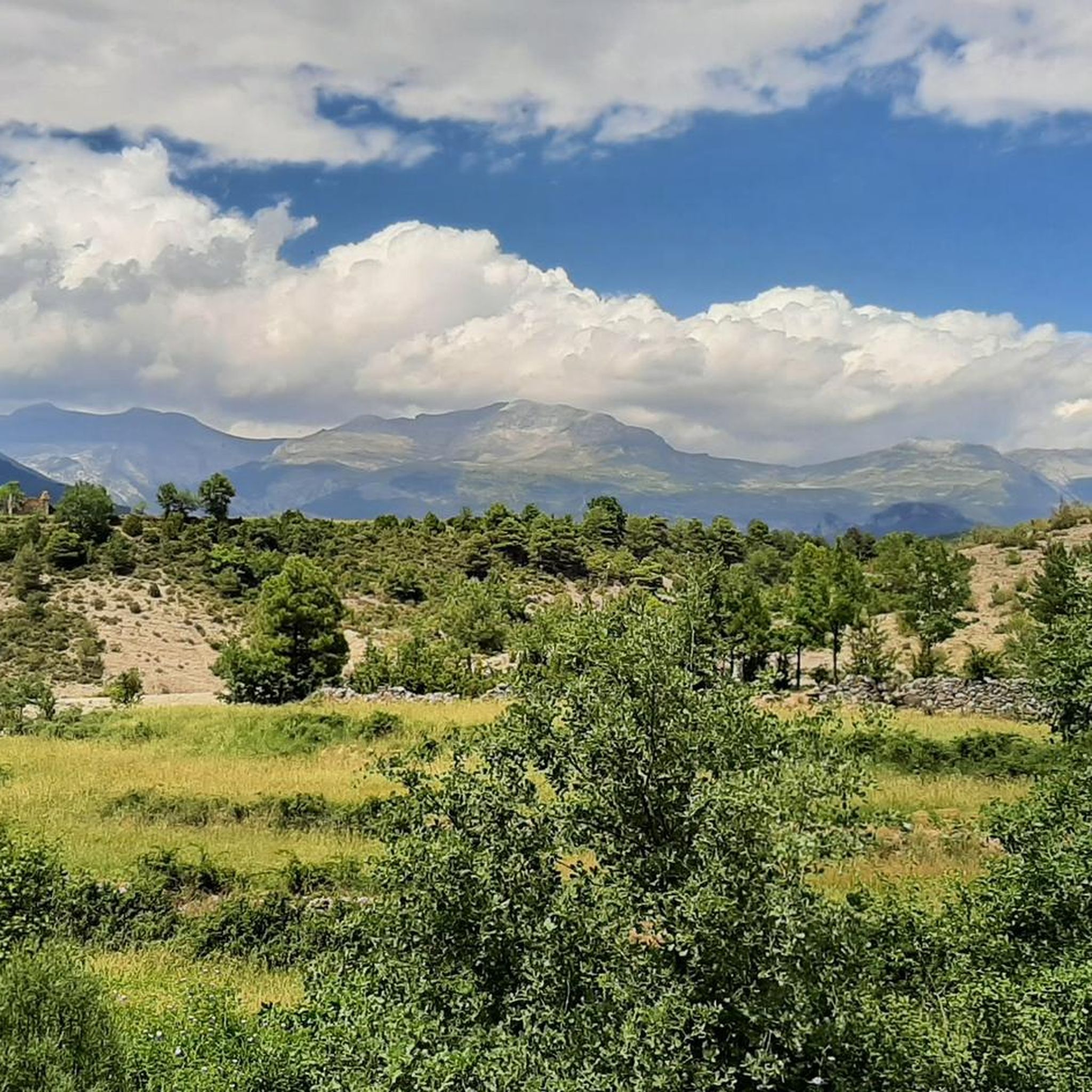
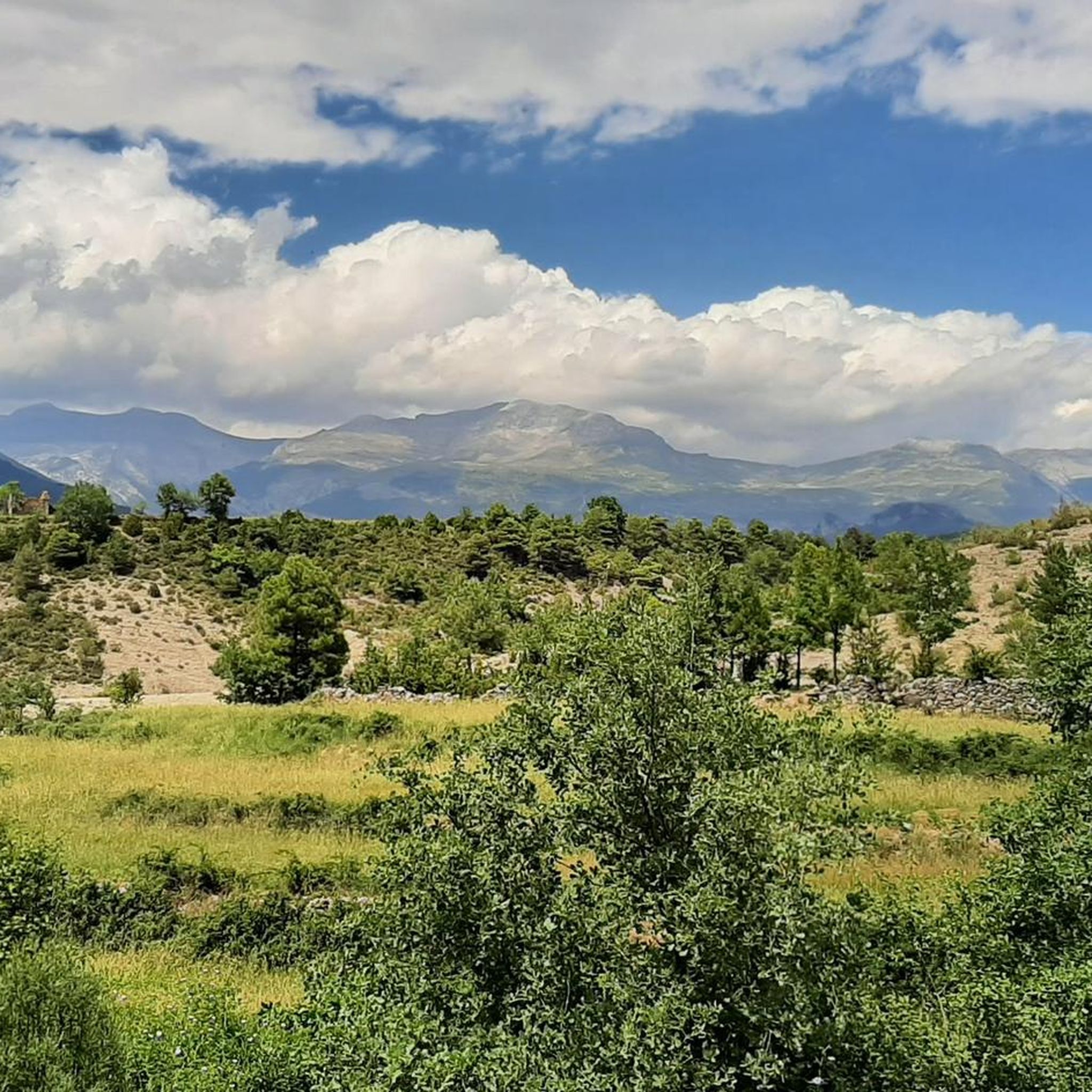
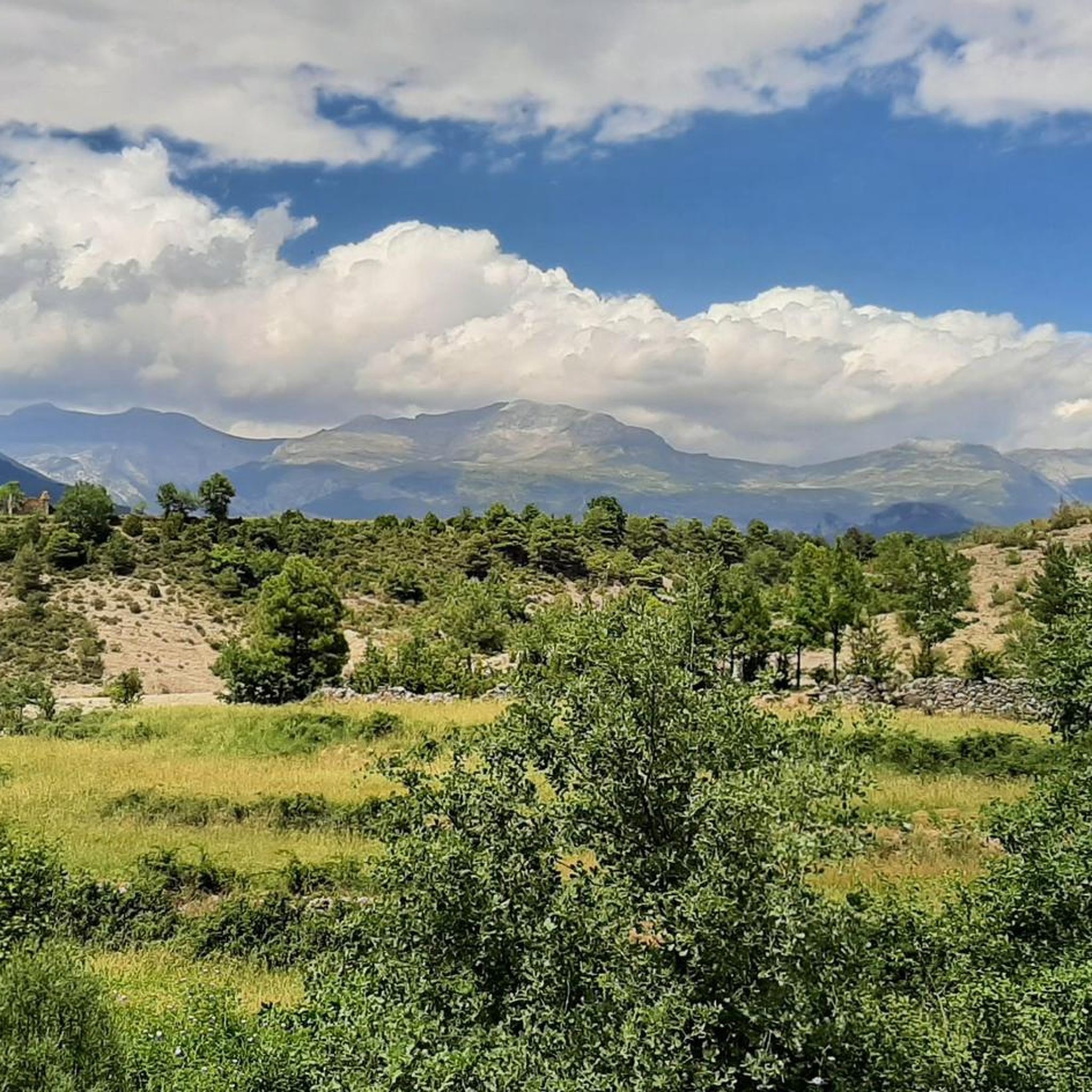
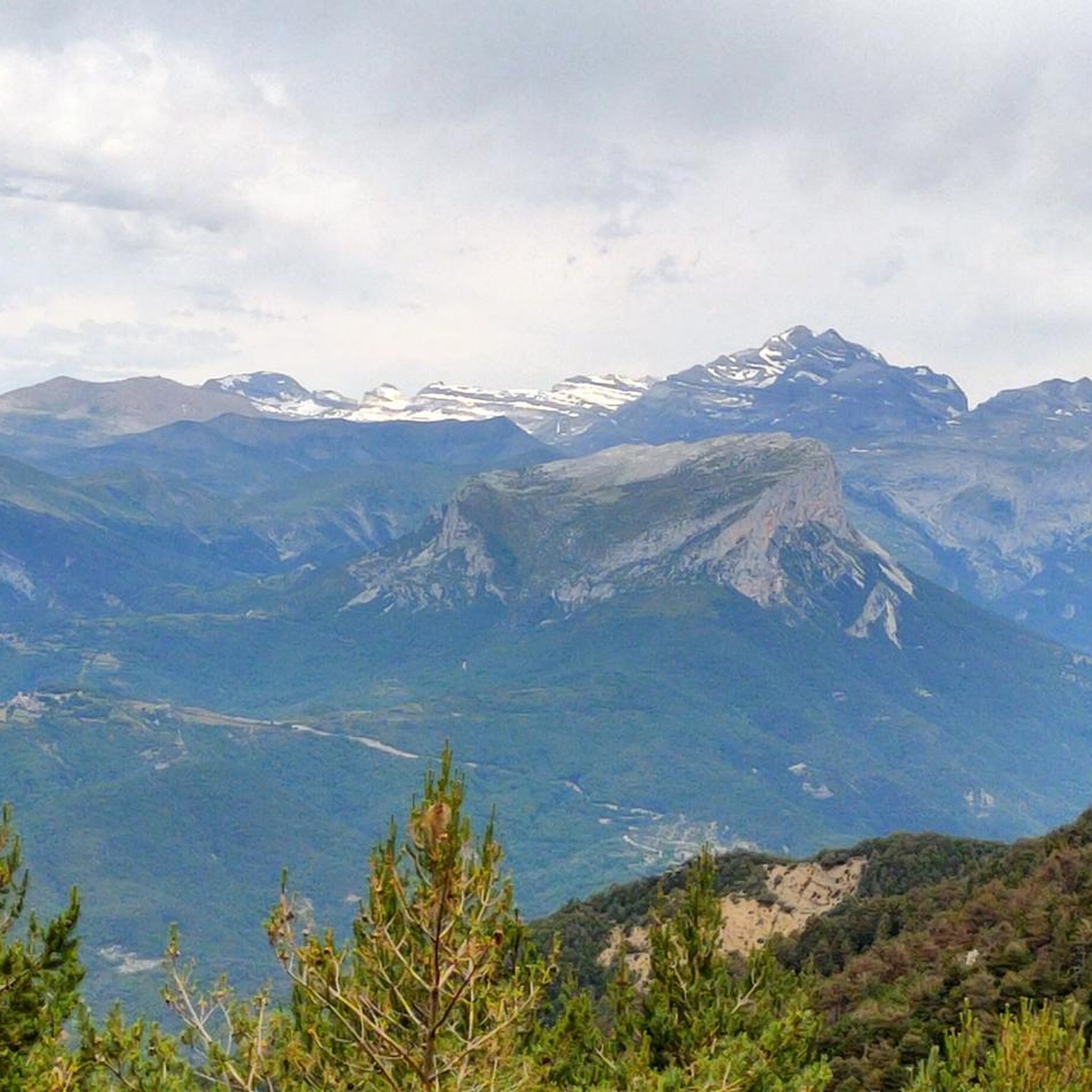
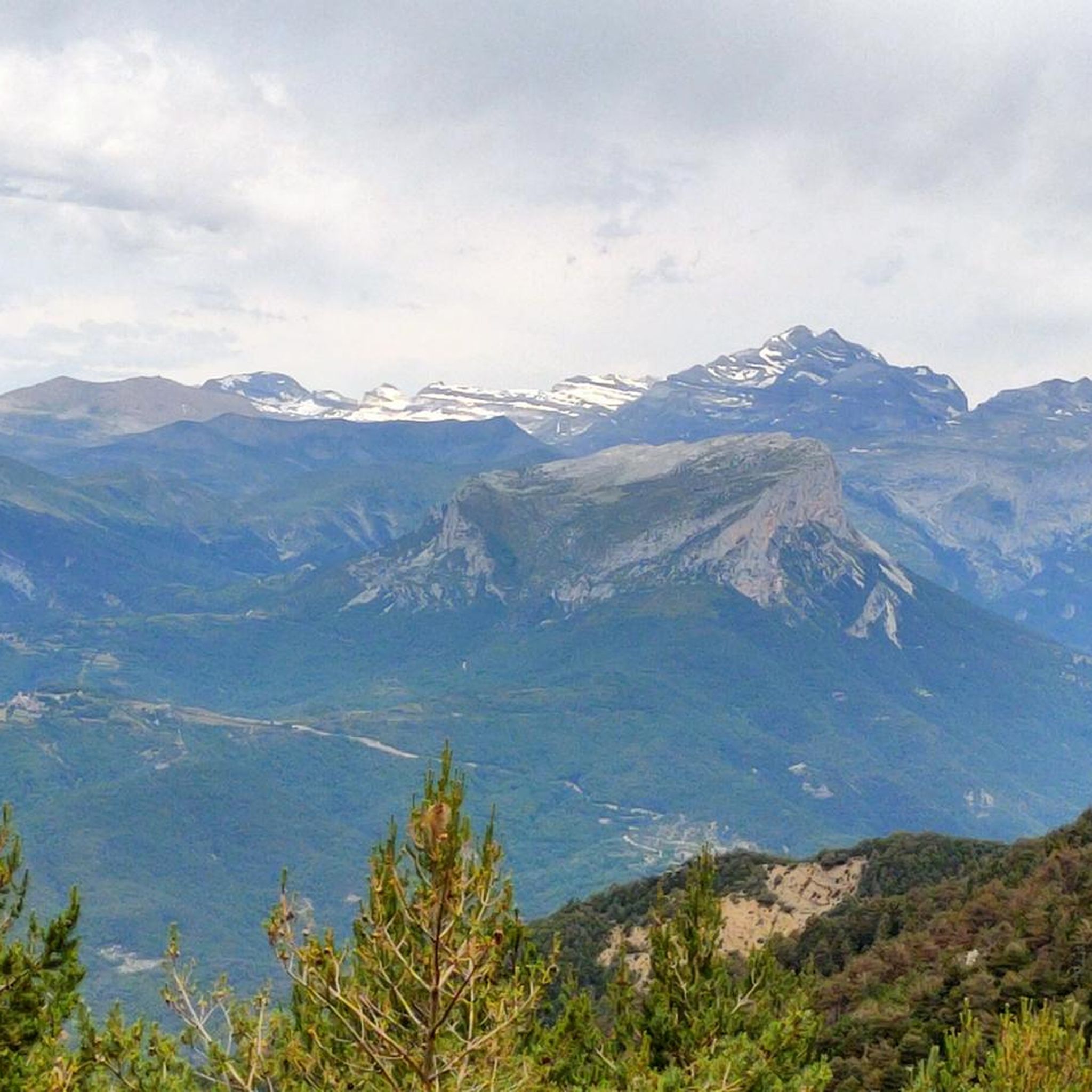
Best attractions and places to see around Laspuña include a rich tapestry of natural beauty, historical landmarks, and cultural experiences. Situated in the Aragonese Pyrenees, at the foot of Peña Montañesa and along the Cinca river valley, Laspuña serves as a base for exploring the Sobrarbe region. The area offers diverse landscapes, from prominent peaks to picturesque lakes, and is close to Ordesa and Monte Perdido National Park. It provides opportunities for outdoor activities and cultural immersion.
Best attractions and places to see around Laspuña
- The most popular attractions is Aínsa Old Town, a historical site that features a harmonious and well-preserved old town with a collegiate church tower and a vast castle. Its monuments transport visitors back to the Middle Ages.
- Another must-see spot is Ibón of Plan (Basa de la Mora), a lake located at an altitude of 1,910 meters that fills after the winter thaw. It is steeped in local folklore, with a legend of a Moorish princess.
- Visitors also love San Úrbez Hermitage, a religious building hidden in a rock face on the edge of the Parque Nacional de Ordesa y Monte Perdido. Its history dates back to the 8th century.
- Laspuña is known for its natural features, historical landmarks, and cultural experiences. Visitors can explore a variety of sites, from prominent peaks and picturesque lakes to ancient hermitages and traditional cultural events.
- The attractions around Laspuña are appreciated by the komoot community, with 37 upvotes and 21 photos shared by visitors.
Last updated: October 10, 2026
Cruz Cubierta Monument
Highlight • Monument
Translated by Google •
Tip by

Ibón of Plan (Basa de la Mora)
Highlight • Lake
The name of Basa de la Mora (or "Basa la Mora" in Aragonese) comes from a local folktale according to which a Moorish princess drowned in this lake while trying to escape Christian troops. According to this legend, during the night of San Juan, people who wash their faces with the lake water can see the princess dancing on the surface.
Translated by Google •
Tip by

Sign up now to discover places like this
Get recommendations on the best single tracks, peaks, & plenty of other exciting outdoor places.
Aínsa Old Town
Highlight • Historical Site
Showing Translation
Tip by

San Urbez Bridge
Highlight • Bridge
Translated by Google •
Tip by

Aínsa Old Town
Highlight • Historical Site
Translated by Google •
Tip by

Sign up for free to discover even more attractions around Laspuña.
Already have an account?
Start today with a free account
Your next adventure awaits.

Tips from the Community

Even though this small sacred monument is not located on the famous Way of St. James through northern Spain, given the temple-like circular building with the cross standing here, perhaps some thoughts from Hape Kerkeling might be helpful as inspiration. The entertainer, famous primarily in Germany, walked the Camino Frances in 2001 and kept a diary, which was published under the title "Ich bin dann mal weg" (I'm Off Then). In it, he describes his personal encounter with God on the journey as follows: "Yesterday something struck a huge gong within me. And the sound will echo. Sooner or later, this path shakes everyone to their core. I know the sound will slowly fade, but if I prick up my ears, I will be able to perceive this echo for a very long time."
0
0

Beautiful medieval bridge that crosses the Rio Bello, it's a shame that the modern footbridge partially hides its structure
0
0

Access to the old town from the north, or of course in the other direction. Narrow paths and, in good weather, lots of pedestrians. Drive carefully!
0
0

The bridge was raised more than 40 meters above the Bellós River. It is believed that it was built in the 16th century, coinciding with the strengthening of the cult of the saint, although the tradition dates back to the 8th century. It is possible that the bridge was built thanks to the contribution and commitment of the group of rural communities that came to the sanctuary every year.
0
0

Start from the motorhome / parking lot and before the pizza place turn left down the stairs to the river where all routers start approximately. Are you ready, delicious food. Wine and beer on the terrace in the sun. cheers
0
1

Small circular temple from the year 1665 that shelters the cross that commemorates the reconquest of Aínsa by the Christian warriors. Within the popular narrative of Muslim exile, this cross has its own legend.
2
0
One of the "capitals" of the Pyrenees, Aínsa is one of those postcard places that have ended up becoming tourist attractions. Its main square with a trapezoidal floor plan and lateral arcades automatically transports you to the many markets that have been held there for centuries. Despite being usually very crowded, it is worth a walk through its streets.
1
0

Here you can travel back in time a bit. I had a lot of fun strolling through the narrow streets. The old town of Aínsa has an extraordinarily harmonious, uniform overall appearance of densely packed houses, from which the beautiful collegiate church tower and the huge castle complex stand out. The latter has almost the same dimensions as the rest of the town. The walls that surrounded the castle are still almost completely preserved, and the numerous monuments on the castle grounds transport the visitor back to the Middle Ages. https://www.spain.info/de/reiseziel/ainsa/ https://de.wikipedia.org/wiki/A%C3%ADnsa-Sobrarbe
21
0
Frequently Asked Questions
What natural attractions can I explore near Laspuña?
Laspuña is surrounded by stunning natural beauty. You can visit the picturesque Ibón of Plan (Basa de la Mora), a high-altitude lake steeped in local folklore. The prominent Peña Montañesa offers breathtaking panoramic views and accessible routes for hiking. The Cinca River is also a focal point for adventure sports like rafting and kayaking.
Are there any historical or cultural sites to visit in the Laspuña area?
Absolutely. A short distance away, Aínsa Old Town is a remarkably preserved medieval village with a castle and collegiate church. You can also discover the San Úrbez Hermitage, an 8th-century rock hermitage hidden within a canyon wall. In Laspuña itself, the Museum of the Nabatas and Wood celebrates the traditional craft of timber rafting.
What outdoor activities are popular around Laspuña?
Laspuña is a hub for outdoor enthusiasts. You can enjoy hiking and cycling on numerous trails, including the PR-HU 138. The Cinca River offers adventure sports like rafting and canyoning. For mountain biking, the wider Zona Zero network is nearby. You can find detailed routes for MTB, gravel biking, and running in the area.
When is the best time to visit Laspuña for outdoor activities and cultural events?
The spring and summer months are ideal for outdoor activities, as the Ibón of Plan fills after the winter thaw. If you're interested in cultural events, plan your visit around the third Sunday of May to experience the annual Descent of the Nabatas, a vibrant recreation of ancient timber transport, recognized as Intangible Cultural Heritage by UNESCO.
Are there family-friendly attractions or activities in the area?
Yes, the region offers several family-friendly options. Aínsa Old Town is enjoyable for all ages with its historical charm. The San Úrbez Hermitage is also listed as family-friendly, offering an interesting historical site. Exploring the Cinca River valley with guided kayak excursions can also be a memorable family adventure.
What is the significance of the Cinca River in Laspuña?
The Cinca River is central to both the natural beauty and cultural heritage of Laspuña. It's a prime location for adventure sports like rafting, canyoning, and kayaking. Historically, it was vital for transporting timber, a tradition celebrated by the Museum of the Nabatas and Wood and the annual Descent of the Nabatas event.
Can I see wildlife near Laspuña?
Yes, the region is known for its diverse ecosystems. You can visit the Bearded Vulture Observatory to watch these magnificent birds being fed. The nearby Ordesa and Monte Perdido National Park is also home to a wide array of wildlife.
Are there any unique local traditions or events in Laspuña?
Laspuña is famous for the Descent of the Nabatas, an annual event held on the third Sunday of May. This cultural spectacle involves navigating traditional wooden rafts down the Cinca River, recreating an ancient profession. It's a UNESCO recognized Intangible Cultural Heritage event.
What kind of views can I expect around Laspuña?
Laspuña, known as the 'Balcony of the Pyrenees,' offers spectacular views. From Peña Montañesa, you can enjoy panoramic vistas of the Cinca valley and the Pyrenees. The ruins of Ermita y Castillo de San Pelay also provide sweeping views of the Cinca valley.
Are there any easy hiking trails or short walks suitable for all abilities?
While many trails offer varying difficulties, the area provides options for shorter walks. The PR-HU 138 connects to local hermitages and can be adapted for shorter sections. For more specific easy routes, you can explore the Running Trails around Laspuña guide, which includes moderate options like the 'Running loop from Laspuña' (10.5 km).
What do visitors particularly enjoy about the attractions around Laspuña?
Visitors frequently praise the historical charm and well-preserved nature of sites like Aínsa Old Town, noting how it transports them back in time. The unique setting of the San Úrbez Hermitage, built into a rock face, is also a highlight. The natural beauty, especially the folklore surrounding the Ibón of Plan, is also highly appreciated.
Most popular routes around Laspuña
Most popular attractions around Laspuña

Get inspired with the komoot mobile app


Explore more
Still not found the Highlight you’re looking for? See guides of the top attractions in other regions:
