Attractions and Places To See around Neda - Top 20
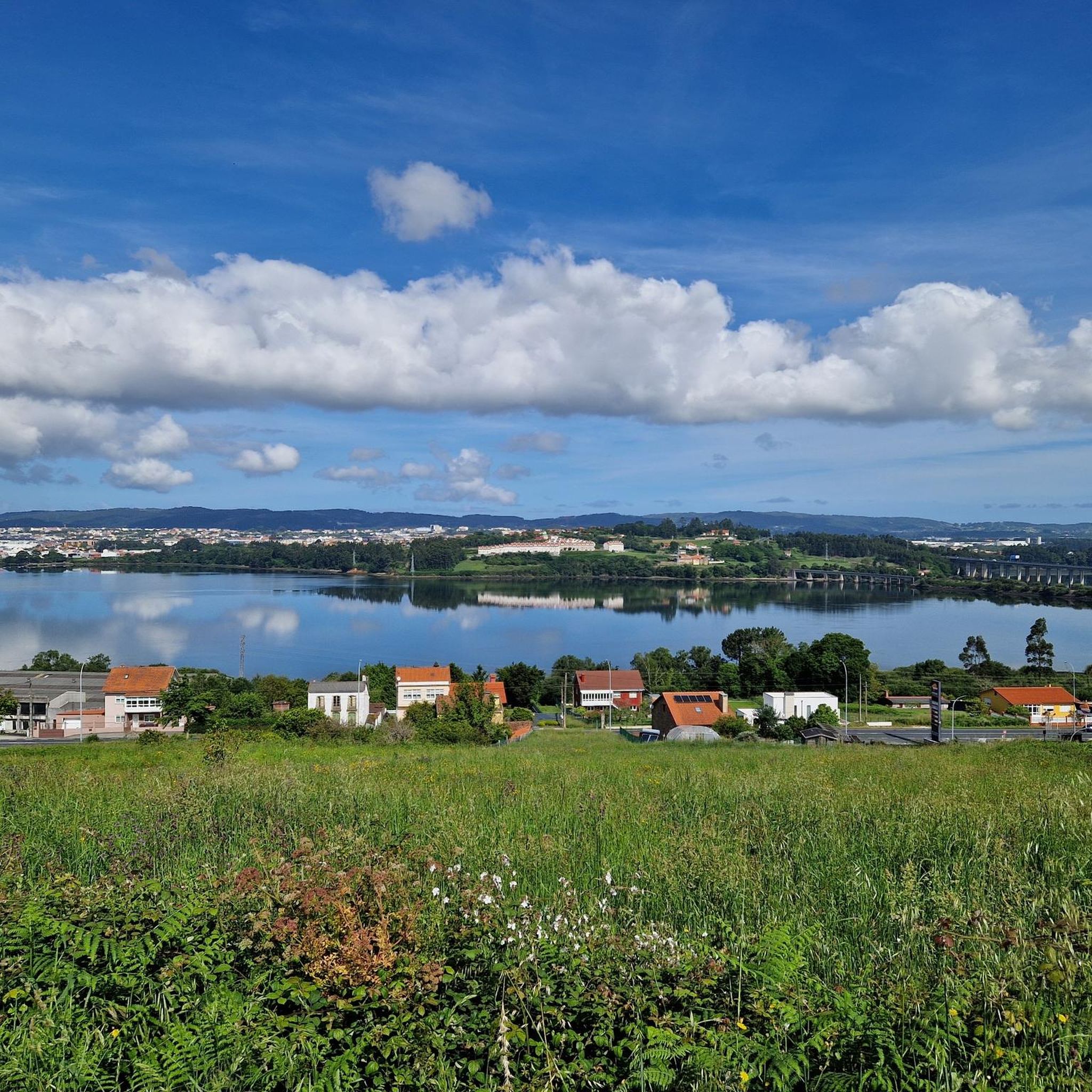
Best attractions and places to see around Neda, a municipality in A Coruña, Spain, offers a mix of historical landmarks and natural beauty. Situated at the bottom of the Ferrol estuary, the area is characterized by the valleys of the Belelle, Xuvia, and Castro rivers. It is an important stop on the English Way of the Camino de Santiago and is historically known for its bread tradition. The region provides opportunities to explore both cultural sites and scenic natural features.
…Last updated: October 9, 2026
Monastery of Saint John of Caaveiro
Highlight • Religious Site
Translated by Google •
Tip by

Parish Church of St James in Pontedeume
Highlight • Religious Site
Showing Translation
Tip by

Sign up now to discover places like this
Get recommendations on the best single tracks, peaks, & plenty of other exciting outdoor places.
Monastery of San Martiño de Xuvia
Highlight • Religious Site
Translated by Google •
Tip by

Parque Natural das Fragas do Eume
Highlight (Segment) • Forest
Translated by Google •
Tip by

Magnolia of Xuvia
Highlight • Natural Monument
Translated by Google •
Tip by

Sign up for free to discover even more attractions around Neda.
Already have an account?
Start today with a free account
Your next adventure awaits.

Tips from the Community

In this church Iglesia parroquial de Santiago, besides the pilgrim stamp, there is also a very personal pilgrim blessing for the onward journey
2
0

A beautiful place, in a magical enclave, a must-see for anyone in the area.
0
1

A great spot, with shade. There are also downpipes for dipping your feet in the river.
0
0

A fully restored former monastery, a visit is highly recommended. To visit, you must cross the Fragas do Eume Natural Park. There are minibuses that can take you there, but I recommend walking to fully enjoy the scenery. The monastery offers information services, tours, and even a small bar where you can grab a bite to eat and recharge your batteries. Don't forget to visit the old mill, located about 300 meters down a side slope, with a spectacular stone bridge.
0
1
An ancient but very well-preserved and visitable monastery, very pretty and small, so you can see it in just a few minutes.
1
0
A very well-preserved ancient monastery that can be visited (I don't know the opening hours) is located on the English Way to Santiago. A quick visit is recommended (it's small but beautiful), and then continue up the path on the left.
0
0
A spectacular natural park, you can explore it directly along the road next to the river (going upstream on the right side), although there is a variant on the left side, accessed by crossing a suspension bridge (the one I show in the photographs). This is more winding and complicated for people with mobility issues, but I consider it more entertaining and beautiful. My ideal route is to climb to the monastery along the left bank and return on the right. If you have mobility issues or want an easier and faster route, go all the way to the right. Regarding the park, I must say it's simply breathtaking. The river and streams that feed us in dozens of places (you'll see them as you walk through) fill you with energy as well as peace and tranquility, the environment completely insulates you from the noise that always surrounds us. I definitely recommend a visit.
1
0
A very well-preserved and restored former monastery, its location in the Fragas do Eume gives it a unique atmosphere, surrounded by forest and the river itself. The walk alone is a delight. Restored a few years ago, it is in perfect condition, admission is free, and there is an information service and a guide. There is also a small bar where you can recharge your batteries before returning (note that there is a minibus service that takes you to the monastery a couple of times an hour, although I highly recommend enjoying the walk parallel to the river—it's simply spectacular). Regarding the monastery, the different rooms are very well restored, with information, images, and photographs that take us back to its time as a monastery. A trip down to the old mill is also highly recommended; it's only 300 meters away and has a huge bridge next to it.
0
1
Frequently Asked Questions
What historical sites can I visit in Neda?
Neda offers a rich history, including the Church of Santa María de Neda, known for its rural Baroque architecture and the 'Christ of the Chain.' You can also explore the late Gothic Church of San Nicolás, dating back to the 14th century. Another significant landmark is the Clock Tower, and the 17th-century Pazo de la Merced along the estuary.
Is Neda part of the Camino de Santiago?
Yes, Neda is an important stop on the English Way of the Camino de Santiago. Pilgrims often pass through or near the municipality, making it a significant cultural and historical point on their journey. The nearby Monastery of San Martiño de Xuvia is also considered an essential stop for those on the English Way.
Where can I find natural beauty spots around Neda?
For natural beauty, visit the Fervenza do Belelle (Belelle Waterfall) in O Roxal, one of Galicia's most spectacular waterfalls with a 45-meter drop. The municipality also features the scenic Ría de Ferrol and extends along the valleys of the Belelle, Xuvia, and Castro rivers. Don't miss the Magnolia of Xuvia, a unique, two-hundred-year-old tree part of the Catalogue of Unique Trees of the Xunta de Galicia.
Are there good hiking or walking opportunities near Neda?
Yes, Neda and its surroundings offer various walking and hiking opportunities. You can explore routes leading to the Fervenza do Belelle or follow the 'route of the mills' to discover the natural surroundings. For more structured options, check out the Running Trails around Neda, which include routes like the Xuvia Promenade loop.
What kind of cycling routes are available around Neda?
Cyclists can enjoy a variety of routes around Neda. The Cycling around Neda guide features routes like the 'Xuvia Promenade – Seafront Bike Path loop' and the 'House loop from Neda.' For road cycling, the Road Cycling Routes around Neda guide offers options such as the 'Ría de Ferrol – Xuvia Mill loop' and routes to various viewpoints.
Can I find viewpoints with scenic vistas in the Neda area?
Absolutely. The Mirador Monte Ancos (Monte Ancos Viewpoint) offers impressive vistas of the Ría de Ferrol and the Xuvia River. The area around the Ferrol estuary also provides numerous scenic coastal views.
Are there family-friendly attractions in Neda?
Many attractions around Neda are suitable for families. The Monastery of San Martiño de Xuvia and the Magnolia of Xuvia are both considered family-friendly highlights. Additionally, the Pontedeume Bridge and the surrounding river areas offer pleasant walks for all ages.
What is the <a href="https://www.komoot.com/highlight/936577" target="_blank" rel="noopener">Monastery of Saint John of Caaveiro</a>?
The Monastery of Saint John of Caaveiro is a 12th-century religious building located in the heart of the Fragas de Eume natural park. It's a complex of buildings, including two churches, an archive, and cells, declared an Asset of Cultural Interest. It was founded in 934 and is situated between the banks of the Sesín and Eume rivers.
What is the significance of Neda's bread?
Neda has a long-standing reputation as 'the wheat capital of Galicia' due to its excellent bread. This tradition dates back to the 16th century when Philip II established 'Casas Reales' for biscuit and provision factories, leveraging the town's port access and the pure waters of the Belelle River. Neda's bread remains highly renowned in the Galician community today.
Are there any other notable religious buildings nearby?
Beyond Neda's churches, you can visit the Monastery of San Martiño de Xuvia, a Cistercian monastery in Narón, declared a Site of Cultural Interest. Also, the Parish Church of St James in Pontedeume features a main chapel from 1538 and a Renaissance altarpiece.
What do visitors enjoy most about the attractions around Neda?
Visitors particularly appreciate the blend of historical landmarks and natural beauty. The serene atmosphere of places like the Monastery of Saint John of Caaveiro, nestled in a natural park, and the scenic views from the Pontedeume Bridge are frequently highlighted. The rich history and cultural significance, especially related to the Camino de Santiago, also draw many visitors.
Most popular attractions around Neda

Get inspired with the komoot mobile app


Explore more
Still not found the Highlight you’re looking for? See guides of the top attractions in other regions:
