Attractions and Places To See around Hinojosa De Duero - Top 20
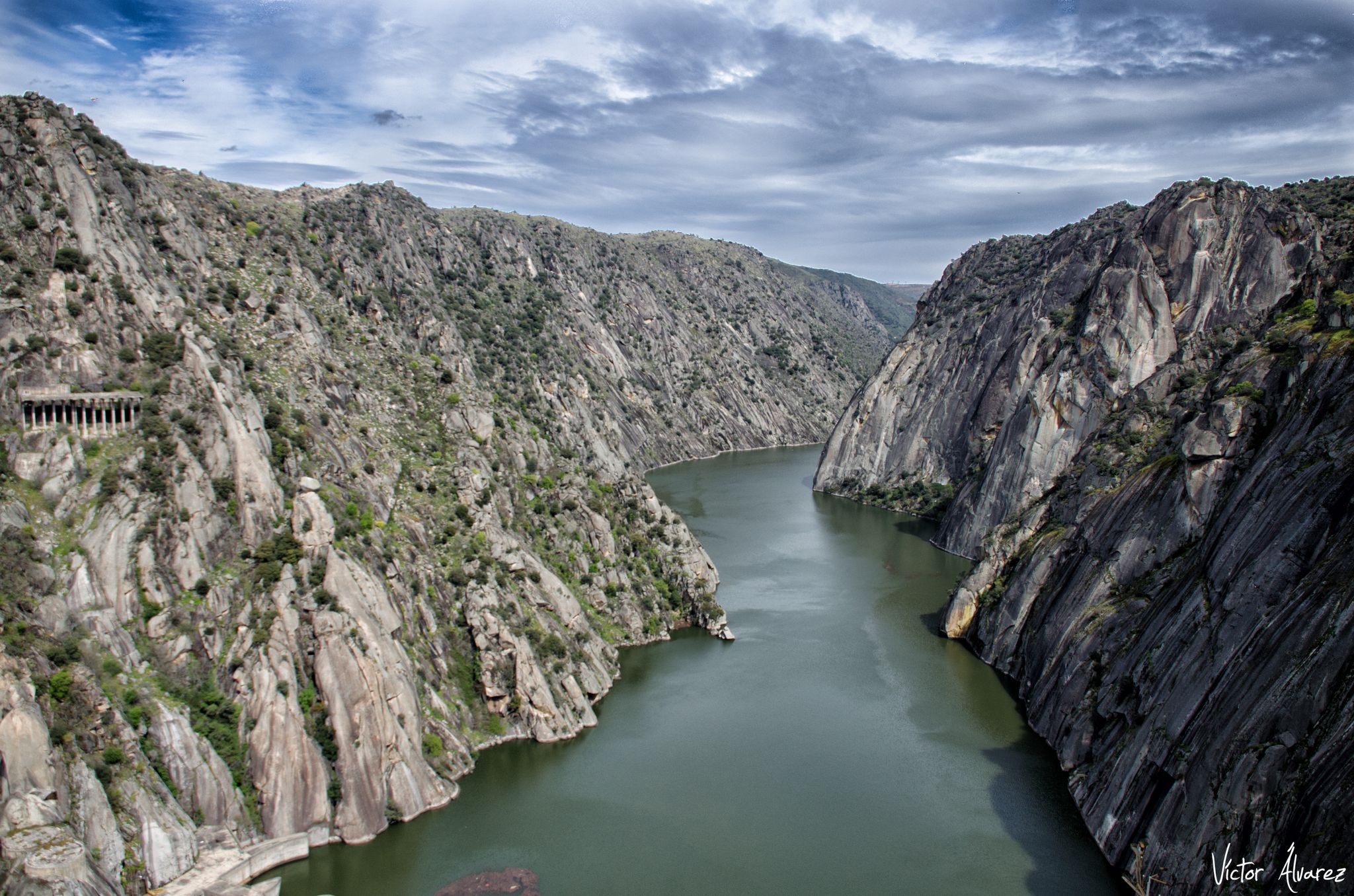
Best attractions and places to see around Hinojosa De Duero, located in the western part of Salamanca province, offer a blend of historical, cultural, and natural features. The region is situated within the Arribes del Duero Natural Park, characterized by deep canyons carved by the Duero River and its tributaries. Visitors can explore a diverse range of sights, from ancient settlements to panoramic viewpoints.
Best attractions and places to see around Hinojosa De Duero
- The most popular attractions is Camino…
Last updated: July 16, 2026
Ponte Almirante Sarmento Rodrigues
Highlight • Bridge
Translated by Google •
Tip by

Barca d'Alva
Highlight • Settlement
Translated by Google •
Tip by
Sign up now to discover places like this
Get recommendations on the best single tracks, peaks, & plenty of other exciting outdoor places.
Sign up for free
Monument to Agostinho da Silva in Barca d’Alva
Highlight • Monument
Translated by Google •
Tip by
Camino de Hierro
Highlight • Trail
Translated by Google •
Tip by
Vega Terrón River Pier and Railway Bridge
Highlight • Bridge
Translated by Google •
Tip by
Sign up for free to discover even more attractions around Hinojosa De Duero.
Sign up for free
Already have an account?
Start today with a free account
Your next adventure awaits.
Login or Signup

Other adventures around Hinojosa De Duero

Tips from the Community

The bridge was designed and built in 1955 by the renowned Portuguese engineer Edgar Cardoso. It is considered the first motorway bridge in the Portuguese section of the Douro River and is a concrete arch bridge with a length of approximately 300 meters. It is named after the Portuguese naval officer and colonial administrator Almirante Manuel Maria Sarmento Rodrigues, who served as governor of Guinea and Mozambique under the Salazar dictatorship and later became Minister of Colonies.
1
0

Camino de Hierro is a 17-kilometer-long pedestrian path that runs along a section of a closed-to-traffic, renovated railway line. It combines the grandeur of the most representative civil engineering (tunnels and viaducts) of the 19th century with spectacular natural beauty.
10
1
The bridge is notable for its six curvilinear polygonal arches, with a total length of 232 metres. In 1973, it was named after Admiral Sarmento Rodrigues, a prominent Portuguese politician and military man. The structure is an outstanding example of bridge engineering of the period and remains an important landmark in the region.
9
0
The monument to Professor Agostinho da Silva in Barca d’Alva is a beautiful sculpture created by the sculptor Eugénio Macedo. This monument pays tribute to Agostinho da Silva, a prominent Portuguese philosopher, poet and essayist. The sculpture represents Agostinho da Silva sitting on a bench, in life size, and is located in the open-air amphitheater of the river port of Barca d’Alva. This place allows visitors to sit next to the figure of the philosopher, offering a space for reflection and contemplation of the landscape.
10
0
Barca d’Alva is a charming destination! This small Portuguese village is located on the banks of the Douro River and is known for its stunning landscapes and tranquility.
11
0

Very interesting when cruise ships dock. There's also a restaurant and an information center for children. The ticket office for the Camino del Hierro is also located there.
2
0
The bridge connects Spain and Portugal. Thanks to the EU you can easily walk across it 🙂
1
0
A small town in Portugal right on the border with Spain. You can cross the border on foot. This is where the river cruise ships dock on the Duero.
2
1
Frequently Asked Questions
What are the best natural viewpoints around Hinojosa de Duero?
The region is renowned for its panoramic views. You can visit Mirador del Pico La Vela, described as one of the best viewpoints in Los Arribes del Duero, offering expansive views from the Saucelle Dam to the Vega Terrón Port. Another impressive spot is Mirador del Picón del Moro, known for its granite rocks and natural vistas. For a spectacular waterfall view, especially in winter and spring, head to Mirador del Cachón de Camaces.
Are there any family-friendly attractions in the area?
Yes, several spots are suitable for families. The settlement of Barca d'Alva, located on the banks of the Douro River, offers tranquil landscapes and is a historical site. Additionally, the Vega Terrón River Pier and Railway Bridge area is family-friendly, featuring a river port and an information center for children.
What historical and cultural sites can I explore in Hinojosa de Duero?
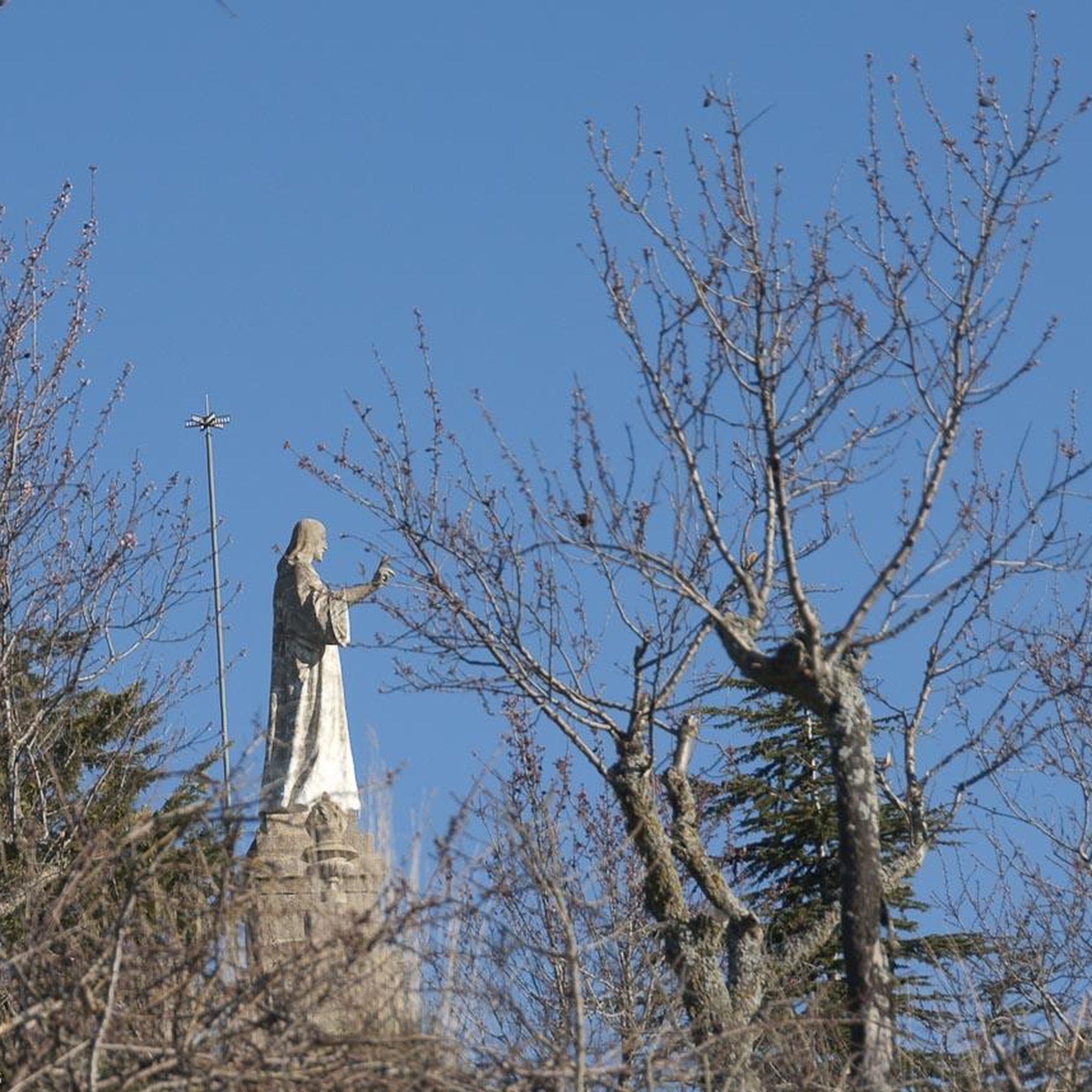
Hinojosa de Duero boasts a rich history. The 16th-century Gothic Church of San Pedro in the town center features impressive Baroque altarpieces. Perched on the highest point, the Hermitage of Cristo de la Misericordia is a 13th-century Romanesque site with a restored carving and offers breathtaking views. You can also explore the Museo Etnográfico de Hinojosa de Duero and the Museo Interpretativo del Duero for insights into local heritage and the village's history.
What unique outdoor activities are available near Hinojosa de Duero?
A truly unique experience is the Camino de Hierro, a 17-kilometer pedestrian path along a renovated railway line, combining 19th-century civil engineering with spectacular natural beauty. You can also explore the Route of the Contrabandists, which follows ancient smuggling paths, or visit the Puerto de la Molinera for scenic beauty and diverse Mediterranean flora.
Are there hiking opportunities around Hinojosa de Duero?
Absolutely, the region offers diverse hiking trails. You can find routes like the 'Peña de la Vela Trail' which is considered easy, or more challenging options such as 'GR 14 Stage 42: La Fregeneda to Vega Terrón Trail'. For a comprehensive list of trails and their difficulties, refer to the Hiking around Hinojosa De Duero guide.
What cycling routes are available in the area?
Cyclists can enjoy a variety of routes, from easy loops around Hinojosa de Duero to more difficult climbs like the 'Climb to Salto de Saucelle'. The area also features scenic road cycling routes, including the 'Arribes del Duero International Park Loop'. Detailed information and more routes can be found in the Cycling around Hinojosa De Duero guide and the Road Cycling Routes around Hinojosa De Duero guide.
What is the significance of the bridges in the Hinojosa de Duero area?
The bridges in this region are notable for their engineering and historical importance. The Ponte Almirante Sarmento Rodrigues, built in 1955, is an impressive example of bridge engineering with six curvilinear polygonal arches, connecting Spain and Portugal. Another significant structure is the ancient Bridge of La Molinera, a Roman bridge with three stone arches spanning the Huebra River.
Are there any ancient archaeological sites to visit?
Yes, the area has been populated since prehistoric times. You can find Neolithic dolmens at Nava del Rocío, Iron Age hillforts like El Moncalvo and La Malgarrida, and a Roman necropolis and inscriptions at El Cabezo de San Pedro. There are also medieval rock-hewn tombs known as Rodillo de Laja.
What is the best time of year to visit Hinojosa de Duero for outdoor activities?
The Arribes del Duero Natural Park, where Hinojosa de Duero is located, offers exceptional opportunities for rural tourism. Spring and autumn generally provide pleasant temperatures for hiking and cycling. Winter and spring are particularly good for witnessing the full flow of waterfalls like those at Mirador del Cachón de Camaces. Summers can be warm, making river activities or early morning/late afternoon excursions more comfortable.
Can I see any monuments or sculptures dedicated to local figures?
Yes, in Barca d’Alva, you can find the Monument to Agostinho da Silva. This beautiful sculpture by Eugénio Macedo pays tribute to the prominent Portuguese philosopher, poet, and essayist, offering a space for reflection by the river.
What are some 'hidden gems' or lesser-known spots in Hinojosa de Duero?
Beyond the main attractions, explore the town's historic blazoned houses and narrow cobblestone streets. Discover the medieval Fuente del Obispo and the Roman Fuente del Gejo. You can also visit traditional Olive Oil Mills (Almazaras), which represent a significant part of the region's agricultural heritage.
What do visitors enjoy most about the attractions around Hinojosa de Duero?
Visitors frequently appreciate the blend of natural beauty and historical significance. The stunning landscapes of the Arribes del Duero Natural Park, especially the deep canyons and river views, are highly praised. The unique experience of walking the Camino de Hierro and the tranquility of places like Barca d'Alva are also popular highlights.
Most popular attractions around Hinojosa De Duero

Get inspired with the komoot mobile app


Explore more
Still not found the Highlight you’re looking for? See guides of the top attractions in other regions:
