The best cycling routes around Portbou
4.6
(404)
5,484
riders
64
rides
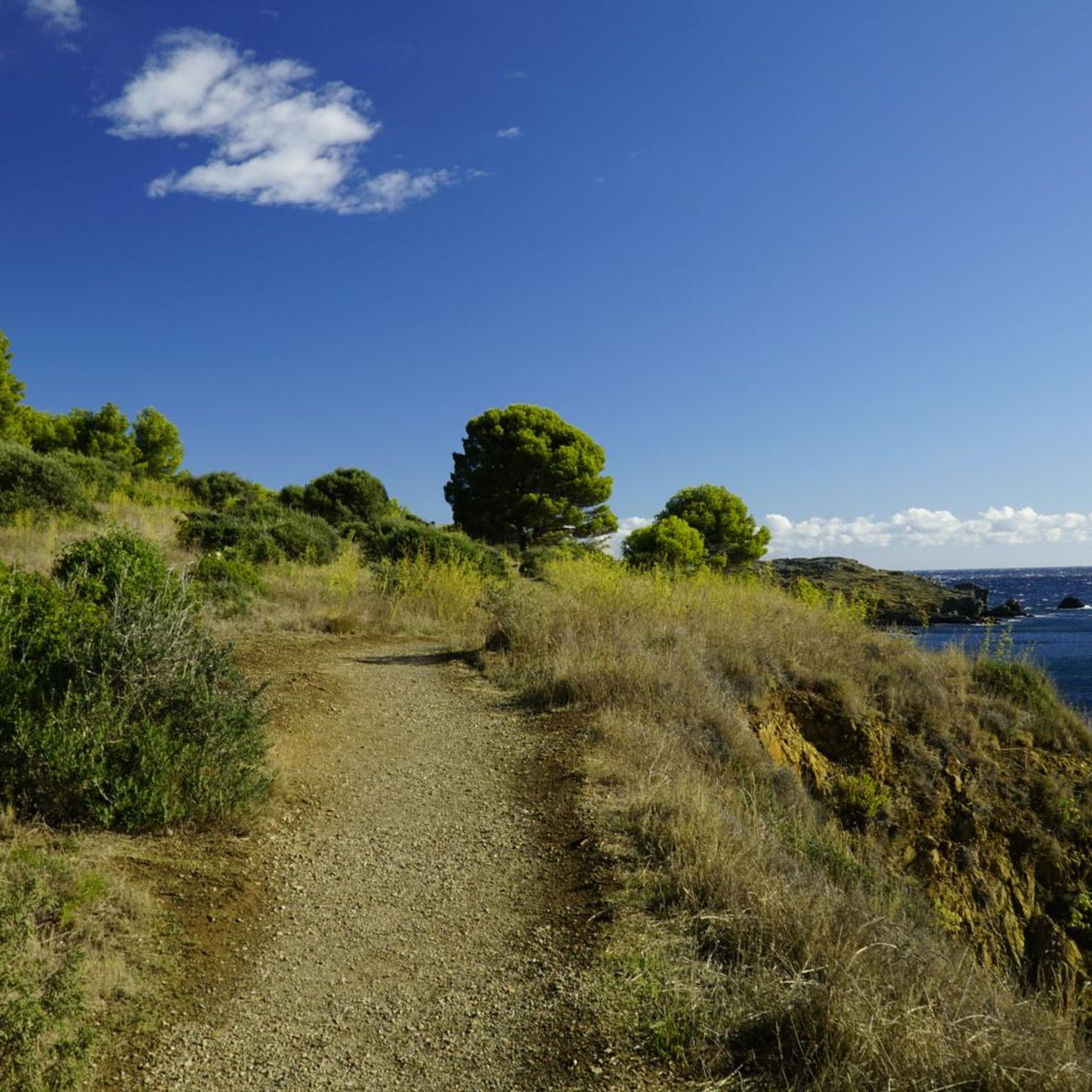
Touring cycling around Portbou offers a challenging environment where the Pyrenees meet the Mediterranean Sea, characterized by rugged coastal mountains and dramatic sea views. The terrain features a mix of paved and unpaved surfaces, with significant elevation gains across its routes. Cyclists can expect continuous vistas of the Mediterranean Sea and the influence of the Tramontana wind. This border region provides diverse landscapes, from high peaks jutting into the sea to tranquil coves and beaches.
Best touring cycling routes around…
Last updated: October 15, 2026
4.0
(4)
22
riders
28.9km
02:04
580m
580m
Hard bike ride. Very good fitness required. Mostly paved surfaces. Suitable for all skill levels.
4.0
(6)
22
riders
18.1km
01:23
460m
460m
Hard bike ride. Very good fitness required. Mostly paved surfaces. Suitable for all skill levels.

4.8
(11)
138
riders
53.2km
03:34
830m
830m
Hard bike ride. Very good fitness required. Mostly paved surfaces. Suitable for all skill levels.
4.1
(10)
79
riders
99.4km
07:03
1,880m
1,880m
Hard bike ride. Very good fitness required. Mostly paved surfaces. Suitable for all skill levels.
4.5
(11)
76
riders
12.2km
00:55
300m
300m
Moderate bike ride. Good fitness required. Mostly paved surfaces. Suitable for all skill levels.
Get access to more routes and recommendations from other explorers.
Already have an account?
Our route recommendations are based on thousands of hikes, rides, and runs completed by other people on komoot.
Start today with a free account
Your next adventure awaits.



Tips from the Community

Very beautiful pass to celebrate the crossing into Spain!
0
0
I always wonder why, when a place is abandoned, some feel obliged to tag it and destroy it (broken glass here, and it's not just the weather...). But this place recalls the not-so-distant history when the EU didn't exist...
0
0
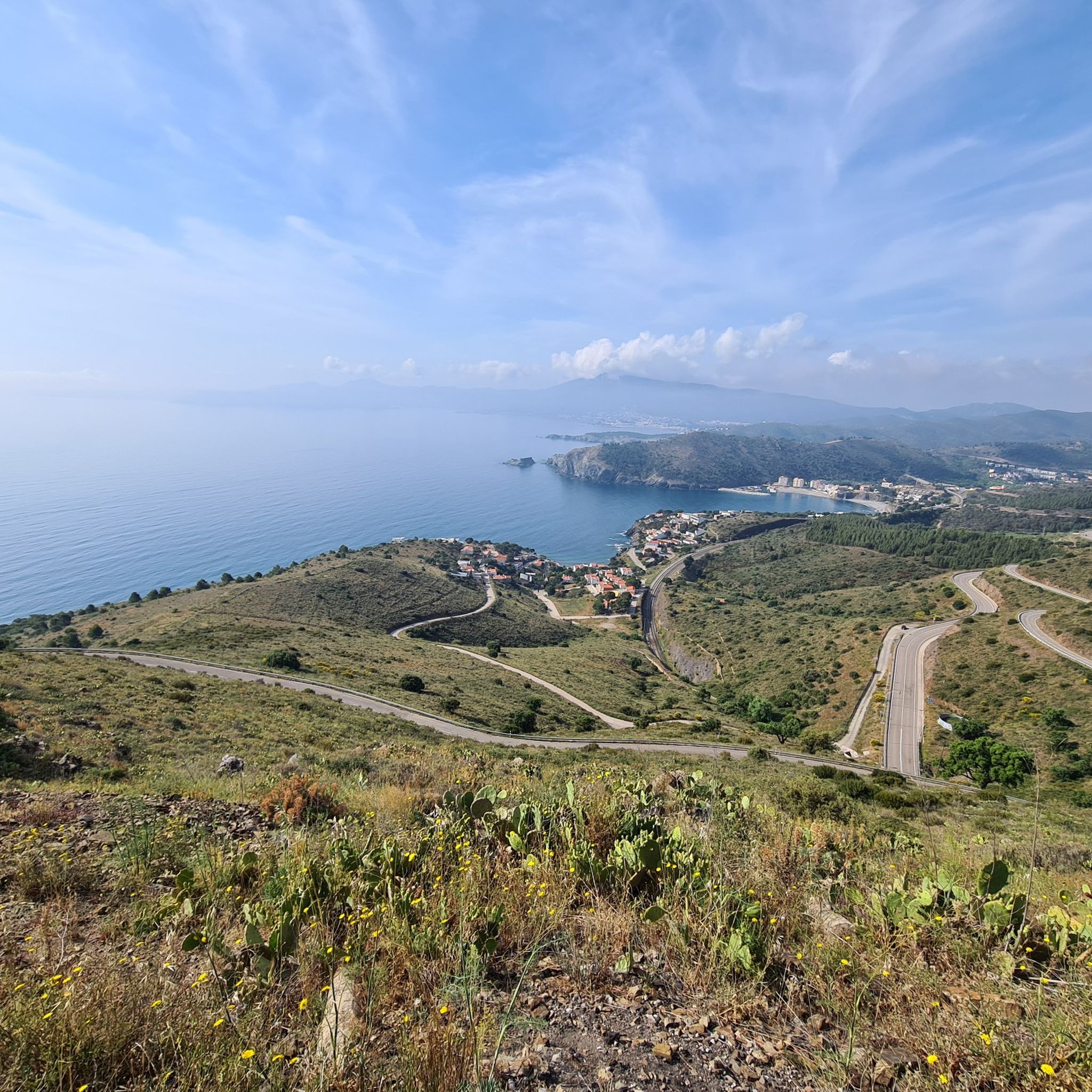
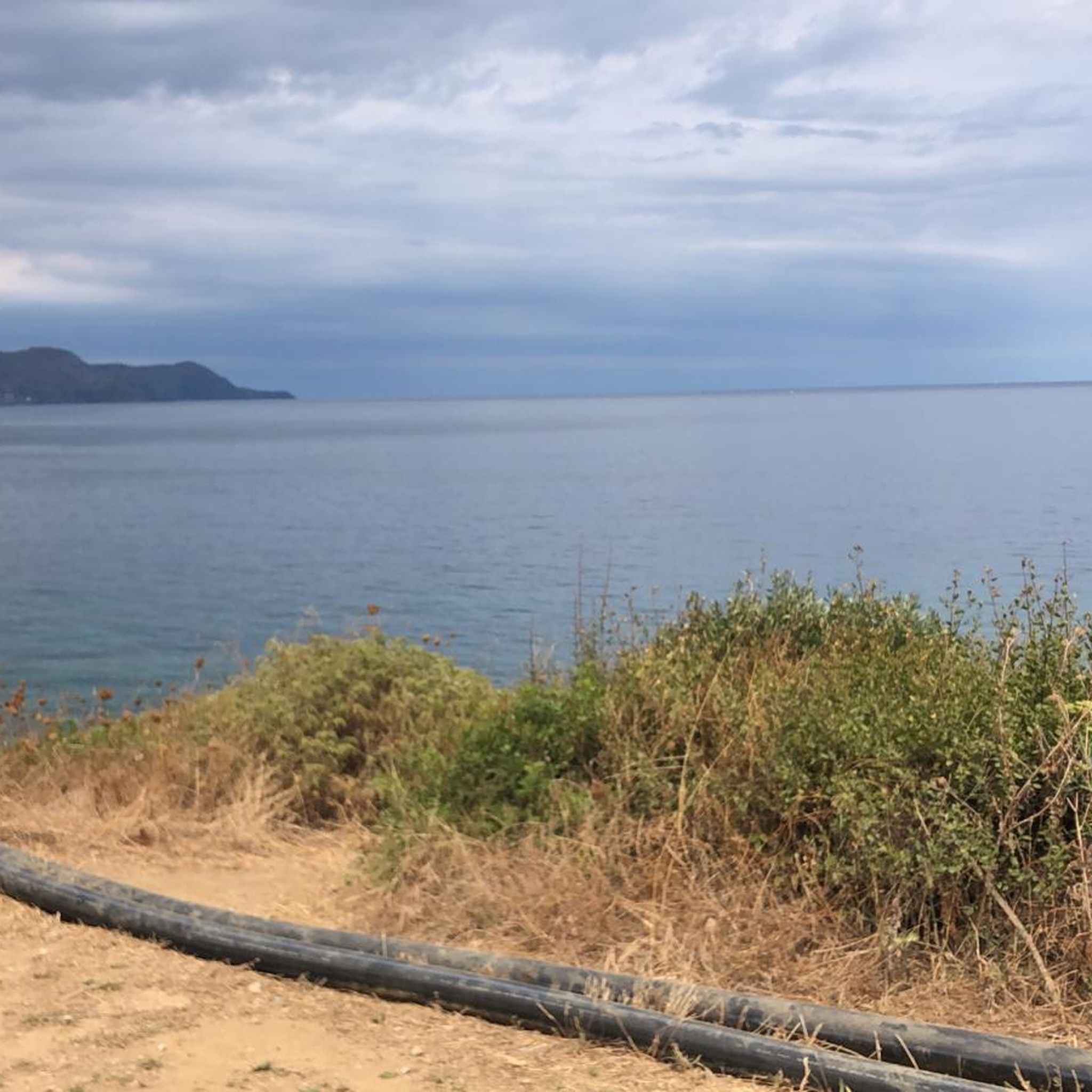
Nice view of the bay! Portbou, I don't find it particularly charming, at least from here, but the bay is magnificent!
0
0
Beautiful view of the bay and Colera!
0
0

Always a wonderful experience 👍
0
0


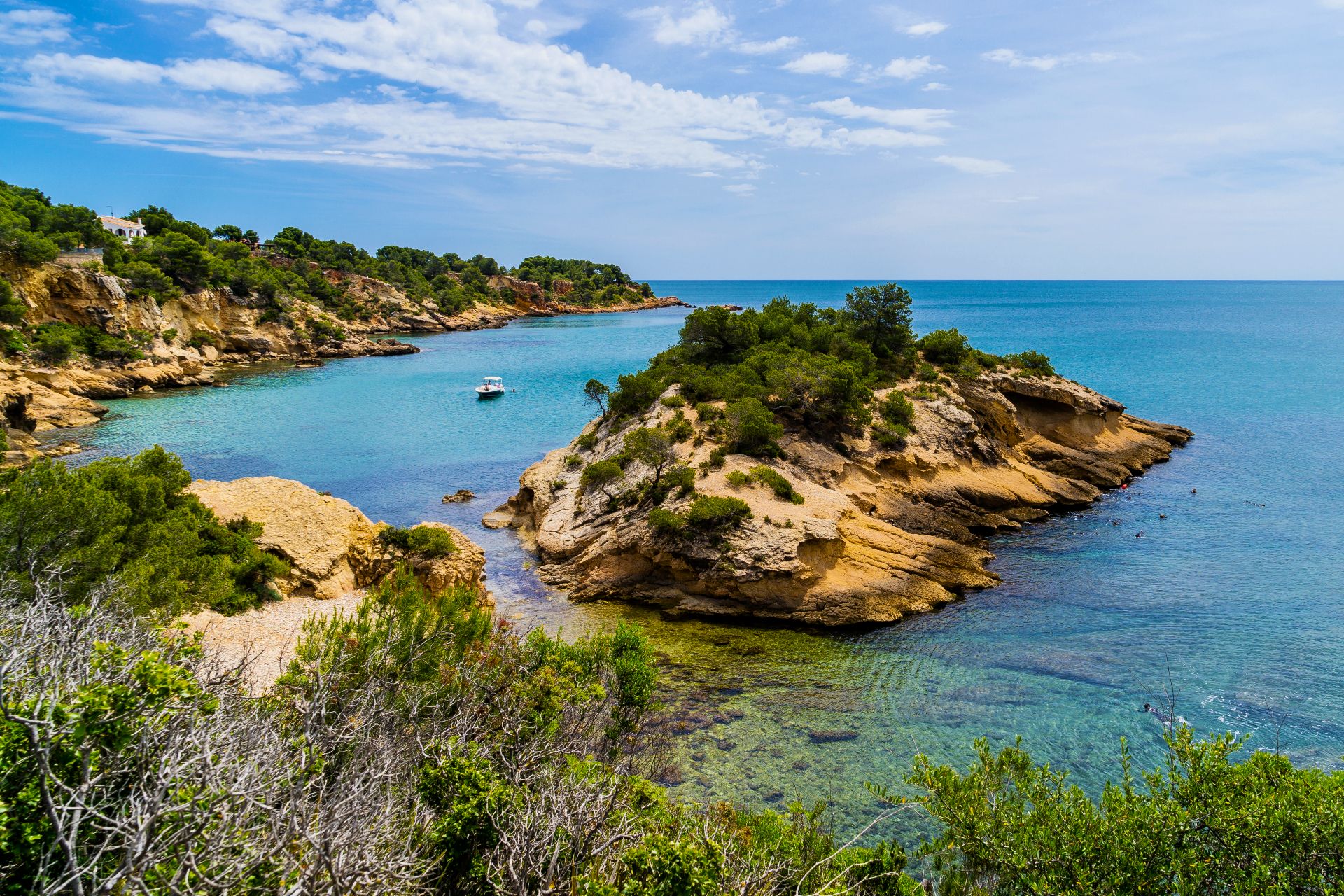
small bathing bay
0
0

Magnificent view! Not to be missed
0
0
Frequently Asked Questions
What is the general difficulty level of touring cycling routes around Portbou?
Touring cycling around Portbou is characterized by a challenging environment where the Pyrenees meet the Mediterranean Sea. The routes feature significant elevation gains and a mix of paved and unpaved surfaces. Out of 67 available routes, 38 are classified as difficult, 23 as moderate, and 6 as easy, catering to a range of fitness levels.
What kind of terrain can I expect on touring cycling routes in Portbou?
You can expect diverse terrain, from rugged coastal mountains with continuous Mediterranean Sea views to tranquil coves and beaches. Routes often combine paved roads with unpaved sections, some of which can be quite challenging. The region's unique position means you'll encounter dramatic landscapes and potentially the strong Tramontana wind.
Are there challenging touring cycling routes for experienced riders?
Absolutely. Portbou is ideal for experienced touring cyclists seeking a challenge. Routes like the Former French Border Post – View of the Bay at Cap Ras loop from Cerbère, spanning 37.9 km with over 900 meters of elevation gain, offer demanding ascents and panoramic bay views. Another option is the Monastery of Sant Pere de Rodes – El Port de la Selva loop from Colera, a 47.1 km ride with similar elevation, providing both cultural and scenic rewards.
What natural features and landmarks can I see while cycling around Portbou?
While cycling, you'll be treated to continuous views of the Mediterranean Sea and rugged coastal mountains. You can also explore various natural and historical landmarks. For instance, you might pass by Querroig Castle or enjoy views from peaks like Madeloc. The coastline also features secluded coves and beaches like Rates, Cala del Pi, and Gran Beach, perfect for a break.
Are there any historical or cultural attractions accessible by touring bike?
Yes, the region is rich in history. You can cycle towards the Querroig Castle or the impressive Monastery of Sant Pere de Rodes. Portbou itself is home to the Neo-Gothic Church of Santa María and the historic International Railway Station. The area's border location also means routes sometimes cross into France, offering a unique geographical context.
Where can I find the most scenic viewpoints on a touring bike ride?
Many routes offer spectacular vistas. The Côte Vermeille Coastal Road: Banyuls-sur-Mer to Cerbère is renowned for its continuous sea and mountain views. Similarly, the Cerbère to Collioure route also provides stunning coastal panoramas and challenging ascents, ensuring memorable scenery throughout your ride.
Is there parking available for cyclists in Portbou, and can I use public transport with my bike?
Portbou, being a significant transport junction, has parking facilities. For public transport, the International Railway Station is a key hub. While specific regulations for bikes on local buses and trains vary, the broader Girona region, where Portbou is located, has a network of greenways built on former railway lines, suggesting a bike-friendly infrastructure. It's advisable to check with local transport providers for current bike policies.
What is the best time of year for touring cycling in Portbou?
Portbou's Mediterranean climate makes it suitable for cycling for much of the year. However, the 'Tramontana wild wind' can be a factor. Spring and autumn generally offer pleasant temperatures and fewer crowds, making them ideal. Summer can be hot, but coastal routes might provide a refreshing breeze. Winter cycling is possible, but be prepared for cooler temperatures and potentially stronger winds.
Are there family-friendly touring cycling routes in Portbou?
While many routes around Portbou are moderate to difficult due to elevation, there are 6 routes classified as easy. The broader Girona region, which includes Portbou, is known for its extensive network of gently sloping greenways built on former railway lines. These traffic-free paths are excellent for families and offer a relaxed way to explore the natural landscapes and towns.
What do other touring cyclists enjoy the most about touring cycling in Portbou?
The area is highly rated by the komoot community, with an average score of 4.6 stars from over 200 reviews. Reviewers often praise the continuous Mediterranean Sea views, the dramatic coastal mountains, and the diverse terrain that offers a rewarding challenge. The unique border region experience and the mix of natural beauty with historical sites are also frequently highlighted.
Are there any circular touring cycling routes starting near Portbou?
Yes, there are several loop routes that allow you to start and end in the same general area. An example is the Former French Border Post – View of the Bay at Cap Ras loop from Cerbère, which offers a substantial ride through coastal mountains with panoramic views. Another option is the Former French Border Post loop from La Résidence du Cèdre, a moderate 12 km route.
Most popular attractions around Portbou

Get inspired with the komoot mobile app


Explore more
Browse the best Cycling routes in other regions.
