Attractions and Places To See around Pampelune - Top 20
Best attractions and places to see around Pampelune, also known as Pamplona, is the capital of Navarre, Spain, offering a blend of historical, cultural, and natural attractions. The city features well-preserved Renaissance fortifications, significant Gothic architecture, and expansive green spaces. Visitors can explore its medieval Old Town, historic plazas, and various museums. The region provides diverse opportunities for outdoor activities and cultural immersion.
Best attractions and places to see around Pampelune
- The most popular attractions is Pilgrim Monument at Alto…
Last updated: October 9, 2026
Pilgrim Monument at Alto del Perdón
Highlight • Monument
Translated by Google •
Tip by

Pamplona
Highlight • Historical Site
Translated by Google •
Tip by

Sign up now to discover places like this
Get recommendations on the best single tracks, peaks, & plenty of other exciting outdoor places.
Portal de Francia
Highlight • Monument
Translated by Google •
Tip by
Gazebo in Plaza del Castillo
Highlight • Monument
Translated by Google •
Tip by

Magdalena Bridge
Highlight • Bridge
Tip by

Sign up for free to discover even more attractions around Pampelune.
Already have an account?
Start today with a free account
Your next adventure awaits.
Popular around Pampelune
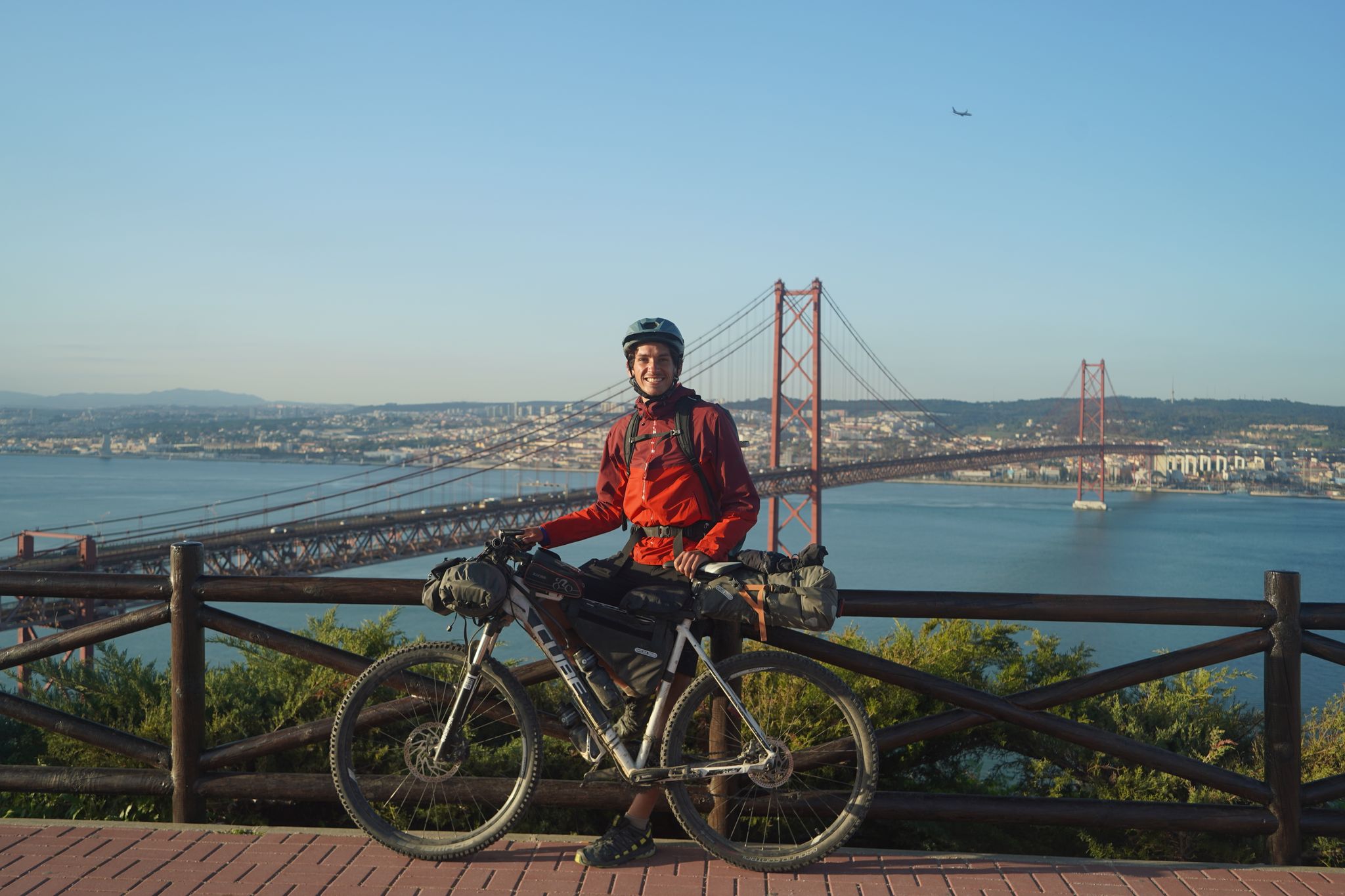
Road to Lisbon – bikepacking the Alps, Pyrenees and Picos de Europa
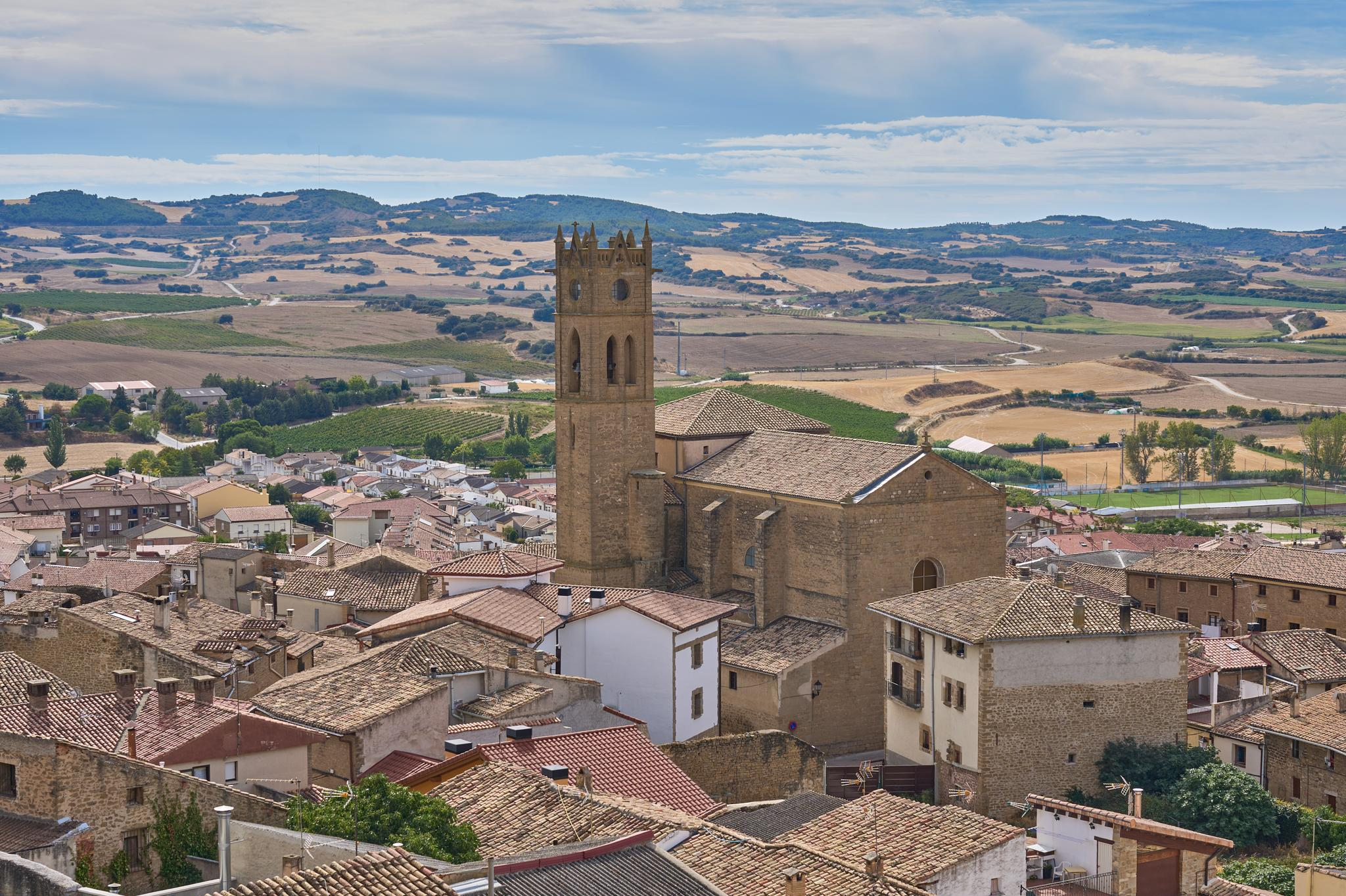
Path of the Templars — Path of the True Cross (GR 250)
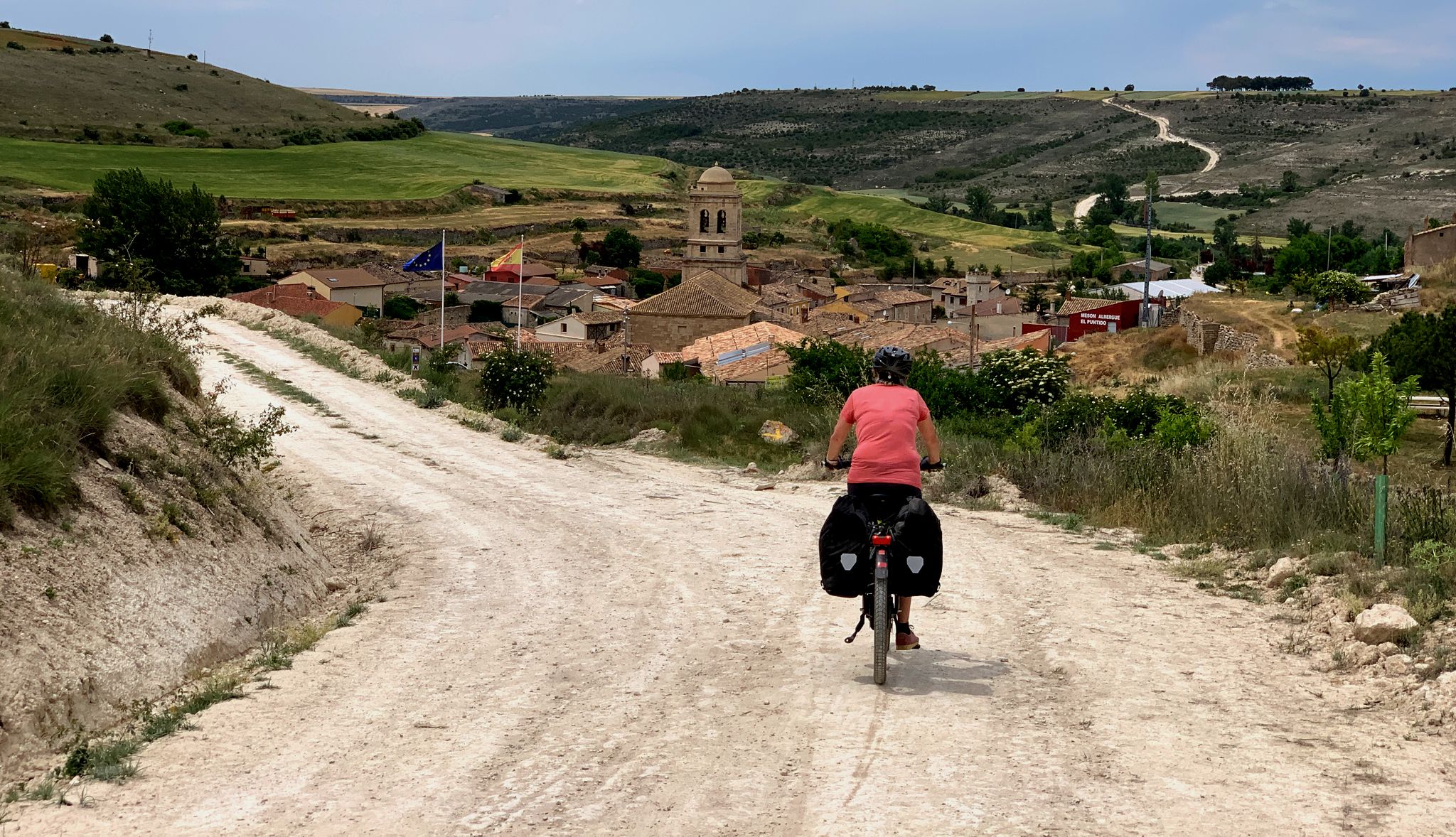
The Pilgrim Route — EuroVelo 3 through Spain
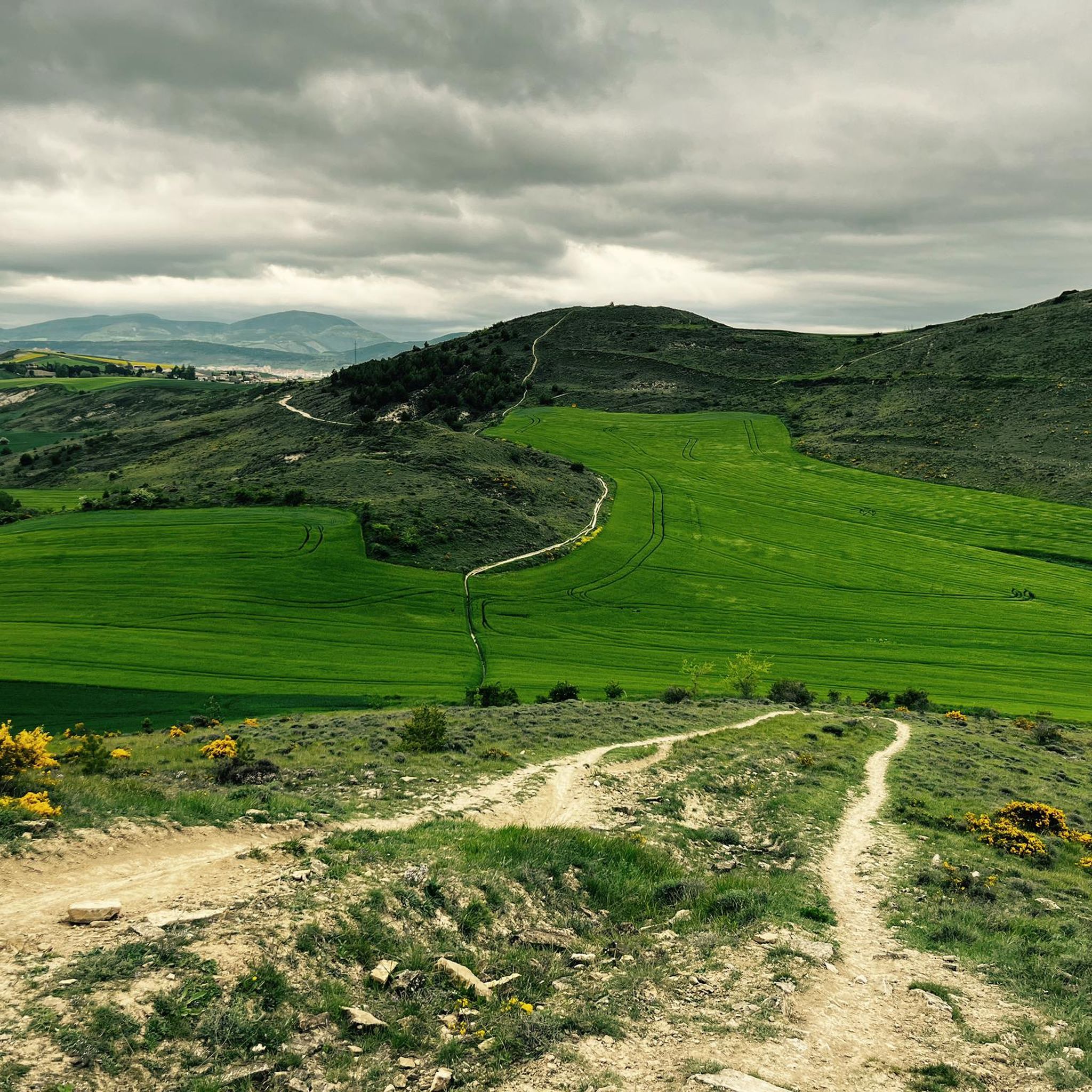
Road Cycling Routes around Pampelune
Running Trails around Pampelune
MTB Trails around Pampelune
Cycling around Pampelune
Hiking around Pampelune
Gravel biking around Pampelune
Other adventures around Pampelune


Tips from the Community

In the Pamplona bull run, young men in particular risk their health and sometimes their lives. Despite protests from animal rights activists, the "Sanfermines" festival attracts millions of visitors every year. Around 6,000 bulls are said to have died in the arena in the past 100 years. Since 1911, a total of 16 deaths have been linked to the Pamplona bull runs and fights.
2
1

The centre of the ''Plaza do Castillo'' has been occupied since 28 June 1943 by an 18-metre-high bandstand raised on a stepped drum and whose dome is supported by Ionic columns. Previously, there was a wooden one that replaced the Beneficencia fountain in 1910, the work of Luis Paret, known in Pamplona as "La Mariblanca", which currently adorns the city's Taconera gardens.
1
0

Beautiful charming and ancient bridge over which the Santiago de Compostela trail passes.
0
0
Beautifully restored city gate through which all Santiago de Compostela walkers pass. Even the mechanism to open and close the gate is still there (with counterweights).
1
0

An almost authentic pilgrimage on the Frances, because this is where streams of pilgrims came to the city in the Middle Ages. One of the impressive walls of the fortified city and here you can also see the silver Bicigrino symbols embedded in the ground that lead to the exit: a great feature!
2
0

Imagine yourself on a horse and living in the Middle Ages... entering this gate... what will happen to you?
2
0

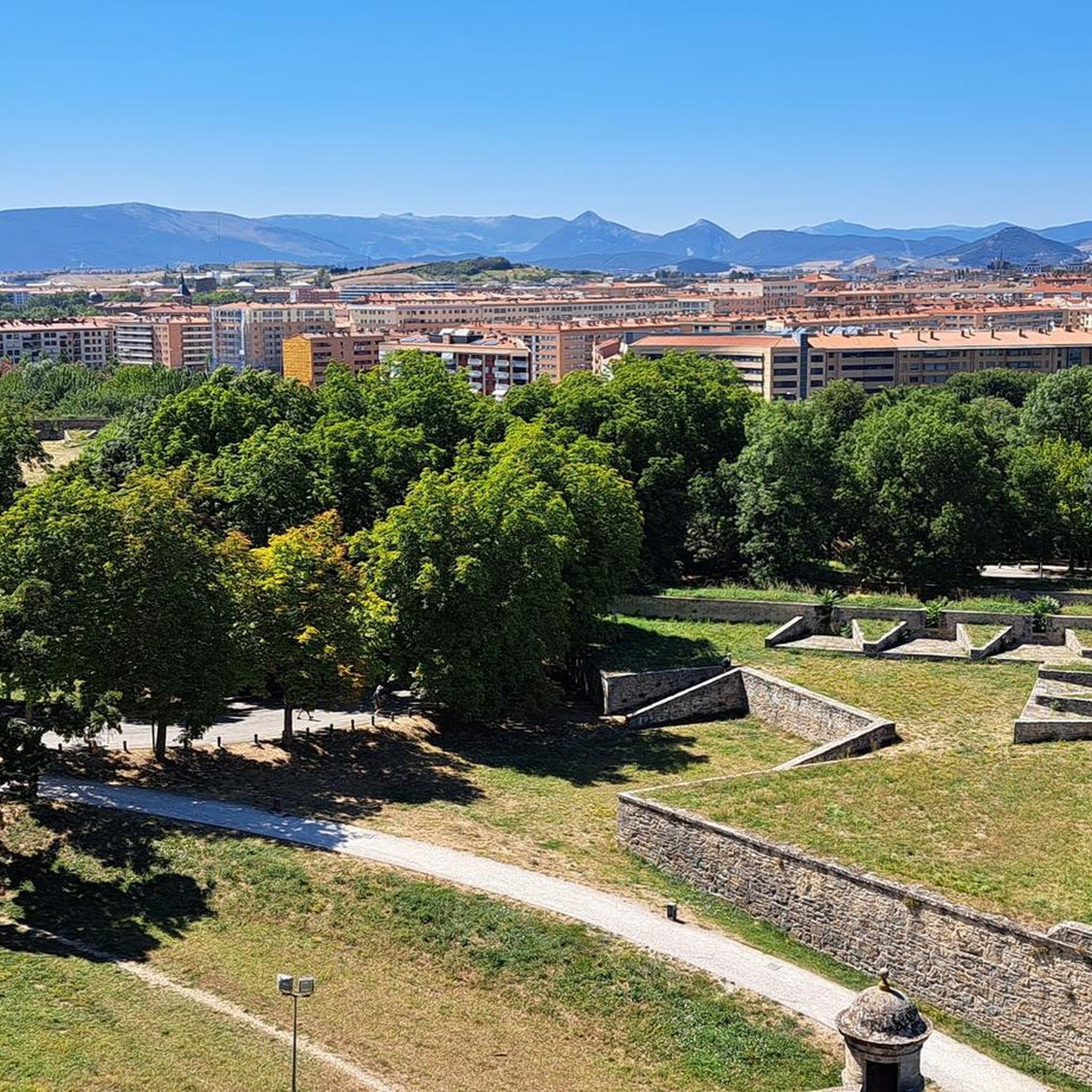
Although this is the most populous city on the Camino de Santiago, crossing it is relatively pleasant. We enter the Old Town directly, are led through it to the Citadel Park, and quickly leave the city after a short stretch through the Neustadt.
3
0

The famous main square of Pamplona with its monoopterus in the middle and restaurants and bars around. Earnest Hemingway hang out here in the 1920s which he describes impressively in his novel "Fiesta".
0
0
Frequently Asked Questions
What historical landmarks can I explore in Pamplona?
Pamplona is rich in history. You can visit the impressive Pamplona Cathedral and the Citadel, which includes a Gothic cathedral and a 16th-century Renaissance military fortress. The well-preserved Portal de Francia, a 16th-century gate, is part of the old city walls. Other notable sites include the extensive Pamplona City Walls, the historic Plaza del Castillo, and the Magdalena Bridge, a medieval bridge that is part of the Camino de Santiago.
Are there any significant religious sites to visit in Pamplona?
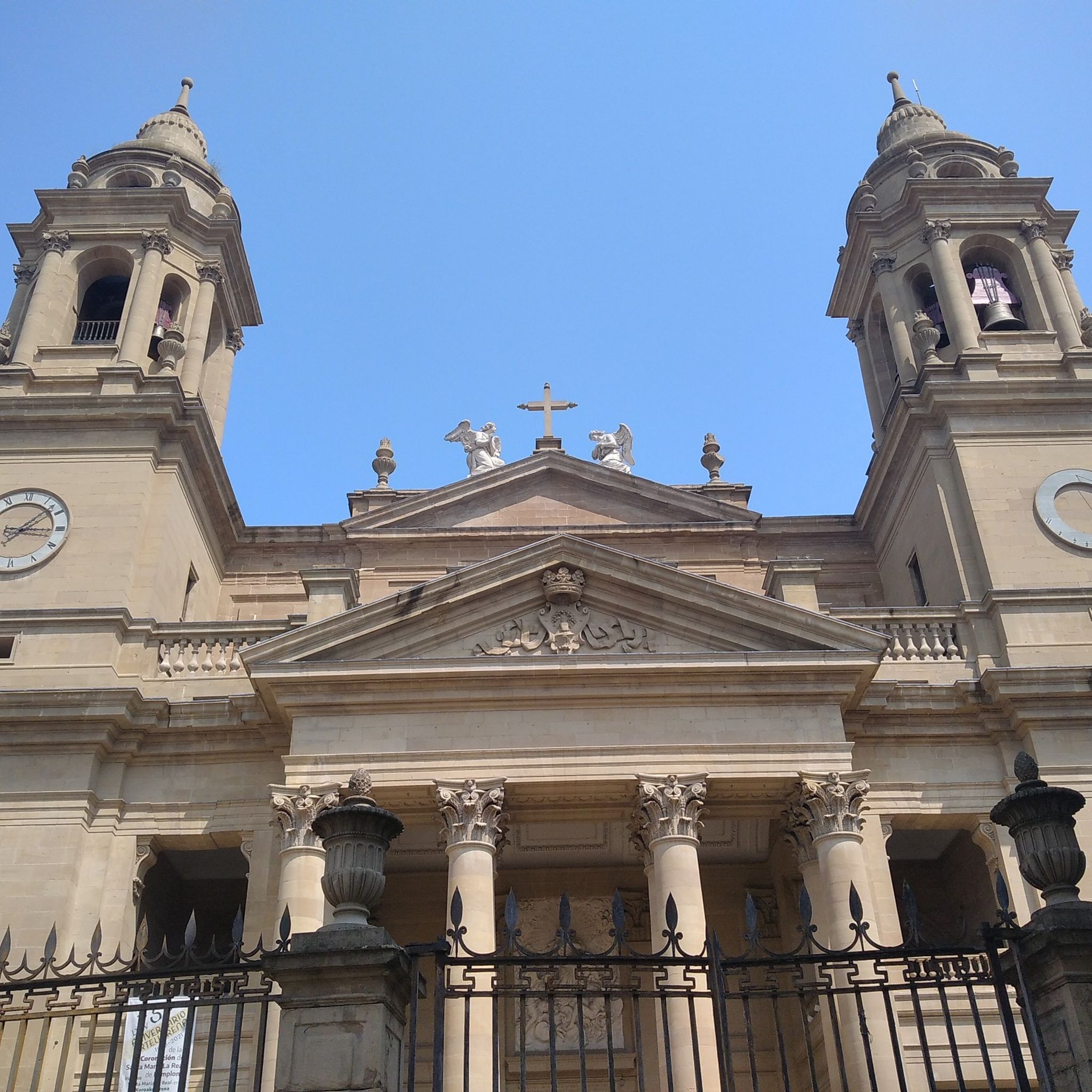
Yes, the city has several important religious sites. The Pamplona Cathedral, with its neoclassical façade and 14th-century cloisters, is a must-see. You can also visit the Church of San Saturnino, a 13th-century Gothic church, and the Church of San Lorenzo, which houses the Baroque chapel of San Fermín, the city's patron saint.
Where can I experience Pamplona's famous San Fermín festival traditions?
To experience the spirit of the San Fermín festival, visit the Plaza de Toros de Pamplona, the iconic bullring that serves as the endpoint for the Running of the Bulls. It also houses the Centro Temático del Encierro y los Sanfermines, where you can learn about the traditions. The Calle Estafeta, famous as part of the bull-running route, is also vibrant with bars and restaurants.
What natural parks or green spaces are available for relaxation in Pamplona?
Pamplona offers numerous green spaces. The Taconera Gardens, the city's oldest park, provides a peaceful stroll with sculptures and a small zoo. Yamaguchi Park features a unique Japanese design, and the extensive Arga River Park is perfect for walking, cycling, or canoeing along the river. Parque Media Luna also offers beautiful views and a romantic setting.
Are there opportunities for hiking or outdoor activities near Pamplona?
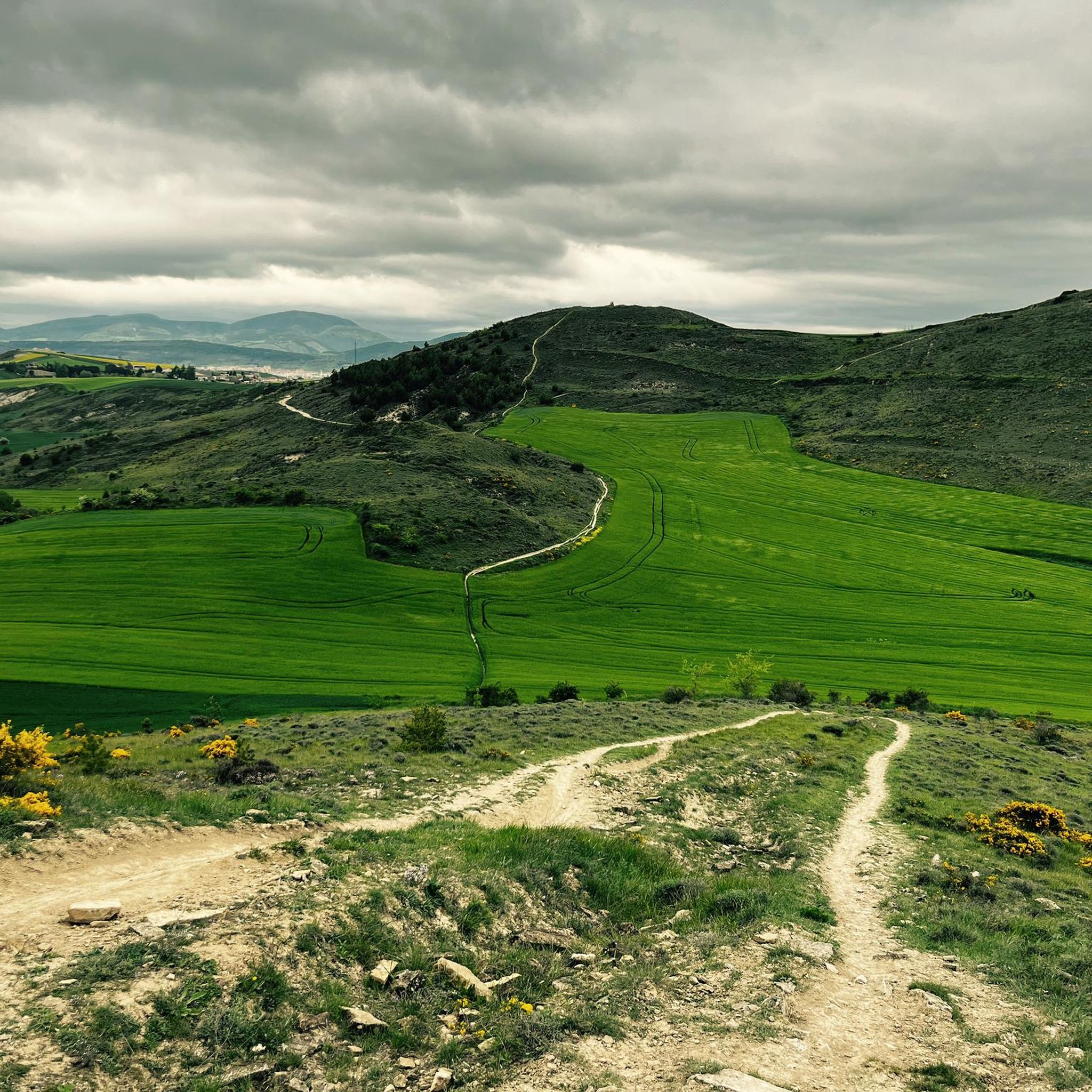
Absolutely. The Arga River Park offers extensive paths for walking and cycling within the city. For more challenging hikes, the Urbasa Andía Natural Park, located west of Pamplona, provides lush walking paths and stunning natural sites. You can find various hiking routes, including a city tour via La Ciudadela and Parque Fluvial del Arga, or a difficult route to the Alto del Perdón Memorial Cross.
What are some family-friendly attractions in Pamplona?
Families can enjoy several attractions. The Pamplona Cathedral and the Citadel offer historical exploration. The Portal de Francia is an engaging historical site. The Taconera Gardens feature a small zoo with deer and peacocks, and Yamaguchi Park includes a Planetarium, making them great for children. The Arga River Park also provides ample space for outdoor family activities.
Can I find cycling routes around Pamplona's attractions?
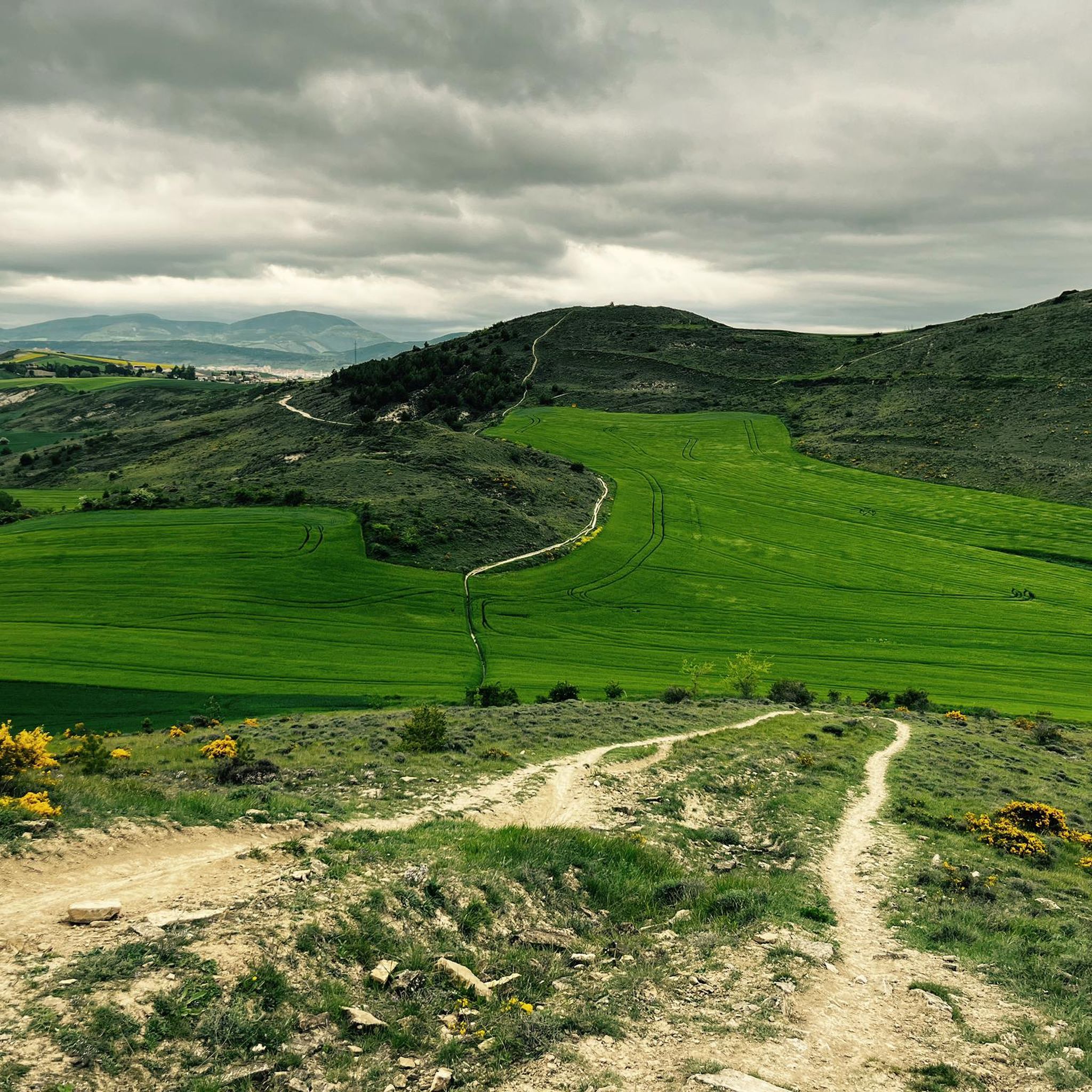
Yes, Pamplona and its surroundings offer several cycling routes. You can explore routes like the Pamplona Cathedral – Magdalena Bridge loop or a loop around the Pamplona Citadel and Plaza del Castillo. These routes allow you to see many of the city's highlights while enjoying a bike ride.
What cultural sites are there beyond the main historical landmarks?
Beyond the major landmarks, you can delve into culture at the Museum of Navarre, housed in a former hospital, which showcases the history of Navarre from prehistory to the 20th century. The Archivo Real y General de Navarra, set in a former royal palace, is another significant cultural institution. For contemporary art, visit the University of Navarra Museum.
What is the best time to visit Pamplona for sightseeing and outdoor activities?
Pamplona offers attractions year-round. For sightseeing, spring and autumn provide pleasant weather. If you're interested in the San Fermín festival, it takes place from July 6-14. For hiking and outdoor activities, late spring and early autumn are ideal, as the weather is mild and comfortable for exploring natural parks like Urbasa Andía.
Are there any viewpoints offering panoramic views of Pamplona?
Yes, for panoramic views, head to the Rincón del Caballo Blanco bastion along the Pamplona City Walls. The Parque Media Luna also offers romantic settings and excellent views. Additionally, the Pilgrim Monument at Alto del Perdón, though a short distance from the city, provides expansive vistas of the surrounding landscape.
What is the 'living room' of Pamplona and what can I find there?
The Plaza del Castillo is often referred to as the city's 'living room.' This tree-lined square is the social heart of Pamplona, surrounded by beautiful 18th-century buildings. It's home to historic cafes like Café Iruña, famously frequented by Ernest Hemingway, and is a perfect spot for people-watching and enjoying the city's atmosphere. You can find the Gazebo in Plaza del Castillo here.
Can I find mountain biking trails near Pamplona?
Yes, there are several mountain biking opportunities around Pamplona. You can explore trails like the Pamplona - Zabalgain loop via the Fluvial Park or a tour to the Ciudadela de Pamplona. These routes offer varying difficulty levels, from easy to moderate, allowing you to enjoy the natural surroundings on two wheels.
Most popular routes around Pampelune
Most popular attractions around Pampelune

Get inspired with the komoot mobile app


Explore more
Still not found the Highlight you’re looking for? See guides of the top attractions in other regions:
