The best road cycling routes around Vilaller
4.7
(29)
1,562
riders
31
rides
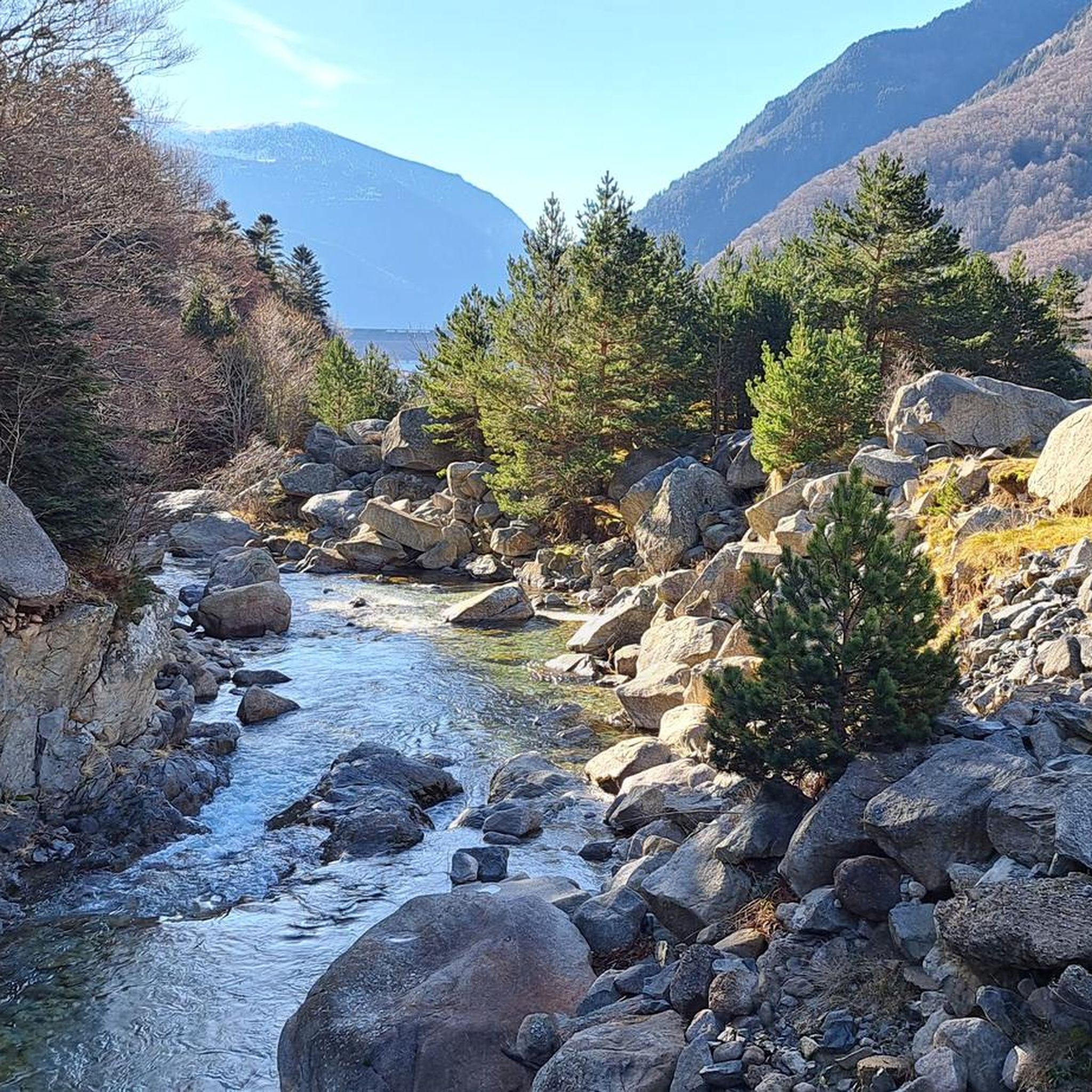
Road cycling routes around Vilaller are set within the dramatic Pyrenean landscapes of Alta Ribagorça, Catalonia. The region features challenging mountainous terrain, including numerous passes and valleys. Cyclists encounter significant elevation changes, with routes traversing high-altitude areas and offering views of glacial formations. The area provides a diverse environment for road cycling, characterized by its rugged natural features.
Best road cycling routes around Vilaller
- The most popular road cycling route is Bonansa and Puerto de Bonansa Loop from Laspaúles,…
Last updated: July 4, 2026
4.8
(4)
73
riders
36.1km
02:16
1,000m
1,000m
This difficult 22.4-mile (36.1 km) road cycling route in the Pyrenees offers 3274 feet (998 metres) of elevation gain.
9
riders
42.2km
03:21
1,540m
1,540m
Hard road ride. Very good fitness required. Mostly well-paved surfaces and easy to ride.

Sign up for free
5.0
(1)
122
riders
Hard road ride. Very good fitness required. Some segments of this route may be unpaved and difficult to ride.
106
riders
89.7km
05:01
1,950m
1,950m
Hard road ride. Very good fitness required. Mostly well-paved surfaces and easy to ride.
85
riders
122km
07:06
2,710m
2,710m
Hard road ride. Very good fitness required. Mostly well-paved surfaces and easy to ride.
Get access to more routes and recommendations from other explorers.
Sign up for free
Already have an account?
Our route recommendations are based on thousands of hikes, rides, and runs completed by other people on komoot.
Start today with a free account
Your next adventure awaits.
Login or Signup


Other adventures around Vilaller

Tips from the Community

"The Vall de Boi is a narrow valley, carved deep into the Catalan Pyrenees. More than 1,000 years ago, seven small villages emerged in the valley, which no one would remember if nine Romanesque churches hadn't been built at that time. The isolation has contributed to the fact that at least some of these churches have been preserved almost in their original state," says the website for the television series "Treasures of the World - Heritage of Humanity." Comprising several hundred episodes, the series (in German) presents special places from all continents and eras that – despite all their diversity – have one thing in common: They have been awarded the honorary title of World Heritage Site by UNESCO. The film about the VALL DE BOI with its Romanesque churches is available in the ARD media library under the following link => https://www.ardmediathek.de/video/schaetze-der-welt/vall-de-boi-spanien-folge-260/swr/Y3JpZDovL3N3ci5kZS82ODk4NDYw
0
0

A table-bench combination in the shade of the forest.
1
0

The Romanesque church of Sant Feliu de Barruera dates from the 11th century, although the nave, the bell tower, two chapels and the portal were added in the 12th century. It is very interesting to compare the different architectural details according to the period in which they were built.
0
0

Consecrated on December 10, 1123 by Ramon Guillem, Bishop of Roda-Barbastro, the church of Sant Climent de Taüll is built on top of an 11th century temple. It is the prototype of a Romanesque church with a basilica plan with three naves separated by columns and a gabled wooden roof, a head with three apses and a bell tower. The image of Christ in Majesty by Taüll has been one of the emblematic images most used to represent the Catalan Romanesque
0
0

Of the Romanesque churches in the Vall de Boí, this is one of the most beautiful. The original frescoes are in the museum, as always. Here they are digitally reconstructed and projected onto the walls. In addition, there is a very interesting digital reconstruction of the original artwork.
0
0

This is a lovely little lake created by a dam that depending on where you are, there may be places to swim. The views around you are great.
2
0
A very pretty suspension bridge that crosses the Noguera de Tor river. You may even notice it moving around a bit, which can be exciting for some and scary for others.
0
0

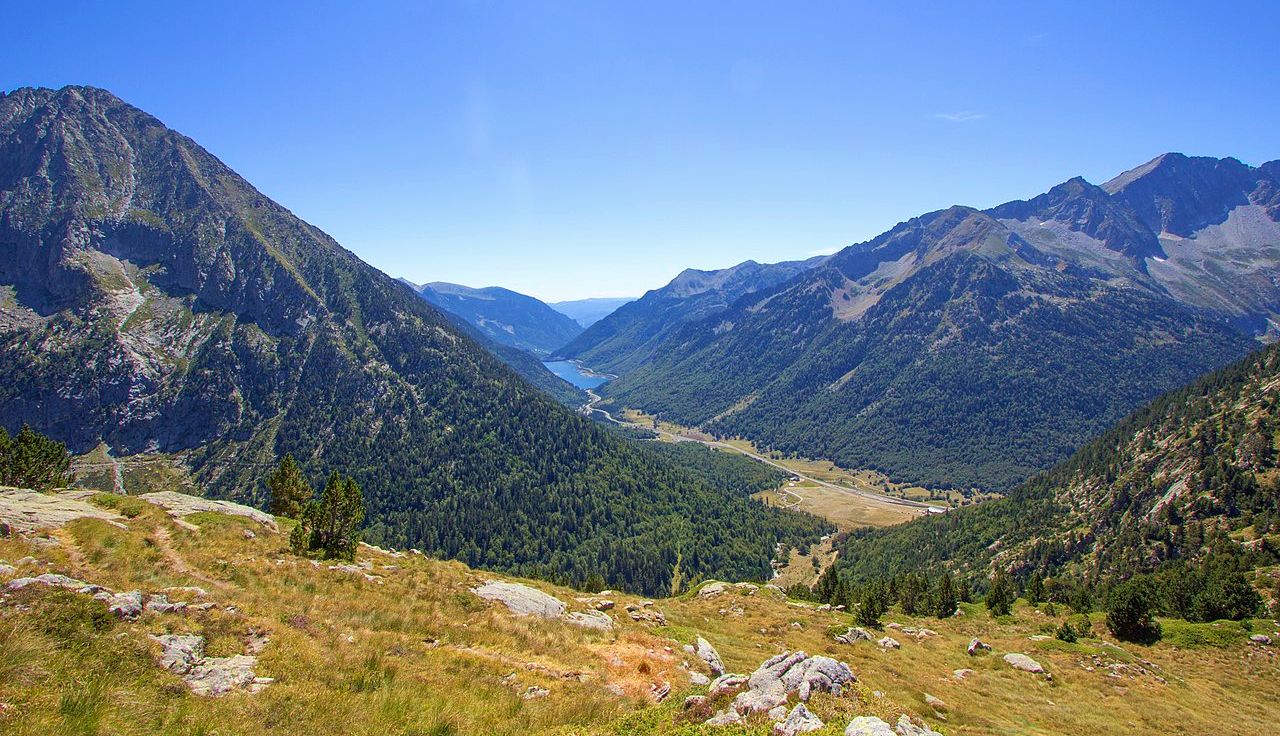
This port connects the Noguera Ribagorzana river basin with the Sis valley and the Isábena basin, right on the border between Catalonia and Aragon. From Bonansa, the pass is a little over six kilometers long, with a fairly constant average drop of around 7%. Its other slope, the one that follows the Obarra gorge until it crowns the port, is much longer. It is 15 kilometers long, but it is very flat, with percentages around 3%, until it practically reaches the top, where the last two kilometers present considerable unevenness, with ramps of more than 15%.
0
0
Frequently Asked Questions
How many road cycling routes are available around Vilaller?
There are over 30 road cycling routes available around Vilaller, offering a diverse range of experiences within the Pyrenean landscapes of Alta Ribagorça.
What is the best time of year for road cycling in Vilaller?
The best time for road cycling in Vilaller is typically from late spring to early autumn (May to October). During these months, the weather is generally more stable, and the high mountain passes are clear of snow, providing optimal conditions for tackling the challenging terrain.
What are the typical difficulty levels for road cycling routes around Vilaller?
Road cycling routes around Vilaller are predominantly moderate to difficult. The region is characterized by significant elevation changes and mountainous terrain. Out of 34 routes, 11 are classified as moderate and 23 as difficult, making it an ideal destination for experienced cyclists seeking a challenge.
Are there any circular road cycling routes in Vilaller?
Yes, many routes around Vilaller are designed as loops, allowing you to start and finish in the same location. An example is the challenging Coll de l'Espina (1407 m) – Castejón de Sos loop from Noales, which covers nearly 90 km with substantial elevation gain.
What natural attractions can I see while road cycling near Vilaller?
The region offers breathtaking natural beauty. While cycling, you can encounter stunning glacial formations and views of high peaks. Notable attractions include the Lake Major of Colomers and the Cavallers Lake, both part of the glacial cirques. You might also catch glimpses of significant mountain passes like Bonansa Pass.
Are there any cultural or historical points of interest in Vilaller itself?
Yes, the village of Vilaller offers cultural interest with its Vila Closa (walled village). You can explore its narrow, irregular, and cobbled streets, and admire traditional stone houses, providing a charming starting or ending point for your cycling excursions.
Is there parking available for road cyclists in Vilaller?
Yes, parking is generally available in Vilaller, particularly in and around the village center. It's advisable to check local signage for any restrictions or designated parking areas, especially during peak seasons.
What do other road cyclists appreciate about the routes in Vilaller?
The road cycling routes in Vilaller are highly rated by the komoot community, with an average score of 4.9 stars from over 20 reviews. Cyclists frequently praise the dramatic Pyrenean scenery, the challenging mountain passes, and the diverse terrain that offers both physical challenge and immersive natural experiences.
Are there any particularly challenging road cycling routes for experienced riders?
Absolutely. Vilaller is known for its challenging routes. For experienced riders, the Valle de Castanesa y Montanuy route is a difficult 42.2 km path exploring mountainous terrain with sustained ascents. Another demanding option is the Bonansa Pass – Mirador de Montanuy climb loop from Vilaller, which spans over 120 km with significant elevation gain.
Are there places to stop for refreshments or food along the routes?
While many routes traverse remote mountain areas, you'll find opportunities for refreshments in the villages along the way or at mountain refuges. For example, the Colomèrs Refuge, located at 2,135 meters, provides services for longer tours. It's always recommended to carry sufficient water and snacks, especially on longer or more isolated sections.
What should I pack for a road cycling trip in Vilaller?
Given the mountainous terrain and variable Pyrenean weather, it's essential to pack layers, including a windproof/waterproof jacket. Don't forget spare tubes, a repair kit, plenty of water, high-energy snacks, and sun protection. A GPS device or a loaded komoot app is highly recommended for navigation on these challenging routes.
Most popular attractions around Vilaller

Get inspired with the komoot mobile app


Explore more
Browse the best Road cycling routes in other regions.
