Attractions and Places To See around Queralbs - Top 20
Best attractions and places to see around Queralbs include a picturesque mountain village nestled in the Ripollès region of Catalonia, Spain. This area is characterized by its traditional stone houses, narrow streets, and stunning natural surroundings within the Pyrenees. Queralbs offers a blend of cultural sites and outdoor activities, making it a destination for exploring both its heritage and its diverse landscapes. The region is known for its high-mountain terrain, abundant water sources, and well-preserved historical landmarks.
Best attractions and…
Last updated: October 9, 2026
Carança Corniche
Highlight • Gorge
Translated by Google •
Tip by

The Footbridges of the Carançà Gorge
Highlight • Gorge
Translated by Google •
Tip by

Sign up now to discover places like this
Get recommendations on the best single tracks, peaks, & plenty of other exciting outdoor places.
Suspension bridge over the Carança Gorge
Highlight • Bridge
Translated by Google •
Tip by
Chemin de la Corniche
Highlight (Segment) • Trail
Translated by Google •
Tip by

Puigmal d'Er Summit
Highlight • Summit
Translated by Google •
Tip by

Sign up for free to discover even more attractions around Queralbs.
Already have an account?
Start today with a free account
Your next adventure awaits.
Popular around Queralbs
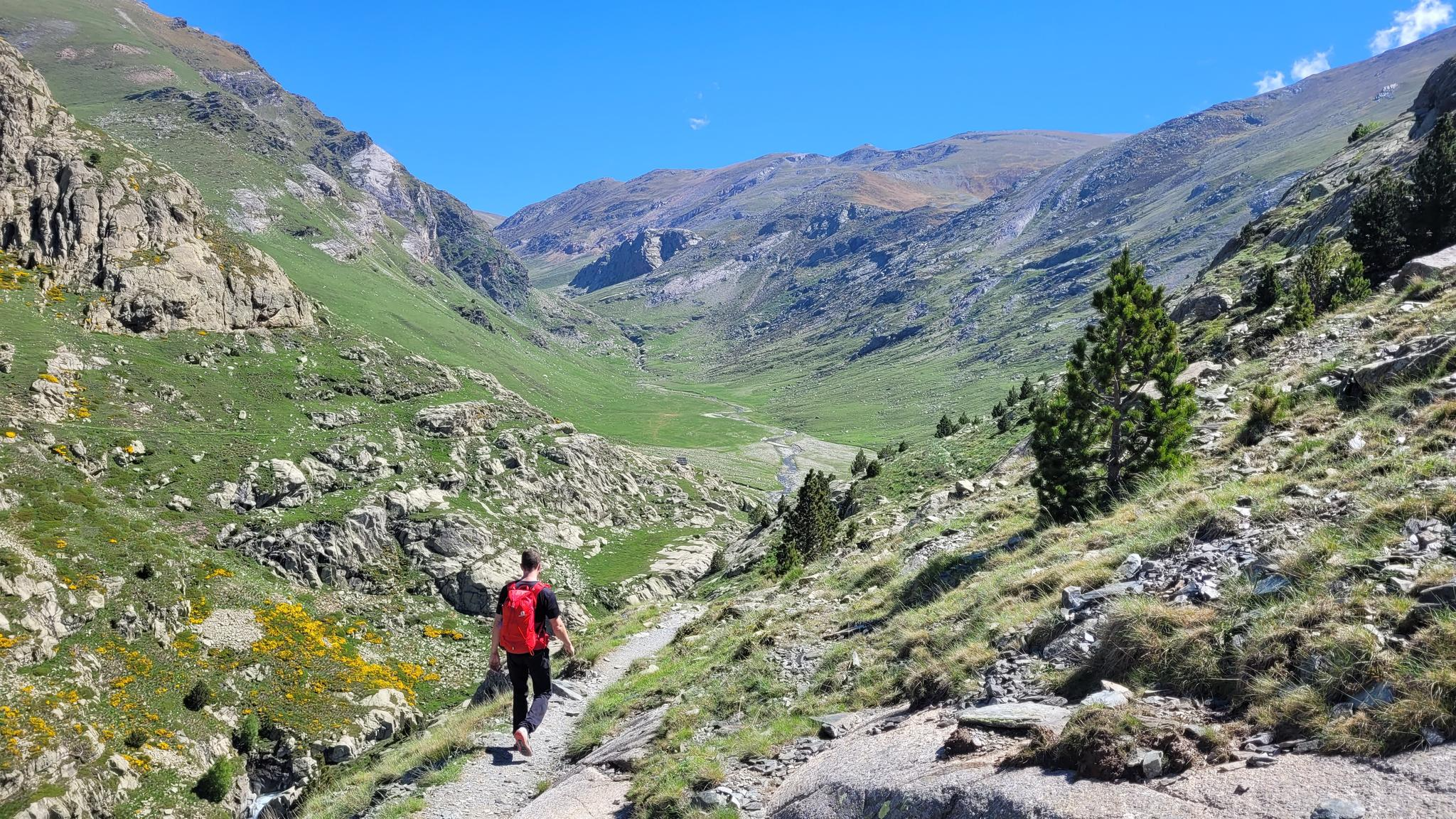
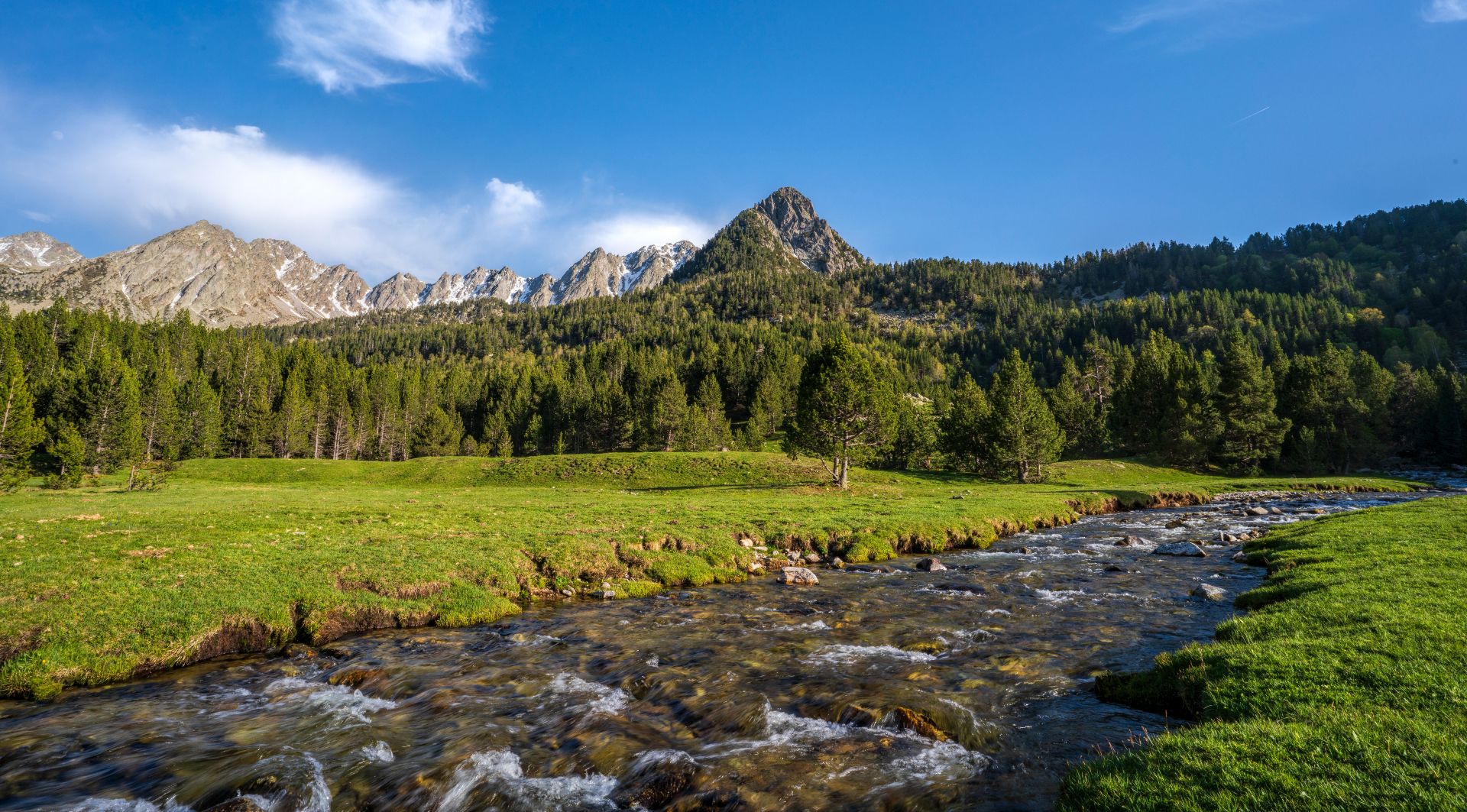
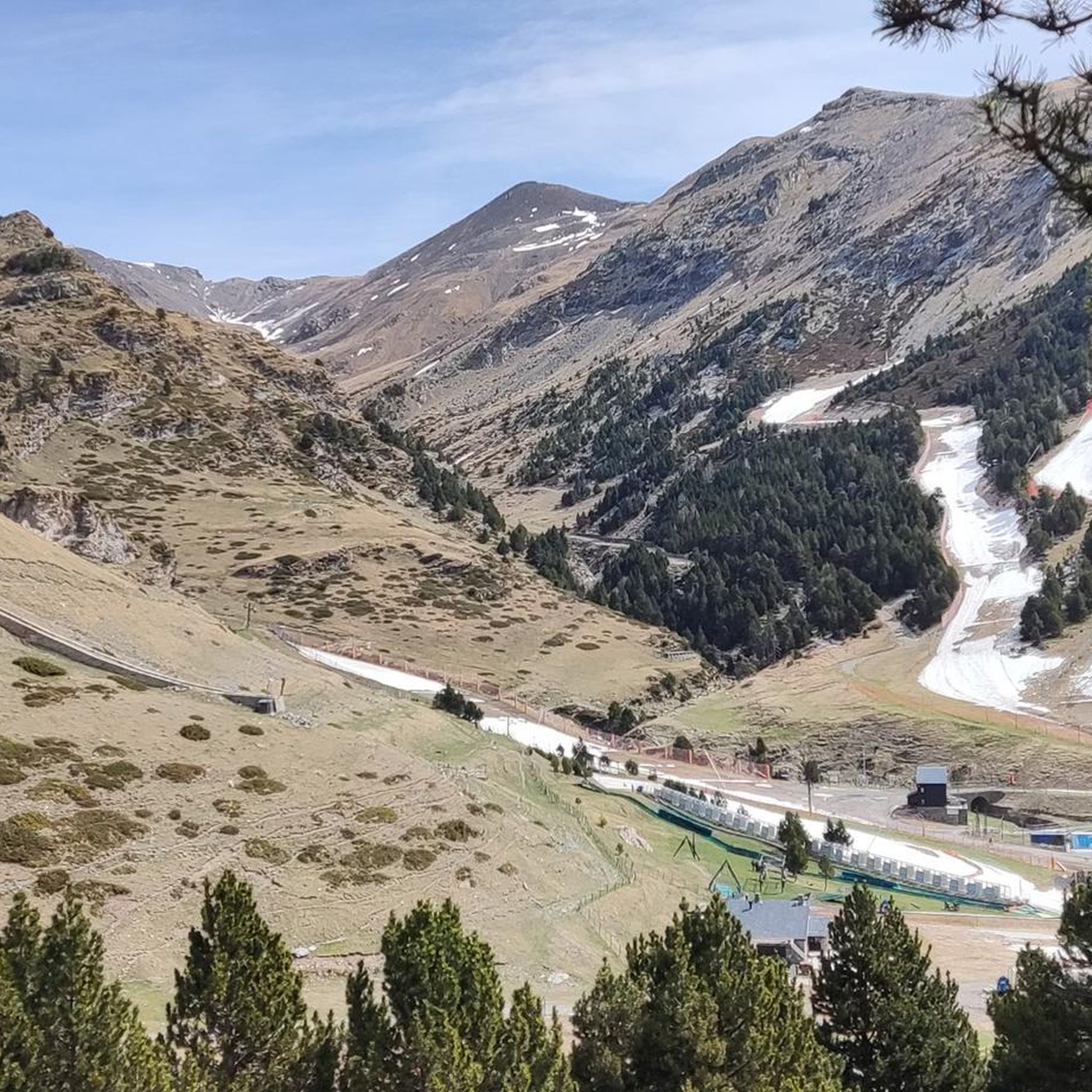
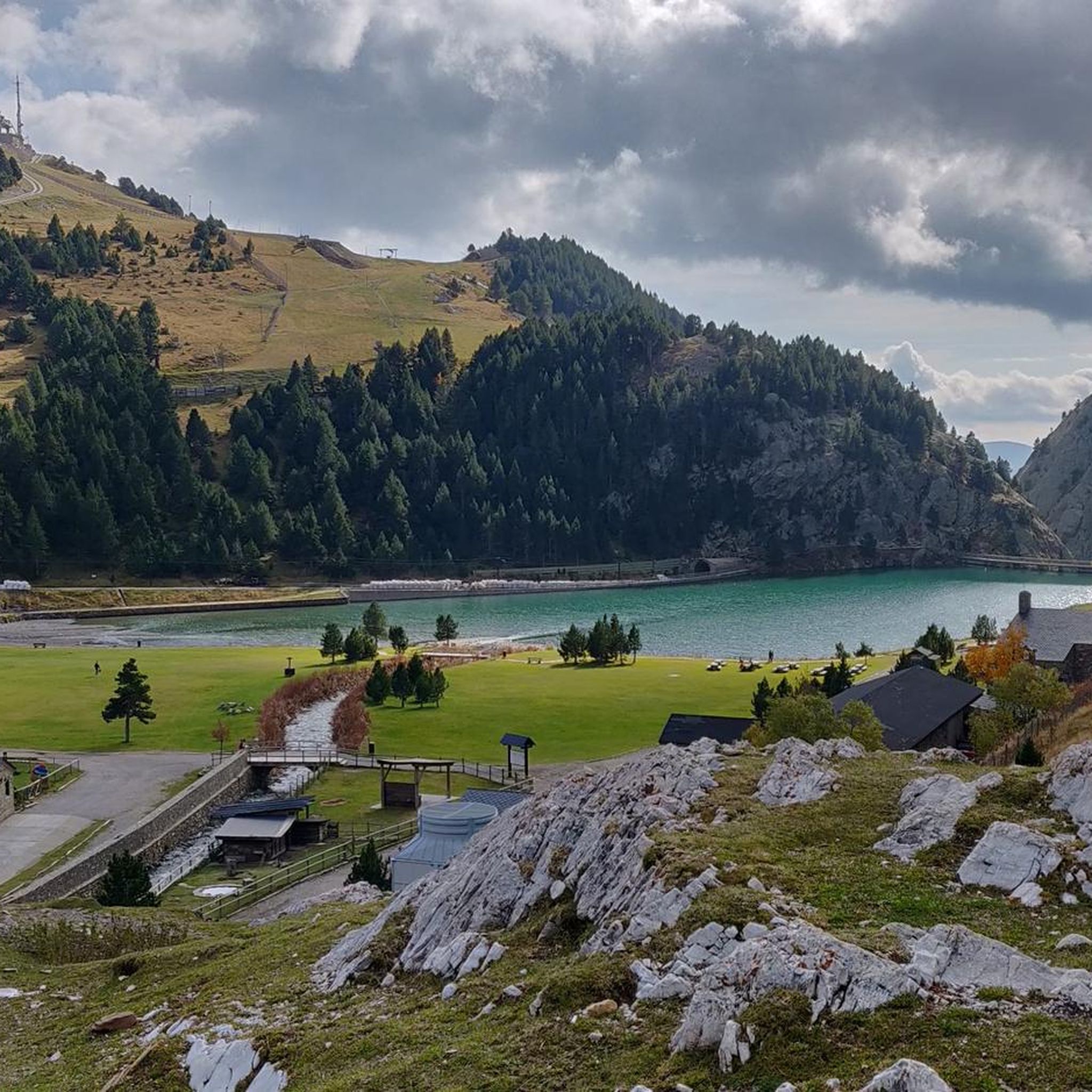



Tips from the Community

Take your time and respect the two-person-at-a-time rule.
0
0

the views and the pleasure of climbing almost to 3000 m
3
0

Where did you drive up there from and which gate did you take? Where did you drive up there from and which gate did you take? From where did you drive up there and which gate did you take?
0
2

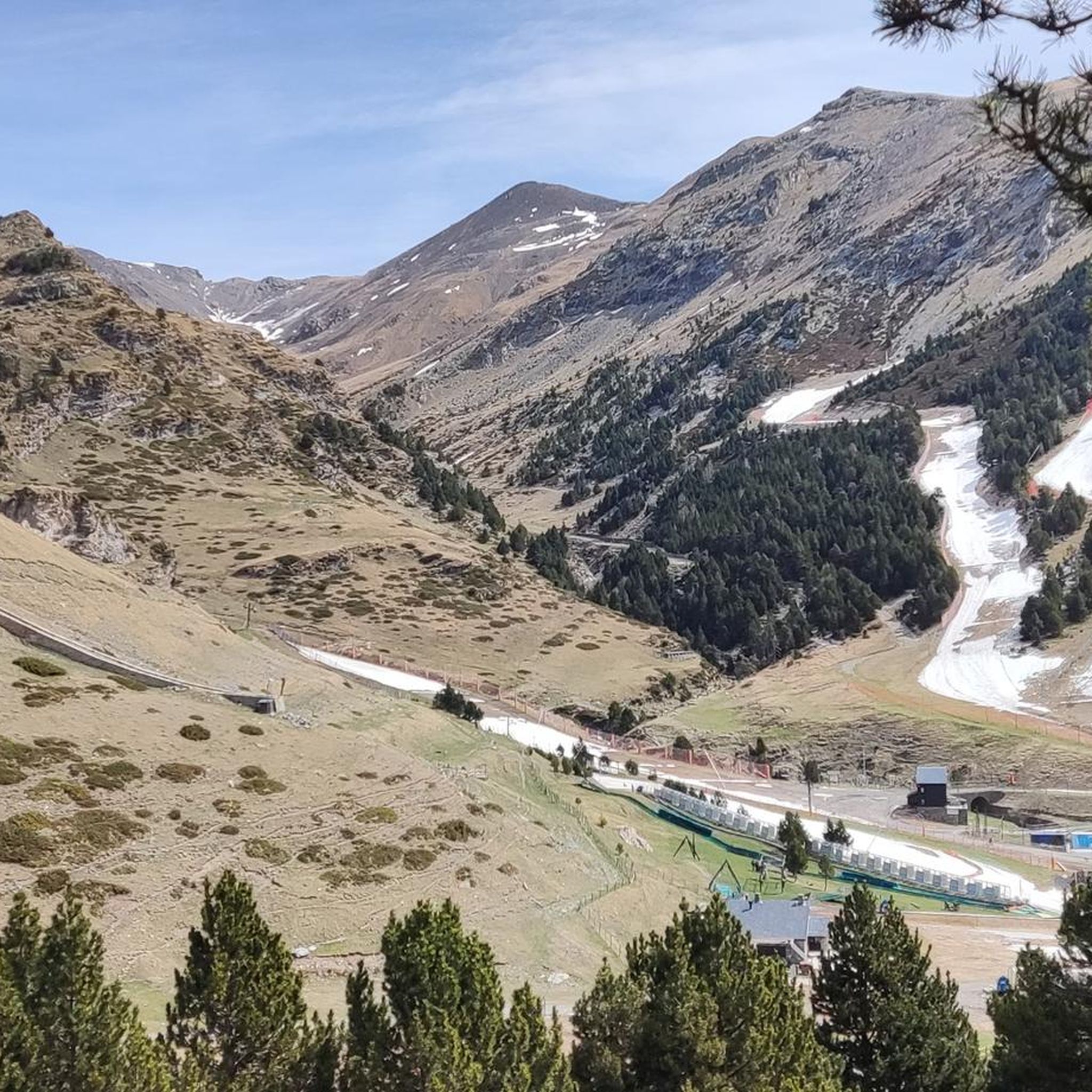
There isn't really much of a view to enjoy here. The other mountains in the same category that can be hiked along the ridge are more impressive. But you are still "up there" here. Away from the hustle and bustle of the world, in silence. Only the wind blows over the peaks, kicks up a few dust devils, and in summer cools the sweat of the climb.
5
0

Beautiful point, but watch your head because of the rock points and where you put your feet. Here you can easily pass each other
20
0
Breathtaking gorge, great parking 5 euros, just follow komoot for the most beautiful route, fear of heights? Do not look into the depths, but especially where you put your feet. If you are Dutch tall, then also pay attention to the rocky points at head height. What a great trip😀
22
0

When the path joins the river and next to a small dam, we connect with the path that comes from the ledge. Here begins the most exciting part of the excursion! Ahead of us are ten bridges, numbered in yellow paint, as well as walkways built with metal panels from which we see the river slide between the rocks beneath our feet. All steps are aerial but well secured with cables and railings. Of course: we have to pay special attention if we go with children. This area, in addition to being a real adventure, is ideal for contemplating the small waterfalls from the front row and listening to the murmurs of the river. Here you can enjoy the grandeur of an overflowing nature… After the bridge marked with a 10, the path widens and we pass over a small stone bridge that crosses the Roig stream, a tributary of the Tet river. We pass a stone hut without a roof and arrive at the last footbridge, located at a point where the river is enclosed by a rock wall. At this point, most walkers turn around and those who continue do so thinking of reaching the refuge of the Ras de Carançà, still far away. The last time I did this stretch (see excursion: https://www.komoot.com/es-es/tour/994475321/ ) it was just the other way around, coming from the refuge of Ras de Carançà.
1
0
When we reach the fork in the road, we will continue on the left that goes across the river over a suspension bridge. Here we will find the last footbridge of the route. We enter the Camí de la Corniche (Chemin de la Corniche), which runs along the cliff and is a luxury balcony: Roc de la Madrieu, Serrat del Cortal, Thuès and its church of Sant Genís, the Tet valley... It is a narrow and vertiginous path dug into the rock, similar to the Ruta del Cares, which follows the cliff formed by the river. It seems that it was built to have access to the hydroelectric plant that we left a little above and that produces the energy that moves the yellow train. That is why during the tour we will find access doors to the company's facilities almost hidden among the rocks. The road to the ledge produces vertigo, seen from the other side it looks like a small scratch in the rock, but once inside we see that this is not the case. It is wide enough to walk without problems and it also has a safety cable, as a handrail. There is nothing to fear, but if one wants to admire the abyss it is better to stop and thus avoid a possible trip with dramatic consequences.
5
0
Frequently Asked Questions
What natural features can I explore around Queralbs?
Queralbs is nestled within the Capçaleres del Ter i del Freser Natural Park, offering a rich landscape of high-mountain peaks, abundant water sources, and diverse flora and fauna. A major highlight is the Vall de Núria, a stunning high-mountain valley with peaks reaching almost 3,000 meters. You can also discover the spectacular Salt del Grill waterfall, considered one of Catalonia's most impressive.
Are there challenging hiking routes in the Queralbs area?
Yes, the region offers several challenging routes. The Carança Corniche features dizzying and spectacular passages through a gorge, while The Footbridges of the Carançà Gorge provide an adventurous journey with bridges, ladders, and suspension bridges. For mountaineers, the Puigmal d'Er Summit offers wide views from the second-highest peak in the Eastern Pyrenees. You can find more difficult trails like the Puigmal and Núria Loop or the Olla de Núria Ridge Trail in the hiking guide for Queralbs.
What kind of outdoor activities are popular in Queralbs besides hiking?
Beyond hiking, Queralbs is a hub for various outdoor pursuits. The Vall de Núria is ideal for skiing and mountaineering in winter, and climbing and cycling during warmer months. Canyoning is also popular, with the Núria Inferior Canyon being a top choice. For cycling enthusiasts, there are numerous MTB trails around Queralbs, and runners can explore various running trails.
Can I find easy or family-friendly trails near Queralbs?
While many routes in the high mountains are challenging, there are options for families. The village of Queralbs itself offers pleasant walks through its traditional streets. For specific easy trails suitable for children, it's recommended to consult local information centers or guidebooks, as the region is known for its more demanding mountain terrain. However, the scenic journey on the Vall de Núria Rack Railway is a family-friendly experience that provides access to the valley's gentle areas.
What historical and cultural sites can I visit in Queralbs?
Queralbs is rich in history and culture. The 12th-century Sant Jaume Church, with its impressive Romanesque porch, is a must-see. In the Vall de Núria, you'll find the emblematic Santuari de la Mare de Déu de Núria, a significant pilgrimage site. Exploring Queralbs village itself reveals well-preserved traditional architecture and narrow alleys. Don't miss the nearby hamlet of Fustanyà, home to the remarkably preserved 9th-century Sant Sadurní Church and some of the valley's oldest houses.
How can I reach Vall de Núria from Queralbs?
The Vall de Núria is uniquely accessible by the Vall de Núria Rack Railway. You can board this scenic cog train from Ribes de Freser, with a stop directly in Queralbs. This railway offers a comfortable and picturesque way to ascend high into the mountains, providing stunning views along the journey.
What is the best time of year to visit Queralbs for outdoor activities?
The best time to visit Queralbs largely depends on your preferred activities. For hiking, climbing, and cycling, the spring, summer, and early autumn months (May to October) offer the most favorable weather conditions. During winter, the Vall de Núria transforms into a popular destination for skiing and other snow sports. Always check local weather forecasts before your visit, especially for high-mountain excursions.
What do visitors enjoy most about the attractions around Queralbs?
Visitors frequently praise the spectacular natural beauty and the adventurous spirit of the region. The Carança Corniche and The Footbridges of the Carançà Gorge are often highlighted for their breathtaking views and exciting passages, including ladders and suspension bridges. The Puigmal d'Er Summit is cherished for its wide, panoramic views. The overall experience of combining challenging trails with stunning Pyrenean landscapes is a major draw.
Are there any unique local experiences or gastronomy to try in Queralbs?
Yes, Queralbs offers a taste of traditional mountain life. You can explore the charming hamlets like Fustanyà, Rialb, Vilamanya, and Serrat, which provide a deeper insight into the region's rural character. Serrat, an old shepherd's village, still features ancient bread ovens. For gastronomy, be sure to sample traditional mountain dishes such as "Canamillana" and "Shepherds' Soup," along with local cold meats, cheeses, honey, and pastries available in the village and its surroundings.
Where can I find information about the natural park in Queralbs?
Queralbs is located within the Capçaleres del Ter i del Freser Natural Park. An information center for the park is available to help visitors discover the area's natural and cultural values, including its diverse protected flora and fauna, and its abundance of water and springs. This center can provide maps and details on trails and points of interest within the park.
Are there any viewpoints offering panoramic vistas of the Queralbs valley?
Absolutely. The Puigmal d'Er Summit is renowned for its wide, expansive views of the surrounding Pyrenees. Additionally, sections of the Carança Corniche and The Footbridges of the Carançà Gorge offer spectacular vantage points into the deep gorges and valleys. The journey on the Vall de Núria Rack Railway also provides continuous scenic views as it ascends into the high mountains.
Most popular routes around Queralbs
Most popular attractions around Queralbs

Get inspired with the komoot mobile app


Explore more
Still not found the Highlight you’re looking for? See guides of the top attractions in other regions:
