The best walks and hikes around Muruzábal
4.5
(123)
975
hikers
71
hikes
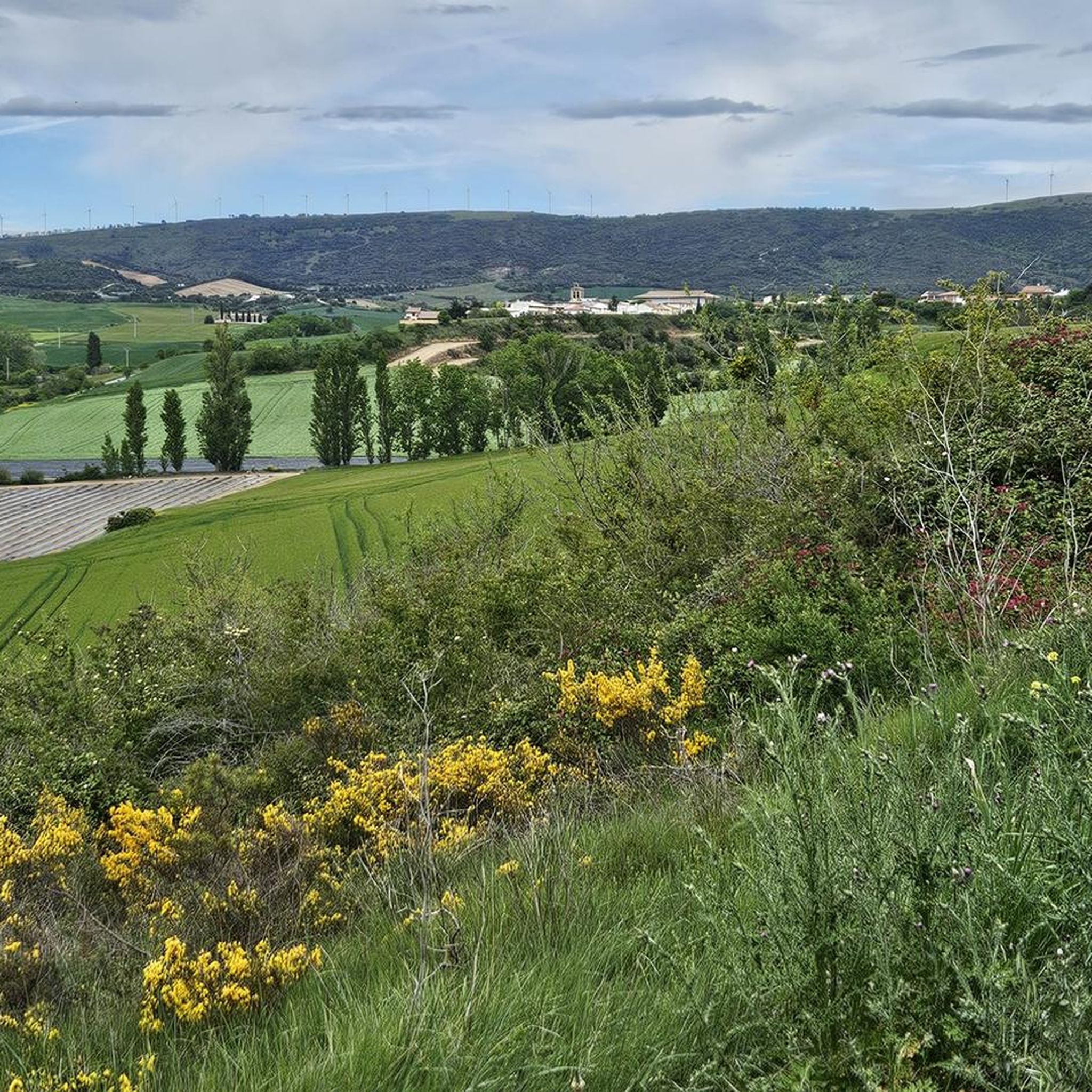
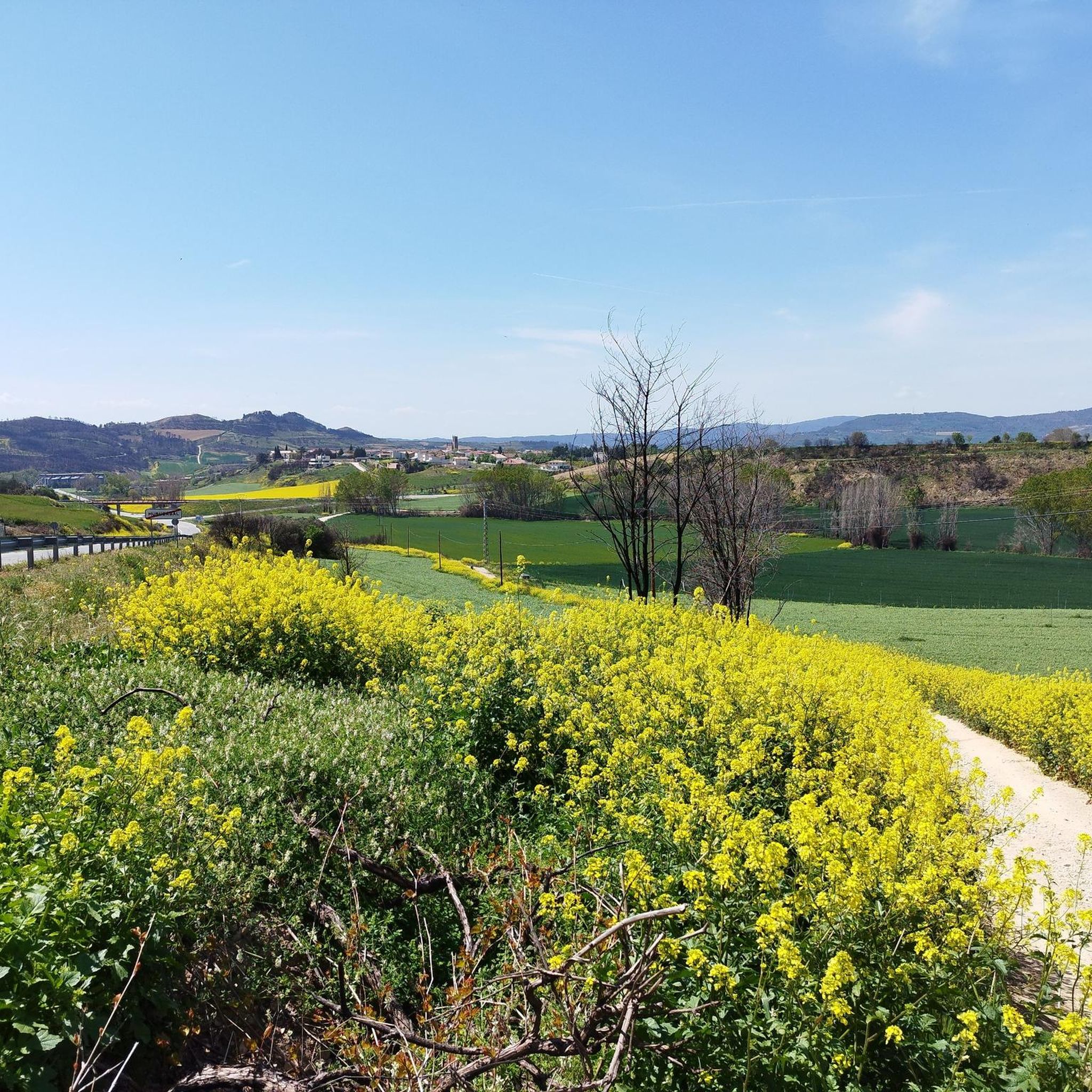
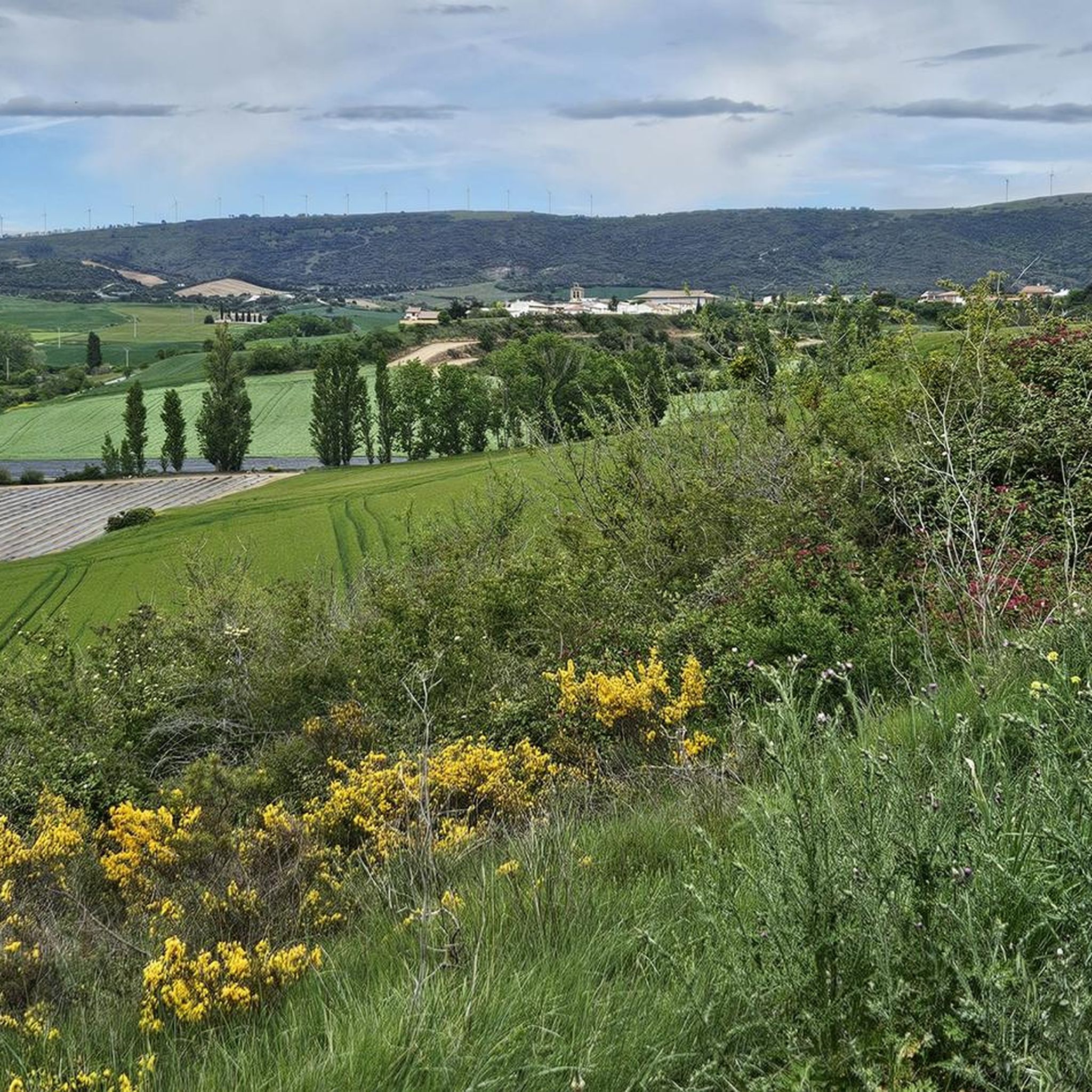
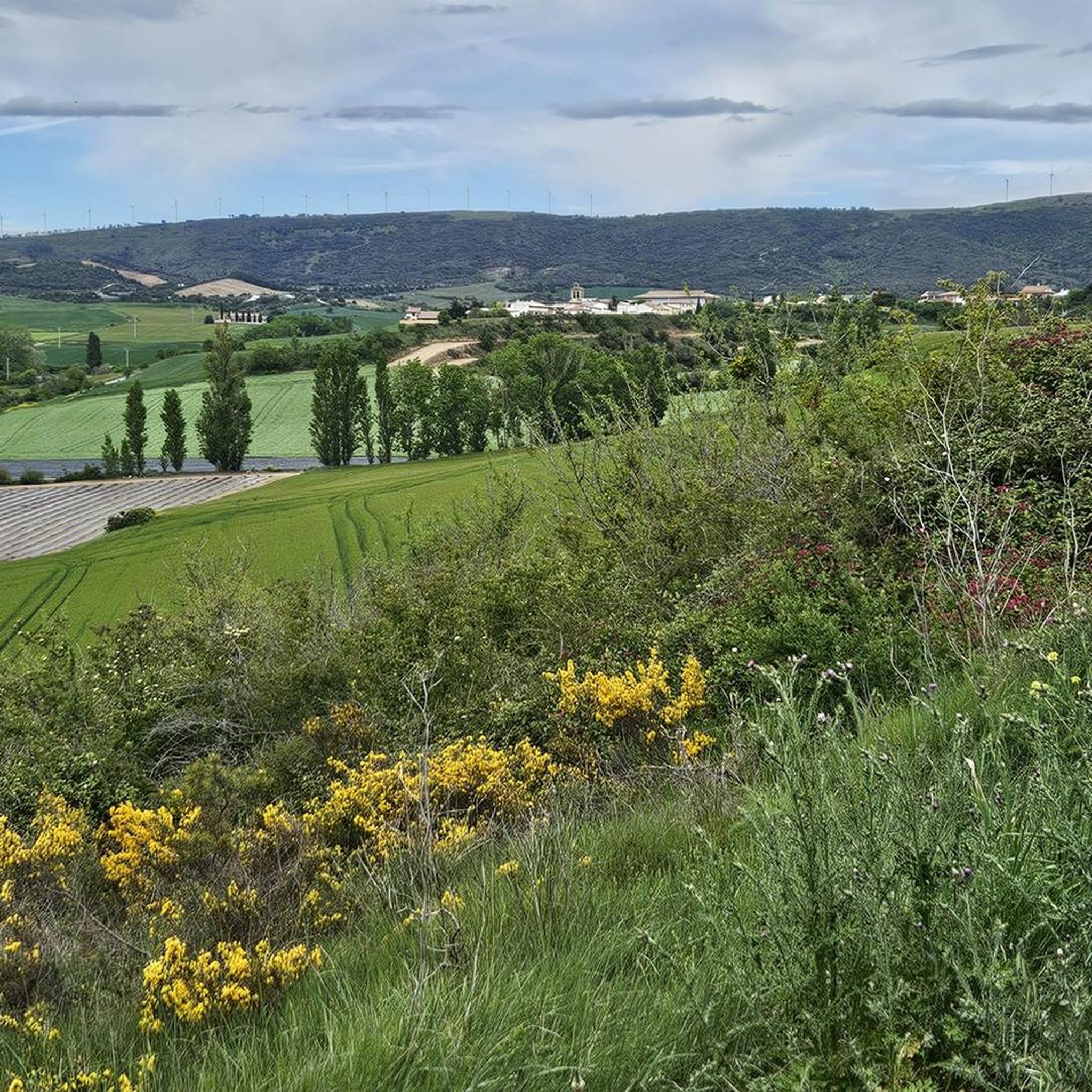
Hiking around Muruzábal offers varied terrain within the Valdizarbe valley, situated at the foothills of the Sierra del Perdón and near the Robo River. The landscape transitions from flat, agricultural fields to undulating paths, providing diverse scenery for hikers. This region is a key point on the historic Camino Francés, integrating cultural landmarks with natural routes.
Best hiking trails around Muruzábal
- The most popular hiking route is Obanos-Puente la Reina – circular via the Camino Frances, a 4.1 miles…
Last updated: May 2, 2026
5.0
(3)
9
hikers
6.64km
01:47
90m
80m
Easy hike. Great for any fitness level. Easily-accessible paths. Suitable for all skill levels.
1.0
(1)
7
hikers
10.2km
02:53
230m
230m
Moderate hike. Good fitness required. Mostly accessible paths. Sure-footedness required.

Sign up for free
4.8
(12)
50
hikers
24.1km
06:37
380m
380m
Hard hike. Very good fitness required. Easily-accessible paths. Suitable for all skill levels.
4.8
(4)
26
hikers
Moderate hike. Good fitness required. Easily-accessible paths. Suitable for all skill levels.
11
hikers
10.8km
03:05
240m
240m
Moderate hike. Good fitness required. Easily-accessible paths. Suitable for all skill levels.
Get access to more routes and recommendations from other explorers.
Sign up for free
Already have an account?
Our route recommendations are based on thousands of hikes, rides, and runs completed by other people on komoot.
Start today with a free account
Your next adventure awaits.
Login or Signup
Tips from the Community

The Church of Santiago is the main Catholic parish church of Punte la Reina in Navarre, Spain. It is a late Gothic building from the 16th century that preserves traces and elements of the original Romanesque temple from the 12th century.
0
0
The Punte la Reina Bridge (Queen's Bridge) was built in the 11th century to facilitate pilgrims' crossing of the river. The Aragonese and Navarrese branches of the Way of St. James converge at Puente la Reina; the common route crosses the Arga River over the bridge of the same name.
0
0

The parish church Iglesia de Santiago (see map) is the oldest church in the city, and construction began in the 12th century. Worth seeing is the wooden statue depicting Santiago as a pilgrim with a staff and scallop shell, as well as the Romanesque main portal, which shows scenes from the story of creation. There is also a beautiful wooden floor here that immediately caught my eye.
0
0

Santa María de Eunate is a Romanesque church on the Aragonese branch of the Way of St. James in Navarre. The church was built at the end of the 12th century in the Romanesque style with Mozarabic influences. The octagonal design is a reference to the Templars. There used to be a hospice here that belonged to the Order of St. John and today it is a hostel for pilgrims.
0
0

The Iglesia del Crucifijo in Puente la Reina is a fascinating historical monument deeply rooted in the history of the Camino de Santiago. Originally built in the 12th century by the Knights Templar, the church was later taken over by the Order of St. John of Jerusalem. The church consists of two different naves: a Romanesque one from the 12th century and a Gothic one that was added later. What makes this church really special is the impressive Gothic crucifix in the shape of a “Y”, one of the most remarkable Gothic sculptures in Spain.
2
0
The Church of San Juan Bautista in Obanos, located in the Plaza de los Fueros, is a beautiful example of neo-Gothic architecture. Built in 1912, this church exudes an impressive historical charm. The church’s façade features a portico and a square tower, which contribute to the building’s majestic appearance. Inside, the church exudes a serene and sacred atmosphere, with beautiful stained glass windows and detailed decorations that reflect the church’s rich history.
1
0

This room allows every pilgrim to write down intercessions and prayers to place at the Jesus statue or write them in the prayer book. A simple, beautiful room that has preserved much of the old spirituality. Pilgrim station.
1
1

One of the few octagonal churches in the world, belonging to the Templars.
1
0
Frequently Asked Questions
How many hiking trails are available around Muruzábal?
There are over 70 hiking trails around Muruzábal, offering a wide range of options for different preferences and skill levels. These routes explore the Valdizarbe valley, sections of the historic Camino Francés, and provide views towards the Sierra del Perdón.
What are the typical difficulty levels for hiking trails in Muruzábal?
Muruzábal offers a diverse range of hiking difficulties. You'll find approximately 19 easy routes, 42 moderate routes, and 10 more challenging trails. This variety ensures that both casual walkers and experienced hikers can find suitable paths.
Are there any circular hiking routes in Muruzábal?
Yes, many routes around Muruzábal are circular. For example, the Obanos-Puente la Reina – circular via the Camino Frances is an easy 6.6 km loop. Another option is the moderate Muruzabal-Arnotegi – circular via the Camino Frances, which covers about 10.2 km.
What kind of terrain can I expect on Muruzábal's hiking trails?
The terrain around Muruzábal is varied. You'll encounter flat, agricultural fields in the Valdizarbe valley, which have been cultivated since Roman times. As you move towards the Sierra del Perdón, paths become more undulating. Many trails follow the well-marked Camino Francés, offering a mix of rural landscapes and historical paths.
What historical landmarks or attractions can I see while hiking near Muruzábal?
Hiking in Muruzábal is enriched by several historical sites. You can visit the iconic Church of Santa María de Eunate, known for its octagonal layout, which is a recommended detour from the Camino Francés. Other notable attractions include the Puente la Reina Romanesque Bridge and the Pilgrim Monument at Alto del Perdón. The Gothic Iglesia de San Esteban in Muruzábal itself is also worth exploring.
Are there any viewpoints along the hiking routes in Muruzábal?
Yes, several routes offer excellent viewpoints. The area provides views towards the Sierra del Perdón. Specifically, the View from Alto del Perdón is a significant highlight, offering panoramic vistas. You can also find viewpoints like Aritzdigorri.
Is Muruzábal a good destination for family-friendly hikes?
Muruzábal offers several easy routes suitable for families. The generally flat sections through agricultural fields and along the Camino Francés can be pleasant for children. Consider shorter, well-marked loops that allow for stops at points of interest without being overly strenuous.
Can I bring my dog on the hiking trails in Muruzábal?
Many of the trails around Muruzábal, particularly those through open fields and rural paths, are generally dog-friendly. However, it's always advisable to keep your dog on a leash, especially when passing through agricultural areas or near livestock, and to respect local regulations regarding pets in specific historical sites or natural reserves.
What is the best time of year to go hiking in Muruzábal?
The best time to hike in Muruzábal is typically during the spring (April to June) and autumn (September to October). During these seasons, the weather is generally mild and pleasant, making for comfortable hiking conditions. Summer can be hot, especially in the open valley areas, while winter can bring cooler temperatures and occasional rain.
What do other hikers enjoy most about hiking in Muruzábal?
The komoot community highly rates the hiking experience in Muruzábal, with an average score of 4.5 stars from over 100 reviews. Hikers often praise the blend of accessible trails along the historic Camino de Santiago, the tranquil rural landscapes, and the presence of significant historical landmarks like the Church of Santa María de Eunate.
Are there any longer, more challenging routes for experienced hikers?
Yes, for experienced hikers seeking a longer challenge, routes like the View of Cirauqui – Puente la Reina Romanesque Bridge loop from Muruzábal offer a more demanding experience. This difficult 20.8 km trail takes approximately 5 hours 40 minutes to complete, leading through agricultural fields and past the historic Puente la Reina Romanesque Bridge.
Is there public transport available to Muruzábal for hikers?
Muruzábal is well-connected, particularly due to its location on the Camino de Santiago. While specific local bus schedules can vary, there are typically public transport options connecting Muruzábal to larger towns like Puente la Reina and Pamplona, which can be useful for accessing trailheads or returning after a hike. It's recommended to check local bus timetables for the most current information.
Most popular routes around Muruzábal
Most popular attractions around Muruzábal

Get inspired with the komoot mobile app


Explore more
Browse the best Hikes in other regions.
