Attractions and Places To See around Banyoles - Top 20
Best attractions and places to see around Banyoles include natural features, historical landmarks, and cultural sites. The town is centered around Lake Banyoles, the largest natural lake in Catalonia, formed by karstic activity. Its historic center developed around the Sant Esteve Monastery, featuring architectural heritage and medieval structures. The region offers a diverse range of points of interest for exploration.
Best attractions and places to see around Banyoles
- The most popular attractions is Marimón Fishery, a man-made monument that…
Last updated: August 16, 2026
Lake Banyoles
Highlight • Lake
Translated by Google •
Tip by

Marimón Fishery
Highlight • Monument
Translated by Google •
Tip by

Sign up now to discover places like this
Get recommendations on the best single tracks, peaks, & plenty of other exciting outdoor places.
Sign up for free
Pont Vell of Besalú
Highlight • Bridge
Translated by Google •
Tip by

Besalú Bridge
Highlight • Bridge
Translated by Google •
Tip by

Palol de Revardit Castle and Church
Highlight • Castle
Translated by Google •
Tip by

Sign up for free to discover even more attractions around Banyoles.
Sign up for free
Already have an account?
Start today with a free account
Your next adventure awaits.
Login or Signup
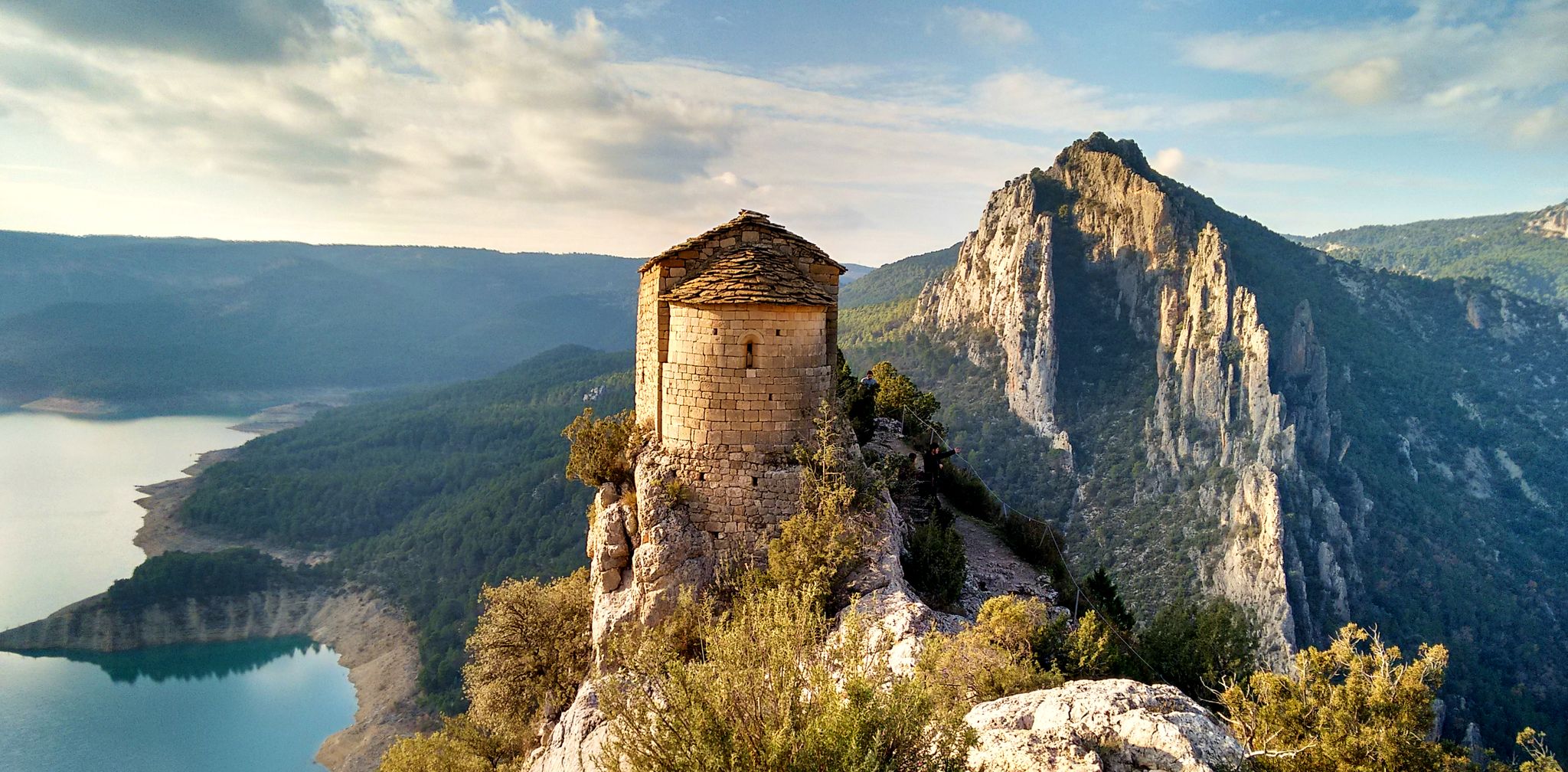
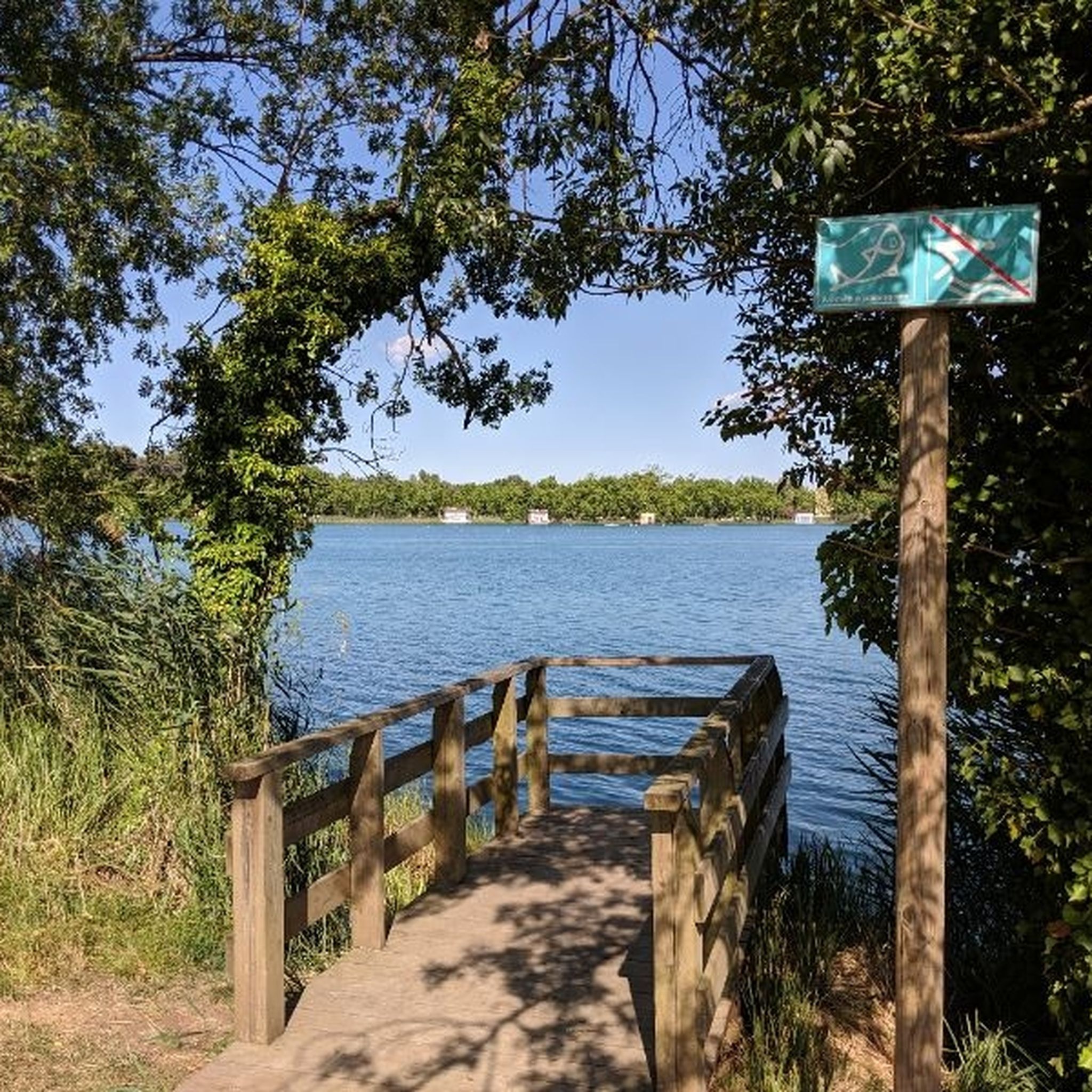
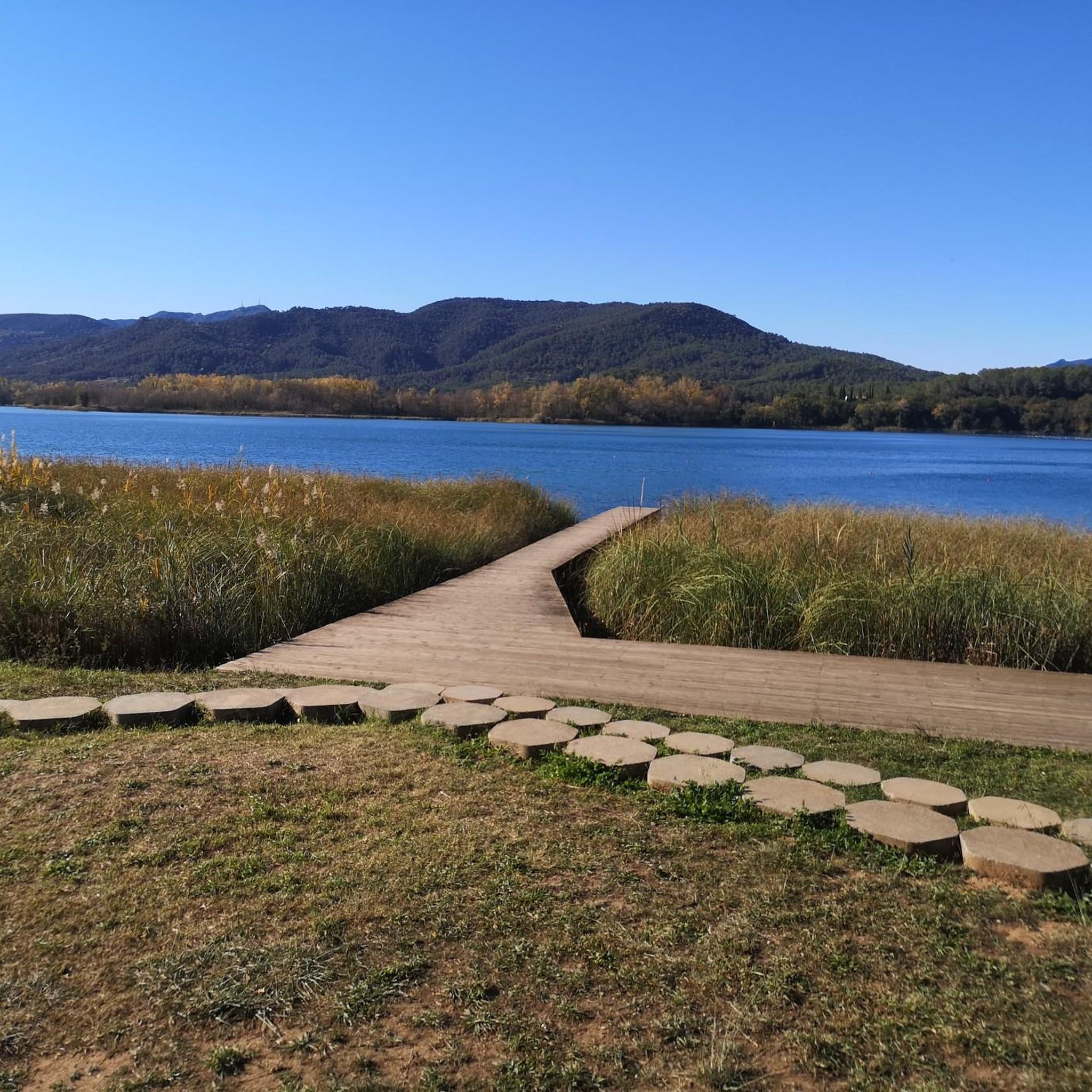
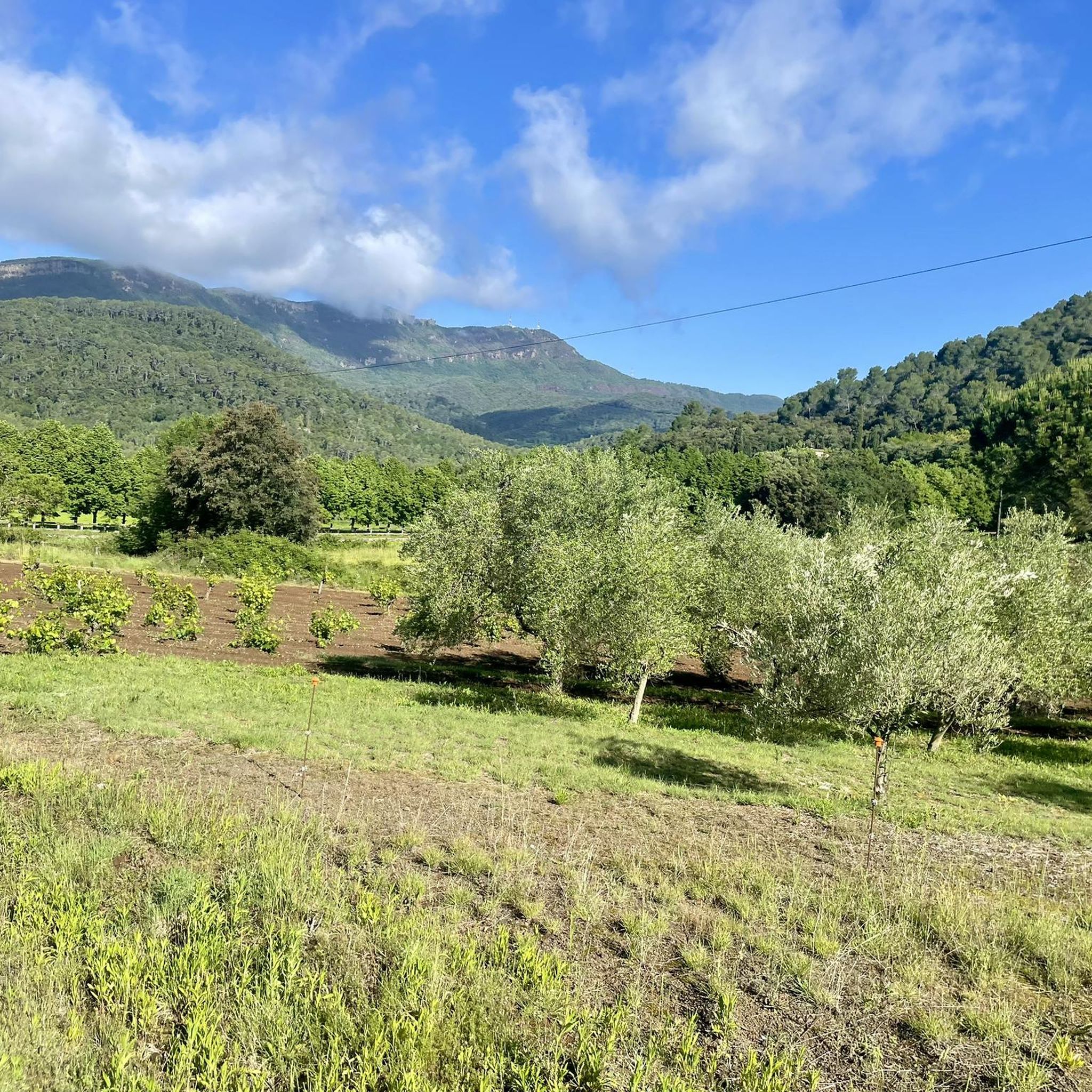

Other adventures around Banyoles

Tips from the Community

(CAT) Banyoles is consolidated as a sports tourism destination taking advantage of the privileged natural environment it enjoys and demonstrating its infrastructure and management capacity. It generates an important dynamic of sports and tourism activity derived from sports events and stadiums with a large flow of visitors linked to sports. (ESP) Banyoles is consolidating itself as a sports tourism destination by taking advantage of the privileged natural environment it has and demonstrating its infrastructure and management capacity. It generates an important dynamic of sports and tourism activity derived from sports events and stays with a large flow of visitors linked to sports. (ENG) Banyoles consolidates as a sports tourism destination by taking advantage of the privileged natural surroundings it enjoys and demonstrating its infrastructure and management capabilities. It generates an important dynamic of sports and tourism activity derived from events and sports stays with a high flow of visitors linked to sports. (EN) Banyoles is consolidating itself as a sports tourist destination by taking advantage of the privileged natural environment from which it benefits and by demonstrating its infrastructure and management capabilities. It generates an important dynamic of sports and tourism activity from sports events and stays with a large influx of sports-related visitors.
0
0

A beautiful old and historic village. The bridge is sensational. The place has often served as a film set. The narrow streets and everything around it are simply impressive. Definitely worth a visit.
6
0

The castle in the small town of Palol de Revardit was built in the 15th/16th century, but a castle existed on this site as early as 1074. After 2005, it was extensively renovated. Unfortunately, we could only view it from the outside (on a Saturday afternoon), as all the doors were locked. We would also have liked to visit the interior and the exhibition. We were not able to find out when the castle is open.
0
1


... only a few meters away there is a parking lot, this is also designated for mobile homes, absolutely recommended for an overnight stay, waste disposal is available!!!!!
0
0
The bridge is the landmark of the town and offers a picturesque access to the old town.
0
0


Lots of cafes to choose from but I recommend Aquarium!
3
0
Frequently Asked Questions
What natural attractions can I explore around Banyoles?
The primary natural attraction is Lake Banyoles, Catalonia's largest natural lake. You can walk, run, or cycle the 7-kilometer footpath around its perimeter. The lake is also popular for swimming at designated areas like La Caseta de Fusta and Banys Vells, and offers various water sports. Additionally, explore Les Estunes, an area with unique travertine formations and ancient oaks, or relax at Draga Park by the lake.
Are there historical sites to visit near Banyoles?
Yes, Banyoles and its surroundings are rich in history. You can visit the Marimón Fishery, a striking 19th-century fishing hut on Lake Banyoles. The nearby town of Besalú features the impressive Romanesque Pont Vell of Besalú and the Besalú Bridge. Other historical highlights include the medieval Plaça Major, the Monastery of Sant Esteve, the Church of Santa Maria dels Turers, and the Pia Almoina, which houses the Regional Archaeological Museum. Don't miss the remnants of Banyoles' Medieval Walls.
What cultural experiences does Banyoles offer?
Banyoles boasts several cultural sites. The Pia Almoina, a Gothic palace, now hosts the Archaeological Museum of the Region, featuring collections from various historical periods, including a notable Neanderthal jawbone. The Darder Museum of Natural History is one of Catalonia's oldest active museums, with exhibits on the Lake Banyoles hydrological basin. You can also visit the Llotja del Tint, a 15th-century historical building, and the Romanesque Church of Santa Maria de Porqueres, a well-preserved 12th-century national heritage site.
What outdoor activities can I do near these attractions?
The area around Banyoles is excellent for outdoor activities. You can enjoy running on trails like the 'Puig Clarà and Lake Banyoles Viewpoint Trail' or various loops around Lake Banyoles. For road cycling, routes like 'Pla de l'Estany Loop from Banyoles' are popular. Hiking options include an easy 'Tour around Lake Banyoles' or more challenging routes like 'Marimón Fishery – Lake Banyoles loop'. Find more details on these activities in the dedicated guides for Running Trails around Banyoles, Road Cycling Routes around Banyoles, and Hiking around Banyoles.
Are there family-friendly attractions around Banyoles?
Absolutely! Lake Banyoles is a fantastic family destination, offering swimming, boat tours on 'La Tirona', and rowing boat rentals. The 7-kilometer path around the lake is suitable for walks and cycling with children. Draga Park provides green space and children's play areas. The Marimón Fishery and the medieval bridges of Besalú (Pont Vell and Besalú Bridge) are also considered family-friendly historical sites. For a unique experience, consider a ride on the Pinxo de Banyoles Train, which circles the lake.
What is the best time to visit Banyoles?
The best time to visit Banyoles largely depends on your interests. For enjoying the lake and water activities, the warmer months are ideal; from June, you can even swim directly from some lakeside bars. If you prefer to avoid large crowds, particularly in historical towns like Besalú, visiting in April, May, or June is recommended. These months offer pleasant weather for hiking and exploring without the peak summer tourist numbers.
Can I go hiking around Banyoles?
Yes, hiking is a popular activity. An easy and scenic option is the 'Tour around Lake Banyoles', which covers approximately 7 kilometers. For more moderate or difficult trails, you can explore routes like 'Lake Banyoles – Vilar Fountain loop' or the longer 'Marimón Fishery – Lake Banyoles loop'. These trails allow you to experience the natural beauty and varied terrain of the region. More hiking options can be found in the Hiking around Banyoles guide.
What are some unique or 'hidden gem' attractions in the area?
Beyond the main highlights, consider visiting the Can Ginebreda Forest, an open-air museum featuring over a hundred sculptures, many of them erotic, by artist Xicu Cabanyes. Another unique site is the La Draga Neolithic Village, located next to the lake. It's the only lakeside prehistoric site on the Iberian Peninsula, offering reconstructed Neolithic huts and guided visits to learn about ancient life dating back 5000-205,000 BC.
What do visitors enjoy most about Banyoles?
Visitors frequently praise the natural beauty of Lake Banyoles, often highlighting it as a classic cycling destination with a dedicated bike lane. The historical charm of the area, particularly the impressive Romanesque Pont Vell of Besalú and the medieval village, is also highly appreciated. Many find the blend of natural landscapes, historical architecture, and cultural sites to be a diverse and engaging experience.
Are there any castles or ancient ruins to explore?
Yes, you can explore the remnants of the Palol de Revardit Castle and Church, which has origins dating back to 1075. While much of the original castle is now a farmhouse, a striking Gothic square tower remains. Additionally, the town of Banyoles itself retains parts of its Medieval Walls, constructed with travertine stone, offering a glimpse into its ancient defenses.
Can I swim in Lake Banyoles?
Yes, swimming is permitted in Lake Banyoles at designated areas. Popular spots include La Caseta de Fusta and Banys Vells. From June onwards, some lakeside establishments even allow direct access to the water for a refreshing dip.
Most popular routes around Banyoles
Most popular attractions around Banyoles

Get inspired with the komoot mobile app


Explore more
Still not found the Highlight you’re looking for? See guides of the top attractions in other regions:
