The best road cycling routes around Cáceres
4.7
(26)
1,959
riders
35
rides
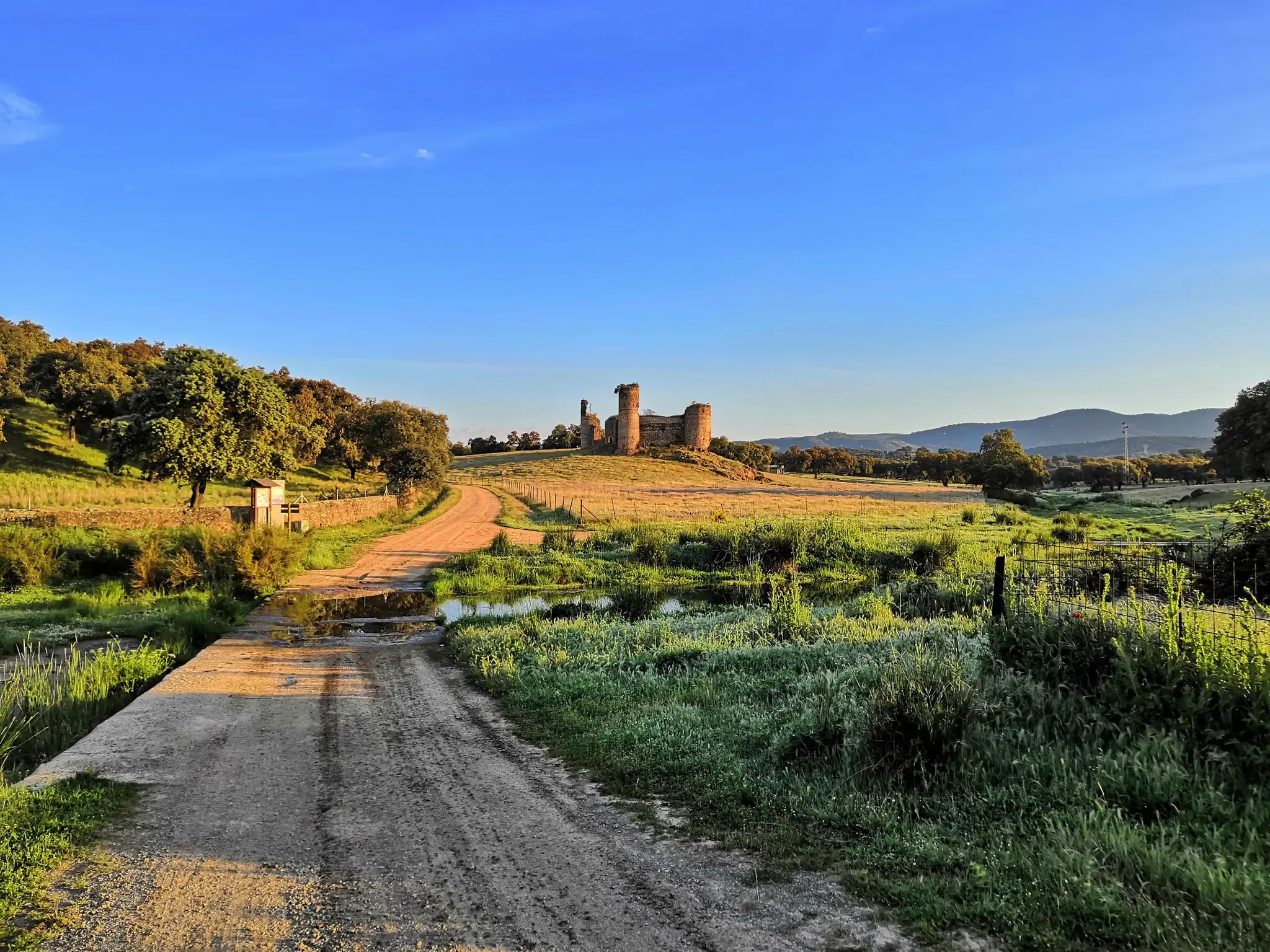
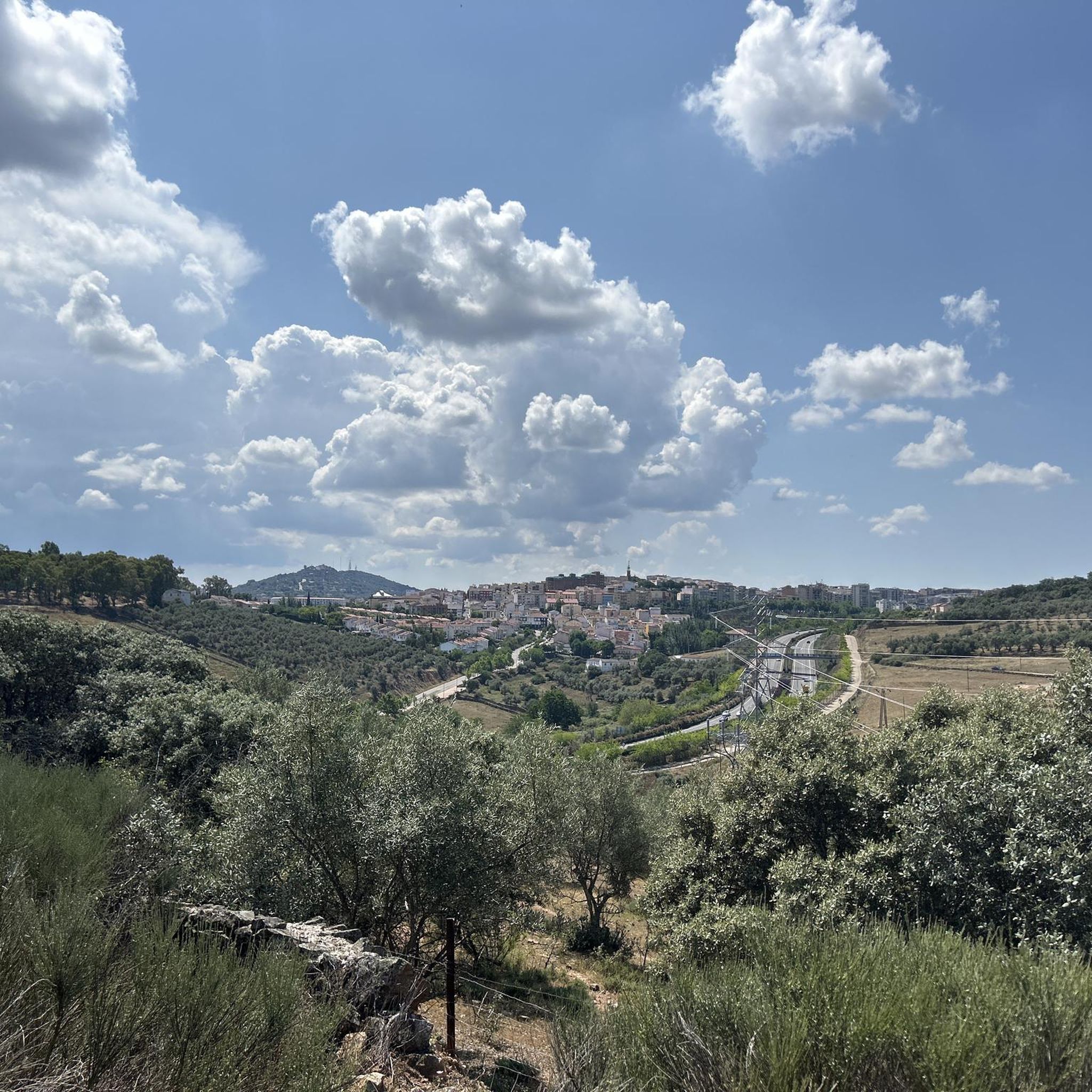
Road cycling around Cáceres is characterized by a diverse landscape, ranging from vast plains and fertile river valleys to challenging mountainous areas. The region features untouched mountain ranges, extensive oak forests, and unique *dehesa* ecosystems. Cyclists encounter varied topography, including dramatic gorges in Monfragüe National Park and granite rock formations near Los Barruecos Natural Monument. This mix of terrains provides a range of road cycling experiences across western Spain.
Best road cycling routes around Cáceres
- The most popular road cycling…
Last updated: July 7, 2026
5.0
(2)
158
riders
48.5km
02:08
280m
280m
Moderate road ride. Good fitness required. Mostly well-paved surfaces and easy to ride.
5.0
(7)
136
riders
50.1km
02:20
320m
320m
Moderate road ride. Good fitness required. Mostly well-paved surfaces and easy to ride.

Sign up for free
19
riders
131km
06:30
1,320m
1,320m
Hard road ride. Very good fitness required. Mostly well-paved surfaces and easy to ride.
8
riders
122km
05:36
950m
950m
Hard road ride. Very good fitness required. Mostly well-paved surfaces and easy to ride.
4.7
(3)
135
riders
61.9km
02:48
390m
390m
Moderate road ride. Good fitness required. Mostly well-paved surfaces and easy to ride.
Get access to more routes and recommendations from other explorers.
Sign up for free
Already have an account?
Our route recommendations are based on thousands of hikes, rides, and runs completed by other people on komoot.
Start today with a free account
Your next adventure awaits.
Login or Signup

Other adventures around Cáceres

Tips from the Community

Beautiful little lake and oasis of peace
0
0

The Church of the Assumption is considered one of the finest examples of late Gothic architecture. For this reason, both the church and its main altarpiece were declared cultural heritage sites in 1981.
7
0
Trujillo Castle (Cáceres, Extremadura) is one of Spain's most emblematic fortresses, boasting a fascinating history and architecture that blends Arab and Christian influences. Arab Origins (9th-12th centuries): It was built on Cabeza del Zorro hill during the Muslim period. The oldest remains are two Arab cisterns. Reconquest: In 1186, Alfonso VIII captured the city, although it fell under Almohad rule before being definitively incorporated into the Crown in 1232. Middle Ages: It played a key role in the border defense between Castile and Portugal and was the scene of conflicts such as the War of the Castilian Succession. Modern Era: It lost its military importance and became a stately residence.
7
0
Well integrated into the city, it is located between Hernán Cortés Avenue and Rodríguez de Ledesma Avenue. It is a pleasant space with a large central pond and an Open-Air Sculpture Museum, which we can admire as we stroll through. At the main entrance, there is a botanical garden, and at the end, a fountain known as La Madrila, restored by the Escuela Taller (Workshop School) and once used as a drinking trough and wash house.
7
0
The San Francisco Bridge in Cáceres is a historic structure that has undergone several transformations over the years. Originally built in the 16th century, this medieval bridge is located in the eastern part of the city, on the old road to Trujillo. The bridge was built to level the terrain of a promenade next to the San Francisco convent and was adorned with two rows of black poplars planted in 1752.
17
0
The Plaza Mayor in Trujillo is an iconic and historic place in Extremadura. This Renaissance square, dating back to the 16th century, is known for its impressive architecture and vibrant social and cultural life. In the centre of the square is the equestrian statue of Francisco Pizarro, the famous conquistador born in Trujillo. The square is surrounded by historic buildings, such as the Palace of the Marquises of the Conquest and the Church of San Martín de Tours. In addition, it is a place where numerous cultural events and festivals are held throughout the year.
13
0
This square is legally protected as an Asset of Cultural Interest (BIC) and is within the catalog of protected assets of the Cáceres city council. Its neo-Mudejar architecture and rich history make it an emblematic place for lovers of bullfighting and culture.
8
0
In 2011, the redevelopment and remodeling works of the Plaza Mayor were completed, led by architects Antonino Antequera, Francisco Pol Méndez and Asunción Rodríguez Montejano. The project included the creation of several spaces, such as the Summer Plaza, a shady place with trees and fountains; the Winter Square, flanked by a fountain wall and a continuous stone bench; the new Music Forum, in the Balbos Forum, next to the Town Hall, for chamber concerts; and a large central free space for events, whose pavement formally recalls the vernacular Cáceres brick vault, and which has water fountains to combat the summer heat. If you visit Cáceres, you cannot miss exploring this emblematic Plaza Mayor and admiring its rich history and architecture.
10
0
Frequently Asked Questions
How many road cycling routes are available around Cáceres?
There are over 35 road cycling routes around Cáceres, offering a diverse range of experiences. These routes are highly rated by the komoot community, with an average score of 4.8 stars from over 15 reviews.
What kind of terrain can I expect on road cycling routes in Cáceres?
Road cycling around Cáceres features a diverse landscape. You'll find everything from vast plains and fertile river valleys to challenging mountainous areas within the Sierras de Extremadura. The region also boasts unique dehesa ecosystems and dramatic gorges, such as those in Monfragüe National Park, providing varied topography for cyclists.
Are there easy road cycling routes suitable for beginners in Cáceres?
Yes, Cáceres offers several easy road cycling routes. Approximately 9 routes are classified as easy, perfect for beginners or those seeking a more relaxed ride. For example, the Cáceres-Badajoz Corridor Nature Trail: Cáceres Loop is a moderate trail that follows a designated nature path, offering a pleasant experience through the local landscape.
Where can I find challenging road cycling routes in the Cáceres region?
For experienced cyclists seeking a challenge, Cáceres has approximately 9 difficult routes. These often involve significant ascents and descents through mountainous areas. A notable challenging route is the Cáceres and Alcántara Reservoir Loop, which covers over 130 km and includes substantial elevation changes, typically taking around 6 hours 30 minutes to complete.
Are there any circular road cycling routes around Cáceres?
Yes, many routes around Cáceres are circular, allowing you to start and finish in the same location. A popular option is the Pantano de Valdesalor — circular desde Cáceres, a moderate 50 km path that offers scenic views of the Valdesalor Reservoir.
What natural features or landmarks can I see while road cycling in Cáceres?
While road cycling in Cáceres, you can encounter a variety of natural and historical landmarks. Routes may pass by the unique granite rock formations of Los Barruecos Natural Monument, or offer views of the Valdesalor Reservoir. The region is also known for its dehesa ecosystems and untouched mountain ranges, providing picturesque backdrops.
Are there any historical sites or attractions near the cycling routes?
Absolutely. Cáceres itself is a UNESCO World Heritage site, and many routes start or end near its historic center. You can explore the Historic Centre of Cáceres, the Cáceres Main Square, or the Torre de Bujaco. Further afield, routes might take you towards towns like Trujillo, known for its rich architectural heritage, or along sections of the ancient Vía de la Plata.
What is the best time of year for road cycling in Cáceres?
The Extremadura region, including Cáceres, generally offers pleasant cycling conditions for much of the year. Spring (March to May) and autumn (September to November) are often ideal, with milder temperatures and beautiful landscapes. Spring is particularly stunning with cherry blossoms in areas like the Jerte Valley. Summers can be very hot, so early morning or late afternoon rides are recommended if cycling during this season.
Are there family-friendly road cycling options in Cáceres?
While road cycling often involves shared roads, some routes are more suitable for families due to their moderate difficulty and scenic paths. The Vías Verdes (Greenways), which are repurposed former railway lines, offer traffic-free and relatively flat options ideal for family cycling, such as sections of the Vía Verde Ruta de la Plata.
Where can I find amenities like cafes or places to rest along the routes?
Many road cycling routes in Cáceres pass through or near small towns and villages where you can find cafes, restaurants, and places to rest. Larger routes connecting Cáceres to other towns like Trujillo or those passing by reservoirs often have amenities available. It's always a good idea to plan your route and check for services in advance, especially on longer rides.
Is parking available for road cyclists in Cáceres?
Yes, parking is generally available in and around Cáceres. For routes starting directly from the city, you can find public parking facilities. When starting from smaller towns or specific trailheads, there are often designated parking areas. It's advisable to check specific starting points for parking availability when planning your ride.
What do other road cyclists enjoy most about cycling in Cáceres?
The komoot community highly rates road cycling in Cáceres, with an average score of 4.8 stars. Cyclists often praise the region's diverse landscapes, from the unique dehesa ecosystems and oak forests to the challenging mountain ranges. The blend of natural beauty with rich historical sites, such as the UNESCO World Heritage city of Cáceres, also makes for a memorable cycling experience.
Most popular attractions around Cáceres

Get inspired with the komoot mobile app


Explore more
Browse the best Road cycling routes in other regions.
