The best walks and hikes around Antequera
4.1
(1338)
7,561
hikers
108
hikes
Hiking trails around Antequera traverse a landscape characterized by unique geological formations and diverse natural features. The region is known for its surreal karst limestone formations, particularly within El Torcal de Antequera Natural Park, which features a labyrinthine terrain of sculpted rocks. Beyond these formations, hikers encounter dramatic gorges, such as the Desfiladero de los Gaitanes, and distinctive mountains like Peña de los Enamorados. This varied topography provides a range of hiking experiences across different elevations and terrains.
Best hiking trails around Antequera
- The most popular hiking route is Natural Site Torcal de Antequera via Green and Yellow routes (SL-A 295), a 6.4 miles (10.3 km) trail that takes 3 hours 16 minutes to complete. This difficult route explores the iconic karst landscape of El Torcal.
- Another top favourite among local hikers is Paraje Natural Torcal de Antequera – circular to Camorro de Siete Mesas via the Cornisa del Diablo, a moderate 3.0 miles (4.8 km) path. This circular trail offers views of the unique rock formations within El Torcal.
- Local hikers also love the The Torcal of Antequera – The Cathedrals of El Torcal loop from Paraje Natural Torcal de Antequera, a 2.0 miles (3.2 km) trail leading through the "Cathedrals" area of El Torcal, often completed in about 1 hour 3 minutes.
- Hiking around Antequera is defined by its karst limestone formations, dramatic gorges, and distinctive mountains. The network offers options for various ability levels, from easy strolls to more challenging ascents.
- The routes in Antequera are highly rated by the komoot community with an average score of 4.3 stars from over 800 reviews. More than 4000 hikers have used komoot to explore Antequera's varied terrain.
Last updated: October 10, 2026
4.7
(171)
833
hikers
10.3km
03:17
340m
340m
Hard hike. Good fitness required. Sure-footedness, sturdy shoes and alpine experience required.
4.6
(18)
68
hikers
Moderate hike. Great for any fitness level. Mostly accessible paths. Sure-footedness required.

4.6
(5)
13
hikers
7.82km
02:08
120m
120m
Moderate hike. Good fitness required. Easily-accessible paths. Suitable for all skill levels.
4.6
(86)
339
hikers
Moderate hike. Good fitness required. Mostly accessible paths. Sure-footedness required.
4.7
(65)
264
hikers
Moderate hike. Good fitness required. Mostly accessible paths. Sure-footedness required.
Get access to more routes and recommendations from other explorers.
Already have an account?
Our route recommendations are based on thousands of hikes, rides, and runs completed by other people on komoot.
Start today with a free account
Your next adventure awaits.
Popular around Antequera
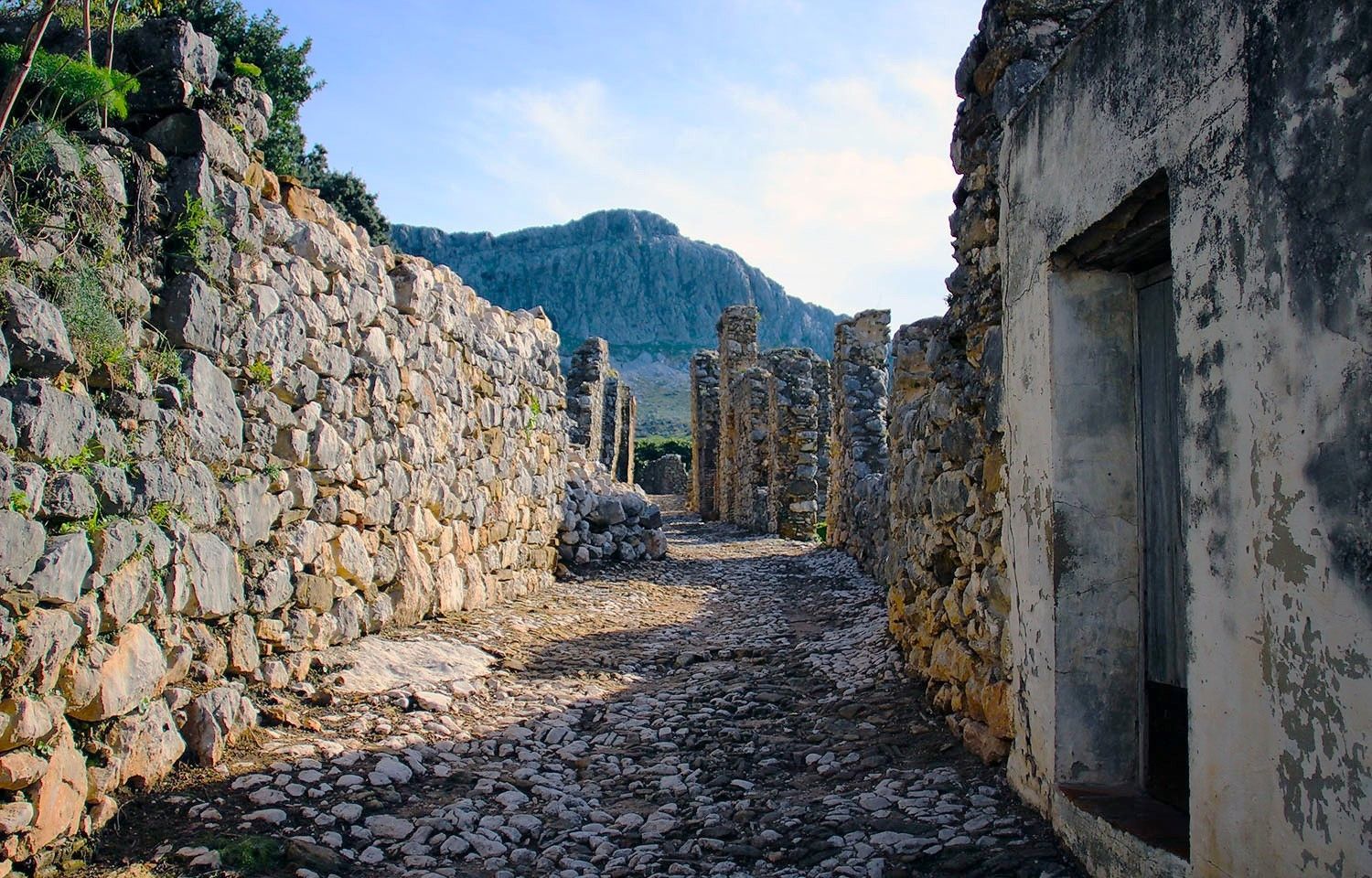
Andalusia without limits – Tarifa to La Puebla de Don Fabrique on the GR 7
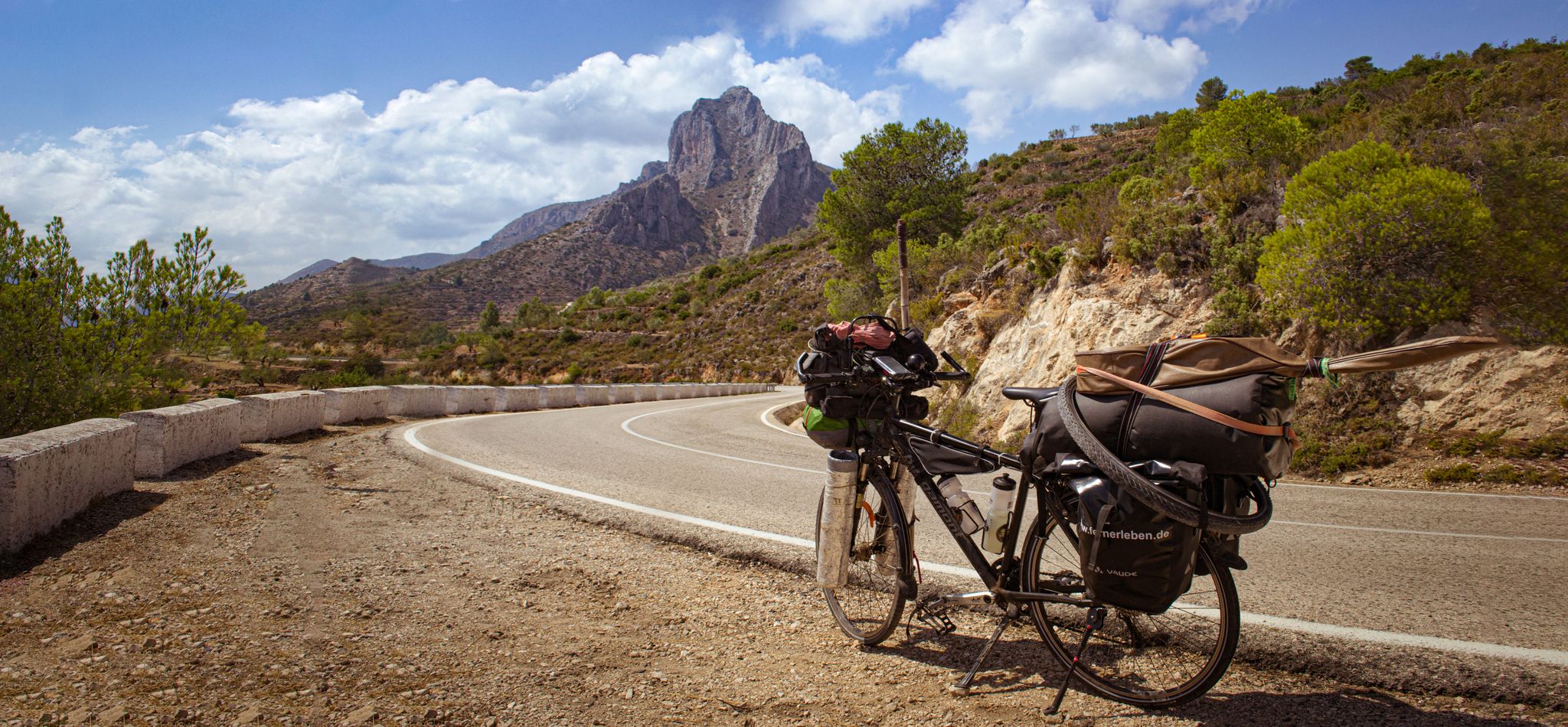
On the road to the sun — bikepacking to southeast Spain
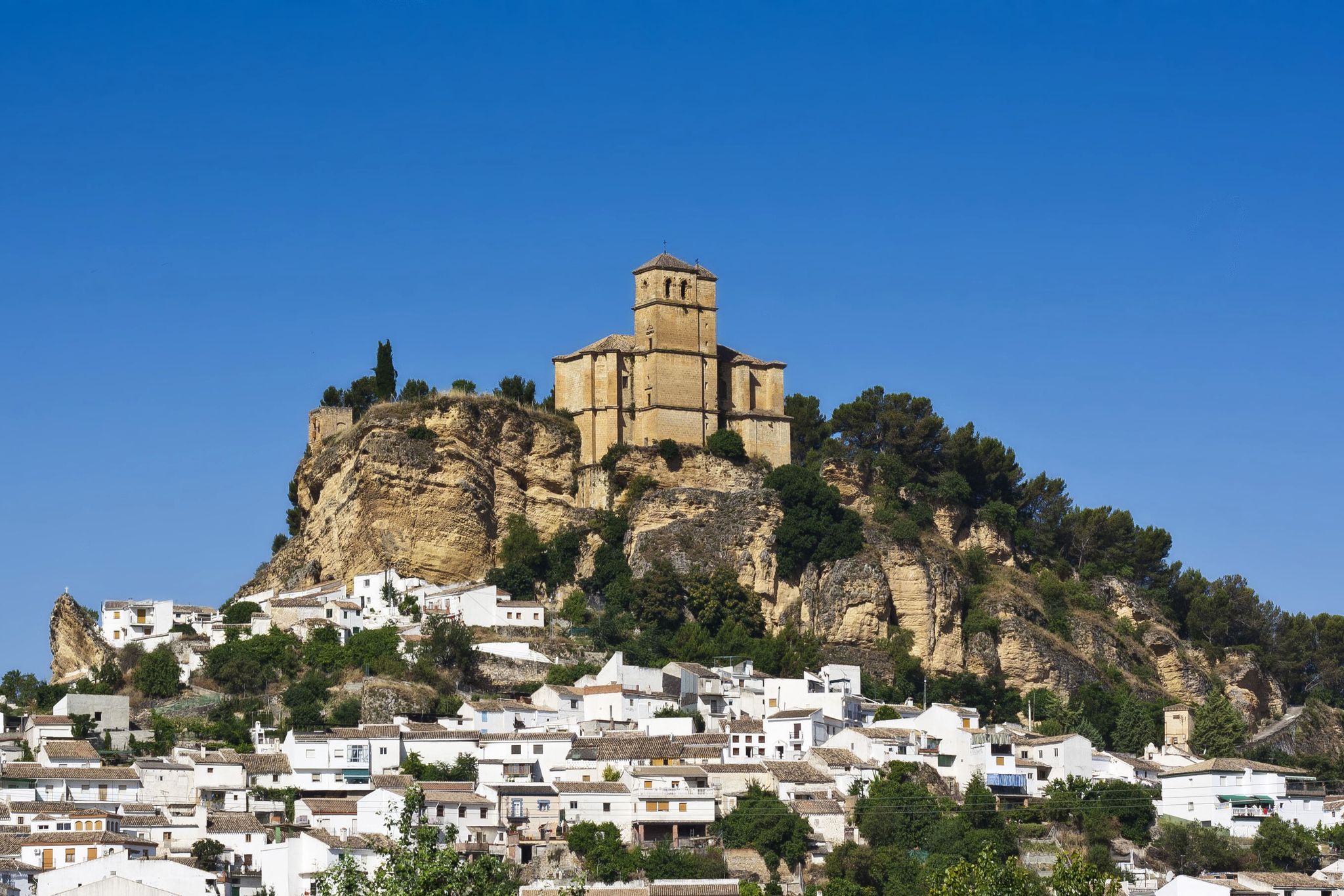
Washington Irving – cycle through the Arab vestiges of Andalusia
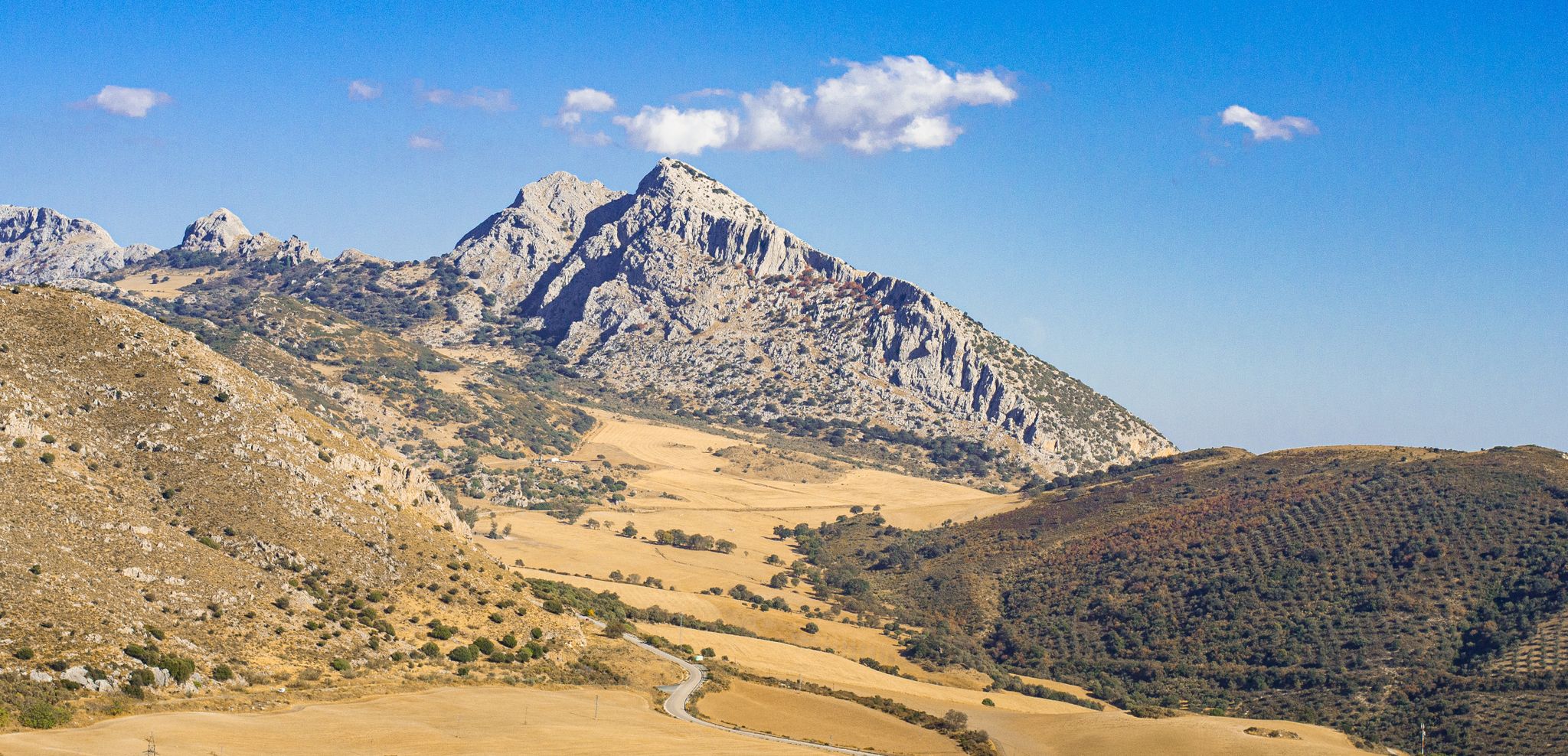
The beauty of the Andalusian mountains – Transandalus southern section
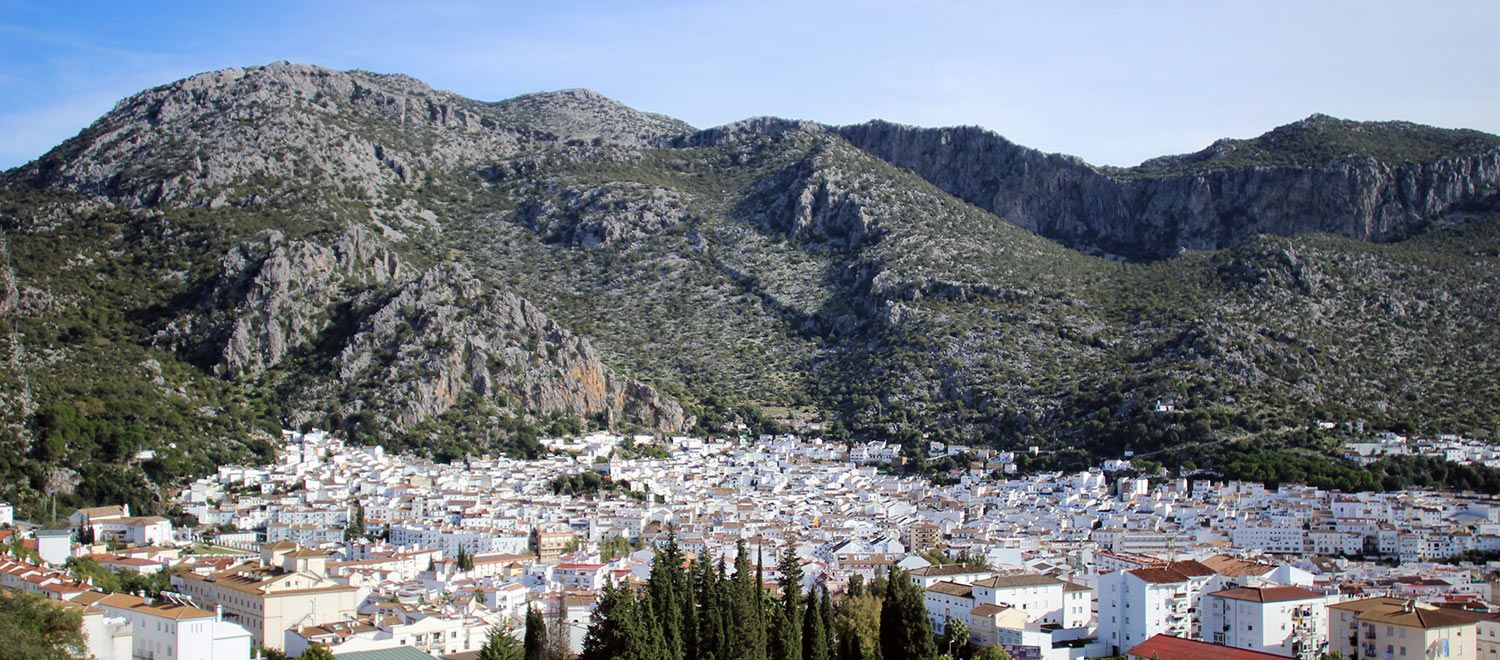
Explore the Betic Mountains on two wheels – Altravesur
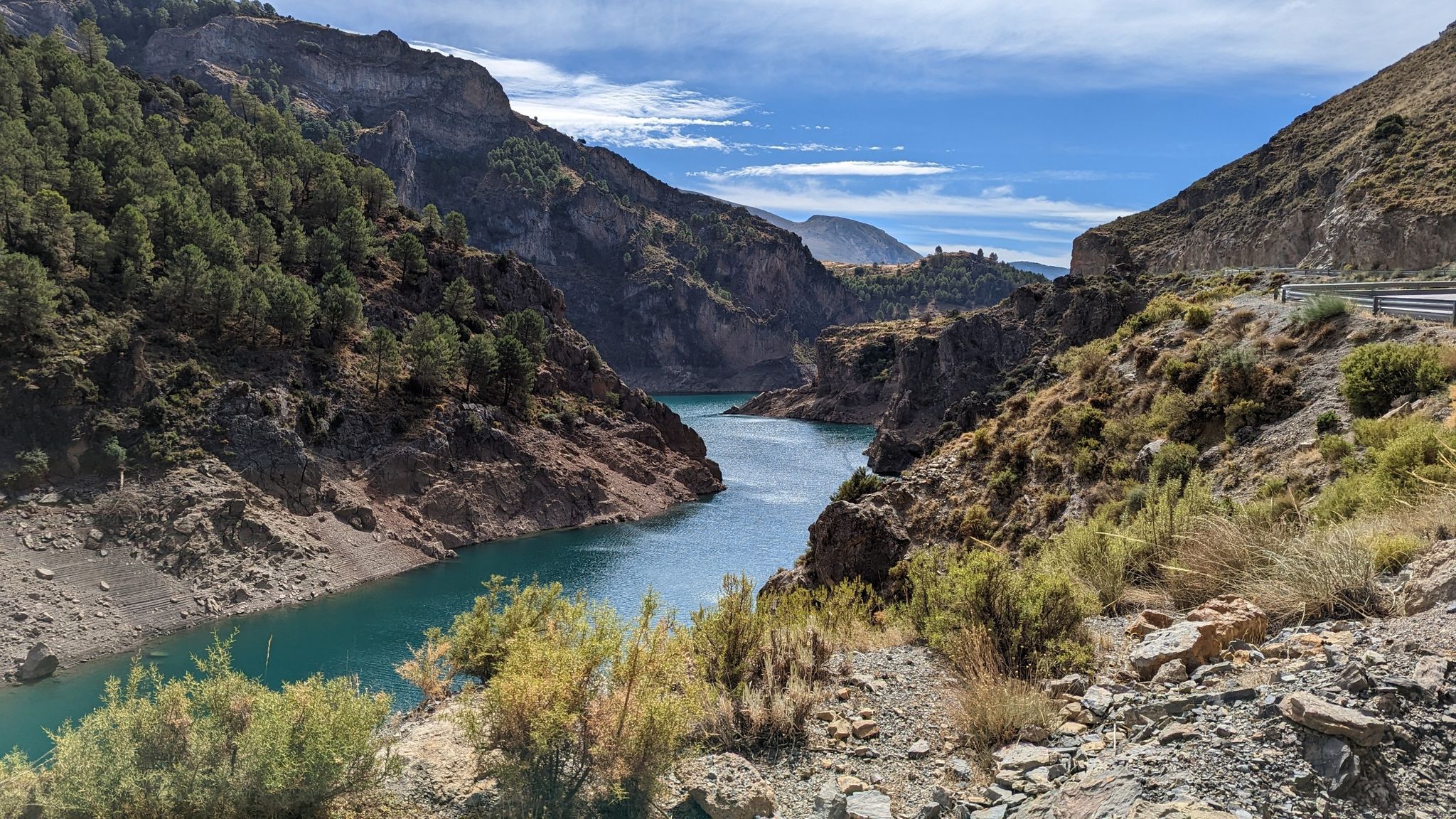
A journey through the Spanish hinterland – cycling across Andalusia
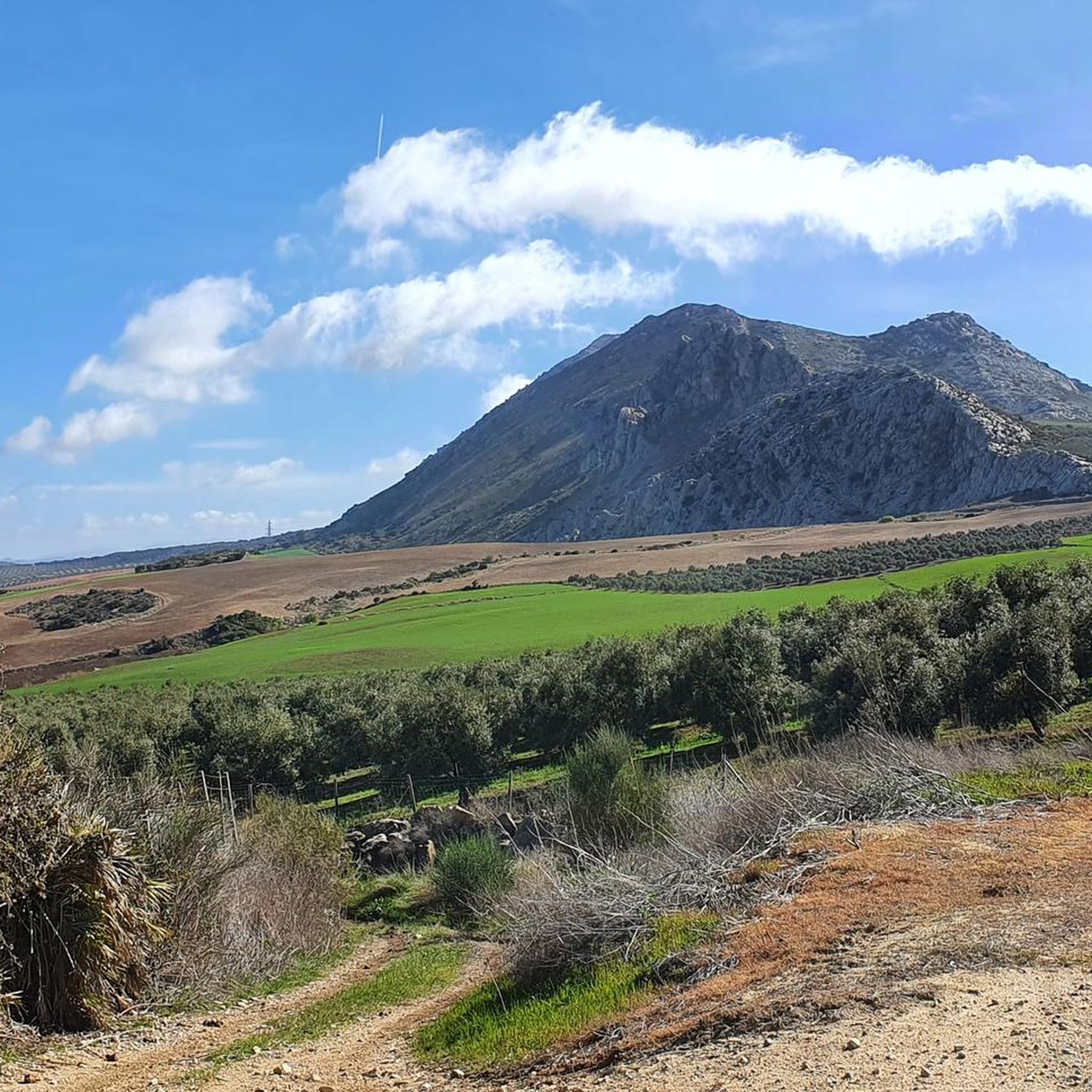
Road Cycling Routes around Antequera
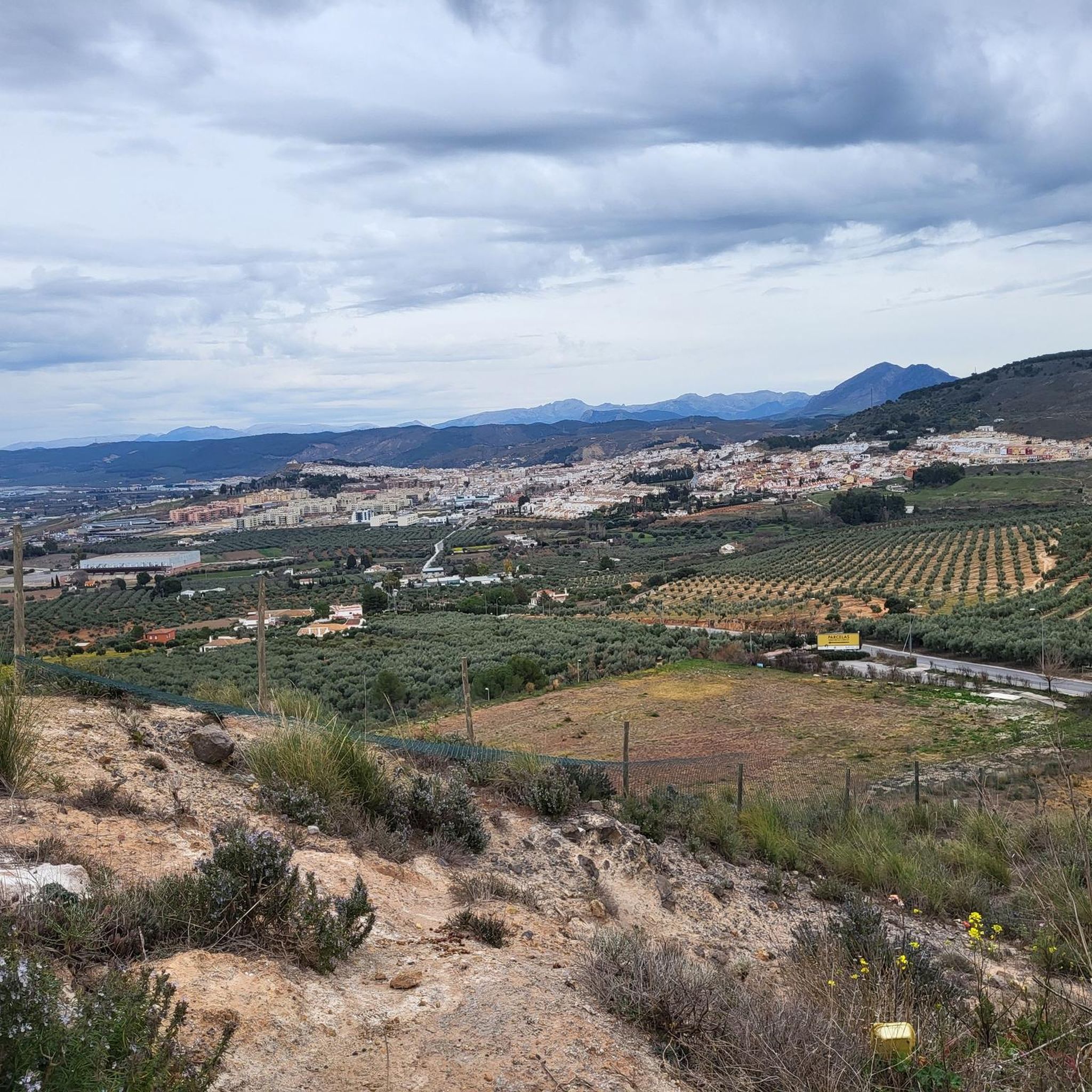
Running Trails around Antequera
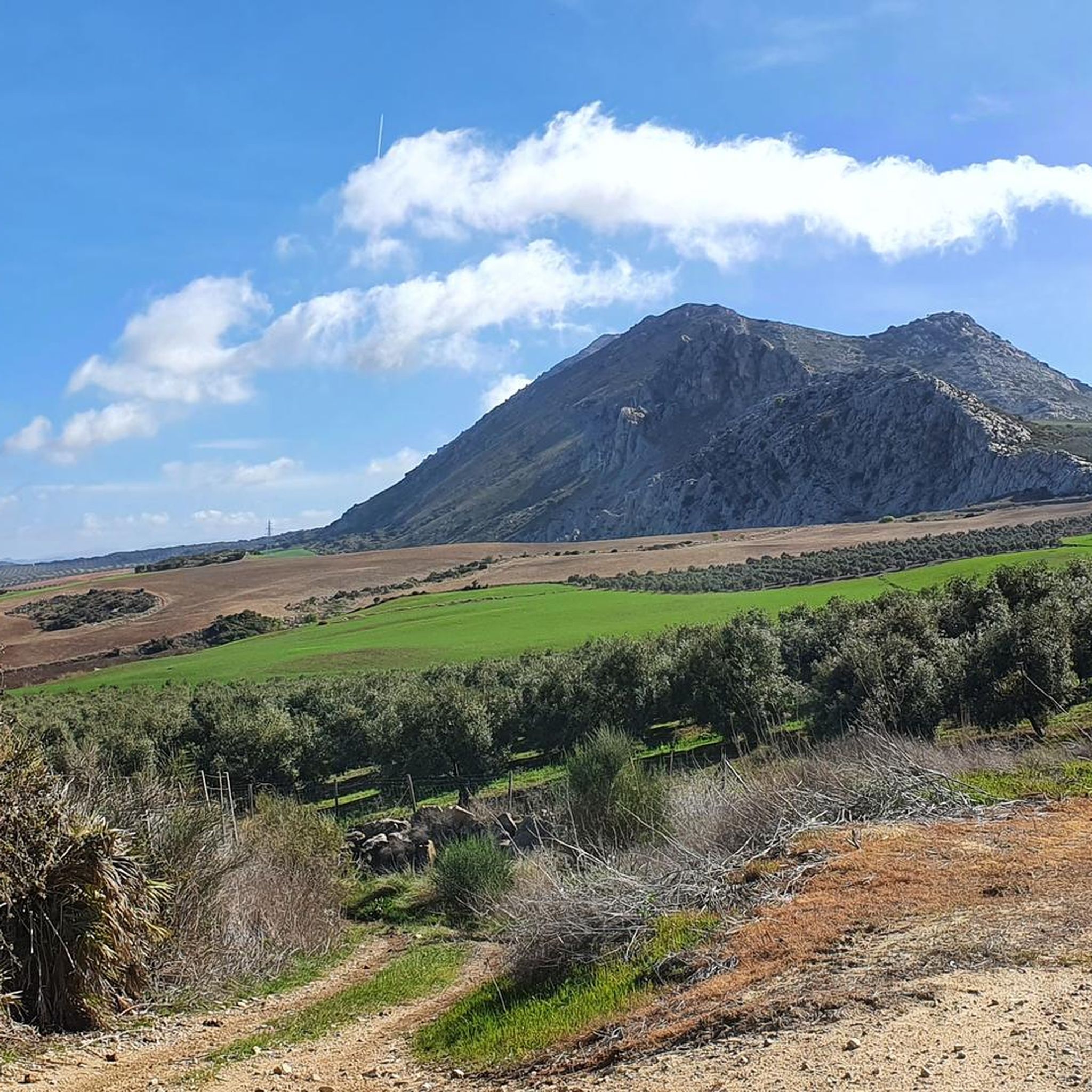
Cycling around Antequera
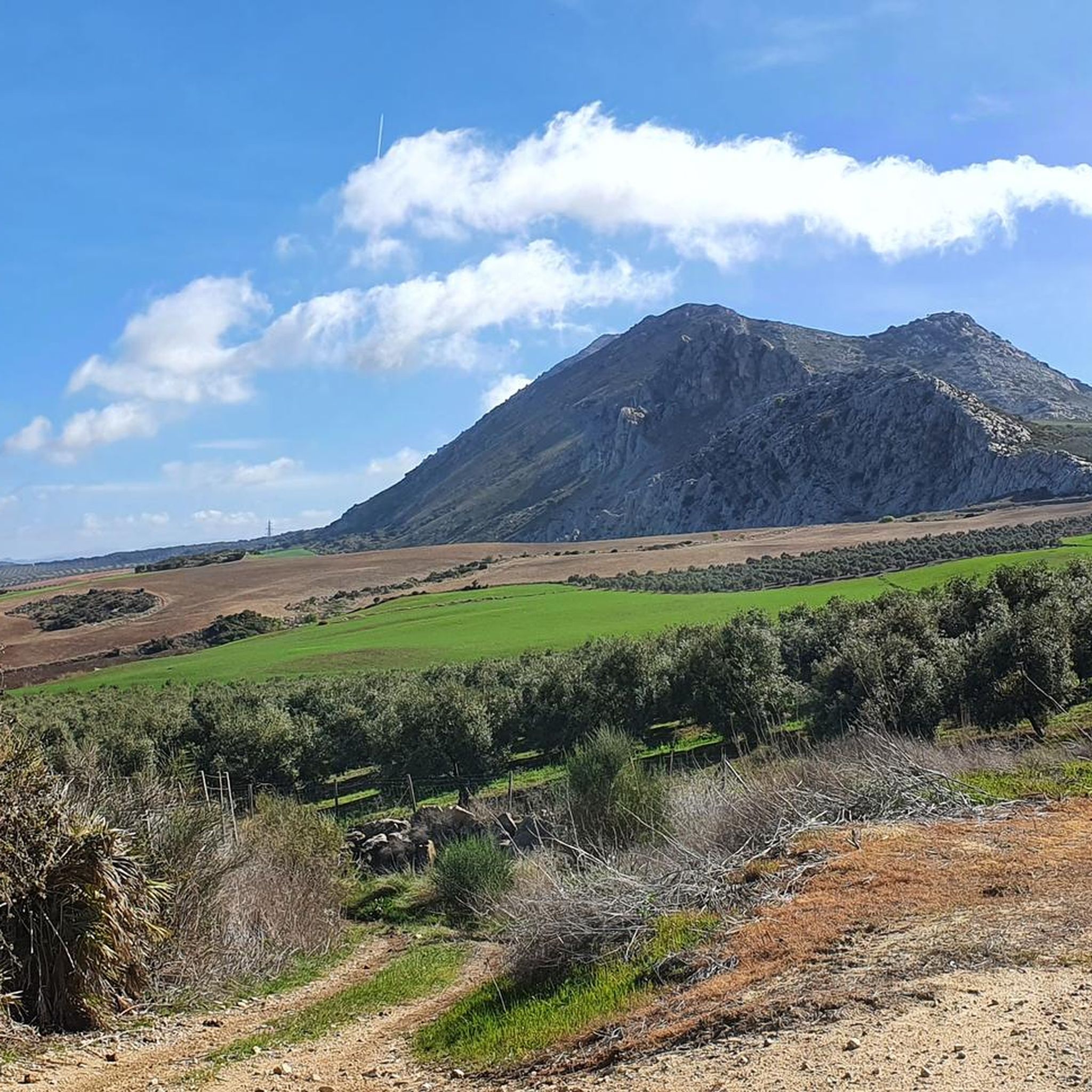
MTB Trails around Antequera
Other adventures around Antequera


Tips from the Community

The Mirador Niña de Antequera offers excellent views over the eastern part of the old town of Antequera and the surrounding mountains.
0
0
Hi, does anyone know if you can find the ammonites in smaller rocks ton take away or are they only in the big rocks to look at?
0
0

about 5,600 years ago 😮 1,140 tons 😲
3
0

The Alcazaba de Antequera is a 14th-century Moorish fortress in the heart of the Andalusian city of Antequera. Built on the remains of an ancient Roman settlement, it served as a defensive fortification during the Muslim rule, protecting the city and the surrounding valley. After the Christian conquest in 1410 by Infante Ferdinand of Castile, the fortress became a key strategic point in the Kingdom of Castile. The imposing Torre del Homenaje (Tower of Homage) is particularly impressive, one of the largest keeps in Andalusia, offering panoramic views of the city, the Peña de los Enamorados (Peño de los Enamorados rock formation), and the surrounding landscape. A bell tower was later added to the tower, housing a large bell dating from 1582. Within the walls, remnants of residential buildings, cisterns, and fortifications can still be seen. Today, the Alcazaba is open to the public, offering a fascinating glimpse into the history of Antequera and Andalusia through its panoramic views and audio guides.
1
1
The Conjunto Arqueológico Dólmenes de Antequera (Antequera Dolmens Archaeological Site) is one of the most important prehistoric sites in Europe and is located on the outskirts of Antequera in Andalusia, directly on the Carretera de Málaga (Málaga Highway). The site comprises three large megalithic tombs – the Dolmen de Menga, the Dolmen de Viera, and the Tholos de El Romeral – as well as the two natural monuments Peña de los Enamorados and El Torcal de Antequera. Together, they have formed a UNESCO World Heritage Site since 2016, uniquely demonstrating the connection between humankind, architecture, and landscape. The Dolmen de Menga is the largest structure in the site and is among the most impressive megalithic tombs in Europe. It was built between approximately 3800 and 3600 BC and consists of enormous stone blocks assembled to form a long burial chamber. Particularly noteworthy is its alignment with the rock Peña de los Enamorados, suggesting a symbolic or ritual significance. Human remains and grave goods were found inside. Just a few meters away is the Dolmen de Viera, which is somewhat smaller and more classically constructed. It was built between approximately 3500 and 3000 BC and is oriented precisely to the east, so that sunlight falls directly into the burial chamber at the equinox. The third structure, the Tholos de El Romeral, lies about four kilometers away and dates from the Copper Age, around 2500 BC. Its circular shape and corbelled vault distinguish it from the older dolmens and represent a further development of the architectural techniques of that time.
0
0
The city gate of Antequera was built in 1749 in the Baroque style, demolished in the 19th century, and faithfully reconstructed in the 1990s. Today, the Puerta de Estepa is a symbolic gateway to the city.
3
0
The Monument to Captain Vicente Moreno Bautista in Antequera honors a prominent military figure in the region, who became known as a hero of the Spanish Wars of Independence. The statue was created by the sculptor Francisco Palma Toledo and erected near the Church of San Juan Bautista in the early 20th century, around 1910. The monument depicts the captain in a traditional military pose and is an important symbol of Antequera's military history. It is treasured by the local community and is considered an important example of Andalusian public sculpture from this period.
1
0
The Puerta de Estepa city gate is one of Antequera's most striking buildings and marks the historic entrance to the city. It is located at the end of the Alameda de Andalucía, very close to the Plaza de la Constitución, where the modern city merges into the historic old town. The gateway with its three round arches was built in 1749 in the Baroque style and once served as a welcoming gateway for travelers coming from the direction of Estepa. The structure was demolished in the 19th century but faithfully rebuilt in the 1990s. Today, the Puerta de Estepa city gate is a popular photo opportunity and a symbolic gateway to the city. The view of the old town through the arches is particularly impressive.
4
0
Frequently Asked Questions
What types of hiking trails can I find around Antequera?
Antequera offers a diverse range of hiking trails, primarily characterized by its unique geological formations. You'll find routes exploring the surreal karst landscape of El Torcal de Antequera Natural Park, dramatic gorges like the Desfiladero de los Gaitanes (home to the Caminito del Rey), and distinctive mountains such as Peña de los Enamorados. The region provides options for various ability levels, from easy strolls to more challenging ascents.
Are there any easy or family-friendly hiking options in Antequera?
Yes, Antequera has numerous easy and family-friendly hiking options. Within El Torcal de Antequera, the Green Route is an easy 1.5 km loop, perfect for families and beginners. Overall, about 45 of the 100+ routes in the area are classified as easy, ensuring there are plenty of gentle paths suitable for all ages and fitness levels.
Can I find circular hiking routes in Antequera?
Yes, there are several excellent circular hiking routes. For instance, the Paraje Natural Torcal de Antequera – circular to Camorro de Siete Mesas via the Cornisa del Diablo is a moderate 4.8 km loop offering stunning views of the unique rock formations. Another popular circular option is The Torcal of Antequera – The Cathedrals of El Torcal loop from Paraje Natural Torcal de Antequera, a 3.2 km trail through the impressive 'Cathedrals' area.
What are some notable natural landmarks or attractions to see while hiking in Antequera?
The most iconic natural landmark is El Torcal de Antequera Natural Park, famous for its surreal karst limestone formations. You can explore areas like The Torcal of Antequera and The Cathedrals of El Torcal. A short distance away, the dramatic Caminito del Rey offers breathtaking suspended walkways through the Desfiladero de los Gaitanes gorge. Additionally, the region features the distinctive, human-face-shaped mountain, Peña de los Enamorados.
Are there any hiking trails with good viewpoints in Antequera?
Many trails in Antequera offer spectacular viewpoints, especially those within El Torcal de Antequera. The Orange Route (or Route to the Torcal Alto) in El Torcal, though more challenging, provides panoramic views of the 'stone sea' landscape. The Caminito del Rey also offers incredible vistas from its suspended walkways high above the gorge.
What kind of wildlife can I expect to see on the trails?
El Torcal de Antequera is a haven for wildlife. Hikers often spot mountain goats, foxes, and badgers. The park is also home to a variety of birds, including Griffon vultures, eagles, and kestrels. The Laguna de Fuente de Piedra Nature Reserve, a short drive away, is a vital breeding ground for flamingos and other bird species.
Is it possible to hike in Antequera during the summer months, and are there shaded routes?
Hiking in Antequera during summer is possible, but it's advisable to start early in the morning to avoid the midday heat. Some routes, particularly the Yellow Route in El Torcal, delve into shadier, more humid areas with denser vegetation, offering some respite from the sun. Always carry plenty of water and wear appropriate sun protection.
What do other hikers enjoy most about hiking in Antequera?
The area is highly rated by the komoot community, with an average score of 4.3 stars from over 800 reviews. Reviewers often praise the unique and otherworldly karst landscapes of El Torcal, the well-marked trails, and the opportunity to experience such diverse natural beauty. The blend of geological wonders and rich biodiversity is frequently highlighted.
Are there any urban or historical walks available in Antequera?
Yes, beyond the natural parks, you can explore the town itself. The Antequera Historic City Trail is a moderate 7.8 km route that allows you to discover the city's rich history and architecture, including landmarks like The Alcazaba of Antequera.
How many hiking trails are available in the Antequera region?
There are over 100 hiking trails available in the Antequera region, catering to a wide range of preferences and fitness levels. This includes 45 easy routes, 44 moderate routes, and 13 more challenging options, ensuring there's a suitable path for every hiker.
Are there any trails that combine natural beauty with archaeological significance?
Yes, the region offers a unique blend of natural and cultural exploration. While hiking through areas like El Torcal, you're traversing a landscape shaped over millions of years. Additionally, the broader Antequera region is a UNESCO World Heritage site, home to the Dolmens of Antequera, allowing for a rich combination of nature and ancient history.
Most popular routes around Antequera
Most popular attractions around Antequera

Get inspired with the komoot mobile app


Explore more
Browse the best Hikes in other regions.
