The best walks and hikes around Cerdà
4.5
(489)
2,454
hikers
140
hikes
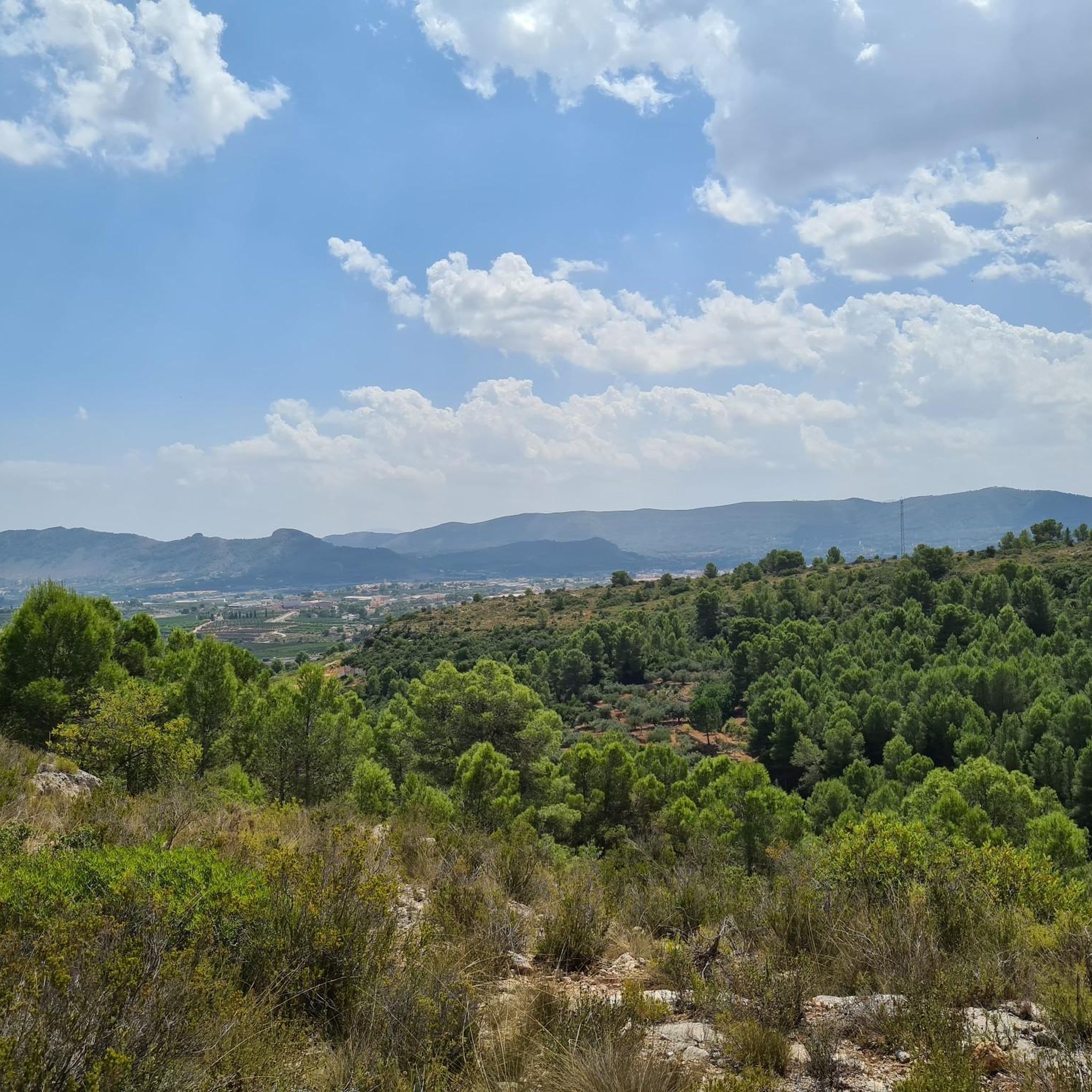
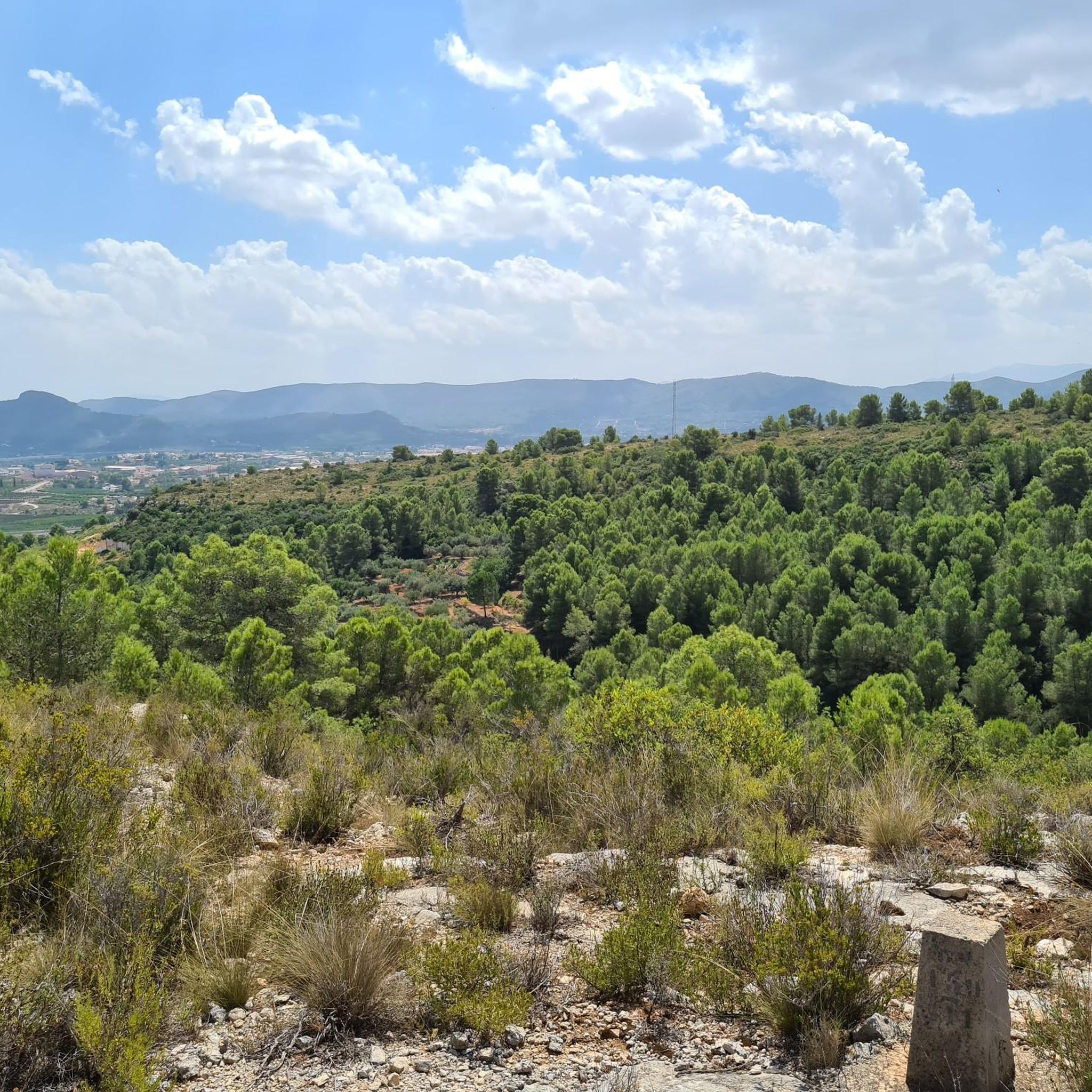
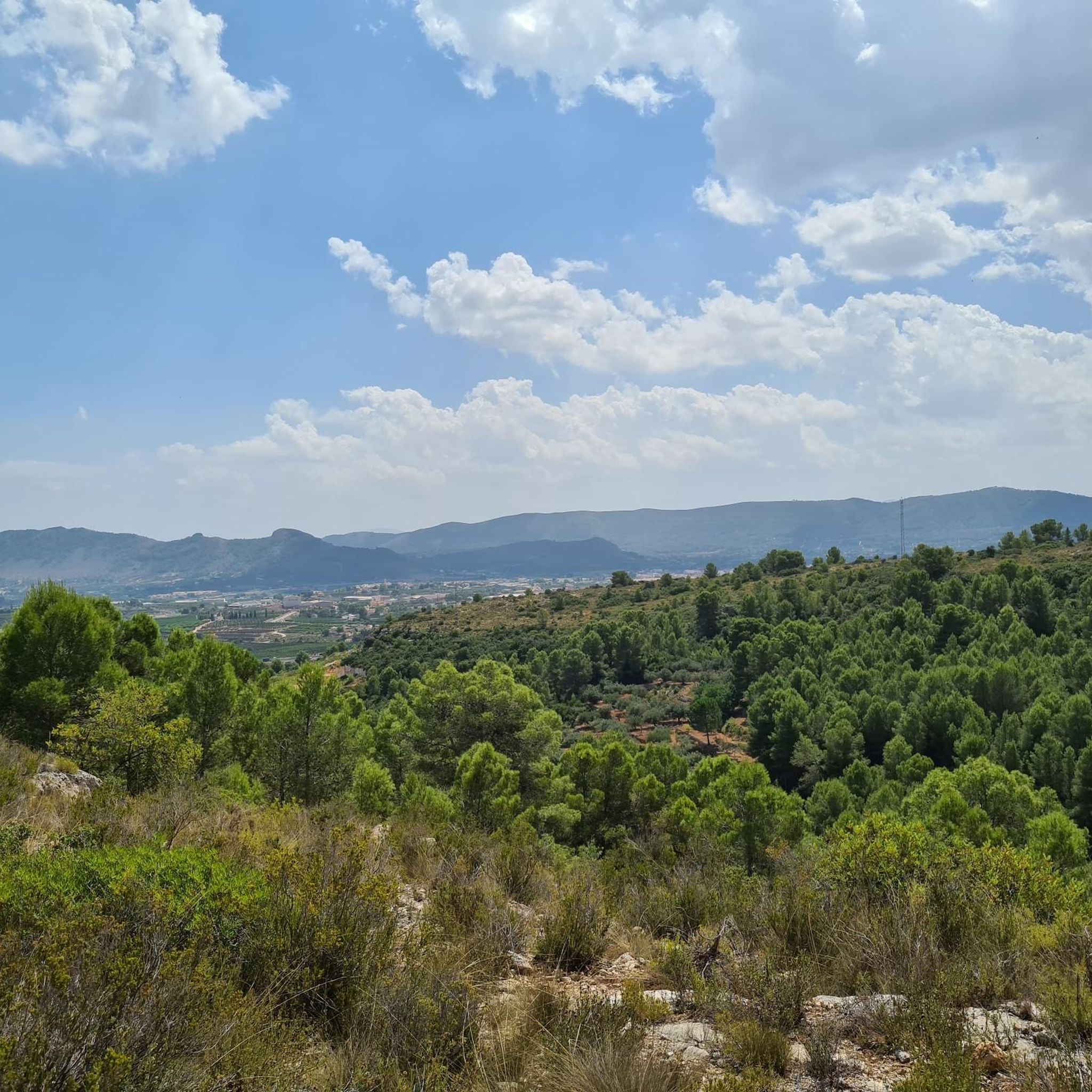
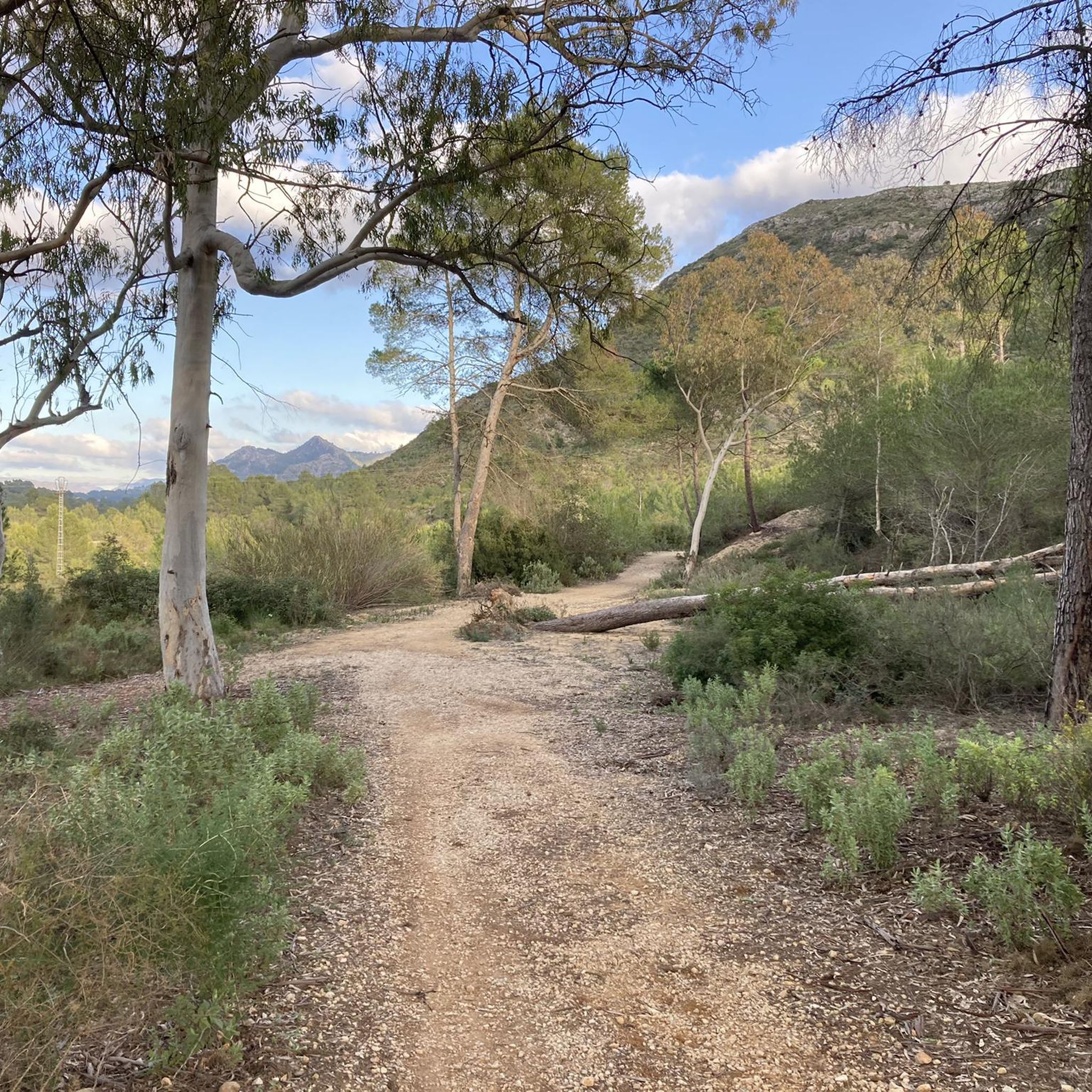
Hiking around Cerdà offers a diverse landscape characterized by historical sites, rolling hills, and natural springs. The region features a mix of urban and natural environments, with trails often leading through areas of cultural significance. Elevation changes are present on many routes, providing varied physical challenges. The terrain primarily consists of established paths and tracks, suitable for exploration.
Best hiking trails around Cerdà
- The most popular hiking route is Almudín of Xàtiva loop from Xàtiva, a 5.3 miles (8.5…
Last updated: June 24, 2026
4.8
(4)
40
hikers
8.51km
02:34
260m
260m
Moderate hike. Good fitness required. Easily-accessible paths. Suitable for all skill levels.
4.0
(1)
23
hikers
6.34km
01:51
160m
160m
Easy hike. Great for any fitness level. Easily-accessible paths. Suitable for all skill levels.

Sign up for free
4.5
(2)
11
hikers
14.5km
04:27
490m
490m
Moderate hike. Good fitness required. Easily-accessible paths. Suitable for all skill levels.
4.9
(14)
9
hikers
5.57km
01:29
50m
50m
Hard hike. Great for any fitness level. Sure-footedness, sturdy shoes and alpine experience required.
5.0
(2)
8
hikers
7.48km
02:02
100m
100m
Moderate hike. Good fitness required. Easily-accessible paths. Suitable for all skill levels.
Get access to more routes and recommendations from other explorers.
Sign up for free
Already have an account?
Our route recommendations are based on thousands of hikes, rides, and runs completed by other people on komoot.
Start today with a free account
Your next adventure awaits.
Login or Signup

Tips from the Community

Completely surprising to me, a large, cool church with a very large altar. Be sure to go in.
1
0

nice town
1
0

Impressive facility and fantastic views
1
0

The Basilica Collegiate Church of Santa Maria, known as La Seu, is the main church of the city of Xàtiva. It began to be built in 1596 and is the most important religious building in the city. After the conquest of Xàtiva by Jaume I, the old mosque became a Christian church, dedicated to Santa Maria, as was the king's custom, making it the head of one of the three archdeaconries and archdeaconry of the diocese. In 1413, Pope Benedict XIII elevated it to the category of collegiate, creating in it fifteen canons, a dean, a sacristan and a bishop. It has been a national monument since 1931 and a minor basilica since 1973.
1
0
A place, sculpted in a natural way, turned into a small canyon with very cold crystalline waters thanks to the fact that the water is born a few meters away where people bathe.
1
0

super nice place to rest and cool off
0
0
Frequently Asked Questions
How many hiking trails are available around Cerdà?
There are over 130 hiking trails around Cerdà, offering a wide range of options for different skill levels and interests. The komoot community has explored these routes over 2,300 times.
What is the best time of year for hiking in Cerdà?
Cerdà's climate generally allows for hiking throughout much of the year. Spring and autumn offer pleasant temperatures and vibrant scenery, ideal for exploring the region's historical sites and natural springs. Even winter can be suitable, though some higher elevation trails might require more preparation.
Are there easy hiking trails suitable for beginners in Cerdà?
Yes, Cerdà offers around 40 easy hiking routes perfect for beginners or those seeking a relaxed stroll. An excellent option is the Castell de Xàtiva – Sun Tower of Xàtiva loop from Xàtiva, an easy 3.9-mile (6.3 km) path with panoramic views of the historic castle.
Can I find challenging or advanced hikes around Cerdà?
For more experienced hikers, Cerdà features about 14 difficult trails. These routes often include significant elevation changes and varied terrain, providing a greater physical challenge. Consider the Mural – Market Square (Xàtiva) loop from Xàtiva for a more demanding experience.
Are there any circular hiking routes in Cerdà?
Many of Cerdà's trails are designed as circular routes, allowing you to start and end at the same point. The Fuente del Marzo – Colchón del Moro loop from Fuente de Marzo is a popular 9.0-mile (14.5 km) circular trail that takes you through natural spring areas and rolling hills.
Are there family-friendly hiking options in Cerdà?
Cerdà has several trails suitable for families, often featuring gentle gradients and interesting points of interest. Look for shorter, well-maintained paths that allow for breaks and exploration of historical landmarks or natural features.
Are dogs allowed on the hiking trails around Cerdà?
Generally, dogs are welcome on many hiking trails around Cerdà, especially in natural areas. However, it's always advisable to keep them on a leash, respect local regulations, and clean up after them. Some protected areas or specific historical sites might have restrictions, so check signage.
What historical sites can I explore while hiking in Cerdà?
Hiking in Cerdà often intertwines with its rich history. Many routes lead past significant landmarks. For example, the Almudín of Xàtiva loop from Xàtiva features historical landmarks. You can also explore the Cova Negra, a notable cave with historical significance.
Are there hikes with viewpoints or natural attractions like waterfalls near Cerdà?
Yes, Cerdà's diverse landscape includes several natural attractions. You can find stunning views at the El Salto de Chella Viewpoint or discover the impressive Vikings' Waterfall. The Gorgo de la Escalera is another natural highlight worth visiting.
Where can I find natural springs or wild swimming spots after a hike?
The region around Cerdà is known for its natural springs. The Fuente del Marzo – Colchón del Moro loop specifically highlights natural spring areas. For wild swimming, the Albufera de Anna is a popular lake nearby.
What do other hikers say about the trails in Cerdà?
The trails in Cerdà are highly rated by the komoot community, with an average score of 4.6 stars from over 400 reviews. Hikers often praise the region's mix of historical sites, varied terrain, and the opportunity to explore both urban and natural environments.
Is there public transport access to the hiking trails in Cerdà?
Public transport options to reach trailheads in Cerdà can vary. While some routes might be accessible via local bus services or train connections to nearby towns like Xàtiva, it's recommended to check specific routes and schedules in advance. Many trails are easily reachable by car.
Where can I park when hiking in Cerdà?
Parking availability depends on the specific trailhead. In towns like Xàtiva, there are often designated parking areas near popular starting points for trails. For more remote routes, roadside parking might be an option, but always ensure you are parking legally and safely, without obstructing access.
Most popular attractions around Cerdà

Get inspired with the komoot mobile app


Explore more
Browse the best Hikes in other regions.
