Attractions and Places To See around Chinon - Top 20
Best attractions and places to see around Chinon include a variety of historical sites, natural landscapes, and cultural experiences. The town is situated on the banks of the Vienne River, offering scenic views and diverse natural environments. Chinon is known for its medieval heritage, including a significant fortress, and its surrounding vineyards. The region features river valleys, wet meadows, wooded hills, and limestone slopes, providing a range of exploration opportunities.
Best attractions and places to see around Chinon
- The most popular attractions is Ussé Castle, a castle whose construction began in the 15th century. Its architecture is based on a double inspiration: medieval and Renaissance. It is also called Sleeping Beauty Castle.
- Another must-see spot is Langeais Bridge, a bridge that crosses the Loire. It was built between 1846 and 1849 and rebuilt after its destruction in the Second World War.
- Visitors also love Château du Rivau, a castle located near Chinon in the Centre-Val de Loire region. Its gardens have been recognized as “remarkable gardens” by the Ministry of Culture.
- Chinon is known for its castles, historical sites, and vineyards. Visitors can explore medieval fortresses, troglodyte dwellings, and diverse natural environments.
- The attractions around Chinon are appreciated by the komoot community, with over 580 upvotes and 350 photos shared.
Last updated: October 10, 2026
Ussé Castle
Highlight • Castle
Accompanied by French gardens, a chapel and stables, the Château d'Ussé can be visited all year round.
Translated by Google •
Tip by

Langeais Bridge
Highlight • Bridge
Translated by Google •
Tip by

Sign up now to discover places like this
Get recommendations on the best single tracks, peaks, & plenty of other exciting outdoor places.
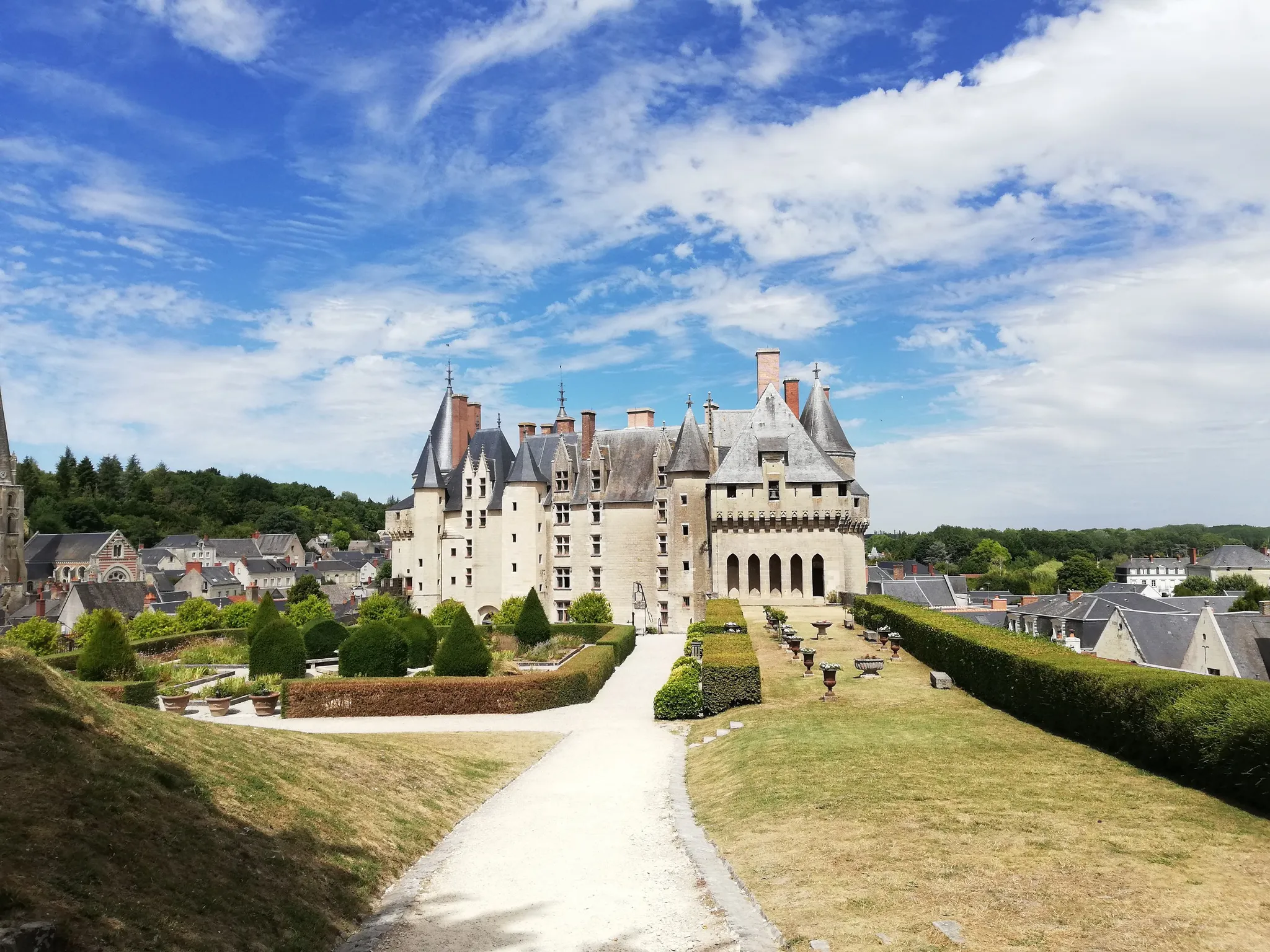
Château de Langeais
Highlight • Castle
Now open to the public, you can visit fifteen rooms furnished with richly sculpted medieval furniture. There is also a collection of tapestries and the reconstruction of the royal wedding of Anne de Bretagne. The gardens are also open to the public.
The castle has been classified as a historical monument since 1922.
Translated by Google •
Tip by

L'Islette Castle
Highlight • Castle
Less renowned than the surrounding Loire Valley châteaux, the Château de l'Islette can be visited from early May to late September, both inside and out. It is also possible to rent boats to cruise the Indre River or participate in an escape game inside the château.
Translated by Google •
Tip by
Saint Martin Collegiate Church, Candes
Highlight • Historical Site
Translated by Google •
Tip by

Royal Fortress of Chinon
Highlight • Castle
Translated by Google •
Tip by

View of Ussé castle
Highlight • Castle
Triggered? Drive there and you will end up in a fairytale world.
Young and old, immerse yourself in castle life and the scenes from this fairytale come to life before your eyes. Follow in the footsteps of Vauban, Perrault, Chateaubriand, Le Nôtre and the Blacas family, who still live in this illustrious castle in the Loire Valley.
Translated by Google •
Tip by

Château du Rivau
Highlight • Castle
Translated by Google •
Tip by

Church of Saint Mary Magdalene
Highlight • Other
Source: patrimoine.centre-valdeloire.fr/gertrude-diffusion/dossier/IM37003094
Translated by Google •
Tip by
Courtineau Valley and Troglodyte Houses
Highlight • Historical Site
The chapel of Notre-Dame-de-Lorette, carved into the rock, would have been the refuge of a hermit in the fourteenth century2. On March 6, 1429, Joan of Arc would have taken shelter there to protect herself from a downpour while she was traveling the Courtineau valley to go to Chinon to see King Charles VII, after two nights spent in Sainte-Catherine-de -Proudwood.
The water mills:
- The Moulin de la Chaise: from 1241 to 1789, it belonged to the Chapter of Saint-Martine de Tours and depended on the Provost of Saint-Epain.
- The Courtineau mill
- The Malicorne mill: in the fourteenth and at least until the seventeenth century, it depended on the seigneury of Sainte-Maure-de-Touraine. We grew hemp there
- The Souvres mill.
- The mill of Mareille, large building of three floors which appears on the map of Cassini and the Napoleonic land register of 18274. According to the elders, the building was before 1900 a sawmill, the paddle wheel was placed further.
The village of Courtineau is made up of troglodyte houses. In the mid-twentieth century he still owned a café, a grocery store and a school.
Translated by Google •
Tip by

Sign up for free to discover even more attractions around Chinon.
Already have an account?
Start today with a free account
Your next adventure awaits.
Popular around Chinon
From one Châteaux to another – a long hike in the Loire Valley
EuroVelo 3 – A cycling pilgrimage from Norway to France
The most beautiful cycling routes in the Loire Valley
The Loire from ocean to the source – GR 3 from Angers to Tours
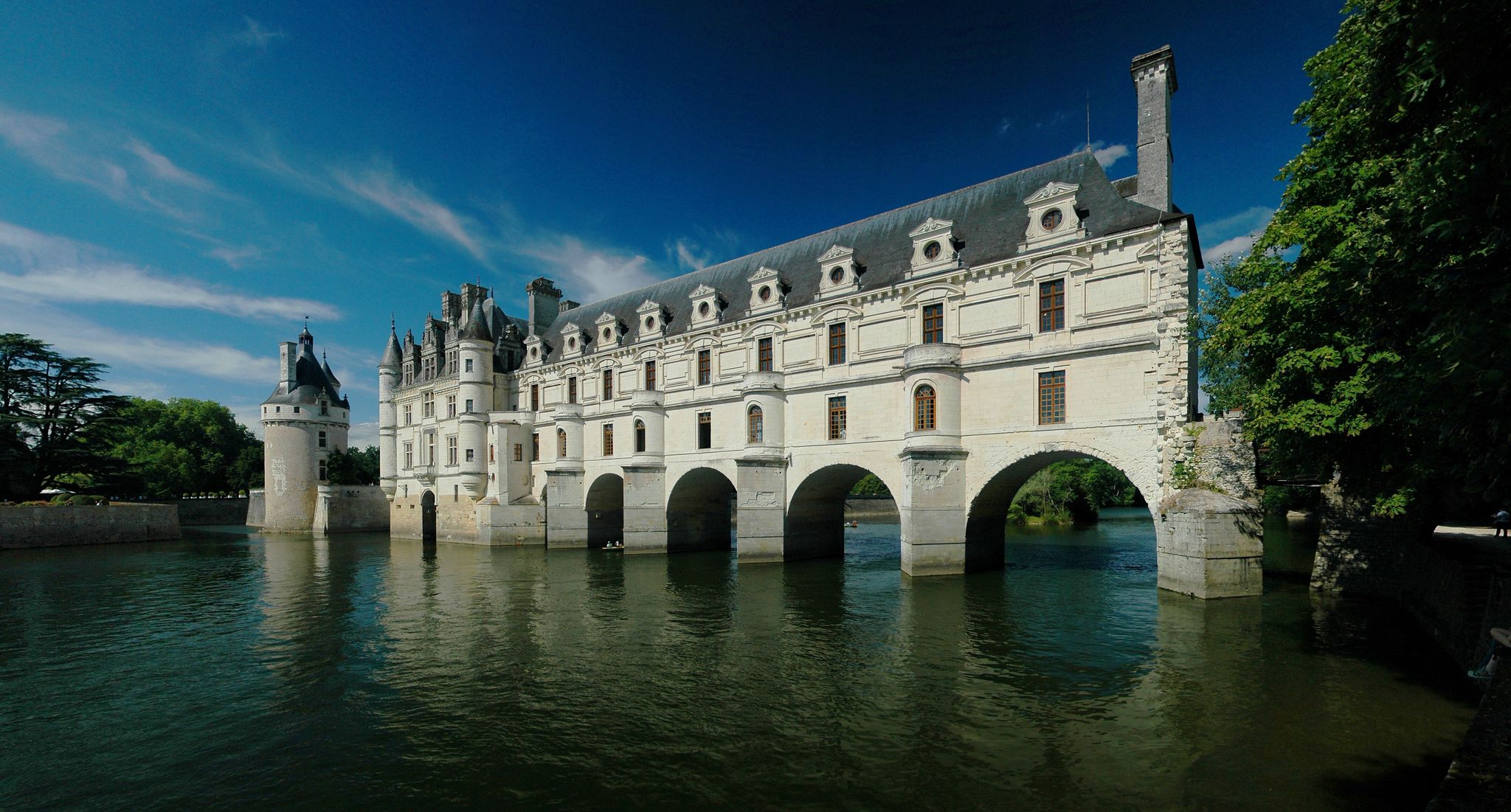
Between Touraine and Berry – France’s Indre River by bike
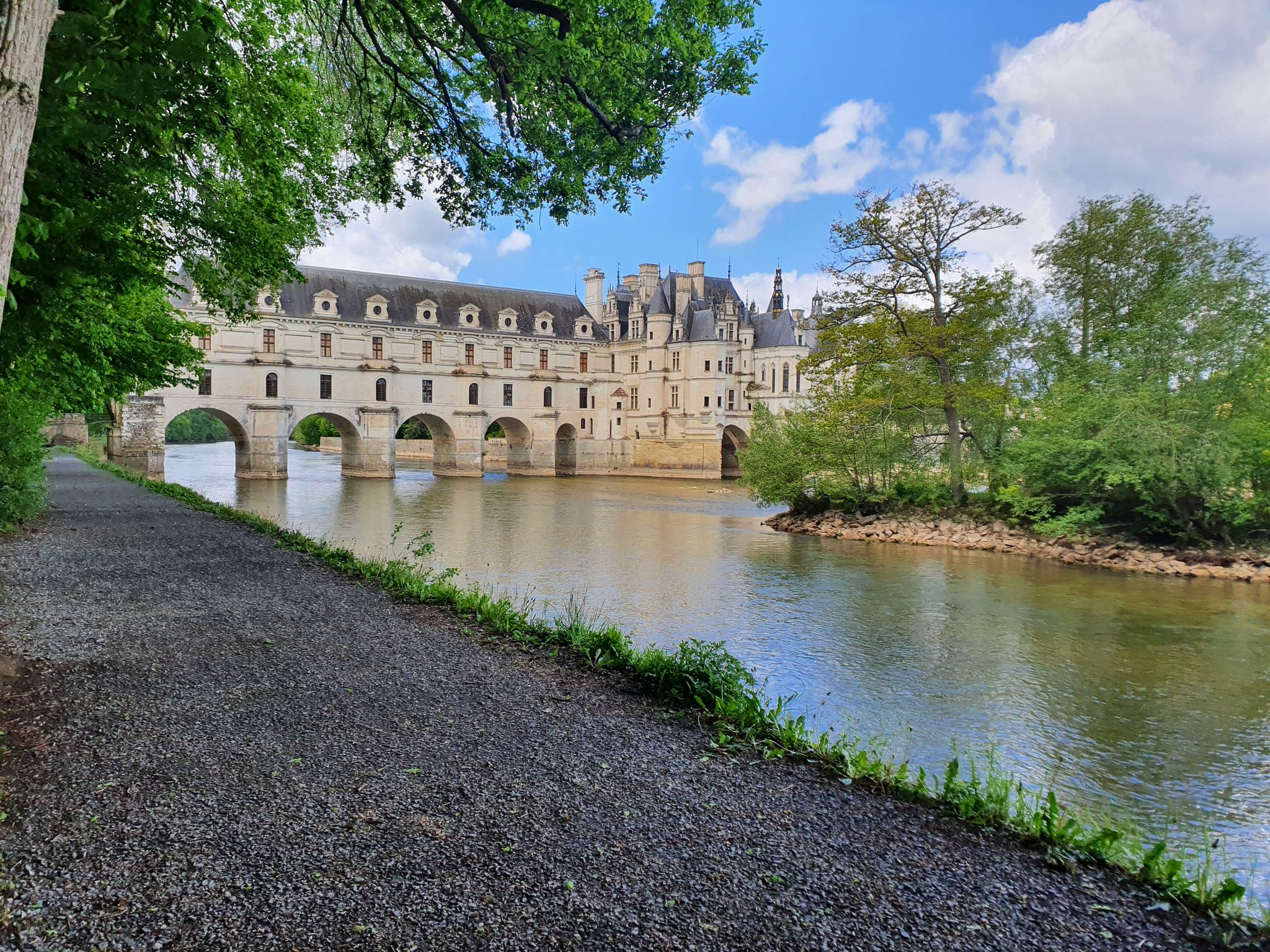
Unexpected castles – cycle the secret Loire Valley in France
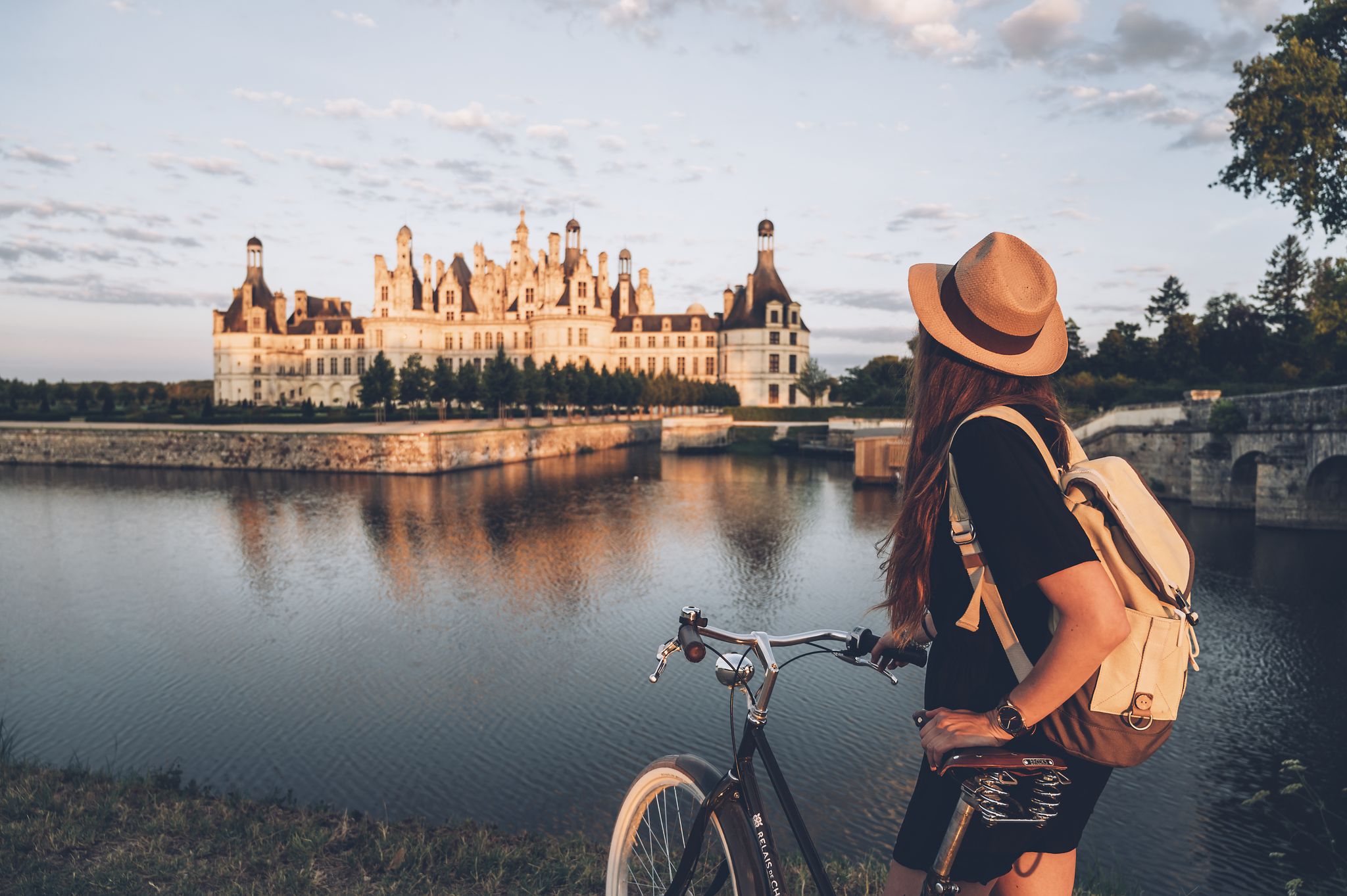
Nature and Culture — discover the Loire and its castles by bike
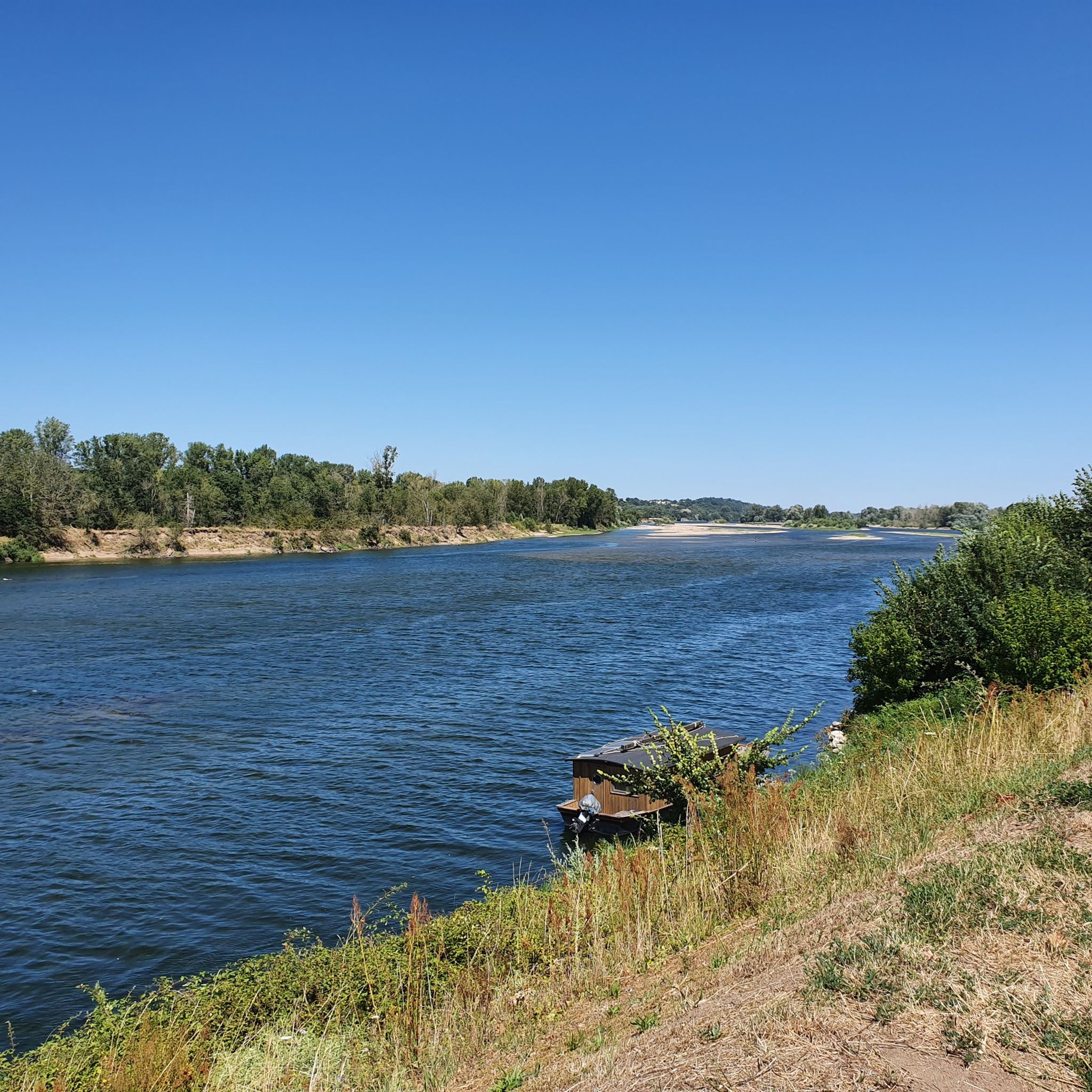
Hiking around Chinon
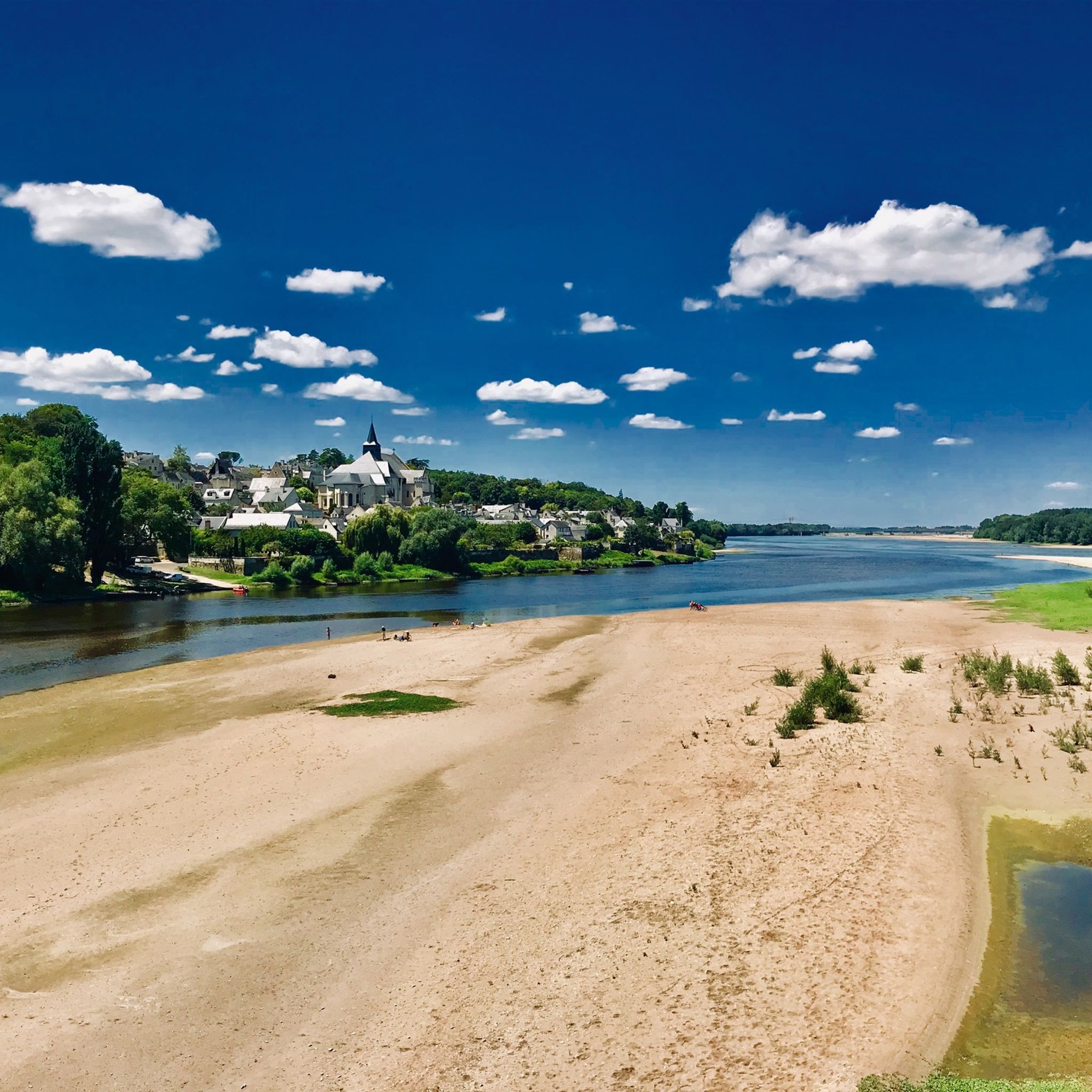
Cycling around Chinon
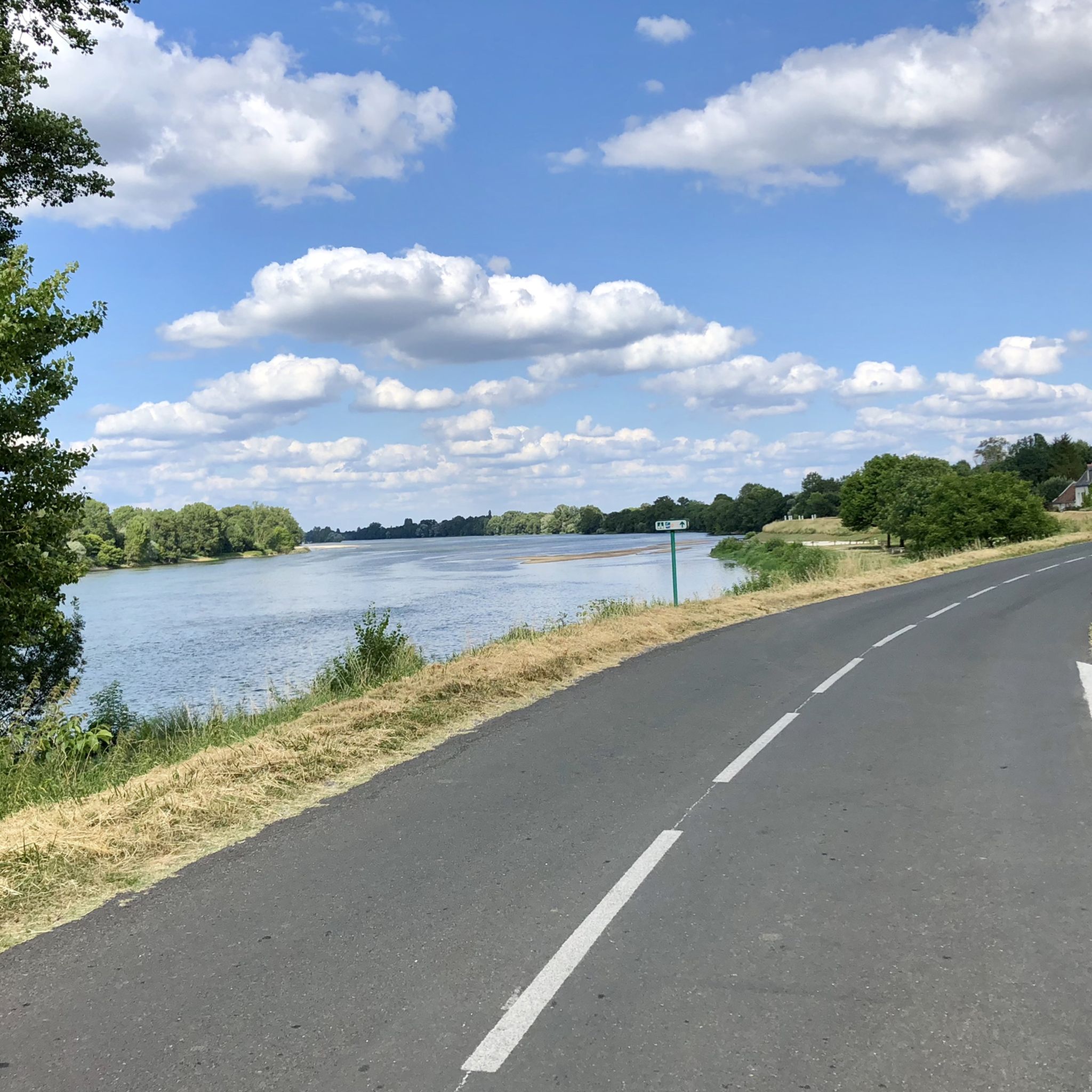
Road Cycling Routes around Chinon
Other adventures around Chinon


Tips from the Community

History in brief Antiquity: the site is strategically located on a promontory and has been inhabited for 3,000 years. It was not fortified until the end of the Roman Empire. Middle Ages: in 1154, the new King of England, Henry II Plantagenet, became ruler of an empire stretching from Scotland to the Pyrenees and made Chinon his continental capital. He had a large palace built next to the fortress, which has now disappeared. In 1189, abandoned by his sons, Richard the Lionheart and John Lackland, and fleeing from the King of France, he eventually died there. Philippe Auguste had the defensive Tour du Coudray built there after the siege of 1205. Renaissance: in 1454, the fortress became the main residence of Queen Marie d'Anjou, who lived there without her husband. She spent lavishly on decorating the house to her taste. From the 16th century onwards, the fortress was gradually abandoned and fell into disrepair. Despite the dangerous nature of the terrain, it became a public promenade in 1824 and was listed as a monument in 1840. The restoration of the estate began in 1854 thanks to the efforts of the writer Prosper Mérimée. Source: https://loirelovers.fr/en/visit-royal-fort-chinon/
6
0
This impressive suspension bridge spans the Loire between La Chapelle-aux-Naux and Langeais and was originally completed in 1849. The bridge has been repaired and rebuilt many times and has a two-lane road over the Loire. On the Langeais side, a walk along the banks of the Loire, on both sides of the bridge, is highly recommended. The Langeais bridge is a stubborn bridge. It has been rebuilt five times! The story begins in 1848, the year in which King Louis Philippe authorised the construction of a "wire bridge", as it was then called (bridge 1). But wires are excellent lightning conductors! And 10 years after its opening in 1859, the bridge collapsed into the Loire after a heavy storm, its deck and suspension elements. Two years later in 1861, the bridge was repaired and operational again as a toll bridge (bridge 2). But shortly afterwards, in 1870, war broke out and the advance of the Prussian enemy had to be slowed down. Boom! Bridge was blown up (bridge 3) The fourth was completed in 1914, but then came the... car! They were heavy, they came and went! The bridge therefore had to be extensively rebuilt to bear the weight of modernity. This happened in the 1930s, and the opportunity was taken to decorate the bridge with its very special Gothic pillars, which reflected the Gothic style of the castle; the two form a mirror image. Bridge 4 was built! All is well, all is well... but then it is June 1940. And this time it is the Germans who have to be stopped. To stop the invader, the bridge was blown up again. After first using a ferry and then a temporary footbridge, the inhabitants waited until 1949 for a bridge over the Loire (bridge 5). The bridge of Langeais is the only bridge between Tours and Port Boulet. It is now a rather imposing bridge with a turbulent history.
2
0
The Château de Langeais , a former royal estate and property of the Institut de France, is one of the major sites in the Loire Valley . Near Tours , in the heart of the Loire Valley , it offers a guided tour of fifteen rooms, decorated with richly carved medieval furniture . You will discover a collection of tapestries and the reconstruction of the royal wedding of Anne of Brittany, told by Stéphane Bern . Langeais, a Renaissance Loire castle, will surprise you with its park planted with cedars and sequoias and its playful elements. More information on https://chateau-de-langeais.com/
2
0
Bréhémont, a former annex of the parish church of Rivarennes, only became a parish in 1789. The church was built in 1843 in the neo-Gothic style. Three years later, five stained glass windows for the choir and the side chapels (bays 0, 1, 2, 3, 4) were ordered by the Parisian Émile Laurent, who had ties with Auguste Galimard and who had designed the plans. Source: https://patrimoine.centre-valdeloire.fr/gertrude-diffusion/dossier/IM37003094
6
0
In the heart of Touraine, in an enchanting setting where the delicate white of the tuffeau stone and the ever-changing green of the Indre River blend harmoniously, L'Islette welcomes you. The Renaissance château, nestled in the arms of the Indre River, is now home to the current owners. They are happy to share their home with visitors and show them the rooms currently occupied. In this way, they combine history and modernity to create a 21st-century château. L'Islette, where Camille Claudel and Auguste Rodin were frequent guests and sheltered their passionate love life, invites you to be swept away by the romantic charm of the Indre Valley. Source: https://www.chateaudelislette.fr/
5
1
On the horizon, when the weather is clear, you can see the silhouette of the Château de Ussé. This fairytale castle has a magical appearance that overlooks the Indre and the Loire. It is so beautiful that it inspired Charles Perrault for his Sleeping Beauty. Triggered? Drive there and you will end up in a fairytale world. Young and old, immerse yourself in castle life and the scenes from this fairytale come to life before your eyes. Follow in the footsteps of Vauban, Perrault, Chateaubriand, Le Nôtre and the Blacas family, who still live in this illustrious castle in the Loire Valley.
5
0
Here you are in front of the 'Sleeping Beauty Castle'. Once upon a time there was a castle with a magical aura, overlooking the Indre and the Loire… so beautiful that it inspired Charles Perrault to write his Sleeping Beauty. Young and old, immerse yourself in castle life and the scenes from this fairy tale come to life before your eyes. Follow in the footsteps of Vauban, Perrault, Chateaubriand, Le Nôtre and the Blacas family, who still live in this illustrious castle in the Loire Valley.
5
0
Once upon a time, there was a castle with a magical aura, overlooking the Indre and the Loire… so beautiful that it inspired Charles Perrault to write Sleeping Beauty. Young and old, immerse yourself in castle life and the scenes from this fairy tale come to life before your eyes. Follow in the footsteps of Vauban, Perrault, Chateaubriand, Le Nôtre and the Blacas family, who still live in this illustrious castle in the Loire Valley. PREPARE YOUR VISIT: 2025 From 15 February to 31 March: 10am – 6pm. From 1 April to 30 September: 10am – 7pm. From 1 October to 11 November: 10am – 6pm. Prices: Adult (+ 16 years): € 14.50 Child from 8 to 16 years: € 7.50 Child (under 8 years): Free
5
0
Frequently Asked Questions
What historical sites can I explore in Chinon?
Chinon is rich in history. The most prominent is the Royal Fortress of Chinon, a medieval castle with significant ties to French royalty and Joan of Arc. Beyond the fortress, you can visit the semi-troglodytic Chapelle Sainte-Radegonde with its ancient wall paintings, and the Église Saint-Maurice, where Joan of Arc is believed to have prayed. The Courtineau Valley also features fascinating troglodyte houses and historical mills.
Are there any natural attractions or scenic viewpoints around Chinon?
Yes, the Chinon region offers diverse natural beauty. You can enjoy scenic views along the Vienne River, which flows through the town. For panoramic vistas, climb the Clock Tower, part of the Royal Fortress. The wider Chinonais region features river valleys, wet meadows, wooded hills, and limestone slopes. Don't miss Tours Island and La Cunette, a green haven for wildlife, or the enigmatic boulders of The Roma Camp in Cinais, offering sweeping views of the Vienne valley.
What outdoor activities, like hiking or cycling, are available near Chinon?
The Chinon area is excellent for outdoor enthusiasts. For running, you can explore routes like the "In the Footsteps of Cardinal Richelieu Trail" or the "Fontevraud Abbey and Saint-Germain Loop." Cyclists can enjoy gravel biking routes such as the "View of Candes-Saint-Martin – Saumur loop" or the extensive "View of the Loire River – Ussé Castle loop." Mountain biking trails include the "L'Ormeau de Maure Singletrack" through vineyards. You can find more details and routes on the Running Trails around Chinon, Gravel biking around Chinon, and MTB Trails around Chinon guide pages.
Are there family-friendly attractions in the Chinon area?
Absolutely! Many attractions cater to families. Ussé Castle, known as the 'Sleeping Beauty Castle,' offers a magical experience for children and adults alike. Château du Rivau boasts 14 themed gardens, including the Enchanted Forest and Tom Thumb's Path, which are very popular with families. The Royal Fortress of Chinon also provides an engaging historical experience for all ages.
Where can I experience Chinon's famous wine culture?
Chinon is renowned for its wine, particularly red Cabernet Franc. You can explore the extensive vineyards surrounding the town, often by cycling. Many wineries and cellars offer tours and tastings, frequently in medieval cellars carved directly from the rock. The Musée Animé du Vin et de la Tonnellerie provides insight into traditional winemaking through automata.
What are some unique or less-known places to visit around Chinon?
For a unique experience, explore the Courtineau Valley and its Troglodyte Houses, a natural area with dwellings carved into the rock. The Taligny Marsh at La Roche-Clermault, a regional nature reserve, offers a 4.7 km trail through rich wetlands. Another hidden gem is Bertignolles's Lawn in Savigny-en-Véron, a protected natural site with unique sandy soils and rare flora.
Can I visit any other notable castles or châteaux as day trips from Chinon?
Chinon serves as an excellent base for exploring the wider Loire Valley. Besides the local Royal Fortress of Chinon, you can easily visit Ussé Castle, Château du Rivau, L'Islette Castle, and Château de Gizeux. Other nearby options include Château d'Azay-le-Rideau, Fontevraud Abbey, and Château de Villandry with its magnificent gardens.
What is the best time of year to visit Chinon for sightseeing and outdoor activities?
The spring (April-May) and autumn (September-October) months generally offer pleasant weather for both sightseeing and outdoor activities like hiking and cycling. The temperatures are mild, and the landscapes are beautiful, especially during the grape harvest season in autumn. Summer (June-August) is also popular, though it can be warmer, making river activities and early morning/late afternoon excursions ideal.
Are there any accessible attractions for visitors with mobility needs?
While historical sites can sometimes present challenges, some areas are more accessible. The Langeais Bridge is noted as wheelchair accessible, offering superb views of the Loire River. When planning your visit, it's advisable to check specific accessibility details for each attraction directly.
What cultural sites are there in Chinon beyond the main fortress?
Chinon offers several cultural sites. The Musée Le Carroi (Museum of Art and History) traces Chinon's history from prehistory to the 19th century. The Joan of Arc Museum, located in the Clock Tower, houses artifacts from the Hundred Years' War. Additionally, the Musée Rabelais–La Devinière, located outside Chinon, is dedicated to the famous writer François Rabelais in his former home.
Where can I find medieval architecture in Chinon?
Chinon's historic town center is a treasure trove of medieval architecture. Wander through its winding, cobbled streets like Rue Voltaire and Rue Saint Maurice to discover numerous half-timbered houses dating back to the 14th and 15th centuries. The Grand Carroi, once a medieval crossroads, is at the heart of this historic area.
What kind of landscapes can I expect to see in the Chinonais region?
The Chinonais region boasts a diverse range of landscapes. You'll find picturesque river valleys along the Vienne, extensive vineyards covering rolling hills, and unique natural environments like wet meadows, marshes, and limestone slopes. These areas are vital for biodiversity, supporting various species of birds, amphibians, and rare plants, offering a rich tapestry for exploration.
Most popular routes around Chinon
Most popular attractions around Chinon

Get inspired with the komoot mobile app


Didn’t find what you were looking for?
Are you keen on exploring more awesome places nearby? Browse our guides:
Explore more
Still not found the Highlight you’re looking for? See guides of the top attractions in other regions:
