Attractions and Places To See around Blaye - Top 20
Best attractions and places to see around Blaye include historical fortifications, vineyards, and natural features along the Gironde estuary. This historic town on the right bank of the Gironde is known for its UNESCO World Heritage-listed sites. The region offers a blend of cultural significance and natural landscapes for exploration.
Best attractions and places to see around Blaye
- The most popular attractions is Citadel of Blaye, a historical site that is a 17th-century fortress designed by Vauban. This UNESCO World Heritage site forms part of the "Verrou Vauban" defense system and offers views of the Gironde estuary.
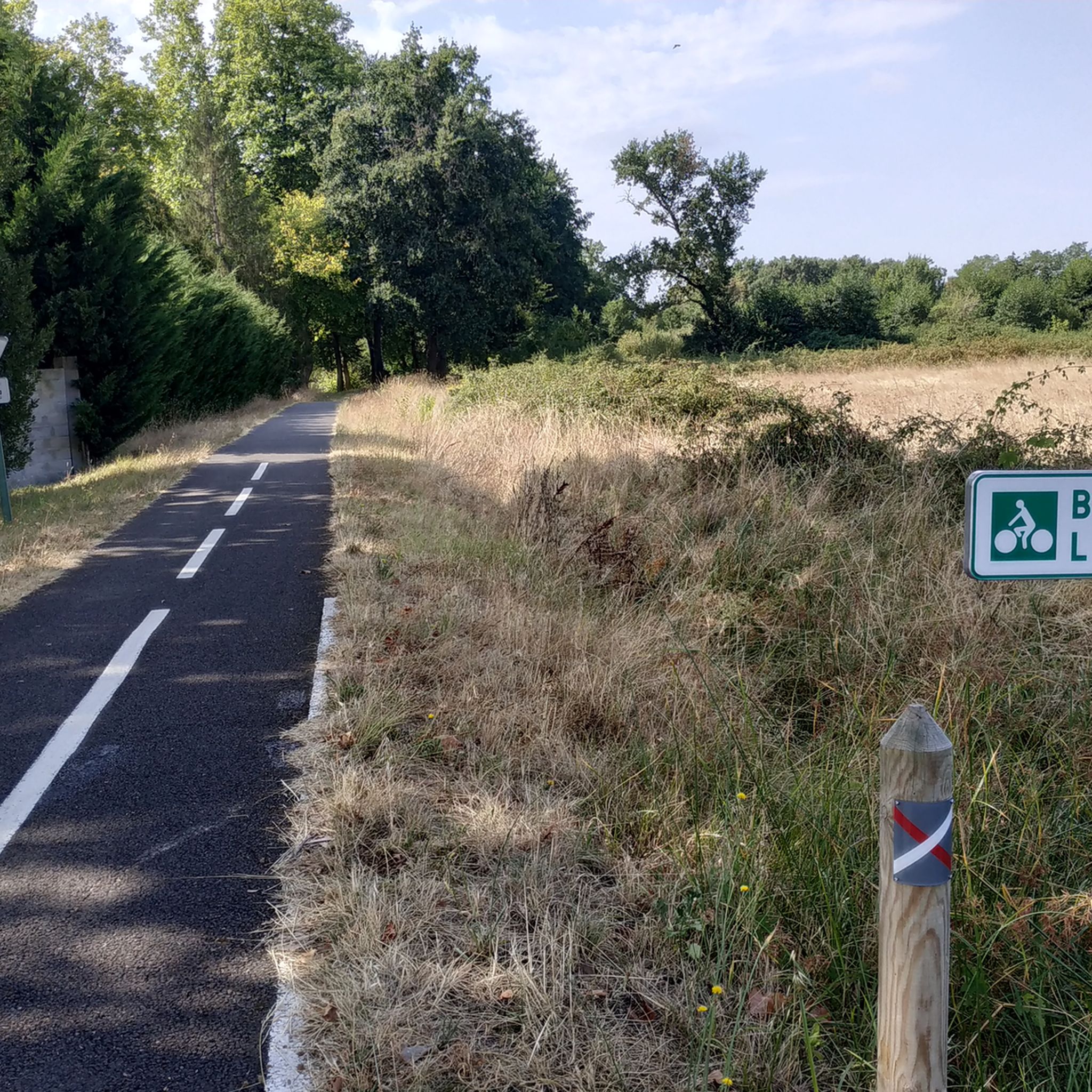
- Another must-see spot is Eiffel Bridge of Cubzac-les-Ponts, a bridge and historical site. Visitors can explore this structure and its newly created bike path, with panels detailing its history.
- Visitors also love Bourg-sur-Gironde Citadel, a site with a history spanning from a Gallo-Roman villa to a medieval castle and a 17th-century citadel. The current building, rebuilt in 1964, hosts various events.
- Blaye is known for its historical sites, religious buildings, and unique bridges. The area offers a variety of attractions to see and explore, from ancient fortifications to architectural landmarks.
- The attractions around Blaye are appreciated by the komoot community, with more than 110 upvotes and 30 photos shared by visitors.
Last updated: October 9, 2026
Blaye–Lamarque Ferry
Highlight • Rest Area
The crossing on the Sébastien Vauban amphidrom lasts around 20 minutes (between 15 minutes and 35 minutes depending on the tide) for a distance of 4.5 kilometers. It allows you to avoid a two-hour detour.
A ship ensures the crossing for 4 rotations per day in winter and 10 in summer.
Boarding :
For all modes of transport used (bike, car, etc.), the cost of the driver’s seat is not included. As of July 1, 2021, tonnage is limited to 3.5 tonnes on the Blaye-Lamarque crossing.
Timetables on transgironde.fr - Real-time information by subscribing to the site gironde.fr/bacs - You will find up-to-date information there.
Please note, please arrive 30 minutes before the indicated departure time. No reservation for crossings is possible.
Translated by Google •
Tip by

Citadel of Blaye
Highlight • Historical Site
Translated by Google •
Tip by

Sign up now to discover places like this
Get recommendations on the best single tracks, peaks, & plenty of other exciting outdoor places.
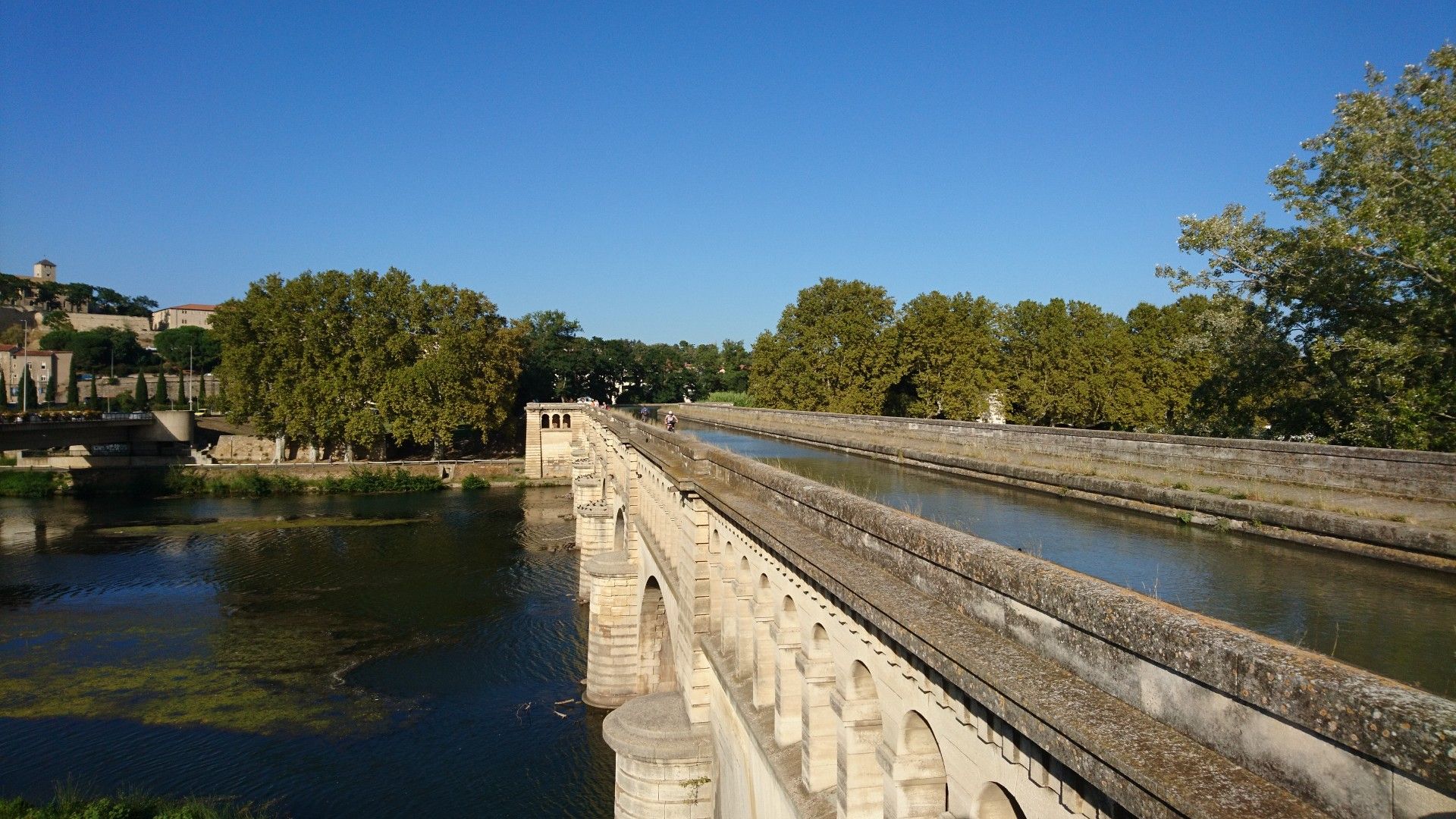
Eiffel Bridge of Cubzac-les-Ponts
Highlight • Bridge
Translated by Google •
Tip by

Saint-Géronce Church
Highlight • Religious Site
Translated by Google •
Tip by

Saint-André de Cubzac
Highlight • Monument
En 1341, Édouard III d’Angleterre érigea la terre du Cubzaguais en châtellenie et la donna à Bérard III d’Albret, en raison de services rendus. Après la victoire de Castillon en 1453, les places anglaises revenaient à la France et Cubzac –dont la vocation à l’origine était principalement militaire– n’avait plus véritablement de raison d’exister. Suite à ce déclin, le siège de la châtellenie se déplaçait du château de Cubzac à la maison noble du Bouilh, qui donnait à la région une impulsion nouvelle économique.
Les guerres de religion ont sévi dans cette zone. Au cours de la période de la Convention nationale (1792-1795), la commune a adopté le nom révolutionnaire de Montalon. Le site de Montalon abrite les restes de trois moulins, dont l'un est transformé en petit observatoire. On peut par ailleurs y trouver la borne du « 45e parallèle » nord.
Vierge de Pitié, groupe sculpté de l'intérieur de l'église Saint-André classé monument historique en 1971.
Château du Bouilh, construit vers 1786-1787 pour le compte de Jean-Frédéric de La Tour du Pin Gouvernet
Le phare du port de Plagne,
Le port de Plagne ; ancien haut lieu de la pêche à l'esturgeon.
Le platane de Robillard, tricentenaire.
Le château Robillard est un castel du xvie siècle ; durant l'été, des spectacles y sont régulièrement donnés fr.wikipedia.org/wiki/Saint-Andr%C3%A9-de-Cubzac
Tip by
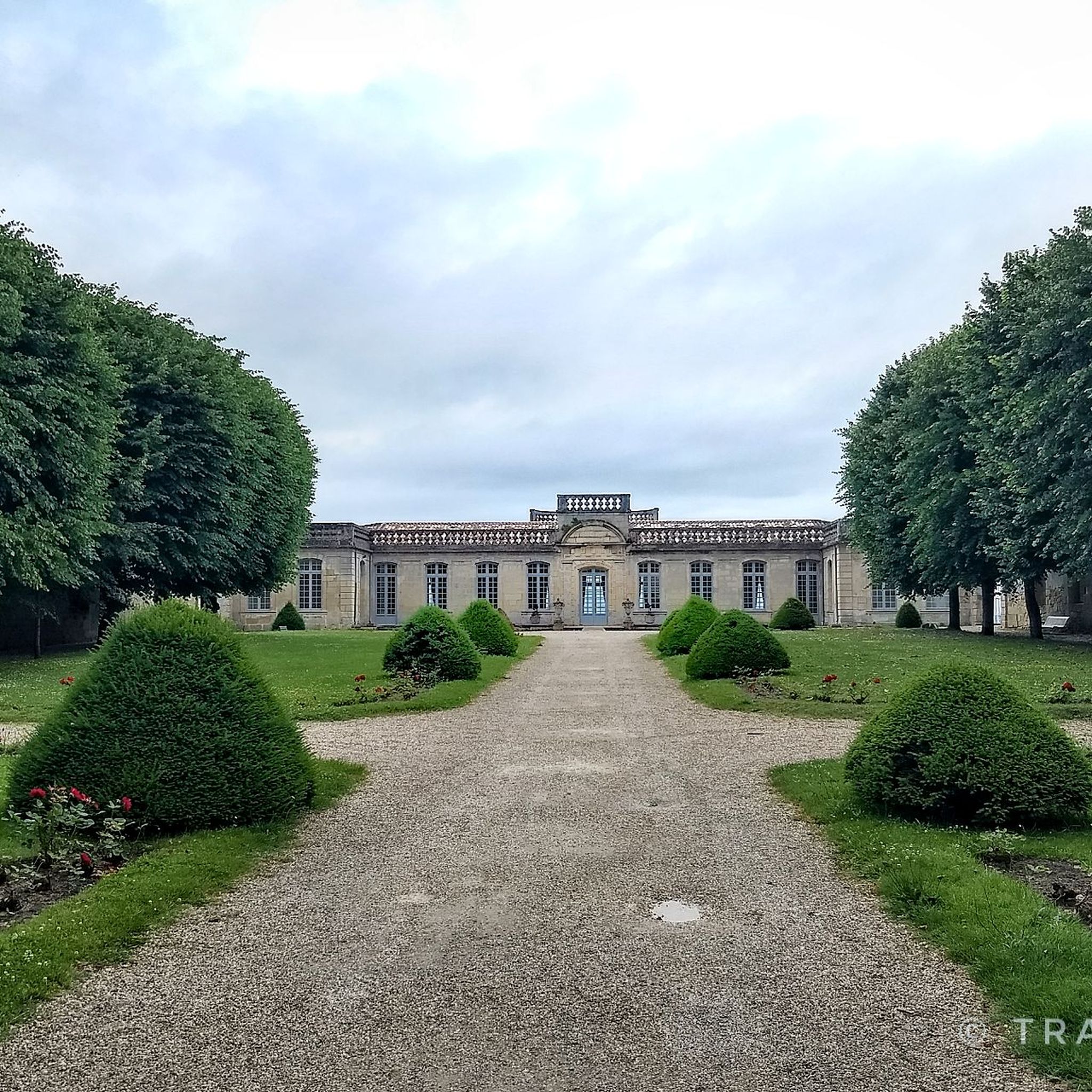
Bourg-sur-Gironde Citadel
Highlight • Other
Translated by Google •
Tip by
Saint-Seurin Church
Highlight • Religious Site
Translated by Google •
Tip by
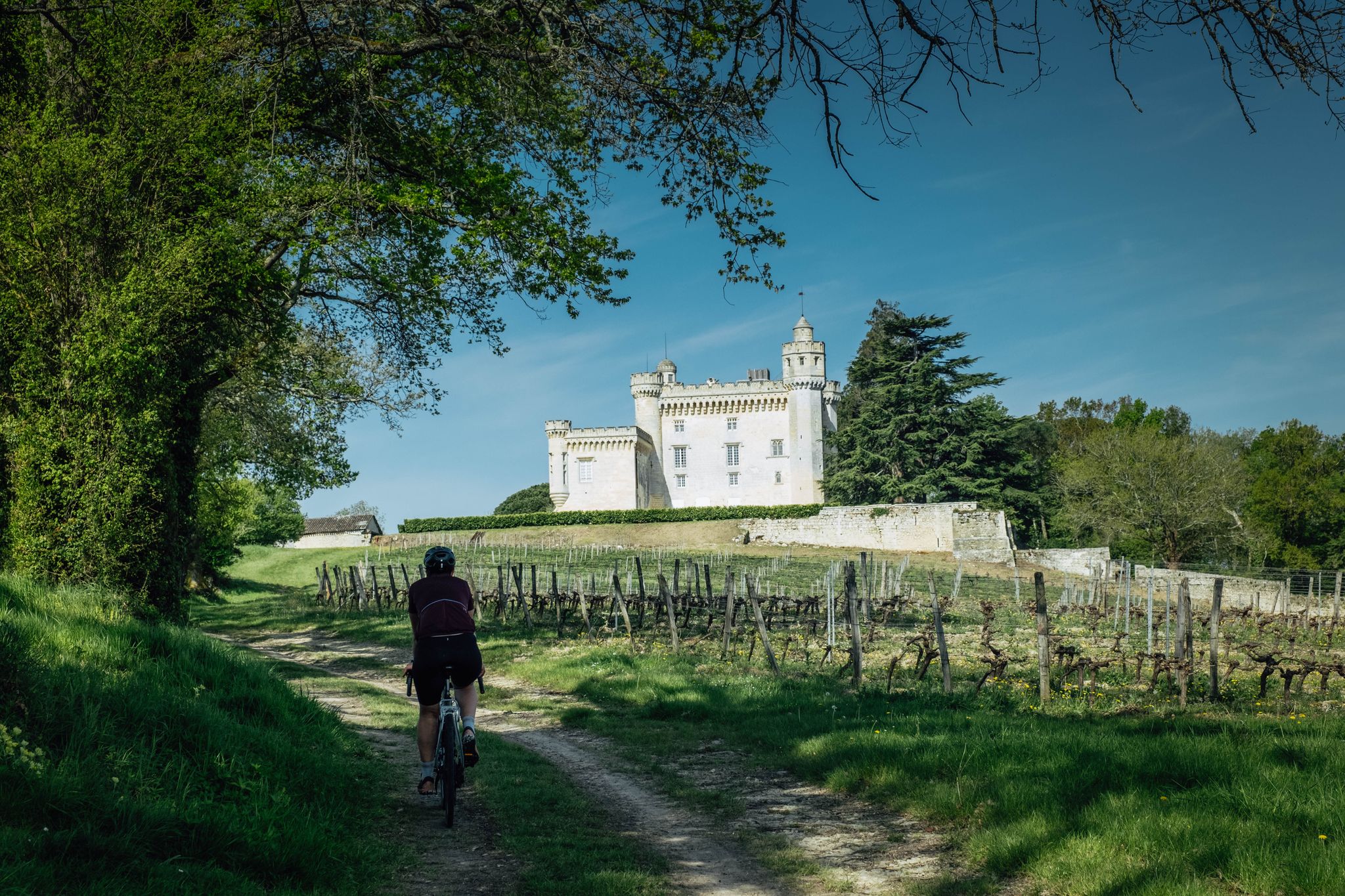
Château Pontet d'Eyrans
Highlight • Castle
Translated by Google •
Tip by
Market and Saint-Saturnin Church of Braud-et-Saint-Louis
Highlight • Religious Site
Translated by Google •
Tip by
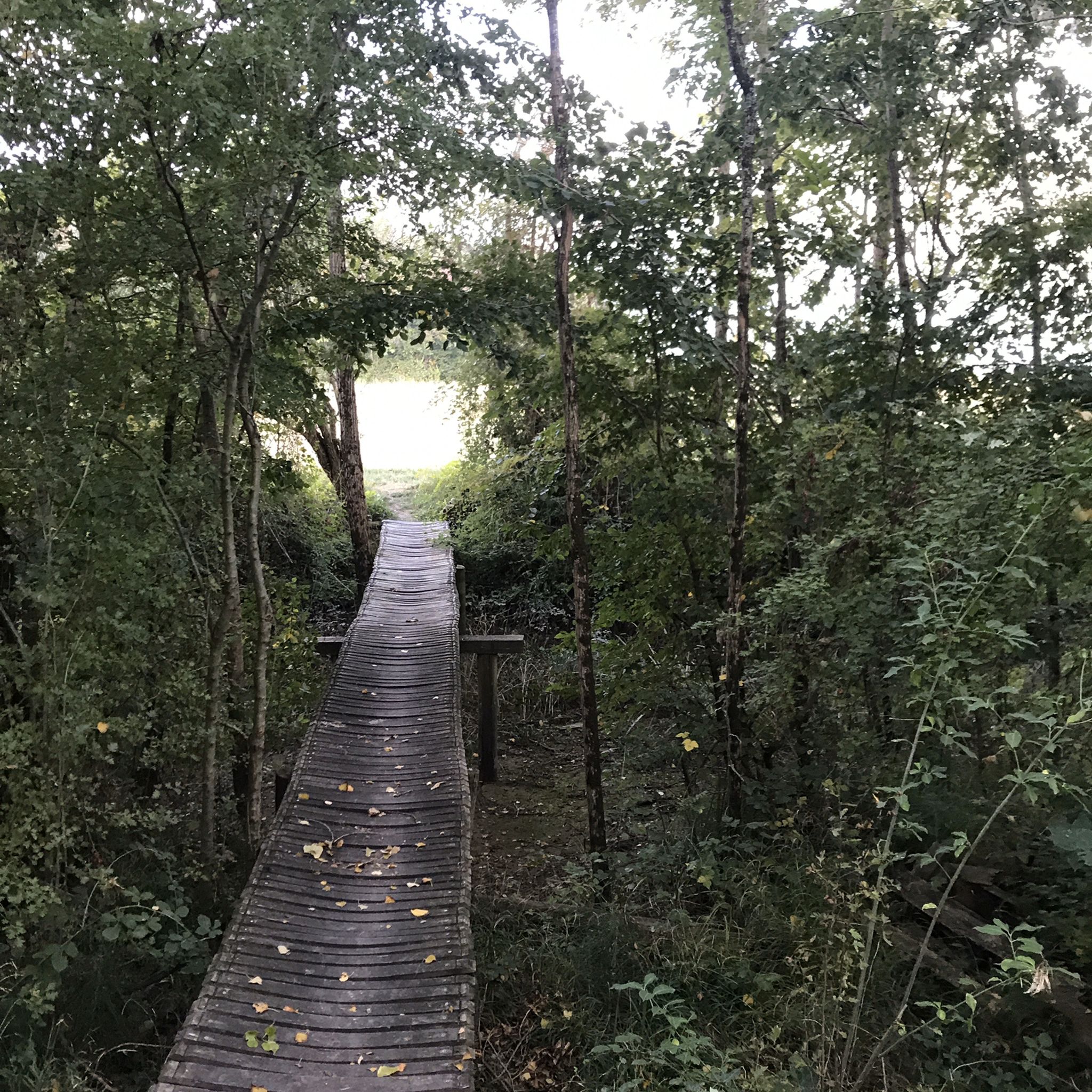
Blaye-Etauliers - Cycle path 🚴
Highlight (Segment) • Other
Tip by
Sign up for free to discover even more attractions around Blaye.
Already have an account?
Start today with a free account
Your next adventure awaits.


Tips from the Community

This road bridge was built by Gustave Eiffel, between 1879 and 1883, on the foundations of a first suspension bridge (1839-1869) carried away by a storm. Destroyed during the Second World War, it was rebuilt by his grandson. The access ramp is supported by stone arcades which, seen from below, have the appearance of a Gothic cathedral.
0
0

Very pleasant moment. The crossing costs €6 for an adult pedestrian and €3 for a bicycle. You can buy your ticket online in advance on the website. The opening hours are also available online. Upon arrival in Lamarque, there are places to eat and toilets.
0
0
A little piece of history with this bridge built by Gustave Eiffel!
0
0

Opposite the church, you'll find a small supermarket, public restrooms, and drinking water. Always interesting.
0
0


This neo-Gothic church was built to replace the dilapidated church of the Recollect Fathers, a men's convent founded in 1627. In the 19th century, the church wanted to encourage a revival of Catholic worship; it encouraged the construction of new religious buildings in Gironde. Thus, in 1856, the Saint-Géronce church was consecrated. Due to lack of space, its apse was oriented towards the south, contrary to what the liturgy provided. The organ, which has its original construction from 1861, is remarkable. Mass is celebrated there every Sunday morning at 10:00 a.m.
0
0
The Church of Saint-André-du-Nom-de-Dieu includes sections whose construction dates from the 12th to the 19th centuries. It was built by the Benedictines of the Abbey of La Sauve-Majeure and was once used by a priory founded after 1115, dependent on the abbey. The dominant style of this fortified church is Romanesque. Its massive, square-based bell tower is imposing. The building boasts beautiful stained-glass windows and a remarkable organ case. The church was last restored in 1977. The Virgin of Mercy is an alabaster sculpture dating from the 16th century and is a listed historic monument.
1
0
Frequently Asked Questions
What historical sites can I explore in Blaye?
Blaye is rich in history. The most prominent site is the Citadel of Blaye, a magnificent 17th-century fortress designed by Vauban and a UNESCO World Heritage site. Within its walls, you can also find the ruins of the medieval Château des Rudel and the Basilica of Saint-Romain. Nearby, you can visit the Bourg-sur-Gironde Citadel, which has a history spanning from Gallo-Roman times, and the Gallo-Roman Villas of Plassac, known for their preserved mosaics.
Are there any UNESCO World Heritage sites in the Blaye area?
Yes, the Blaye area is home to significant UNESCO World Heritage sites. The Citadel of Blaye, along with Fort Paté (on an island in the Gironde Estuary) and Fort Médoc (on the western bank), form the strategic "Verrou Vauban" (Vauban's Lock) defense system, all recognized for their outstanding universal value.
What natural features define the Blaye region?
The most significant natural feature is the Gironde Estuary, Europe's largest, formed by the confluence of the Dordogne and Garonne rivers. You can enjoy cruises to its islands or kayaking. Other natural attractions include the expansive Double Forest, the Terres d'Oiseaux bird sanctuary, and the romantic Moulin de Charlot, popular with hikers. The Grotte de Pair-non-Pair, one of Europe's oldest decorated caves, is also nearby.
Can I find family-friendly attractions around Blaye?
Many attractions in Blaye are suitable for families. The Citadel of Blaye offers ramparts to explore, artisan shops, and cafes, often with entertainment during summer evenings. Religious buildings like Saint-Géronce Church and Market and Saint-Saturnin Church of Braud-et-Saint-Louis are also listed as family-friendly. Exploring the Gironde Estuary by boat or visiting the Terres d'Oiseaux bird sanctuary can also be great family outings.
What kind of outdoor activities are available near Blaye?
The Blaye region offers diverse outdoor activities, especially cycling. You can find numerous routes for gravel biking, mountain biking, and road cycling. For example, explore the "Boucle de la Citadelle de Blaye" for MTB or "A loop between Saint-André and Libourne" for road cycling. You can find more details and routes on the Gravel biking around Blaye, MTB Trails around Blaye, and Road Cycling Routes around Blaye guide pages.
Where can I experience local culture and markets in Blaye?
Blaye hosts vibrant weekly markets every Wednesday and Saturday in front of the Citadel. Here, you can discover local produce, including the famous Blayais asparagus, and fresh seafood from the Gironde estuary. The region is also renowned for its Merlot-based Côte de Blaye appellation wines, with many family estates offering tours and tastings.
Are there any unique architectural landmarks to see?
Beyond the Citadel, the Eiffel Bridge of Cubzac-les-Ponts is a notable architectural landmark. This historical bridge, designed by Gustave Eiffel's company, features a newly created bike path and panels detailing its history. Another impressive structure is the Eiffel Bridge over the Dordogne River, also with a rich history.
What are some lesser-known or 'hidden gem' attractions near Blaye?
For a unique experience, visit the Grotte de Pair-non-Pair, one of Europe's oldest decorated caves with prehistoric engravings. The Corniche Road (Corniche Fleurie) offers a picturesque drive lined with troglodyte houses and fishermen's huts. The Terres d'Oiseaux bird sanctuary near Port des Callonges is another peaceful spot for nature lovers.
Is the Blaye Citadel accessible for visitors with mobility concerns?
While the Citadel of Blaye itself is a large historical site with cobblestone streets and ramparts, some parts may be challenging for those with mobility concerns. However, the Blaye–Lamarque Ferry and the Eiffel Bridge of Cubzac-les-Ponts are listed as wheelchair accessible, offering alternative ways to experience the region.
What is the best time of year to visit Blaye for outdoor activities?
The spring and summer months generally offer the best weather for outdoor activities in Blaye, with warmer temperatures ideal for cycling, exploring the estuary, and visiting vineyards. Spring also brings the "Printemps des Vins" event within the Citadel, a great time for wine enthusiasts. However, the region's mild climate allows for exploration throughout much of the year.
How can I cross the Gironde Estuary from Blaye?
You can cross the Gironde Estuary using the Blaye–Lamarque Ferry. This ferry service connects Blaye on the right bank to Lamarque on the Médoc side, offering a scenic 20-minute crossing and avoiding a two-hour detour by road. Timetables and real-time information can be found on transgironde.fr.
Are there opportunities for wine tourism in the Blaye region?
Absolutely. The Blaye region is famous for its Merlot-based Côte de Blaye appellation wines. You can visit the Maison des Vins for tastings or explore numerous family-owned estates, such as Château Bel-Air La Royère and Château Marquis de Vauban, which often offer tours and direct sales. The annual "Printemps des Vins" event in the Citadel is a highlight for wine lovers.
What are some options for birdwatching or enjoying nature?
For birdwatching and enjoying the natural environment, the Terres d'Oiseaux bird sanctuary and marshland area near Port des Callonges is an excellent choice. The Double Forest also provides a rich ecosystem with diverse flora and fauna, including migratory birds, offering peaceful opportunities for nature observation.
Most popular routes around Blaye
Most popular attractions around Blaye

Get inspired with the komoot mobile app


Didn’t find what you were looking for?
Are you keen on exploring more awesome places nearby? Browse our guides:
Explore more
Still not found the Highlight you’re looking for? See guides of the top attractions in other regions:
