Attractions and Places To See around Saintes - Top 20
Best attractions and places to see around Saintes include a diverse array of historical sites, natural landscapes, and cultural points of interest. The city, recognized as a 'Ville d'Art et d'Histoire', is situated on the Charente River and boasts a rich Roman and medieval heritage. Visitors can explore ancient ruins, religious buildings, and scenic riverbanks. The surrounding region offers varied terrain, from marshlands to forests, providing opportunities for outdoor activities.
Best attractions and places to see around Saintes
- The most popular attractions is Crazannes Castle, a historical site built in the 14th century on the foundations of an 11th-century fortress. It is listed as a Historic Monument and is one of the oldest castles in Charente-Maritime.
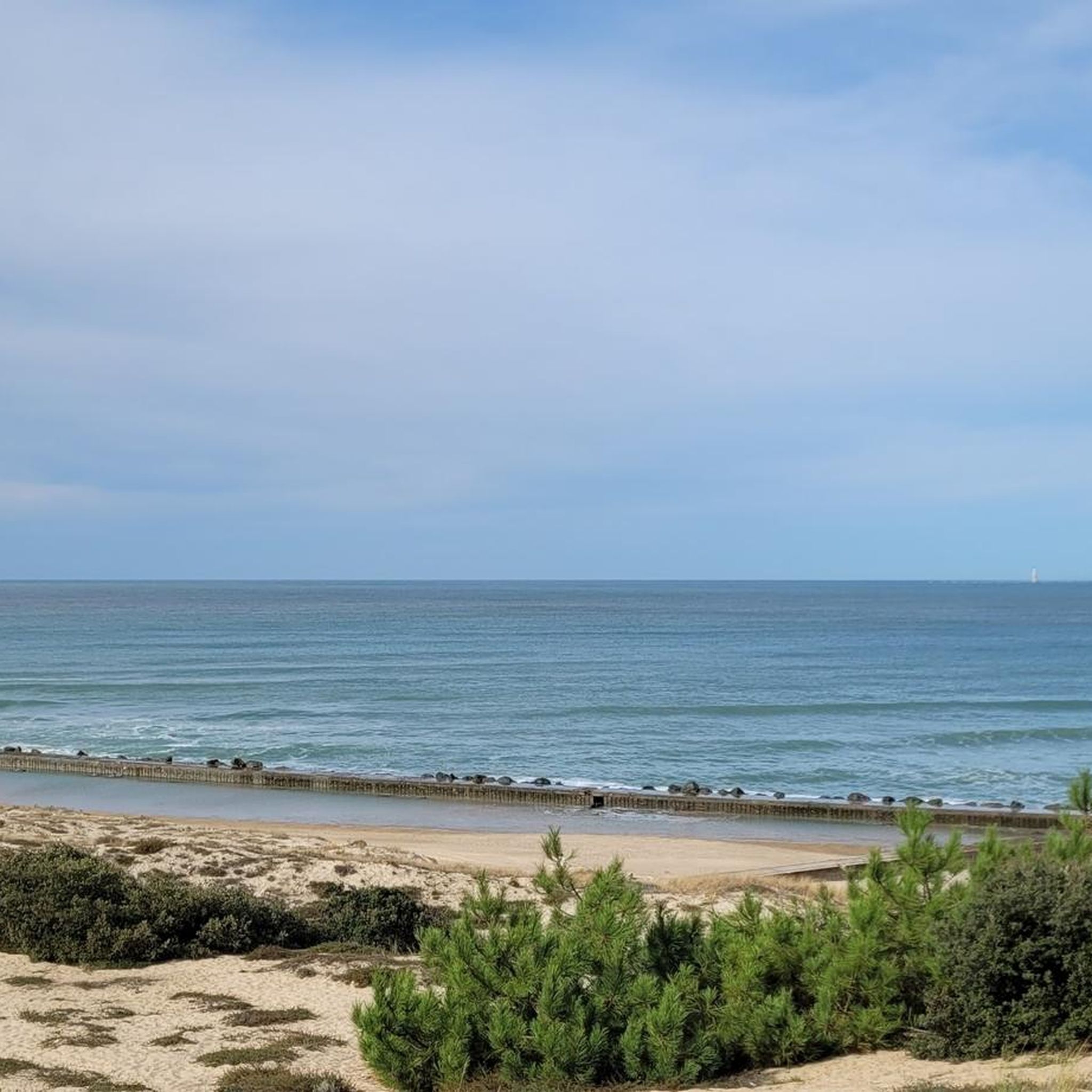
- Another must-see spot is Boulevard du Marais, a scenic route offering extensive views of the coast and the Talmont marshes. This area provides a contrast between brackish meadows and salt-tolerant flora.
- Visitors also love Abbaye de Fontdouce, a historical abbey founded around 1111. This site features Romanesque and Gothic architecture and is now a private property focused on tourist and cultural activities.
- Saintes is known for its Roman ruins, medieval abbeys, and natural riverine landscapes. The area offers a variety of historical, cultural, and natural attractions to see and explore.
- The attractions around Saintes are appreciated by the komoot community, with more than 175 upvotes and 11 photos shared.
Last updated: October 9, 2026
Boulevard du Marais
Highlight (Segment) • Other
Due to tidal variations, the landscape is constantly changing and is a constant source of wonder.
Translated by Google •
Tip by

Crazannes Castle
Highlight • Castle
Translated by Google •
Tip by
Sign up now to discover places like this
Get recommendations on the best single tracks, peaks, & plenty of other exciting outdoor places.
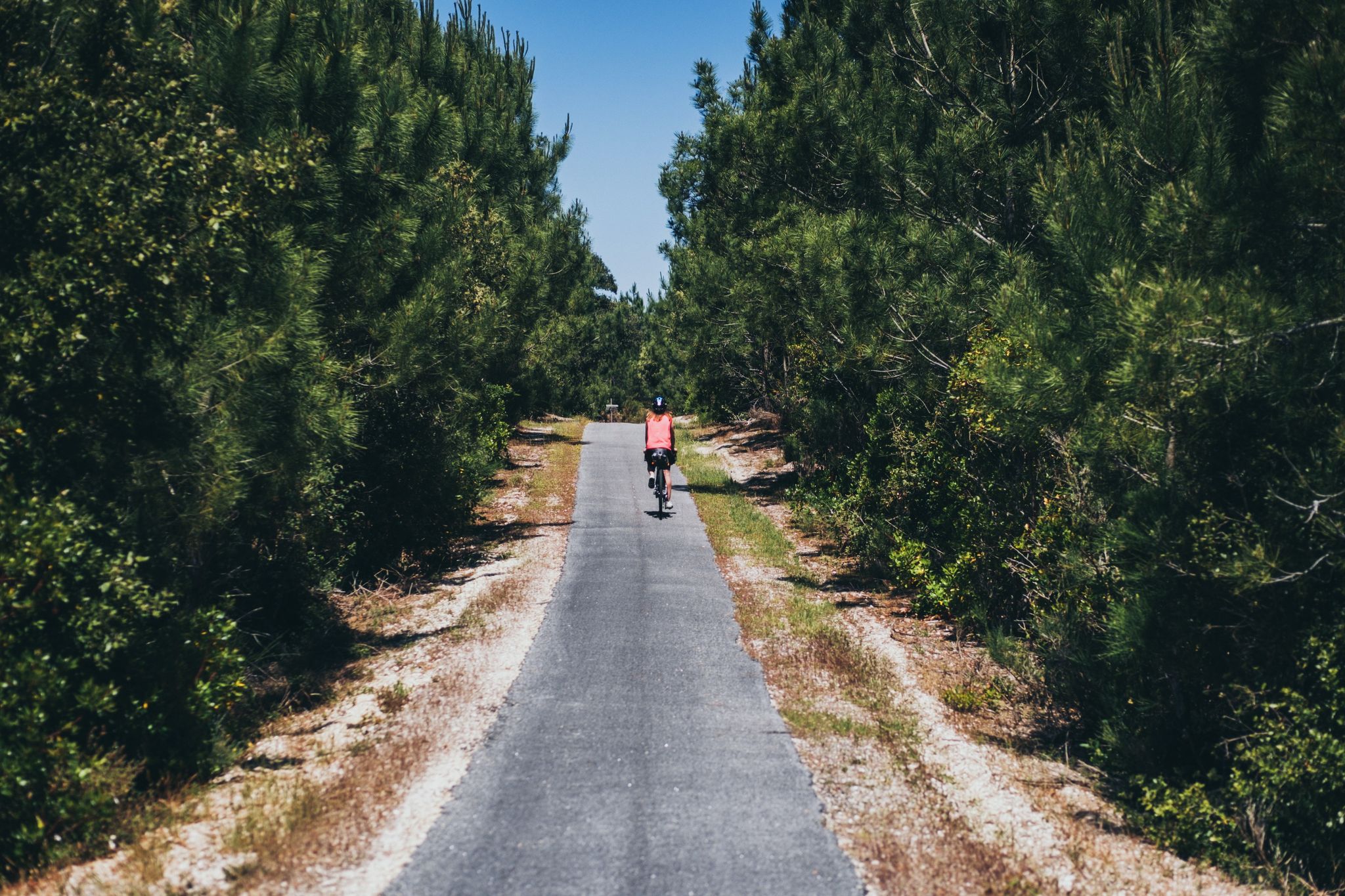
Marsh Cycle Path in Meschers-sur-Gironde
Highlight (Segment) • Cycleway
Translated by Google •
Tip by

Grottes de Matata
Highlight • Cave
Translated by Google •
Tip by

Chaniers chain bin
Highlight • Structure
Tip by

Abbaye de Fontdouce
Highlight • Historical Site
Translated by Google •
Tip by

Suzac Forest
Highlight • Forest
Translated by Google •
Tip by
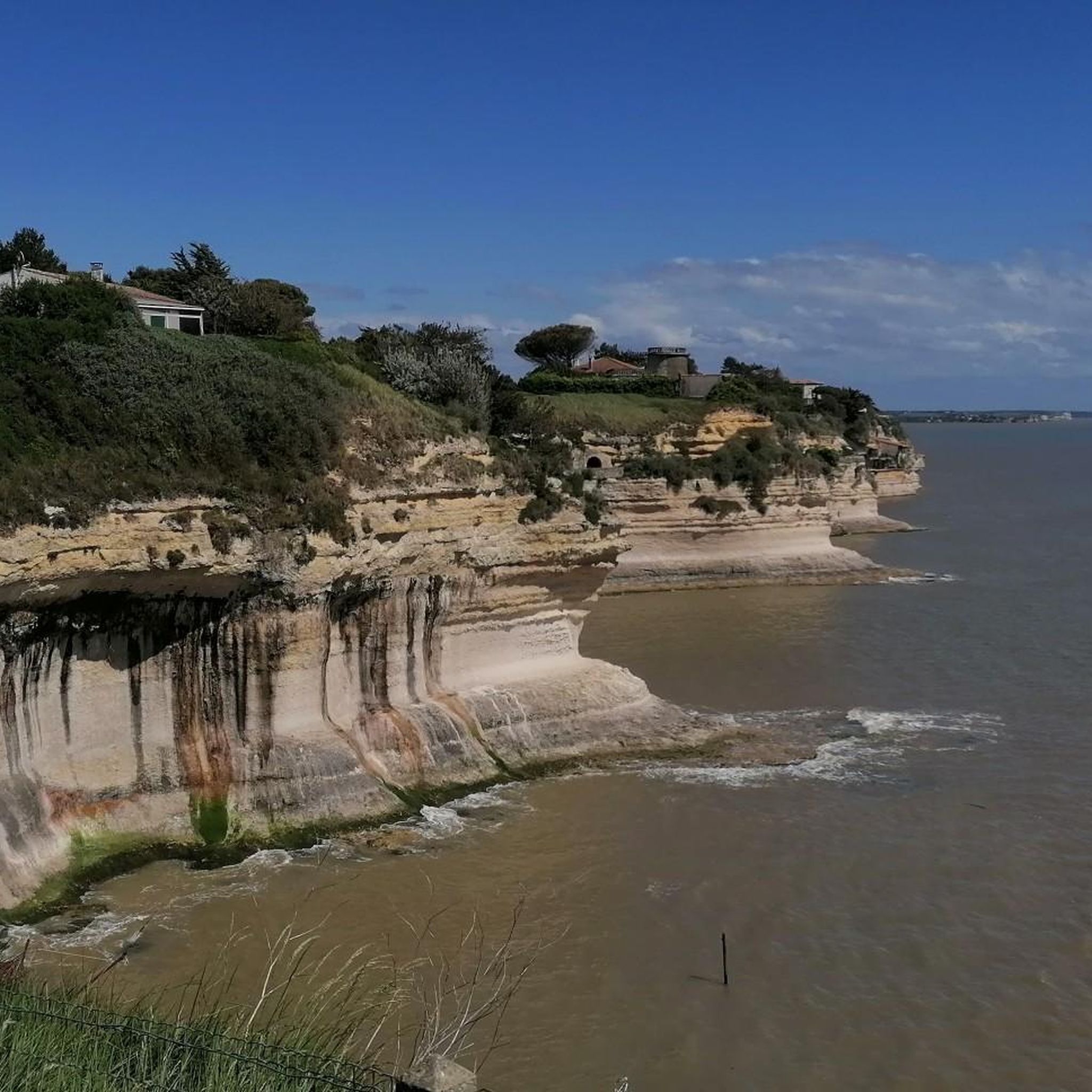
Caillaud cliff at Talmont sur Gironde
Highlight • Natural Monument
Tip by

Riberou Port
Highlight • Settlement
Translated by Google •
Tip by

Mortagne-sur-Gironde Marina
Highlight • Structure
The port of Mortagne-sur-Gironde has a capacity of 150 boats on pontoons but also a visitor area for stopovers with 20 places available. It is reserved for boats under 19 m. Attention, the maximum draft is 4 m. The depth of the outer harbor is 2.5 m (average tides) with dredged channel, of the basin 4 m on average, of the channel 3 m (average tides). The voltage and intensity of the electrical terminals are 220 V/16 A on the quay and 220 V/6 A on the pontoon. Water on the pontoon. Ice cream available at the Café de la Rive. The amenities include: 4 toilets and 2 showers, 2 sinks, 2 washing tubs, WIFI. Guarding ashore and afloat. A beaching area is available: 2 slipways (including 1 slipway), Slip, Shipyard.
Translated by Google •
Tip by
Sign up for free to discover even more attractions around Saintes.
Already have an account?
Start today with a free account
Your next adventure awaits.



Tips from the Community

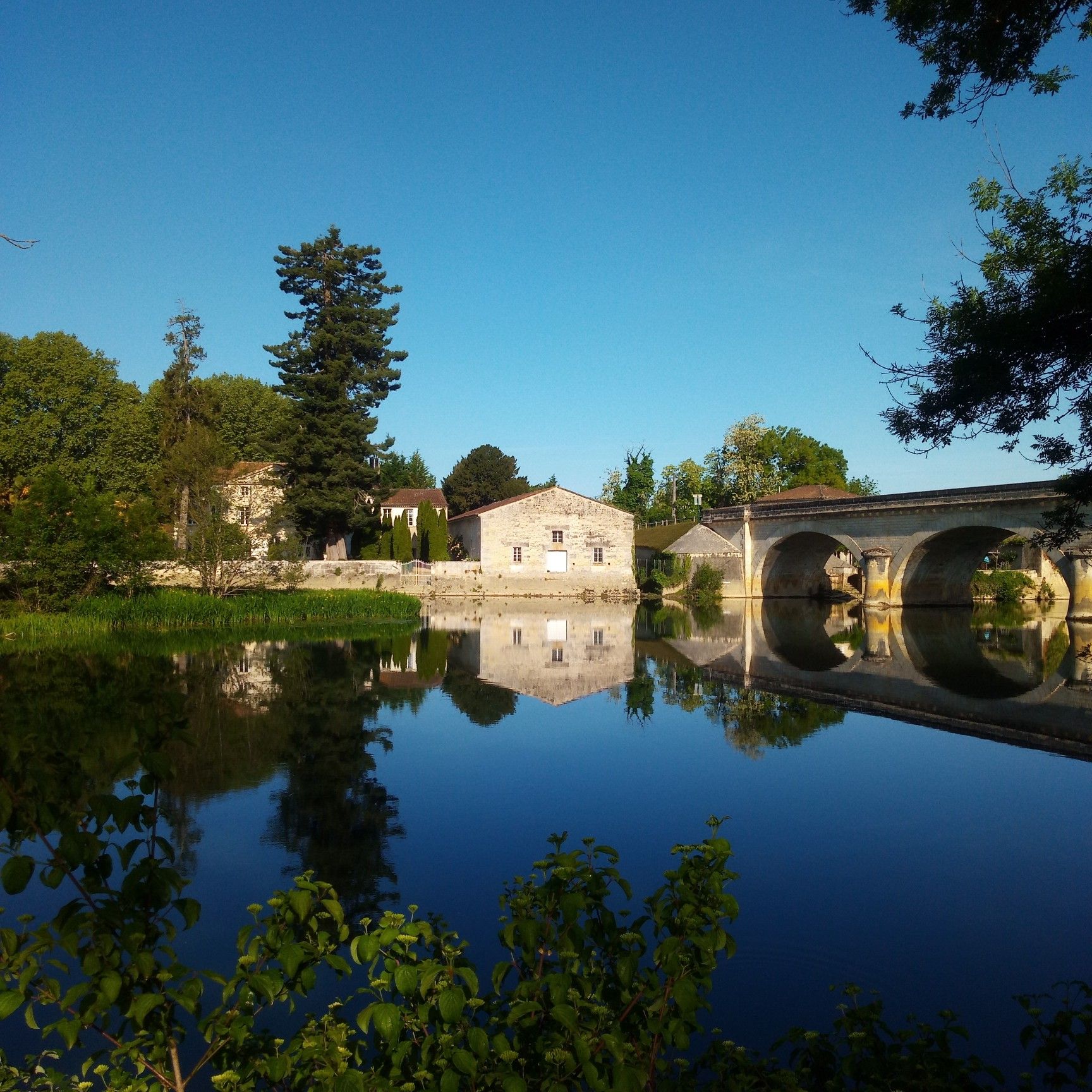
The Chaniers ferry (Charente-Maritime) is one of the last traditional river ferries still in operation in France. It allows crossing the Charente River between Chaniers and Courcoury, a few kilometers downstream from Saintes. A crossing used for centuries History of the Chaniers ferry The ferry crossing at Chaniers is very old: it dates back to the Middle Ages. In the mid-17th century, it was already an important crossing point on the Charente. It was not only used to cross the river: it also allowed residents to access the meadows on the other side, particularly for agricultural activities. In the early 20th century, the Chaniers ferry was part of a much larger network of crossings on the Charente. In 1909, thirteen ferries were still recorded in Charente-Inférieure, including the one in Chaniers. Ferries were essential at the time before the proliferation of bridges. Why "chain ferry"? The principle consists of holding the ferry on a chain connecting the two banks. The ferryman uses this chain to move the boat forward and keep it on its course despite the current. In Chaniers, the current ferry is motorized, unlike the ferry in Dompierre-sur-Charente, which is operated manually. The Tourist Office, however, still describes it as a "chain ferry," and the municipality as the traditional crossing method connecting Chaniers to Courcoury. The ferry today The crossing takes place between Le Communal in Chaniers and the Courcoury bank. It is free and can transport pedestrians, cyclists, and motorized vehicles. Its operation depends in particular on the flow of the Charente River. The municipality of Chaniers officially presents "the port of Chaniers and its chain ferry" as an element of its local heritage. Important point: I am correcting my previous message: the Chaniers ferry is not simply a "19th-century ferry." The crossing has been attested since the Middle Ages; it is its mode of operation and its equipment that have evolved over the centuries.
0
0

For this nature and its church
0
0
Very nice walk or bike ride
0
0
The port of Ribérou is a major heritage site in Saujon, bearing witness to a prosperous maritime past linked to the salt and wine trade. Transformed in the 19th century by ambitious works, it has now been reinvented as a place for living, relaxation, and preserving local history. 🛶 Origins and the Middle Ages The port of Ribérou takes its name from the Latin word ripa ("riverbank") or the Occitan word ribèira ("river"). It is located at the head of the Seudre estuary. It existed as early as the 11th century and became an important river and sea port thanks to its strategic position at the head of the estuary, used particularly for the salt trade—then called "white gold"—a highly sought-after product for preserving food. 🚢 Medieval Period and International Trade With the opening of British markets during the reigns of Eleanor of Aquitaine and Henry II Plantagenet, ships laden with wool, salt, wine, and other goods flocked to Ribérou. In the 16th century, the port exported local wines (such as cognac and pineau) throughout Europe. In 1577, during the Wars of Religion, the port was a strategic site: troops were stationed there, and battles took place. 🏗️ Decline, Reconstruction, and the 19th Century The estuary gradually silted up, making navigation difficult. By 1691, only smaller vessels could dock there. During the French Revolution, the sale of the tidal mill, which helped remove sediment, worsened the silting, leading to the port's decline. A modernization project began in 1822, but it wasn't until 1839 that an ambitious program was launched under the impetus of Jules Dufaure—a native of Saujon and Minister of Public Works—with the construction of sturdy quays, slipways, a lock bridge (marking the boundary between fresh and salt water), and reception facilities. In 1842, the work was completed, and the main quay was named Quai Dufaure in honor of this political support. 📉 Gradual Decline and Modernization The arrival of the railway in 1876 and the persistent problems of silting led to a decline in the port's traditional commercial activity, already facing competition from other transport networks. In the 20th century, the port gradually lost its economic importance but remained active for traditional fishing and became a place for pleasure boating, leisure, and local culture. Urban and tourism development projects (particularly in 2011–2012) modernized the port while preserving its historical charm. 🌊 Today The port of Ribérou is now a small fishing and pleasure port, much appreciated for its walks along the Seudre River, water sports (canoeing, kayaking, paddleboarding, etc.), and seasonal events.
0
0


Magnificent port
1
0

I really enjoyed this ride. I’m 46, I did it on a 40 year old road bike, it’s more suited to a cyclocross bike!
1
0
The port of Ribérou is a fishing and pleasure port located at the end of the Seudre estuary, in Saujon. It is one of the two ports in the city, along with that of Breuil, a little downstream. Active since the 11th century, it took on its current appearance from 1842, under the impetus of the Minister of Public Works at the time, Jules Dufaure, a "local boy", who thus attempted to revive maritime trade and fishing activities, which were then in decline. Ideally located, on the edge of the city center, the La Lande leisure center and the preserved areas of the Seudre marshes (towpaths transformed into walking trails), it has become one of the major tourist attractions in Saujon, where theme evenings and the July 14 fireworks are organized. In 2011, the municipality began a renovation program for the port site, entrusted to the architect-urban planner Sophie Blanchet. It consists of transforming the old car parks into a pedestrian esplanade, a real meeting place with modern street furniture and, in the long term, green spaces. From the quays, lined with bourgeois buildings, small picturesque streets lined with hollyhocks allow you to crisscross the district and reach the city centre. The Ribérou lock bridge, known as the "bridge of opposing waters", was renovated in 2010. It marks the separation between the waters of the estuary (port side: brackish water) and the waters of the river (retention basin side: fresh water). Ribérou is a starting point for certain water sports (canoeing and kayaking). It is approximately 250 metres long and 40 metres wide. From Ribérou, it is possible to reach successively the ports of Breuil (Saujon), L'Éguille, Mornac, Chaillevette, Chatressac (Chaillevette), Grandes Roches and Orivol (Étaules), La Grève in Duret and Coux (Arvert), La Grève (La Tremblade) and La Cayenne (Marennes).
0
0
Frequently Asked Questions
What historical sites can I explore in Saintes?
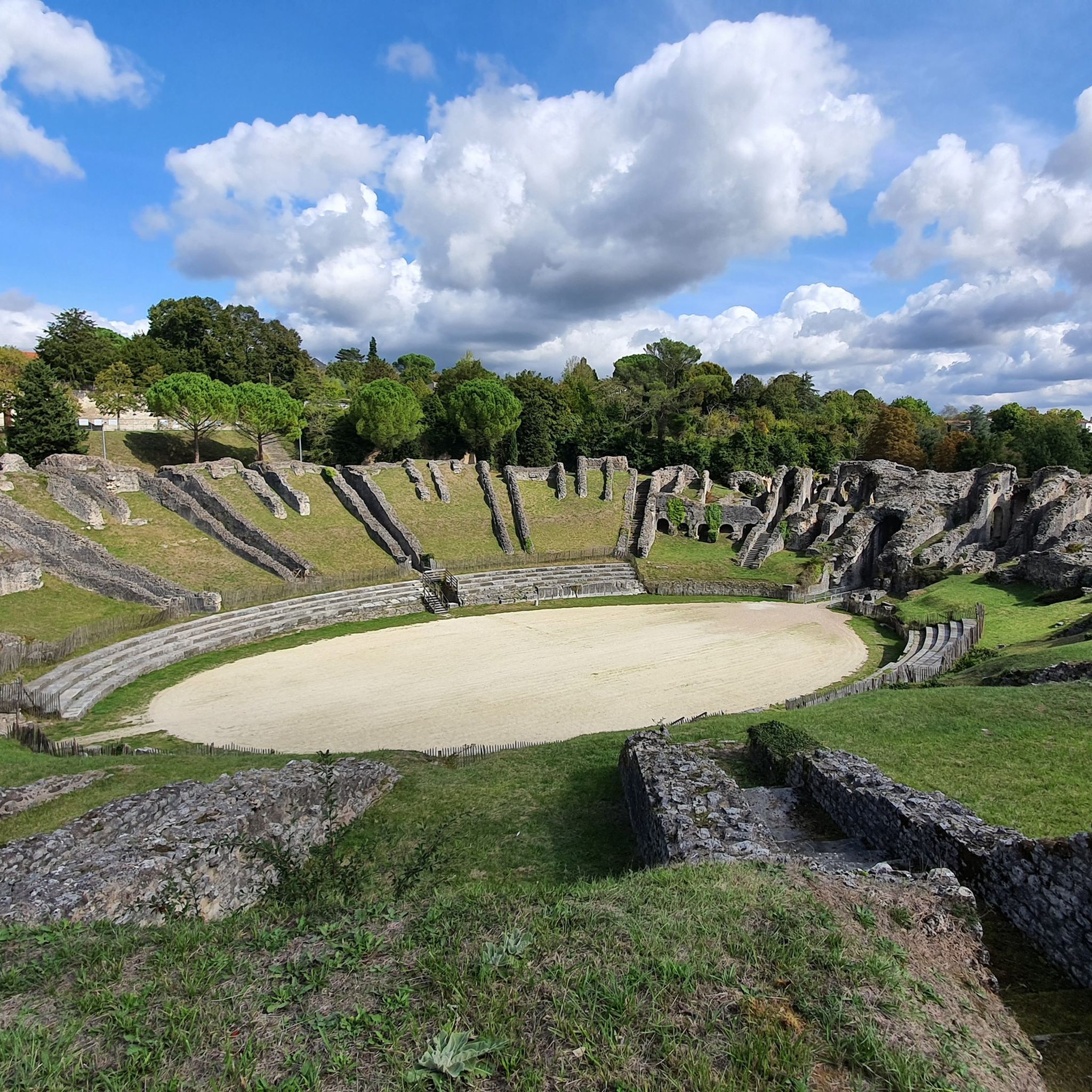
Saintes is rich in history, offering numerous Roman and medieval sites. You can visit the impressive Arch of Germanicus, the well-preserved Gallo-Roman Amphitheater, and the remains of the Baths of Saint-Saloine from the Roman era. For medieval history, explore the Saint-Pierre Cathedral, the Abbaye aux Dames with its ornate Romanesque façade, and the Basilica of Saint-Eutrope, a UNESCO World Heritage site known for its large crypt. Further afield, consider visiting Crazannes Castle, a 14th-century fortress, or the historical Abbaye de Fontdouce.
Are there natural areas or scenic viewpoints to enjoy around Saintes?
Yes, Saintes is situated on the Charente River, offering pleasant walks along its banks. You can also find the Prairie de la Palu, a protected nature zone in the city center. For scenic views, the Boulevard du Marais provides extensive vistas of the coast and Talmont marshes. The Marsh Cycle Path in Meschers-sur-Gironde also offers panoramic views of the marshes. The Caillaud cliff at Talmont sur Gironde and Suzac Forest are other natural highlights.
What outdoor activities can I do near Saintes?
The region around Saintes is excellent for outdoor activities. You can find numerous hiking trails, such as the moderate 'Crazannes – loop' or the easy 'Saintes – loop'. For cycling, the 'View of the Arch of Germanicus – Port of the Lys loop' is a popular gravel biking route. Mountain biking enthusiasts can explore trails like the 'Abbaye de Fontdouce – Descent in the Forest loop'. You can find more details and routes in the hiking guide, gravel biking guide, and MTB trails guide for Saintes.
Are there any family-friendly attractions in Saintes?
Yes, several attractions cater to families. Crazannes Castle is listed as family-friendly, offering a historical experience. The Abbaye de Fontdouce also welcomes families. Natural spots like the Marsh Cycle Path in Meschers-sur-Gironde and Suzac Forest are great for family outings. Additionally, the Paléosite near Saintes offers interactive exhibits on prehistory, which can be engaging for children.
Where can I learn more about the Roman past of Saintes?
To delve deeper into Saintes' Roman heritage, visit the Archaeological Museum located near the Arch of Germanicus. It houses a collection of Roman artifacts, including sculptures, inscriptions, and a restored Roman wagon. You can also explore the Gallo-Roman Amphitheater and the remains of the Baths of Saint-Saloine to visualize Roman daily life.
What cultural experiences does Saintes offer beyond historical ruins?
Beyond its ancient ruins, Saintes is a 'Ville d'Art et d'Histoire'. The Abbaye aux Dames now functions as a cultural center and hosts the annual Saintes Festival. You can also visit the Musée de l'Échevinage for fine arts, the Musée Dupuy-Mestreau for regional art, and the Haras National to see Poitevin workhorses and Poitou donkeys. The Gallia Theater is a notable performance venue.
Can I find easy walking paths in Saintes?
Yes, Saintes offers several easy walking options. You can enjoy pleasant strolls along the banks of the Charente River or through the Jardin Public. The Saintes Green Line City Walk, marked on the street, guides you through many landmarks and beautiful spots in the city center. The 'Saintes – loop' hiking route is also rated as easy.
Are there any unique or lesser-known attractions to discover?
For a unique experience, consider the Grottes de Matata, a series of caves that house a museum depicting troglodyte habitat from prehistory to the 19th century, offering a fascinating glimpse into local history and a great viewpoint. The Paléosite, an interpretation center dedicated to prehistory near Saintes, also offers interactive and virtual reality experiences.
What is the best way to explore the city center of Saintes?
The best way to explore the city center is on foot. You can wander through the Old Town Centre to discover Renaissance houses, charming shops, and cafés. The Saintes Green Line City Walk is a particularly helpful way to ensure you see many of the key landmarks and beautiful spots, with maps available from the tourist office.
What are some notable religious buildings in Saintes?
Saintes is home to several significant religious buildings. The Saint-Pierre Cathedral, with its Gothic bell tower, dominates the skyline. The Abbaye aux Dames is an important Romanesque abbey with an ornate façade. The Basilica of Saint-Eutrope, a UNESCO World Heritage site, is a pilgrimage stop on the route to Santiago de Compostela, notable for its two sanctuaries and large crypt. You can also find the Saint Saturnin Church, Meschers nearby.
What kind of terrain can I expect for outdoor activities around Saintes?
The region around Saintes offers varied terrain. You'll find flat marshlands, such as those around the Boulevard du Marais and the Marsh Cycle Path in Meschers-sur-Gironde, which are ideal for easy cycling and walking. The wider Val de Saintonge features hilly landscapes, popular with hikers and cyclists, while the valleys of the Charente and Boutonne rivers provide opportunities for aquatic activities.
Most popular routes around Saintes
Most popular attractions around Saintes

Get inspired with the komoot mobile app


Didn’t find what you were looking for?
Are you keen on exploring more awesome places nearby? Browse our guides:
Explore more
Still not found the Highlight you’re looking for? See guides of the top attractions in other regions:
