The best road cycling routes around Jonzac
4.7
(73)
1,433
riders
415
rides
Road cycling routes around Jonzac traverse the diverse landscapes of southern Charente-Maritime, characterized by rolling countryside, extensive vineyards, and the verdant River Seugne valley. The region offers varied terrain, from the flat sections along the Gironde Estuary to the more undulating hills of Haute-Saintonge. Cyclists can explore well-paved surfaces through wooded areas and open farmland, with routes catering to different fitness levels.
Best road cycling routes around Jonzac
- The most popular road cycling route is Loop of Montendre, Saint-Palais, and…
Last updated: August 17, 2026
3
riders
51.3km
02:25
440m
440m
This moderate 31.9-mile road cycling loop from Coux explores the diverse landscapes of Haute-Saintonge, passing Montendre and Saint-Palais.
2
riders
101km
04:41
970m
970m
Hard road ride. Very good fitness required. Mostly well-paved surfaces and easy to ride.

Sign up for free
2
riders
84.5km
03:36
470m
470m
Moderate road ride. Good fitness required. Mostly well-paved surfaces and easy to ride.
1
riders
Moderate road ride. Good fitness required. Mostly well-paved surfaces and easy to ride.
1
riders
104km
04:33
680m
680m
Moderate road ride. Good fitness required. Mostly well-paved surfaces and easy to ride.
106km
04:45
680m
680m
Moderate road ride. Good fitness required. Mostly well-paved surfaces and easy to ride.
4.5
(2)
51
riders
Moderate road ride. Good fitness required. Some segments of this route may be unpaved and difficult to ride.
5.0
(1)
21
riders
62.8km
02:38
370m
370m
Moderate road ride. Good fitness required. Some segments of this route may be unpaved and difficult to ride.
5.0
(3)
13
riders
39.7km
01:36
200m
200m
Easy road ride. Great for any fitness level. Mostly well-paved surfaces and easy to ride.
13
riders
53.9km
02:20
440m
440m
Moderate road ride. Good fitness required. Mostly well-paved surfaces and easy to ride.
Get access to more routes and recommendations from other explorers.
Sign up for free
Already have an account?
Our route recommendations are based on thousands of hikes, rides, and runs completed by other people on komoot.
Start today with a free account
Your next adventure awaits.
Login or Signup
Popular around Jonzac
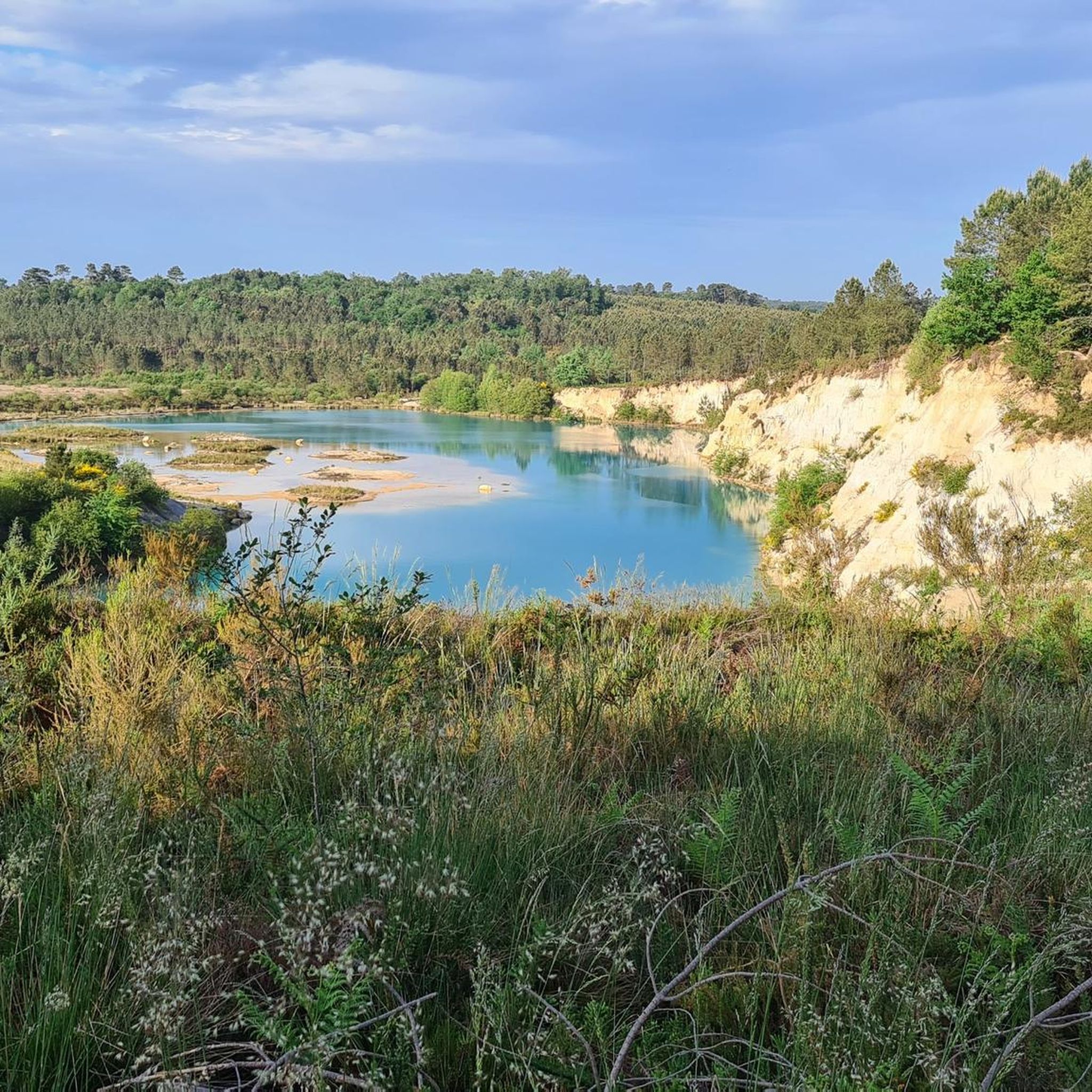
Road Cycling Routes around La Genétouze

Road Cycling Routes around Boscamnant

Road Cycling Routes around Rouffignac
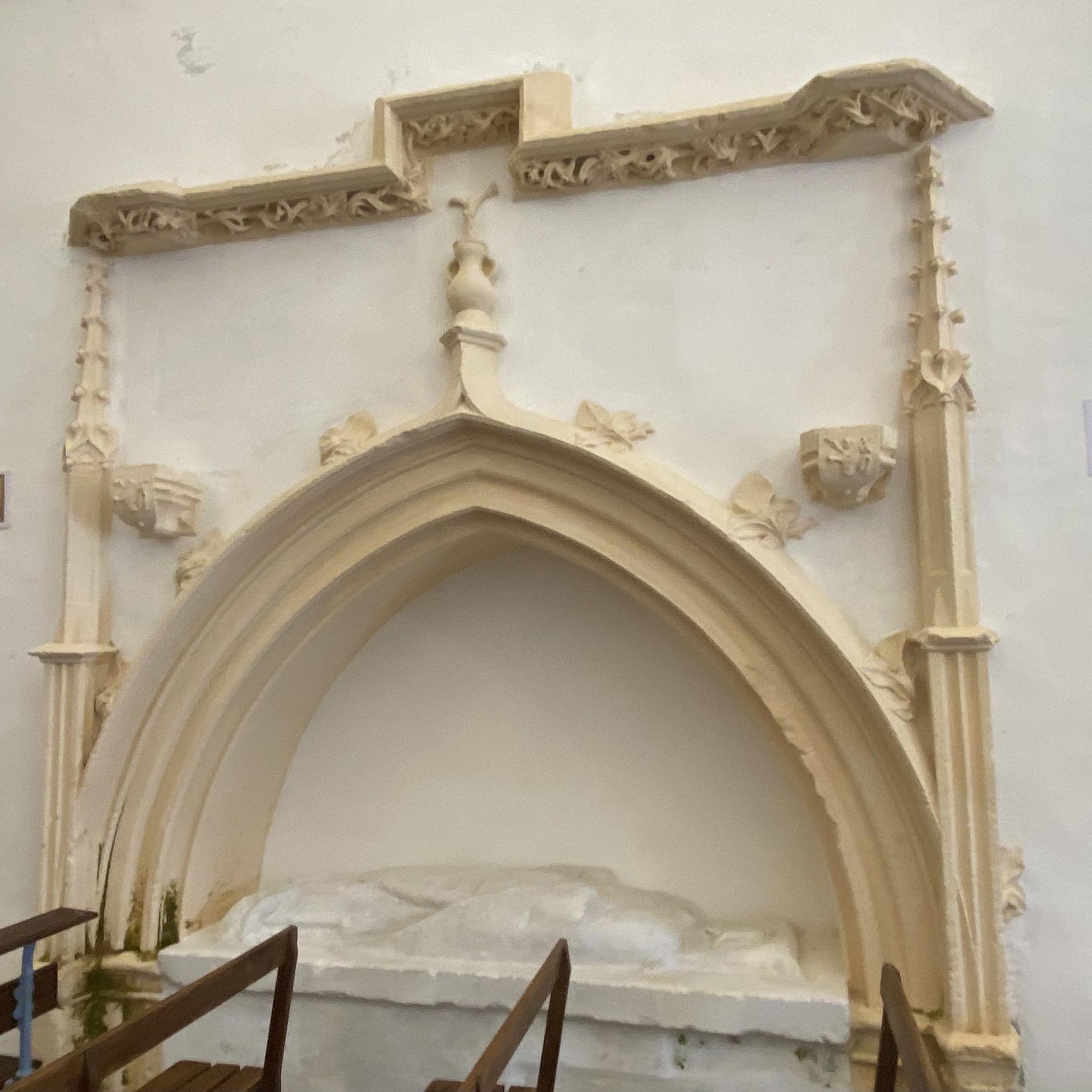
Road Cycling Routes around Salignac-De-Mirambeau

Road Cycling Routes around Villexavier

Road Cycling Routes around Agudelle

Road Cycling Routes around Tugéras-Saint-Maurice
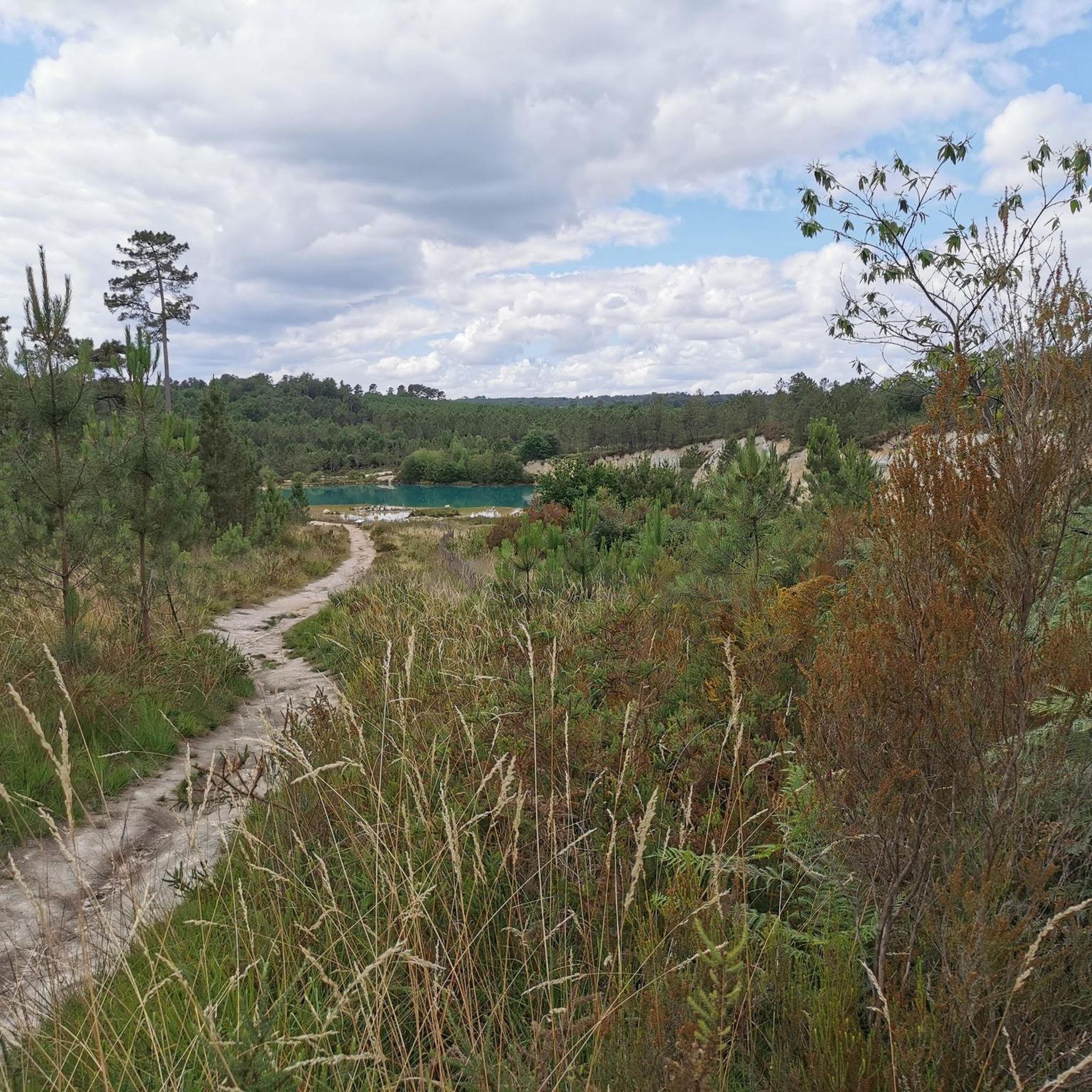
Road Cycling Routes around Le Fouilloux
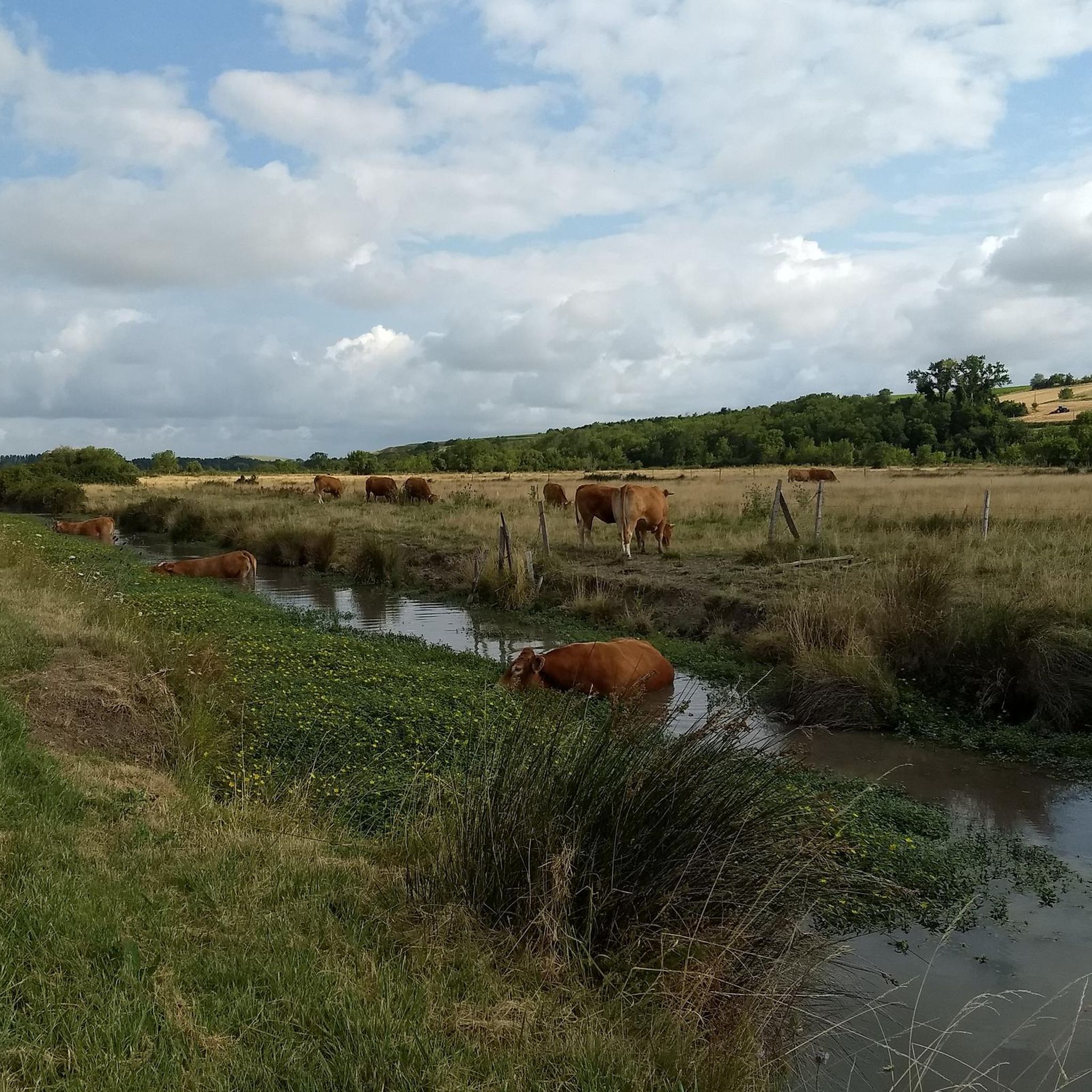
Road Cycling Routes around Givrezac
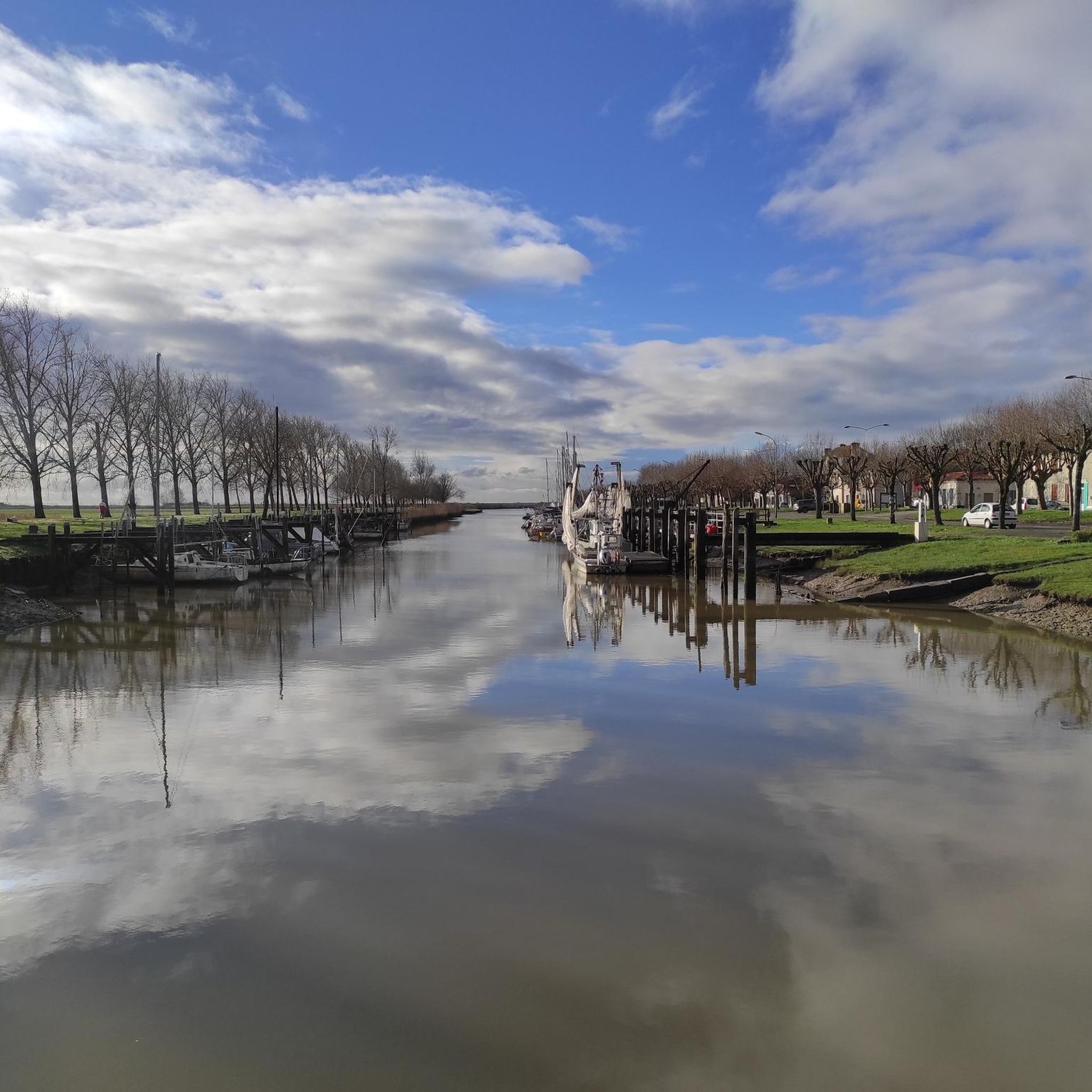
Road Cycling Routes around Saint-Fort-Sur-Gironde
Other adventures around Jonzac

Tips from the Community

The site of La Baine, in Chaniers, predates the current mill. 14th century: the first attested mills A document dated 1310 mentions cloth mills at La Baine. They were built on piles driven into the riverbed and were used, among other things, for fulling fabrics. These mills then belonged to the dean and chapter of the cathedral of Saintes. They had been destroyed a few years earlier by the Count of la Marche. In 1313, the chapter obtained authorization to rebuild two mills, a weir, and a fishery. 17th century: Colbert's royal mill It was in the 17th century that La Baine gained considerable importance. A complex of five wheat mills was rebuilt on a secondary branch of the Charente, which was not used for navigation. Around 1630, the mills belonged to the brothers Charles and Jacques Duval, who held the beneficial ownership, while the lordship of Chaniers was under the chapter of the Saint-Pierre de Saintes cathedral. Then came Jean-Baptiste Colbert, minister to Louis XIV and Secretary of State for the Navy. Around 1670, Colbert had the mill redeveloped and enlarged to considerably increase its production capacity. The new complex had seven water passages and thus became one of the most powerful mills in the region. Why was Colbert interested in La Baine? The reason was directly linked to the creation and development of the Rochefort arsenal. The mill primarily produced wheat and barley flour intended for the sustenance of the Royal Navy sailors. The grains arrived via the Charente aboard gabares (flat-bottomed barges). After delivering their cargo to the mill, the gabares departed with the flour destined, among other places, for Rochefort. The mill of La Baine was therefore part of a true royal industrial and logistical system organized around the Charente and Rochefort. 19th century: gradual transformation In the 19th century, milling activity continued. The old mills gradually became a true industrial establishment. In 1845, the site was operated by five different millers. From 1897, the complex was gradually brought together by Mr. Lardy, who modernized the facilities and introduced machinery. His son Rémy Lardy succeeded him. 20th century: the flour mill In the 1930s, the mill had become a true industrial flour mill. Its capacity reached about 50 quintals of wheat per day. In 1936, the hydraulic power was supplied by several wheels about 5 meters in diameter. The total water intake was about 4 meters, with a head of 1.50 meters. The facilities included, among other things: two double grinders; a double converter; a pair of millstones; a plansichter; five purifiers. Milling activity finally ceased in the mid-20th century, with sources placing the end of industrial activity around the years 1940-1960, depending on whether one refers to the flour mill or the complete disappearance of milling activity. Today The building has been preserved and transformed into a restaurant, while retaining remarkable elements of its industrial past, notably the wheel and part of the old machinery. The Moulin de la Baine is now located at 14 rue Colbert, 17610 Chaniers, directly above the Charente. A particularly interesting point The mill, the dam, and the locks form an inseparable historical ensemble. The current dam has, however, undergone modern transformations: a prefectural decree from 2012 classifies the hydraulic structure of the Moulin de La Baine as a Class D dam, among other things.
0
0

Very pleasant moment. The crossing costs €6 for an adult pedestrian and €3 for a bicycle. You can buy your ticket online in advance on the website. The opening hours are also available online. Upon arrival in Lamarque, there are places to eat and toilets.
0
0

Opposite the church, you'll find a small supermarket, public restrooms, and drinking water. Always interesting.
0
0

Even more beautiful after its restoration
0
0
Waterbird reserve on the north of the island of Oléron
1
0


The Saint-Saturnin Church was built in 1898 after the previous church was destroyed during the French Revolution. Near the church stands the Column of the Shipwrecked, an ex-voto erected by Nordic sailors who survived a shipwreck in the early 17th century. Located on the right bank of the Gironde River, Europe's largest estuary, the town owes its wealth of infrastructure and sports facilities to the presence of the Blayais National Park. In the heart of the marshland, its territory boasts typical wetland landscapes, home to exceptional flora and fauna. Discover it on bike rides or by visiting the "Terres d'oiseaux" bird park, next to the port of Callonges. A major producer of asparagus from Blayais, but also a wine-growing commune located in one of the largest vineyards in the world, Bordeaux, Braud-et-Saint-Louis also borders the appellations of cognac and pineau des Charentes.
0
0
Frequently Asked Questions
How many road cycling routes are available around Jonzac?
There are over 380 road cycling routes around Jonzac, offering a wide variety of options for different skill levels and preferences. The komoot community has explored these routes over 1200 times, highlighting the region's popularity among cyclists.
What kind of terrain can I expect on road cycling routes near Jonzac?
The terrain around Jonzac is diverse, ranging from the flat sections along the Gironde Estuary to the undulating hills of Haute-Saintonge. You'll find well-paved surfaces through vineyards, wooded areas like the forest of La Lande, and open farmland, providing varied and picturesque backdrops for your rides.
Are there road cycling routes suitable for beginners or less experienced riders in Jonzac?
Yes, Jonzac offers several easy road cycling routes. For instance, the Jonzac Castle loop from Plassac is an easy 39.7 km ride with moderate elevation, perfect for a relaxed outing. Another easy option is the Roadbike loop from La Genétouze, covering 22.6 km.
What options are there for experienced road cyclists seeking a challenge?
Experienced road cyclists can find challenging routes with significant elevation gains. The Between Charente and Charente-Maritime – loop is a difficult 101.1 km path with nearly 1000 meters of elevation gain, offering an extensive ride through the region's hilly terrain. Another substantial option is the Jonzac and Barbezieux in a loop, a 106.3 km route.
What historical sites or landmarks can I see while road cycling in Jonzac?
Many routes pass by historical sites. You can cycle past the 16th-century Jonzac Castle, or explore routes that take you through towns with charming architecture. The region is also dotted with other castles like Château de Montendre and Château de Mirambeau, offering glimpses into the area's rich heritage.
Are there scenic viewpoints or natural features to discover on the routes?
Absolutely. The region is known for its picturesque landscapes. You can cycle through the verdant River Seugne Valley, past extensive vineyards famous for Cognac, and along the rolling countryside of Haute-Saintonge. Routes near the Gironde Estuary, such as the Gironde Shores – Citadel of Blaye loop, offer magnificent views of wild marshes and white cliffs.
Are there family-friendly road cycling routes in the Jonzac area?
For family-friendly cycling, consider sections of the Scandibérique (EuroVelo 3) greenway. Built on an old railway line, it offers a safe, often shaded route with minimal elevation, ideal for outings with children. Additionally, some of the easier komoot routes are suitable for families.
Can I find circular road cycling routes around Jonzac?
Yes, many of the road cycling routes around Jonzac are designed as loops, allowing you to start and finish at the same point. Examples include the popular Loop of Montendre, Saint-Palais, and Mirambeau and the longer Climb from La Roche-Chalais through the woods - loop.
When is the best time of year to go road cycling in Jonzac?
The region benefits from a pleasant climate. Spring and autumn generally offer the most comfortable temperatures for road cycling, with less heat than summer and beautiful seasonal scenery. Summer can also be enjoyable, especially in the mornings or late afternoons, though it can get quite warm.
What do other road cyclists enjoy most about the routes in Jonzac?
The road cycling routes in Jonzac are highly rated by the komoot community, with an average score of 4.7 stars from over 60 reviews. Cyclists often praise the diverse landscapes, from vineyards to wooded areas, and the well-maintained surfaces that make for enjoyable rides. The variety of routes catering to all abilities is also a frequently mentioned positive aspect.
Are there routes that explore the famous Cognac vineyards?
Yes, Jonzac is situated amidst the Charente vineyards, famous for producing Cognac and Pineau des Charentes. Many road cycling routes, particularly those in the rolling countryside, will take you through these picturesque sunny hillsides, offering stunning views of the vine-covered landscapes.
Can I cycle along the Gironde Estuary?
Absolutely. The Gironde Estuary, less than an hour from Jonzac, offers fantastic road cycling opportunities. Routes along the right bank feature flat terrain with magnificent views of wild marshes, small fishing ports, and even the Médoc region across the water. The Citadel of Blaye – Blaye Citadel loop from Pleine-Selve is an example of a route exploring this area.
Most popular routes around Jonzac
Most popular attractions around Jonzac

Get inspired with the komoot mobile app


Didn’t find what you were looking for?
Check out more Road cycling routes throughout Jonzac below and find the perfect route in your destination.
Explore more
Browse the best Road cycling routes in other regions.
