Attractions and Places To See around Orléans - Top 20
Best attractions and places to see around Orléans include historical landmarks, natural parks, and cultural sites along the Loire River. The city is historically significant, particularly for its association with Joan of Arc, and features a blend of urban exploration and natural escapes. Visitors can explore the extensive Forest of Orléans, the largest national forest in France, or wander through the historic center with its medieval and Renaissance architecture. Orléans offers diverse experiences, from significant cultural institutions to picturesque riverbanks.
Best attractions and places to see around Orléans
- The most popular attractions is Sully-sur-Loire Castle, a castle located on the banks of the Loire. Construction of the current castle began in 1396, with traces of earlier castles dating back to 1102. Today, the castle, its moats, and its park are maintained and can be explored alone or on a guided tour.
- Another must-see spot is Sainte-Croix d'Orléans Cathedral, a historical site. This Gothic-style cathedral features five naves and two towers rising to 88 meters, with an impressive central spire reaching 114 meters. It is one of Orléans' most famous monuments, known for its significant size and stained-glass windows depicting the life of Joan of Arc.
- Visitors also love Confluence of the Loire and the Loiret, a river and natural monument. This nature reserve encompasses the confluence of the two rivers and is home to a variety of flora and fauna. It is a natural reserve at the point of Courpain, offering diverse plant and animal life.
- Orléans is known for its historical sites, natural features, and cultural institutions. Visitors can explore castles, cathedrals, and museums, as well as extensive parks and river landscapes.
- The attractions around Orléans are appreciated by the komoot community, with more than 600 upvotes and over 300 photos shared across various highlights.
Last updated: October 9, 2026
Sully-sur-Loire Castle
Highlight • Castle
Translated by Google •
Tip by

Sainte-Croix d'Orléans Cathedral
Highlight • Historical Site
The cathedral can be visited outside of services and allows you to admire numerous paintings as well as the perfectly restored organ.
Translated by Google •
Tip by
Sign up now to discover places like this
Get recommendations on the best single tracks, peaks, & plenty of other exciting outdoor places.
Old railway bridge
Highlight • Bridge
Thanks to the work, cyclists can cross the Loire between Saint-Père-sur-Loire and Sully-sur-Loire in complete safety. Take your time to appreciate the magnificent views of the Château de Sully and the Loire!
Translated by Google •
Tip by

Europe Bridge
Highlight • Bridge
Translated by Google •
Tip by
Equestrian statue of Joan of Arc
Highlight • Monument
Translated by Google •
Tip by

Confluence of the Loire and the Loiret
Highlight • River
Translated by Google •
Tip by
Basilica of Saint Benedict at Fleury
Highlight • Other
Translated by Google •
Tip by
Canal d'Orléans in Combleux
Highlight • River
(Source: Wikipedia)
Translated by Google •
Tip by

Isle Castle
Highlight • Castle
Translated by Google •
Tip by
Joan of Arc House
Highlight • Historical Site
Translated by Google •
Tip by

Sign up for free to discover even more attractions around Orléans.
Already have an account?
Start today with a free account
Your next adventure awaits.
Popular around Orléans
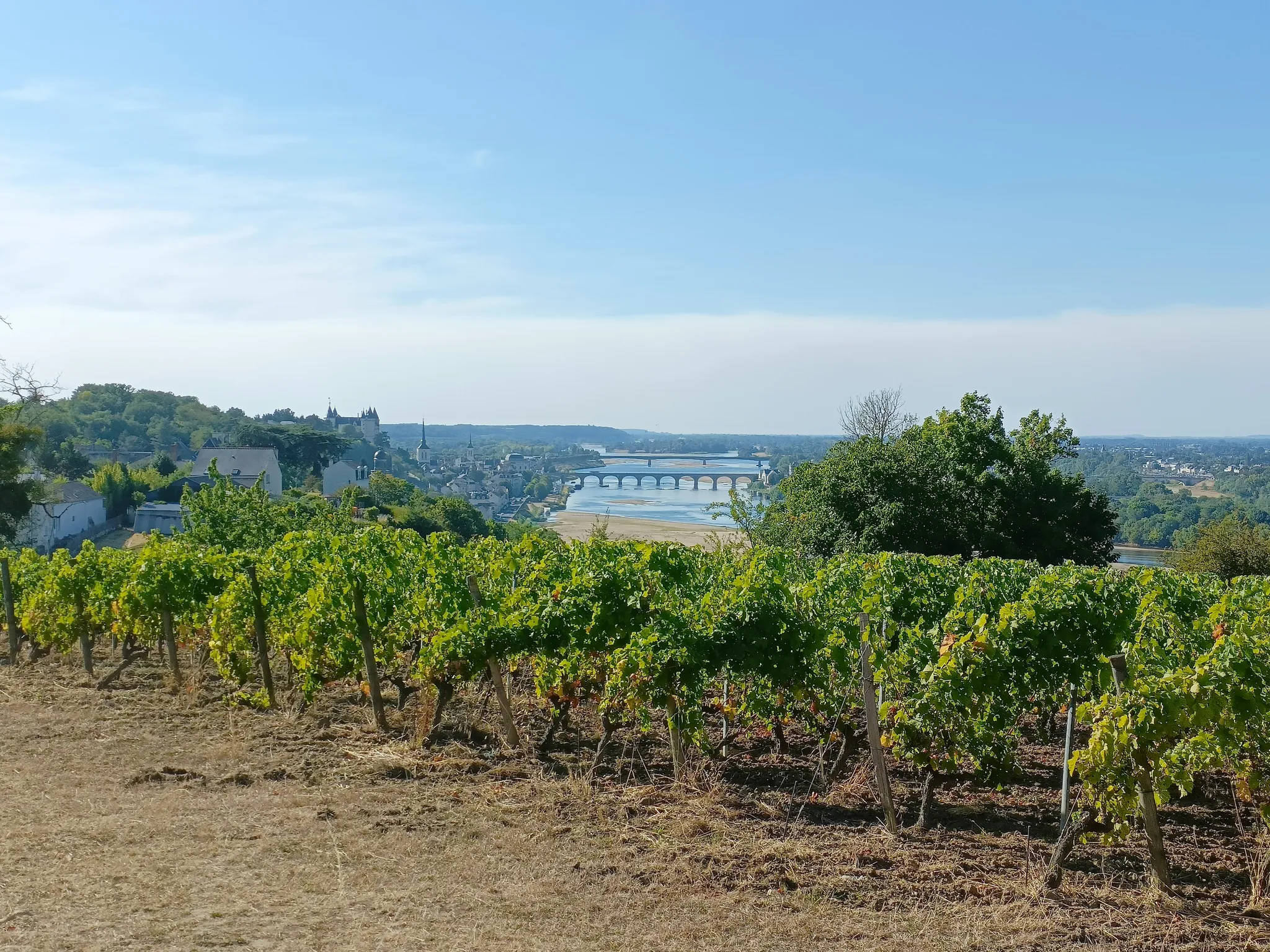
GR3 from the ocean to its source – The Loire, a wild European river
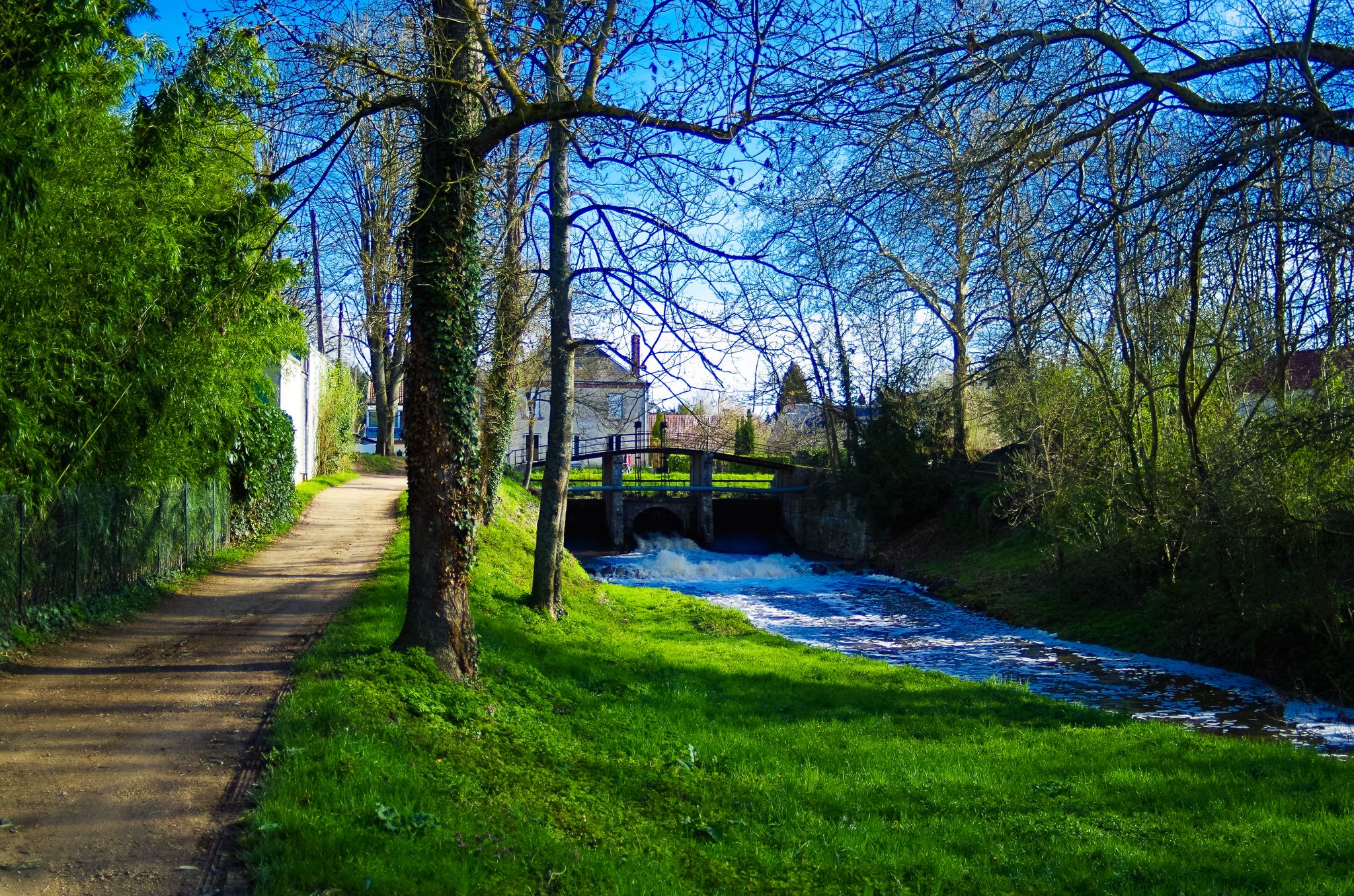
Seine to the Loire (GR 32) – Between Gâtinais and Beauce
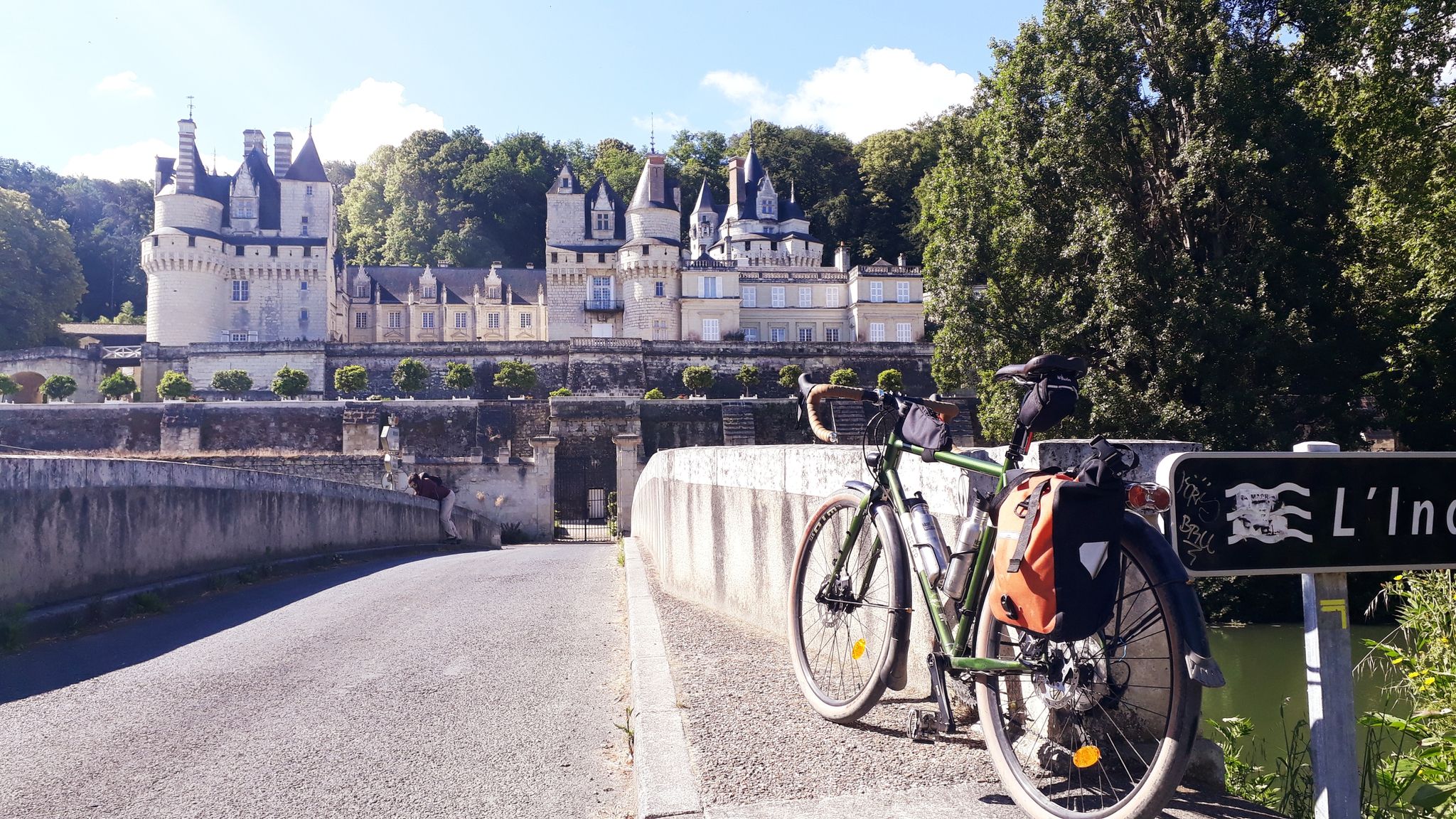
La Loire à vélo – Between nature and castles
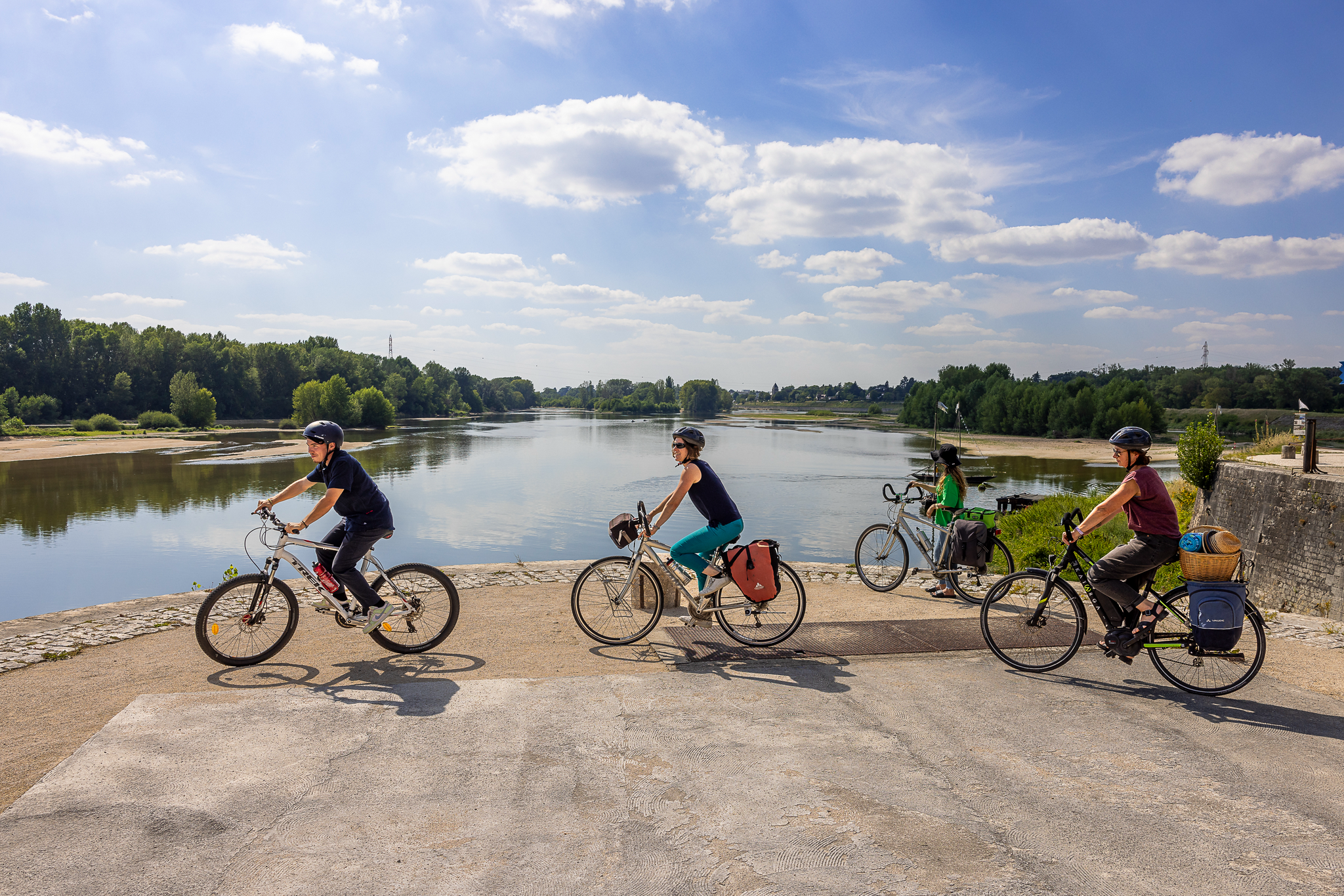
The most beautiful cycling routes in the Loire Valley
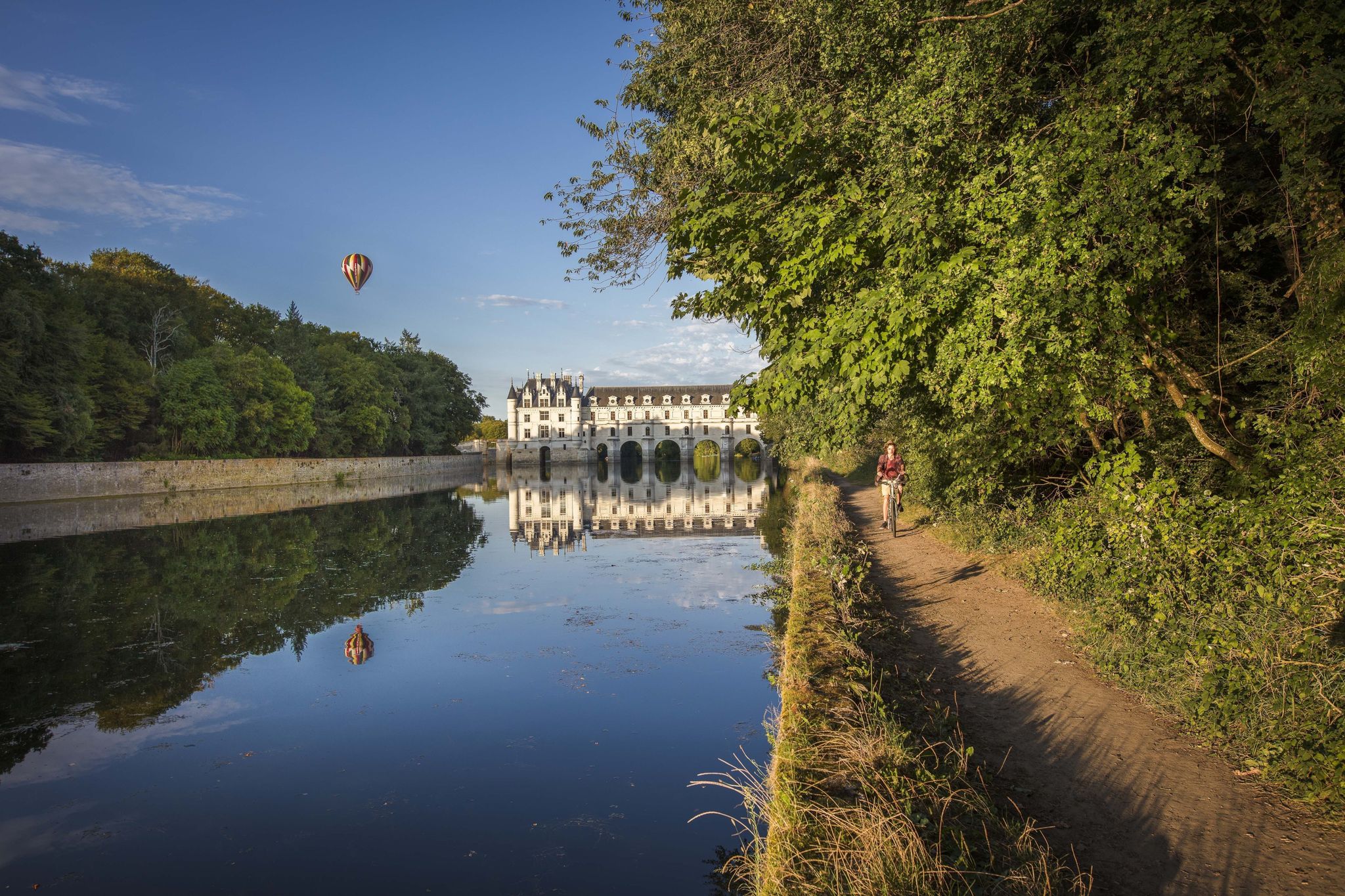
The Loire Valley – escape to the great outdoors
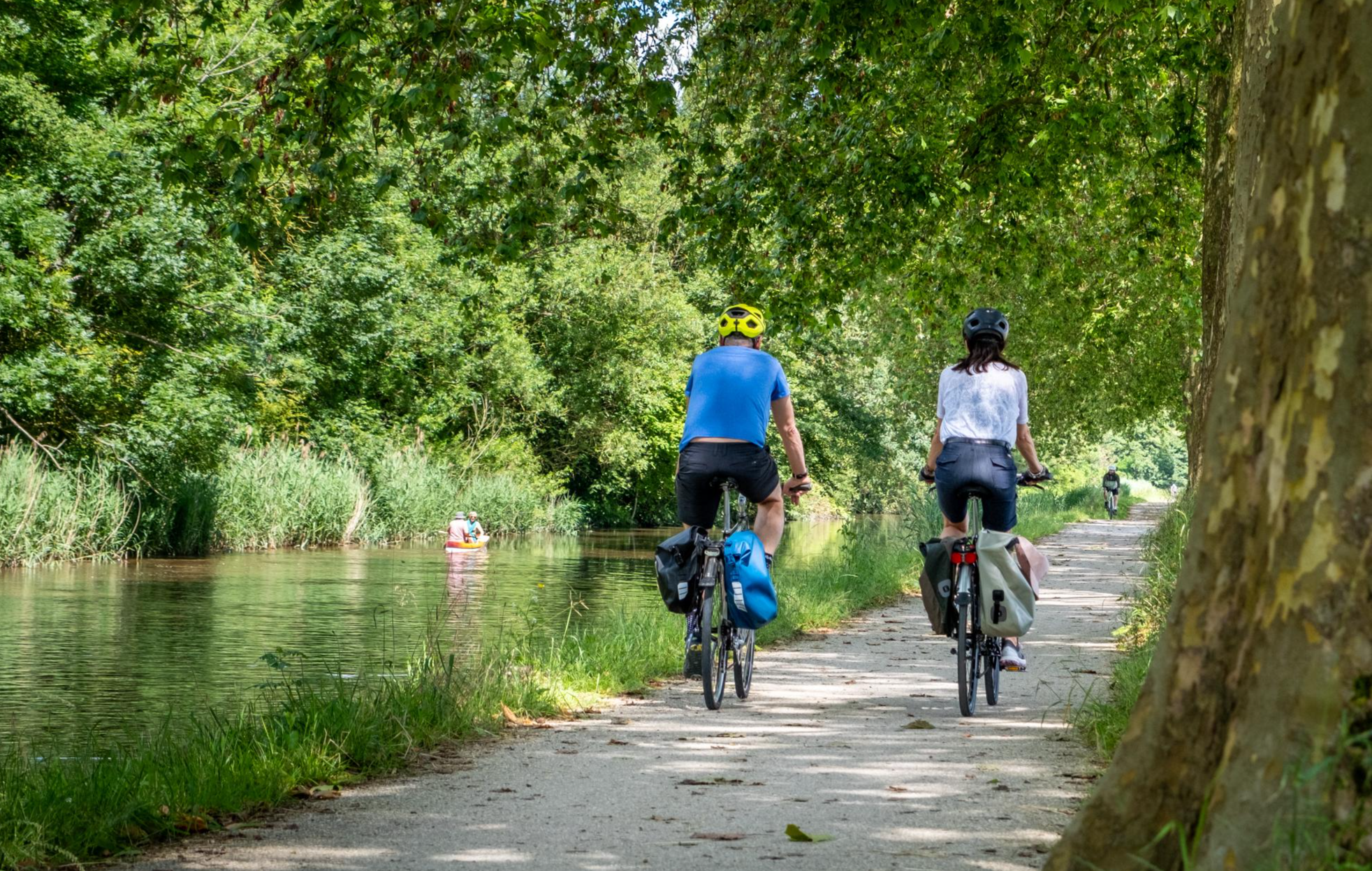
Canal d'Orléans cycle route – Orléans to Montargis in two days
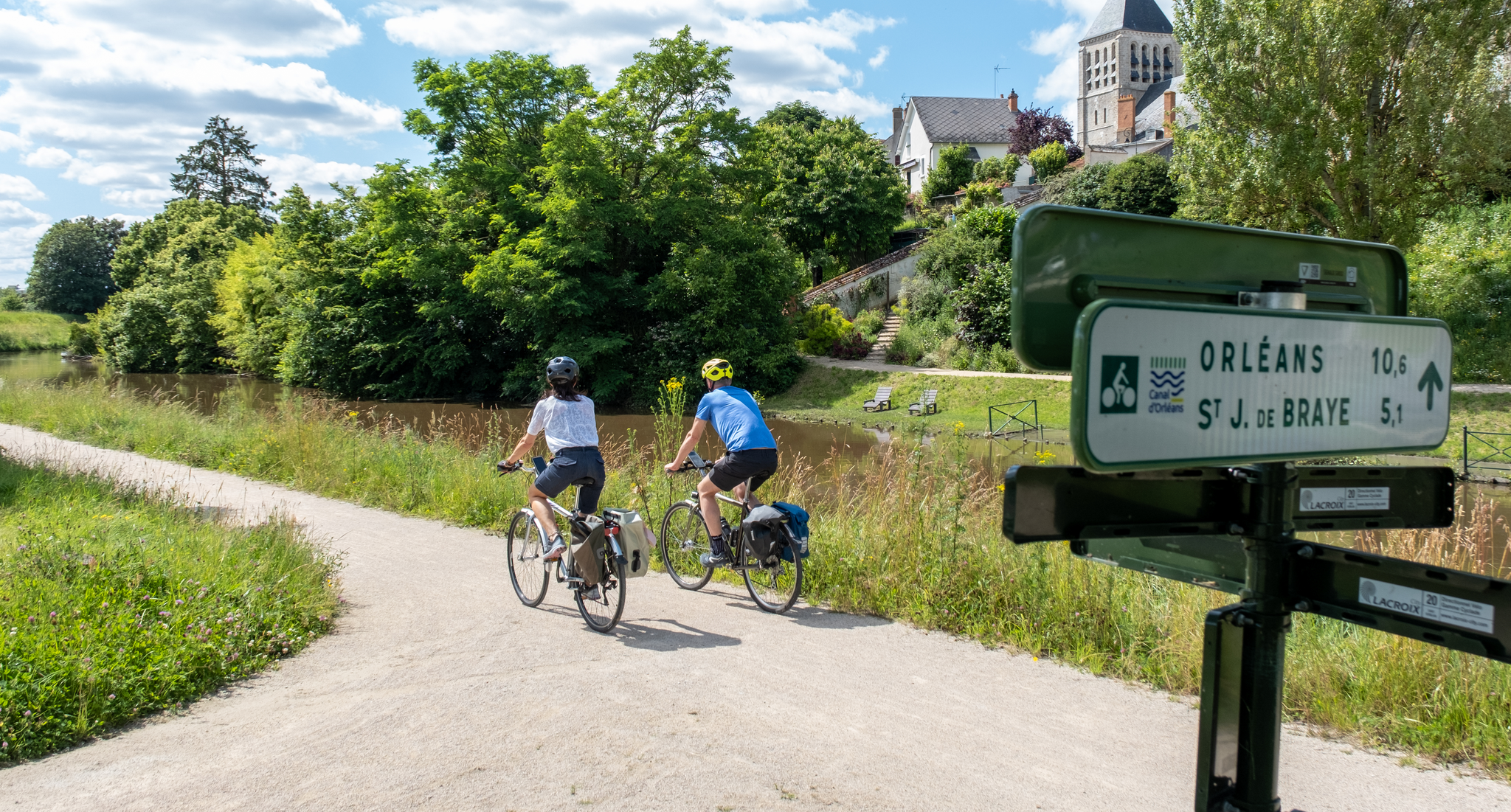
Loiret along the water — a loop from Orléans, Montargis or Briare
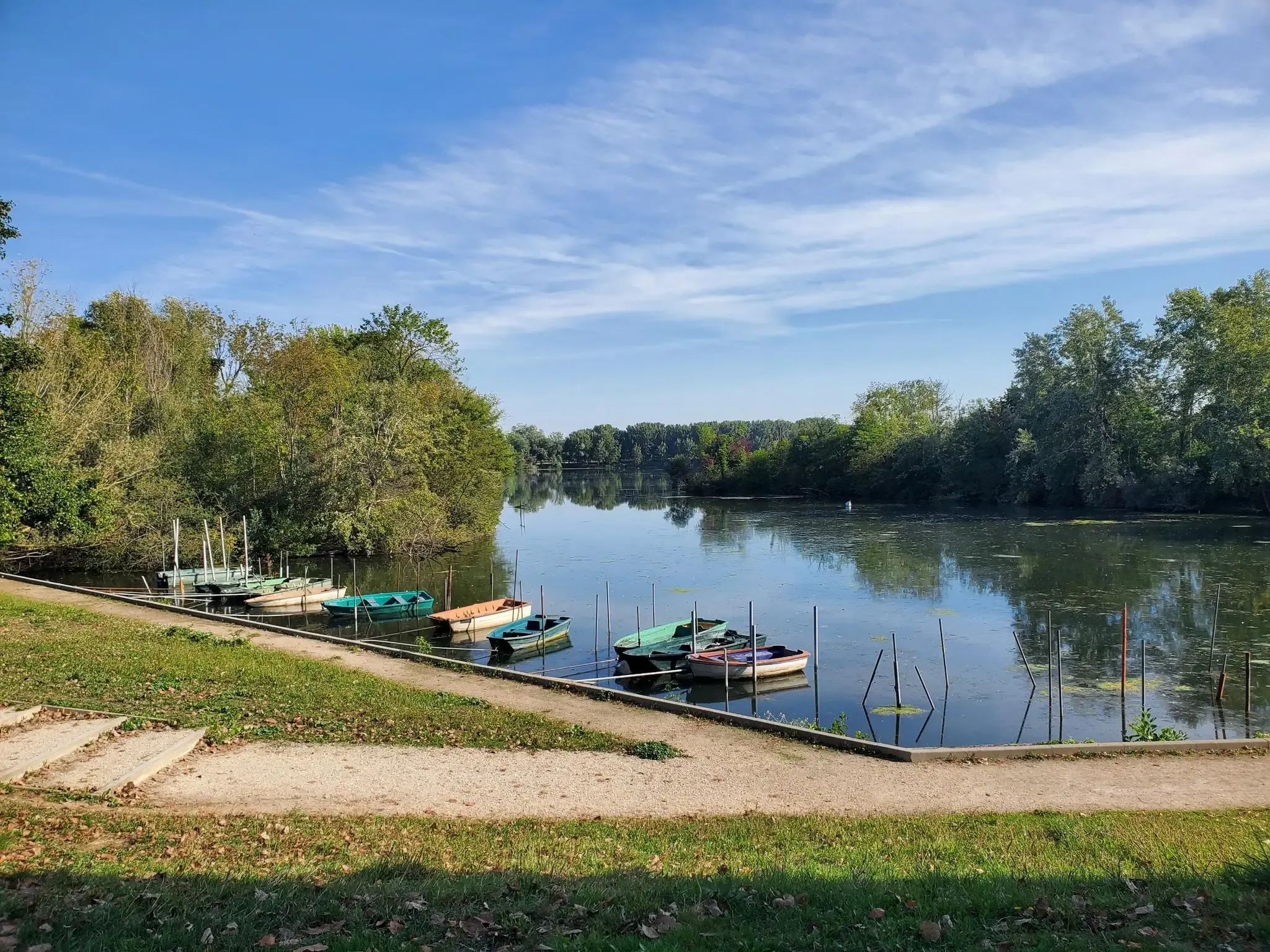
Cycle from Paris to Orléans – Scandibérique along the water
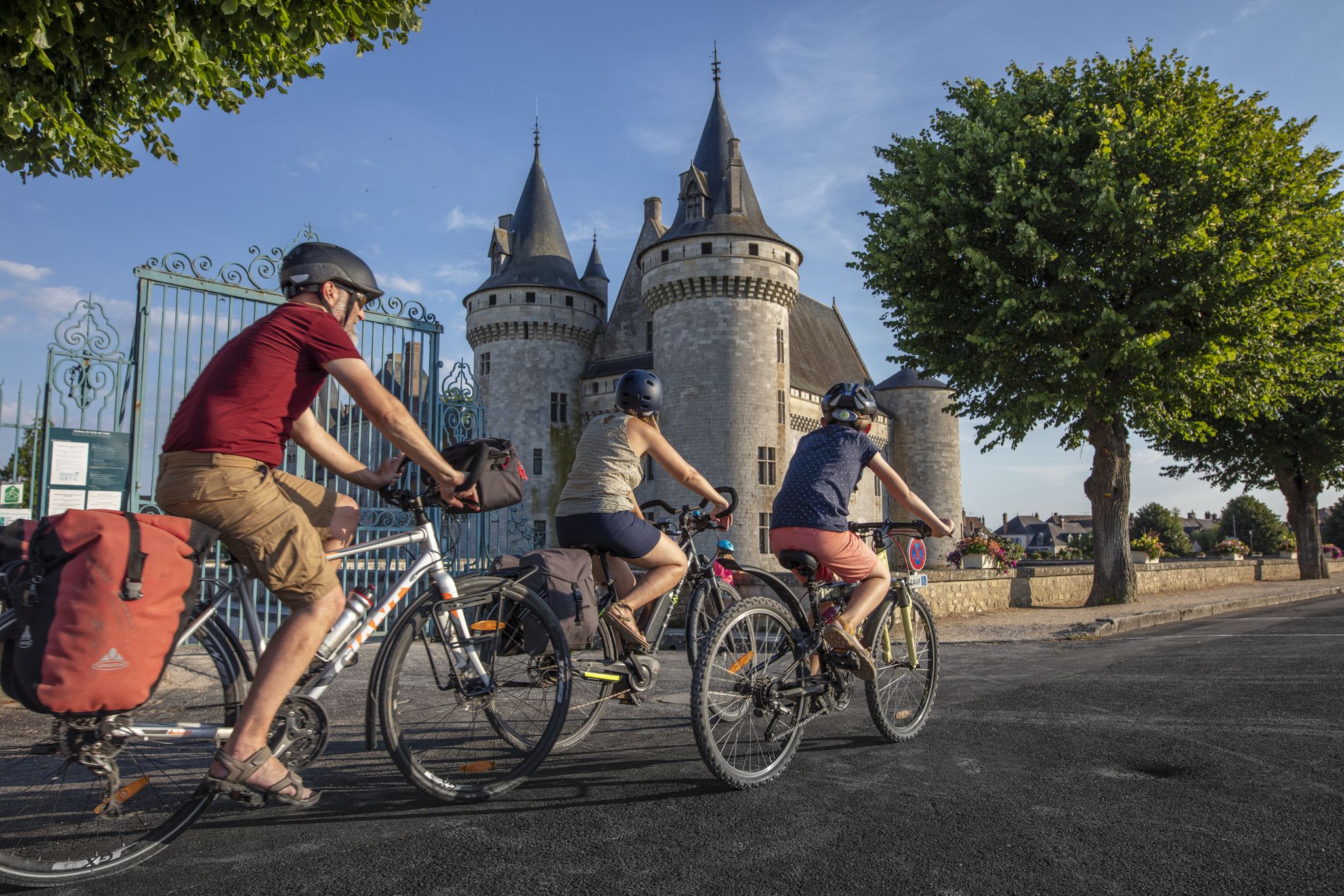
Explore the Loire Valley by bike — a family adventure in the Loiret
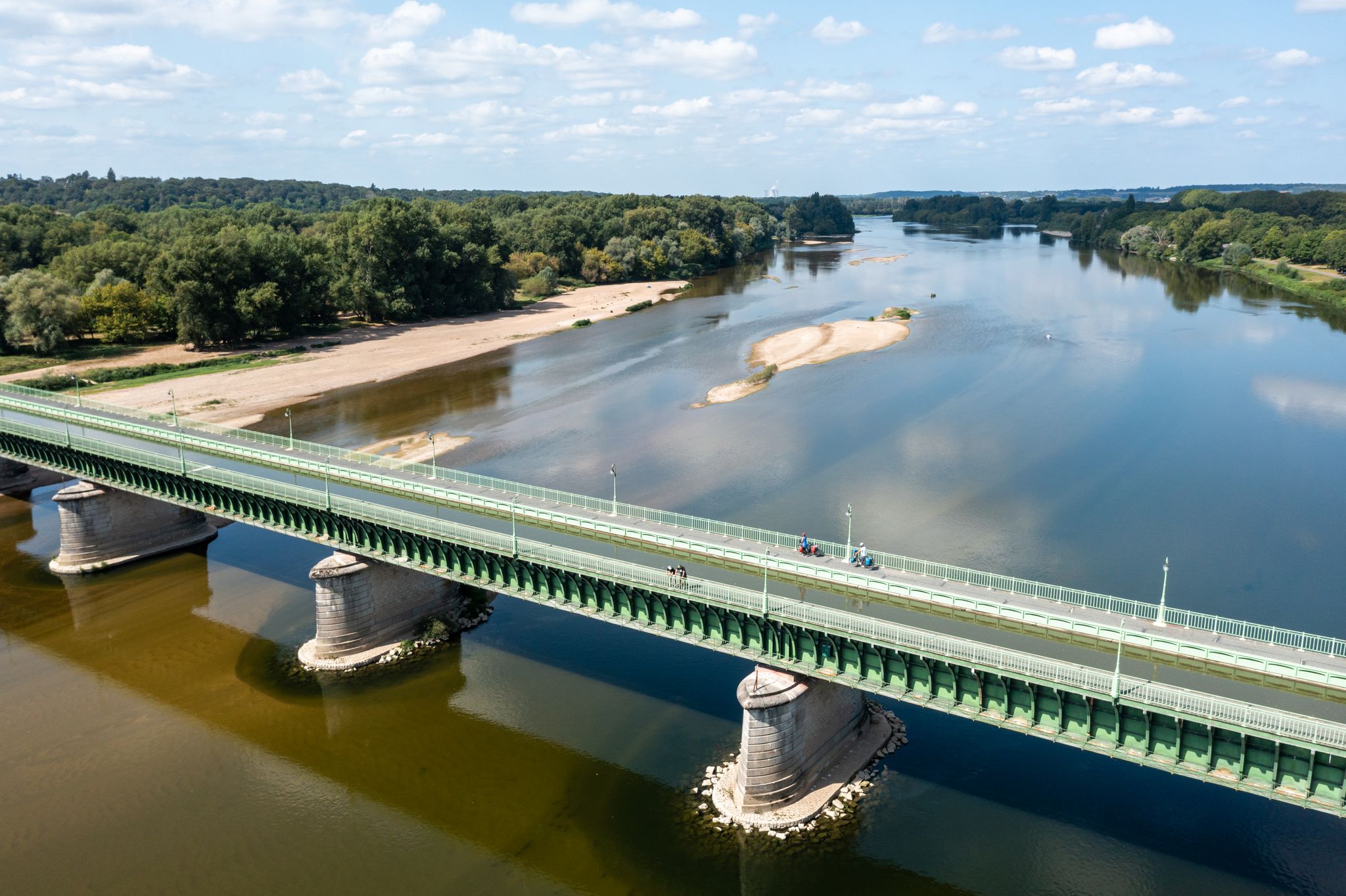
The Loire Valley to the Gâtinais canals — the Loiret along the river
Other adventures around Orléans


Tips from the Community

Continue straight ahead to get back on the road without carrying your bikes.
0
0

magnificent place for a bike ride, the natural landscape, soothing... I love it
0
0

Greenway along the Loire. Rolling track with tarmac, dirt, or white gravel covering depending on the section. Allows you to be away from traffic with little shared road.
2
0

A beautiful design - impressive and a great view!
3
1

Observe what it would have looked like in the past...imagine if this was all surrounded by history. And imagine yourself in the old times... this guarantees the speed at which you travel
1
0

Nice village to walk around
0
0
Nestled in a meander of the Loire, the town of Saint-Benoît-sur-Loire is home to one of the most beautiful jewels of Romanesque architecture: an 11th and 12th century basilica including the porch tower, decorated with twelve historic capitals. , the monumental portal and the nave constitute the most remarkable elements. Founded around 650 on the grounds of an ancient Gallo-Roman villa, Fleury Abbey has housed the relics of Saint Benedict, founder of Western monasticism and patron saint of Europe, since 672. During the 8th century, the patronage of the Prince of the Apostles was abandoned for that of Saint Benedict. This event is at the origin of the rapid expansion, prosperity and influence of the abbey which became Saint-Benoît de Fleury, while the village later became that of Saint-Benoît-sur-Loire. In the 9th century, after the ordeal of the Norman invasions which pillaged and destroyed the monastery, Fleury Abbey flourished again. The 10th and 11th centuries were the great era of Fleury's spiritual, intellectual and artistic influence. The construction of Fleury was probably completed in 1218. A few centuries later, the Hundred Years' War and the Wars of Religion ruined the monastery and disrupted regular life, the community's numbers collapsed. The French Revolution will end up dispersing the community of Fleury Abbey. But in 1944, a community of around forty monks resettled in the area and undertook the reconstruction of the monastery. A community of thirty-three monks lives there today under the direction of Father Abbot Etienne Ricaud. In 1947, the fourteenth centenary of the death of Saint Benedict led the abbey to be elevated to the status of a basilica. The visitor is invited to admire the fabulous historic capitals present in the porch tower, the nave and the choir; the magnificent paving which extends around the altar as well as the crypt where the relics of the patron saint rest. Not to be missed is the north portal and its monumental lintel carved in high relief.
1
0

Quick discovery of the city of Orleans
1
0
Frequently Asked Questions
What historical sites can I visit in Orléans?
Orléans is rich in history. You can explore the impressive Sainte-Croix d'Orléans Cathedral, known for its Gothic architecture and stained-glass windows depicting Joan of Arc's life. Other significant sites include the 16th-century Hôtel Groslot, the Maison de Jeanne d'Arc, and the Hôtel Cabu – Museum of History and Archaeology. Just outside the city, the magnificent Sully-sur-Loire Castle offers a glimpse into medieval history.
Where can I learn more about Joan of Arc's connection to Orléans?
Joan of Arc is central to Orléans' history. You can visit the Maison de Jeanne d'Arc to learn about her life and role in lifting the siege of the city. The Sainte-Croix d'Orléans Cathedral features stained-glass windows dedicated to her, and the vibrant Place du Martroi hosts an imposing equestrian statue of Joan of Arc.
Are there natural parks or green spaces to explore in Orléans?
Yes, Orléans offers several beautiful natural spaces. The Parc Floral de la Source is a vast floral park with diverse gardens, a butterfly conservatory, and flamingos. The Confluence of the Loire and the Loiret is a natural reserve at the point of Courpain, rich in flora and fauna. For more extensive nature, the Forest of Orléans, France's largest national forest, provides a rich biodiversity and numerous trails.
What cultural institutions are there in Orléans?
Orléans has a vibrant cultural scene. The Museum of Fine Arts houses an extensive collection of European paintings. For contemporary art, visit the FRAC Centre-Val de Loire, which focuses on architecture and design. The Muséum d'Orléans pour la Biodiversité et l'Environnement (MOBE) offers insights into biodiversity, and the Cercil Museum is a significant site dedicated to the history of the Holocaust in France.
Are there family-friendly attractions in Orléans?
Many attractions in Orléans are suitable for families. The Parc Floral de la Source offers playgrounds and open spaces. Historical sites like the Sully-sur-Loire Castle and the Sainte-Croix d'Orléans Cathedral are engaging for all ages. Exploring the historic center with its medieval houses and walking or cycling along the Loire River banks are also popular family activities.
What outdoor activities can I do near these attractions?
The region around Orléans is excellent for outdoor activities. You can enjoy cycling along the Loire River, which is part of the 'Loire à vélo' path, or explore the Canal d'Orléans in Combleux. For more structured routes, you can find various cycling routes and running trails around Orléans, including loops through the Forest of Orléans and along the Loiret.
Are there opportunities for cycling or walking along the river?
Absolutely. Orléans is situated along the Loire River, offering picturesque walks and bike rides. The city is part of the 'Loire à vélo' cycling path, providing numerous opportunities to explore the riverfront. The Confluence of the Loire and the Loiret also features greenways perfect for walking and cycling.
What are some significant religious sites in the area?
Beyond the prominent Sainte-Croix d'Orléans Cathedral, you can visit the Basilica of Saint Benedict at Fleury, an ancient abbey that still houses a community of monks. The Royal Basilica of Our Lady of Cléry is another historically significant religious building nearby.
Are there any attractions in Orléans that are wheelchair accessible?
Yes, some attractions in Orléans offer accessibility. The Europe Bridge and the Equestrian statue of Joan of Arc are generally accessible. Many public spaces and modern facilities are designed with accessibility in mind. It's always advisable to check specific venue websites for detailed accessibility information before your visit.
What is the best time to visit Orléans for festivals and events?
Orléans hosts several notable events. The Joan of Arc Festival, celebrating the city's heroine, is the biggest annual celebration. Every two years in September, the Loire Festival celebrates the river with food, crafts, music, and boat displays. Spring and early autumn generally offer pleasant weather for exploring and enjoying these outdoor events.
Can I find viewpoints around Orléans to enjoy scenic vistas?
Yes, the region offers several scenic viewpoints. The Confluence of the Loire and the Loiret provides beautiful natural views where the two rivers meet. Walking or cycling along the Loire River banks also offers picturesque perspectives of the river and the city. The Europe Bridge also serves as a viewpoint over the Loire.
What do visitors enjoy most about the attractions around Orléans?
Visitors particularly appreciate the blend of rich history and natural beauty. The grandeur of sites like the Sainte-Croix d'Orléans Cathedral and the charm of the historic center are highly rated. The serene river landscapes, especially at the Confluence of the Loire and the Loiret, and the extensive outdoor opportunities for cycling and walking are also very popular.
Most popular routes around Orléans
Most popular attractions around Orléans

Get inspired with the komoot mobile app


Didn’t find what you were looking for?
Are you keen on exploring more awesome places nearby? Browse our guides:
Explore more
Still not found the Highlight you’re looking for? See guides of the top attractions in other regions:
