Attractions and Places To See around Péronne - Top 20
Attractions and places to see around Péronne offer a blend of historical significance and natural beauty in the Somme department of northern France. The town is deeply connected to World War I history, with several sites dedicated to its remembrance. Situated along the Canal de la Somme and the River Somme, the area provides picturesque landscapes for outdoor activities. Visitors can explore a range of landmarks, cultural sites, and natural features.
Best attractions and places to see around Péronne
- The most popular attractions is Historial of the Great War – Château de Péronne, a castle and museum that provides a human-focused perspective on World War I. This museum is housed within the 13th-century Château de Péronne and features artifacts, letters, and multimedia displays.
- Another must-see spot is Canal du Nord, a significant waterway in northern France. This canal offers routes for walking and cycling, connecting the Oise Valley to the Dunkirk-Scheldt Canal.
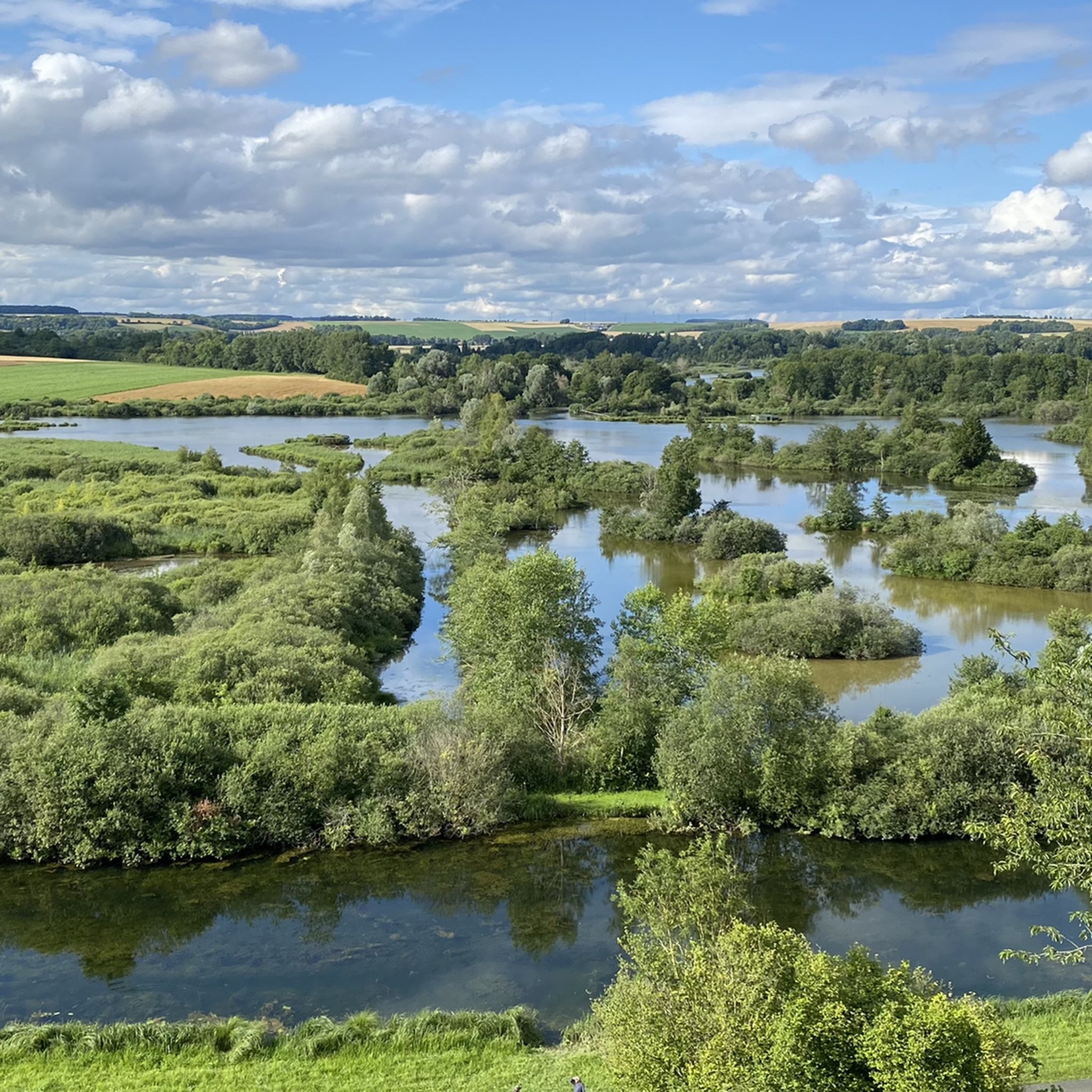
- Visitors also love Vaux Viewpoint, which offers an exceptional panorama of the upper Somme valley. From here, one can appreciate the tranquility and beauty of nature, with views of ponds, marshes, and river meanders.
- Péronne is known for its World War I historical sites, tranquil river landscapes, and cultural landmarks. The region offers a variety of attractions to see and explore, from museums to scenic viewpoints.
- The attractions around Péronne are appreciated by the komoot community, with 43 upvotes and 20 photos shared by visitors.
Last updated: October 10, 2026
Path from Corbie to Sailly-le-Sec
Highlight (Segment) • Trail
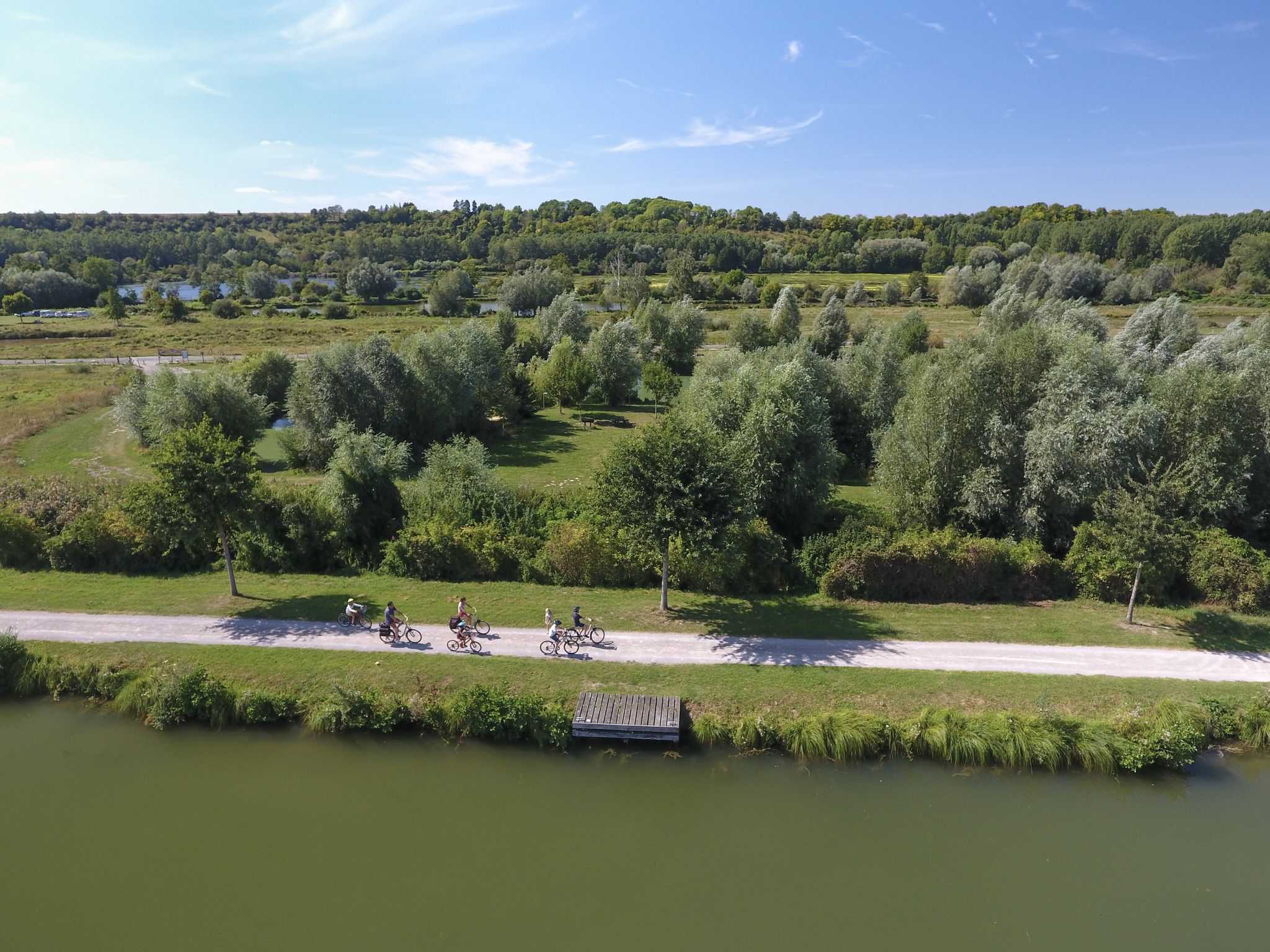
The route between Corbie and Sally le Sec is approximately 15 kilometers. It winds along the river, offering picturesque views of the river landscapes, green meadows and surrounding villages. The path is generally flat and easy to navigate, making it a popular destination for hikers of all abilities.
During the walk you can encounter various species of birds, observe local wildlife and enjoy peaceful surroundings. Nature lovers will also appreciate the diverse flora along the path, with flower meadows, riparian trees and aquatic plants.
The Corbie Towpath in Salles le Sec offers a great opportunity to relax outdoors, enjoy nature and discover the history and heritage of the region. Whether for a short walk or a long hike, it's a fun place to explore for nature lovers and outdoor enthusiasts.
Translated by Google •
Tip by

Newfoundland Memorial
Highlight • Other
Translated by Google •
Tip by

Sign up now to discover places like this
Get recommendations on the best single tracks, peaks, & plenty of other exciting outdoor places.
Château de Péronne
Highlight • Castle
The Somme here forms natural ponds that surround the city, giving it an undeniable attractiveness. Its old center is on a small hill which dominates the whole.
Translated by Google •
Tip by

Historial of the Great War – Château de Péronne
Highlight • Castle
The museum has two parts: You enter through the Château de Peronne which dates from the 13th century, and was built during the reign of Louis-Philippe. The second structure, which is more recent, dates from 2016. It is the work of architect Henri-Edouard Ariani and is located on the edge of the Cam pond.
Translated by Google •
Tip by
Lochnagar Crater
Highlight • Monument
Interestingly, the crater was named after Lochnagar Street, the trench from which the tunnel was dug. The crater is now a preserved site of remembrance and a religious service is held there every year on 1 July in memory of those who died.
Translated by Google •
Tip by

Thiepval Memorial
Highlight • Viewpoint
Translated by Google •
Tip by
Scottish Divisions Memorial at the Sunken Lane
Highlight • Other
First, on July 1, when it was located in no man's land, exactly equidistant from the British and German trenches, and served as a refuge for so many soldiers wounded during the fighting; then, five days before the end of that same battle, when the village of Beaumont-Hamel was finally captured on November 13, by the men of the 8th Argyll and Sutherland Highlanders, who had rushed from that position.
The 8th Argyll and Sutherland Highlanders was a Scottish regiment that fought on several fronts. A reading of the inscriptions engraved on the different sides of the base of this monument tells us this. Thus, this cross is dedicated to the glory of the battalion's glorious dead and to the memory of those who will never return.
Its combat losses, throughout the war, amounted to 51 officers and 831 men and non-commissioned officers, including 105 wounded officers and 2,527 men and non-commissioned officers. Finally, a Celtic inscription reveals "it is good to have friends on the day of battle."
Mobilized from August 4, 1914, to November 12, 1919, a period of five years and 100 days, the regiment fought from May 1, 1915, to November 11, 1918, in Belgium and France. Until 1918, the 8th Argyll and Sutherland Highlanders belonged to the 51st Division; In 1915, it fought at Richebourg, Festubert and on Thiepval Ridge, which was to leave a sad memory for the British on 1 July 1916 (this is where the memorial to the missing now stands); in 1916, it fought at the Labyrinth, Vimy Ridge, Fourcaux Wood (High Wood), Beaumont-Hamel (there, therefore) and Courcelette; in 1917, it was Roclincourt, Arras, Roeux, Ypres and Cambrai. In 1918, the 8th Argyll and Sutherland Highlanders fought as part of the 61st Division at Saint-Quentin, Holnon Wood, Villéveque, Nesle, Villers-Bretonneux and on the Lys; but also within the 15th division which distinguished itself at Soissons, at Buzancy and in the final advance which would lead to the armistice
Translated by Google •
Tip by

Frise Viewpoint
Highlight • Viewpoint
Translated by Google •
Tip by

Canal du Nord
Highlight • River
The canal has 19 locks and two tunnels, including the Ruyaulcourt Tunnel, which spans a height difference of 40 metres. The Canal du Nord is an important waterway for inland navigation, but will be replaced in the future by the Seine-Nord Europe Canal, a more modern connection.
Translated by Google •
Tip by
P'tit Train de la Haute Somme
Highlight • Monument
Translated by Google •
Tip by

Sign up for free to discover even more attractions around Péronne.
Already have an account?
Start today with a free account
Your next adventure awaits.
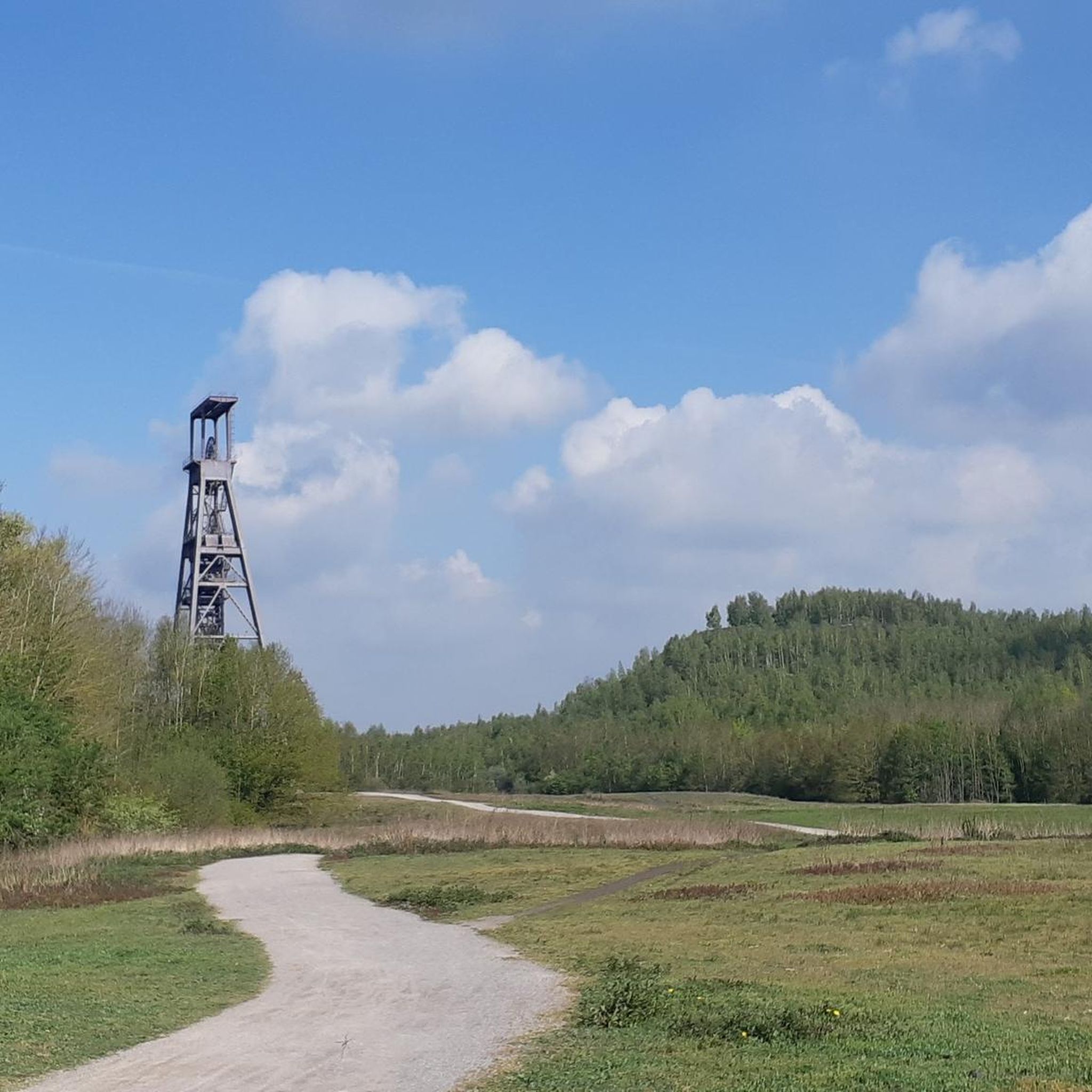
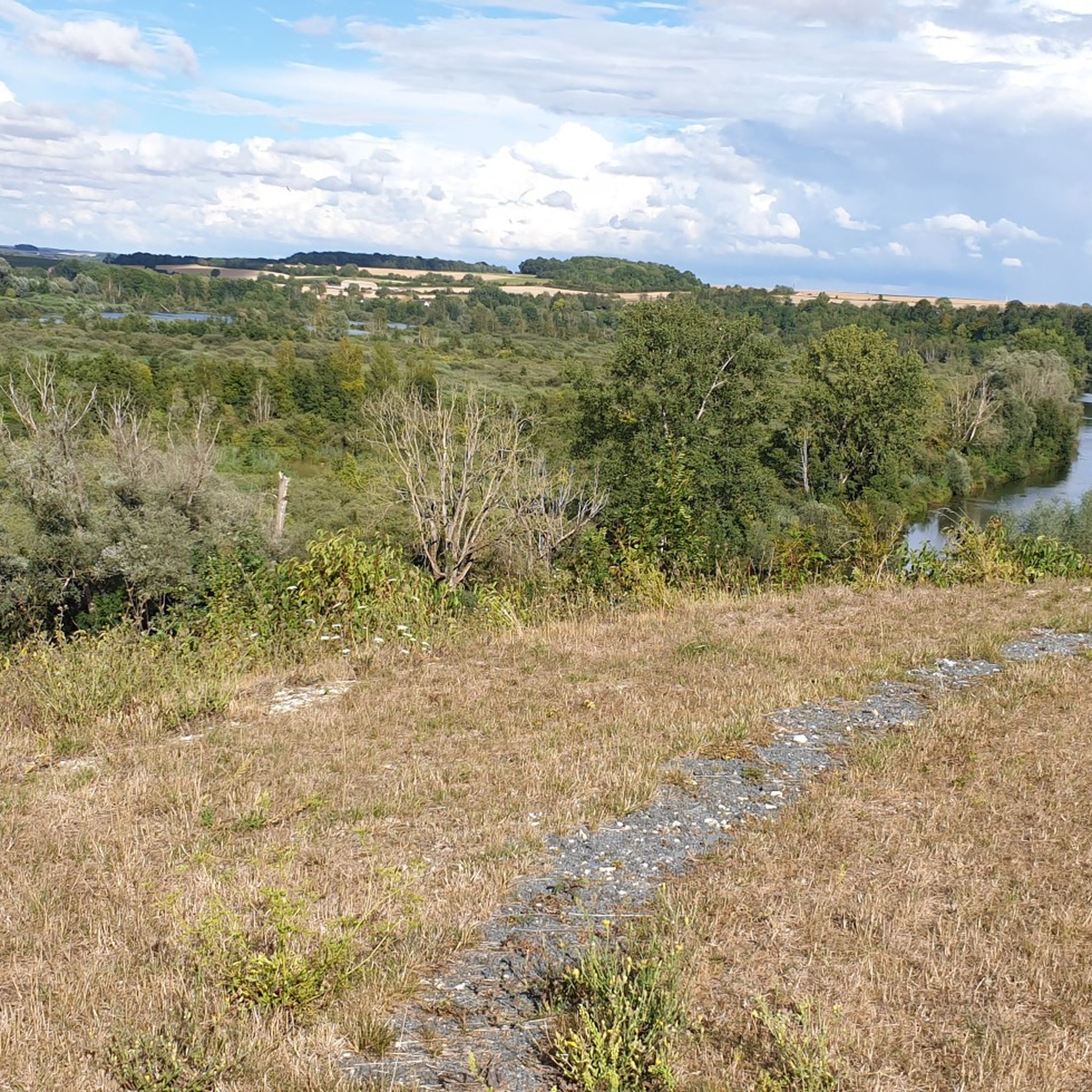
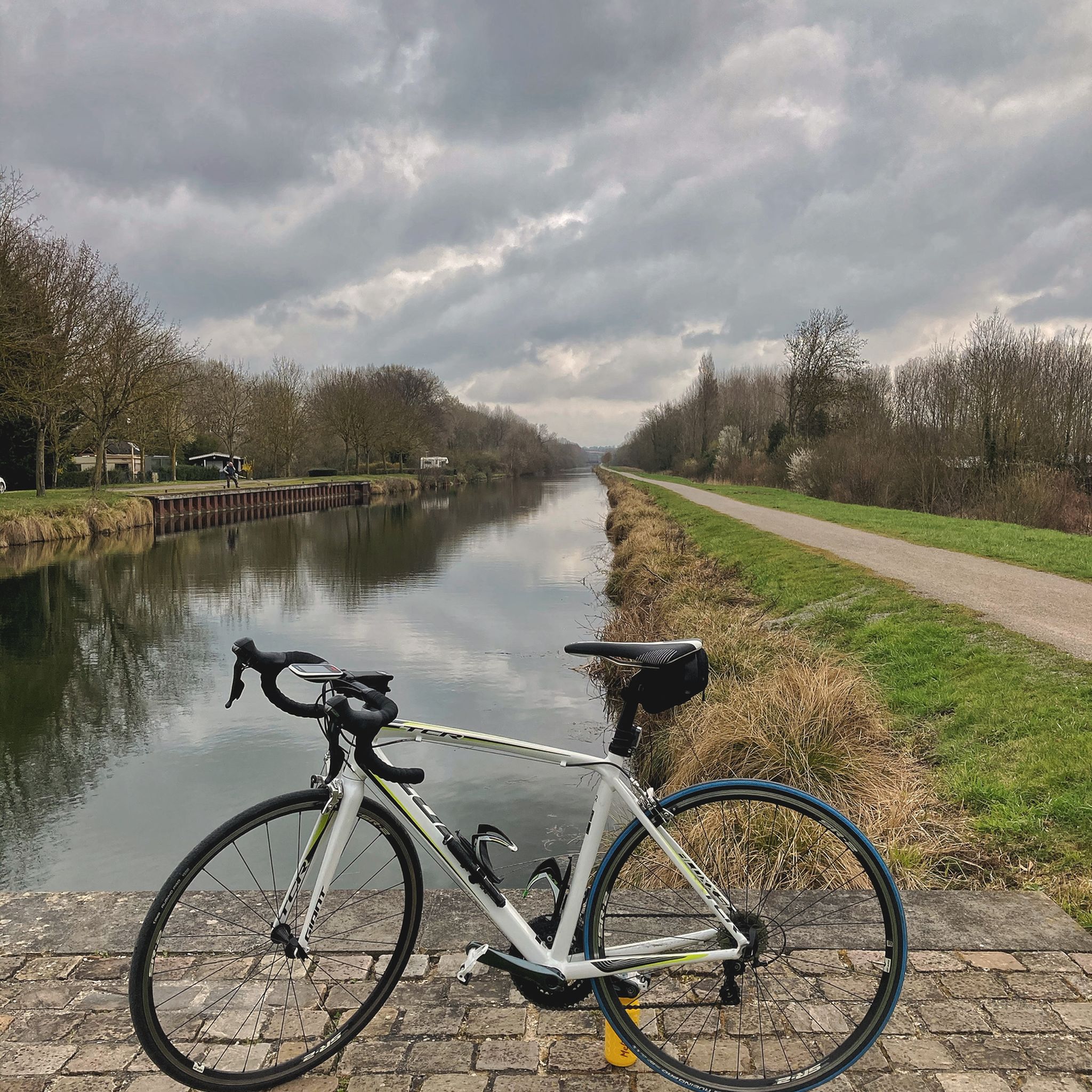



Tips from the Community

viewpoint la Montagne de Frise
14
0

A small tourist train departs from the Railway Museum. The train takes passengers to Dompierre. More information is available on the website: https://www.petittrainhautesomme.fr/le-parcours/
0
0
Departure point for the Little Train of the Upper Somme from the Railway Museum. A small tourist train running along the towpath to Dompierre. More information on the website: https://www.petittrainhautesomme.fr/le-parcours/
0
0

Also a bicycle repair and electric bike charging point
0
0

In the middle of nowhere on the canal – the whistle of a steam locomotive. These steam locomotives and the layout are simply beautiful to behold.
0
0

Officially part of the Historial de la Grande Guerre, the Thiepval Museum is located near the impressive Thiepval Memorial and offers an in-depth look at the Battle of the Somme of 1916. Opened in 2016 to mark the centenary of this bloody battle, the museum comprises seven thematic areas, each highlighting a different aspect of the war. One of the highlights is the 60-metre-long panoramic comic strip by artist Joe Sacco, which vividly depicts the events of 1 July 1916. Visitors will gain insight not only into the military strategies, but also into the human suffering and the culture of remembrance surrounding the missing of the Somme.
5
0
The Canal du Nord is a 95 km long canal in northern France that connects the Oise Valley to the Dunkirk-Scheldt Canal. Construction began in 1908, but was interrupted by the First World War. The canal was not completed and opened to navigation until 1965. The canal has 19 locks and two tunnels, including the Ruyaulcourt Tunnel, which spans a height difference of 40 metres. The Canal du Nord is an important waterway for inland navigation, but will be replaced in the future by the Seine-Nord Europe Canal, a more modern connection.
5
0
The Cratère de Lochnagar, an impressive war memorial, was created by a huge mine blown up by the British Royal Engineers on 1 July 1916, as part of the Battle of the Somme. The explosion marked the beginning of the battle and left a crater 90 metres in diameter and 25 metres deep. Interestingly, the crater was named after Lochnagar Street, the trench from which the tunnel was dug. The crater is now a preserved site of remembrance and a religious service is held there every year on 1 July in memory of those who died.
8
0
Frequently Asked Questions
What are the main historical attractions in Péronne related to World War I?
Péronne is deeply connected to World War I history. The premier attraction is the Historial of the Great War – Château de Péronne, housed within the town's 13th-century castle. This museum offers a human-focused perspective on the war with artifacts and multimedia displays. The medieval Château de Péronne itself is a significant landmark.
Beyond Péronne, what significant WWI battlefield sites can I visit nearby?
Péronne serves as a key hub for exploring the nearby Somme battlefields. Within a short drive, you can visit sites such as the Thiepval Memorial, which honors the missing of the Somme, and the Newfoundland Memorial, a 30-hectare site with preserved trenches. Another notable site is the Lochnagar Crater, a massive crater resulting from a mine explosion on the first day of the Battle of the Somme.
What cultural sites can I explore in Péronne besides the WWI museum?
Beyond the WWI museum, Péronne offers other cultural sites. The Town Hall (Hôtel de Ville) houses the Alfred Danicourt Museum, which features collections of early Gallic coins, ancient jewelry, and paintings. The Church of Saint-Jean-the-Baptist (Église Saint-Jean-Baptiste) is a flamboyant Gothic-style church, notable as the only one predating the French Revolution despite significant rebuilding.
Where can I enjoy nature and scenic views around Péronne?
The region around Péronne is characterized by the Somme river and its valley. The Vaux Viewpoint offers an exceptional panorama of the upper Somme valley, with views of ponds, marshes, and river meanders. The shaded banks of the Péronne lakes around the castle also provide tranquil spots for a stroll.
Are there opportunities for walking or cycling along the water in Péronne?
Yes, Péronne is situated along the Canal de la Somme and the River Somme, offering picturesque walking and cycling routes. The Canal du Nord is another significant waterway in northern France that provides routes for walking and cycling. You can also explore the Path from Corbie to Sailly-le-Sec, a towpath along the Somme offering views of river landscapes and green meadows.
What kind of outdoor activities, like hiking or running, are available near Péronne's attractions?
The area around Péronne offers various outdoor activities. For running, you can find trails like the 'Mémorial de Thiepval — loop — run from Thiepval' or the 'Fricourt Salient and Lochnagar Crater Loop'. If you prefer cycling, routes such as 'Château de Suzanne par les marais de la Violette' or the 'Somme Valley Cycle Route: Péronne and Ham Loop' are available. You can find more details on these and other routes in the running trails and cycling guides around Péronne.
Are there easy hiking trails suitable for beginners around Péronne?
Yes, there are several easy hiking trails around Péronne. Options include the 'Caribou Trail' and loops like 'Old Dite Bridge loop from Cerisy' or 'Froissy Lock – Écluse de Cappy No 10 loop from Cappy'. These trails are generally flat and offer pleasant walks through the local landscape. For more options, consult the easy hikes guide around Péronne.
Are there attractions suitable for families with children in Péronne?
Many of Péronne's historical sites are considered family-friendly, offering educational experiences. The Historial of the Great War – Château de Péronne provides an engaging way for families to learn about WWI. Additionally, the P'tit Train de la Haute Somme offers a unique historical railway experience that can be enjoyable for all ages. The walking and cycling routes along the Canal de la Somme are also great for family outings.
What do visitors particularly appreciate about the <a href="https://www.komoot.com/highlight/3336216" target="_blank" rel="noopener">Historial of the Great War – Château de Péronne</a>?
Visitors highly appreciate the museum's comprehensive and engaging approach to WWI, covering the war's preparation, the conflict itself, and post-war reconstruction. The unique setting within the 13th-century Château de Péronne, with its modern extension reflecting beautifully in the adjacent pond, is also frequently mentioned. The museum's ability to present perspectives from different countries involved in the war, alongside the lives of soldiers and civilians, makes it a deeply impactful experience.
What is the <a href="https://www.komoot.com/highlight/6658834" target="_blank" rel="noopener">P'tit Train de la Haute Somme</a> and what does it offer?
The P'tit Train de la Haute Somme is a historical railway attraction. It offers a unique opportunity to ride on a narrow-gauge railway, often using steam locomotives, through the Somme Valley. It's a popular activity for families and those interested in railway history, providing a different perspective on the region's landscape and heritage.
Are there any specific memorials or monuments dedicated to Allied forces in the Péronne area?
Yes, the area around Péronne holds several memorials dedicated to Allied forces. The Newfoundland Memorial at Beaumont-Hamel honors the Royal Newfoundland Regiment. The Australian Monument at Mont Saint-Quentin recalls the actions of Australian soldiers who liberated Péronne in 1918. Additionally, the Scottish Divisions Memorial at the Sunken Lane commemorates the Scottish soldiers who fought in the area.
Most popular routes around Péronne
Most popular attractions around Péronne

Get inspired with the komoot mobile app


Didn’t find what you were looking for?
Are you keen on exploring more awesome places nearby? Browse our guides:
Explore more
Still not found the Highlight you’re looking for? See guides of the top attractions in other regions:
