Attractions and Places To See around Die - Top 20
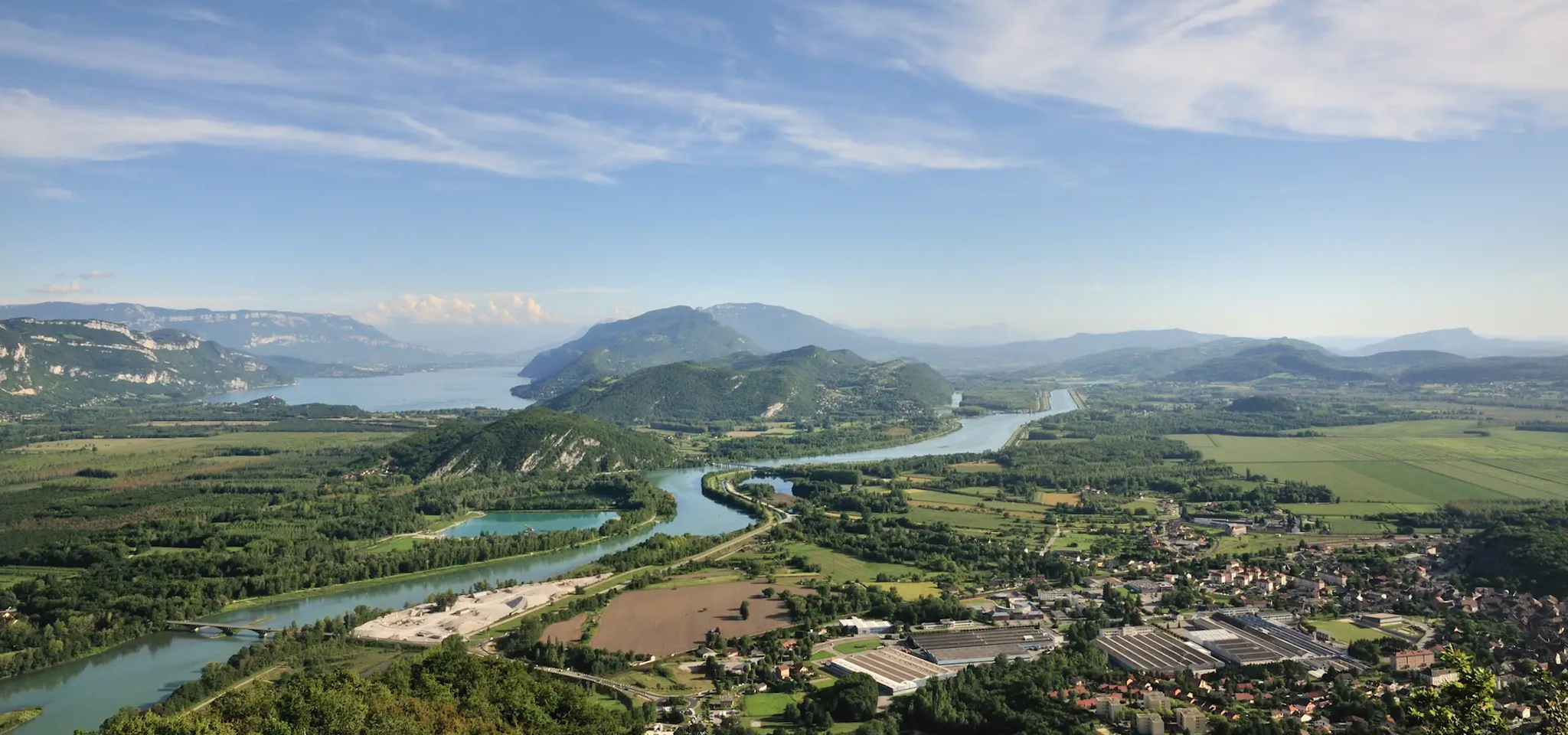
Best attractions and places to see around Die include a blend of ancient history and natural beauty. This historic town, located at the foot of the Vercors plateau in the Drôme department of France, offers notable landmarks and cultural sites. The region is characterized by its position within the Regional Natural Park of Vercors, featuring mountains, forests, and the Drôme River. Visitors can explore well-preserved Gallo-Roman ramparts and significant natural features.
Best attractions and places to see around Die
- The most popular attractions is Saou, a settlement that is a Provençal village set against a backdrop of cliffs. It is known for its dramatic mountain backdrop and quaint atmosphere.
- Another must-see spot is Druise Waterfall, a natural monument with a 72-meter drop. Visitors can reach the waterfall by crossing the Gervanne river, often requiring water shoes.
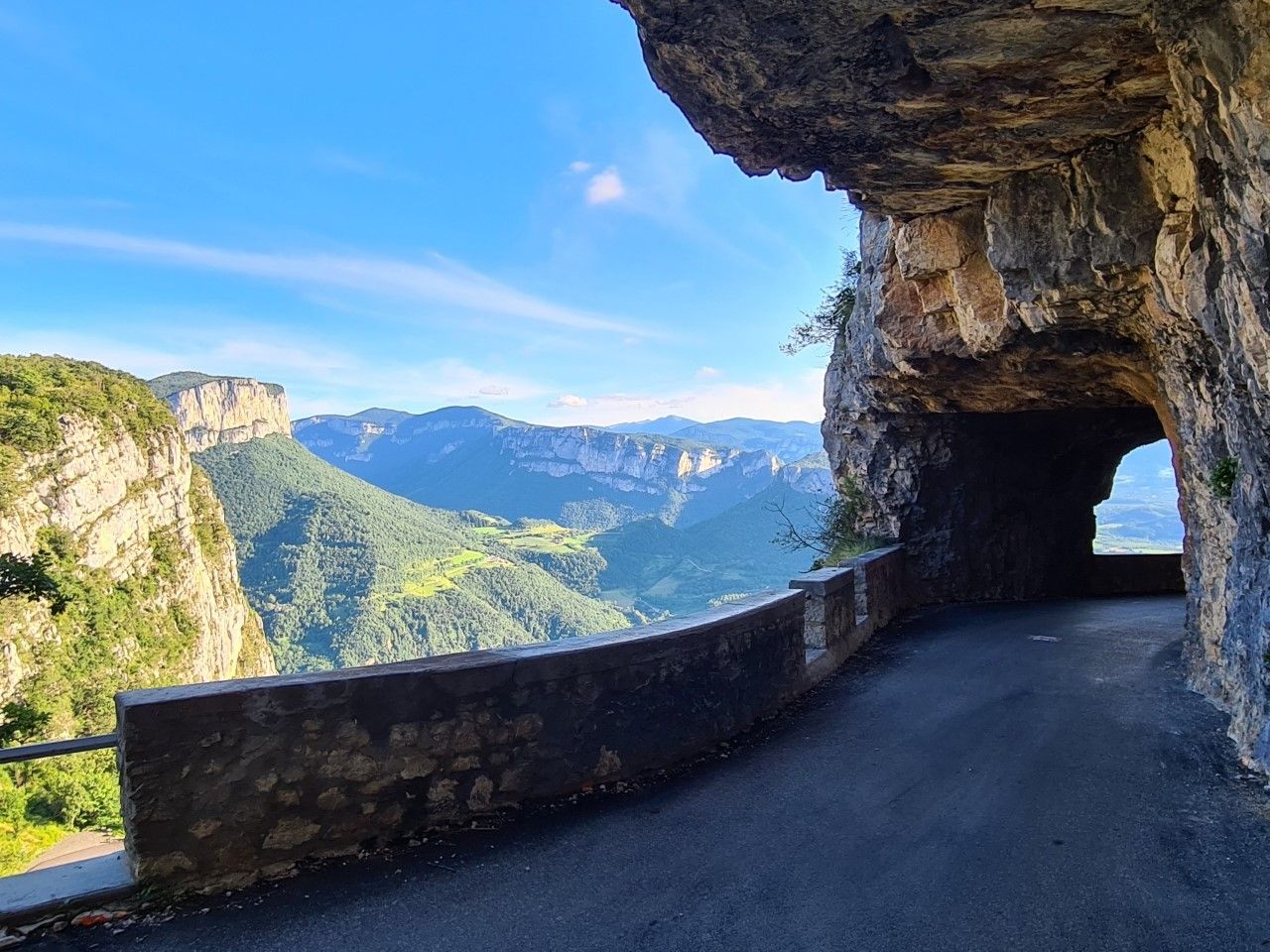
- Visitors also love Col de Rousset, a mountain pass offering expansive views. This pass provides a scenic road for cycling with a steady incline and a tunnel leading to a valley vista.
- Die is known for its historical sites, natural monuments, and mountain passes. The region offers a variety of attractions to see and explore, from ancient ramparts to dramatic waterfalls and scenic viewpoints.
- The attractions around Die are appreciated by the komoot community, with more than 340 upvotes and 90 photos shared by visitors.
Last updated: October 9, 2026
Quiet route in the upper Vernaison Valley
Highlight (Segment) • Viewpoint
Showing Translation
Tip by

Saou
Highlight • Settlement
Translated by Google •
Tip by

Sign up now to discover places like this
Get recommendations on the best single tracks, peaks, & plenty of other exciting outdoor places.
Col de Rousset Pass and Tunnel
Highlight • Mountain Pass
You leave the Diois behind you after a long climb made up of countless bends. The tunnel at the top of the pass magically opens you into a new world of wild high plateaus and beautiful valleys.
Translated by Google •
Tip by

Druise Waterfall
Highlight • Natural Monument
Translated by Google •
Tip by

Gueulards Canyon
Highlight • Gorge
Translated by Google •
Tip by

Gorges de la Bourne
Highlight (Segment) • Gorge
More information:
de.wikipedia.org/wiki/Bourne_%28Is%C3%A8re%29?wprov=sfla1
Translated by Google •
Tip by

Die
Highlight • Historical Site
Between its architecture rich in history dating back to the 12th century and its preserved surroundings, Die will certainly charm you!
Translated by Google •
Tip by

Saut de la Drôme and the Claps
Highlight • River
Showing Translation
Tip by
Col de Pennes
Highlight • Mountain Pass
Translated by Google •
Tip by

Porte du Diable
Highlight • Natural Monument
Translated by Google •
Tip by

Sign up for free to discover even more attractions around Die.
Already have an account?
Start today with a free account
Your next adventure awaits.
Popular around Die
Triathlon 360 – my journey around the world
GR 9 from the Jura to the Mediterranean – Crossing contrasts
La Grande Traversée du Vercors — In the West of the Alps
Naples to North Cape — Two friends, one purpose and many scoops of ice-cream
GR 91 - From the Vercors High Plateaux to Provence
P'tites Routes du Soleil (Little Routes of the Sun)
Between passes and mountain villages – bike rides in the Drôme
The four massifs — Gravel Tour de la Provence
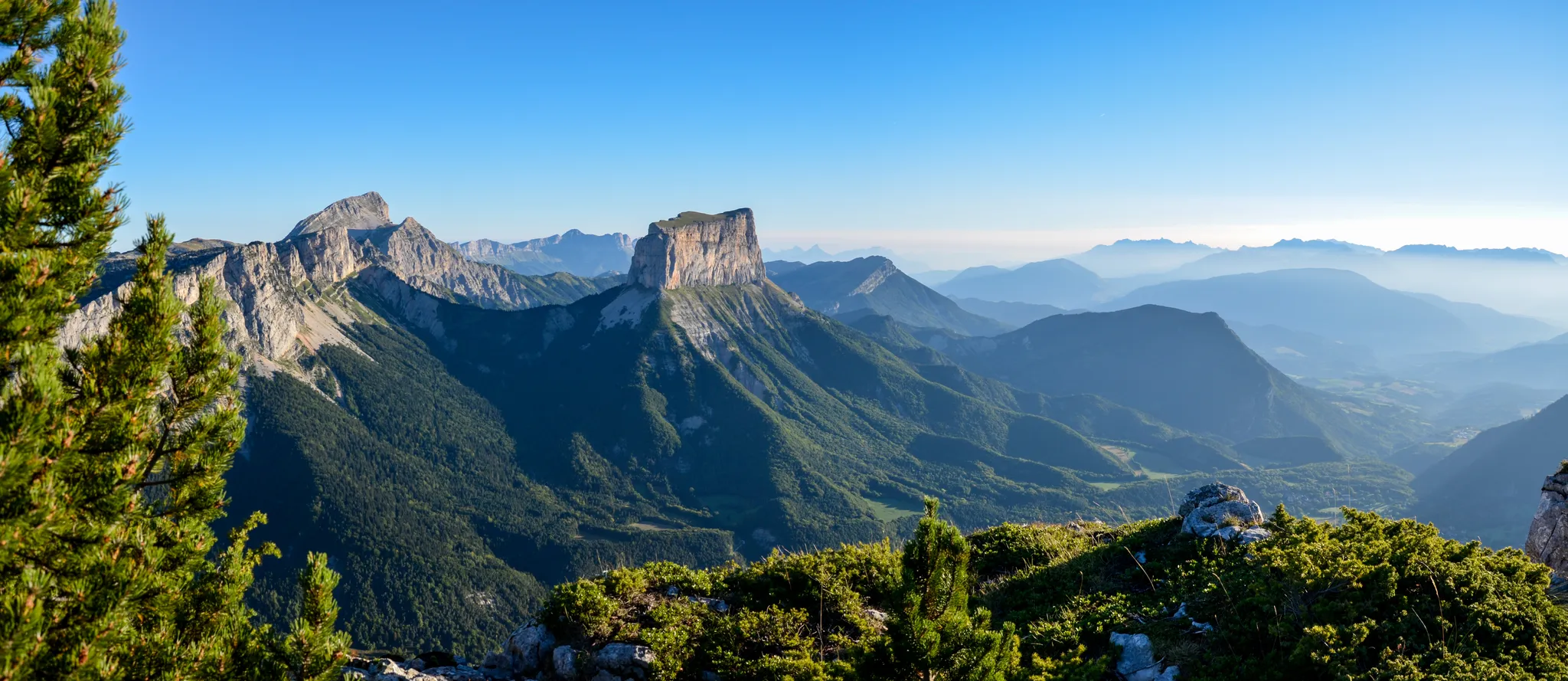
Grand Tour of the Vercors – first section
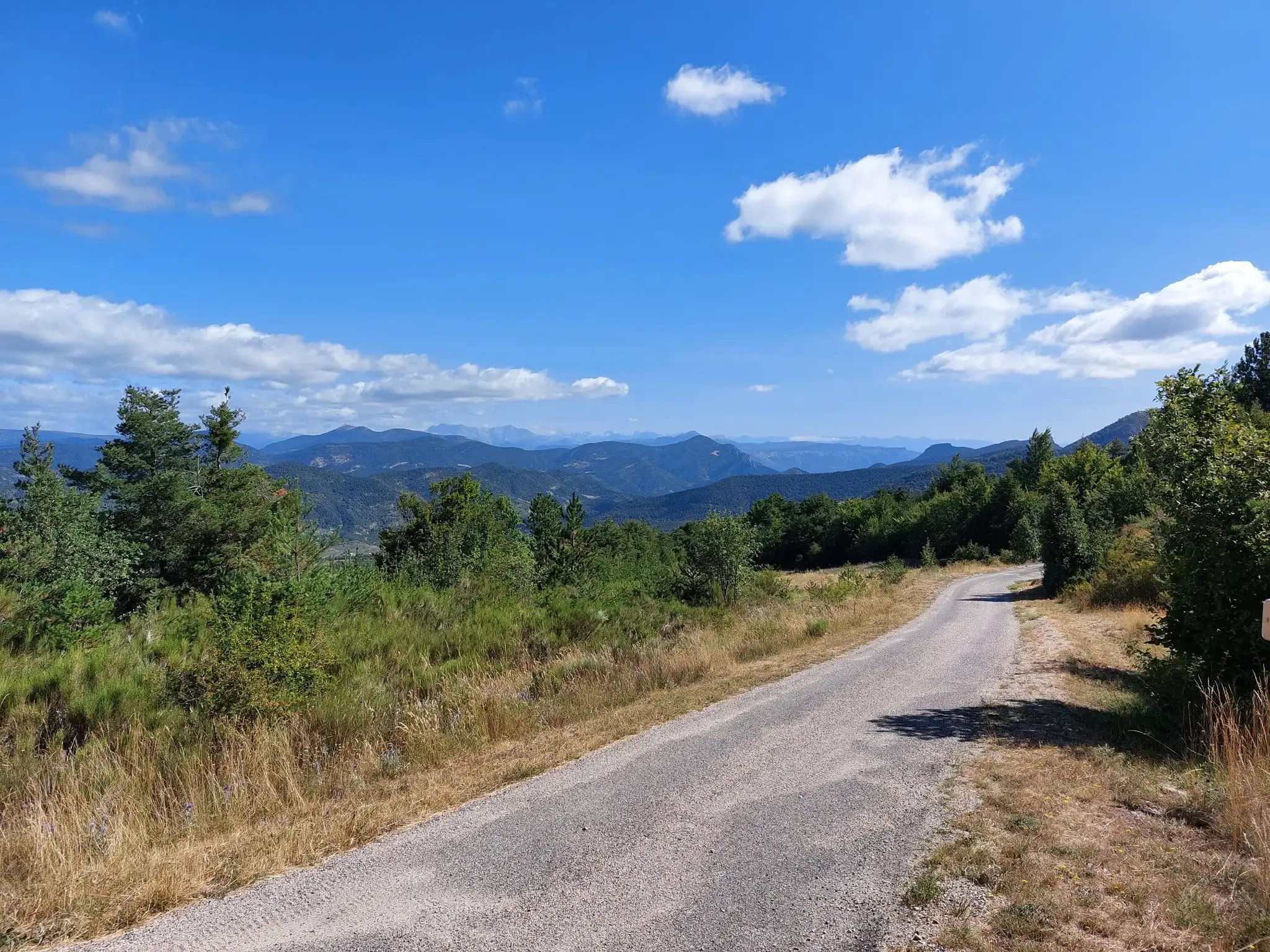
P'tites Routes du Soleil – crossing the pre-Alps from Lake Geneva to Nice
Other adventures around Die


Tips from the Community

The water is cold but nice enough to take a dip on a hot day.
1
0

One of the symbolic climbs of the Vercors. The road climbs through forests and rocky walls up to the pass, offering spectacular views of the Drôme valley. A very evocative climb, popular with cyclists, ideal for immersing yourself completely in the wild landscape of the Vercors.
11
0
Spectacular road carved into the rock in the heart of the Vercors. Vertical walls, numerous galleries and the Bourne stream accompany the route in a wild and suggestive landscape. One of the most scenic roads in the Vercors, unmissable by bike.
9
0
The climb starts quite gently from Chamaloc and becomes progressively more challenging as you enter the spectacular valley. The most scenic part is the final section, with hairpin bends set into the rock faces and the impressive crossing of the Col du Rousset tunnel.
12
0
For fat bikes only
10
0
🚴 Col du Rousset – Chamaloc side * Start: Chamaloc * Finish: Col du Rousset * Altitude: approx. 1,254 m * Length: approx. 11 km * Elevation gain: approx. 650 m * Average gradient: ~6% * Maximum gradients: around 9–10% * Surface: asphalted and generally in good condition
11
0
Splendid panoramic viewpoint immersed in nature, ideal for a short break during the route
11
0

A beautiful hike, but one that requires awareness of some difficulties. The passage through the Devil's Gate is difficult due to its steepness, and no rope facilitates the descending trail. Access to the Gauls' cave further on is not recommended but remains possible thanks to the rope that allows access, as I did without any issues. As for Moulin-Maquis, the site is very beautiful, but supervision of children is imperative! Bring water and good shoes! The climb back up from the waterfall is quite steep and makes you thirsty! In short, I estimate that good physical condition is necessary. Or take breaks along the way.
0
0
Frequently Asked Questions
What natural attractions can I explore around Die?
The region around Die offers diverse natural beauty. You can visit the impressive Druise Waterfall, a 72-meter cascade accessible by crossing the Gervanne river (water shoes recommended). Another dramatic site is the Saut de la Drôme and the Claps, featuring an impressive waterfall and a spectacular rockfall area popular for climbing and via ferrata. The Drôme River itself provides picturesque settings for swimming and canoeing. Die also serves as the southern gateway to the expansive Vercors Regional Natural Park, known for its mountains, forests, and numerous hiking trails.
What historical sites are there to visit in Die?
Die is rich in history. Explore the well-preserved Gallo-Roman Ramparts and the Saint-Marcel Gate, both dating from the 3rd and 4th centuries and classified as Historical Monuments. The 12th-century Notre-Dame Cathedral, though largely rebuilt, retains its Romanesque porch. The Old Town of Die itself is a historical site, and you can visit the Museum of Die and Diois, housed in an 18th-century mansion, showcasing archaeological and historical collections from the Neolithic period to the Roman era.
Where can I find the best scenic views or mountain passes near Die?
For breathtaking panoramas, head to Col de Rousset, a mountain pass offering expansive views, especially of the valley and its winding roads. Another scenic option is Col de Pennes, a smaller alpine pass with great views and less traffic. The Combe Laval road is also renowned for its dramatic scenery. The Cirque d'Archiane provides a stunning natural amphitheater with dramatic landscapes.
Are there family-friendly attractions or activities in Die?
Yes, Die offers several family-friendly options. The Plaine d'Herbouilly is a natural area suitable for families. Exploring the Old Town of Die and its historical sites like the Gallo-Roman ramparts can be an engaging experience. The banks of the Drôme River are perfect for picnics, swimming, and even canoeing. The Museum of Die and Diois also offers educational insights into the region's past.
What kind of outdoor activities can I do near Die's attractions?
The area around Die is ideal for various outdoor activities. You can find numerous hiking trails, including challenging mountain hikes in the Vercors Regional Natural Park. Cycling is very popular, with options for both road cycling and gravel biking. For example, you can find routes like the 'La Drômoise: Col de Pennes Loop' for road cycling or the 'Saou – Pas de Lauzun Pass loop' for gravel biking. Explore more routes on the Road Cycling Routes around Die or Gravel biking around Die guide pages. The Drôme River also offers opportunities for swimming and canoeing.
Where can I go hiking near Die?
Die is a fantastic base for hiking. The Vercors Regional Natural Park, which Die borders, offers a wide range of trails from easy walks to challenging mountain hikes. You can find routes such as 'Les Trois Becs loop from La Chaudière' or 'Roche-Colombe – Pas de l'Échelette loop from Saou'. The Plaine d'Herbouilly is another natural area with trails. For more detailed information on routes, check the Mountain Hikes around Die guide page.
What is Saou and why is it a popular attraction?
Saou is a Provençal village renowned for its magnificent setting, nestled against a backdrop of dramatic cliffs and wild rocky mountains that rise up to 1100 meters. Visitors appreciate its quaint atmosphere, with a beautiful stream running through it. It's also known for its unique geology, being at the foot of the highest perched syncline in Europe, and offers opportunities to spot ibexes and rare high mountain plants.
What local products or culinary experiences can I find in the Die region?
The Die region is famous for its vineyards and the internationally recognized Clairette de Die sparkling wine. You can explore local wineries and taste this distinct effervescent drink. The Muséobulles Jaillance offers interactive exhibits on the history and production of Clairette de Die. Additionally, local markets and cafes in Die and nearby villages provide opportunities to sample regional produce and cuisine.
Are there any charming villages to visit near Die?
Yes, the area around Die is dotted with picturesque villages. Châtillon-en-Diois is a superb medieval village known for its historical heritage and vineyards. Saillans is another charming village that offers authentic French countryside experiences. These villages provide a glimpse into the local culture and architecture.
What is the best time to visit Die for outdoor activities?
The best time to visit Die for outdoor activities generally depends on the specific activity. Spring and autumn offer pleasant temperatures for hiking and cycling, with vibrant foliage or blooming wildflowers. Summer is ideal for water activities in the Drôme River and exploring the higher mountain passes, though it can be warmer. Winter offers opportunities for snow-related activities in the Vercors plateau, such as snowshoeing or cross-country skiing, particularly around areas like Col de Rousset.
What are the Gallo-Roman Ramparts and Saint-Marcel Gate?
The Gallo-Roman Ramparts are well-preserved ancient walls in Die, dating from the 3rd and 4th centuries. Originally two kilometers long and 3.60 meters thick, they are classified as Historical Monuments. The Saint-Marcel Gate, built in the 3rd century, served as the city's main entrance and is also a classified Historical Monument, offering a direct link to Die's ancient past.
What is the significance of the Chapel Saint-Nicolas and its Romanesque mosaic?
Located within the former episcopal palace, the Chapel Saint-Nicolas is notable for its unique Romanesque mosaic depicting the four rivers, a symbolic representation of the universe. The chapel also features rare 17th-century painted wallpaper, making it a significant cultural and historical site in Die.
Most popular routes around Die
Most popular attractions around Die

Get inspired with the komoot mobile app


Didn’t find what you were looking for?
Are you keen on exploring more awesome places nearby? Browse our guides:
Explore more
Still not found the Highlight you’re looking for? See guides of the top attractions in other regions:
