Top 6 Castles around Bordeaux
Castles around Bordeaux are situated in a region known for its rich history and world-class wine production. The area, traversed by the Garonne River, features a landscape that blends historical architecture with extensive vineyards. Many of these structures, often referred to as châteaux, combine historical significance with active wine estates. This region offers a diverse range of historical sites, from ancient fortresses to elegant wine-producing castles.
Best castles around Bordeaux
- The most popular castles is Château La Louvière, a castle that produces wine in Pessac-Léognan. It is known for its wine production and historical presence.
- Another must-see spot is Château du Hâ, Palais Justice & École nationale magistrature, a castle. This old fortress of Bordeaux now houses the Palace of Justice and the National School of the Judiciary, with its two preserved 15th-century towers.
- Visitors also love Château du Dragon, a ruined castle amidst paths and tall grass. Its origins remain mysterious, adding to its unique atmosphere.
- Bordeaux is known for its historical fortresses, ruined castles, and wine-producing châteaux. The region offers a variety of castles to explore, from well-preserved estates to ancient ruins.
- The castles around Bordeaux are appreciated by the komoot community, with 112 upvotes and 10 photos shared by visitors.
Last updated: October 15, 2026
Château du Hâ, Palais Justice & École nationale magistrature
Highlight • Castle
Translated by Google •
Tip by

Château du Dragon
Highlight • Castle
Translated by Google •
Tip by

Sign up now to discover places like this
Get recommendations on the best single tracks, peaks, & plenty of other exciting outdoor places.
Château La Louvière
Highlight • Castle
Translated by Google •
Tip by

Château Haut-Brion, Pessac
Highlight • Castle
Tip by
Blanquefort Fortress
Highlight • Castle
Translated by Google •
Tip by

Château du Taillan
Highlight • Castle
chateaudutaillan.com
A very old legend is attached to the castle: Blanca, daughter of a Moorish chief settled in Gironville (Macau), defeated in Poitiers by Charles Martel, is said to have been seduced by the calm of the place and/or by an Aquitaine prince. The lady decided to settle there and had a fortress built, which official documents mention in the 12th century.
Nowadays, when a white mist is seen over the vineyard in autumn, it is said that the princess is returning to wish prosperity to the estate.
The reference to the white ladies is recurrent in Gascony and the Pyrenees.
Translated by Google •
Tip by

Château de La Brède
Highlight • Castle
Translated by Google •
Tip by

Start today with a free account
Your next adventure awaits.
Popular around Bordeaux
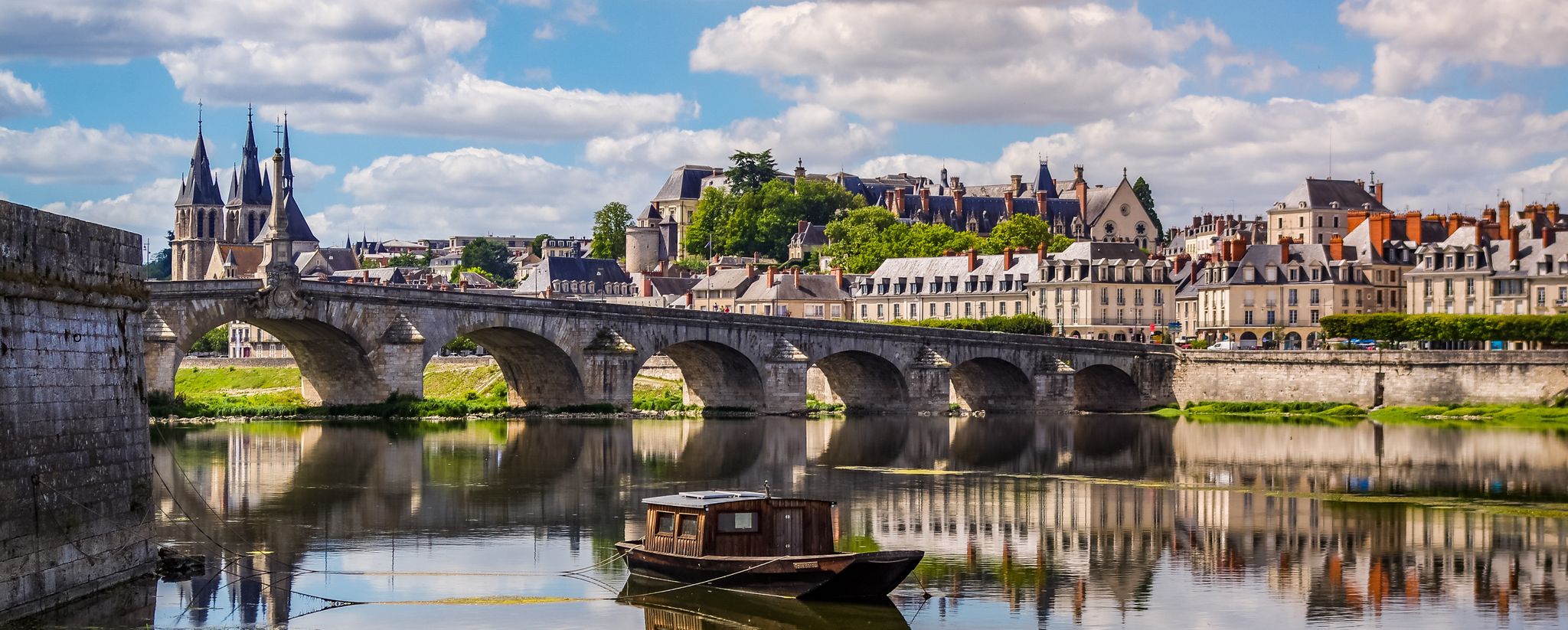
EuroVelo 3 – A cycling pilgrimage from Norway to France
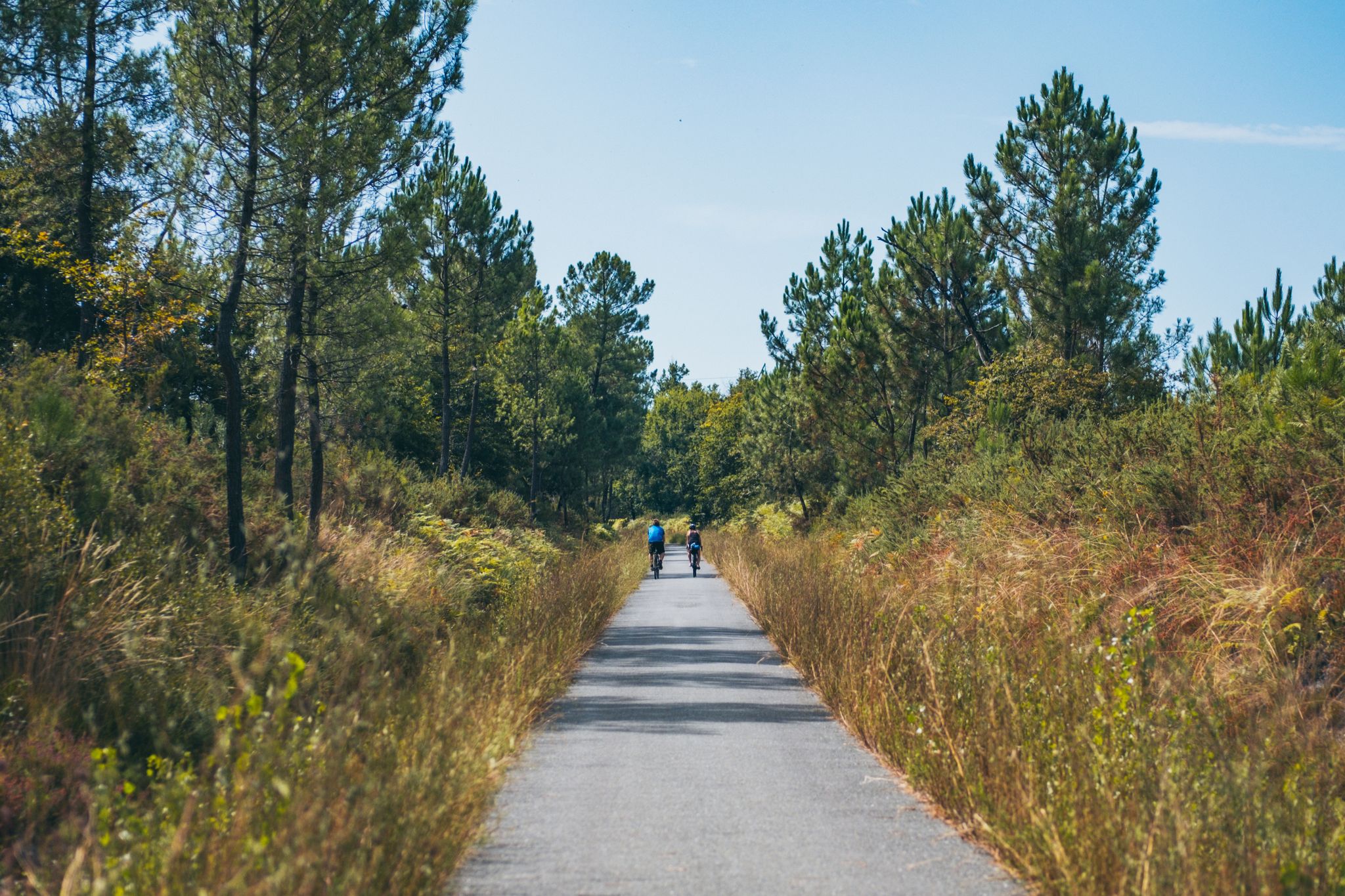
A cycling epic across France — La Scandibérique
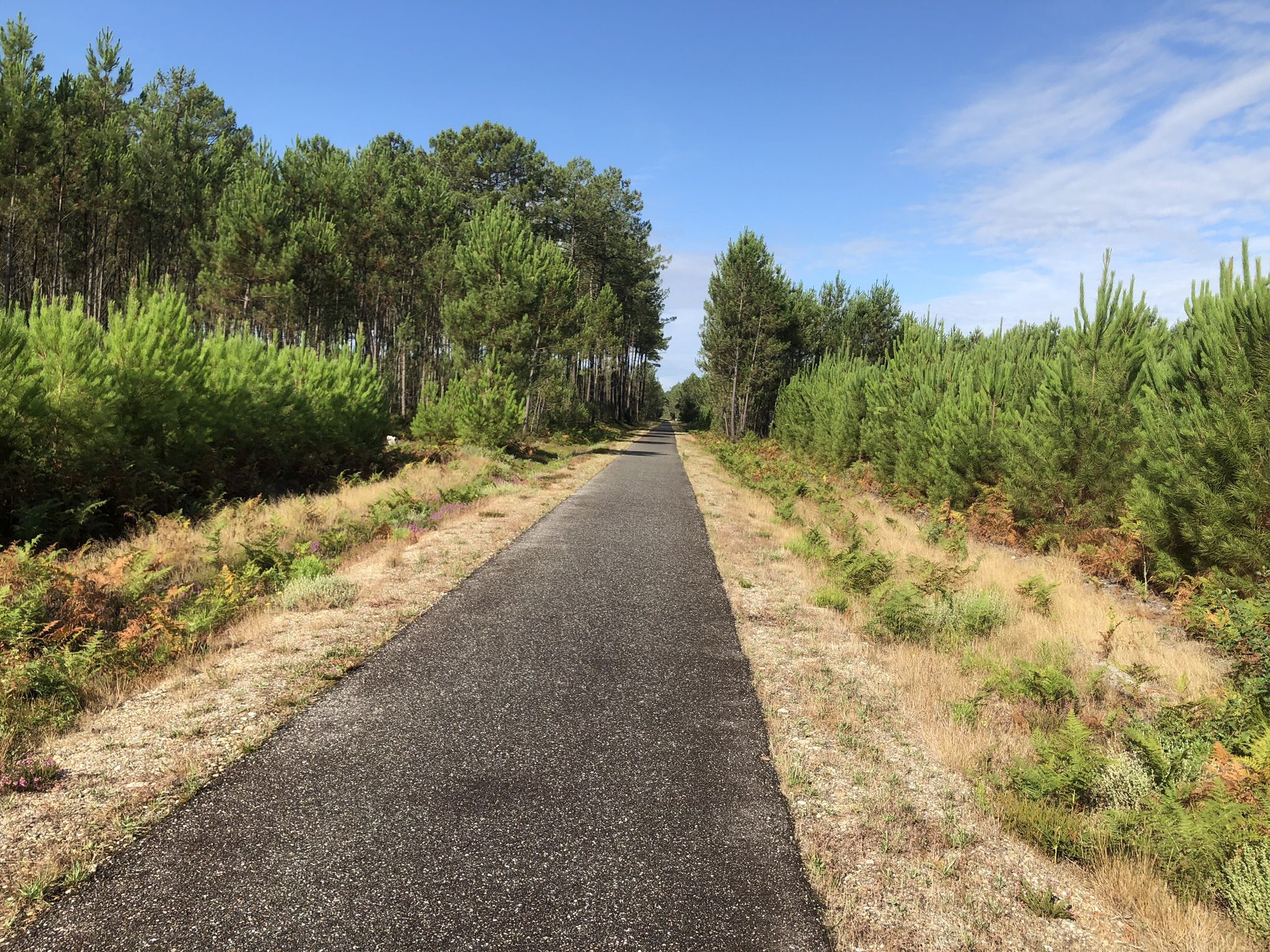
Cycling in the Bordeaux hinterland – Entre-deux-Mers to Landes
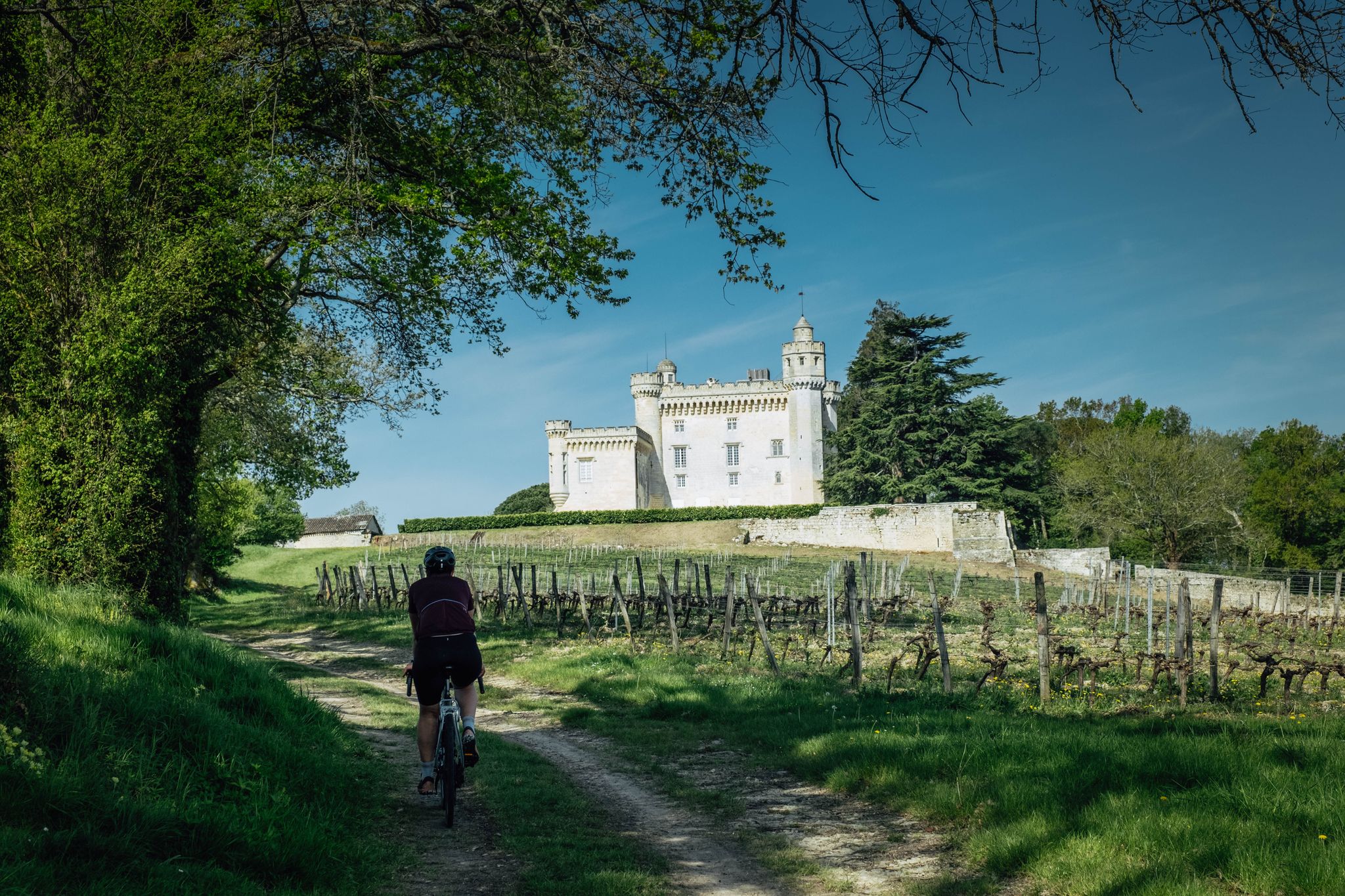
Exploring the Gironde – 10 gravel rides by train from Bordeaux
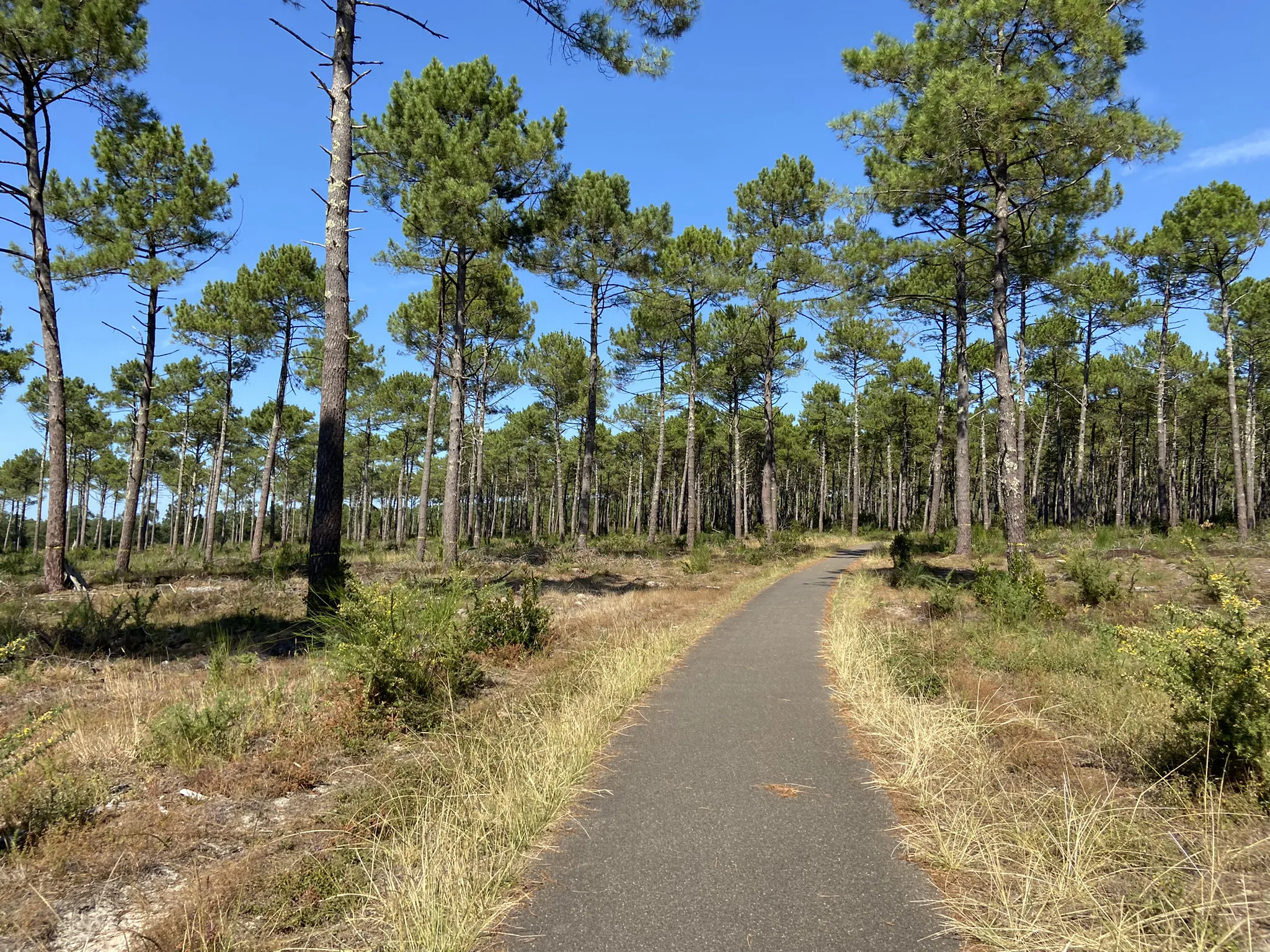
Original nature on the Atlantic coast - Odyssey from Bordeaux to Spain
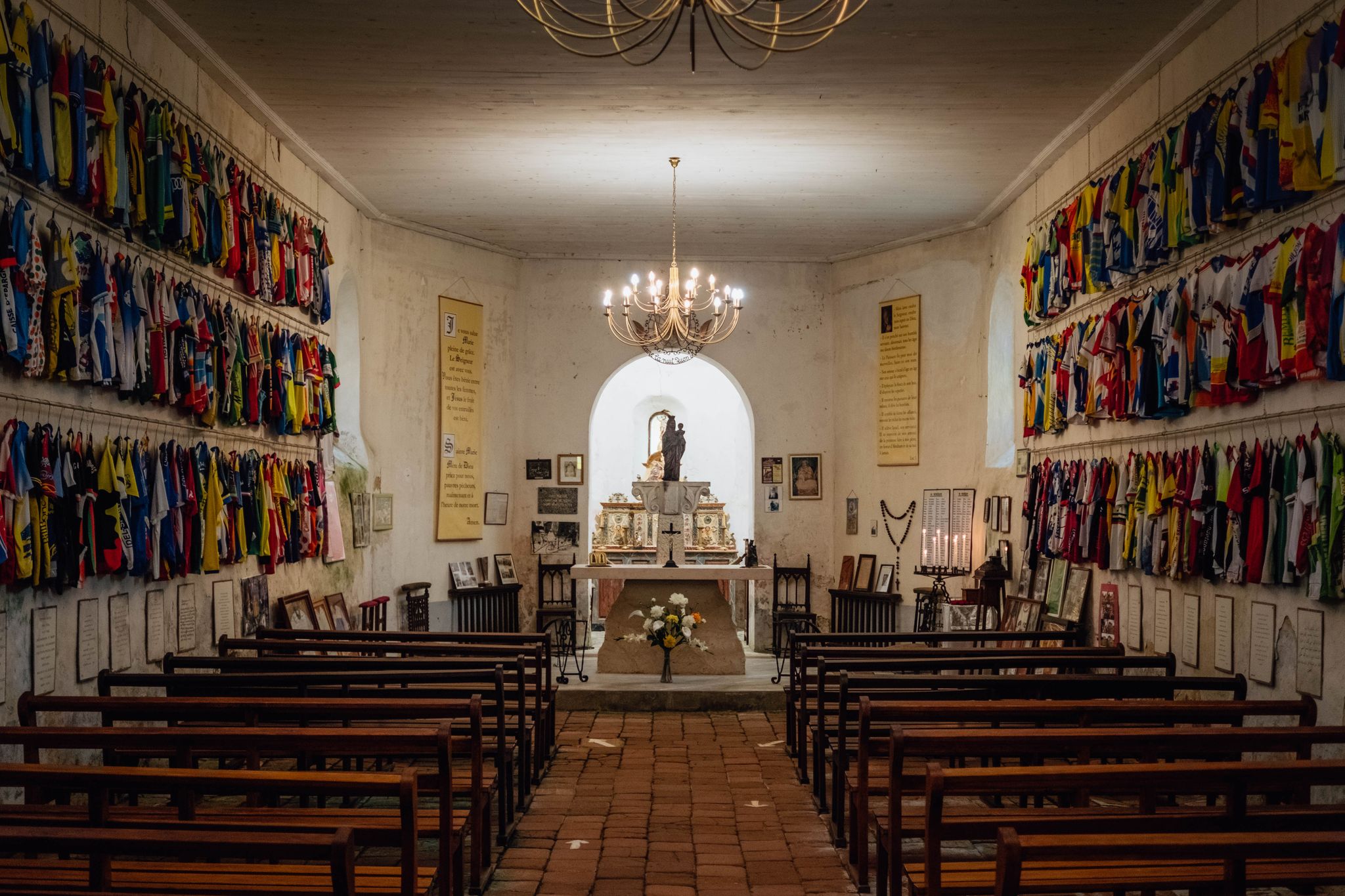
Notre-Dame-des-Cyclistes – Journey to the chapel of the champions
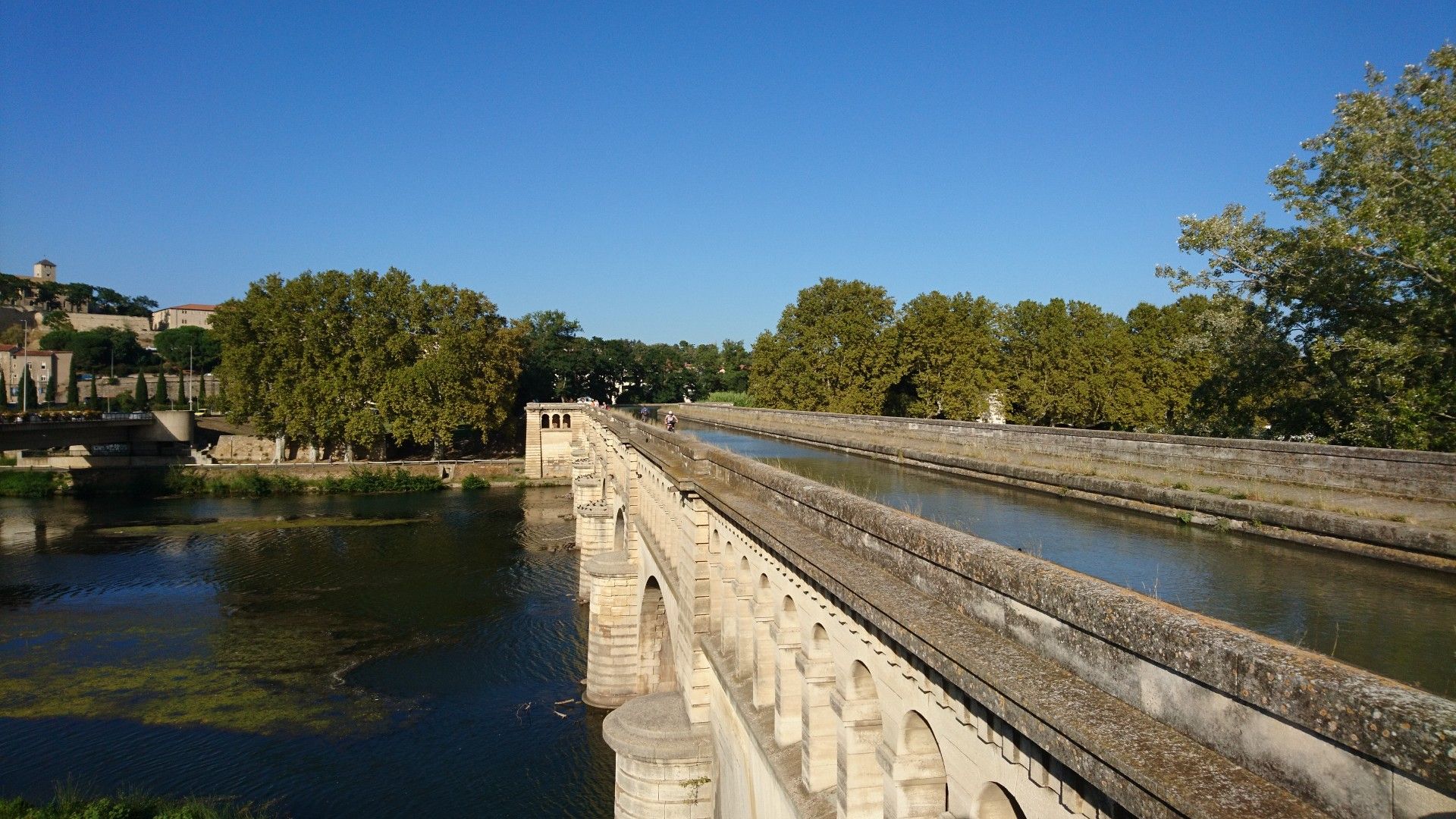
A river adventure – Canal des Deux Mers by bike
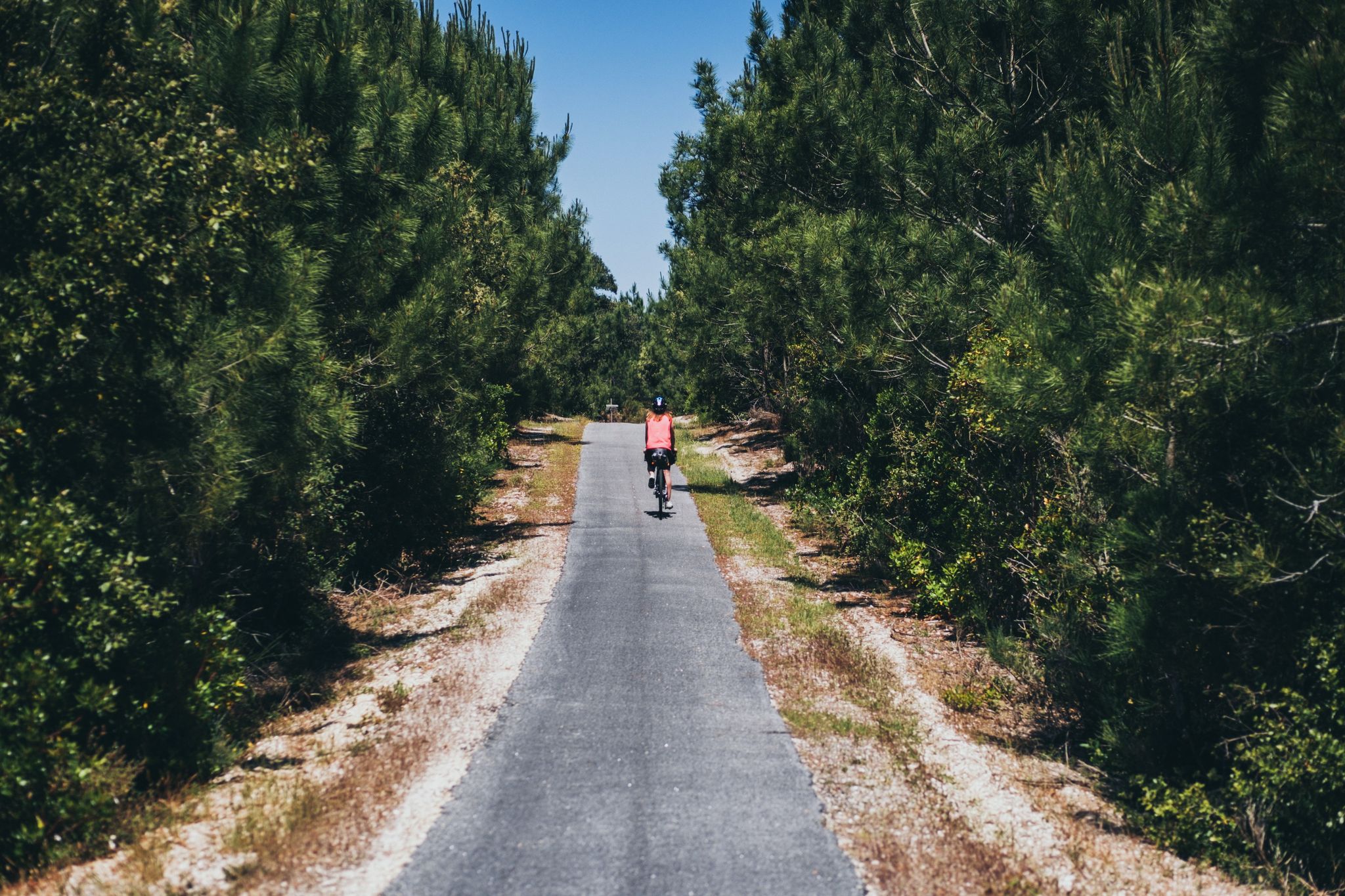
Ocean, vineyards and forests – Tour of the Gironde Estuary
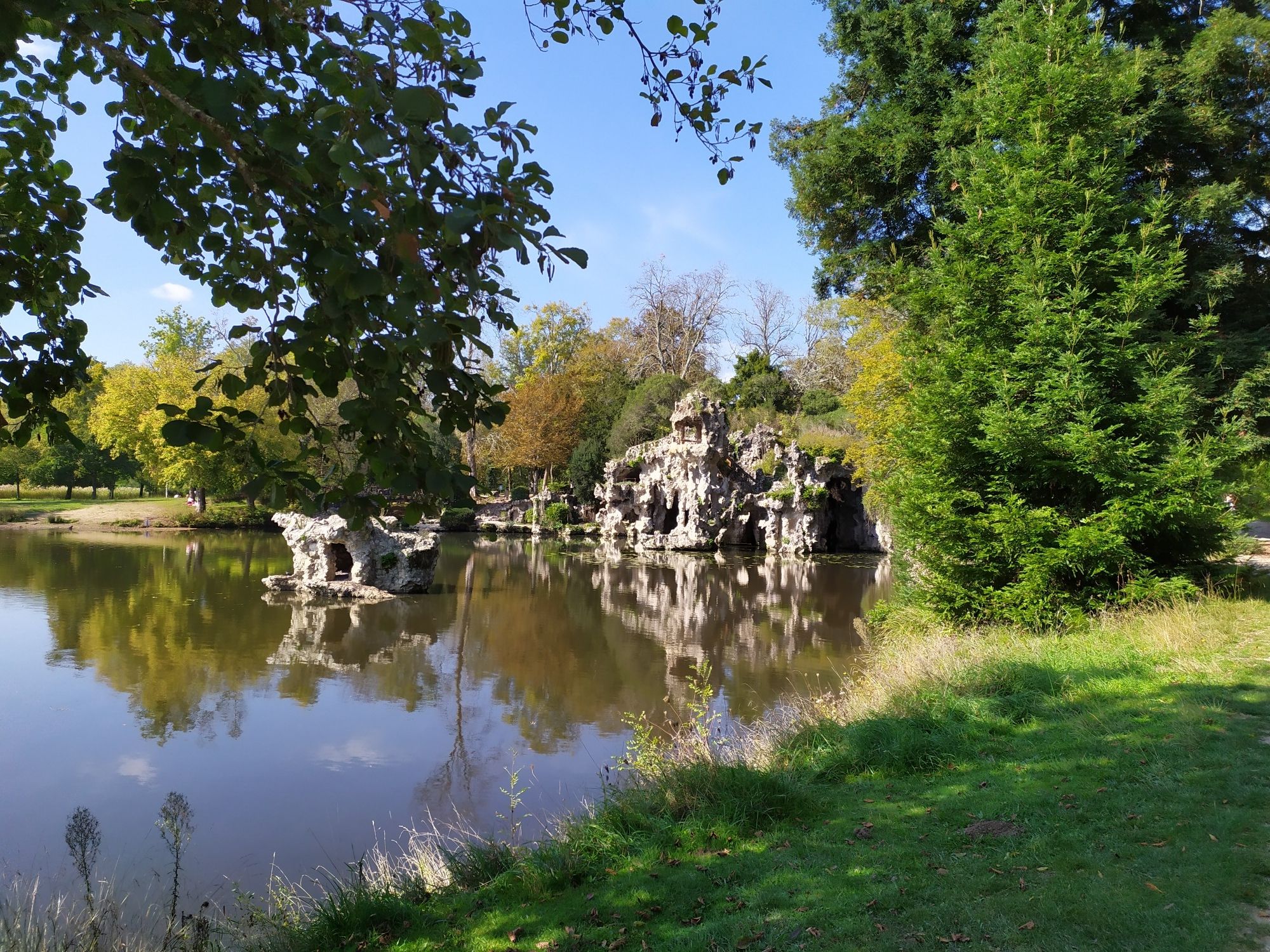
An Urban Adventure - The GR Bordeaux Metropole
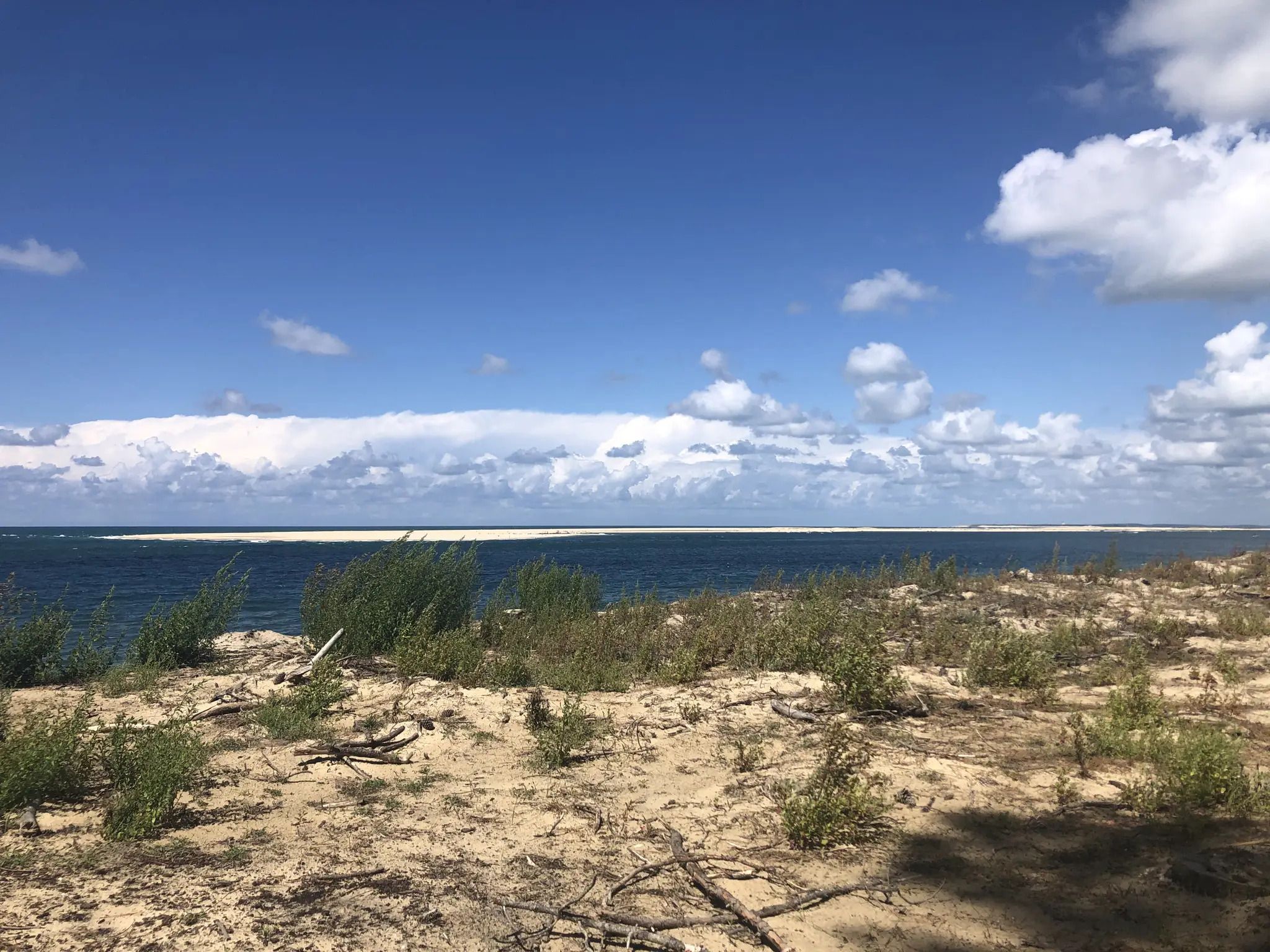
Landes to the ocean – back to nature in France
Other adventures around Bordeaux


Tips from the Community

The Château du Taillan, also called the Château de la Dame Blanche, is a building listed as a historical monument of France located in the heart of a 100-hectare estate in Taillan-Médoc https://www.chateaudutaillan.com/ A very old legend is attached to the castle: Blanca, daughter of a Moorish chief settled in Gironville (Macau), defeated in Poitiers by Charles Martel, is said to have been seduced by the calm of the place and/or by an Aquitaine prince. The lady decided to settle there and had a fortress built, which official documents mention in the 12th century. Nowadays, when a white mist is seen over the vineyard in autumn, it is said that the princess is returning to wish prosperity to the estate. The reference to the white ladies is recurrent in Gascony and the Pyrenees.
0
0

Magnificent castle, and production of a very good wine in Pessac-Léognan. The detour from the road to the castle is worth it.
0
0

Former centuries-old property of Baron de Montesquieu, a brilliant French thinker of the eighteenth century, this marvelous castle with an almost circular plan nestles with its feet in the water on a 150 hectare property.
0
0

The Blanquefort fortress dates from the 12th century. It played a crucial role in the defense of the region. Originally, the castle was built on a rocky islet in the heart of a marsh. Today in ruins, the fortress is worth the detour.
1
0

Superb ruined castle in the middle of paths and tall grass. Vegetation has taken over the castle and you can see trees growing on the roof. It takes its name from the plot where it was built. But its origin remains mysterious! All the more reason to let yourself be haunted by this building.
1
0

After lingering at Place Pey-Berland in front of Saint André cathedral, return to Pessac via rue des frères Bonie. Passage in front of the courthouse and its 7 courtrooms with pointed domes in reference to the seven deadly sins!
2
1
Superb castle in ruins in the middle of paths and tall grass. Vegetation has taken over the castle and you can see trees growing on the roof. It takes its name from the plot where it was built. But its origin remains mysterious! All the more reason to be haunted by this building.
0
0

The fence is mostly closed, but lucky visitors are in for a treat in this formal wine chateau on the western outskirts of Bordeaux.
2
1
Frequently Asked Questions
What types of castles can I explore around Bordeaux?
The Bordeaux region offers a diverse range of historical structures. You'll find ancient fortresses, elegant wine-producing châteaux, and even ruined castles. Many of these, though often called 'châteaux,' possess significant historical architecture and heritage akin to traditional castles.
Are there any castles near Bordeaux that are known for their wine production?
Yes, many châteaux in the Bordeaux region are renowned for their wine. For example, Château La Louvière in Pessac-Léognan is known for its excellent wine production. Other notable wine estates with historical significance include Château Pape Clément, Château Haut-Brion, and Château Les Carmes Haut-Brion, which offer luxurious wine experiences and tastings.
Which castles offer a glimpse into Bordeaux's military history?
For military history, the Château du Hâ in Bordeaux, originally a 15th-century fortress, now houses the Palace of Justice but retains its two preserved towers. The Blanquefort Fortress, dating from the 12th century, played a crucial defensive role and is now an impressive ruin. Further afield, the Citadel of Blaye, a UNESCO World Heritage site, is a well-preserved 17th-century fortification built by Vauban.
Are there any family-friendly castles to visit near Bordeaux?
Yes, Château de La Brède, the former property of Montesquieu, is considered family-friendly. Its picturesque setting with the castle surrounded by water makes it an appealing visit for all ages. Château de La Rivière also evokes the classic image of a prince or princess's castle, making it enjoyable for families.
What outdoor activities can I do near these castles?
The region around Bordeaux offers various outdoor activities. You can find numerous hiking trails, such as the 'Bordeaux: Two Bridges Trail' or the 'Blue and Green Lakes Loop'. For mountain biking, explore routes like the 'Boucle au départ de Floirac'. Runners can enjoy trails like the 'Panoramic Hillsides Trail'. You can find more details on these activities in the hiking guide, MTB guide, and running guide for Bordeaux.
What is the best time of year to visit castles around Bordeaux?
The best time to visit castles around Bordeaux is generally from spring to autumn (April to October). During these months, the weather is pleasant for exploring, and many wine châteaux offer tours and tastings. The autumn harvest season (September-October) is particularly vibrant in the wine regions.
Are there any ruined castles with a mysterious atmosphere?
Yes, Château du Dragon is a superb ruined castle amidst paths and tall grass. Its origins remain mysterious, with vegetation having taken over the structure, creating a unique and haunting atmosphere for visitors.
Can I visit castles that are easily accessible from Bordeaux city center?
Yes, some castles are quite accessible. Château du Hâ is located directly in Bordeaux. Château Les Carmes Haut-Brion is also unique for being the only vineyard within Bordeaux city limits and is easily accessible by public transport, offering private tours.
Which castles are particularly significant for their historical age?
Château Haut-Brion dates back to the 1st century, making it one of the oldest estates. Blanquefort Fortress dates from the 12th century. Château Saint-Georges in Saint-Émilion laid its first stone in the 13th century, and Château de Lamarque has parts of its structure that are 1,000 years old, including a perfectly preserved 13th-century keep.
Are there castles near Bordeaux with beautiful gardens?
Many châteaux in the Bordeaux region feature beautiful grounds and gardens. Château Haut-Brion is known for its beautiful gardens. Château Saint-Georges, with its neoclassical style, retains four corner towers from its feudal past overlooking a garden of aromatic plants.
What do visitors enjoy most about the castles around Bordeaux?
Visitors appreciate the blend of rich history and world-class wine production that many châteaux offer. The historical presence, unique architecture, and the opportunity to explore vineyards and taste exceptional wines are frequently highlighted. The community has shared 10 photos and given 112 upvotes to these castles, indicating their popularity.
Are there any castles near the famous Saint-Émilion wine region?
Yes, the Saint-Émilion region is home to several prestigious châteaux. Château Saint-Georges, Château Figeac, and Château Angelus are all located near Saint-Émilion and are celebrated for their history and exceptional wines.
Most popular routes around Bordeaux
Most popular attractions around Bordeaux

Get inspired with the komoot mobile app


Didn’t find what you were looking for?
Explore Bordeaux’s best castles region by region:
Explore more
Looking for the best castles somewhere else? Discover other guides around Bordeaux:
